On This Page
Description
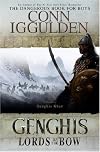
Genghis Khan was born Temujin, the son of a khan, raised in a clan of hunters migrating across the rugged steppe. Shaped by abandonment and betrayal, Temujin endured, driven by a singular fury: to survive in the face of death, to kill before being killed, and to conquer enemies who could come without warning from beyond the horizon. Through a series of courageous raids, Temujin's legend grew until he was chasing a vision: to unite many tribes into one, to make the earth tremble under the show more hoofbeats of a thousand warhorses, to subject all nations and empires to his will. show lessTags
Recommendations

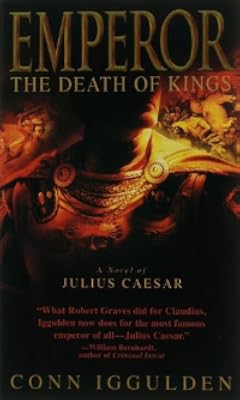
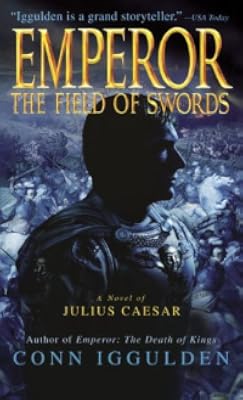





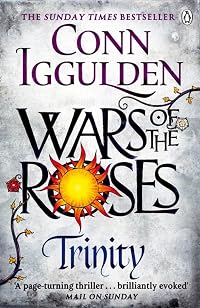

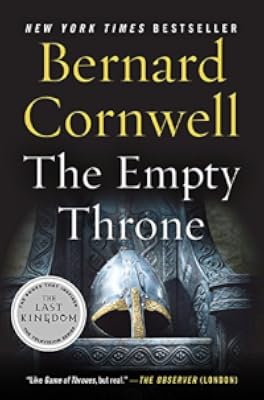
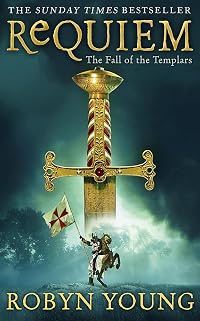
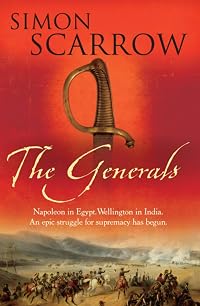
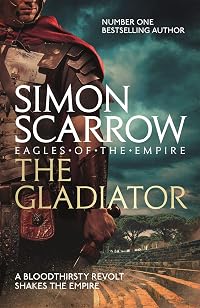

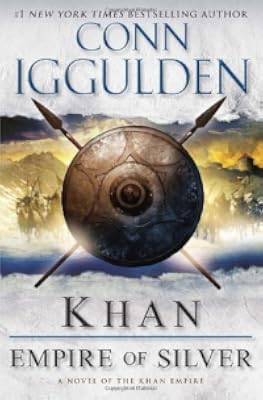
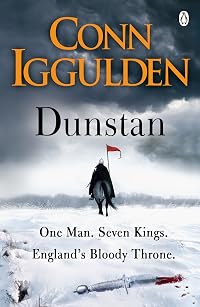
Member Recommendations
Member Reviews
I have to give Iggulden some credit here. The author takes a historical figure that has limited documentation and makes him shine. Too often Hollywood will give us a horrendously illiterate account of Genghis Khan. It could very well be true, we just don't know. But what the author does...and he does it very effectively is structure a life and give this intriguing figure a face and personality to guide us. By taking and blowing up possible events in Temujin's life we get a sense of what possibly shaped and molded him into the stone cold tactician and warrior that history tells us he was. This book focuses on his early life and the lives of those around him. The story is quickly paced and downright savage in many areas...as to be show more expected. The campfire scene will stay with me for a while. Kind of hard to unsee that. His attitude towards his mother's home tribe and the decision he makes regarding them....they can't say he was not pushed toward that action. He had more than one reason to lash out at them. This is the first of Iggulden's books I have read. I bought his entire catalogue at once. That was risky and so far it seems to have paid off. Two thumbs up on this work. I feel it can only get better as I launch off into the second book. show less
This is the first book I've truly enjoyed in over a year! A great way to kick off the new year.
The writing style is beautiful - from the first chapter I was making happy noises to myself about the phrasings. There's a great mix of narrative exposition and close scenes that enables the book to cover about 20 years of time with excellent pacing, thrilling fights, emotional content, and historic information. I really appreciated the author's note at the end which explained the research he did and the few small changes he made for the sake of storytelling - on the whole, this definitely seems like an accurate telling, and I learned a lot about Mongolian traditions and the background of Genghis Khan - I knew nothing about his personal show more history except for the early loss of his father. I really appreciated all the details about horsemanship and archery, life on the plains, and their brutal "survival of the fittest" mentality with no real rule of law in the land.
The villains in this story are so hatable! It's been a while since I've been so excited to see the villain finally get it - man, he needed to die! I was fully consumed with Temujin's rage and thirst for revenge. I found myself actually holding my breath and leaning forward on my seat, gritting my teeth as he's beaten and betrayed, nearly killed, and yet still manages to come out on top. This poor kid (and everyone he cares about) just can't catch a break. It wasn't long before the thought of tearing his enemies' limbs apart with horses started to sound pretty appealing (that doesn't actually happen in this book, but there ARE sequels).
I never expected to relate to Genghis Khan (birth name Temujin)... that's the power of fiction. Temujin is actually really likeable, though the author does not minimize his very real character faults. He is ambitious and arrogant, but also deeply loyal to his family and clan - which makes it all the more heart wrenching when he is betrayed. He has a pure love of the Mongolian way of life that is contagious - my heart was in my throat as I enjoyed alongside him the thrill of riding, the banter between brothers, the tenacity required to scale a cliff face to steal a great eagle's chicks, and his raw athleticism and skill with the bow even as a child.
He says, "my word is iron and iron does not break." He is a deeply passionate person, driven by determination to be excellent, a stubborn refusal to die, and sheer, absolute audacity. This is absolutely adult fiction, but he might sound a bit like a YA character. With none of the infuriating elements though, because Iggulden is not afraid to show him fail and suffer the consequences of his actions. His grand appeals to honor sometimes fall on deaf ears, and sometimes succeed, earning him the loyalty of great men. He often acts reckless, but does not expect to come out unscathed. He clearly states that he does not expect to survive his most audacious act and is surprised that he manages to essentially BS and murder his way into the rulership of a clan. A YA character would strut around expecting to succeed and be shocked when they fail. Temujin is forced to become a man early - he knows his youth still predisposes him to recklessness and chooses older advisors to temper this inclination.
This was a very character-focused book which surprised me in a way. I thought it'd be more plot (history) heavy, but I really loved how much this focused on cultural beliefs (what a marriage looks like, attitudes toward outsiders, hosting laws, the afterlife), family relationships, and the mental resilience required to not just survive a horrible event, but to thrive and rise again. The reason I actually gave it 4 rather than 5 stars was because Temujin doesn't really develop or change as a character. He starts out as a power-motivated, charismatic, talented boy, and ends the story as a powerful, charismatic, talented man and Khan. He is compelling, but actually pretty shallow aside from his unwavering loyalty to his family - I want to kill my enemies and be great. Now I've killed my enemies, I want to be greater - which is entirely accurate to history! But it took me a while after I finished reading to articulate why, despite how much I enjoyed the characters, content, writing style, and emotional impact, it stood as a solid 4 star in my mind.
These are not deep people (there's a reason the world doesn't read Mongolian poetry, despite how far they conquered) - these characters overcome great hardships and earn their revenge and a place for their family again, but all they do is perpetuate the same cycle of blood-feuds and slaughter that destroyed them, with no belief or hope in anything greater - whether a god, the beauty of a civilization they might build, or even the lasting nature of their new clan bonds. It's rather sad how nihilistic they are - kill, steal, drink, for tomorrow we die. This isn't a fault on the author - in a way it shows how well he did at capturing their attitude accurately. But it does mean this story can only make so much of an impact on readers.
This was a pretty intense story with a lot of R-rated content: mob rape, ritual executions, torture, fratricide, wholesale slaughter. So I definitely need a break from it, but I look forward to reading the sequels. I'm fascinated with how the Chinese were introduced near the end of the story and want to see how those politics lead into the war of expansion we all know.
I listened to this as an audiobook and it was excellent.
Find more reviews here: https://creativecornerstones.com/2026/02/24/book-review-genghis-birth-of-an-empi..... show less
The writing style is beautiful - from the first chapter I was making happy noises to myself about the phrasings. There's a great mix of narrative exposition and close scenes that enables the book to cover about 20 years of time with excellent pacing, thrilling fights, emotional content, and historic information. I really appreciated the author's note at the end which explained the research he did and the few small changes he made for the sake of storytelling - on the whole, this definitely seems like an accurate telling, and I learned a lot about Mongolian traditions and the background of Genghis Khan - I knew nothing about his personal show more history except for the early loss of his father. I really appreciated all the details about horsemanship and archery, life on the plains, and their brutal "survival of the fittest" mentality with no real rule of law in the land.
The villains in this story are so hatable! It's been a while since I've been so excited to see the villain finally get it - man, he needed to die! I was fully consumed with Temujin's rage and thirst for revenge. I found myself actually holding my breath and leaning forward on my seat, gritting my teeth as he's beaten and betrayed, nearly killed, and yet still manages to come out on top. This poor kid (and everyone he cares about) just can't catch a break. It wasn't long before the thought of tearing his enemies' limbs apart with horses started to sound pretty appealing (that doesn't actually happen in this book, but there ARE sequels).
I never expected to relate to Genghis Khan (birth name Temujin)... that's the power of fiction. Temujin is actually really likeable, though the author does not minimize his very real character faults. He is ambitious and arrogant, but also deeply loyal to his family and clan - which makes it all the more heart wrenching when he is betrayed. He has a pure love of the Mongolian way of life that is contagious - my heart was in my throat as I enjoyed alongside him the thrill of riding, the banter between brothers, the tenacity required to scale a cliff face to steal a great eagle's chicks, and his raw athleticism and skill with the bow even as a child.
He says, "my word is iron and iron does not break." He is a deeply passionate person, driven by determination to be excellent, a stubborn refusal to die, and sheer, absolute audacity. This is absolutely adult fiction, but he might sound a bit like a YA character. With none of the infuriating elements though, because Iggulden is not afraid to show him fail and suffer the consequences of his actions. His grand appeals to honor sometimes fall on deaf ears, and sometimes succeed, earning him the loyalty of great men. He often acts reckless, but does not expect to come out unscathed. He clearly states that he does not expect to survive his most audacious act and is surprised that he manages to essentially BS and murder his way into the rulership of a clan. A YA character would strut around expecting to succeed and be shocked when they fail. Temujin is forced to become a man early - he knows his youth still predisposes him to recklessness and chooses older advisors to temper this inclination.
This was a very character-focused book which surprised me in a way. I thought it'd be more plot (history) heavy, but I really loved how much this focused on cultural beliefs (what a marriage looks like, attitudes toward outsiders, hosting laws, the afterlife), family relationships, and the mental resilience required to not just survive a horrible event, but to thrive and rise again. The reason I actually gave it 4 rather than 5 stars was because Temujin doesn't really develop or change as a character. He starts out as a power-motivated, charismatic, talented boy, and ends the story as a powerful, charismatic, talented man and Khan. He is compelling, but actually pretty shallow aside from his unwavering loyalty to his family - I want to kill my enemies and be great. Now I've killed my enemies, I want to be greater - which is entirely accurate to history! But it took me a while after I finished reading to articulate why, despite how much I enjoyed the characters, content, writing style, and emotional impact, it stood as a solid 4 star in my mind.
These are not deep people (there's a reason the world doesn't read Mongolian poetry, despite how far they conquered) - these characters overcome great hardships and earn their revenge and a place for their family again, but all they do is perpetuate the same cycle of blood-feuds and slaughter that destroyed them, with no belief or hope in anything greater - whether a god, the beauty of a civilization they might build, or even the lasting nature of their new clan bonds. It's rather sad how nihilistic they are - kill, steal, drink, for tomorrow we die. This isn't a fault on the author - in a way it shows how well he did at capturing their attitude accurately. But it does mean this story can only make so much of an impact on readers.
This was a pretty intense story with a lot of R-rated content: mob rape, ritual executions, torture, fratricide, wholesale slaughter. So I definitely need a break from it, but I look forward to reading the sequels. I'm fascinated with how the Chinese were introduced near the end of the story and want to see how those politics lead into the war of expansion we all know.
I listened to this as an audiobook and it was excellent.
Find more reviews here: https://creativecornerstones.com/2026/02/24/book-review-genghis-birth-of-an-empi..... show less
Coming back to this series after first reading it over a decade ago, this rendition of the story of Genghis Khan still feels just as engaging and satisfying. Conn Iggulden does a fantastic job at both bringing the reader into the world of the steppes and the harsh way of life of the Mongol tribes, and also telling a rivetting story about the early life of Temujin and the events that would shape him into the leader and conqueror that he became. Despite the taking of some historical liberties, the Wolf of the Plains retains its general sense of realism and it is obvious that it is also meticulously researched. I could knock a half star off for underdevelopment of some of the secondary characters and pacing in the second half of the book, show more but the nostalgia of re-reading and it just genuinely being a good read bump it back into the 5 star range for me. show less
Fascinating historical dramatization of the life of Genghis Khan. I was immersed in the voice and imagery so deeply that both the reader and the storyteller were secondary to the experience. Life was brutal, yet Genghis was a mixture of ruthlessness and brilliance. Tribal life of the Mongols contrasted with that of the Chin in a very yin/yang extreme way. While abhorrent in many respects, the strength of will and struggle for survival in such a tribal society has much to teach about the nature of mankind. Elements of religion, customs, human relations - all seen raw and basic. I admire the sublime heights of cultured society, but the earthy trials of existence has an austere beauty as well. Well told, well written, and highly recommended.
I really enjoyed the first in Conn Iggulden's "Genghis" series. He created a lot of depth of character for Genghis (or Temujin as he's originally called) and his family, a solid foundation for his motives, and his core cadre that make up the base of characters for all three books in the series.
In broad strokes, "Birth of an Empire" traces the rise of Genghis Khan from his birth through his first melding of tribes to unite against a common Asian foe. It's a bit of your typical rags-to-riches: Temujin grows up as son of a mongol tribe leader who's deposed (and probably murdered); he and his family are then exiled and hunted and he's forced to grow up sooner than he should, but because of it is stronger. Come to think of it, the story is show more less rags-to-riches, than it is rags-to-different-rags-and-charismatic-brooding-power.
The story is rife with action and adventure and Iggulden creates an enjoyable ride out of the snippets of his early life that motivate a young Temujin to emerge leader of the Mongol empire
Iggulden freely admits that he takes liberties with history to make better fiction. I don't have much background on Khan, but in a couple of quick comparisons, I didn't feel that Iggulden stretched too far to make his story work well. I also believe that there are relatively few solid historical resources on the young Genghis which leaves a lot of space for Iggulden to explore.
By comparison, I struggled to get through the author's first historical fiction series on Julius Caesar. Caesar's motivations were mild at best, and the changes in history seemed rather random and unnecessary. But such is the nature of historical "fiction" - the extent of "fiction" will have varying appeals based on the pre-existing knowledge and interest of the reader. So, to my taste, I didn't mind the liberties taken with Genghis, but found the liberties taken with Caesar bothersome.
I thoroughly enjoyed "Birth of an Empire" and was taken in enough by the story to gobble up the second in the series "Lords of the Bow" and buy the hardcover 3rd in the series "Bones of the Hills" as soon as it was released. I even jumped into Mongolian non-fiction with Weatherford's "Genghis Khan and the Making of the Modern World".
Iggulden hit on a number of recommendation-worthy elements with his book: 1) as a standalone novel it is fun, engaging, exciting and contains solid depth of character; 2) I was drawn into the storyline enough to want to read the rest of the series; 3) the historical nature of the story was strong enough to draw me out of the Genghis fictional realm and into non-fiction. show less
In broad strokes, "Birth of an Empire" traces the rise of Genghis Khan from his birth through his first melding of tribes to unite against a common Asian foe. It's a bit of your typical rags-to-riches: Temujin grows up as son of a mongol tribe leader who's deposed (and probably murdered); he and his family are then exiled and hunted and he's forced to grow up sooner than he should, but because of it is stronger. Come to think of it, the story is show more less rags-to-riches, than it is rags-to-different-rags-and-charismatic-brooding-power.
The story is rife with action and adventure and Iggulden creates an enjoyable ride out of the snippets of his early life that motivate a young Temujin to emerge leader of the Mongol empire
Iggulden freely admits that he takes liberties with history to make better fiction. I don't have much background on Khan, but in a couple of quick comparisons, I didn't feel that Iggulden stretched too far to make his story work well. I also believe that there are relatively few solid historical resources on the young Genghis which leaves a lot of space for Iggulden to explore.
By comparison, I struggled to get through the author's first historical fiction series on Julius Caesar. Caesar's motivations were mild at best, and the changes in history seemed rather random and unnecessary. But such is the nature of historical "fiction" - the extent of "fiction" will have varying appeals based on the pre-existing knowledge and interest of the reader. So, to my taste, I didn't mind the liberties taken with Genghis, but found the liberties taken with Caesar bothersome.
I thoroughly enjoyed "Birth of an Empire" and was taken in enough by the story to gobble up the second in the series "Lords of the Bow" and buy the hardcover 3rd in the series "Bones of the Hills" as soon as it was released. I even jumped into Mongolian non-fiction with Weatherford's "Genghis Khan and the Making of the Modern World".
Iggulden hit on a number of recommendation-worthy elements with his book: 1) as a standalone novel it is fun, engaging, exciting and contains solid depth of character; 2) I was drawn into the storyline enough to want to read the rest of the series; 3) the historical nature of the story was strong enough to draw me out of the Genghis fictional realm and into non-fiction. show less
Wolf of the Plains is a magnificent first part to the Conquerer series. Exploring the incredibly tough upbringing and rise to power of Temujin (the later Genghis Khan) Wolf is historical fiction of the highest order. Based mainly on the Secret History of the Mongols and following much of the same path as the also tremendous film Mongol, Iggulden brings to life the nomadic lifestyle, the bitter warring, and thirst for revenge that are the backdrop for the rise to power of one of the greatest conquerors in history.
Iggulden is clearly a man with an affinity for the Mongolian plains. Spending time there to research was well worth the effort as his descriptions of the scenery, of the people, of the nomadic lifestyle are drawn so that any show more outsider can feel the experience. The narrative that begins with Temujin's journey to find a wife and the death of his father is fast paced and gripping. Each chapter flows rapidly by and the whole joins together as at times a heartrending tale but one of overcoming the odds, of coming of age, and ultimately triumph.
Generally Iggulden does not hold back in describing the cultural values of the Mongol people. He rarely sensitises for the more fragile western mindset though there are occasions where western values creep in and those are jarring at times. The most notable is the concept of nationhood. The thought process behind this jumps out suddenly and doesn't really follow from what happens before. I mention this because otherwise the characters are so incredibly well developed that each of them is clearly distinguishable from the others including in motive and in action. While some more space for the accumulation of loyalty from those without tribes would have been nice this is an area of Temujin's story that is simply not recorded anywhere so this oversight is understandable.
As well as Mongolia, Iggulden also clearly understands young men. Throughout, Wolf is a coming of age story set in some of the most difficult environs imaginable. Temujin not only has to survive but also to learn the skills he needs for manhood including in building and protecting a family. Being wrenched away from his tribe puts Temujin at a massive disadvantage in a communal society and the decisions he has to make are hard but to be Genghis Khan means having to be a leader who can make those decisions and the boy cast adrift into the wild fights on to become a Khan commanding the loyalty of millions.
The book concludes (as do each in the trilogy) with a note on the historical facts. I really appreciated that as during the novel I'd been telling myself that it was Merkits that captured Borte, not Tartars. Iggulden clarifies where he has taken dramatic licence for the storyline's sake and throws ina couple of anecdotal historical snapshots that help only to build the world the story exists within. show less
Iggulden is clearly a man with an affinity for the Mongolian plains. Spending time there to research was well worth the effort as his descriptions of the scenery, of the people, of the nomadic lifestyle are drawn so that any show more outsider can feel the experience. The narrative that begins with Temujin's journey to find a wife and the death of his father is fast paced and gripping. Each chapter flows rapidly by and the whole joins together as at times a heartrending tale but one of overcoming the odds, of coming of age, and ultimately triumph.
Generally Iggulden does not hold back in describing the cultural values of the Mongol people. He rarely sensitises for the more fragile western mindset though there are occasions where western values creep in and those are jarring at times. The most notable is the concept of nationhood. The thought process behind this jumps out suddenly and doesn't really follow from what happens before. I mention this because otherwise the characters are so incredibly well developed that each of them is clearly distinguishable from the others including in motive and in action. While some more space for the accumulation of loyalty from those without tribes would have been nice this is an area of Temujin's story that is simply not recorded anywhere so this oversight is understandable.
As well as Mongolia, Iggulden also clearly understands young men. Throughout, Wolf is a coming of age story set in some of the most difficult environs imaginable. Temujin not only has to survive but also to learn the skills he needs for manhood including in building and protecting a family. Being wrenched away from his tribe puts Temujin at a massive disadvantage in a communal society and the decisions he has to make are hard but to be Genghis Khan means having to be a leader who can make those decisions and the boy cast adrift into the wild fights on to become a Khan commanding the loyalty of millions.
The book concludes (as do each in the trilogy) with a note on the historical facts. I really appreciated that as during the novel I'd been telling myself that it was Merkits that captured Borte, not Tartars. Iggulden clarifies where he has taken dramatic licence for the storyline's sake and throws ina couple of anecdotal historical snapshots that help only to build the world the story exists within. show less
I read the first three novels in Conn Iggulden's Conqueror series, which cover the life of Genghis Khan and his conquests from China to Eastern Europe. This series is enjoyable for anyone interested in the Mongol period of history who isn't looking for a deep or complex story. The novels will take readers to the steppes of 12th-century Mongolia, immersing them in a world of tribalism, survival, and raw ambition. I would have liked to see more development of female characters, and a couple of the plot arcs seem superfluous. These books may target a specific audience (men?), heavily emphasizing combat and high honor. A quick check on Wikipedia shows they are reasonably accurate historically, making good historical fiction. I'm sure I will show more read the last two books covering the grandson, Kublai, at some point. show less
Members
- Recently Added By
Lists

Books Read in 2020
4,379 works; 123 members

Kindle Historical Re-Read
69 works; 1 member

el
1,139 works; 1 member
Author Information

99+ Works 23,901 Members
Conn Iggulden is a British fiction writer, born in 1971. He studied at English at the University of London. Iggulden headed the English Department at St. Gregory's Roman Catholic School in London and taught English there for seven years. He left teaching to write his first novel, The Gates of Rome. Iggulden has also co-authored the #1 New York show more Times bestseller, "The Dangerous Book for Boys". His title Trinity is the second of the series of books covering the Wars of the Roses, when the English noble families were at war with each other. Book 4, Ravenspur: Rise of the Tudors, was released in May 2016 show less
Awards and Honors
Awards
Series

Work Relationships
Is contained in
Common Knowledge
- Canonical title
- Wolf of the Plains
- Original title
- Wolf of the Plains
- Alternate titles
- Genghis: Birth of an Empire (North America) (North America)
- Original publication date
- 2007-05-01
- People/Characters
- Genghis Khan
- Important places
- Mongolia
- Epigraph
- A multitude of rulers is not a good thing. Let there be one ruler, one king.
—Homer, The Iliad - Dedication
- To my brothers
John, David, and Hal - First words
- The snow was blinding as the Mongol archers encircled the Tartar raiding party.
- Last words
- (Click to show. Warning: May contain spoilers.)What came next would shake the world.
- Original language*
- Engels
- Disambiguation notice
- Genghis : birth of an empire is the North American title; elsewhere it's Wolf of the Plains.
*Some information comes from Common Knowledge in other languages. Click "Edit" for more information.
Classifications
Statistics
- Members
- 2,244
- Popularity
- 9,015
- Reviews
- 66
- Rating
- (4.09)
- Languages
- 13 — Danish, Dutch, English, Finnish, French, Italian, Lithuanian, Norwegian (Bokmål), Polish, Portuguese, Slovenian, Spanish, Swedish
- Media
- Paper, Audiobook, Ebook
- ISBNs
- 59
- ASINs
- 14