On This Page
Description
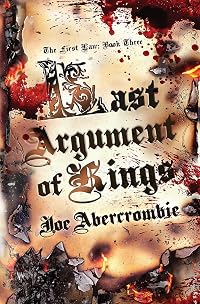
The final novel in the First Law Trilogy by New York Times bestseller Joe Abercrombie.Logen Ninefingers might only have one more fight in him — but it's going to be a big one. Battle rages across the North, the king of the Northmen still stands firm, and there's only one man who can stop him. His oldest friend, and his oldest enemy: it's time for the Bloody-Nine to come home.
With too many masters and too little time, Superior Glokta is fighting a different kind of war. A secret struggle show more in which no one is safe, and no one can be trusted. As his days with a sword are far behind him, it's fortunate that he's deadly with his remaining weapons: blackmail, threats, and torture.
Jezal dan Luthar has decided that winning glory is too painful an undertaking and turned his back on soldiering for a simple life with the woman he loves. But love can be painful too — and glory has a nasty habit of creeping up on a man when he least expects it.
The king of the Union lies on his deathbed, the peasants revolt, and the nobles scramble to steal his crown. No one believes that the shadow of war is about to fall across the heart of the Union. Only the First of the Magi can save the world, but there are risks. There is no risk more terrible, than to break the First Law. . . show less
Tags
Recommendations
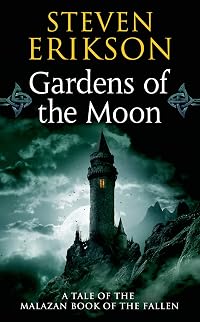
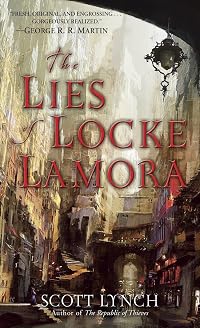
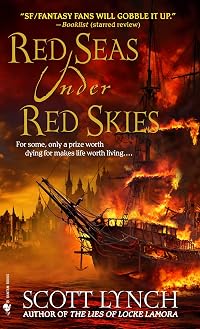
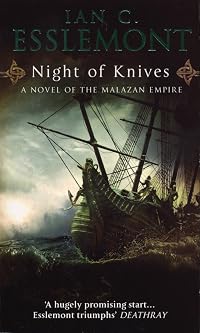
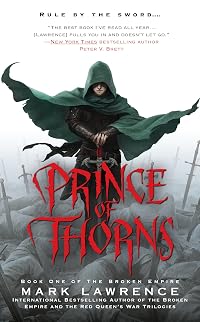
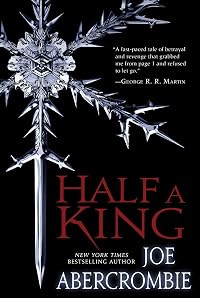
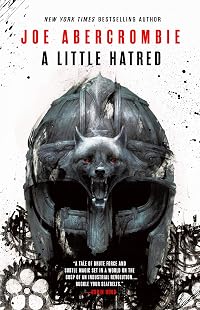
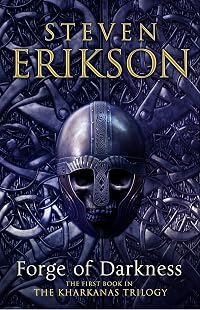
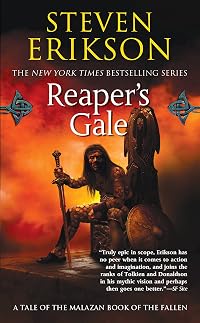
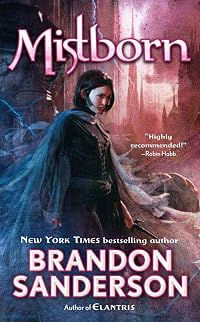
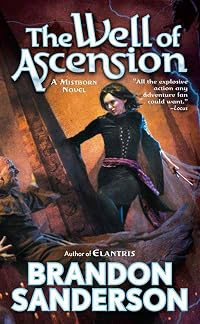
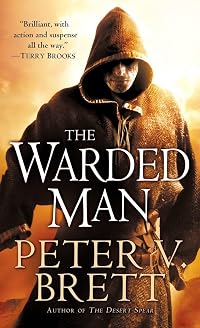


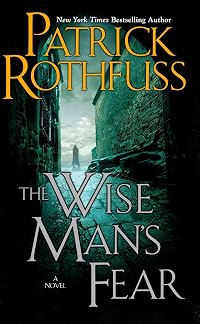
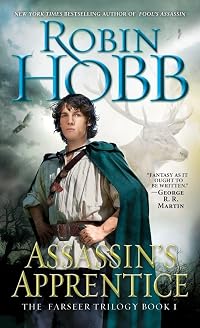
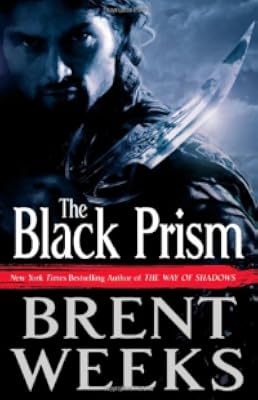
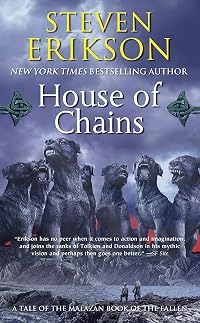

Member Recommendations
Member Reviews
Fans of Martin and Mieville will find the trilogy of which this is the final volume well worth a try. Last Argument rushes relentlessly to its conclusion, with seperate threads of tangled intrigue and spectacular violence. The plot comes neatly, viscously into its own and all the characters, some of whom were damn near likeable by the end of the second volume, start to curdle a little as their true natures come to the fore. The main surprise is that the cynicism is actually slightly less bruising than the battles, of which there are a few, all more or less running together. Nobody gets what they deserve, only one person really gets what he wants and we all get a glimpse of how power is truly exercised. There’s no ambivalence about the show more ending, though it’s not as bleak or hopeless as it could have been if the author was just being a thoroughgoing bastard purely for the sake of it, which leads me to suppose that though Abercrombie is clear-eyed and honest about cynicism, he is not necessarily himself a cynic. One possible lesson to take from the book is that the only happy cynics are the sociopaths, and they’re the ones to truly watch out for. show less
Con ’El último argumento de los reyes’, Joe Abercrombie finaliza La Primera Ley, la que es una de las mejores obras de fantasía oscura jamás escrita. Estamos hablando de un proyecto de más de 2.000 páginas, y la verdad es que prácticamente no le sobra ninguna de ellas, lo que no es nada habitual en estos casos, donde otro autor hubiese engordado a su bebé como si de cebar a un cochinillo se tratase.
A estas alturas, veo innecesario comentar de qué va la historia, ya que quien haya llegado a este último volumen no precisa de incentivo alguno para llegar al final del mismo. Me deja impresionado cómo Abercrombie ata cada uno de los cabos que tenía pendientes, quedando todo casi perfectamente explicado, y digo casi porque es show more imposible dejar a todo el mundo contento. Pero aun así, Abercrombie realiza una labor memorable, ya que después de leer ’El último argumento de los reyes’, queda claro que tenía en mente gran parte de cómo iba a desarrollarse la trama desde el principio.
Todos los personajes tienen su gran momento, y todos ellos deben aceptar lo que les depara el destino, un destino ciertamente oscuro, donde una mala decisión puede abocarte a una muerte segura. Es imposible no verse imbuido en las historias de los protagonistas y en lo que les acontece, ya que has pasado con ellos suficiente tiempo como para cogerles cariño, u odio. Y es que la ambivalencia juega un papel importante, y la línea que separa a un héroe de un villano es muy delgada. Sin precipitarse en absoluto, Abercrombie nos regala una trama sin concesiones, repleta de acción, sorpresas, venganzas, peleas, combates, batallas, y una gran cantidad de cinismo e ironía, ingredientes todos ellos que dan lugar a una narración de la que no puedes despegarte hasta la última página, que cierra un círculo perfecto. Imprescindible. show less
A estas alturas, veo innecesario comentar de qué va la historia, ya que quien haya llegado a este último volumen no precisa de incentivo alguno para llegar al final del mismo. Me deja impresionado cómo Abercrombie ata cada uno de los cabos que tenía pendientes, quedando todo casi perfectamente explicado, y digo casi porque es show more imposible dejar a todo el mundo contento. Pero aun así, Abercrombie realiza una labor memorable, ya que después de leer ’El último argumento de los reyes’, queda claro que tenía en mente gran parte de cómo iba a desarrollarse la trama desde el principio.
Todos los personajes tienen su gran momento, y todos ellos deben aceptar lo que les depara el destino, un destino ciertamente oscuro, donde una mala decisión puede abocarte a una muerte segura. Es imposible no verse imbuido en las historias de los protagonistas y en lo que les acontece, ya que has pasado con ellos suficiente tiempo como para cogerles cariño, u odio. Y es que la ambivalencia juega un papel importante, y la línea que separa a un héroe de un villano es muy delgada. Sin precipitarse en absoluto, Abercrombie nos regala una trama sin concesiones, repleta de acción, sorpresas, venganzas, peleas, combates, batallas, y una gran cantidad de cinismo e ironía, ingredientes todos ellos que dan lugar a una narración de la que no puedes despegarte hasta la última página, que cierra un círculo perfecto. Imprescindible. show less
Oh, look, this is five stars as well, imagine that! (Please feign faux being shocked)
Look, I honestly don’t think anything I’m going to say here is anything that hasn’t been expounded on before, but Lord have mercy, it must be conveyed in some shape/form/fashion.
There’s a reason Abercrombie is considered a master of his genre; this book, in my opinion, takes that and sums it so very excellently. Abercrombie takes these vivid real characters, characters placed in extraordinary situations. However, you still somehow empathize, loathe, hate, or are shocked as they are, and therefore these characters are relatable even to us in our “normal” lives.
The twists, the turns, the blows, you feel them in real-time with this unlikely show more band of players right up until the very end. Every time I thought, “Ah, he’s going to put a nice bow on this situation, and who can blame him? These characters deserve it.” he teases that lacy ribbon across your body until you’re about begging to be mummified in it. He pulls the whole damn thing away for another surprise.
This novel is fantasy, philosophy, entertainment, emotions, and characters that are so realistic it’s hard at times to remember this is a made-up story. However, their decisions, motives, and faults all make sense at some level, and often you’ll find yourself rooting for someone once you understand their reasons, even if they were on your shit list from previous volumes.
“A man can change.” - Logen ‘Ninefingers’, all I can say to that I raise my glass and say yes, yes he can. show less
Look, I honestly don’t think anything I’m going to say here is anything that hasn’t been expounded on before, but Lord have mercy, it must be conveyed in some shape/form/fashion.
There’s a reason Abercrombie is considered a master of his genre; this book, in my opinion, takes that and sums it so very excellently. Abercrombie takes these vivid real characters, characters placed in extraordinary situations. However, you still somehow empathize, loathe, hate, or are shocked as they are, and therefore these characters are relatable even to us in our “normal” lives.
The twists, the turns, the blows, you feel them in real-time with this unlikely show more band of players right up until the very end. Every time I thought, “Ah, he’s going to put a nice bow on this situation, and who can blame him? These characters deserve it.” he teases that lacy ribbon across your body until you’re about begging to be mummified in it. He pulls the whole damn thing away for another surprise.
This novel is fantasy, philosophy, entertainment, emotions, and characters that are so realistic it’s hard at times to remember this is a made-up story. However, their decisions, motives, and faults all make sense at some level, and often you’ll find yourself rooting for someone once you understand their reasons, even if they were on your shit list from previous volumes.
“A man can change.” - Logen ‘Ninefingers’, all I can say to that I raise my glass and say yes, yes he can. show less
After my first foray into grimdark fantasy wasn't entirely positive, I did wonder whether this kind of story-telling just did not click with me. However, Joe Abercrombie has totally changed that view for me with The First Law trilogy, and I can totally see why this is a cornerstone of the sub-genre.
If you are after happy endings, heroic triumphs and heartwarming character redemptions, this is not the series to read. This trilogy, and this final book in particular, drives home the point that failure and disappointment, in all their various forms and permutations, are facts of life, and try as the characters might to strive for something greater and recognise a capacity to change, such hopes are often dashed by the harshness of reality, show more and adversity can just as easily bring out the worst in people as it can the best. A lot has been said about how character-focussed this series is and how they are what makes the series great (and I agree), but the thing that really struck me was that Abercrombie is able to tell this decidedly unrosy tale set in this cynical, unforgiving world without making me feel despondent throughout the entire read - instead, there was just enough levity, just enough intense action sequences and just enough highs to make the experience enjoyable but still have the gut punches be impactful, and it is that balance which I feel makes this series work for me.
I have seen some comments say that the trilogy felt like one elongated story instead of three episodes of a larger story arc, and I can definitely see that - it helped the flow of the events to be able to read the books one after the other, and they definitely built up in scope and scale culminating in Last Argument of Kings, which tied together the various plotlines and linked up all the characters very well, assisted by one of the most comprehensive denouements I have ever read. The only minor gripe I had was that I felt that one of the final reveals was somewhat contrived in that it meant that essentially the entire plot had been orchestrated by one character from the beginning, but this didn't meaningfully impact my overall enjoyment of the series as a whole.
The First Law trilogy certainly surprised me for the better, and though I think I need a bit of a palate cleanser for now, there's definitely going to be more Joe Abercrombie on my to-be-read! show less
If you are after happy endings, heroic triumphs and heartwarming character redemptions, this is not the series to read. This trilogy, and this final book in particular, drives home the point that failure and disappointment, in all their various forms and permutations, are facts of life, and try as the characters might to strive for something greater and recognise a capacity to change, such hopes are often dashed by the harshness of reality, show more and adversity can just as easily bring out the worst in people as it can the best. A lot has been said about how character-focussed this series is and how they are what makes the series great (and I agree), but the thing that really struck me was that Abercrombie is able to tell this decidedly unrosy tale set in this cynical, unforgiving world without making me feel despondent throughout the entire read - instead, there was just enough levity, just enough intense action sequences and just enough highs to make the experience enjoyable but still have the gut punches be impactful, and it is that balance which I feel makes this series work for me.
I have seen some comments say that the trilogy felt like one elongated story instead of three episodes of a larger story arc, and I can definitely see that - it helped the flow of the events to be able to read the books one after the other, and they definitely built up in scope and scale culminating in Last Argument of Kings, which tied together the various plotlines and linked up all the characters very well, assisted by one of the most comprehensive denouements I have ever read. The only minor gripe I had was that I felt that one of the final reveals was somewhat contrived in that it meant that essentially the entire plot had been orchestrated by one character from the beginning, but this didn't meaningfully impact my overall enjoyment of the series as a whole.
The First Law trilogy certainly surprised me for the better, and though I think I need a bit of a palate cleanser for now, there's definitely going to be more Joe Abercrombie on my to-be-read! show less
While the title doesn't demand attention to the same degree as [b:Before They Are Hanged|902715|Before They Are Hanged (The First Law, #2)|Joe Abercrombie|https://i.gr-assets.com/images/S/compressed.photo.goodreads.com/books/1179318094l/902715._SY75_.jpg|2116927], it's certainly the most accurate. With the journey to the Edge of the World having ended in failure, Bayaz' company parts ways; Logen returns to the North to aid the Union army and whatever old friends he's yet to alienate in the effort against Bethod. Bayaz exerts and expands his hold on the Closed Council, and begins to show more interest in the career of Jezal dan Luthar than ever before. Also in Adua is Inquisitor Glokta, whose loyalties become increasingly conflicted show more while trying to curry favour for the Arch Lector, and whose subplot continues to function like a crime fiction novel that somehow got caught up in an epic fantasy series.
The characters remain as antiheroic as ever, but with the benefit of hindsight and rereading Jezal stands out more than ever because he undergoes the most change out of every character, beginning as a classist, egotistical twat, and becoming a slightly less classist, egotistical twat, though that isn't to sell everyone else short. Glokta remains the most enjoyable POV character to read; no one is spared from his dry humour, and I especially enjoy his interactions with Ardee; every conversation they have is a highlight. They really seem to be meant for each other; they work off each other well, and they both provide astute observations of Union politics. They also have different but oddly similar backgrounds that parallel each other, on reflection, both of them being pariahs for different reasons; Glokta being a veteran who's been rejected by the "polite" society that once gave him nothing but the utmost respect, and Ardee being a commoner who got left behind by her social climber of a brother and lives in a city that cares nothing for people of her standing.
Logen's also equally compelling, albeit for slightly different reasons than before. Returning to the North changes him a great deal, although it's not really a change so much as a reversion; he seems to be a significantly better person whenever he puts as much difference between himself and the North as possible (though [b:Red Country|13521459|Red Country (First Law World, #6)|Joe Abercrombie|https://i.gr-assets.com/images/S/compressed.photo.goodreads.com/books/1333663008l/13521459._SY75_.jpg|19082135] throws some doubt on this). As soon as he reunites with his old allies in the North, however, he more or less reverts to the barbarian with flexible morals that he's always been storied to be, if only out of a believed obligation to uphold his reputation as the Bloody-Nine. It's especially obvious during that chapter where Bethod rightly takes Logen to task for his many transgressions, a chapter which gutted me the first time and somehow had the same effect the second. Which is why I've always found it strange that some people apparently consider Logen a sweetheart who just happens to have a possible split personality that brings violence and death with him wherever he treads, to which I say... well, he's not necessarily without good qualities, but I take issue with that description because of that chapter where he kills some allies and fails to admit guilt and assume responsibility for it. With that in mind, I strongly encourage such people to carefully reread the chapter "Leaves on the Water", or failing that, read the short story "Made a Monster" from [b:Sharp Ends|26030742|Sharp Ends (First Law World, #7)|Joe Abercrombie|https://i.gr-assets.com/images/S/compressed.photo.goodreads.com/books/1456696097l/26030742._SY75_.jpg|45956909], which outlines in detail how and why Logen deserves every bit of his reputation as a capricious, homicidal, indiscriminate, and elemental force that regards his fellow man as target practice.
While [b:Best Served Cold|2315892|Best Served Cold|Joe Abercrombie|https://i.gr-assets.com/images/S/compressed.photo.goodreads.com/books/1347732723l/2315892._SY75_.jpg|2322406] might have a bit of an edge over this book in this regard, [b:The Last Argument of Kings|944076|Last Argument of Kings (The First Law, #3)|Joe Abercrombie|https://i.gr-assets.com/images/S/compressed.photo.goodreads.com/books/1302062699l/944076._SY75_.jpg|929012] has easily the best action in the entire trilogy (yes, I know that's not technically its real title, but sod off, it doesn't feel complete without a definite article). The violence can be over the top, but it also feels oddly downplayed because as chaotic as battles can get, the book never loses sight of whatever character we're seeing through the eyes of at the time.
For me it reaches its peak with the siege of the High Places; it's kind of like Helm's Deep from Lord of the Rings, in that Logen, Black Dow, Harding Grim, and the Dogman are four of a pitifully small army that's vastly outnumbered by a far better organized and nourished belligerent, holding out for several days waiting for reinforcements that might never arrive. There are a couple of key differences, though; the fortress is in severe disrepair, and where Helm's Deep lasted only for one chapter, the siege takes up approximately a third of the entire book, and it's significantly bloodier because... dark fantasy, I guess. Sure, it doesn't hold a candle to the almost apocalyptic scale of the climax, but I find it far more tense because of the steadily depleting supplies and mounting opposition. Of course, there is also the small matter of the Bloody-Nine.
Then there's the ending, which features several injustices and recursive arcs. As far as I can tell, this is easily the most divisive aspect of the entire trilogy, if only because everyone's favourite characters get fucked over, and they get fucked over hard. And look, I get it, it is anticlimactic; purposefully so, and it's the most oddly conclusive (and also the most weirdly rewarding) anticlimax I've yet read, but it's still anticlimactic. You don't have to like it, but it is the right ending for the story Abercrombie tells. Yeah, I hate Bayaz as much as the next guy, and I wish upon him the worst possible setbacks in the Age of Madness trilogy, but it makes sense for him to get what he wants, because why would anyone in their right mind try to spar with someone who can blow someone up and burn down entire forests with a single thought?
Having finished rereading the trilogy as a whole, the ending has also taken on some new context; at first I thought the point of the First Law was to ask "what if a typical high fantasy world was full of realistically flawed people?", but now I've realized I was probably asking the wrong question. It's not that so much as "what might happen if the world was inhabited by realistically flawed and hubristic people like Bayaz and Khalul who see the world not as the place they both live in, but a life-size chessboard that us peasants are just living in?" Keeping that question in mind, this trilogy has taken on far more fridge horror now than it did the first time I read it, but it's a hypothetical scenario that Abercrombie explores to its fullest.
While the recursion of the character arcs seems like something I'd probably take any other book to task for, it's executed in such a way that it makes what should be static characters not feel static in the least. Not only is this because the casual dialogue is decently written and half the fun is just watching everyone work off each other, but it also ties into the larger point [a:Joe Abercrombie|276660|Joe Abercrombie|https://images.gr-assets.com/authors/1421267339p2/276660.jpg] tries to make, which is, "they are what they are, and that's most likely all they ever will be." Of course, this does bring up the question of why I'm so invested in these books when I know full well that Abercrombie's crushed my hopes and dreams again, and that's something I often ask myself. But then it occurred to me that I was probably so immersed because it felt like a real journey; it's a journey that ends in disappointment, true, but it actually seemed to matter at the time, and I guess that's what really matters.
Having said that, don't let that dissuade you from seeing the trilogy to its completion; it has all the same strengths as its predecessors, and hones in on everything that was good about them, to the point where I think I can safely say Abercrombie's truly mastered his craft. This is something I've said for every book, but the only problem I have with these books is that I wish they did more to differentiate each POV. That's not to say it doesn't do that, there are several subtle differences between them all, but Glokta's written in such a strikingly different way from everyone else that not awarding everyone else the same attention to detail strikes me as a missed opportunity. Other than that, I feel perfectly justified in considering the First Law trilogy second only to Discworld. If you want closure, then do check out the standalones; none of them are necessarily sequels in the most literal sense of the word, and I find them more variable in quality, but they pick up some (though not all) plot threads this book left dangling, and they do much to explore the world beyond the Union. The Age of Madness is also off to a strong start with [b:A Little Hatred|35606041|A Little Hatred (The Age of Madness, #1)|Joe Abercrombie|https://i.gr-assets.com/images/S/compressed.photo.goodreads.com/books/1558367199l/35606041._SY75_.jpg|57338685], and I look forward to the release of The Trouble With Peace this September. show less
The characters remain as antiheroic as ever, but with the benefit of hindsight and rereading Jezal stands out more than ever because he undergoes the most change out of every character, beginning as a classist, egotistical twat, and becoming a slightly less classist, egotistical twat, though that isn't to sell everyone else short. Glokta remains the most enjoyable POV character to read; no one is spared from his dry humour, and I especially enjoy his interactions with Ardee; every conversation they have is a highlight. They really seem to be meant for each other; they work off each other well, and they both provide astute observations of Union politics. They also have different but oddly similar backgrounds that parallel each other, on reflection, both of them being pariahs for different reasons; Glokta being a veteran who's been rejected by the "polite" society that once gave him nothing but the utmost respect, and Ardee being a commoner who got left behind by her social climber of a brother and lives in a city that cares nothing for people of her standing.
Logen's also equally compelling, albeit for slightly different reasons than before. Returning to the North changes him a great deal, although it's not really a change so much as a reversion; he seems to be a significantly better person whenever he puts as much difference between himself and the North as possible (though [b:Red Country|13521459|Red Country (First Law World, #6)|Joe Abercrombie|https://i.gr-assets.com/images/S/compressed.photo.goodreads.com/books/1333663008l/13521459._SY75_.jpg|19082135] throws some doubt on this). As soon as he reunites with his old allies in the North, however, he more or less reverts to the barbarian with flexible morals that he's always been storied to be, if only out of a believed obligation to uphold his reputation as the Bloody-Nine. It's especially obvious during that chapter where Bethod rightly takes Logen to task for his many transgressions, a chapter which gutted me the first time and somehow had the same effect the second. Which is why I've always found it strange that some people apparently consider Logen a sweetheart who just happens to have a possible split personality that brings violence and death with him wherever he treads, to which I say... well, he's not necessarily without good qualities, but I take issue with that description because of that chapter where he kills some allies and fails to admit guilt and assume responsibility for it. With that in mind, I strongly encourage such people to carefully reread the chapter "Leaves on the Water", or failing that, read the short story "Made a Monster" from [b:Sharp Ends|26030742|Sharp Ends (First Law World, #7)|Joe Abercrombie|https://i.gr-assets.com/images/S/compressed.photo.goodreads.com/books/1456696097l/26030742._SY75_.jpg|45956909], which outlines in detail how and why Logen deserves every bit of his reputation as a capricious, homicidal, indiscriminate, and elemental force that regards his fellow man as target practice.
While [b:Best Served Cold|2315892|Best Served Cold|Joe Abercrombie|https://i.gr-assets.com/images/S/compressed.photo.goodreads.com/books/1347732723l/2315892._SY75_.jpg|2322406] might have a bit of an edge over this book in this regard, [b:The Last Argument of Kings|944076|Last Argument of Kings (The First Law, #3)|Joe Abercrombie|https://i.gr-assets.com/images/S/compressed.photo.goodreads.com/books/1302062699l/944076._SY75_.jpg|929012] has easily the best action in the entire trilogy (yes, I know that's not technically its real title, but sod off, it doesn't feel complete without a definite article). The violence can be over the top, but it also feels oddly downplayed because as chaotic as battles can get, the book never loses sight of whatever character we're seeing through the eyes of at the time.
For me it reaches its peak with the siege of the High Places; it's kind of like Helm's Deep from Lord of the Rings, in that Logen, Black Dow, Harding Grim, and the Dogman are four of a pitifully small army that's vastly outnumbered by a far better organized and nourished belligerent, holding out for several days waiting for reinforcements that might never arrive. There are a couple of key differences, though; the fortress is in severe disrepair, and where Helm's Deep lasted only for one chapter, the siege takes up approximately a third of the entire book, and it's significantly bloodier because... dark fantasy, I guess. Sure, it doesn't hold a candle to the almost apocalyptic scale of the climax, but I find it far more tense because of the steadily depleting supplies and mounting opposition. Of course, there is also the small matter of the Bloody-Nine.
Then there's the ending, which features several injustices and recursive arcs. As far as I can tell, this is easily the most divisive aspect of the entire trilogy, if only because everyone's favourite characters get fucked over, and they get fucked over hard. And look, I get it, it is anticlimactic; purposefully so, and it's the most oddly conclusive (and also the most weirdly rewarding) anticlimax I've yet read, but it's still anticlimactic. You don't have to like it, but it is the right ending for the story Abercrombie tells. Yeah, I hate Bayaz as much as the next guy, and I wish upon him the worst possible setbacks in the Age of Madness trilogy, but it makes sense for him to get what he wants, because why would anyone in their right mind try to spar with someone who can blow someone up and burn down entire forests with a single thought?
Having finished rereading the trilogy as a whole, the ending has also taken on some new context; at first I thought the point of the First Law was to ask "what if a typical high fantasy world was full of realistically flawed people?", but now I've realized I was probably asking the wrong question. It's not that so much as "what might happen if the world was inhabited by realistically flawed and hubristic people like Bayaz and Khalul who see the world not as the place they both live in, but a life-size chessboard that us peasants are just living in?" Keeping that question in mind, this trilogy has taken on far more fridge horror now than it did the first time I read it, but it's a hypothetical scenario that Abercrombie explores to its fullest.
While the recursion of the character arcs seems like something I'd probably take any other book to task for, it's executed in such a way that it makes what should be static characters not feel static in the least. Not only is this because the casual dialogue is decently written and half the fun is just watching everyone work off each other, but it also ties into the larger point [a:Joe Abercrombie|276660|Joe Abercrombie|https://images.gr-assets.com/authors/1421267339p2/276660.jpg] tries to make, which is, "they are what they are, and that's most likely all they ever will be." Of course, this does bring up the question of why I'm so invested in these books when I know full well that Abercrombie's crushed my hopes and dreams again, and that's something I often ask myself. But then it occurred to me that I was probably so immersed because it felt like a real journey; it's a journey that ends in disappointment, true, but it actually seemed to matter at the time, and I guess that's what really matters.
Having said that, don't let that dissuade you from seeing the trilogy to its completion; it has all the same strengths as its predecessors, and hones in on everything that was good about them, to the point where I think I can safely say Abercrombie's truly mastered his craft. This is something I've said for every book, but the only problem I have with these books is that I wish they did more to differentiate each POV. That's not to say it doesn't do that, there are several subtle differences between them all, but Glokta's written in such a strikingly different way from everyone else that not awarding everyone else the same attention to detail strikes me as a missed opportunity. Other than that, I feel perfectly justified in considering the First Law trilogy second only to Discworld. If you want closure, then do check out the standalones; none of them are necessarily sequels in the most literal sense of the word, and I find them more variable in quality, but they pick up some (though not all) plot threads this book left dangling, and they do much to explore the world beyond the Union. The Age of Madness is also off to a strong start with [b:A Little Hatred|35606041|A Little Hatred (The Age of Madness, #1)|Joe Abercrombie|https://i.gr-assets.com/images/S/compressed.photo.goodreads.com/books/1558367199l/35606041._SY75_.jpg|57338685], and I look forward to the release of The Trouble With Peace this September. show less
Wow. Just finished, and that was a book that was just... wow. Made expectations, fulfilled them, broke them apart into little pieces and reassembled into a huge jagged collage of a work. Amazing.
Glokta continues to be the character you would love to hate, except that he is the very essence of tortured humanity. Jezal grows beyond a self-involved ego into a man willing to stand for his beliefs--except that he remains manipulated and somewhat ignorant of the extent to which he is played. Logen unfortunately sees too many more appearances of The Bloody Nine, and it costs him almost everything even as he wins. Commander West continues to lead with loyalty and strategy. Everyone is so humanly flawed, admirable in their nobility and show more despicable in their actions at times.
Truly an impressive but uncomfortable work. The dark side of fantasy, not because it delves into Evil with the capital "E," but because it shows how choices and character continue to drive us, perhaps causing us to make the very same mistakes, or the choices we make when we have no choice at all. Even the most unsympathetic of characters have their moments. The final scene between West and Glokta is tear-worthy. And it leaves us with the question, is Bayaz, the First of the Magi, any better than Mamun? show less
Glokta continues to be the character you would love to hate, except that he is the very essence of tortured humanity. Jezal grows beyond a self-involved ego into a man willing to stand for his beliefs--except that he remains manipulated and somewhat ignorant of the extent to which he is played. Logen unfortunately sees too many more appearances of The Bloody Nine, and it costs him almost everything even as he wins. Commander West continues to lead with loyalty and strategy. Everyone is so humanly flawed, admirable in their nobility and show more despicable in their actions at times.
Truly an impressive but uncomfortable work. The dark side of fantasy, not because it delves into Evil with the capital "E," but because it shows how choices and character continue to drive us, perhaps causing us to make the very same mistakes, or the choices we make when we have no choice at all. Even the most unsympathetic of characters have their moments.
I greatly appreciate Abercrombie's style and panache. I think he is a very skilled writer, I just find his worldview to be utterly disheartening. Some people might laud him for having the guts to make his characters truly suffer, but what is the point of such suffering if his character don't gain anything in the end? Ferro is left haunted by demons, hellbent on revenge. Jezal is turned into a puppet king with none of his own agency. Logen is presumed dead. What was the point of the suffering, the pain, the struggle if in the end nothing changes? Why should I care at all about the characters and their fight? To me, the ending turned the books into nothing more than a nihilistic farce. All of the love I had built for the characters show more crumbled away like dust in the wind.
Now don't get me wrong. I do not demand happy endings. In fact, I find happy endings just as repulsive as this emptiness. There is no point in raising the stakes so high and making the characters suffer so much if in the end they don't get anything for their troubles. There is such an emphasis on the characters becoming better people. Jezal and Logen both want to be better men. But all this book showed me was that it is impossible to ever become a better person. If you try, you are left even worse off than you were before.
So I'm left with the question: What is the point of this book? show less
Now don't get me wrong. I do not demand happy endings. In fact, I find happy endings just as repulsive as this emptiness. There is no point in raising the stakes so high and making the characters suffer so much if in the end they don't get anything for their troubles. There is such an emphasis on the characters becoming better people. Jezal and Logen both want to be better men. But all this book showed me was that it is impossible to ever become a better person. If you try, you are left even worse off than you were before.
So I'm left with the question: What is the point of this book? show less
Members
- Recently Added By
Lists

Best Fantasy Novels
821 works; 361 members

Plan to Listen Audiobooks
63 works; 1 member

Books Read in 2018
4,360 works; 110 members

Books Read in 2019
4,052 works; 110 members

Books Read in 2013
1,630 works; 51 members

Recommend Fantasy Books
100 works; 1 member

Books Read in 2024
4,727 works; 128 members

Library Fantasy/Science Fiction
162 works; 2 members
Author Information

Joe Abercrombie is a freelance film editor, working mostly on documentaries and live music events. He lives and works in London. The First Law is his debut series. He won a Locus Award 2015 for science-fiction in the Young Adult Book Category with his title Half a King. (Bowker Author Biography)
Some Editions
Awards and Honors
Series


Work Relationships
Common Knowledge
- Canonical title
- Last Argument of Kings
- Original title
- Last Argument of Kings
- Original publication date
- 2008-03-20
- People/Characters
- Logen Ninefingers; Ferro Maljinn; Sand dan Glokta; Jezal dan Luthar; Bayaz, First of the Magi; Collem West (show all 11); Ardee West; The Dogman; Tul Duru Thunderhead; Black Dow; Harding Grim
- Important places
- Adua
- Epigraph
- Life being what it is, one dreams of revenge.—Paul Gauguin
Last Argument of Kings—Inscribed on his cannons by Louis XIV
Does the devil know he is a devil?—Elizabeth Madox Roberts - Dedication
- For the Four Readers
You know who you are - First words
- Superior Glokta stood in the hall, and waited. He stretched his twisted neck out to one side and then to the other, hearing the familiar clicks, feeling the familiar cords of pain stretching out through the tangled muscles be... (show all)tween his shoulder-blades. Why do I do it, when it always hurts me? Why must we test the pain? Tongue the ulcer, rub the blister, pick the scab?
- Quotations*
- Deel 1
'Zoals het leven is, droom je vanzelf over wraak'
Paul Gaugin
Deel 2
'Laatste argument van koningen'
In scriptie op de kanonnen van Louis XIV
Deel 3
'Weet de duivel dat hij een duivel is?'
Elizabeth Madox Roberts - Last words
- (Click to show. Warning: May contain spoilers.)It hit him in the side like a chargingbul, punched the air out of his lungs, knocked the sense out of his head, sucked him in and down into the cold darkness . . .
- Publisher's editor
- Anders, Lou (Pyr)
- Blurbers
- Mallozzi, Joseph; Day, Felicia
- Original language
- English
- Canonical DDC/MDS
- 823.087661
*Some information comes from Common Knowledge in other languages. Click "Edit" for more information.
Classifications
- Genres
- Fantasy, Fiction and Literature
- DDC/MDS
- 823.087661 — Literature & rhetoric English & Old English literatures English fiction By type Genre fiction Adventure fiction Speculative fiction Fantasy fiction High fantasy
- LCC
- PR6101 .B49 .L37 — Language and Literature English English Literature 2001-
- BISAC
Statistics
- Members
- 5,373
- Popularity
- 2,520
- Reviews
- 149
- Rating
- (4.17)
- Languages
- 17 — Czech, Danish, Dutch, English, Estonian, Finnish, French, German, Hungarian, Italian, Polish, Portuguese, Romanian, Russian, Croatian, Spanish, Swedish
- Media
- Paper, Audiobook, Ebook
- ISBNs
- 51
- ASINs
- 24