On This Page
Description
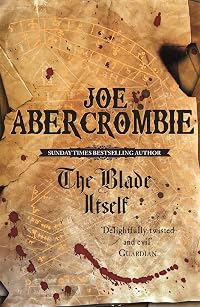
The first novel in the First Law Trilogy and debut fantasy novel from New York Times bestseller, Joe Abercrombie. Logen Ninefingers, infamous barbarian, has finally run out of luck. Caught in one feud too many, he's on the verge of becoming a dead barbarian -- leaving nothing behind him but bad songs, dead friends, and a lot of happy enemies. Nobleman, dashing officer, and paragon of selfishness, Captain Jezal dan Luthar has nothing more dangerous in mind than fleecing his friends at cards show more and dreaming of glory in the fencing circle. But war is brewing, and on the battlefields of the frozen North they fight by altogether bloodier rules. Inquisitor Glokta, cripple turned torturer, would like nothing better than to see Jezal come home in a box. But then Glokta hates everyone: cutting treason out of the Union one confession at a time leaves little room for friendship. His latest trail of corpses may lead him right to the rotten heart of government, if he can stay alive long enough to follow it. Enter the wizard, Bayaz. A bald old man with a terrible temper and a pathetic assistant, he could be the First of the Magi, he could be a spectacular fraud, but whatever he is, he's about to make the lives of Logen, Jezal, and Glokta a whole lot more difficult. Murderous conspiracies rise to the surface, old scores are ready to be settled, and the line between hero and villain is sharp enough to draw blood. Unpredictable, compelling, wickedly funny, and packed with unforgettable characters, The Blade Itself is noir fantasy with a real cutting edge. show lessTags
Recommendations
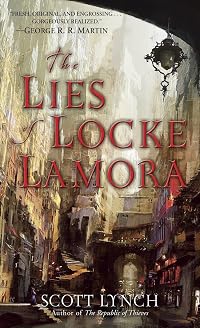
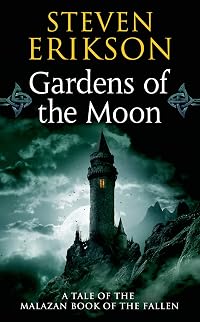
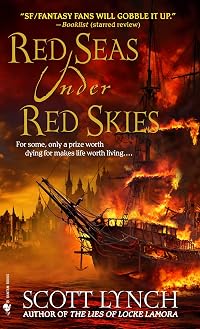
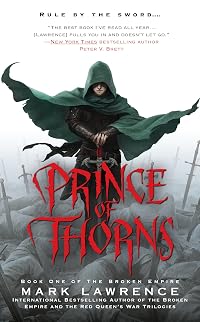
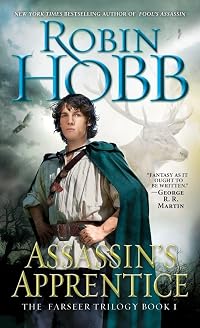
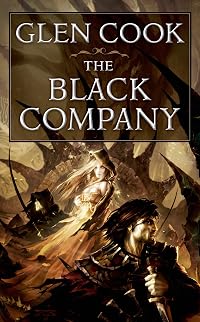
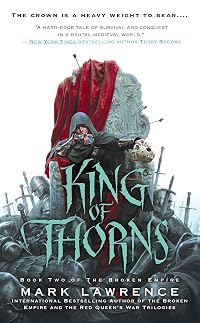
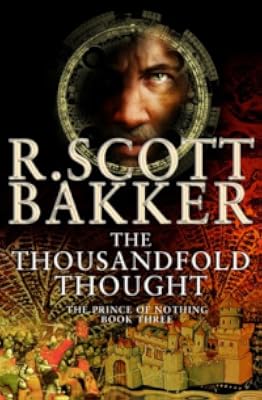
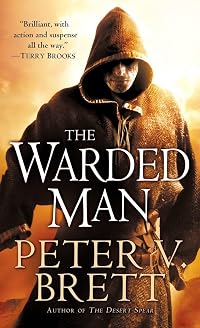

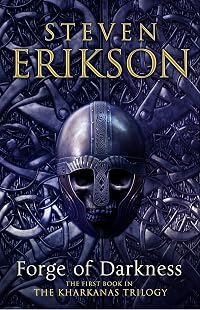
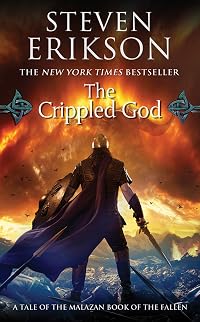
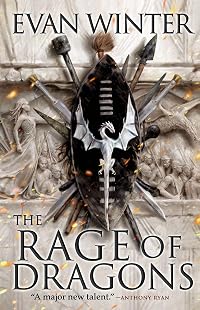
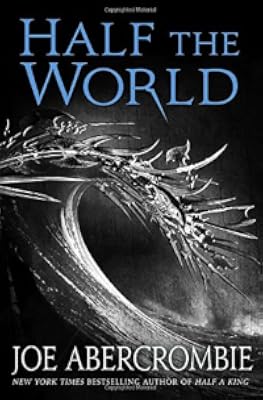

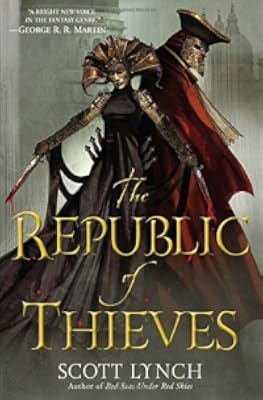
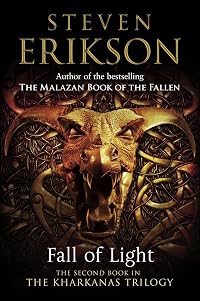
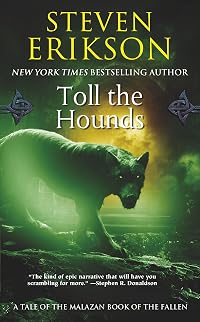

Member Recommendations

Sedorner While The Engineer Trilogy is nowhere near as bloody as The First Law trilogy, it's just as dark, deep and "realistic".
21
caimanjosh Both of these series feature great characterization, good writing, and a bare-knuckle, realistic approach to fantasy, as opposed to much of the high fantasy work out there.

Member Reviews
I won't lie I'm half tempted just to write one word for this review and leave it. "Stairs."
What an absolute grim whirlwind of a ride. At the beginning and even half way through I could understand those that say Abercrombie can write about nothing but make it interesting. For those that still review the book and say "He writes of nothing." Did you finish the damn thing!?
For the first three quarters of the book we are treated to this meandering stroll through the various lives of the main characters and then out of no where in the middle BOOM more main characters...that are all somehow just as interesting as the ones from page 1.
After getting past the three quarter mark you start to realize the Abercrombie is no empty headed man that show more writes about nothing, those threads that you misjudged as being small minor things along the way are suddenly all connected and you realize you're caught in a giant spider web of his talented writing.
Beyond the talents for the world and plot I would like to focus on his characters, by all the Gods and Goddesses above, this man writes characters you can feel. Forget seeing them vividly (Which you can) these are absolutely tangible people that are lodged in your brain. So much to the point in case you, dear reader, missed my last update before finishing this book, I was literally on my feet as Logan goes full berserker and just friggin' lays waste to his opponents. You could feel the red out, the blood dimmed tide that exploded over him, and by extension, you; as he smote enemy, after enemy, after enemy.
If you are into Dark Fantasy and haven't read this yet... What are you waiting for? Go. Go right now and acquire this book. And after you've acquired it, sit down and read it. Immediately. Or back to the fuckin' mud wit ya. show less
What an absolute grim whirlwind of a ride. At the beginning and even half way through I could understand those that say Abercrombie can write about nothing but make it interesting. For those that still review the book and say "He writes of nothing." Did you finish the damn thing!?
For the first three quarters of the book we are treated to this meandering stroll through the various lives of the main characters and then out of no where in the middle BOOM more main characters...that are all somehow just as interesting as the ones from page 1.
After getting past the three quarter mark you start to realize the Abercrombie is no empty headed man that show more writes about nothing, those threads that you misjudged as being small minor things along the way are suddenly all connected and you realize you're caught in a giant spider web of his talented writing.
Beyond the talents for the world and plot I would like to focus on his characters, by all the Gods and Goddesses above, this man writes characters you can feel. Forget seeing them vividly (Which you can) these are absolutely tangible people that are lodged in your brain. So much to the point in case you, dear reader, missed my last update before finishing this book, I was literally on my feet as Logan goes full berserker and just friggin' lays waste to his opponents. You could feel the red out, the blood dimmed tide that exploded over him, and by extension, you; as he smote enemy, after enemy, after enemy.
If you are into Dark Fantasy and haven't read this yet... What are you waiting for? Go. Go right now and acquire this book. And after you've acquired it, sit down and read it. Immediately. Or back to the fuckin' mud wit ya. show less
Cuando he empezado a leer ’La voz de las espadas’, el primer libro de la trilogía La Primera Ley, he pensado que me encontraba con la típica historia de fantasía heroico-medieval, esa que incluye los clichés más manidos del género: bárbaro brutal, diestro luchador, que perdió a su familia y que desde entonces vive inmerso en un mundo de violencia y batallas sin fin, aunque está intentado darle un cambio a su vida; el aprendiz de mago, joven e inexperto, que tiene una misión; el mago plácido, con ese aire de aparente bondad e ineptitud, pero que oculta más secretos de lo que parece, experto en un arte que está desapareciendo del mundo; el soldado, joven y de buena cuna, arrogante y ególatra, cuya única preocupación es show more su porvenir; el grupo heterogéneo de luchadores que deambulan y batallan sin parar; o ese personaje lisiado que vive bajo una tortura constante debido a las heridas de su pasado; etc. Nada nuevo bajo el sol, vamos. Pero donde Joe Abercrombie brilla con luz propia en este género, es cuando empieza a construir su historia con todo este material. Y convierte esta novela en algo extraordinario.
Con una habilidad envidiable, Abercrombie consigue que, sin saber cómo cuando llevas varios capítulos leídos, te resulte imposible dejar de leer su historia. Esta se va filtrando poco a poco, a través de sus protagonistas, de sus ingeniosas conversaciones, de ese humor negro que lo impregna todo, la ciudad donde transcurre la trama, así como por los detalles que adornan la misma, todo ello con una pátina de verosimilitud muy bien conseguida. Y es que la fantasía de Abercrombie respira realismo por los cuatro costados. Parece que transcurre en una época medieval de nuestro mundo, exceptuando los toques mágicos, por supuesto, pero por lo demás las batallas, las peleas, la violencia, los sablazos, los hachazos, las heridas, casi los sientes en tu piel.
La historia transita entre varios personajes, saltando de uno a otro indistintamente. Logen Nuevededos, un bárbaro norteño, superviviente nato, que ha sido dado por muerto por sus compañeros, y que está siendo buscado por Bayaz, el Primero de los Magos. El Inquisidor Glokta, que en su día fue un experto espadachín, y que ahora se ha convertido en un hábil torturador, cínico como pocos. Vive inmerso en un dolor constante debido a las secuelas que le dejó su captura y tortura durante la guerra contra los gurkos. Sin duda un personaje memorable, este Glokta. Jezal dan Luthar, de sangre noble, un joven mimado y arrogante y engreído, que mira por encima del hombro a las clases menos privilegiadas, que se está entrenando para el próximo Certamen de esgrima. El comandante West, amigo de Jezal, que le ayuda con su entrenamiento, y que está totalmente comprometido con la guerra que se avecina. Ferro Maljinn, sureña de nacimiento, que fue esclavizada y que ahora únicamente vive para vengarse. Todos ellos y algunos más, componen el elenco de protagonistas de la novela. Y como ha dejado claro para las nuevas generaciones el gran George R.R. Martin, estos personajes son de carne y hueso, con sus defectos y sus virtudes, lo cual hace que empatices con ellos y te interese lo que les pase.
'La voz de las espadas' es fantasía de primera, oscura y violenta, dinámica como pocas, con batallas, peleas, política, intriga, amor, humor, donde los personajes son el plato principal, todo ello tan bien ambientado, que hace irresistible su lectura. El segundo libro no tardará en caer. show less
Con una habilidad envidiable, Abercrombie consigue que, sin saber cómo cuando llevas varios capítulos leídos, te resulte imposible dejar de leer su historia. Esta se va filtrando poco a poco, a través de sus protagonistas, de sus ingeniosas conversaciones, de ese humor negro que lo impregna todo, la ciudad donde transcurre la trama, así como por los detalles que adornan la misma, todo ello con una pátina de verosimilitud muy bien conseguida. Y es que la fantasía de Abercrombie respira realismo por los cuatro costados. Parece que transcurre en una época medieval de nuestro mundo, exceptuando los toques mágicos, por supuesto, pero por lo demás las batallas, las peleas, la violencia, los sablazos, los hachazos, las heridas, casi los sientes en tu piel.
La historia transita entre varios personajes, saltando de uno a otro indistintamente. Logen Nuevededos, un bárbaro norteño, superviviente nato, que ha sido dado por muerto por sus compañeros, y que está siendo buscado por Bayaz, el Primero de los Magos. El Inquisidor Glokta, que en su día fue un experto espadachín, y que ahora se ha convertido en un hábil torturador, cínico como pocos. Vive inmerso en un dolor constante debido a las secuelas que le dejó su captura y tortura durante la guerra contra los gurkos. Sin duda un personaje memorable, este Glokta. Jezal dan Luthar, de sangre noble, un joven mimado y arrogante y engreído, que mira por encima del hombro a las clases menos privilegiadas, que se está entrenando para el próximo Certamen de esgrima. El comandante West, amigo de Jezal, que le ayuda con su entrenamiento, y que está totalmente comprometido con la guerra que se avecina. Ferro Maljinn, sureña de nacimiento, que fue esclavizada y que ahora únicamente vive para vengarse. Todos ellos y algunos más, componen el elenco de protagonistas de la novela. Y como ha dejado claro para las nuevas generaciones el gran George R.R. Martin, estos personajes son de carne y hueso, con sus defectos y sus virtudes, lo cual hace que empatices con ellos y te interese lo que les pase.
'La voz de las espadas' es fantasía de primera, oscura y violenta, dinámica como pocas, con batallas, peleas, política, intriga, amor, humor, donde los personajes son el plato principal, todo ello tan bien ambientado, que hace irresistible su lectura. El segundo libro no tardará en caer. show less
. It’s grimdark fantasy done right—gritty, cynical, but sharp with dark humor. The story juggles three main threads: Logen Ninefingers, a weary barbarian trying to outlive his reputation; Glokta, a broken torturer with a razor wit; and Jezal dan Luthar, a vain noble learning humility the hard way.
What makes it stand out isn’t the plot—it’s the people. Abercrombie writes like he’s peeling skin off human nature: ugly, honest, and sometimes unexpectedly tender. The pacing leans on character work more than big battles, but by the end, the tension’s coiled tight.
I like the book but I loved the characters! already ordered the 2 sequels!
What makes it stand out isn’t the plot—it’s the people. Abercrombie writes like he’s peeling skin off human nature: ugly, honest, and sometimes unexpectedly tender. The pacing leans on character work more than big battles, but by the end, the tension’s coiled tight.
I like the book but I loved the characters! already ordered the 2 sequels!
I’m glad I finally got a chance to start this series and what a beginning this is. I’ve read Heroes and it was wonderful to go back to the start and see how these characters were first introduced. Warning – Swears ahead.
So normally I’m a bit of a plot fiend. I need it, want it, got to got to have it. So it was a surprise when I found myself two hundred pages in and thought ‘hang on what’s actually going on in this thing”. Quick check of the blurb revealed it was about four major characters and I had established that but there was little to nothing in terms of telling me what the overall deal was. There was conspiracies being uncovered by the sympathetic and ingenious Glotka, a man with such a horrific past that you cannot show more help but be on his side despite the way he delights in torturing confessions from anyone he suspects. Jezel, a man struggling to find the motivation to leave a life of drinking and whoring behind in order to win THE fencing competition and fulfil his potential. Logan, known as the Bloody Nine and a character I had heard of only in reputation, spends much of the book wandering around enjoying the fact that he continues to live his shitty life. One would expect a story that begins with a troop of men losing their leader to address this plot point and would at some stage happen write a scene whereby they upon their leader again, especially when they were often only removed by a single degree of separation, but no, and strangely enough I had no problem with any of this. I have given up on books much shorter because 100 pages in, I didn’t know enough to continue, so why was I so content to just let the events play out as Joe saw fit?
Fucked if I know to be honest!
All I know is that as I put down The Blade Itself I was picking up Before They Were Hanged and as I write this I am half way though. Joe has written such a range of magnificent multi dimensional characters that the fact that there is a war being fought on several fronts by our protagonists seems unimportant compared to what they are going through moment to moment. I was utterly invested at all times and I am so stoked I have another three or four books to read to complete this series. I can see myself reading them all back to back and then finishing with a reread of Heroes.
This review and more like it can be found at www.areadingmachine.com show less
So normally I’m a bit of a plot fiend. I need it, want it, got to got to have it. So it was a surprise when I found myself two hundred pages in and thought ‘hang on what’s actually going on in this thing”. Quick check of the blurb revealed it was about four major characters and I had established that but there was little to nothing in terms of telling me what the overall deal was. There was conspiracies being uncovered by the sympathetic and ingenious Glotka, a man with such a horrific past that you cannot show more help but be on his side despite the way he delights in torturing confessions from anyone he suspects. Jezel, a man struggling to find the motivation to leave a life of drinking and whoring behind in order to win THE fencing competition and fulfil his potential. Logan, known as the Bloody Nine and a character I had heard of only in reputation, spends much of the book wandering around enjoying the fact that he continues to live his shitty life. One would expect a story that begins with a troop of men losing their leader to address this plot point and would at some stage happen write a scene whereby they upon their leader again, especially when they were often only removed by a single degree of separation, but no, and strangely enough I had no problem with any of this. I have given up on books much shorter because 100 pages in, I didn’t know enough to continue, so why was I so content to just let the events play out as Joe saw fit?
Fucked if I know to be honest!
All I know is that as I put down The Blade Itself I was picking up Before They Were Hanged and as I write this I am half way though. Joe has written such a range of magnificent multi dimensional characters that the fact that there is a war being fought on several fronts by our protagonists seems unimportant compared to what they are going through moment to moment. I was utterly invested at all times and I am so stoked I have another three or four books to read to complete this series. I can see myself reading them all back to back and then finishing with a reread of Heroes.
This review and more like it can be found at www.areadingmachine.com show less
An outstanding debut novel and start to a trilogy. Abercrombie does a wonderful job of introducing all of the complex characters and manages to make them all fascinating in their own right, although every reader may favor some more than others. In my case, I am particularly captivated by both Logan, the practical barbarian that is haunted with regret, and Glotka, the crippled torturer and inquisitor.
Abercrombie is also very effective at introducing the reader to his world, without much tedious exposition, which is a welcome change from a lot of other epic-fantasy. He also clearly illustrates what is at stake and carefully sets the events in motion that one assumes will drive the course of the story in the next two books.
I do have one show more complaint, and that is that occasionally Abercrombie starts a chapter without clearly telling you which character's point of view the narrative is being told through, which can be a bit confusing. Usually, you can tell just from the voice of text, which is quite an accomplishment on the author's part, but occasionally I would encounter a chapter and it would take me half a page to orient myself, which is the only reason I'm knocking off one star.
I can easily seeing this book joining the likes of Martin's A Song of Ice and Fire and Rothfuss' Kingkiller Chronicles as one of my favorite epic fantasy series produced recently, and I can't wait to start on the next book in The First Law series. show less
Abercrombie is also very effective at introducing the reader to his world, without much tedious exposition, which is a welcome change from a lot of other epic-fantasy. He also clearly illustrates what is at stake and carefully sets the events in motion that one assumes will drive the course of the story in the next two books.
I do have one show more complaint, and that is that occasionally Abercrombie starts a chapter without clearly telling you which character's point of view the narrative is being told through, which can be a bit confusing. Usually, you can tell just from the voice of text, which is quite an accomplishment on the author's part, but occasionally I would encounter a chapter and it would take me half a page to orient myself, which is the only reason I'm knocking off one star.
I can easily seeing this book joining the likes of Martin's A Song of Ice and Fire and Rothfuss' Kingkiller Chronicles as one of my favorite epic fantasy series produced recently, and I can't wait to start on the next book in The First Law series. show less
The Blade Itself will undoubtedly become classic fantasy. I found it engrossing, and one of the best examples of the "darker" epic fantasies, with protagonists lacking in traditional heroic qualities and quests that are less than selfless. I liked the way the story was constructed, primarily following three main characters, with a fourth was added partway through the book. I was fairly certain they would intersect at some point, so part of the interest in the story is seeing how their individual tales will intertwine. The stories of each are mostly linear, with some appropriate flashbacks, but never done so choppily that one can't tell primary time frame. I can't tell you what a relief this is; I've been reading too many show more deconstructionist sort of fantasies lately where narrative skill is dropped for the ease of disjointed four-page scenes. Does everyone have narrative ADD? However, I digress.
Abercrombie has a gift for clear storytelling without simplicity. While I had heard this was a "dark fantasy," with unlikeable characters, I would wholeheartedly disagree, at least within the confines of this book. Perhaps on the surface our three main characters are unlikeable--one a 'barbarian' with a very bloody past, Logen Ninefingers; one a vain and talented peacock, Captain Jezel; and the last a maimed and internally tortured torturer, Inquisitor Glokta--but they are imbued with a humanity that makes them likeable despite themselves. Frequently we are privy to their decision-making process, and it becomes evident that their motives are more complex than simple bloodthirst, vanity or hate. Ninefingers is undergoing a shift in his feelings on fighting and war, after losing everything he has loved. It's lovely seeing how the entitled noble Jezel finds himself attracted to someone very different than he, and the stages he goes through as he realizes his love. Glokta's interactions with the Arch Lector are stunning; we quickly develop the sense of the long term and unethical mechaniations of the Arch Lector and develop further sympathy for the poor torturer. It was a brilliant way to help readers understand the political ramifications of the actions we've been witnessing without a lot of dreary exposition or monologues.
A portentous and sinister air developes through the book. There is the larger issue of the Union and it's surrounding countries preparing for war, and the local issue of a power vacuum around king's throne, and competing interests. The evil characters are frightening-the Northmen have a sorceress working with them, and the Emperor of Gurkhul uses monsters called "Eaters" as enforcers. Nonetheless, there are light moments, and moments of redemption, even in beginning chapters, such as when Logen decides to rescue someone, even if it should mean his death. It's an astonishing level of complexity, but Abercrombie handles it well.
I've already got the second book on my shelf waiting to be read.
Cross posted at http://clsiewert.wordpress.com/2012/12/27/the-blade-itself-by-joe-abercrombie/ show less
Abercrombie has a gift for clear storytelling without simplicity. While I had heard this was a "dark fantasy," with unlikeable characters, I would wholeheartedly disagree, at least within the confines of this book. Perhaps on the surface our three main characters are unlikeable--one a 'barbarian' with a very bloody past, Logen Ninefingers; one a vain and talented peacock, Captain Jezel; and the last a maimed and internally tortured torturer, Inquisitor Glokta--but they are imbued with a humanity that makes them likeable despite themselves. Frequently we are privy to their decision-making process, and it becomes evident that their motives are more complex than simple bloodthirst, vanity or hate. Ninefingers is undergoing a shift in his feelings on fighting and war, after losing everything he has loved. It's lovely seeing how the entitled noble Jezel finds himself attracted to someone very different than he, and the stages he goes through as he realizes his love. Glokta's interactions with the Arch Lector are stunning; we quickly develop the sense of the long term and unethical mechaniations of the Arch Lector and develop further sympathy for the poor torturer. It was a brilliant way to help readers understand the political ramifications of the actions we've been witnessing without a lot of dreary exposition or monologues.
A portentous and sinister air developes through the book. There is the larger issue of the Union and it's surrounding countries preparing for war, and the local issue of a power vacuum around king's throne, and competing interests. The evil characters are frightening-the Northmen have a sorceress working with them, and the Emperor of Gurkhul uses monsters called "Eaters" as enforcers. Nonetheless, there are light moments, and moments of redemption, even in beginning chapters, such as when Logen decides to rescue someone, even if it should mean his death. It's an astonishing level of complexity, but Abercrombie handles it well.
I've already got the second book on my shelf waiting to be read.
Cross posted at http://clsiewert.wordpress.com/2012/12/27/the-blade-itself-by-joe-abercrombie/ show less
Wish the audio was synced, but loved it. I can't think why it took me so long to get to this one, but it's good enough to immediately go purchase #2. I thought it would be darker that it was (glad it wasn't).
Glokta is a new favorite character. He's not a good guy in the traditional sense (understate much?) and a physically revolting character. As a shallow American, I struggle with both and as a reader, I am fascinated with both.
I'm looking forward to this series making me feel even more uncomfortable.
Glokta is a new favorite character. He's not a good guy in the traditional sense (understate much?) and a physically revolting character. As a shallow American, I struggle with both and as a reader, I am fascinated with both.
I'm looking forward to this series making me feel even more uncomfortable.
Members
- Recently Added By
Lists

Books Read in 2023
5,547 works; 145 members

Plan to Listen Audiobooks
63 works; 1 member

Sarah's Wish List
48 works; 1 member

Saiyuki Reload Best Summer Reads
159 works; 2 members

SantaThing 2014 Gifts
299 works; 17 members

Books Read in 2013
1,630 works; 51 members

Books Read in 2024
4,623 works; 126 members

Best Audiobooks
240 works; 114 members

Recommended Fantasy Books
77 works; 5 members

Recommend Fantasy Books
100 works; 1 member

BookTok Adult
115 works; 2 members

Books Read in 2019
4,052 works; 108 members

Books Read in 2020
4,379 works; 124 members

Unshelved Book Clubs
579 works; 5 members

Books read in 2019
15 works; 1 member

Epic Fantasy
4 works; 2 members

Books Read in 2017
4,249 works; 129 members

Antiheroes
17 works; 3 members

Best Antiheroes and Antiheroines
119 works; 7 members

KayStJ's to-read list
1,616 works; 11 members

Read in 2014
334 works; 11 members

Top Five Books of 2024
795 works; 264 members
Author Information

Joe Abercrombie is a freelance film editor, working mostly on documentaries and live music events. He lives and works in London. The First Law is his debut series. He won a Locus Award 2015 for science-fiction in the Young Adult Book Category with his title Half a King. (Bowker Author Biography)
Some Editions
Awards and Honors
Awards
Distinctions
Series


Work Relationships
Is contained in
Was inspired by
Common Knowledge
- Canonical title
- The Blade Itself
- Original title
- The Blade Itself
- Original publication date
- 2006-05-04
- People/Characters
- Logen Ninefingers; Jezal dan Luthar; Sand dan Glokta; Bayaz, First of the Magi; Ferro Maljinn; Collem West (show all 14); Ardee West; Malacus Quai; Brother Longfoot; The Dogman; Tul Duru Thunderhead; Black Dow; Rudd Threetrees; Forley the Weakest
- Important places
- Adua
- Epigraph
- "The blade itself incites to deeds of violence" - Homer
- Dedication
- For the Four Readers
You know who you are - First words
- Logen plunged through the trees, bare feet slipping and sliding on the wet earth, the slush, the wet pine needles, breath rasping in his chest, blood thumping in his head. He stumbled and sprawled onto his side, nearly cut ... (show all)his chest open with his own axe, lay there panting, peering through the shadowy forest.
- Quotations
- ‘Has it ever occurred to you, Master Ninefingers, that a sword is different from other weapons? Axes and maces and so forth are lethal enough: but they hang on the belt like dumb brutes.' He ran an eye over the hilt, plain... (show all) cold metal scored with faint grooves for a good grip, glinting in the torchlight. 'But a sword ... a sword has a voice.'
'Eh?'
'Sheathed it has little to say, to be sure, but you need only put your hand on the hilt and it begins to whisper in your enemy's ear.' He wrapped his fingers tightly round the grip. 'A gentle warning. A word of caution: Do you hear it?'
Logen nodded slowly. 'Now,' murmured Bayaz, 'compare it to the sword half drawn.' A foot length of metal hissed out of the sheath, a single silver letter shining near the hilt. The blade itself was dull, but its edge had a cold and frosty glint. 'It speaks louder, does it not? It hisses a dire threat. It makes a deadly promise. Do you hear it?'
Logen nodded again, his 'eye fastened on that glittering edge. ‘Now compare it to the sword full drawn.' Bayaz whipped the long blade from its sheath with a faint ringing sound, brought it up so that the point hovered inches from Logen's face. 'It shouts now, does it not? It screams defiance! It bellows a challenge! Do you hear it?’
'Mmm,' said Logen; leaning back and staring slightly cross-eyed at the shining point of the' sword.
Bayaz let it drop and slid it gently back into its scabbard, something to Logen's relief. 'Yes, a sword has a voice. Axes and maces and so forth are lethal enough, but a sword is a subtle weapon, and suited to a subtle man. …’ p. 144
Men don’t fence for their King, or for their families, of for the exercise either … They fence for the recognition, for the glory. They fence for their own advancement. They fence for themselves. p. 174 - Last words
- (Click to show. Warning: May contain spoilers.)Why?
- Publisher's editor
- Anders, Lou (Pyr)
- Blurbers
- Meaney, John; Lynch, Scott; Martin, George R. R.
- Original language
- English
- Canonical DDC/MDS
- 823.087661
Classifications
- Genres
- Fantasy, Fiction and Literature
- DDC/MDS
- 823.087661 — Literature & rhetoric English & Old English literatures English fiction By type Genre fiction Adventure fiction Speculative fiction Fantasy fiction High fantasy
- LCC
- PR6101 .B49 .B57 — Language and Literature English English Literature 2001-
- BISAC
Statistics
- Members
- 9,268
- Popularity
- 1,138
- Reviews
- 283
- Rating
- (4.04)
- Languages
- 19 — Czech, Danish, Dutch, English, Estonian, Finnish, French, German, Hebrew, Hungarian, Italian, Polish, Romanian, Russian, Croatian, Spanish, Swedish, Turkish, Portuguese (Portugal)
- Media
- Paper, Audiobook, Ebook
- ISBNs
- 67
- ASINs
- 26