On This Page
Description
An orphan's life is harsh—and often short—in the island city of Camorr, built on the ruins of a mysterious alien race. But born with a quick wit and a gift for thieving, Locke Lamora has dodged both death and slavery, only to fall into the hands of an eyeless priest known as Chains—a man who is neither blind nor a priest. A con artist of extraordinary talent, Chains passes his skills on to his carefully selected "family" of orphans—a group known as the Gentlemen Bastards. Under his show more tutelage, Locke grows to lead the Bastards, delightedly pulling off one outrageous confidence game after another. Soon he is infamous as the Thorn of Camorr, and no wealthy noble is safe from his sting. Passing themselves off as petty thieves, the brilliant Locke and his tightly knit band of light-fingered brothers have fooled even the criminal underworld's most feared ruler, Capa Barsavi. But there is someone in the shadows more powerful—and more ambitious—than Locke has yet imagined. Known as the Gray King, he is slowly killing Capa Barsavi's most trusted men—and using Locke as a pawn in his plot to take control of Camorr's underworld. With a bloody coup under way threatening to destroy everyone and everything that holds meaning in his mercenary life, Locke vows to beat the Gray King at his own brutal game—or die trying. show lessTags
Recommendations
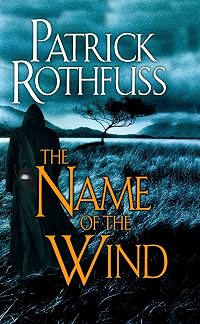
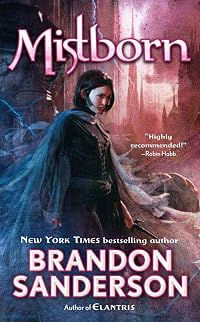
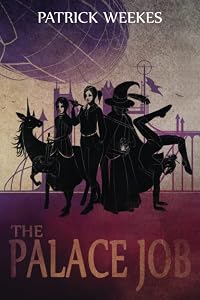
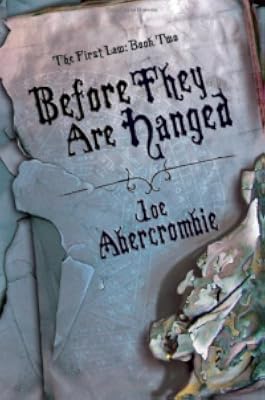
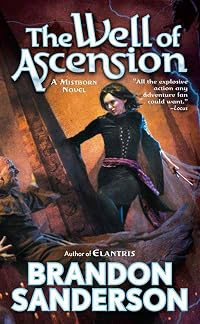
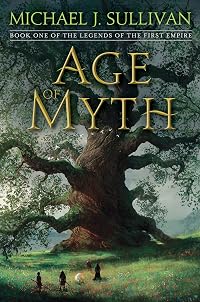
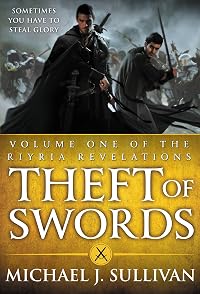
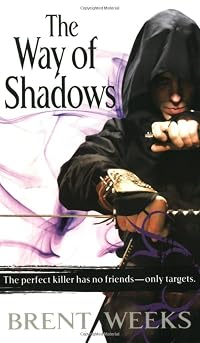
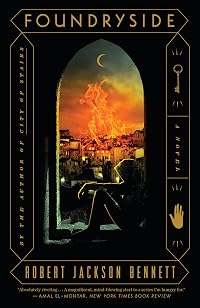
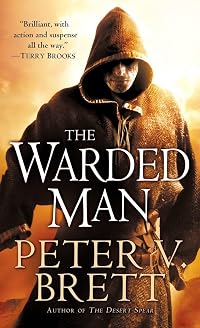
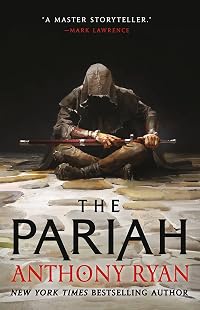
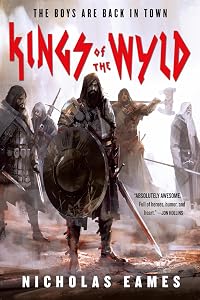
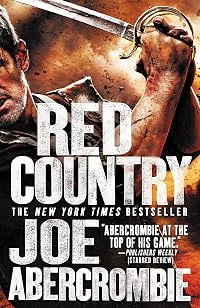
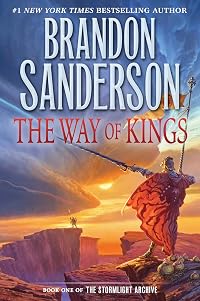

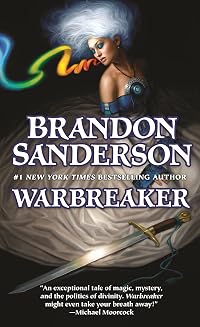
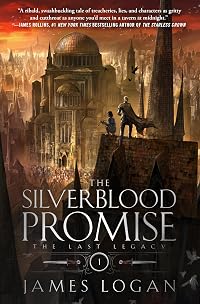
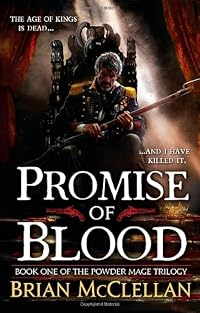
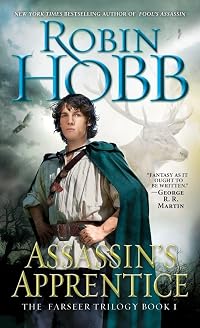
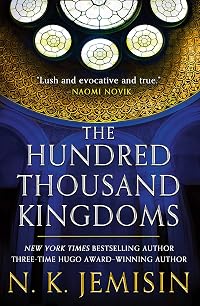
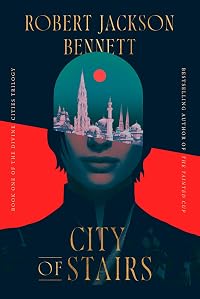
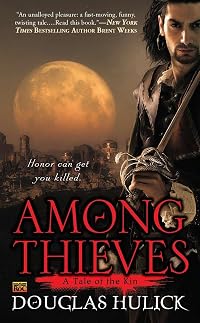

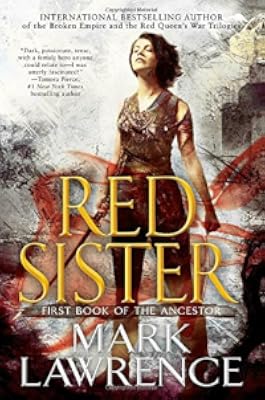
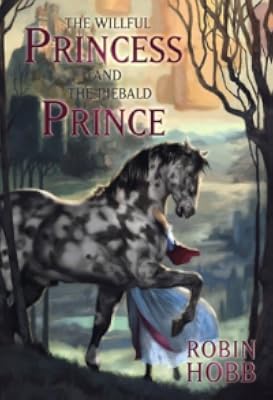

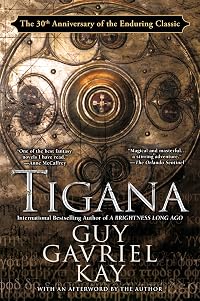
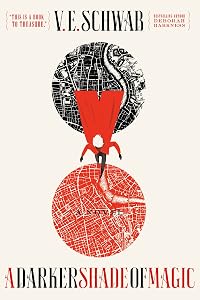
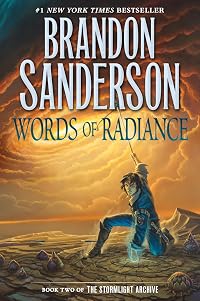
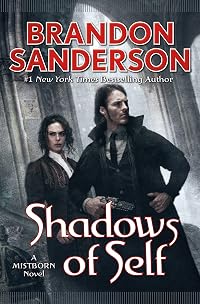

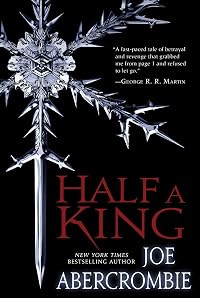


Member Recommendations
souloftherose Although the authors have different writing styles, both are epic fantasy books with a caper/heist/team of thieves at their centre
Also recommended by fyrefly98
160

Rouge2507 I'm convinced that "Fafhrd and Grey Mouser" books from Fritz Leiber are one of Lynch's sources of inspiration for Locke Lamora.
100

Carnophile Who'd win in a fight between the Locke Lamora gang and the Kaz Brekker gang? I NEED to see this. No, it's not a contest, but boy would that be a fun read.
Also recommended by ajwseven
71
majkia Although completely different settings, still the same lighthearted thievery going on.
31
lottpoet I thought the worlds/societies had a similar feel
Melfice Each of these books delve into a world of thieves
buut A similar gritty, pseudo-historical, low-magic fantasy setting, both with large casts of characters and plots that explore the meaning of brotherhood and loyalty in different ways.
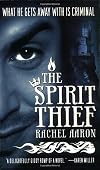
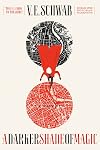

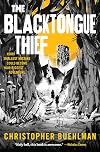
JessiAdams Both are stories of thieves turned adventurers with a group of friends
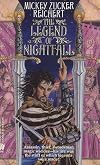
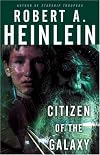
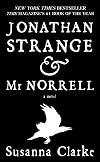
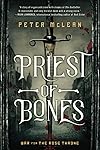
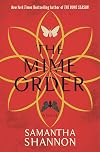
lottpoet also features an underworld where a larger force disrupts business as usual
Member Reviews
I found this a little slow to get going, but soon enough I was hooked. Lynch doesn't hold back anything; it's telling that George R. R. Martin wrote the cover blurb, as both authors share a certain ruthlessness towards their characters. However, that makes for a very tense, heavily-layered read. Everything is at stake. The twists and turns were fascinating and very well done.
In particular, I was surprised at how much I liked Locke. He's a thief on a grand scale, a murderer, and in many ways, not a pleasant fellow. But against a cast of murderers and schemers, Locke is definitely a good guy--not as bad as the rest, and he does have something of a moral compass, even if it's a bit skewed.
I'm continuing with the second book next.
In particular, I was surprised at how much I liked Locke. He's a thief on a grand scale, a murderer, and in many ways, not a pleasant fellow. But against a cast of murderers and schemers, Locke is definitely a good guy--not as bad as the rest, and he does have something of a moral compass, even if it's a bit skewed.
I'm continuing with the second book next.
Superb debut novel, not totally without faults, but very worthwhile reading for all fantasy fans. The light fast style is reminiscent of Brandon Sanderson's Mistborn, without the clever magic.
Locke Lamora is an orphan and a stray, and also - even at less than 6 yrs old - a pickpocket, thief and con-artist of the highest calibre. When a plague decimates the city he is shepherded into a grave-robbers gang, but his brilliance quickly gets him into trouble, and he is promoted (sold or passed on) to Chains, high priest of the unmentioned thirteenth God - The benefactor of prudent Necessity and patron saint of the Abandoned - in other words con-artists heaven. If you put up a begging bowl people will give you money without you even having to show more pick their pocket. The city of Camorr of course is also full of Nobles and the Secret Peace negotiated between the Capa of the underworld and the nobles maintains sufficiency of lifestyle between them. Locke of course isn't content with sufficiency, but then fortunately for him The mysterious Grey King isn't content with submission to the Capa either, and matter rush to bloodthirsty head.
The writing is light, delicately descriptive without being overwhelming. There's lots of action and some detailed fights, but plenty of humour (at least in the early passages) and some opposition that almost seems properly clever. There are also lots of flashbacks through to Locke and Co.'s training. I don't like flashbacks in general, but these were clearly highlighted as new chapters and generally didn't interfere with the main plot too much. However they did foreshadow events a little too obviously - for example one of the gang is apprenticed to the death priests in a flashback and in the very next chapter uses the death priests as a disguise. Just a bit too clumsy a mechanism for introducing the nature of the city guilds. There are other minor quibbles - a few plot holes where an obvious connection isn't made, or continuity fails slightly, but in general much less than occurs in many novels. The worst is the oft alluded to but no details given of his love interest and then the unresolved issue of Locke's death Offering promised to Chains - why is this never referred to again?
Annoyingly one major plot device is left completely unexplained: the city is formed around several 'glass' towers left by previous non-human civilisation. No other details given, no sense of time, no explanation of who why or where they were or are. Unnecessarily mysterious, especially as there are no other non-humans in the story. The magic system is also unexplained, but as none of the main characters actually do any magic that is perhaps allowable. As a reader though I have an unresolved curiosity about it.
Locke is the star, obviously, but as with a lot of fantasy of this type we don't get a great deal of character development for him, other than revenge very little seems to motivate him. His companions are also very one-track, the angry Jean, and the trickster brothers. However it is a short book and it moves very fast, which like any con-man's game keeps your attention riveted to what the author chooses to show you. Action, plans and plots. And these are very well done.
Great debut - I very much hope the sequel holds the same level of quality and that some of our questions are answered.
............................................................................................
After re-read:
Still very enjoyable, none of the plots suffered from my slight reminiscence of how they worked out. The same complaints still stand though, I got irritated by the flashbacks and their foreshadowing of the next chapter. I still want to learn more details about the non-appearing though oft alluded to Sabetha, and also how humans came to live in these alien cities. Most of all though it is fun. Fast moving revenge filled fun. Occasionally gory frequently clever, and always entertaining. The balance between the action, the legerdemain, and the explanations is very well managed. If only the Interludes were a bit more subtle. show less
Locke Lamora is an orphan and a stray, and also - even at less than 6 yrs old - a pickpocket, thief and con-artist of the highest calibre. When a plague decimates the city he is shepherded into a grave-robbers gang, but his brilliance quickly gets him into trouble, and he is promoted (sold or passed on) to Chains, high priest of the unmentioned thirteenth God - The benefactor of prudent Necessity and patron saint of the Abandoned - in other words con-artists heaven. If you put up a begging bowl people will give you money without you even having to show more pick their pocket. The city of Camorr of course is also full of Nobles and the Secret Peace negotiated between the Capa of the underworld and the nobles maintains sufficiency of lifestyle between them. Locke of course isn't content with sufficiency, but then fortunately for him The mysterious Grey King isn't content with submission to the Capa either, and matter rush to bloodthirsty head.
The writing is light, delicately descriptive without being overwhelming. There's lots of action and some detailed fights, but plenty of humour (at least in the early passages) and some opposition that almost seems properly clever. There are also lots of flashbacks through to Locke and Co.'s training. I don't like flashbacks in general, but these were clearly highlighted as new chapters and generally didn't interfere with the main plot too much. However they did foreshadow events a little too obviously - for example one of the gang is apprenticed to the death priests in a flashback and in the very next chapter uses the death priests as a disguise. Just a bit too clumsy a mechanism for introducing the nature of the city guilds. There are other minor quibbles - a few plot holes where an obvious connection isn't made, or continuity fails slightly, but in general much less than occurs in many novels. The worst is the oft alluded to but no details given of his love interest and then the unresolved issue of Locke's death Offering promised to Chains - why is this never referred to again?
Annoyingly one major plot device is left completely unexplained: the city is formed around several 'glass' towers left by previous non-human civilisation. No other details given, no sense of time, no explanation of who why or where they were or are. Unnecessarily mysterious, especially as there are no other non-humans in the story. The magic system is also unexplained, but as none of the main characters actually do any magic that is perhaps allowable. As a reader though I have an unresolved curiosity about it.
Locke is the star, obviously, but as with a lot of fantasy of this type we don't get a great deal of character development for him, other than revenge very little seems to motivate him. His companions are also very one-track, the angry Jean, and the trickster brothers. However it is a short book and it moves very fast, which like any con-man's game keeps your attention riveted to what the author chooses to show you. Action, plans and plots. And these are very well done.
Great debut - I very much hope the sequel holds the same level of quality and that some of our questions are answered.
............................................................................................
After re-read:
Still very enjoyable, none of the plots suffered from my slight reminiscence of how they worked out. The same complaints still stand though, I got irritated by the flashbacks and their foreshadowing of the next chapter. I still want to learn more details about the non-appearing though oft alluded to Sabetha, and also how humans came to live in these alien cities. Most of all though it is fun. Fast moving revenge filled fun. Occasionally gory frequently clever, and always entertaining. The balance between the action, the legerdemain, and the explanations is very well managed. If only the Interludes were a bit more subtle. show less
This was my second time reading Scott Lynch’s fantasy heist novel, The Lies of Locke Lamora. This time around, I was reading it as part of a group read, which was one of the first times I’ve read a book in weekly increments over the span of a month.
When Locke Lamora was a young orphan, he ended up in the hands of Father Chains – a conman who focused his energy on training up a group of orphan thieves, the Gentlemen Bastards. Years later and Locke and the Gentlemen Bastards are raking in a fortune, right under the nose of both the nobility’s secret police and the overlord of the city’s criminals. Yet everything changes when a man known as the Grey King begins battling for power within the criminal underworld.
As I’m sure I’ve mentioned before, I adore heist plots and con-artist protagonists. I’m a sucker for those sorts of stories. Add in my favorite genre (fantasy), and you’re guaranteed to have a book that will draw my attention. And in this case, I was absolutely riveted, even in a reread. It’s got good writing, fantastic world building, and plenty of witty dialog. Even though it’s actually pretty dark – there’s torture and death and all sorts of horrible things going on – it doesn’t feel as grimdark as many recent entries to the fantasy genre, perhaps due to the humor.
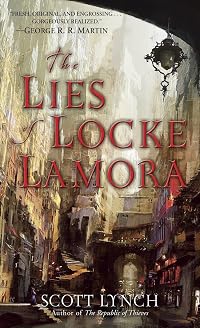
The Lies of Locke Lamora is set entirely within Camorr, a city of canals with a culture reminiscent of Italy. Camorr is just such a well crafted setting. I’ve talked before about how the best fantasy settings have a sense of vividness that makes them feel like they could come right off the page. Camorr has this in spades. It’s got a distinct culture and society that’s realized down to details like the food and monthly festivals and traditional, shark-killing female gladiators. Camorr completely avoids the “generic fantasy” feel.
While I really love The Lies of Locke Lamora, it wasn’t entirely perfect. During the group read, we talked a lot about women in the book (or lack thereof) and their position in Camorr. The good news is that a lot of the background characters of all sorts are female, from guards to alchemists. There are also a couple of reoccurring but more minor female characters who are well developed and do end up effecting the plot. However, among the Gentlemen Bastards themselves, there are no women. I wasn’t super bothered, perhaps due to the scale of the story. The Lies of Locke Lamora isn’t an epic fantasy novel, and it’s more focused on the fates of a small group of characters (the Gentlemen Bastards) than even the fate of the city as a whole. I still notice the lack though. There’s also a female character who’s death could be considered fridging (although given everything else that happens, I don’t really know how she could have come out of it alive). It still merits noting.
The book’s other flaw is that at times the extensive use of split time lines, flashbacks, and interludes throw off the pacing. For most of the book, the timeline carries between Locke as a boy, learning from Chains and becoming one of the Gentlemen Bastards, and the present day where he’s pulling off a con on a nobleman. Then there’s various other interludes as well. On one hand, I did like how these sections interrelated to the present timeline, and many of them were engaging. However, I think near the end especially they threw off the pacing of the book. Where they all really necessary? Could some have been cut, condensed, or moved earlier?
The Lies of Locke Lamora is able to go from light hearted scenes that make me laugh to shocking and painful twists. If there’s one thing I’ve taken from this reread, it’s that The Lies of Locke Lamora is a book about the cycle of revenge. Yet it’s a continual joy to follow Locke as he so magnificently gets himself into and out of trouble. I would highly recommend this book to anyone who loves fantasy heists.
Originally posted on The Illustrated Page. show less
When Locke Lamora was a young orphan, he ended up in the hands of Father Chains – a conman who focused his energy on training up a group of orphan thieves, the Gentlemen Bastards. Years later and Locke and the Gentlemen Bastards are raking in a fortune, right under the nose of both the nobility’s secret police and the overlord of the city’s criminals. Yet everything changes when a man known as the Grey King begins battling for power within the criminal underworld.
“Someday, Lockeshow more
Lamora,” he said, “someday, you’re going to fuck up so magnificently, so ambitiously, so overwhelmingly that the sky will light up and the moons will spin and the gods themselves will shit comets with glee. And I just hope I’m still around to see it.”
“Oh please,” said Locke. “It’ll never happen.”
As I’m sure I’ve mentioned before, I adore heist plots and con-artist protagonists. I’m a sucker for those sorts of stories. Add in my favorite genre (fantasy), and you’re guaranteed to have a book that will draw my attention. And in this case, I was absolutely riveted, even in a reread. It’s got good writing, fantastic world building, and plenty of witty dialog. Even though it’s actually pretty dark – there’s torture and death and all sorts of horrible things going on – it doesn’t feel as grimdark as many recent entries to the fantasy genre, perhaps due to the humor.
The Lies of Locke Lamora is set entirely within Camorr, a city of canals with a culture reminiscent of Italy. Camorr is just such a well crafted setting. I’ve talked before about how the best fantasy settings have a sense of vividness that makes them feel like they could come right off the page. Camorr has this in spades. It’s got a distinct culture and society that’s realized down to details like the food and monthly festivals and traditional, shark-killing female gladiators. Camorr completely avoids the “generic fantasy” feel.
While I really love The Lies of Locke Lamora, it wasn’t entirely perfect. During the group read, we talked a lot about women in the book (or lack thereof) and their position in Camorr. The good news is that a lot of the background characters of all sorts are female, from guards to alchemists. There are also a couple of reoccurring but more minor female characters who are well developed and do end up effecting the plot. However, among the Gentlemen Bastards themselves, there are no women. I wasn’t super bothered, perhaps due to the scale of the story. The Lies of Locke Lamora isn’t an epic fantasy novel, and it’s more focused on the fates of a small group of characters (the Gentlemen Bastards) than even the fate of the city as a whole. I still notice the lack though. There’s also a female character who’s death could be considered fridging (although given everything else that happens, I don’t really know how she could have come out of it alive). It still merits noting.
The book’s other flaw is that at times the extensive use of split time lines, flashbacks, and interludes throw off the pacing. For most of the book, the timeline carries between Locke as a boy, learning from Chains and becoming one of the Gentlemen Bastards, and the present day where he’s pulling off a con on a nobleman. Then there’s various other interludes as well. On one hand, I did like how these sections interrelated to the present timeline, and many of them were engaging. However, I think near the end especially they threw off the pacing of the book. Where they all really necessary? Could some have been cut, condensed, or moved earlier?
The Lies of Locke Lamora is able to go from light hearted scenes that make me laugh to shocking and painful twists. If there’s one thing I’ve taken from this reread, it’s that The Lies of Locke Lamora is a book about the cycle of revenge. Yet it’s a continual joy to follow Locke as he so magnificently gets himself into and out of trouble. I would highly recommend this book to anyone who loves fantasy heists.
Originally posted on The Illustrated Page. show less
Review courtesy of Dark Faerie Tales
Quick & Dirty: I cannot rave enough about The Lies of Locke Lamora! Vibrant characters, comprehensive world-building and an ingenious plot places this Fantasy firmly at the top of the genre with the likes of Tolkien and Martin. I cannot wait to discover the other adventures awaiting these beloved characters.
Opening Sentence: Locke Lamora’s rule of thumb was this: a good confidence game took three months to plan, three weeks to rehearse, and three seconds to win or lose the victim’s trust forever.
The Review:
The Lies of Locke Lamora literally fell into my hands while I was visiting the Random House booth at San Diego Comic Con last month. I was looking at another title when the person next to me show more bumped the stack and sent several books flying. I grabbed whatever was closest to me and was surprised when the girl working at the booth told me I could keep the books I’d picked up. Score! I didn’t even look at the titles I walked away with until I was stuck with a four hour layover at the airport several days later. I had no expectations other than hoping it would be interesting enough to lessen the annoyance of a long day stuck at the airport. As it turns out, it’s become one of my all-time favorite stories and I had to share it even though it wasn’t on my list of titles to review this month.
The prologue is a must read to fully appreciate the genius that is Scott Lynch. It all begins with a man called the Thiefmaker trying to sell an orphan boy to another man called Chains. It’s clear the Thiefmaker doesn’t suffer from any kind of moral misgivings about bringing orphaned children to his home under the graveyard with the sole purpose of turning them into his street thugs. It’s also clear that this isn’t the first time the Thiefmaker has approached the Eyeless Priest; he’s sold three other former “special” students to the Priest in recent years. In each of the previous cases, these students proved too troublesome for the Thiefmaker to control and it’s no different with the small boy known as Locke. However, the Thiefmaker’s issues with Locke are bigger than any he ever faced with previous students. Turns out that Locke’s skill at elaborate larceny schemes have become a very serious liability for the Thiefmaker – so much so that the Thiefmaker vows to kill Locke if the Priest won’t buy him.
The story begins several years later. Chains has passed away but the small group of specially trained thieves he named the Gentleman Bastards remains. Locke is the leader of the highly-successful group – which now consists of twins Calo and Galdo, the quiet but deadly Jean, and their apprentice Bug – and they are in the midst of a new scheme that will bring the Gentleman Bastards more money than ever before. Locke has learned much from his near death experience under the Thiefmaker and the rest of the Gentleman Bastards trust in him completely. The fact that they will be killed if Capa Barsavi, Camorr’s crime lord, ever finds out they’ve broken the Secret Peace by running a scheme on a noble doesn’t deter them. Neither does it matter that they will never be able to spend the money because doing so would blow their cover as the small-time pickpockets every other gang in town thinks they are. They’re content to continue acting like Capa Barsavi’s diligent group of small-time thieves, paying him his expected portion of their supposedly small monthly takes like normal. The knowledge that they far outwit anyone in Camorr, that they are able to con not only the nobility but also the crime lord and all his lackeys, is the only payoff that matters to Locke and the Gentleman Bastards. Then everything starts to go very, very wrong thanks to a newcomer who seems even more devious than Locke. This mystery man has his sights set on Locke, using him as a tool to obliterate the tenuous balance between Camorr’s crime network and the nobility. Despite Locke’s ability to scheme his way out of any situation, no costume or elaborate plot will save any of them from being caught up in the deadly consequences of the coming war.
Locke in particular comes across as a smug little SOB. He believes he is the cleverest con man to ever exist in Camorr and acts as though he can find a way out of any situation. Yet he and the Gentleman Bastards are immensely lovable despite the fact that they’re willing to cheat, lie and otherwise screw people out of whatever valuables they possess. Though they are members of a violent network of thugs, they do not participate in cruel or spiteful treatment of their marks. They instead rely on Locke’s brilliant wit and seemingly infallible luck, as well as expert costuming, to pull off their daring schemes. But Locke, Jean, Calo, Galdo and Bug aren’t just comrades in crime; they are brothers. Sincere admiration and affection, as well as good-natured harassment that only the best of friends or family can get away with, cement the relationships between these men. Their loyalty to each other is heartwarming and reading their interactions truly felt like I was listening in on conversations between lifelong friends.
Still, their relationships and the incredibly dark yet compelling plot wouldn’t have been as powerful had it not been for the amazing world Lynch created. The gritty setting brought a combination of Venice and Medieval England landscapes to mind and it was easy to envision Capa Barsavi’s floating headquarters or the mythical temple the Gentleman Bastards called home. Lynch provided the perfect amount of detail to create a landscape where these men and their counterparts could thrive and the mythical aspects seemed commonplace. The clothing, the magical abilities, even the secondary characters all blended seamlessly to create a comprehensive world where it was easy to get lost. In fact, I ended up getting motion sickness on the plane because I couldn’t put it down!
I could go on and on about the various aspects I adored (I warned you I couldn’t stop raving about it) but think my point is made. There is nothing I didn’t enjoy about The Lies of Locke Lamora and I encourage you to give yourself a gift by finding the nearest copy as soon as possible.
Notable Scene:
“I got them killed?”
“Yes.” Chains didn’t soften his voice. “You really did. As surely as you tried to hurt Veslin, you killed Gregor and four or five of your little comrades in the bargain.”
“Shit.”
“Do you see now, what consequences really are? Why you have to move slowly, think ahead, control the situation? Why you need to settle down and wait for time to give you sense to match your talent for mischief? We have years to work together, Locke. Years for you and my other little hellions to practice quietly. And that has to be the rule, if you want to stay here. No games, no cons, no scams, no anything except when and where I tell you. When someone like you pushes the world, the world pushes back. Other people are likely to get hurt. Am I clear?”
FTC Advisory: Del Rey/Random House provided me with a copy of The Lies of Locke Lamora. No goody bags, sponsorships, “material connections,” or bribes were exchanged for my review. show less
Quick & Dirty: I cannot rave enough about The Lies of Locke Lamora! Vibrant characters, comprehensive world-building and an ingenious plot places this Fantasy firmly at the top of the genre with the likes of Tolkien and Martin. I cannot wait to discover the other adventures awaiting these beloved characters.
Opening Sentence: Locke Lamora’s rule of thumb was this: a good confidence game took three months to plan, three weeks to rehearse, and three seconds to win or lose the victim’s trust forever.
The Review:
The Lies of Locke Lamora literally fell into my hands while I was visiting the Random House booth at San Diego Comic Con last month. I was looking at another title when the person next to me show more bumped the stack and sent several books flying. I grabbed whatever was closest to me and was surprised when the girl working at the booth told me I could keep the books I’d picked up. Score! I didn’t even look at the titles I walked away with until I was stuck with a four hour layover at the airport several days later. I had no expectations other than hoping it would be interesting enough to lessen the annoyance of a long day stuck at the airport. As it turns out, it’s become one of my all-time favorite stories and I had to share it even though it wasn’t on my list of titles to review this month.
The prologue is a must read to fully appreciate the genius that is Scott Lynch. It all begins with a man called the Thiefmaker trying to sell an orphan boy to another man called Chains. It’s clear the Thiefmaker doesn’t suffer from any kind of moral misgivings about bringing orphaned children to his home under the graveyard with the sole purpose of turning them into his street thugs. It’s also clear that this isn’t the first time the Thiefmaker has approached the Eyeless Priest; he’s sold three other former “special” students to the Priest in recent years. In each of the previous cases, these students proved too troublesome for the Thiefmaker to control and it’s no different with the small boy known as Locke. However, the Thiefmaker’s issues with Locke are bigger than any he ever faced with previous students. Turns out that Locke’s skill at elaborate larceny schemes have become a very serious liability for the Thiefmaker – so much so that the Thiefmaker vows to kill Locke if the Priest won’t buy him.
The story begins several years later. Chains has passed away but the small group of specially trained thieves he named the Gentleman Bastards remains. Locke is the leader of the highly-successful group – which now consists of twins Calo and Galdo, the quiet but deadly Jean, and their apprentice Bug – and they are in the midst of a new scheme that will bring the Gentleman Bastards more money than ever before. Locke has learned much from his near death experience under the Thiefmaker and the rest of the Gentleman Bastards trust in him completely. The fact that they will be killed if Capa Barsavi, Camorr’s crime lord, ever finds out they’ve broken the Secret Peace by running a scheme on a noble doesn’t deter them. Neither does it matter that they will never be able to spend the money because doing so would blow their cover as the small-time pickpockets every other gang in town thinks they are. They’re content to continue acting like Capa Barsavi’s diligent group of small-time thieves, paying him his expected portion of their supposedly small monthly takes like normal. The knowledge that they far outwit anyone in Camorr, that they are able to con not only the nobility but also the crime lord and all his lackeys, is the only payoff that matters to Locke and the Gentleman Bastards. Then everything starts to go very, very wrong thanks to a newcomer who seems even more devious than Locke. This mystery man has his sights set on Locke, using him as a tool to obliterate the tenuous balance between Camorr’s crime network and the nobility. Despite Locke’s ability to scheme his way out of any situation, no costume or elaborate plot will save any of them from being caught up in the deadly consequences of the coming war.
Locke in particular comes across as a smug little SOB. He believes he is the cleverest con man to ever exist in Camorr and acts as though he can find a way out of any situation. Yet he and the Gentleman Bastards are immensely lovable despite the fact that they’re willing to cheat, lie and otherwise screw people out of whatever valuables they possess. Though they are members of a violent network of thugs, they do not participate in cruel or spiteful treatment of their marks. They instead rely on Locke’s brilliant wit and seemingly infallible luck, as well as expert costuming, to pull off their daring schemes. But Locke, Jean, Calo, Galdo and Bug aren’t just comrades in crime; they are brothers. Sincere admiration and affection, as well as good-natured harassment that only the best of friends or family can get away with, cement the relationships between these men. Their loyalty to each other is heartwarming and reading their interactions truly felt like I was listening in on conversations between lifelong friends.
Still, their relationships and the incredibly dark yet compelling plot wouldn’t have been as powerful had it not been for the amazing world Lynch created. The gritty setting brought a combination of Venice and Medieval England landscapes to mind and it was easy to envision Capa Barsavi’s floating headquarters or the mythical temple the Gentleman Bastards called home. Lynch provided the perfect amount of detail to create a landscape where these men and their counterparts could thrive and the mythical aspects seemed commonplace. The clothing, the magical abilities, even the secondary characters all blended seamlessly to create a comprehensive world where it was easy to get lost. In fact, I ended up getting motion sickness on the plane because I couldn’t put it down!
I could go on and on about the various aspects I adored (I warned you I couldn’t stop raving about it) but think my point is made. There is nothing I didn’t enjoy about The Lies of Locke Lamora and I encourage you to give yourself a gift by finding the nearest copy as soon as possible.
Notable Scene:
“I got them killed?”
“Yes.” Chains didn’t soften his voice. “You really did. As surely as you tried to hurt Veslin, you killed Gregor and four or five of your little comrades in the bargain.”
“Shit.”
“Do you see now, what consequences really are? Why you have to move slowly, think ahead, control the situation? Why you need to settle down and wait for time to give you sense to match your talent for mischief? We have years to work together, Locke. Years for you and my other little hellions to practice quietly. And that has to be the rule, if you want to stay here. No games, no cons, no scams, no anything except when and where I tell you. When someone like you pushes the world, the world pushes back. Other people are likely to get hurt. Am I clear?”
FTC Advisory: Del Rey/Random House provided me with a copy of The Lies of Locke Lamora. No goody bags, sponsorships, “material connections,” or bribes were exchanged for my review. show less
When it comes to works of fiction, these are a few of my very most absolute favourite things:
- Renaissance Italy
- Con artists
- High fantasy
The Lies of Locke Lamora just so happens to focus on a group of con artists going about their con artist ways, in a fantastical representation of what appears to be Renaissance Italy (Venice, in particular, was the vibe I got). So really, it was off to a winning start. All of my favourite things were present in droves, from Renaissance society and clever cons to cloak and dagger skirmishes and magic. The plot is exciting and well-paced, with twists aplenty to keep you turning the page.
An additional nice touch is the ending - no spoilers here, but the ending is conclusive. This is the first book in a show more series, and of course there are enough threads left dangling and questions left unanswered to make you want to go straight out and order book 2, but the story of book 1 remains self-contained. There's little more frustrating than getting to the end of a lengthy novel only to discover you've got to read another 600 pages or more in order to get any sort of resolution. If you love Lynch's world and characters, you're going to WANT to pick up the next book, but there's no need to. The ending of this first book is satisfying in its own right.
An acquaintance of mine reviewed this book by saying it felt as though it has been written "just for him", and I have to echo this sentiment here. I can't imagine much more I'd want from a book, and have already ordered book 2 to carry on the adventure. show less
- Renaissance Italy
- Con artists
- High fantasy
The Lies of Locke Lamora just so happens to focus on a group of con artists going about their con artist ways, in a fantastical representation of what appears to be Renaissance Italy (Venice, in particular, was the vibe I got). So really, it was off to a winning start. All of my favourite things were present in droves, from Renaissance society and clever cons to cloak and dagger skirmishes and magic. The plot is exciting and well-paced, with twists aplenty to keep you turning the page.
An additional nice touch is the ending - no spoilers here, but the ending is conclusive. This is the first book in a show more series, and of course there are enough threads left dangling and questions left unanswered to make you want to go straight out and order book 2, but the story of book 1 remains self-contained. There's little more frustrating than getting to the end of a lengthy novel only to discover you've got to read another 600 pages or more in order to get any sort of resolution. If you love Lynch's world and characters, you're going to WANT to pick up the next book, but there's no need to. The ending of this first book is satisfying in its own right.
An acquaintance of mine reviewed this book by saying it felt as though it has been written "just for him", and I have to echo this sentiment here. I can't imagine much more I'd want from a book, and have already ordered book 2 to carry on the adventure. show less
This book feels, for lack of a better word, classic. Not classic as in Frankenstein or Beowulf or To Kill a Mockingbird, but classic as in timeless. Now, don't get me wrong, I like innovative literary devices as much as the next girl. I've read short stories from the perspective of feet. Hell, I read The Road (in which there is barely a plot to speak of) and loved it.
But every once in a while I feel the need to shake off all those new bells and whistles and just get back to basics. I want to lie back and have the author tell me a story, one where I can fall headfirst into the world it describes and be completely under the spell of its colourful characters. I want to feel like a child, sitting at the knee of a loved one, listening to show more wild fancies and wondrous tales. I want my stories vast and I want them sprawling- I want journeys, fights, backstories, villains, heroes, daring escapes, vows of revenge. The Shadow of the Wind, The Hobbit, The Princess Bride- books like these are my comfort food. Books that are classic and familiar but still feel special; books that are heartfelt but thrilling; books that have the Holy Trinity of plot, characters, and style, and that marry them all together to create a world, a time, or a moment that I'll never want to leave.
The Lies of Locke Lamora delivers all of these things splendidly: a provocative, edgy setting; well thought-out cultural and religious customs that weren't a bore to read; a hero to root for; a villain that's bad but oh so good, evil of the proper, moustache-twirling sort. Usually, I revel in the grey areas- antiheroes, punch clock villains, semi-antagonists, man vs. self- I love the interplay of elements of light and dark. But every now and again I want clean cut, I want good and evil battling it out on a grand, dramatic stage, but I still want it nuanced and unpredictable, which Scott Lynch covers beautifully.
The writing, too, was gorgeous, the kind you can slip into and pass hours reading, totally and utterly immersed. The Duchy of Camorr is a deliciously dangerous and delightfully corrupt city of olde- with shades of Riften, Renaissance Venice, Red London, and Florin City*. I felt like I was being guided through the winding alleys, taverns, holes-in-the-wall, and mansions of Camorr by a funny, knowledgeable guide who showed me all the facets (good and bad, seedy and sumptuous) of the city. I watched women battling gigantic sharks, I saw bloodbaths, I experienced massive floating markets, lavish skyscraping terraces, dank dens of villainy. Corridors of razor-sharp roses, thieving cellars below temples, shifting docks- all described so clearly that you'd swear you've actually been there.
And, in a way, you have.
Because, in reading The Lies of Locke Lamora, you become a citizen of the crazy city of Camorr- you're party to all sorts of schemes, swindles, and plots, standing in the corner and watching the lives of a vast array of characters unfold and tangle in the most spectacular of ways.
I smiled so many times while reading this book, and I broke down into tears too, but they never felt like the cheap heartstring-pulls so many contemporary novels use today in lieu of genuine emotion. This book kept me guessing, laughing, wondering, and- above all- craving more. I won't say much about the plot or characters specifically (it's so much more magical when you read it yourself) but it involved theft, revenge, fighting, comradery, tricks, secrets- all the good stuff- and doctors, alchemists, nobles, priests, assassins, gangs, and, of course, bands of thieves.
Gentlemen Bastards!
If I may point out a few details I loved, I thought the "fantasy" elements were woven in artfully. There's alchemy, but I really liked how it was talked about in more scientific terms rather than magic. There are people called Bondsmages who are basically the Siths of wizards- they cause pain, control animals, do mind tricks, all that sort of thing, but they never seemed gimmicky or too much "ye olde magicka." The format of the story was lovely- a main storyline with several well-placed interludes about Locke's childhood, certain colourful events in Camorr's history, the working of the city's underworld, or even spending a little time inside the head of a secondary character. Also, let it be known that this has the greatest ending to anything I have ever read, ever, so don't worry about being disappointed by a lackluster finish- I thought it was brilliant.
All in all, a richly told, wonderfully executed, positively delightful tale. It was just... charming. It just made me happy in so many ways, and it felt new despite the fact that it really is a return to the tried-and-true aspects of sprawling fantasy, done marvellously well. Like I said above, classic but fresh, drawing from its predecessors but still special in its own right, which I think is an especially difficult thing to master.
Because nowadays I believe we value writing far more than storytelling, and every now and then I need a charming thief (Locke), an unwittingly brave hobbit (Bilbo), or a suave bookseller (Fermín) to comfort me. Sometimes (but certainly not all the time) I want a clear hero and a clear villain- because in a world where so much is mired in the grey, a little bit of black and white can go a long way. These books, for me, are the equivalent of a favourite armchair. They may not be of the very highest quality, but they are warm, cosy, incredibly enjoyable and with the perfect, comfortable mixture of firmness and fluff. Everybody needs books like these, the ones we can fall back on time and time again and never get tired of, books that feel very much like the emotional equivalent of peeling your socks (or pants) off after a long day of work. Many people find that fluffy, cute romances do the job for them, and that's just fine. But me?
Well, I'll take a rakish thief any day of the week.
*I might have made a status update saying this (I have a feeling I did), and I loathe being redundant, but as of right now I can't see my status updates. It happens sometimes, especially as of late, but eventually it resolves somehow. Ah, Goodreads- the site with more bugs than an overzealous entomologist.
Read for the 2016 Popsugar Reading Challenge: "A book that's more than 600 pages." show less
But every once in a while I feel the need to shake off all those new bells and whistles and just get back to basics. I want to lie back and have the author tell me a story, one where I can fall headfirst into the world it describes and be completely under the spell of its colourful characters. I want to feel like a child, sitting at the knee of a loved one, listening to show more wild fancies and wondrous tales. I want my stories vast and I want them sprawling- I want journeys, fights, backstories, villains, heroes, daring escapes, vows of revenge. The Shadow of the Wind, The Hobbit, The Princess Bride- books like these are my comfort food. Books that are classic and familiar but still feel special; books that are heartfelt but thrilling; books that have the Holy Trinity of plot, characters, and style, and that marry them all together to create a world, a time, or a moment that I'll never want to leave.
The Lies of Locke Lamora delivers all of these things splendidly: a provocative, edgy setting; well thought-out cultural and religious customs that weren't a bore to read; a hero to root for; a villain that's bad but oh so good, evil of the proper, moustache-twirling sort. Usually, I revel in the grey areas- antiheroes, punch clock villains, semi-antagonists, man vs. self- I love the interplay of elements of light and dark. But every now and again I want clean cut, I want good and evil battling it out on a grand, dramatic stage, but I still want it nuanced and unpredictable, which Scott Lynch covers beautifully.
The writing, too, was gorgeous, the kind you can slip into and pass hours reading, totally and utterly immersed. The Duchy of Camorr is a deliciously dangerous and delightfully corrupt city of olde- with shades of Riften, Renaissance Venice, Red London, and Florin City*. I felt like I was being guided through the winding alleys, taverns, holes-in-the-wall, and mansions of Camorr by a funny, knowledgeable guide who showed me all the facets (good and bad, seedy and sumptuous) of the city. I watched women battling gigantic sharks, I saw bloodbaths, I experienced massive floating markets, lavish skyscraping terraces, dank dens of villainy. Corridors of razor-sharp roses, thieving cellars below temples, shifting docks- all described so clearly that you'd swear you've actually been there.
And, in a way, you have.
Because, in reading The Lies of Locke Lamora, you become a citizen of the crazy city of Camorr- you're party to all sorts of schemes, swindles, and plots, standing in the corner and watching the lives of a vast array of characters unfold and tangle in the most spectacular of ways.
I smiled so many times while reading this book, and I broke down into tears too, but they never felt like the cheap heartstring-pulls so many contemporary novels use today in lieu of genuine emotion. This book kept me guessing, laughing, wondering, and- above all- craving more. I won't say much about the plot or characters specifically (it's so much more magical when you read it yourself) but it involved theft, revenge, fighting, comradery, tricks, secrets- all the good stuff- and doctors, alchemists, nobles, priests, assassins, gangs, and, of course, bands of thieves.
Gentlemen Bastards!
If I may point out a few details I loved, I thought the "fantasy" elements were woven in artfully. There's alchemy, but I really liked how it was talked about in more scientific terms rather than magic. There are people called Bondsmages who are basically the Siths of wizards- they cause pain, control animals, do mind tricks, all that sort of thing, but they never seemed gimmicky or too much "ye olde magicka." The format of the story was lovely- a main storyline with several well-placed interludes about Locke's childhood, certain colourful events in Camorr's history, the working of the city's underworld, or even spending a little time inside the head of a secondary character. Also, let it be known that this has the greatest ending to anything I have ever read, ever, so don't worry about being disappointed by a lackluster finish- I thought it was brilliant.
All in all, a richly told, wonderfully executed, positively delightful tale. It was just... charming. It just made me happy in so many ways, and it felt new despite the fact that it really is a return to the tried-and-true aspects of sprawling fantasy, done marvellously well. Like I said above, classic but fresh, drawing from its predecessors but still special in its own right, which I think is an especially difficult thing to master.
Because nowadays I believe we value writing far more than storytelling, and every now and then I need a charming thief (Locke), an unwittingly brave hobbit (Bilbo), or a suave bookseller (Fermín) to comfort me. Sometimes (but certainly not all the time) I want a clear hero and a clear villain- because in a world where so much is mired in the grey, a little bit of black and white can go a long way. These books, for me, are the equivalent of a favourite armchair. They may not be of the very highest quality, but they are warm, cosy, incredibly enjoyable and with the perfect, comfortable mixture of firmness and fluff. Everybody needs books like these, the ones we can fall back on time and time again and never get tired of, books that feel very much like the emotional equivalent of peeling your socks (or pants) off after a long day of work. Many people find that fluffy, cute romances do the job for them, and that's just fine. But me?
Well, I'll take a rakish thief any day of the week.
*I might have made a status update saying this (I have a feeling I did), and I loathe being redundant, but as of right now I can't see my status updates. It happens sometimes, especially as of late, but eventually it resolves somehow. Ah, Goodreads- the site with more bugs than an overzealous entomologist.
Read for the 2016 Popsugar Reading Challenge: "A book that's more than 600 pages." show less
I enjoyed this book set in a world based on renaissance Italy with a dash of Dicken's London. When it comes to crime fiction I prefer long cons, heists and organized crime and the Lies of Locke Lamora delivered all that. I would deem it a low fantasy, there is magic, there is alchemy, but this no sword and sorcery epic.
Locke is a pretty good character, a stand-up guy with honor and integrity. Yeah, he tortures people........but not for enjoyment, just as a payback to those who torture. He did punch an old lady in the face, yes. She had just administered a fatal poison to him; she had the antidote on her person, and they were alone in the room. I would have punched her in the face and taken the antidote, too....who wouldn't? (answer: show more Douchebags with no survival instincts)
I enjoy a story with non-linear chronology of events. In this way, exposition of factors from the past affecting events in the book come up in a timely fashion. Compared to getting a long, boring backstory full of seemingly insignificant details which may or may not be remembered when the plot calls for it; it's a better solution for storytelling.
There was no romance, only references to a romantic interest far away. This is a book for adults, and adults understand it is possible to love the same person for many years and wait for them when they're not around. Adult readers are also willing to accept the relationship as written, without a lot of squicky sexual scenes to prove it. Adult readers don't need endless love scenes and obsessions with love interests like a bunch of hormonal fifteen year olds.
The foul language was a bonus in this book. It makes sense that underworld figures would not have the speech patterns of a Methodist minister. I adore realistic profanity when used appropriately.
Have I mentioned how much I love books written for adults? I don't think I can really emphasize that enough, you know? show less
Locke is a pretty good character, a stand-up guy with honor and integrity. Yeah, he tortures people........but not for enjoyment, just as a payback to those who torture. He did punch an old lady in the face, yes. She had just administered a fatal poison to him; she had the antidote on her person, and they were alone in the room. I would have punched her in the face and taken the antidote, too....who wouldn't? (answer: show more Douchebags with no survival instincts)
I enjoy a story with non-linear chronology of events. In this way, exposition of factors from the past affecting events in the book come up in a timely fashion. Compared to getting a long, boring backstory full of seemingly insignificant details which may or may not be remembered when the plot calls for it; it's a better solution for storytelling.
There was no romance, only references to a romantic interest far away. This is a book for adults, and adults understand it is possible to love the same person for many years and wait for them when they're not around. Adult readers are also willing to accept the relationship as written, without a lot of squicky sexual scenes to prove it. Adult readers don't need endless love scenes and obsessions with love interests like a bunch of hormonal fifteen year olds.
The foul language was a bonus in this book. It makes sense that underworld figures would not have the speech patterns of a Methodist minister. I adore realistic profanity when used appropriately.
Have I mentioned how much I love books written for adults? I don't think I can really emphasize that enough, you know? show less
Members
- Recently Added By
Lists

Best Fantasy Novels
821 works; 361 members

Top-Rated Books on LibraryThing
272 works; 118 members

Top Five Books of 2013
1,562 works; 721 members

Recommend the 20 best books you've read in the last five years
2,168 works; 607 members

Favourite Fantasy Books of the 21st Century
51 works; 6 members
Favourite Books
1,820 works; 316 members

Speculative Fiction Heist/Caper Stories
10 works; 5 members

Books tagged favorites
390 works; 30 members

Top Five Books of 2014
1,064 works; 398 members

BbBooBooks
28 works; 2 members

Flyleaf Sci-Fi and Fantasy Book Club Selections
8 works; 2 members

PASTE magazine The 50 Best Fantasy Books of the 21st Century (So Far)
15 works; 1 member

Books Read in 2023
5,638 works; 147 members

Top Five Books of 2018
802 works; 264 members
Speculative Fiction to Read
706 works; 32 members

Plan to Listen Audiobooks
63 works; 1 member
Top Five Books of 2016
795 works; 229 members

Dear Nerdfighteria Maybe-Fiction Recommendations
24 works; 1 member

Sarah's Wish List
48 works; 1 member

SantaThing 2014 Gifts
299 works; 17 members
Books That Made Us Cry
278 works; 145 members
Best Audiobooks
240 works; 114 members

Recommend Fantasy Books
100 works; 1 member

Recommended Fantasy Books
77 works; 5 members

High Priority
29 works; 1 member

Fantastical Cities
23 works; 1 member

Books Read in 2024
4,727 works; 128 members

Books With the Most Memorable Titles
478 works; 158 members

infjsarah's wishlist
408 works; 2 members

SciFi/Fantasy Without Romance!
37 works; 1 member

Requests
19 works; 1 member

Reading Glasses Podcast
410 works; 3 members

Books discovered on LibraryThing
256 works; 36 members

BookTok Adult
115 works; 2 members

Books Read in 2021
5,361 works; 114 members

Books Read in 2016
4,666 works; 199 members

S.F. Masterworks (Complete)
229 works; 15 members
Overdue Podcast
808 works; 9 members

Epic Fantasy
4 works; 2 members

Books Read in 2012
816 works; 34 members
First Novels
373 works; 17 members

Read in 2016
107 works; 7 members

KayStJ's to-read list
1,616 works; 11 members

Best Antiheroes and Antiheroines
119 works; 7 members

What are your favourite books?
121 works; 11 members

Best Revenge Stories
69 works; 9 members

Read in 2014
334 works; 11 members

TBR of Books I Don't Own
132 works; 1 member
Fantasy of manners
54 works; 4 members
Talk Discussions
Past Discussions
The Gentlemen B*stards Sequence in FantasyFans (September 2020)
January Fantasy Read - SPOILERS - The Lies of Locke Lamora in The Green Dragon (October 2012)
January Fantasy Read - NO SPOILERS - The Lies of Locke Lamora in The Green Dragon (January 2012)
Author Information

Scott Lynch is a fantasy author, best known for his Gentleman Bastard series of novels. His first novel, The Lies of Locke Lamora, was published in June 2006 under the Gollancz imprint in the United Kingdom and under the Bantam imprint in the United States. The Lies of Locke Lamora was a World Fantasy Award finalist in 2007. In both 2007 and 2008 show more Lynch was nominated for the John W. Campbell Award for Best New Writer. Lynch received the Sydney J. Bounds Best Newcomer Award from the British Fantasy Society in 2008. (Bowker Author Biography) show less
Some Editions
Awards and Honors
Awards
Distinctions
Series

Belongs to Publisher Series
Narrativa [Nord] (293)
Work Relationships
Common Knowledge
- Canonical title
- The Lies of Locke Lamora
- Original title
- The Lies of Locke Lamora
- Original publication date
- 2006-06-27
- People/Characters
- Locke Lamora; Jean Tannen; Calo Sanza; Galdo Sanza; Bug; Capa Barsavi (show all 50); The Grey King; Sofia Salvara; Lorenzo Salvara; Angiavesta Vorchenza; Cheryn Berangias; Raiza Berangias; The Falconer; Nazca Barsavi; Anjais Barsavi; Pachero Barsavi; Vencarlo Barsavi; Sabetha Belacoros; Father Chains; Conté; Lukas Fehrwight; Paleri Jacobo; Nicovante; Tomsa Maranzalla; Giancana Meraggio; Vestris; Veslin; Ambrosine Strollo; Lucrezia Strollo; Vidrik; Jessaline d'Aubart; Janellaine d'Aubart; Harza; Vitale Vento; Aganesse; Marius Cordo; Cicilia de Ricura; Evante Eccari; Gregor Foss; Don Leviana; Isabella Manechezzo; Felice; Ferenze; Gathis; Ibelius; Benjavier; Laval; Stephen Reynart; Gisella; Trevor Vargas
- Important places
- Camorr; Angevine; Ashmere; Austershalin mountains; Emberlain; Five Towers (show all 18); The Floating Grave; Iron Sea; Palace of Patience; Sea of Brass; Shades' Hill; Shifting Market; Tal Verrar; Temple of Perelandro; Tumblehome; Viscount's Gate; Meraggio's Countinghouse; House of Glass Roses
- Related movies
- The Lies of Locke Lamora (in development | IMDb)
- Epigraph*
- Een fris, origineel en fascinerend verhaal van een opwindend nieuw geluid in het fantasygenre.
- Dedication
- For Jenny, this little world that was blessed
to have you peeking over my shoulder
while it took shape--
Love Always. - First words
- At the height of the long wet summer of the Seventy-Seventh Year of Sendovani, the Thiefmaker of Camorr paid a sudden and unannounced visit to the Eyeless Priest at the Temple of Perelandro, desperately hoping to sell him the... (show all) Lamora boy.
- Quotations
- We don't believe in hard work when a false face and a good line of bullshit can do so much more.
Locke is our brother and our love for him knows no bounds. But the four most fatal words in the Therin language are 'Locke would appreciate it.'
Rivaled only by 'Locke taught me a new trick'.
Catbridges were another legacy of the Eldren who’d ruled before the coming of men: narrow glass arches no wider than an ordinary man’s hips, arranged in pairs over most of Camorr’s canals and at several places along the... (show all) Angevine River. Although they looked smooth, their glimmering surfaces were as rough as shark’s-hide leather; for those with a reasonable measure of agility and confidence, they provided the only convenient means of crossing water at many points. Traffic was always one-directional over each catbridge; ducal decree clearly stated that anyone going the wrong direction could be shoved off by those with the right-of-way. - Last words
- (Click to show. Warning: May contain spoilers.)The lights drew down into the darkness, and then they were gone for good, and the rain swept in like a wall above the sea.
- Publisher's editor
- Groell, Anne
- Blurbers
- Martin, George R.R.; Stover, Matthew Woodring; Elliott, Kate; Morgan, Richard; Ash, Sarah; Bear, Elizabeth (show all 9); Duncan, Hal; Pratt, Tim; Kerr, Peg
- Original language
- English
- Canonical DDC/MDS
- 813.6
- Canonical LCC
- PS3612.Y5427
*Some information comes from Common Knowledge in other languages. Click "Edit" for more information.
Classifications
Statistics
- Members
- 12,412
- Popularity
- 684
- Reviews
- 473
- Rating
- (4.19)
- Languages
- 15 — Chinese, Czech, Dutch, English, Finnish, French, German, Italian, Norwegian (Bokmål), Polish, Portuguese, Romanian, Spanish, Swedish, Turkish
- Media
- Paper, Audiobook, Ebook
- ISBNs
- 50
- ASINs
- 30