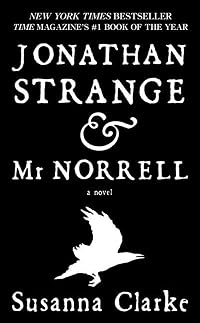
Jonathan Strange & Mr Norrell
by Susanna Clarke
On This Page
Description
In nineteenth-century England, all is going well for rich, reclusive Mr Norell, who has regained some of the power of England's magicians from the past, until a rival magician, Jonathan Strange, appears and becomes Mr Norrell's pupil.Tags
Recommendations



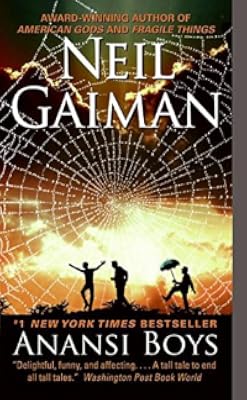
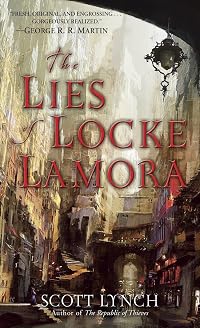
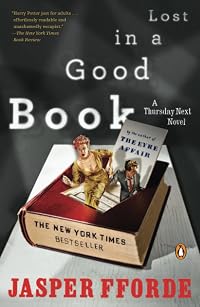
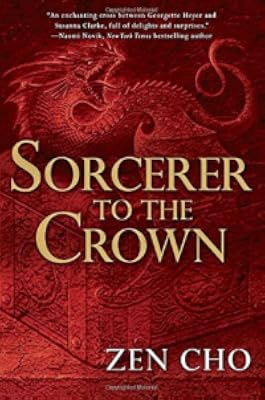
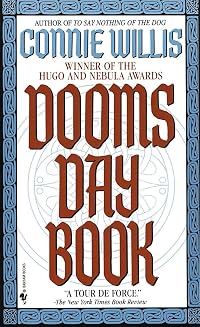
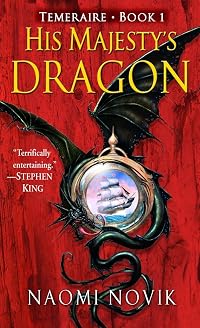
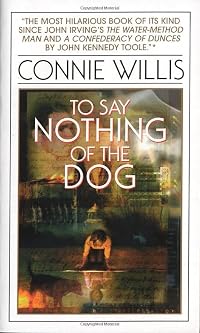
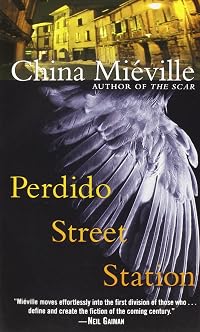
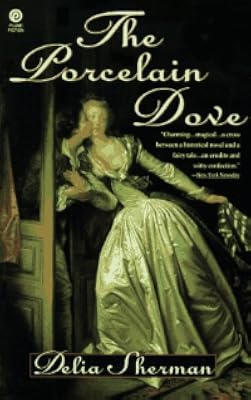
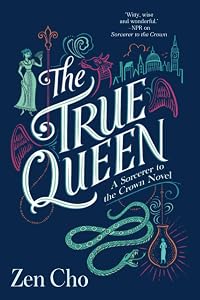
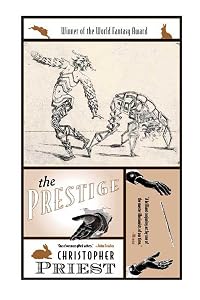
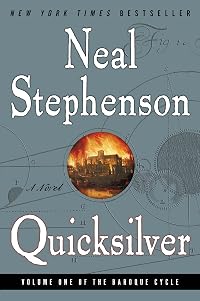
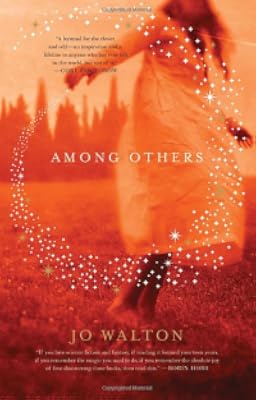
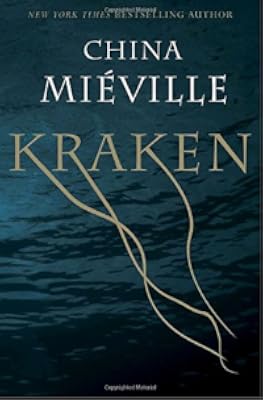
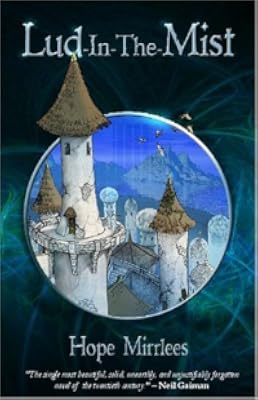
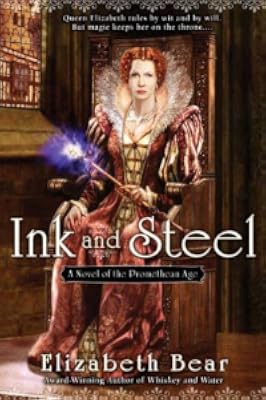
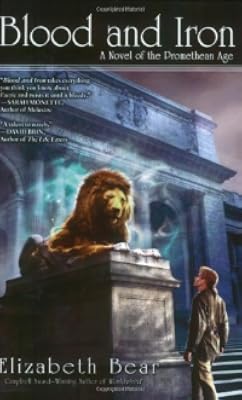
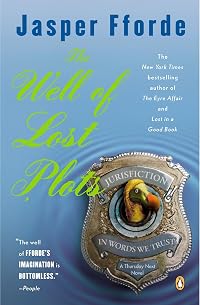
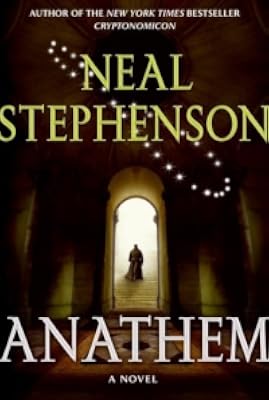
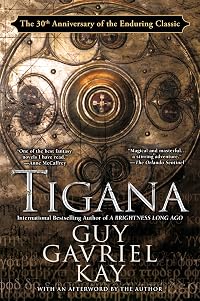
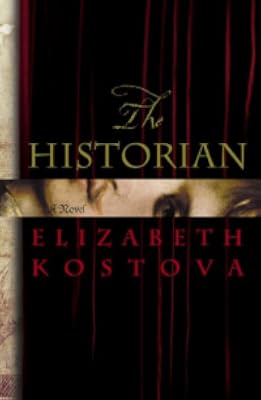
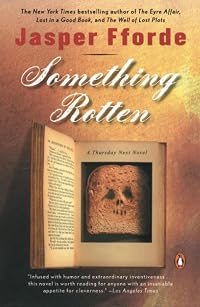
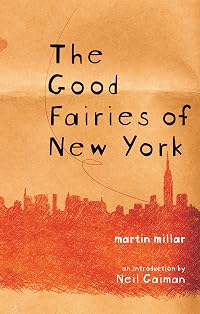
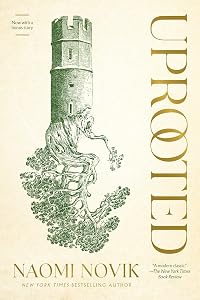

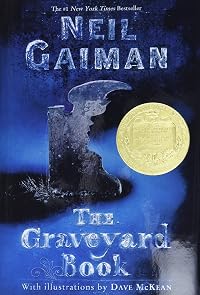
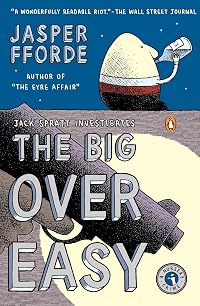
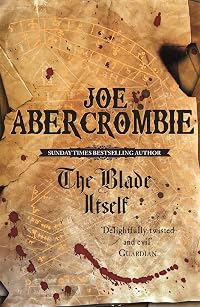
Member Recommendations
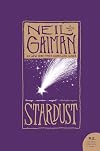
GreenVelvet Both Stardust and Jonathan Strange & Mr Norrell are detailed, well-written and riveting explorations of the world of fairie.
Also recommended by GreenVelvet, GreenVelvet
361
BookshelfMonstrosity Magical rivalries are at the heart of these unconventional Fantasy novels, which play out over decades and against elaborate, atmospheric 19th-century backdrops. Their initially relaxed pacing gains momentum as the various narrative threads dramatically converge.
Also recommended by -Eva-
242
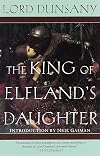
billiecat Clarke's descriptions of Faerie share the dreamlike qualities of Dunsany's novel.
192
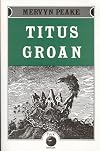
saltmanz Both extrememly atmospheric books, with vivid visuals and memorable characters.
236
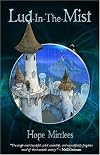
TheSpecialistsCat Both Clarke and Mirrlees lived briefly in Spain, then returned home to write about fairies and also, ostensibly, what it means to be English.
171
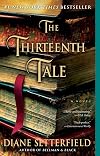
majkia both books evoked the same sort of feeling for me.
183
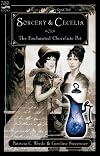
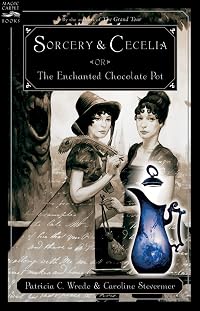
fyrefly98 Both have the same "Jane-Austen-meets-Harry-Potter" vibe to them; "Jonathan Strange" is denser and more grown-up, while "Sorcery & Cecelia" is funnier and more of a romp.
141
ErlendSkjelten I don't remember making this recommendation, much less why I did; they are very different books. I think I felt that they both conjured up the same mystic mood, and they are both concerned with a very British magic.
197
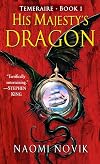
Aerrin99 Books which focus on a fascinating historical Britain, but with added fun like magicians and more.
70
61
aethercowboy Woland and the gentleman with thistle-down hair are very similar.
51


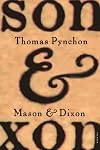
paradoxosalpha Similar elements of droll metafiction and period style, historical characters, and tension between two protagonists with professional and personal ties. Both are beefy volumes that demand real reader investment and pay dividends in rich characters and curious stories.
30
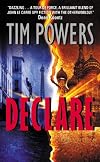
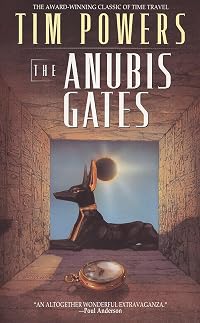
paradoxosalpha Both are bulky, character-oriented novels rooted in the socio-political frames of particular periods; both are self-consciously English; both have emotional depth; both mix in some real historical persons as characters; both introduce their central supernatural elements in a gradual manner; and in both cases those elements are anchored in archaic intelligences and their complex relations with humanity. I would even compare the narrative role that Powers assigns to T.E. Lawrence ("of Arabia") to that occupied by the Raven King in Clarke's book. And both Powers and Clarke are performing a certain level of transcendent pastiche: adding magic to the LeCarre spy thriller on the one hand and to the Austen saga of realist satire on the other. Powers gets more points for fidelity to history, Clarke for verisimilitude of magic.
63
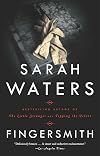
themulhern Books set in an historical English and evoking the writers of that time.
30
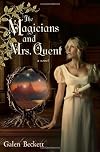
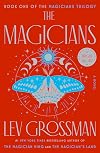
anonymous user Magic is real in worlds we recognize--Napoleonic England and contemporary New York.
86
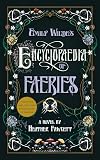
Jannes Not that smilar as novels, but both uses similar tropes and subjects. Both features an academic and scientific approach to te supernatural, including footnotes and citations of references. There's also a lot of faerie lore, particularly about fairy court politics.
20
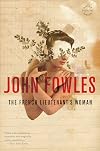
themulhern This short biography is helpful background reading for this novel.
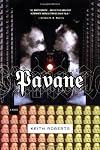
themulhern Both are an imaginative wallow in literary Englishness and corresponding wild adventure. "Mothstorm" is lighter, shorter, and has more illustrations, of course.
anonymous user Much darker and set further in the past, this excellent short historical novel features dark magic and witchcraft.
10


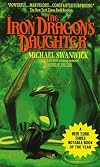

themulhern I believe that "Rings, Swords, and Monsters" predates "Jonathan Strange"; nonetheless, the lectures allude to stories or legends about scary fairies who take people away forever, and surround their castles with corpses.
12
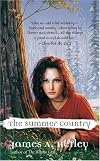
beyondthefourthwall Stunning fantasy featuring newcomers to magic up against interesting, complex, dangerous magical antagonists.

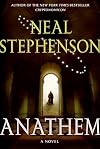
SiSarah While Anathem is science fiction and Jonathan Strange & Mr. Norrell is historical fantasy, they share many themes in common (the nature and value of knowledge and study, the responsibilities of those who possess such knowledge, contact with a strange yet familiar "other" civilization). They both stretch the bounds of their genres and have deceptively simple plots that unfold slowly, and have great depth to the writing.
910
unlucky Both have magic hidden in a historical setting, and both have the same kind of atmosphere.
12
The Age of Wonder: How the Romantic Generation Discovered the Beauty and Terror of Science by Richard Holmes
themulhern Isn't Jonathan Strange just Humphry Davy if he had been a magician not a chemist? Possibly Mr. Norrel is Henry Cavendish.
02
timspalding Okay, this is a weird recommendation, but I'll defend it. I love books that discuss imaginary books—that create a believable "world" of books, much as Tolkien (or Clarke) creates a believable world.
25
themulhern Both authors took years to write their outstanding first novel and then were prevented, by ill health and other things, from truly following up their first success.

urania1 Both books concern academics who are involved in research about magic or fae.
Member Reviews
This was enchanting. I have heard very good things about this book (as well as some not so good things). After reading it, I think I will have to agree with those who loved JS & MN. It was long (782 pages), though it didn't feel that way, despite the relatively slow pace of the narrative. The writing is much slower than most books nowadays and the plot points were revealed one by one throughout the book; it wasn't until the last 100 pages or so that I finally had an inclination about how everything would resolve itself, and even then, Clarke still provided a number of interesting twists. Clarke's written a world in which magic is a divisive political issue, a passion, and in vogue. Her characters are flawed and there were times I found show more myself intensely disliking the main characters, only to have them redeem themselves by the end of the book. Highly recommended, and not just to fantasy fans. My only complaint was that while most of the subplots were resolved, there was still so much more that could be done. Despite this, I don't think this is a book that should have a sequel. It is almost perfect all alone and I think a sequel could only hurt it. show less
This is real favourite of mine, and it's the third time I've read it and I devoured it. It combines a crisp eighteenth century novel with magic in a brilliantly seamless way, as the gentlemen magicians go about trying to impose values of rational thought and practical application to the restoration of British magic, denying or overwriting or suppressing the historical roots of that magic deep in Britain's folkloric past, far too dangerous and difficult to control for their liking - or at least for the liking of Mr Norrell. Mr Strange's sympathies lean elsewhere. Secret histories lurk in casual asides and old legends and tales and footnotes. Female magic is particularly suppressed, and if Mr Norrell has is way, it will remain so. Drawing show more room dramas, Napoleonic warfare, dreadful enchantments enduring under everyone's noses and the steadily growing influence of the Raven King kept me hooked, but it's the brilliantly drawn characters that compelled me to keep reading long after my poor old eyes had started to boil like eggs in the pot.
Edit 2020 - listened to the audio and it was lovely BUT the pronunciation of 'daoine sidhe' is a violent act of colonial imperialistic ecocide.
2021 - listened to it again, despite violent colonial ecocide. Like slipping into a warm bath.
Dec 2023 - listened again. show less
Edit 2020 - listened to the audio and it was lovely BUT the pronunciation of 'daoine sidhe' is a violent act of colonial imperialistic ecocide.
2021 - listened to it again, despite violent colonial ecocide. Like slipping into a warm bath.
Dec 2023 - listened again. show less
I am very late to this particular party – one reason for this is that I have a habit – as persistent as it is unjustified – to shy away from books that have become unexpectedly popular (which also led to me reading – and enjoying – The Name of the Wind years after everyone else), another that I had read that Jonathan Strange and Mr Norrell was kind of like Jane Austen – as I’m not very fond of that author’s works, I was not exactly in a hurry to check this novel out.
Just a brief glance at the table of contents, however, would already have sufficed to show me that the Jane Austen comparison is very far off the mark – Jonathan Strange and Mr Norrell, it turns out, is a novel in three volumes and is thus modelled after show more the Victorian three-deckers rather than the (comparatively) slim volumes of Jane Austen – I assume people were judging by the period the novel takes place in rather than the writing, because while the former might be Regency, the novel’s language, style and form are much more reminiscent of the likes of Thackeray and Trollope. And this is the first area (but will by no means be the last) in which Jonathan Strange and Mr Norrell is jaw-droppingly amazing: I have read a lot of Victorian novels in my time and therefore think I am a decent judge of those matters and can state with some confidence that Susanna Clarke really hits the nail on the head here – her style and tone, the way her plot develops, the way her characters are introduced, the narrative voice… simply everything is pitch-perfect. So, this is one level at which Jonathan Strange and Mr Norrell can be enjoyed – as an utterly delightful pastiche of the Victorian three-decker novel, that comes as close as possible to the real thing as is possible for something written more than a hundred years later.
Jonathan Strange and Mr Norrell, then, is almost exactly like a genuine novel from the Victorian Age that somehow found its way to us only belatedly - with the small proviso, however, that it has arrived in the reader’s hands not from our, but from some alternative universe version of the nineteenth century. There are quite a few historical fantasy novels that work from the principle of taking a historical period and then adding magic to it – a popular example from the same period Susanna Clarke’s novel covers would be Naomi Novik’s Temeraire series or (for some actual Jane Austen feel) Mary Robinette Kowal’s Glamourist Histories. But while Jonathan Strange and Mr Norrell belongs into that category, it is very different from anything else in that sub-genre (anything I have ever read, at least). For one thing, Susanna Clarke only adds magic to her Regency period to then immediately subtract it and present us with an England where magic used to be strong but has almost entirely vanished. In fact, the entire concept of setting her novel during the Regency but telling it from a Victorian perspective already indicates a fundamental difference, a difference that is deepened by the lengths Susanna Clarke goes to not just get her facts straight, but also her characters, her writing, her very voice (and I cannot emphasize enough just how talented a ventriloquist she is – almost on every single of its many, many pages there at least one instance where a small tingle went down my spine at some particularly delightful turn of phrase in the Victorian manner). Jonathan Strange and Mr Norrell is vastly more ambitious than any Fantasy novel I have read in the last two or three decades, and really only comparable to the equally fantastic (but otherwise completely different) Little, Big by John Crowley (which I really need to read again soonish).
There are so many wonderful things to love about this wonderful that I could probably go on listing them for several posts, add examples and more examples of just how great this is, and end up quoting the whole thing in its entirely, but of course entirely out of order so that nobody would be able to put it together again. I won’t do that then, but confine myself to one thing which is probably what struck me the most about the novel and which (I suspect) is at the root of the enthusiasm Jonathan Strange and Mr Norrell inspires in its readers (at least those that are susceptible to it), and that is Susanna Clarke’s incredible generosity as a writer.
Now, this might need some explaining. First, there is the world-building: during the whole of this massive novel, the reader cannot but admire just how extremely detailed the alternative England presented here is, from the grand historical sweep of the Napoleonic Wars down to the tiniest minutiae like her invented books having a publisher and a publishing date. This is part of the novel’s intended effect: the world here needs to appear very solid and substantial for its gradual subversion by magic to have the desired effect, and Susanna Clarke has done an amazing job at making her Regency England just as credible as the real one (and after all, none of us have actually experienced the period in question). But as utterly convincing as both the breadth and depth of her world-building are, as awe-inspiring as the effort that went into creatin all of this must have been – we still get the impression that the author is lifting the veil only on a tiny part of what she as created, that there is much, much more than would have been necessary, a whole world in fact that Susanna Clark has created for us just so that we could enjoy the single tale of Jonathan Strange and Mr Norrell.
But of course, there is not just that single tale in the novel – there are also the tales of Stephen Black, of Mrs Pole, of Arabella Strange. And the tales of Mr Drawlight and Mr. Lascelle, of Childermass. And not to forget the tales of the man with the thistle-down hair and of John Uskglass. And that is not even to mention all the countless short tales told in the numerous footnotes throughout the novel, scatterings from Susanna Clarke’s apparently inexhausible cornucopia of stories.
But most of all, there is the sheer exuberance of the writing that dizzies and exhilarates. I do not think I have ever read a novel that made its readers feel so very welcome, throwing the doors open wide for them, receiving them with open arms, then seating them at a sumptuously laden table, feeding them with one delicacy after the other until they’re positively bursting, then offering them some more until they’re almost suffocating from the opulence… In fact, the unrestrained hospitality does beging to appear somewhat unsettling after a while, and the reader guests may start to shift uneasily on their seats as they feel themselves more and more reminded of the unbounded generosity the man with the thistle-down hair is showing towards Stephen Black… And isn’t there another writerly influence peeking in among the stately Victorians, one slightly disreputable at that, namely the German Romantic writer E.T.A. Hoffmann? Unobtrusively at first and barely noticeable, but increasingly more prominent as the novel moves along, and, what is worse, moving from his light-hearted, quirky tales to the dark and uncanny ones like “The Sandman”…
It really is nothing short of admirable how Susanna Clarke handles the transition towards a slow darkening of the novel, mirroring the shift from Enlightenment to Romanticism, or – maybe more fitting – from first generation to second generation Romanticism (with Mr Norrell as Wordsworth or Coleridge and Jonathan Strange as Shelley or Byron). It is very subtle, barely noticeable at first, but gradually magic begins to take over the novel and its protagonists and it turns out that they have been dabbling with forces far beyond their talents or knowledge. The tale becomes increasingly uncanny, the atmosphere increasingly creepy and there is a growing awareness that the most important protagonist might be someone who we never get to see directly. In the end, everything comes together wonderfully, with enough threads wrapped up to give a sense of closure but enough mysteries left unresolved to not let the magic fade into the light of common day. And, probably not at all surprisingly, the greatest English magician of them all turns out to be Susanna Clarke. show less
Just a brief glance at the table of contents, however, would already have sufficed to show me that the Jane Austen comparison is very far off the mark – Jonathan Strange and Mr Norrell, it turns out, is a novel in three volumes and is thus modelled after show more the Victorian three-deckers rather than the (comparatively) slim volumes of Jane Austen – I assume people were judging by the period the novel takes place in rather than the writing, because while the former might be Regency, the novel’s language, style and form are much more reminiscent of the likes of Thackeray and Trollope. And this is the first area (but will by no means be the last) in which Jonathan Strange and Mr Norrell is jaw-droppingly amazing: I have read a lot of Victorian novels in my time and therefore think I am a decent judge of those matters and can state with some confidence that Susanna Clarke really hits the nail on the head here – her style and tone, the way her plot develops, the way her characters are introduced, the narrative voice… simply everything is pitch-perfect. So, this is one level at which Jonathan Strange and Mr Norrell can be enjoyed – as an utterly delightful pastiche of the Victorian three-decker novel, that comes as close as possible to the real thing as is possible for something written more than a hundred years later.
Jonathan Strange and Mr Norrell, then, is almost exactly like a genuine novel from the Victorian Age that somehow found its way to us only belatedly - with the small proviso, however, that it has arrived in the reader’s hands not from our, but from some alternative universe version of the nineteenth century. There are quite a few historical fantasy novels that work from the principle of taking a historical period and then adding magic to it – a popular example from the same period Susanna Clarke’s novel covers would be Naomi Novik’s Temeraire series or (for some actual Jane Austen feel) Mary Robinette Kowal’s Glamourist Histories. But while Jonathan Strange and Mr Norrell belongs into that category, it is very different from anything else in that sub-genre (anything I have ever read, at least). For one thing, Susanna Clarke only adds magic to her Regency period to then immediately subtract it and present us with an England where magic used to be strong but has almost entirely vanished. In fact, the entire concept of setting her novel during the Regency but telling it from a Victorian perspective already indicates a fundamental difference, a difference that is deepened by the lengths Susanna Clarke goes to not just get her facts straight, but also her characters, her writing, her very voice (and I cannot emphasize enough just how talented a ventriloquist she is – almost on every single of its many, many pages there at least one instance where a small tingle went down my spine at some particularly delightful turn of phrase in the Victorian manner). Jonathan Strange and Mr Norrell is vastly more ambitious than any Fantasy novel I have read in the last two or three decades, and really only comparable to the equally fantastic (but otherwise completely different) Little, Big by John Crowley (which I really need to read again soonish).
There are so many wonderful things to love about this wonderful that I could probably go on listing them for several posts, add examples and more examples of just how great this is, and end up quoting the whole thing in its entirely, but of course entirely out of order so that nobody would be able to put it together again. I won’t do that then, but confine myself to one thing which is probably what struck me the most about the novel and which (I suspect) is at the root of the enthusiasm Jonathan Strange and Mr Norrell inspires in its readers (at least those that are susceptible to it), and that is Susanna Clarke’s incredible generosity as a writer.
Now, this might need some explaining. First, there is the world-building: during the whole of this massive novel, the reader cannot but admire just how extremely detailed the alternative England presented here is, from the grand historical sweep of the Napoleonic Wars down to the tiniest minutiae like her invented books having a publisher and a publishing date. This is part of the novel’s intended effect: the world here needs to appear very solid and substantial for its gradual subversion by magic to have the desired effect, and Susanna Clarke has done an amazing job at making her Regency England just as credible as the real one (and after all, none of us have actually experienced the period in question). But as utterly convincing as both the breadth and depth of her world-building are, as awe-inspiring as the effort that went into creatin all of this must have been – we still get the impression that the author is lifting the veil only on a tiny part of what she as created, that there is much, much more than would have been necessary, a whole world in fact that Susanna Clark has created for us just so that we could enjoy the single tale of Jonathan Strange and Mr Norrell.
But of course, there is not just that single tale in the novel – there are also the tales of Stephen Black, of Mrs Pole, of Arabella Strange. And the tales of Mr Drawlight and Mr. Lascelle, of Childermass. And not to forget the tales of the man with the thistle-down hair and of John Uskglass. And that is not even to mention all the countless short tales told in the numerous footnotes throughout the novel, scatterings from Susanna Clarke’s apparently inexhausible cornucopia of stories.
But most of all, there is the sheer exuberance of the writing that dizzies and exhilarates. I do not think I have ever read a novel that made its readers feel so very welcome, throwing the doors open wide for them, receiving them with open arms, then seating them at a sumptuously laden table, feeding them with one delicacy after the other until they’re positively bursting, then offering them some more until they’re almost suffocating from the opulence… In fact, the unrestrained hospitality does beging to appear somewhat unsettling after a while, and the reader guests may start to shift uneasily on their seats as they feel themselves more and more reminded of the unbounded generosity the man with the thistle-down hair is showing towards Stephen Black… And isn’t there another writerly influence peeking in among the stately Victorians, one slightly disreputable at that, namely the German Romantic writer E.T.A. Hoffmann? Unobtrusively at first and barely noticeable, but increasingly more prominent as the novel moves along, and, what is worse, moving from his light-hearted, quirky tales to the dark and uncanny ones like “The Sandman”…
It really is nothing short of admirable how Susanna Clarke handles the transition towards a slow darkening of the novel, mirroring the shift from Enlightenment to Romanticism, or – maybe more fitting – from first generation to second generation Romanticism (with Mr Norrell as Wordsworth or Coleridge and Jonathan Strange as Shelley or Byron). It is very subtle, barely noticeable at first, but gradually magic begins to take over the novel and its protagonists and it turns out that they have been dabbling with forces far beyond their talents or knowledge. The tale becomes increasingly uncanny, the atmosphere increasingly creepy and there is a growing awareness that the most important protagonist might be someone who we never get to see directly. In the end, everything comes together wonderfully, with enough threads wrapped up to give a sense of closure but enough mysteries left unresolved to not let the magic fade into the light of common day. And, probably not at all surprisingly, the greatest English magician of them all turns out to be Susanna Clarke. show less
Fun. One of the cover blurbs describes it as "Jane Austen meets J.R.R. Tolkien" but that's a little too much - more like a minor novelist of manners meets a minor fantasy novelist - perhaps Mrs. Gaskell meets Lord Dunsany? The basic premise is that the English lost the ability to do magic sometime in the 15th or 16th century until rediscovered by Mr. Norrell in the early 1800s. Mr. Norrell's magic is not all that much even by Harry Potter standards, but is enough to be of minor use against Napoleon. Enter Jonathan Strange, who discovers his magic appitude more or less by chance, becomes Mr. Norrell's star pupil, then his archrival. What I like is that the magic and fantasy, although fun (the land of Faerie and its inhabitants are show more wonderfully creepy), is really minor compared to the character development - the story would be just as engaging if the protagonists were rival brewers instead of rival magicians. show less
The attentive reader immediately is presented with a question: two names appear in the title, but the Table of Contents prominently includes three, each serving as a section head for separate parts of the novel. Why include just two in the title, and in reverse sequence from that used to structure the book?
These may seem pedantic questions, and perhaps they are. There are meaningful answers, however, and that this is so, reveals something about both Clarke's care with prose styling and the manner in which certain details in the story are revealed. Much is left to the reader to figure, and not all is revealed to the story's characters.
Overall, an immersive book, as enjoyable upon my second reading as it was originally. Chief reasons for show more re-reading: its worldbuilding and magic system, its language, the characters (their foibles and their humanity), and to be sure the many inventive scenes and events, whether factual or alt-historical. (Strange's considered efforts to contribute meaningfully in battle against Napoleon's armies encapsulates many of these.) Clarke's alternative history of England and the World are as intriguing as the glimpses she provides into Faery. Perhaps more compelling than all of these, however, is the way Clarke's story embodies the strangeness it tells. It does not proceed along predictable paths, it is slightly odd at many turns, and extremely odd in some few, all the while seeming quite natural, or even necessary, much as Stephen's relationship with the Gentleman With The Thistle-down Hair seemed unable to be any other way, no matter how many queer or frightening happenings were involved.
//
Curious how close to the broad outlines of Napoleonic Wars Clarke's version hews: are there recognisable battles in the story? Were the Spanish guerilleros a similar force in our history? Was Wellington in Portugal with The Lines? And many similar questions.
Clarke's regular and extensive footnotes are fun, and yet more than a lark: they regularly foreshadow plot / relationships and provide layered world-building as to England's magic history. A favourite example: "Book-murder was a late edition to English magical law. The wilful destruction of a book of magic merited the same punishment as the murder of a Christian." [314, fn 3] Suggests the question: was Norrell's library at Hurtfew tantamount to kidnapping?
The narrator adopts an easy familiarity with the reader, as though a friend or a chatty lecturer, or a particularly well-informed citizen of the day, yet with opinions the reader would not be expected to hold: " ... and, as everybody knows, no one with red hair can ever truly be said to be handsome." [192] My anticipation that the identity of this narrator would be revealed by the end was, ultimately, unfounded.
//
She did not rise at their entrance, nor make any sign that she had noticed them at all. But perhaps she did not hear them. For, though the room was silent, the silence of half a hundred cats is a peculiar thing, like fifty individual silences all piled one on top of another. [581] show less
These may seem pedantic questions, and perhaps they are. There are meaningful answers, however, and that this is so, reveals something about both Clarke's care with prose styling and the manner in which certain details in the story are revealed. Much is left to the reader to figure, and not all is revealed to the story's characters.
Overall, an immersive book, as enjoyable upon my second reading as it was originally. Chief reasons for show more re-reading: its worldbuilding and magic system, its language, the characters (their foibles and their humanity), and to be sure the many inventive scenes and events, whether factual or alt-historical. (Strange's considered efforts to contribute meaningfully in battle against Napoleon's armies encapsulates many of these.) Clarke's alternative history of England and the World are as intriguing as the glimpses she provides into Faery. Perhaps more compelling than all of these, however, is the way Clarke's story embodies the strangeness it tells. It does not proceed along predictable paths, it is slightly odd at many turns, and extremely odd in some few, all the while seeming quite natural, or even necessary, much as Stephen's relationship with the Gentleman With The Thistle-down Hair seemed unable to be any other way, no matter how many queer or frightening happenings were involved.
//
Curious how close to the broad outlines of Napoleonic Wars Clarke's version hews: are there recognisable battles in the story? Were the Spanish guerilleros a similar force in our history? Was Wellington in Portugal with The Lines? And many similar questions.
Clarke's regular and extensive footnotes are fun, and yet more than a lark: they regularly foreshadow plot / relationships and provide layered world-building as to England's magic history. A favourite example: "Book-murder was a late edition to English magical law. The wilful destruction of a book of magic merited the same punishment as the murder of a Christian." [314, fn 3] Suggests the question: was Norrell's library at Hurtfew tantamount to kidnapping?
The narrator adopts an easy familiarity with the reader, as though a friend or a chatty lecturer, or a particularly well-informed citizen of the day, yet with opinions the reader would not be expected to hold: " ... and, as everybody knows, no one with red hair can ever truly be said to be handsome." [192] My anticipation that the identity of this narrator would be revealed by the end was, ultimately, unfounded.
//
She did not rise at their entrance, nor make any sign that she had noticed them at all. But perhaps she did not hear them. For, though the room was silent, the silence of half a hundred cats is a peculiar thing, like fifty individual silences all piled one on top of another. [581] show less
I'm honestly not sure I would've enjoyed this nearly as much if I hadn't experienced it via the audiobook. I have a lot of patience for long, meandering histories and classics, but a long, meandering alternate history? With its fabricated facts and magical history woven into actual historical events and a plot that doesn't go anywhere for two-thirds of the book? Reading it myself, I believe I would've decided that the whole project was self-indulgent and twee, and if I finished it at all, my sense of the author's successes would've been greatly overshadowed by my annoyance at her approach and style.
That approach and style works incredibly well as an audiobook, however. Narrator Simon Prebble creates a unique voice for each character and show more manages to capture something ineffable about their personalities and perspectives on the world. His performance turns what might read as a long, needlessly ornate slog into a charming world peopled with neighbors, Society ladies and gentlemen, servants, faeries, and magicians whose lives and dramas are a matter of deep interest and concern.
In other words, Prebble makes Clarke's fictional world seem entirely real. In listening to him weave the tale of Jonathan Strange and Mr Norrell, I forgot that the world he described was a concoction of its author. I forgot that the Raven King never existed in my medieval England and that Wellington couldn't have rivers moved in my Napoleonic Wars. I forgot everything to do with how Susanna Clarke pieced her alternate history together and simply enjoyed that it existed at all.
And because I could settle in for a long yarn, the story of Jonathan Strange, Mr Norrell, and their contemporaries fascinated me, made me laugh, and moved me. To anyone struggling with the book, itself, I highly recommend giving the audiobook a try...even if Prebble never does quite manage to pronounce "Daoine Sidhe" correctly. :) show less
That approach and style works incredibly well as an audiobook, however. Narrator Simon Prebble creates a unique voice for each character and show more manages to capture something ineffable about their personalities and perspectives on the world. His performance turns what might read as a long, needlessly ornate slog into a charming world peopled with neighbors, Society ladies and gentlemen, servants, faeries, and magicians whose lives and dramas are a matter of deep interest and concern.
In other words, Prebble makes Clarke's fictional world seem entirely real. In listening to him weave the tale of Jonathan Strange and Mr Norrell, I forgot that the world he described was a concoction of its author. I forgot that the Raven King never existed in my medieval England and that Wellington couldn't have rivers moved in my Napoleonic Wars. I forgot everything to do with how Susanna Clarke pieced her alternate history together and simply enjoyed that it existed at all.
And because I could settle in for a long yarn, the story of Jonathan Strange, Mr Norrell, and their contemporaries fascinated me, made me laugh, and moved me. To anyone struggling with the book, itself, I highly recommend giving the audiobook a try...even if Prebble never does quite manage to pronounce "Daoine Sidhe" correctly. :) show less
If realism in fiction is but the well-constructed illusion of real life, then fantasy is but the departure from that known world toward a posited question mark; a "what if?" brought to life on the page through the fantastical, the absurd, and the unknown--a place where the boundaries of reality come undone and are restructured around the ideas present within the altered world. Magic becomes Clarke's phantasmal chariot; an arcane thing racing throughout the veins of her story's world, enhancing its events.
Because of the pervasiveness of popular fantasy, the concept of magic--true, mystifying magic--is often misunderstood and dismissed, even sneered at by those who tirelessly digest volume after volume of fantasy wherein magic systems show more exist and detract from the story. In reading and listening to various authors' opinions on the subject, I've found that there are two pervading schools of thought when it comes to magic: the rule-bound, understandable variety, and the immutable, weird variety--the latter of which this story belongs to, and is the sort of magic that always instills wonder and awe in the reader. And I don't mean the "soft" vs. "hard" systems of magic, but the dichotomy of the "manufactured system" vs. the "natural system," with the natural system being one that doesn't have any definable rules--it thrives because of its abstraction. Too often, there are fantasy stories where the magic is understood too well by its characters, and so becomes normalized at the expense of the inimitable strangeness that magic offers, resulting in easy simplifications that harm the story rather than help it.
Though, this is an unpopular opinion these days, it seems, considering the successes of authors such as Robert Jordan, Patrick Rothfuss, and Brandon Sanderson. All three "fantasy giants" are well-known for their painstakingly-constructed magic systems, which many fans will tell you is one of the high points of these authors' novels. In one of his recorded lectures, Sanderson told the story of how he came to prefer "magic systems" and was challenged on his ideas during the first panel he attended. His ideas on magic, he reveals, come from Orson Scott Card's How to Write Science Fiction and Fantasy, which appears to aver for systems of rules that turn magic in literature into something a lot like "a video game" (as one person who'd been on Sanderson's panel noted). Jonathan Strange & Mr Norrel stands in direct opposition to this sort of ideology, and Susanna Clarke is but one of a now sparse breed of authors who retain a respect for the complex oddities that magic bestows on a story.
If a fantasy books possesses a magic system that yields a predictable answer or convenient way out of things, then why even call it "magic"? In Clarke's book, this does not happen--magic serves instead to complicate matters and twist the pathways taken by the characters. It befuddles, and in so doing, it's successful; beyond the grasp of comprehension. Other authors of fantasy such as Rudyard Kipling, Poul Anderson, and Mervyn Peake have done this, as well, where they strove to keep the sense of intrinsic wonder that magic provides throughout their writing. For Clarke, there is no system other than that of her established themes by which the magic adheres to. And even then, the English magicians have very little knowledge, if any at all, of the innerworkings of magic, themselves. Can we grasp infinity? No true end to a thing? No, it's impossible, because our very existences are finite and all we've known are beginnings and ends, yet the concept of infinity always leaves us with a sense of wonder, a yearning to understand. We understand its existence, sure, but not the how and why of it. If a magic system did exist from which you’d be able to devise a convenient answer, that magic would be rendered wonderless--a separate entity stripped from the very fabric of the fantastical. Clarke's novel excels without a manufactured magic system that would’ve scooped out the inexplicable strangeness from it.
And, similarly, Clarke's characters possess a good deal of strangeness about them; a human strangeness. Sometimes it's easy to forget how intricate human behavior is, how irrational and marvelously odd. Not only is this a good Gothic fantasy novel, but a strong psychological one, too. Clarke reminds us of this constantly as her characters become frenzied, triumphant, driven, or cynical, always leading story events to continuation. There is no main character, not really. Rather, we are introduced to a wide cast all caught up in their own lives and goals, all tangled in the otherworldly. When certain eccentric personalities gather in the book, hilarity ensues--the comical mixes well with the omnipresent Gothic darkness surrounding this Regency era tale.
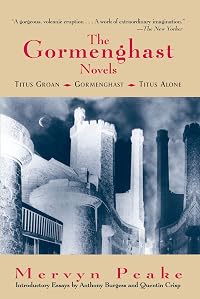
Ah, and the writing style is one that successfully mimics a British Victorian writer pretty well, thoughts and mannerisms and ideals included. This suspends our disbelief even further as the narrator unveils more and more of the story, providing a wealth of insight into worlds long gone. It is also important to point out that the magic does not just exist in the world of the story, but also in the very words that Clarke uses to construct said story, much like how Mervyn Peake wrote his Gormenghast. And Clarke's extensive knowledge of history lends even more validity to the story's verisimilitude, replete with many events that fall under the category of magical realism, very much in the vein of something like Rushdie's The Prophet's Hair.
Before this novel, I wasn't too keen on seeing footnotes in stories. In fact, I thought they were just stodgy clutter. But after getting through this novel, Clarke transformed my perception of footnotes, and now I see them as an additional way to enrich a story. Her footnotes vary from simple, scholarly approaches of relaying information, to telling fairy tales that span pages, or even revealing information about the narrator's present time. These divergences also build up the narrator's character, and are opportunities for us to call into question the information's validity (sometimes, for instance, it seems as though the narrator detests a certain character and will make this bias apparent, often in funny ways). Footnotes such as these serve to continually establish a consistent tone that is both Gothic and fantastical, and provide a frame to the story. It's much like the "story within a story" idea that's present in certain post-modern fiction.
During a search online for any critical papers written about the book, I came across a Pro Gradu thesis written about 10 years ago by a student named Liisa Lehtio on the subject of footnotes in the book, called "Function of Footnotes: A Study on Susanna Clarke’s Jonathan Strange & Mr Norrel". In it, Lehtio tweaks Schole’s categorizing methods for experimental fiction and is able to split Clarke’s various footnotes into four different groups: Historiographic, Metafiction, Fabulation, and Supplementary (or, Value Adding) (34). Thereafter she continues by saying that the footnotes “are a means of exposing something essential about a particular character or preparing the reader for a forthcoming event; very much moulding our attitude towards a certain person or event in the future...they demonstrate the economy in writing; they can reveal plenty without taking up the plot or derailing the reader from the main story. Some of them may be unnecessary to the plot but vital for the character building, or quite useless in relation to a certain character, but significant later on in the novel” (34). Whether one likes these footnotes or not is still up to personal preference, of course, but it's always enjoyable when a writer is able to take something I've previously disliked and turn it into something likable. And whether they're likable or not, the footnotes remain as an an irreplaceable element which would inundate the reader if removed, and they aid--in tandem with the treatment of magic’s innate peculiarity and its manifestations throughout the novel--in helping to answer the major questions that the novel presents, exhibiting depths we would’ve otherwise missed. (By the way, if you haven't read Clarke's novel yet, then hold off on reading the thesis I've cited--there are spoilers in it.)
On the surface, it appears that this is simply just a story about two magicians in search of answers. But that is not so; not so at all. That is only part of things. There are so many more angles present in this book that trying to cover them all wouldn't do them justice, but they are there, and contain just as much intrigue as the main line of events. In summation, this is a modern epic written about an old time, one where an even older time is called into question--a delve into a past full of the phantasmagorical, and a present full of interesting people. There is much in every facet of this endlessly imaginative story to excavate and experience; an exemplary fantasy that has depths to its depths, and magic coursing through its core. show less
Because of the pervasiveness of popular fantasy, the concept of magic--true, mystifying magic--is often misunderstood and dismissed, even sneered at by those who tirelessly digest volume after volume of fantasy wherein magic systems show more exist and detract from the story. In reading and listening to various authors' opinions on the subject, I've found that there are two pervading schools of thought when it comes to magic: the rule-bound, understandable variety, and the immutable, weird variety--the latter of which this story belongs to, and is the sort of magic that always instills wonder and awe in the reader. And I don't mean the "soft" vs. "hard" systems of magic, but the dichotomy of the "manufactured system" vs. the "natural system," with the natural system being one that doesn't have any definable rules--it thrives because of its abstraction. Too often, there are fantasy stories where the magic is understood too well by its characters, and so becomes normalized at the expense of the inimitable strangeness that magic offers, resulting in easy simplifications that harm the story rather than help it.
Though, this is an unpopular opinion these days, it seems, considering the successes of authors such as Robert Jordan, Patrick Rothfuss, and Brandon Sanderson. All three "fantasy giants" are well-known for their painstakingly-constructed magic systems, which many fans will tell you is one of the high points of these authors' novels. In one of his recorded lectures, Sanderson told the story of how he came to prefer "magic systems" and was challenged on his ideas during the first panel he attended. His ideas on magic, he reveals, come from Orson Scott Card's How to Write Science Fiction and Fantasy, which appears to aver for systems of rules that turn magic in literature into something a lot like "a video game" (as one person who'd been on Sanderson's panel noted). Jonathan Strange & Mr Norrel stands in direct opposition to this sort of ideology, and Susanna Clarke is but one of a now sparse breed of authors who retain a respect for the complex oddities that magic bestows on a story.
If a fantasy books possesses a magic system that yields a predictable answer or convenient way out of things, then why even call it "magic"? In Clarke's book, this does not happen--magic serves instead to complicate matters and twist the pathways taken by the characters. It befuddles, and in so doing, it's successful; beyond the grasp of comprehension. Other authors of fantasy such as Rudyard Kipling, Poul Anderson, and Mervyn Peake have done this, as well, where they strove to keep the sense of intrinsic wonder that magic provides throughout their writing. For Clarke, there is no system other than that of her established themes by which the magic adheres to. And even then, the English magicians have very little knowledge, if any at all, of the innerworkings of magic, themselves. Can we grasp infinity? No true end to a thing? No, it's impossible, because our very existences are finite and all we've known are beginnings and ends, yet the concept of infinity always leaves us with a sense of wonder, a yearning to understand. We understand its existence, sure, but not the how and why of it. If a magic system did exist from which you’d be able to devise a convenient answer, that magic would be rendered wonderless--a separate entity stripped from the very fabric of the fantastical. Clarke's novel excels without a manufactured magic system that would’ve scooped out the inexplicable strangeness from it.
And, similarly, Clarke's characters possess a good deal of strangeness about them; a human strangeness. Sometimes it's easy to forget how intricate human behavior is, how irrational and marvelously odd. Not only is this a good Gothic fantasy novel, but a strong psychological one, too. Clarke reminds us of this constantly as her characters become frenzied, triumphant, driven, or cynical, always leading story events to continuation. There is no main character, not really. Rather, we are introduced to a wide cast all caught up in their own lives and goals, all tangled in the otherworldly. When certain eccentric personalities gather in the book, hilarity ensues--the comical mixes well with the omnipresent Gothic darkness surrounding this Regency era tale.
Ah, and the writing style is one that successfully mimics a British Victorian writer pretty well, thoughts and mannerisms and ideals included. This suspends our disbelief even further as the narrator unveils more and more of the story, providing a wealth of insight into worlds long gone. It is also important to point out that the magic does not just exist in the world of the story, but also in the very words that Clarke uses to construct said story, much like how Mervyn Peake wrote his Gormenghast. And Clarke's extensive knowledge of history lends even more validity to the story's verisimilitude, replete with many events that fall under the category of magical realism, very much in the vein of something like Rushdie's The Prophet's Hair.
Before this novel, I wasn't too keen on seeing footnotes in stories. In fact, I thought they were just stodgy clutter. But after getting through this novel, Clarke transformed my perception of footnotes, and now I see them as an additional way to enrich a story. Her footnotes vary from simple, scholarly approaches of relaying information, to telling fairy tales that span pages, or even revealing information about the narrator's present time. These divergences also build up the narrator's character, and are opportunities for us to call into question the information's validity (sometimes, for instance, it seems as though the narrator detests a certain character and will make this bias apparent, often in funny ways). Footnotes such as these serve to continually establish a consistent tone that is both Gothic and fantastical, and provide a frame to the story. It's much like the "story within a story" idea that's present in certain post-modern fiction.
During a search online for any critical papers written about the book, I came across a Pro Gradu thesis written about 10 years ago by a student named Liisa Lehtio on the subject of footnotes in the book, called "Function of Footnotes: A Study on Susanna Clarke’s Jonathan Strange & Mr Norrel". In it, Lehtio tweaks Schole’s categorizing methods for experimental fiction and is able to split Clarke’s various footnotes into four different groups: Historiographic, Metafiction, Fabulation, and Supplementary (or, Value Adding) (34). Thereafter she continues by saying that the footnotes “are a means of exposing something essential about a particular character or preparing the reader for a forthcoming event; very much moulding our attitude towards a certain person or event in the future...they demonstrate the economy in writing; they can reveal plenty without taking up the plot or derailing the reader from the main story. Some of them may be unnecessary to the plot but vital for the character building, or quite useless in relation to a certain character, but significant later on in the novel” (34). Whether one likes these footnotes or not is still up to personal preference, of course, but it's always enjoyable when a writer is able to take something I've previously disliked and turn it into something likable. And whether they're likable or not, the footnotes remain as an an irreplaceable element which would inundate the reader if removed, and they aid--in tandem with the treatment of magic’s innate peculiarity and its manifestations throughout the novel--in helping to answer the major questions that the novel presents, exhibiting depths we would’ve otherwise missed. (By the way, if you haven't read Clarke's novel yet, then hold off on reading the thesis I've cited--there are spoilers in it.)
On the surface, it appears that this is simply just a story about two magicians in search of answers. But that is not so; not so at all. That is only part of things. There are so many more angles present in this book that trying to cover them all wouldn't do them justice, but they are there, and contain just as much intrigue as the main line of events. In summation, this is a modern epic written about an old time, one where an even older time is called into question--a delve into a past full of the phantasmagorical, and a present full of interesting people. There is much in every facet of this endlessly imaginative story to excavate and experience; an exemplary fantasy that has depths to its depths, and magic coursing through its core. show less
Members
- Recently Added By
Published Reviews
ThingScore 95
Her deftly assumed faux-19th century point of view will beguile cynical adult readers into losing themselves in this entertaining and sophisticated fantasy.
added by DieFledermaus
Many charmed readers will feel, as I do, that Susanna Clarke has wasted neither her energies nor our many reading hours.
added by conceptDawg
Susanna Clarke, who resides in Cambridge, England, has spent the past decade writing the 700-plus pages of this remarkable book. She's a great admirer of Charles Dickens and has produced a work every bit as enjoyable as The Pickwick Papers, with more than a touch of the early Anne Rice thrown in for good measure.
added by timspalding
Lists

The Guardian's 1000 Novels Everyone Must Read
1,005 works; 552 members

Best Fantasy Novels
821 works; 361 members

Recommend the 20 best books you've read in the last five years
2,168 works; 607 members
Favorite Long Books
330 works; 42 members

Best Alternate History
111 works; 60 members

Favourite Books
1,820 works; 316 members

Recommended Faerie books
67 works; 22 members

Best 21st Century Books (So Far)
679 works; 86 members

Fiction Featuring Cranky, Eccentric Old Folks
80 works; 35 members

Best of British Literature
226 works; 41 members

Female Author
1,234 works; 67 members

NPRs your picks: top 100 Sci-Fi/Fantasy books
297 works; 80 members

Slipstream or Interstitial Fiction
160 works; 19 members

Booker Prize
491 works; 62 members
...read all, pay nowt (Books set in Yorkshire)
86 works; 13 members
Favourite Booker Prize contenders
73 works; 21 members

Top Five Books of 2013
1,562 works; 721 members
Literature About Social Class
134 works; 19 members
Historical Fiction
889 works; 91 members

Pleasant Surprises: Books That Exceeded Our Expectations
418 works; 143 members

Top Five Books of 2020
982 works; 350 members
Gaslamp Fantasy
87 works; 15 members

Hugo Award Winning Novels
63 works; 23 members

Books Set in Italy
167 works; 19 members

Best Books about Readers
23 works; 14 members

Global Reads: Books Set in the United Kingdom and Ireland
109 works; 5 members

Faerie Mythology
87 works; 13 members

Favourite Fantasy Books of the 21st Century
51 works; 6 members

Top Five Books of 2015
811 works; 241 members

Weird and Weirder Fiction
270 works; 35 members
LibraryThingers' 1001 Books You Must Read Before You Die
442 works; 30 members

Bookriot's 100 Must-Read Sci-Fi Fantasy Novels By Female Authors
100 works; 9 members

Top Five Books of 2014
1,064 works; 398 members

Amazon's 100 Science Fiction & Fantasy Books to Read in a Lifetime
87 works; 23 members

Books I've Read More Than Once
602 works; 49 members
Fantasy of manners
54 works; 4 members

2000s (the decade, not the century)
184 works; 11 members
Hugo Awards - Best Novel
69 works; 10 members

Speculative Fiction: Slipstream Literature
166 works; 16 members

2000s decade
85 works; 7 members

Fiction Featuring Real People
81 works; 17 members
Ten Books That Have Stayed With Me
160 works; 30 members
Books tagged favorites
390 works; 30 members
Alternate Englands
34 works; 7 members
Books with a Character's Name as the Title
130 works; 10 members

A Novel Cure
742 works; 23 members
Historical Fantasy
93 works; 14 members

Summer Reads 2014
207 works; 70 members

Most Disturbing Books
124 works; 27 members

real people in fiction circumstances
74 works; 10 members
United Kingdom
82 works; 5 members

SomethingAwful TBB BOTM
66 works; 2 members

I Can't Finish This Book
189 works; 22 members

Authors from England
147 works; 4 members

Books Read in 2014
2,344 works; 89 members
Man Booker Prize Longlist 2004
22 works; 2 members

What Makes This Book So Great
102 works; 16 members
Speculative Fiction to Read
706 works; 32 members

What are your favourite books?
121 works; 11 members
Books Read in 2016
4,666 works; 199 members

Books on my Kindle
162 works; 3 members

Favorite Books from the 2000s
35 works; 3 members

Blue Pyramid 1,276 Best Books of All Time
1,248 works; 32 members

Books Read in 2020
4,379 works; 124 members
SantaThing 2014 Gifts
299 works; 17 members

Recommended Speculative Fiction by Women and People of Color
298 works; 45 members
Overdue Podcast
808 works; 9 members

Books Read in 2009
464 works; 11 members

Books Set in London
49 works; 3 members

Books Read in 2006
424 works; 8 members
First Novels
373 works; 17 members

LIBROS DE CIENCIA FICCIÓN Y FANTASIA
60 works; 1 member

Books Read in 2004
212 works; 7 members

Shelf 101
60 works; 1 member

BingoDOG - Prophecy, Signs, or Portents are part of the plot
18 works; 9 members

Books That Changed Our Perspective
423 works; 168 members

At the Library
217 works; 1 member
Best Audiobooks
240 works; 114 members
Books We Love to Reread
695 works; 298 members

Books Read in 2024
4,727 works; 128 members

Retrospective of 20th- and 21st-century literature
154 works; 1 member

Biggest Disappointments
606 works; 168 members
Our Favorite Comfort Reads
334 works; 200 members

Books Read in 2026
2,127 works; 70 members
Book Worlds We'd Like To Visit
322 works; 158 members
Books We Couldn't Put Down
443 works; 197 members

.
184 works; 1 member

Books Read in 2025
4,128 works; 98 members

living room bookshelf
150 works; 1 member

Finished in 2026
10 works; 1 member

BookTube Fantasy Recommendations
37 works; 1 member
Books We Want To Read Again For The First Time
384 works; 160 members

Books Read in 2012
816 works; 34 members
Eldritch Exarch Press - Appendix N
244 works; 1 member
Stories Featuring Passages, Gateways and Doors
39 works; 11 members
Genre Benders: Historical Speculative Fiction
22 works; 7 members

Fiction with Men's Given Names in the Title
302 works; 11 members

KayStJ's to-read list
1,616 works; 11 members
BingoDOG - Genre Benders
74 works; 14 members

Books Read in 2019
4,052 works; 110 members

Comedy of Manners
73 works; 1 member
Read These Too
458 works; 9 members
Witches and Wizards Oh My
135 works; 12 members
To Read
617 works; 7 members

Books Read in 2013
1,630 works; 51 members

Books You Couldn't Finish
202 works; 32 members

Best books I read in 2013
152 works; 3 members
Read in 2016
107 works; 7 members

Books Read in 2012 (Numbered)
168 works; 6 members

Secret Histories
28 works; 6 members
Bloomsbury Publishing
37 works; 2 members
Five star books
1,767 works; 110 members

Unread books
1,063 works; 87 members
Novels that you shouldn't waste your time on
94 works; 52 members

Best Gothic Fiction
110 works; 31 members
Favorite Science Fiction by Women Authors
741 works; 203 members
Talk Discussions
Past Discussions
Jonathan Strange and Mr. Norrell in Folio Society Devotees (May 2024)
Jonathan Strange and Mr. Norrell by Susanna Clarke - aulsmith tutoring Morphidae in 75 Books Challenge for 2012 (April 2012)
Author Information

21+ Works 45,135 Members
Some Editions
Awards and Honors
Awards
Distinctions
Notable Lists
SF Site Reader's Choice (#1 – 2004)
SF Site Editor's Choice (#1 – 2004)
Series
Belongs to Publisher Series
Work Relationships
Is contained in
Contains
Has the (non-series) sequel
Has the adaptation
Common Knowledge
- Canonical title*
- Jonathan Strange & herra Norrell
- Original title
- Jonathan Strange & Mr. Norrell
- Original publication date
- 2004
- People/Characters
- Jonathan Strange; Gilbert Norrell; The Gentleman with Thistle-down Hair; Stephen Black; Lady Emma Pole (Wintertowne); John Childermass (show all 131); Christopher Drawlight; John Segundus; Mr. Honeyfoot; Dr. Foxcastle; Hettie Pleasance; Mr. Thorpe; Mrs. Godesdone; Henry Lascelles; Vinculus; John Uskglass (The Raven King); Arabella Strange (Woodhope); Sir Walter Pole; Mrs. Wintertowne; Napoleon Bonaparte; Arthur Wellesley, 1st Duke of Wellington; George III, King of the United Kingdom; Flora Greysteel; Signor Tosetti; The old lady of Cannaregio; Lord Portishead (John Waterbury); Lancelot Greysteel; Aunt Louisa Greysteel; Admiral Desmoulins; Admiral Paycocke; Alfred; Bonifazia; Captain Gilbey; Captain Harcourt-Bruce; Captain John Ayrton; Captain Jumeau; Captain Whyte; Colonel De Lancey; Colonel George Murray (Quartermaster-General); Colonel Manningham; Colonel Wenzel von Ottenfeld; Dalziel; Davey; Dr. John Willis; Dr. Robert Darling Willis; Duke of Cambridge; Duke of Clarence; Duke of Devonshire; Duke of Kent; Duke of Sussex; Duke of York; Fitzroy Somerset; Frederick Marston; General Alava; General Charles Stewart (Adjutant-General); General Perponcher; General Rebecq; Geoffrey; Georgiana Erquistoune; Henry Purfois; Henry Woodhope; Janet Hughes; Jeremy Johns; Jeronimo Saornil; John Hyde; John Longridge; John Murray; John Upchurch; Johnson; Lady Wellington; Lady Winsell; Laurence Strange; Lord Byron; Lord Castlereagh; Lord Chatham; Lord Hawkesbury (Robert Banks Jenkinson, also, Lord Liverpool); Lord Mulgrave; Lord Sidmouth; Lucas; Colquhoun Grant; Major Norcott; Margaret Erquistoune; Maria Bullworth; Maria Erquistoune; Marianna Segati; Minichello; Miss Redruth; Monsieur Forcalquier; Monsieur Minervois; Mr. Baillie; Mr. Briscall (Chaplain); Mr. Bullbridge; Mr. Canning; Mr. Erquistoune; Mr. Gatcombe; Mr. Green; Mr. Hart (Hunt); Mr. Holland; Mr. Horrocks; Mr. Lister; Mr. Moorcock; Mr. Newton; Mr. Perceval; Mr. Prideaux; Mr. Redmond [Jonathan Strange & Mr. Norrell]; Mr. Redruth; Mr. Robinson; Mr. Shackleton; Mr. Tantony; Mr. Taylor; Mrs. Ayrton; Mrs. Blake; Mrs. Brandy; Mrs. Delgado; Mrs. Erquistoune; Mrs. Lennox; Mrs. Littleworth; Mrs. Redmond; Mrs. Strange (Miss Erquistoune); Ned; Owen Bullbridge; Perroquet; Prince Blücher; Robert Edwards; Robert; Sir Charles Alten; Sir Henry Clinton; Toby Smith; Tom Levy; William Hadley-Bright; George Gordon Byron, 6th Baron Byron
- Important places
- London, England, UK; York, North Yorkshire, England, UK; Faerie; France; Portugal; Venice, Veneto, Italy (show all 34); York Minster, York, North Yorkshire, England, UK; Shropshire, England, UK; Lost-Hope, Faerie; Padua, Veneto, Italy; Eternal Night; Hurtfew Abbey, York, North Yorkshire, England, UK; North Yorkshire, England, UK; England, UK; Brighton, East Sussex, England, UK; East Sussex, England, UK; Paris, France; Wiltshire, England, UK; Brest, Brittany, France; Edinburgh, Scotland, UK; Scotland, UK; Gloucestershire, England, UK; Lisbon, Portugal; Lousão, Centro, Portugal; Alba de Tormes, Castile and León, Spain; Flores de Ávila, Castile and León, Spain; Pamplona, Navarre, Spain; Saint-Jean-de-Luz, Nouvelle-Aquitaine, France; Brussels, Belgium; Belgium; Ath, Hainaut, Belgium; Waterloo, Walloon Brabant, Belgium; Spain; Italy
- Important events
- Peninsular War (1807 | 1814); Napoleonic Wars (1803 | 1815); Battle of Waterloo ( [1815])
- Related movies
- Jonathan Strange & Mr. Norrell (2015 | IMDb)
- Epigraph
- He hardly ever spoke of magic, and when he did it was like a history lesson and no one could bear to listen to him.
- Dedication
- In memory of my brother, Paul Frederick Gunn Clarke, 1961-2000
- First words
- Some years ago there was in the city of York a society of magicians.
- Quotations
- At sixteen she spoke -- not only French, Italian & German -- which are part of any lady's commonplace accomplishments -- but all the languages of the civilized (and uncivilized) world. She spoke the language of the Scotti... (show all)sh Highlands (which is like singing). She spoke Basque, which is a language which rarely makes any impression upon the brains of any other race, so that a man may hear it as often and as long as he likes, but never afterwards be able to recall a single syllable of it. She even learnt the language of a strange country which, Signor Tosetti had been told, some people believed still existed, although no one in the world could say where it was. (The name of the country was Wales.)
It is also true that this hair had a reddish tinge and, as everybody knows, no one with red hair can ever truly be said to be handsome.
"Soldiers, I am sorry to say, steal everything." He thought for a moment and then added, "Or at least ours do."
"Can a magician kill a man by magic?" Lord Wellington asked Strange. Strange frowned. He seemed to dislike the question. "I suppose a magician might," he admitted "but a gentleman never could."
It may be laid down as a general rule that if a man begins to sing, no one will take any notice of his song except his fellow human beings. This is true even if his song is surpassingly beautiful. Other men may be in raptures... (show all) at his skill, but the rest of creation is, by and large, unmoved. Perhaps a cat or a dog may look at him; his horse, if it is an exceptionally intelligent beast, may pause in cropping the grass, but that is the extent of it. But when the fairy sang, the whole world listened to him. Stephen felt clouds pause in their passing; he felt sleeping hills shift and murmur; he felt cold mists dance. He understood for the first time that the world is not dumb at all, but merely waiting for someone to speak to it in a language it understands. In the fairy's song the earth recognized the names by which it called itself. - Last words
- (Click to show. Warning: May contain spoilers.)Then he turned upon his heel and disappeared into the Darkness.
- Publisher's editor
- Nielsen Hayden, Patrick
- Blurbers
- Gaiman, Neil; Palliser, Charles
- Original language
- English
- Canonical DDC/MDS
- 823.08768
*Some information comes from Common Knowledge in other languages. Click "Edit" for more information.
Classifications
- Genres
- Fantasy, Fiction and Literature, General Fiction, Historical Fiction
- DDC/MDS
- 823.08768 — Literature & rhetoric English & Old English literatures English fiction By type Genre fiction Adventure fiction Speculative fiction Alternate history
- LCC
- PR6103 .L375 .J65 — Language and Literature English English Literature 2001-
- BISAC
Statistics
- Members
- 29,937
- Popularity
- 119
- Reviews
- 840
- Rating
- (3.94)
- Languages
- 22 — Catalan, Chinese, Czech, Danish, Dutch, English, Finnish, French, German, Hebrew, Hungarian, Indonesian, Italian, Norwegian (Bokmål), Polish, Portuguese, Romanian, Russian, Croatian, Spanish, Swedish, Turkish
- Media
- Paper, Audiobook, Ebook
- ISBNs
- 112
- ASINs
- 75