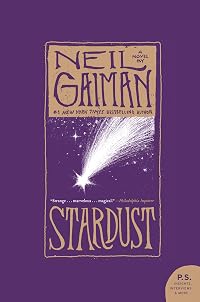
Stardust
by Neil Gaiman
On This Page
Description
In the sleepy English countryside of decades past, there is a town that has stood on a jut of granite for six hundred years. And immediately to the east stands a high stone wall, for which the village is named. Here in the town of Wall, Tristran Thorn has lost his heart to the hauntingly beautiful Victoria Forester. One crisp October night, as they watch, a star falls from the sky, and Victoria promises to marry Tristran if he'll retrieve that star and bring it back for her. It is this show more promise that sends Tristran through the only gap in the wall, across the meadow, and into the most unforgettable adventure of his life. show lessTags
Recommendations



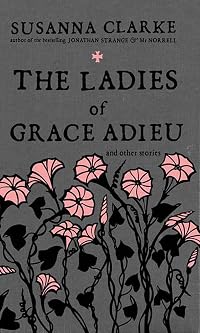
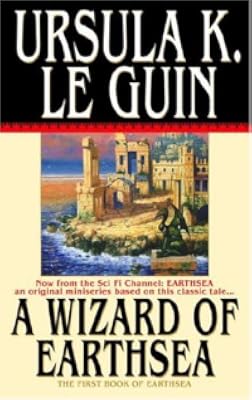
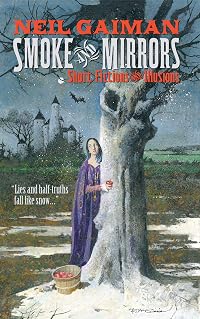
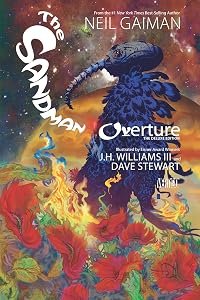
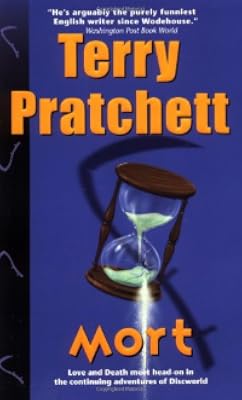
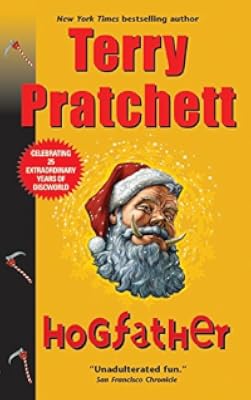
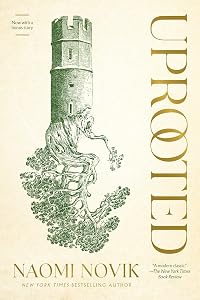
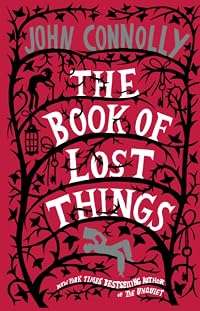
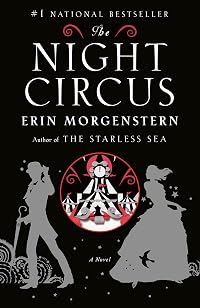
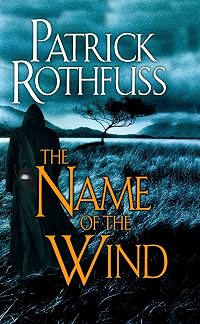
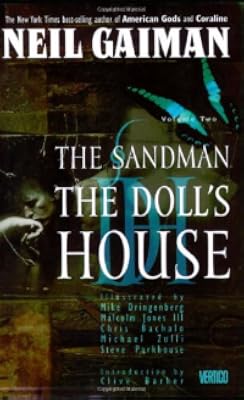
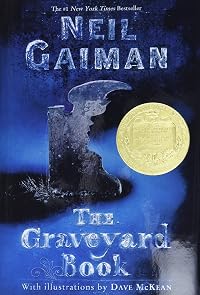
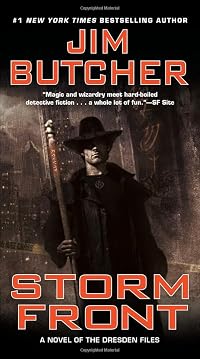
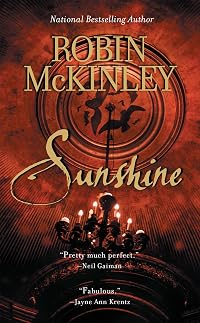
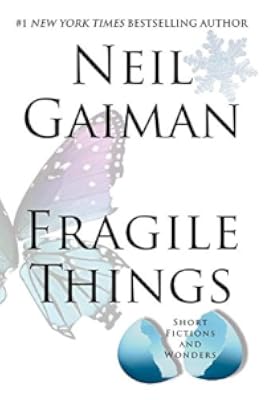
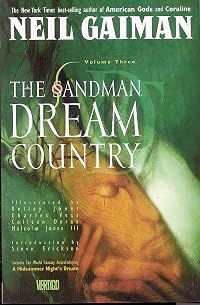


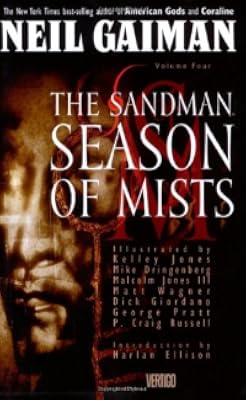
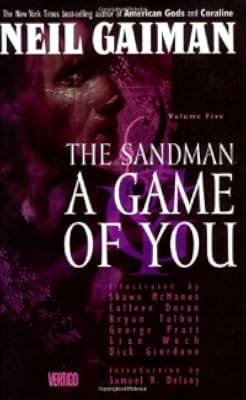
Member Recommendations
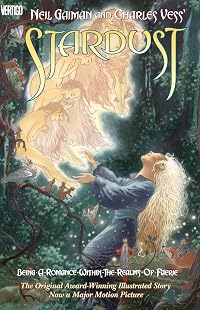
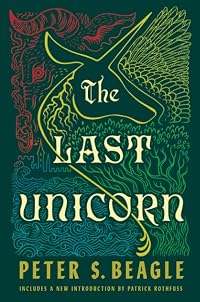
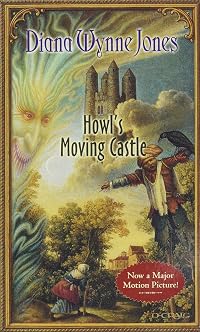
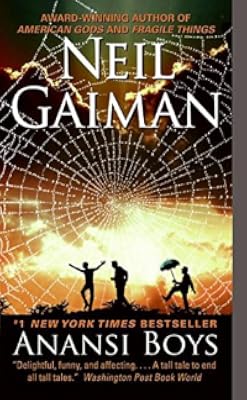
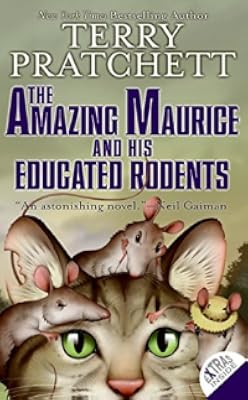
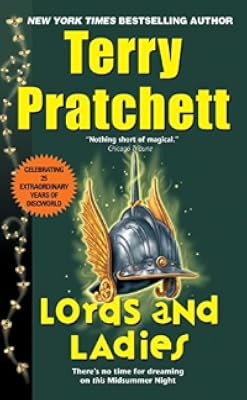
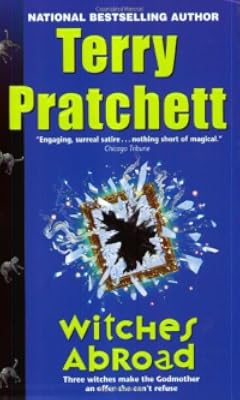
norabelle414 Both are hilarious, imaginative fairy tales.
Also recommended by Morteana
401
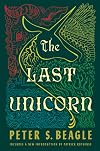
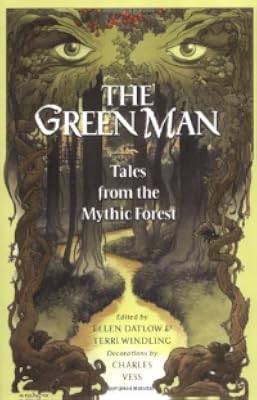
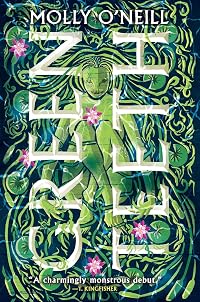
MyriadBooks For, "There is no immortality but a tree's love."
Also recommended by aslikeanarnian
142
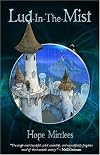
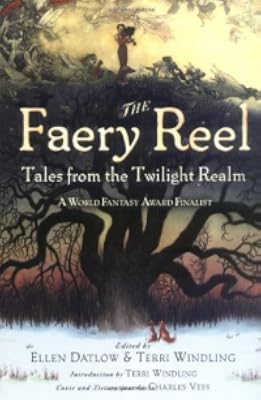
isabelx Villages on the borders of Faerie.
Also recommended by twilightnocturne, moonstormer
81
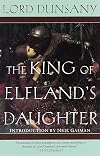
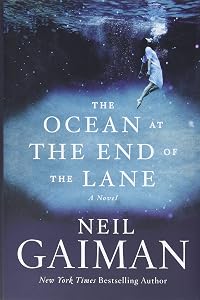
Haltiamieli "Perhaps this book should come with a warning: it is not a reassuring, by-the-numbers fantasy novel, like most of the books with elves, princes, trolls, and unicorns 'between their covers.' This is the real thing." – Neil Gaiman
102
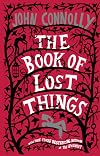
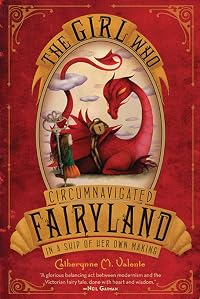
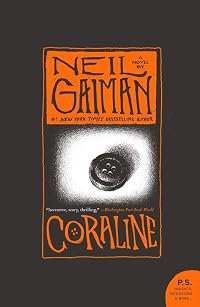
keristars Though Alice is less of a traditional fairy tale type than Stardust, it shares a style and many narrative and plot elements.
127

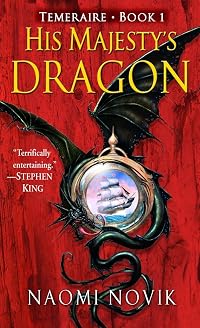
bloop Village boys on an adventure into magical unknowns.
WildMaggie Stardust is not as dark, but these book share a similar feel and tone.
22
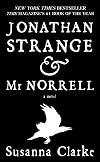
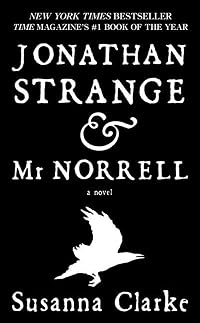
GreenVelvet Both Stardust and Jonathan Strange & Mr Norrell are detailed, well-written and riveting explorations of the world of fairie.
Also recommended by GreenVelvet, GreenVelvet
94
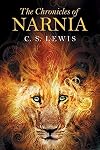

MyriadBooks For stories both darker and lighter than they appear; for original works that feel like a fairy tale.

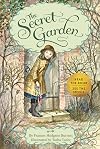
TeaWren Quite different really, but along similar general lines. There's a quest, and fairy tales aren't quite what they seem, and it's funny and sad and rather clever.
Member Reviews
There are times, frequently, when I wonder if the world really needs another book, especially one written by my clumsy creative heart. After all, there are so very many BAD books out there, killing trees by the thousands.
I really wonder about this, though, when I read something so marvellous, so heart-changing that I am left with nothing but awe. The kind of book or story that makes you weep when it is over, that makes you wish for the world it describes, that transports you so readily that you feel jarred when the day is over and you have to pull yourself out of the book and toss yourself into the comparative greyness of your dreams.
Neil Gaiman routinely does this to me. I’ve just finished reading his lovely fantasy tale (or is it show more fantasy? I wonder…), Stardust. It is filled with witches and dread kings and lowly boys who dream big and fallen stars and even a unicorn. Characters can walk on clouds and even hail ships that sail on them.
And it is all utterly believable. I suspect Mr. Gaiman is a wizard himself. Somehow he has seen into the world I dreamed of as a young girl and he has recreated it, filled with beautiful language and quotes from famous literature and derring do and the type of boy I’ve always looked for in my romantic heart of hearts, the boy I’d thought I’d found only to realize he was not, quite.
There are no glamorous princesses here (well, maybe one); there are dirty, muddy, and wet journeys; there is kindness and cruelty. It’s a real world, but with the magic I sometimes see the edge of in our world.
It reminded me of that magic at a time I really needed it, as we watch the world we loved dissolve in anger and frustration, peril and threat. It reminded me of the fact that we are both fact and fantasy, that by tilting our head to one side we still can see the beauty that surrounds us.
Thank you, Neil Gaiman. May you ever dwell in the joy you provide. show less
I really wonder about this, though, when I read something so marvellous, so heart-changing that I am left with nothing but awe. The kind of book or story that makes you weep when it is over, that makes you wish for the world it describes, that transports you so readily that you feel jarred when the day is over and you have to pull yourself out of the book and toss yourself into the comparative greyness of your dreams.
Neil Gaiman routinely does this to me. I’ve just finished reading his lovely fantasy tale (or is it show more fantasy? I wonder…), Stardust. It is filled with witches and dread kings and lowly boys who dream big and fallen stars and even a unicorn. Characters can walk on clouds and even hail ships that sail on them.
And it is all utterly believable. I suspect Mr. Gaiman is a wizard himself. Somehow he has seen into the world I dreamed of as a young girl and he has recreated it, filled with beautiful language and quotes from famous literature and derring do and the type of boy I’ve always looked for in my romantic heart of hearts, the boy I’d thought I’d found only to realize he was not, quite.
There are no glamorous princesses here (well, maybe one); there are dirty, muddy, and wet journeys; there is kindness and cruelty. It’s a real world, but with the magic I sometimes see the edge of in our world.
It reminded me of that magic at a time I really needed it, as we watch the world we loved dissolve in anger and frustration, peril and threat. It reminded me of the fact that we are both fact and fantasy, that by tilting our head to one side we still can see the beauty that surrounds us.
Thank you, Neil Gaiman. May you ever dwell in the joy you provide. show less
The rural English town of Wall shares a border with the land of fairy. The wall that encloses a local field has a hole in it which occasionally the townspeople traverse to attend a fairy market.
Tristran is a young boy growing up in Wall who is largely unconcerned with the goings on in Fairy until the pretty girl he covets challenges him to find a fallen star in order to win her affections. The star fell far beyond the wall, and Tristran sets off immediately.
His simple quest will intersect with blood-thirsty nobles, witches, unicorns and many other strange denizens. Along the way he will discover his own peculiar heritage and power but nothing will prepare him for discovering the star who is actually a young girl.
I read this book for show more the first time when I was younger, and I think I enjoyed it. Obviously, the fact that the author is a monstrous sex criminal has colored my reading of it, but even without that context, one can only appreciate this story uncritically.
Tristran is a poor protagonist who's central character arch is learning that women are humans. The quest begins when Tristran refuses to accept the rejection of his crush, instead hounding her for some sort of job by which he can earn her love. He agrees to seek the star in order to force this unwilling girl to marry him.
When he finds the star, a young girl with a broken leg, he shackles her and forces her to walk back with him. Over the course of the story, he learns that this was actually wrong and that women are not his to overpower and own. And I guess the reader is supposed to be charmed and impressed by this moral awakening?
Of course the star is quite willing to fall in love with the man who enslaved her, because after all, he did eventually decide to let her go. And he said he was sorry. So obviously, no harm done.
I get that this is a fairy tale, and intended to be simplistic, but even the reformed Tristran is bland and dull and stupid. It's not clear why the star would love him, and it's hard for the reader to root for him. show less
Tristran is a young boy growing up in Wall who is largely unconcerned with the goings on in Fairy until the pretty girl he covets challenges him to find a fallen star in order to win her affections. The star fell far beyond the wall, and Tristran sets off immediately.
His simple quest will intersect with blood-thirsty nobles, witches, unicorns and many other strange denizens. Along the way he will discover his own peculiar heritage and power but nothing will prepare him for discovering the star who is actually a young girl.
I read this book for show more the first time when I was younger, and I think I enjoyed it. Obviously, the fact that the author is a monstrous sex criminal has colored my reading of it, but even without that context, one can only appreciate this story uncritically.
Tristran is a poor protagonist who's central character arch is learning that women are humans. The quest begins when Tristran refuses to accept the rejection of his crush, instead hounding her for some sort of job by which he can earn her love. He agrees to seek the star in order to force this unwilling girl to marry him.
When he finds the star, a young girl with a broken leg, he shackles her and forces her to walk back with him. Over the course of the story, he learns that this was actually wrong and that women are not his to overpower and own. And I guess the reader is supposed to be charmed and impressed by this moral awakening?
Of course the star is quite willing to fall in love with the man who enslaved her, because after all, he did eventually decide to let her go. And he said he was sorry. So obviously, no harm done.
I get that this is a fairy tale, and intended to be simplistic, but even the reformed Tristran is bland and dull and stupid. It's not clear why the star would love him, and it's hard for the reader to root for him. show less
The last several books I've read have taken me an inordinate amount of time to finish (or not finish, in one instance) and left me feeling all grumpy and dissatisfied upon completion. When that happens, a dose of Neil Gaiman will usually put me right.
I roared through "Stardust," a fantasy which lacks the philosophical weight of later Gaiman books like "American Gods" and "Anansi Boys" but still has the sly charm I've come to expect from Gaiman's work. Gaiman's one flaw is that he can be a little precious on occasion, and "Stardust" sometimes teeters on the edge of twee, but Gaiman's wit and often staggeringly beautiful descriptive passages snatch the story back from the precipice again and again. A delightful read.
I roared through "Stardust," a fantasy which lacks the philosophical weight of later Gaiman books like "American Gods" and "Anansi Boys" but still has the sly charm I've come to expect from Gaiman's work. Gaiman's one flaw is that he can be a little precious on occasion, and "Stardust" sometimes teeters on the edge of twee, but Gaiman's wit and often staggeringly beautiful descriptive passages snatch the story back from the precipice again and again. A delightful read.
When I’m in need of a comfort read, I always seem to return to Neil Gaiman’s books, since the stories are familiar and yet always seem to contain some surprises and details because of his wonderfully wrought writing style. Stardust is no aberration of this, and it’s been far too long since I’ve accompanied Tristran Thorn on his quest to find a fallen star to win Victoria Forester’s heart. I think the last time I engaged with this story it would have either been the graphic novel version or the film, because from the outset re-reading the book again felt like I was getting something completely new and wonderful. Gaiman’s story is at once a classic fairytale and a modern coming of age story, full of magic, unexpected twists show more and turns, and the occasional moment of frivolity (just for fun) which blend perfectly to create a modern masterpiece of the genre. We can’t help but laugh alongside Tristran’s many bumbles (unexpected hero of the best sort, is our Tristran Thorn), fall in love with the sarcastic fallen star Yvain (you would be cranky too if you were knocked out of the sky), and gasp as the full wrath of the intertwined stories are revealed in the final pages. I definitely need to make a point of re-reading this story more often, because it remains one of my top tales even after all these years and other stories. show less
I think the first of Neil Gaiman's novels I ever read was "Stardust" which I absolutely loved (whereas newer novels are more hit-and-miss for me, sadly). I was surprised to like it so much because it strongly felt like a fairy tale and I’m not exactly a fan of those.
At its core, "Stardust" is a classic adventure tale, full of magic and wonder. The story follows the protagonist, Tristran Thorn, as he embarks on a journey to find a fallen star in order to win the heart of his beloved. Along the way, he encounters a host of fantastical characters, from witches and pirates to talking animals and ghosts. Each encounter brings new challenges and surprises, and I found myself fully immersed in Tristran's world, eagerly anticipating what lay show more around each new corner.
What truly sets "Stardust" apart from other adventure stories, though, is Gaiman's masterful storytelling. His writing is both enchanting and evocative, painting vivid pictures of the world he has created. His characters are richly drawn, each with their own unique quirks and motivations. I particularly loved the character of Yvaine, the fallen star that Tristran seeks. Her transformation throughout the course of the story is both poignant and inspiring, and her interactions with Tristran are both touching and humorous.
Another thing I loved about "Stardust" was its clever use of fairy tale tropes. Gaiman takes familiar elements of traditional fairy tales, such as the quest for a magical object or the presence of a wicked witch, and puts his own spin on them, subverting expectations and keeping the story fresh and surprising. This makes for a truly delightful reading experience, as each new twist and turn feels both unexpected and satisfying.
Overall, I would highly recommend "Stardust" to anyone who loves a funny, emotional and slightly subversive adventure story.
Five stars out of five!
P. S.: The film is amusing but (as usual) by far inferior to the novel!
Blog | Facebook | Twitter | Mastodon | Instagram | Pinterest | Medium | Matrix | Tumblr
Ceterum censeo Putin esse delendam show less
At its core, "Stardust" is a classic adventure tale, full of magic and wonder. The story follows the protagonist, Tristran Thorn, as he embarks on a journey to find a fallen star in order to win the heart of his beloved. Along the way, he encounters a host of fantastical characters, from witches and pirates to talking animals and ghosts. Each encounter brings new challenges and surprises, and I found myself fully immersed in Tristran's world, eagerly anticipating what lay show more around each new corner.
What truly sets "Stardust" apart from other adventure stories, though, is Gaiman's masterful storytelling. His writing is both enchanting and evocative, painting vivid pictures of the world he has created. His characters are richly drawn, each with their own unique quirks and motivations. I particularly loved the character of Yvaine, the fallen star that Tristran seeks. Her transformation throughout the course of the story is both poignant and inspiring, and her interactions with Tristran are both touching and humorous.
Another thing I loved about "Stardust" was its clever use of fairy tale tropes. Gaiman takes familiar elements of traditional fairy tales, such as the quest for a magical object or the presence of a wicked witch, and puts his own spin on them, subverting expectations and keeping the story fresh and surprising. This makes for a truly delightful reading experience, as each new twist and turn feels both unexpected and satisfying.
Overall, I would highly recommend "Stardust" to anyone who loves a funny, emotional and slightly subversive adventure story.
Five stars out of five!
P. S.: The film is amusing but (as usual) by far inferior to the novel!
Blog | Facebook | Twitter | Mastodon | Instagram | Pinterest | Medium | Matrix | Tumblr
Ceterum censeo Putin esse delendam show less
Stardust by Neil Gaiman is a very rare genre of adult fairytale. I feel that here recently more has been coming out in YA and Adult like fairytale re-imaginings but nothing quite like an original adult fairytale. I have always heard great things about this book and the author in general so it has been on my to-read list for a quite a while now before I finally got around to it. I may have, in fact, picked it up sooner had I not read The Graveyard Book as my first Neil Gaiman book, and one I didn’t like all that much. But I am so happy I finally got around to listening to Stardust. And yes, in particular, listening to it, because the audio book is read by none other than Neil Gaiman himself. And as Gaiman points out in the interview at show more the end of the book, there is something magical about hearing the person who wrote a work read it aloud like it sounds to them. Plus, Gaiman is just excellent at oral storytelling— even he can admit he has a natural talent for it!
In fact since I am referencing it so much let me also just come out and say I adored the interview with the author at the end of this audiobook and wish they would do this more often with authors on audiobook. It was so insightful! It talked about the different iterations Stardust went through before it got to this point of audiobook, about Gaiman’s experience in writing Stardust, and about all the other types of storytelling Gaiman is involved in. It was very interesting to hear that Gaiman regards radio plays as his favorite medium and that doing TV is the most frustrating. This is another great thing about this author, he does not seem to be bound by a particular medium but instead he just seems to love story itself and takes pleasure in all forms.
This story begins with a different generation, then continues on to the son of the current generation as we meet the curious Tristran Thorn. Tristran believed himself to be in love with Victoria Forester, and one night as he proclaimed all the lengths he would go to if only he could impress Ms. Forester and have her grant his desires. Finally she tells him that fine, if he could find the star that just fell and bring it back, she would grant whatever he desired. So Tristran leaves his little town and passes through the wall that divides the human world and fairy. Once in fairy Tristran goes on a great journey, meeting all kinds of people and creatures that seek either to help him or to beat him to Star. There are several others who have reason for wanting the star themselves, and the star itself is something quite different from what Tristran ever could have imagined.
In Stardust we see a beginning that sets things into play way ahead of time, waiting for them to play out, and waiting for the fruits of those seeds that were planted. I really enjoyed the story beginning this way and thought it very fitting for the genre. In fact, the way the story jumps from perspective to perspective and place to place would be something I normally would find very tedious, however in this case it works. The way the timing is set up from the beginning makes everything else fall into place and it is quite beautiful to behold. I loved the bits here and there where old oral traditions of rhymes and tales would actually become part of relevant situations in the book.
I enjoyed this book a lot, so I will be sure to read more adult fiction by Gaiman now! I am also interested in the graphic novel version of Stardust seeing as that is apparently where this story began even before the novel. Though I will say it was a bit difficult to connect with the characters, it nonetheless was a beautifully enchanting tale. 4 out of 5 stars ⭐️⭐️⭐️⭐️ show less
In fact since I am referencing it so much let me also just come out and say I adored the interview with the author at the end of this audiobook and wish they would do this more often with authors on audiobook. It was so insightful! It talked about the different iterations Stardust went through before it got to this point of audiobook, about Gaiman’s experience in writing Stardust, and about all the other types of storytelling Gaiman is involved in. It was very interesting to hear that Gaiman regards radio plays as his favorite medium and that doing TV is the most frustrating. This is another great thing about this author, he does not seem to be bound by a particular medium but instead he just seems to love story itself and takes pleasure in all forms.
This story begins with a different generation, then continues on to the son of the current generation as we meet the curious Tristran Thorn. Tristran believed himself to be in love with Victoria Forester, and one night as he proclaimed all the lengths he would go to if only he could impress Ms. Forester and have her grant his desires. Finally she tells him that fine, if he could find the star that just fell and bring it back, she would grant whatever he desired. So Tristran leaves his little town and passes through the wall that divides the human world and fairy. Once in fairy Tristran goes on a great journey, meeting all kinds of people and creatures that seek either to help him or to beat him to Star. There are several others who have reason for wanting the star themselves, and the star itself is something quite different from what Tristran ever could have imagined.
In Stardust we see a beginning that sets things into play way ahead of time, waiting for them to play out, and waiting for the fruits of those seeds that were planted. I really enjoyed the story beginning this way and thought it very fitting for the genre. In fact, the way the story jumps from perspective to perspective and place to place would be something I normally would find very tedious, however in this case it works. The way the timing is set up from the beginning makes everything else fall into place and it is quite beautiful to behold. I loved the bits here and there where old oral traditions of rhymes and tales would actually become part of relevant situations in the book.
I enjoyed this book a lot, so I will be sure to read more adult fiction by Gaiman now! I am also interested in the graphic novel version of Stardust seeing as that is apparently where this story began even before the novel. Though I will say it was a bit difficult to connect with the characters, it nonetheless was a beautifully enchanting tale. 4 out of 5 stars ⭐️⭐️⭐️⭐️ show less
I first read this in 2007 while working as a reporter covering a county fair. Despite being surrounded by the stench of pigs and goats and fried foods, I was completely carried away to the world of Faerie.
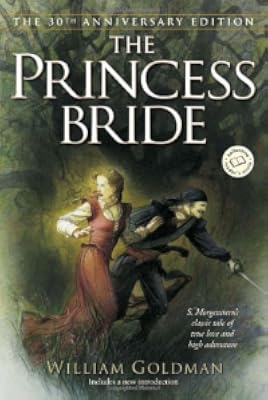
This is one of my favorite Gaiman novels and I think it’s a great introduction to his work if you’re wondering where to start. It’s a fairy tale for adults, similar in some ways to The Princess Bride. It is an adventure story, but it has a great sense of humor too.
Tristran Thorne is a local boy living in the small English town of Wall. He falls in love with a pretty girl and makes a vow to find a fallen star to win her heart. He sets off on his quest, leaving the safe confines of Wall and venturing into the forbidden land of show more Faerie.
What he doesn’t know is that he isn’t the only one searching for that fallen star. There are three sons of the Lord of Stormhold who are fighting to the death to earn the privilege of ruling their father’s land. To gain the Power of Stormhold they must find the star and the stone of power.
There is also a witch who has spent decades wasting away with her sisters. When they see the star fall they realize that if they can reach it in time and get its heart they will be able to regain their youth. Despite these obstacles Tristran embarks on his journey to find Yvaine, the fallen star.
BOTTOM LINE: It’s a lovely story filled with humor and adventure. I’d recommend it to fans of The Princess Bride or anyone looking to try a Gaiman novel. The story comes full circle in a wonderfully satisfying way. The characters are feisty, the lessons are good ones and it’s a quick read.
"There is something about riding a unicorn, for those people who still can, which is unlike any other experience: exhilarating and intoxicating and fine."
** I just got a copy of the new hardcover gift edition. The blue cover and faded title are just perfect. The book includes an illustration and title heads drawn by Charles Vess and they are just gorgeous! If you already love the book then the gift edition is a must! show less
This is one of my favorite Gaiman novels and I think it’s a great introduction to his work if you’re wondering where to start. It’s a fairy tale for adults, similar in some ways to The Princess Bride. It is an adventure story, but it has a great sense of humor too.
Tristran Thorne is a local boy living in the small English town of Wall. He falls in love with a pretty girl and makes a vow to find a fallen star to win her heart. He sets off on his quest, leaving the safe confines of Wall and venturing into the forbidden land of show more Faerie.
What he doesn’t know is that he isn’t the only one searching for that fallen star. There are three sons of the Lord of Stormhold who are fighting to the death to earn the privilege of ruling their father’s land. To gain the Power of Stormhold they must find the star and the stone of power.
There is also a witch who has spent decades wasting away with her sisters. When they see the star fall they realize that if they can reach it in time and get its heart they will be able to regain their youth. Despite these obstacles Tristran embarks on his journey to find Yvaine, the fallen star.
BOTTOM LINE: It’s a lovely story filled with humor and adventure. I’d recommend it to fans of The Princess Bride or anyone looking to try a Gaiman novel. The story comes full circle in a wonderfully satisfying way. The characters are feisty, the lessons are good ones and it’s a quick read.
"There is something about riding a unicorn, for those people who still can, which is unlike any other experience: exhilarating and intoxicating and fine."
** I just got a copy of the new hardcover gift edition. The blue cover and faded title are just perfect. The book includes an illustration and title heads drawn by Charles Vess and they are just gorgeous! If you already love the book then the gift edition is a must! show less
Members
- Recently Added By
Published Reviews
ThingScore 88
While the bones of the story (the hero, the quest, the maiden) are traditional, Gaiman offers a tale that is fresh and original. Though the plot begins with disparate threads, by the end they are all tied together and the picture is complete. The resolution is satisfying and complex, proving that there is more to fairy tales than "happily ever after."
added by Shortride
This is a refreshingly creative story with appealing characters that manages to put a new twist on traditional fairy-tale themes.
added by Shortride
Gaiman gently borrows from many fine fantasists--for starters, from Andersen, Tolkien, Macdonald, and, for the framing device, Christina Rossetti in her "Goblin Market" --but produces something sparkling, fresh, and charming, if not exactly new under the sun. Superb.
added by Shortride
Lists

Best Fantasy Novels
821 works; 361 members

Read the book and saw the movie
1,170 works; 195 members

Recommended Faerie books
67 works; 22 members
NPRs your picks: top 100 Sci-Fi/Fantasy books
297 works; 80 members

Best of British Literature
226 works; 41 members

Best Books About Journeys and Quests
117 works; 30 members
Gaslamp Fantasy
87 works; 15 members

Faerie Mythology
87 works; 13 members

Best Adventure Stories
66 works; 15 members

Favorite Literary Love Stories
182 works; 101 members

20th Century Literature
1,161 works; 55 members

Recommend the 20 best books you've read in the last five years
2,168 works; 606 members

Slipstream or Interstitial Fiction
160 works; 19 members

Books about pirates
29 works; 10 members

1990s
309 works; 17 members

Books Read in 2023
5,547 works; 146 members
Speculative Fiction to Read
706 works; 32 members

Tagged Parallel Worlds
43 works; 11 members
One Book, Many Authors
441 works; 40 members

Books tagged favorites
390 works; 30 members

Princess Tales
130 works; 4 members

Myth (Reuse and Retelling)
188 works; 24 members

LIBROS DE CIENCIA FICCIÓN Y FANTASIA
60 works; 1 member

Travel from real to fantasy world -- children's/young adult fiction
125 works; 11 members

Ghosts
278 works; 18 members

Reading Glasses Podcast
410 works; 3 members

Books Read in 2014
2,343 works; 89 members

Recommended Fantasy Books
77 works; 5 members
Our Favorite Comfort Reads
334 works; 200 members
Book Worlds We'd Like To Visit
322 works; 158 members

Books Read in 2005
175 works; 7 members

Books Read in 2009
464 works; 11 members

Witchy Fiction
253 works; 126 members

Contemporary Fantasy to Read
63 works; 5 members

Books Read in 2015
3,299 works; 129 members
Favourite Love Stories
53 works; 1 member

Books Read in 2018
4,360 works; 110 members

Biggest Disappointments
606 works; 168 members

Unread books
1,063 works; 87 members

Great Audiobooks
96 works; 10 members

Tagged by Tim or Meh!
91 works; 9 members

Best books I read in 2013
152 works; 3 members

Audio Books
29 works; 3 members

Same Title
115 works; 3 members

Books on my Kindle
162 works; 3 members

Pageturners
40 works; 6 members
Books Read in 2016
4,666 works; 199 members

2026 Reading List
50 works; 1 member

Magic Realism
371 works; 52 members

Weird and Weirder Fiction
270 works; 35 members

Favorite Fairy Tale Retellings
210 works; 62 members

Best Pern Books
79 works; 11 members
Talk Discussions
Past Discussions
OT: Looking for Lyra’s Press Stardust in Fine Press Forum (July 2023)
OT - Lyra's Books LE announcement in Folio Society Devotees (September 2022)
Author Information

Neil Gaiman was born in Portchester, England on November 10, 1960. He worked as a journalist and freelance writer for a time, before deciding to try his hand at comic books. Some of his work has appeared in publications such as Time Out, The Sunday Times, Punch, and The Observer. His first comic endeavor was the graphic novel series The Sandman. show more The series has won every major industry award including nine Will Eisner Comic Industry Awards, three Harvey Awards, and the 1991 World Fantasy Award for best short story, making it the first comic ever to win a literary award. He writes both children and adult books. His adult books include The Ocean at the End of the Lane, which won a British National Book Awards, and the Locus Award for Best Fantasy Novel for 2014; Stardust, which won the Mythopoeic Award as best novel for adults in 1999; American Gods, which won the Hugo, Nebula, Bram Stoker, SFX, and Locus awards; Anansi Boys; Trigger Warning: Short Fictions and Disturbances; and The View from the Cheap Seats: Selected Nonfiction, which is a New York Times Bestseller. His children's books include The Day I Swapped My Dad for Two Goldfish; Coraline, which won the Elizabeth Burr/Worzalla, the BSFA, the Hugo, the Nebula, and the Bram Stoker awards; The Wolves in the Walls; Odd and the Frost Giants; The Graveyard Book, which won the Newbery Award in 2009 and The Sandman: Overture which won the 2016 Hugo Awards Best Graphic Story. (Bowker Author Biography) show less
Some Editions
Awards and Honors
Awards
Distinctions
Work Relationships
Is contained in
Is an adaptation of
Has the adaptation
Inspired
Has as a student's study guide
Common Knowledge
- Canonical title*
- Ster
- Original title
- Stardust
- Original publication date
- 1999
- People/Characters
- Tristran Thorn; Yvaine; Victoria Forrester; Dunstan Thorn; Madame Semele (Ditchwater Sal); Lady Una (show all 30); Lord Primus of Stormhold; Lord Septimus of Stormhold; the Lilim (Morwanneg); Henry Draper (mentioned); Daisy Hempstock; Bridget Comfrey; Tommy Forester; Robert Monday; Lord of Stormhold; Lord Secundus of Stormhold; Lord Quartus of Stormhold; Lord Quintus of Stormhold; Lord Sextus of Stormhold; Lord Tertius of Stormhold; Alum Bey; Louisa Thorn; Cecelia Hempstock; Amelia Robinson; Lucy Pippin; Brevis; Capt. Johannes Alberic; Meggot; Jerome Ambrose Brown; Wystan Pippin
- Important places
- Wall, England, UK; Faerie; London, England, UK; Stormhold, Faerie; Mount Huon, Faerie; Scaithe's Ebb, Faerie
- Important events
- May Day
- Related movies
- Stardust (2007 | IMDb)
- Epigraph
- Go and catch a falling star,
Get with child a mandrake root,
Tell me where all past years are,
Or who cleft the devil's foot,
Teach me to hear mermaids singing,
Or to keep off envy's stinging,
And find
Wh... (show all)at wind
Serves to advance an honest mind.
If thou be'st born to strange sights,
Things invisible to see,
Ride ten thousand days and nights,
Till age snow white hairs on thee,
Thou, when thou return'st, wilt tell me,
All strange wonders that befell thee,
And swear,
No where
Lives a woman true and fair.
If thou find'st one, let me know,
Such a pilgrimage were sweet;
Yet do not, I would not go,
Though at next door we might meet,
Though she were true, when you met her,
And last, till you write your letter,
Yet she
Will be
False, ere I come, to two, or three.
- John Donne, 1572-1631 - Dedication
- For Gene and Rosemary Wolfe
- First words
- There was once a young man who wished to gain his Heart’s Desire.
There was once a young man who wished to win his Heart's Desire. - Quotations
- Have been unavoidably detained by the world. Expect us when you see us.
- Last words
- (Click to show. Warning: May contain spoilers.)She says nothing at all, but simply stares upward into the dark sky and watches, with sad eyes, the slow dance of the infinite stars.
- Blurbers
- Clarke, Susanna; Clark, Susan; Straub, Peter; King, Stephen
- Original language
- English
- Disambiguation notice
- The illustrated and unillustrated versions of Stardust are, in fact, substantially the same text. The most notable differences are that some single paragraphs in the illustrated version are separated into two or three in the ... (show all)unillustrated version.
The only reason to consider the two versions to be separate works (though it is not a bad one) is that Charles Vess's many illustrations are a substantial part of the original version.
*Some information comes from Common Knowledge in other languages. Click "Edit" for more information.
Classifications
Statistics
- Members
- 24,100
- Popularity
- 201
- Reviews
- 596
- Rating
- (4.03)
- Languages
- 24 — Bulgarian, Czech, Danish, Dutch, English, Estonian, Finnish, French, German, Hungarian, Italian, Latvian, Lithuanian, Norwegian (Bokmål), Polish, Portuguese, Romanian, Russian, Spanish, Swedish, Turkish, Ukrainian, Vietnamese, Chinese, traditional
- Media
- Paper, Audiobook, Ebook
- ISBNs
- 144
- ASINs
- 54