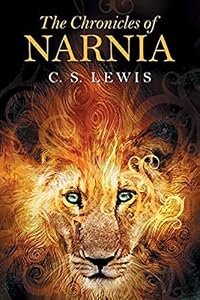
The Chronicles of Narnia
by C. S. Lewis
The Chronicles of Narnia: Publication order (Collections and Selections — 1-7)
There is 1 current discussion about this work.
On This Page
Description
Aslan, the noble lion, and the royal leaders of Narnia struggle against the magical forces of evil.Tags
Recommendations
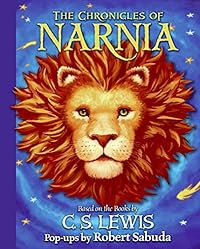

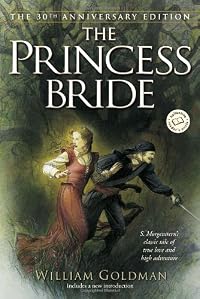
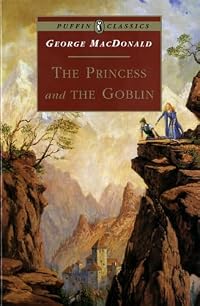
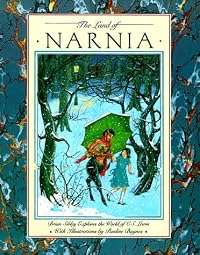
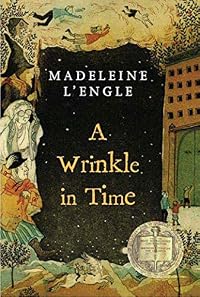
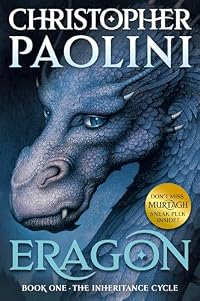
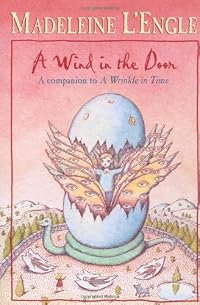
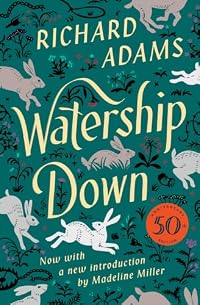

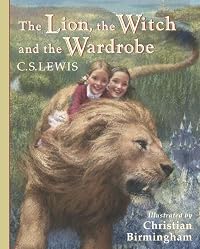
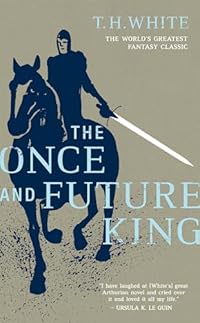
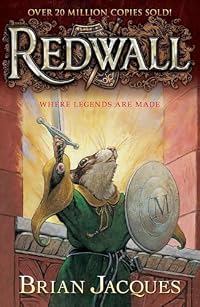
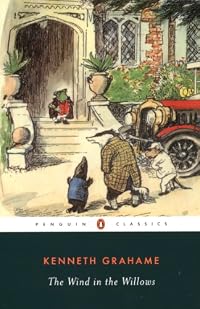
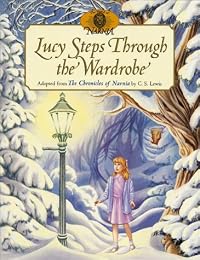

Member Recommendations
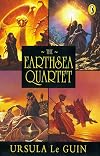
ed.pendragon There is magic and there are journeys, mythical beasts and young protagonists, moral judgements to be made and courage to be demonstrated; while the language is more adult, Earthsea is as vivid a world as Narnia and a place you will want to re-visit.
140
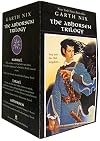
ed.pendragon This is a rather darker version on the same door-between-the-worlds theme, where the magic resides in the north of a thinly-disguised United Kingdom reached by way of a Wall.
81

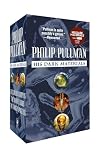
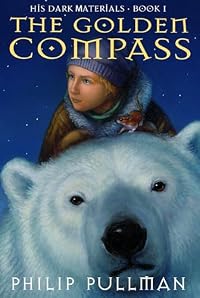
His Dark Materials Trilogy (Northern Lights, a.k.a. The Golden Compass / The Subtle Knife / The Amber Spyglass) by Philip Pullman
BrileyOC Both series provide excellent fantastical escapism as well as profound (though different) religious viewpoints.
Also recommended by guurtjesboekenkast
1613
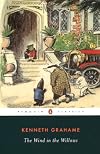
atimco Both Narnia and Willows feature anthropomorphized animal heroes who nevertheless retain the quirks of their species. The narrative voice is humorous and quintessentially British. Both stories also include spiritual/religious undertones. Willows predates Narnia by over forty years and was a big influence on Lewis (he even wrote a poem with some of Grahame's characters in it).
74
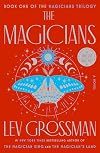
Jannes The Magicians would not exist if it wasn't for the Narnia books, and is the kind of loving deconstruction of Lewis' work and the importance us readers places in it that you will either love or hate. Give it a try.
42
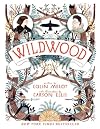
cdcottam1 Both works are beautifully mystical and fantastical! Wildwood has many of the fantastical themes of Narnia without the blatantly religious undertones while still containing good moral lessons.
11

palaephata This series (there are really six) is another portal fiction that displays subtle Christian allegory. There's more fighting and less exploration of the world in White, and the reading level and content are just a little higher than that in Lewis. I'd read them about a year later.

akheel both the books chronicles the fate of their respective kingdoms and tell us a tale of valor to rise against evil.
01
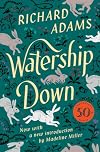
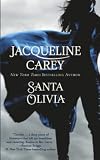
whitewavedarling Santa Olivia is admittedly for a more adult-based audience, but themes, situations, and character types carry over between the works enough (plus a light integration of religion) that I think the readers of one work set would be well suited for the other.
02

juniperSun both have young people involved in the choice of good and evil, touched by meeting a loving guide/spirit.
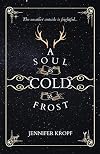
by anonymous user
Headinherbooks_27 Includes parallel worlds, adventure, fantasy, and personification of animals.
Member Reviews
Before I had children, I had this notion that I would read The Chronicles of Narnia to them one day. I don't know why exactly. I had no personal attachment to the series. A librarian read the first chapter of The Lion, The Witch, and The Wardrobe to our second grade class. Later, in the sixth grade, our class read a selection of The Voyage of the Dawn Treader. Because of my absurdly long “rat tail,” I was nicknamed Reepicheep, a moniker it took more than a decade to escape despite the fact my hair was cut the following year. I saw the recent rash of Narnia films. Though I appreciated a great many Narnian moments, none of these life events really inspired a great fondness for the story. So why I thought I needed to read these stories show more to my children, I have no idea. It was just something I wanted to do.
After my first son was born, I bought the hefty and beautiful The Complete Chronicles of Narnia with full color illustrations and maps. It was a gorgeous volume and it looked great on my shelf where it sat for the next ten years. Timing was everything. I was only reading the volume once, so I had to wait until my youngest was old enough to grasp the story and hopefully remember it years later, and for my eldests to not find the juvenile tale boring. Three years ago, as the Christmas season was upon us, I began reading The Magician's Nephew. We made it through the first couple tales rather quickly (given our busy and often conflicting schedules), but then it started to become a chore to read. Slowly we pushed through A Horse and His Boy and Prince Caspian and then, feeling over the hump, we picked up steam. Altogether, it took three years and four months to make it through these seven stories. Here are a few thoughts on each.
The Magician's Nephew - This is easily one of the best stories in the series. It lacks the strong connection to the rest of the series as it was meant to be a prequel, an explanation of the origins of Narnia. Because of this, however, it is really the only story here that can stand on its own. It's a simple story with a complete cycle, but it still holds all the magic that makes Narnia special.
The Lion, The Witch, and The Wardrobe - This is the story everyone familiar with Narnia knows and for good reason. It was the first glimpse at the characters and into the world that would become a classic. There are so many wonderfully drawn scenes here, but the one that always stands out to me is the light post in the snowy forest. I love this image. This, to me, is the image of Narnia.
A Horse and His Boy - Uggghh. Terrible. After writing the first four books in the Narnia series, C.S. Lewis went back and filled in the time between his original two stories with this gem. Is there anyone who's happy about this? Not only does the story seem alien to the Narnian story, it is horribly offensive with its blatantly obvious “Jesus is good, Allah is bad” routine. He could've at least tried to mask his obvious disdain.
Prince Caspian - Chapters upon chapters of backstory. Not much really happens here except a huge battle at the end. Now if you've watched the 2008 film, you may disagree. That's because they took the skeleton of this book, added considerable flesh to it, and actually made it into a decent story. While not the worst story in the series, it is the most disappointing.
The Voyage of the Dawn Treader - ...Dawn Treader is really the last good moment of this series. Even though the scope is limited and out of place to the Narnia the reader has come to expect, it has enough excitement and character building to sustain itself. The final moments in this novel really should have been the conclusion to the series. There are moments sprinkled throughout the following two books that are strong, but overall they lack to bring this series to a satisfying conclusion.
The Silver Chair - A decent story with some wonderful moments, but overall the action and story were a little dry. There's a darkness to The Silver Chair (much of the story takes place underground), that makes the magic seem less impressive and certainly less breathtaking.
The Last Battle - And it all ends here. Aslan is mad with the world. The battle between Christian and Muslim comes to a fart of a battle. Girls who are interested in makeup are not invited to the after world. And it all comes to a fiery end. It seems C.S. Lewis may have intended an epic ending, but it felt more like one big “piss off” to me.
Overall, this is how I'd rank the stories:
The Good (4 Stars)
The Magician's Nephew
The Lion, The Witch, and The Wardrobe
The Voyage of the Dawn Treader
The Mediocre (3 Stars)
The Silver Chair
The Bad (2 Stars)
The Final Battle
Prince Caspian
And The Horribly Ugly (1 Star)
A Horse and His Boy show less
After my first son was born, I bought the hefty and beautiful The Complete Chronicles of Narnia with full color illustrations and maps. It was a gorgeous volume and it looked great on my shelf where it sat for the next ten years. Timing was everything. I was only reading the volume once, so I had to wait until my youngest was old enough to grasp the story and hopefully remember it years later, and for my eldests to not find the juvenile tale boring. Three years ago, as the Christmas season was upon us, I began reading The Magician's Nephew. We made it through the first couple tales rather quickly (given our busy and often conflicting schedules), but then it started to become a chore to read. Slowly we pushed through A Horse and His Boy and Prince Caspian and then, feeling over the hump, we picked up steam. Altogether, it took three years and four months to make it through these seven stories. Here are a few thoughts on each.
The Magician's Nephew - This is easily one of the best stories in the series. It lacks the strong connection to the rest of the series as it was meant to be a prequel, an explanation of the origins of Narnia. Because of this, however, it is really the only story here that can stand on its own. It's a simple story with a complete cycle, but it still holds all the magic that makes Narnia special.
The Lion, The Witch, and The Wardrobe - This is the story everyone familiar with Narnia knows and for good reason. It was the first glimpse at the characters and into the world that would become a classic. There are so many wonderfully drawn scenes here, but the one that always stands out to me is the light post in the snowy forest. I love this image. This, to me, is the image of Narnia.
A Horse and His Boy - Uggghh. Terrible. After writing the first four books in the Narnia series, C.S. Lewis went back and filled in the time between his original two stories with this gem. Is there anyone who's happy about this? Not only does the story seem alien to the Narnian story, it is horribly offensive with its blatantly obvious “Jesus is good, Allah is bad” routine. He could've at least tried to mask his obvious disdain.
Prince Caspian - Chapters upon chapters of backstory. Not much really happens here except a huge battle at the end. Now if you've watched the 2008 film, you may disagree. That's because they took the skeleton of this book, added considerable flesh to it, and actually made it into a decent story. While not the worst story in the series, it is the most disappointing.
The Voyage of the Dawn Treader - ...Dawn Treader is really the last good moment of this series. Even though the scope is limited and out of place to the Narnia the reader has come to expect, it has enough excitement and character building to sustain itself. The final moments in this novel really should have been the conclusion to the series. There are moments sprinkled throughout the following two books that are strong, but overall they lack to bring this series to a satisfying conclusion.
The Silver Chair - A decent story with some wonderful moments, but overall the action and story were a little dry. There's a darkness to The Silver Chair (much of the story takes place underground), that makes the magic seem less impressive and certainly less breathtaking.
The Last Battle - And it all ends here. Aslan is mad with the world. The battle between Christian and Muslim comes to a fart of a battle. Girls who are interested in makeup are not invited to the after world. And it all comes to a fiery end. It seems C.S. Lewis may have intended an epic ending, but it felt more like one big “piss off” to me.
Overall, this is how I'd rank the stories:
The Good (4 Stars)
The Magician's Nephew
The Lion, The Witch, and The Wardrobe
The Voyage of the Dawn Treader
The Mediocre (3 Stars)
The Silver Chair
The Bad (2 Stars)
The Final Battle
Prince Caspian
And The Horribly Ugly (1 Star)
A Horse and His Boy show less
I waited 36 years to read "The Chronicles of Narnia". Reading them for the first time as an adult approaching middle age has been a profoundly moving experience. Lewis was a mystic, influenced by the brilliant G. K. Chesterton, who similarly believed in a literal and existent "fairyland" barely hidden beneath the surface of what is common. With Lewis, I journeyed back to a place inside myself I thought I'd lost forever. Narnia became very real to me. After reading the last page of "The Last Battle" last night, I sobbed uncontrollably for 1/2 an hour, and can only describe the feeling as being something between joy and incredible yearning. This series is much more than a mere collection stories.
The Lion, the Witch, & the Wardrobe: From the dedication page in the front cover of the book, this entire writing is a vivid, heart-swelling picture of the gospel to God's children. It is an inspiration to be like Lewis's childlike professor, old enough again to read fairy tales and to ascend into the spiritual whenever and wherever called.
Prince Caspian: Just to be honest, this installment didn't hit as hard as its predecessor. There were a few beautiful turns of phrase, such as the idea that Aslan grows larger as the beholder grows older or that he remains unseen by those who don't have the faith to follow him. But, on the whole, it just lacked some of the depth that we've become accustomed to in Narnia. Still a good read, and I'm show more looking forward to the next one.
The Voyage of the Dawn Treader: By this point in the Chronicles of Narnia, the reader is fully aware that Lewis has spoiled him with The Lion, the Witch, and the Wardrobe. This installment is indeed a wonderful collection of spiritual metaphors and images, but it lacks the driving story arch that made us first love Narnia. Eustace’s confrontation with his serpentine spirit and the restricting pain of lust, culminating in the freeing pain of baptism, was probably the highlight of the book. The vanity of the Dufflepuds was also a meaningful sidetrack. Of course, Lewis is a master of spiritual imagination, and book is an inspiring read. But, the reader should expect a collection of stories more so than a unified story – a Christian Odyssey of sorts.
The Silver Chair: It’s difficult to rank this one clearly, as much of the book was just so-so. But, when Lewis finally got around to his point, it was spectacular. Prince Rillian, son of the king, is under the curse of the witch queen, mindlessly doing her bidding as an unknowing prisoner of her subterranean kingdom. According to her promises, once he helps her wage war and conquer the overworld, she will make him king. The irony is, of course, he is already the rightful king of all that she promises. For twenty-three hours of every day, his mind is trapped in her power. But, every night for one hour, he comes to his senses and remembers who he truly is. For this hour, she keeps him bound in the magical silver chair, as he strains and screams for someone to set him free. What an incredible picture of sin Lewis weaves!
The Horse and His Boy: Mr. Beaver’s assessment of the Great Lion rings through this sequel to The Lion, the Witch, and the Wardrobe, “‘Course He isn’t safe. But He’s good.” Christ saves, Christ harries, Christ orchestrates, Christ protects, and Christ wounds, and Lewis here weaves together a beautiful tribute to the One whose story drives every story. When will Jesus show up in your story? How has He already been shaping your story, even unawares? The Horse and His Boy activates that part of the soul’s imagination that often makes the difference between self-pity and worship.
The Magician's Nephew: As wonderful as the Chronicles of Narnia have been, I feel like Lewis finally tapped back into something with The Magician’s Nephew that he’d lost ever since The Lion, the Witch, and the Wardrobe. The stories have been entertaining, and they’ve carried a grab bag of spiritual pictures. They’ve had beautiful moments, and yet, they just haven’t been grounded in a cohesive mythos – a connected story that paints a framework of meaning. In my opinion, The Magician’s Nephew reclaims the shape of Narnia, whereas the intervening episodes had become a bit flat. In context, the book is published next to last in the series, even though it is set first as a prequel to The Lion, the Witch, and the Wardrobe. It tells the origin story of the White Witch, the professor, the wardrobe, and Narnia itself, explaining how men first came to travel between our world and theirs. It highlights the allure and downfall of sin, our witting and unwitting participations in it, and the goodness and sovereignty of the Christ who is present to His creation in the midst of the mess. The beautiful imagination of Lewis soars as the Lion sings creation into being. He paints the proud heart so accurately as Uncle Andrew convinces himself that the Lion can’t really sing, and so deafens his ears to the song. He does the heart of Christ justice, as a brokenhearted Digory brings Aslan his prayer, only to look into the Lion’s eyes and realize He cares more about the heartbreak than the boy does. And, he describes the nature of sin so well as taking the things of God wrongly rather than receiving them gratefully. All told, the book is an excellent and much needed re-grounding in the rich Narnian soil, and it sets the stage for a grand finale.
The Last Battle: It is hard to describe how masterfully Lewis brought his epic Narnian series to a culmination and how thoroughly his imagination is grounded in the drama of God. First of all, The Last Battle excels precisely because the first two thirds of the book are not at all what you would expect nor want them to be. Narnia is rocked by apostasy, led by the deception of a false prophet with his false Aslan, and abetted by the forces of paganism and unbelief. Though they fight valiantly to the end, the faithful are far too few. The lion’s world is overwhelmed. It is then, in the moment of final defeat, that the king unwinds his world and leads all who love him into a bright new country. Only, as they travel further up and further in, they slowly realize that they haven’t left Narnia behind at all, but rather they have entered Narnia as it was meant to be all along – a Narnia that is more itself than the one they’ve always known. Lewis’s imaginative dream of renewed creation and joyful reunion is vivid and profound, culminating in the moment Aslan ceased to them to appear like a lion, but became as one “so great and beautiful that I cannot write it.” show less
Prince Caspian: Just to be honest, this installment didn't hit as hard as its predecessor. There were a few beautiful turns of phrase, such as the idea that Aslan grows larger as the beholder grows older or that he remains unseen by those who don't have the faith to follow him. But, on the whole, it just lacked some of the depth that we've become accustomed to in Narnia. Still a good read, and I'm show more looking forward to the next one.
The Voyage of the Dawn Treader: By this point in the Chronicles of Narnia, the reader is fully aware that Lewis has spoiled him with The Lion, the Witch, and the Wardrobe. This installment is indeed a wonderful collection of spiritual metaphors and images, but it lacks the driving story arch that made us first love Narnia. Eustace’s confrontation with his serpentine spirit and the restricting pain of lust, culminating in the freeing pain of baptism, was probably the highlight of the book. The vanity of the Dufflepuds was also a meaningful sidetrack. Of course, Lewis is a master of spiritual imagination, and book is an inspiring read. But, the reader should expect a collection of stories more so than a unified story – a Christian Odyssey of sorts.
The Silver Chair: It’s difficult to rank this one clearly, as much of the book was just so-so. But, when Lewis finally got around to his point, it was spectacular. Prince Rillian, son of the king, is under the curse of the witch queen, mindlessly doing her bidding as an unknowing prisoner of her subterranean kingdom. According to her promises, once he helps her wage war and conquer the overworld, she will make him king. The irony is, of course, he is already the rightful king of all that she promises. For twenty-three hours of every day, his mind is trapped in her power. But, every night for one hour, he comes to his senses and remembers who he truly is. For this hour, she keeps him bound in the magical silver chair, as he strains and screams for someone to set him free. What an incredible picture of sin Lewis weaves!
The Horse and His Boy: Mr. Beaver’s assessment of the Great Lion rings through this sequel to The Lion, the Witch, and the Wardrobe, “‘Course He isn’t safe. But He’s good.” Christ saves, Christ harries, Christ orchestrates, Christ protects, and Christ wounds, and Lewis here weaves together a beautiful tribute to the One whose story drives every story. When will Jesus show up in your story? How has He already been shaping your story, even unawares? The Horse and His Boy activates that part of the soul’s imagination that often makes the difference between self-pity and worship.
The Magician's Nephew: As wonderful as the Chronicles of Narnia have been, I feel like Lewis finally tapped back into something with The Magician’s Nephew that he’d lost ever since The Lion, the Witch, and the Wardrobe. The stories have been entertaining, and they’ve carried a grab bag of spiritual pictures. They’ve had beautiful moments, and yet, they just haven’t been grounded in a cohesive mythos – a connected story that paints a framework of meaning. In my opinion, The Magician’s Nephew reclaims the shape of Narnia, whereas the intervening episodes had become a bit flat. In context, the book is published next to last in the series, even though it is set first as a prequel to The Lion, the Witch, and the Wardrobe. It tells the origin story of the White Witch, the professor, the wardrobe, and Narnia itself, explaining how men first came to travel between our world and theirs. It highlights the allure and downfall of sin, our witting and unwitting participations in it, and the goodness and sovereignty of the Christ who is present to His creation in the midst of the mess. The beautiful imagination of Lewis soars as the Lion sings creation into being. He paints the proud heart so accurately as Uncle Andrew convinces himself that the Lion can’t really sing, and so deafens his ears to the song. He does the heart of Christ justice, as a brokenhearted Digory brings Aslan his prayer, only to look into the Lion’s eyes and realize He cares more about the heartbreak than the boy does. And, he describes the nature of sin so well as taking the things of God wrongly rather than receiving them gratefully. All told, the book is an excellent and much needed re-grounding in the rich Narnian soil, and it sets the stage for a grand finale.
The Last Battle: It is hard to describe how masterfully Lewis brought his epic Narnian series to a culmination and how thoroughly his imagination is grounded in the drama of God. First of all, The Last Battle excels precisely because the first two thirds of the book are not at all what you would expect nor want them to be. Narnia is rocked by apostasy, led by the deception of a false prophet with his false Aslan, and abetted by the forces of paganism and unbelief. Though they fight valiantly to the end, the faithful are far too few. The lion’s world is overwhelmed. It is then, in the moment of final defeat, that the king unwinds his world and leads all who love him into a bright new country. Only, as they travel further up and further in, they slowly realize that they haven’t left Narnia behind at all, but rather they have entered Narnia as it was meant to be all along – a Narnia that is more itself than the one they’ve always known. Lewis’s imaginative dream of renewed creation and joyful reunion is vivid and profound, culminating in the moment Aslan ceased to them to appear like a lion, but became as one “so great and beautiful that I cannot write it.” show less
I am finally reading the entire Chronicles of Narnia series for the first time, having read and adored The Lion, the Witch, and the Wardrobe years ago. The following is a brief review of each book that I've read in this series so far.
The Magician's Nephew
All of the Narnia books are overflowing with fantastic imagery - so well painted that you can almost taste the food and and see the centaurs for yourself. The Magician's Nephew is no exception. This beautiful book chronicles the creation story of Narnia - which is an echo of the creation story found in the Bible - and the introduction of Jadis, the White Witch, into the world of Narnia. It also chronicles how the first man and woman enter the land. Interesting enough, neither the Witch show more nor men are native to Narnia - but without men, Narnia does not have peace.
The fall of man as outlined in the Bible is also played out in Narnia when Digory is sent to pluck and bring a magical apple to Aslan. Digory is not to eat the fruit, nor bring it to his ailing mother, but to be obedient to Aslan's command. Digory encounters the White Witch in the garden, who tries to persuade Digory to be disobedient. Unlike Adam, Digory does not fall prey to the White Witch's temptation and instead, the witch herself eats the forbidden fruit.
There are lovely Christian themes in this book. For example, like a hardened atheist, Uncle Andrew cannot understand Aslan or the talking animals because, in his terror, he has refused to believe that such creatures can exist. Therefore, he has hardened his heart and his mind and cannot be reached by even Aslan. Eventually Aslan allows him to sleep - "Sleep and be separated for some few hours from all the torments you have devised for yourself." Also, Aslan comments on the stolen fruit that the Witch ate and which tempted Digory. Because the Witch ate the stolen fruit, all the rest of the apples are now a horror to her. According to Aslan, "That is what happens to those who pluck and eat fruits at the wrong time and in the wrong way. The fruit is good, but they loathe it ever after." Such beautiful wisdom about the perfection of God's timing is hard to dismiss.
Lewis has a gift of spinning wisdom into his tales that make poignant truths crystal clear. However, not every book in this series has such a clear message as The Magician's Nephew. show less
The Magician's Nephew
All of the Narnia books are overflowing with fantastic imagery - so well painted that you can almost taste the food and and see the centaurs for yourself. The Magician's Nephew is no exception. This beautiful book chronicles the creation story of Narnia - which is an echo of the creation story found in the Bible - and the introduction of Jadis, the White Witch, into the world of Narnia. It also chronicles how the first man and woman enter the land. Interesting enough, neither the Witch show more nor men are native to Narnia - but without men, Narnia does not have peace.
The fall of man as outlined in the Bible is also played out in Narnia when Digory is sent to pluck and bring a magical apple to Aslan. Digory is not to eat the fruit, nor bring it to his ailing mother, but to be obedient to Aslan's command. Digory encounters the White Witch in the garden, who tries to persuade Digory to be disobedient. Unlike Adam, Digory does not fall prey to the White Witch's temptation and instead, the witch herself eats the forbidden fruit.
There are lovely Christian themes in this book. For example, like a hardened atheist, Uncle Andrew cannot understand Aslan or the talking animals because, in his terror, he has refused to believe that such creatures can exist. Therefore, he has hardened his heart and his mind and cannot be reached by even Aslan. Eventually Aslan allows him to sleep - "Sleep and be separated for some few hours from all the torments you have devised for yourself." Also, Aslan comments on the stolen fruit that the Witch ate and which tempted Digory. Because the Witch ate the stolen fruit, all the rest of the apples are now a horror to her. According to Aslan, "That is what happens to those who pluck and eat fruits at the wrong time and in the wrong way. The fruit is good, but they loathe it ever after." Such beautiful wisdom about the perfection of God's timing is hard to dismiss.
Lewis has a gift of spinning wisdom into his tales that make poignant truths crystal clear. However, not every book in this series has such a clear message as The Magician's Nephew. show less
It starts with a blast! The Magician's Nephew is by far the best story of the collection, I enjoyed it tremendously. Not only it is beautifully written but also flawlessly delivered by Kenneth Branagh, whose voice adds another dimension to the great cast of characters. This book alone is worth one Audible credit. Getting all 7 Narnia books at this price quite a bargain!
I was impressed by the way the author writes children characters, especially in The Magician's Nephew. They are far from perfect, sometimes can be mean and aggressive, and even though they can't explain or name all the feelings they go through, eventually learn and grow to overcome their flaws. Children are much more complex and their relationships more interesting than show more any adult portrayed in these stories which I find so perfectly suitable.
Unfortunately, further books lose some of their charm I remembered from my childhood. Maybe the connection they make with the real world and the author's views that are not very compatible with XXI century sensitivity makes them age more visibly than typically fantasy books of that time (e.g. Tolkien's). Also, their structure and frequent Deus ex machina resolutions are more annoying when reread in adulthood.
I felt like each next story is a bit less interesting and seemed longer and more mundane than necessary. Narrators do their best to keep listeners engaged, especially Derek Jacobi and Patrick Stewart, but despite their efforts by The Last Battle it becomes a bit of a drag. Overall, it's still a classic, that's worth time and taking in slowly as Narnia is a great place to revisit from time to time. show less
I was impressed by the way the author writes children characters, especially in The Magician's Nephew. They are far from perfect, sometimes can be mean and aggressive, and even though they can't explain or name all the feelings they go through, eventually learn and grow to overcome their flaws. Children are much more complex and their relationships more interesting than show more any adult portrayed in these stories which I find so perfectly suitable.
Unfortunately, further books lose some of their charm I remembered from my childhood. Maybe the connection they make with the real world and the author's views that are not very compatible with XXI century sensitivity makes them age more visibly than typically fantasy books of that time (e.g. Tolkien's). Also, their structure and frequent Deus ex machina resolutions are more annoying when reread in adulthood.
I felt like each next story is a bit less interesting and seemed longer and more mundane than necessary. Narrators do their best to keep listeners engaged, especially Derek Jacobi and Patrick Stewart, but despite their efforts by The Last Battle it becomes a bit of a drag. Overall, it's still a classic, that's worth time and taking in slowly as Narnia is a great place to revisit from time to time. show less
This was one of those classic fantasy series that you hated to see end. From the moment the first person gets to Narnia, you are hooked. In this particular edition, the books are presented in chronological order by time rather than by the order in which they were written. We have our heroes: Peter, Susan, Edmund, Lucy, Aslan, Caspian, Reepicheep, Shasta, Eustace, and Jill. We have our villains, which include the White Witch and the Lady of the Green Kirtle. We are immersed into a world where animals talk, and there are nymphs, dryads, fauns, and centaurs. The story takes us from the very moment Narnia began until the moment it ended.
Excellent, classic reading!
Excellent, classic reading!
Problematic but classic childrens' fantasy in which white upper middle-class English kids solve the problems of talking animals in magical Narnia on behalf of Aslan the thinly-veiled Christian icon. It's so easy to be dismissive, but these remain giants of the genre and were absolute staples of my childhood - much-loved, much reread (in spite of the Christian symbolism, which I eventually recognised but chose to wilfully ignore) and with many grace notes. The heavy-handed allegory and appalling depiction of the Calormenes is impossible to defend, but for most kids these are adventures about witches, giants and talking animals.
This is a lovely anniversary edition with the gorgeous Pauline Baynes paintings.
This is a lovely anniversary edition with the gorgeous Pauline Baynes paintings.
Members
- Recently Added By
Lists

The Guardian's 1000 Novels Everyone Must Read
1,005 works; 549 members

Best Fantasy Novels
821 works; 361 members

Favorite Childhood Books
1,646 works; 513 members

Top-Rated Books on LibraryThing
272 works; 117 members

Best Children's Books You've Read
197 works; 74 members

Favorite Series
238 works; 94 members

501 Must-Read Books
508 works; 72 members

Classics you know you should have read but probably haven't
421 works; 407 members
1001 Books You Must Read Before You Die
1,448 works; 1,132 members

Best middle grade books
130 works; 23 members
Favourite High Fantasy Books
113 works; 23 members
Children's Fantasy
73 works; 10 members

PBS The Great American Read
100 works; 21 members
Favourite Books
1,817 works; 316 members

Stories About Other Worlds
145 works; 12 members
Bibliography for Among Others
159 works; 15 members
BBC's 100 Novels That Shaped Our World
100 works; 22 members

BBC Big Read
100 works; 10 members
Survey of Fantasy Classics
111 works; 23 members

Best Adventure Stories
66 works; 13 members
20th Century Literature
1,161 works; 55 members

Christianity Books You've Read
179 works; 19 members

Favorite Animal Fiction
359 works; 156 members
Twentieth Century Greatest Hits
27 works; 11 members

Religion in Fantasy and Horror
38 works; 9 members

Books tagged favorites
390 works; 29 members

Books with racist aspects you wished you had been warned about
29 works; 10 members

Top-Rated Children's Books
87 works; 16 members

Children's Classics Worth Reading
68 works; 9 members

Literature for Children and Teens
41 works; 2 members

Most Popular Young Adult Lit on LT
100 works; 4 members
Speculative Fiction to Read
706 works; 32 members

Favourite Books by Male Authors
29 works; 2 members
Childhood Favourites
9 works; 1 member
LibraryThingers' 1001 Books You Must Read Before You Die
442 works; 30 members
Stories of Good Versus Evil
22 works; 7 members
Lista d2
21 works; 1 member

Unread books
1,063 works; 86 members

Book Titles Mentioned In Newberry Medal And Honor Books
884 works; 3 members

Elementary Reads
15 works; 1 member

Christian Classics (Old and Modern)
53 works; 3 members
Our Favorite Banned Books
138 works; 122 members

Common Charity Shop Books
18 works; 3 members
EGBERTINA'S List of childhood books worthy of merit or unspeakable delight
155 works; 6 members

Ambleside Online Year 4
46 works; 1 member
Our Favorite Comfort Reads
334 works; 200 members

Favorite Books from the 1950s
33 works; 2 members
Book Worlds We'd Like To Visit
322 works; 158 members

.
194 works; 2 members

Books We Loved As Children
603 works; 252 members

𓐩hought Daughter ♱♰✟✞✝︎☨†˚₊‧꒰ა ♱ ໒꒱ ‧
38 works; 1 member

Recommendations by Peter Kreeft
45 works; 4 members

Favorite Kids Books (chapter, middle grade)
168 works; 4 members

Books in the Bibliography of Humans: A Monstrous History by Surekha Davies
346 works; 1 member

HMS: Make Your Child a Lover of Books, Ages 7-9
52 works; 2 members

Read For Your Life
157 works; 1 member

.
396 works; 1 member
Before Austen Comes Aesop
318 works; 9 members
Ambleside Books
459 works; 18 members
Folio Society
831 works; 53 members
Witches and Wizards Oh My
135 works; 12 members

Best of Irish Literature
37 works; 7 members
Trinity Norman Recommended Christian Readings
170 works; 5 members
Literature of Honor for Boys
91 works; 3 members

My favourite books
96 works; 3 members

I Can't Finish This Book
189 works; 22 members
Christianity
19 works; 3 members
Five star books
1,755 works; 108 members
Nobel Price Winners
222 works; 20 members
Robin
21 works; 2 members

Geek Dad Read to Your Kids List
79 works; 4 members

Wayland Preaching Class
31 works; 2 members

Favourite Books
50 works; 1 member

Best Books About Animals
143 works; 46 members
Honey For a Child's Heart
1,152 works; 25 members
Nifty Fifties
129 works; 14 members

End of Your Life Book Club
134 works; 4 members
1940s
221 works; 25 members

Shaykh Hamza's Book Recommendations
439 works; 3 members

The Five Books That Represent Us
390 works; 147 members

1950s
340 works; 22 members

Winter Books
127 works; 17 members
Talk Discussions
Current Discussions
Chronicles of Narnia 75th Anniversary… in Folio Society Devotees (November 2025)
Past Discussions
Fine Press Edition of Chronicles of Narnia? in Fine Press Forum (August 2023)
Favorite Narnia quotes in Book Quotations (December 2014)
Author Information

C. S. (Clive Staples) Lewis, "Jack" to his intimates, was born on November 29, 1898 in Belfast, Ireland. His mother died when he was 10 years old and his lawyer father allowed Lewis and his brother Warren extensive freedom. The pair were extremely close and they took full advantage of this freedom, learning on their own and frequently enjoying show more games of make-believe. These early activities led to Lewis's lifelong attraction to fantasy and mythology, often reflected in his writing. He enjoyed writing about, and reading, literature of the past, publishing such works as the award-winning The Allegory of Love (1936), about the period of history known as the Middle Ages. Although at one time Lewis considered himself an atheist, he soon became fascinated with religion. He is probably best known for his books for young adults, such as his Chronicles of Narnia series. This fantasy series, as well as such works as The Screwtape Letters (a collection of letters written by the devil), is typical of the author's interest in mixing religion and mythology, evident in both his fictional works and nonfiction articles. Lewis served with the Somerset Light Infantry in World War I; for nearly 30 years he served as Fellow and tutor of Magdalen College at Oxford University. Later, he became Professor of Medieval and Renaissance English at Cambridge University. C.S. Lewis married late in life, in 1957, and his wife, writer Joy Davidman, died of cancer in 1960. He remained at Cambridge until his death on November 22, 1963. (Bowker Author Biography) show less
Some Editions
Awards and Honors
Awards
Distinctions
Notable Lists
Series

Belongs to Publisher Series
Work Relationships
Is contained in
Contains
Is retold in
Has the adaptation
Inspired
Has as a study
Has as a supplement
Has as a commentary on the text
Has as a student's study guide
Common Knowledge
- Canonical title
- The Chronicles of Narnia
- Original title
- The Complete Chronicles of Narnia
- Alternate titles*
- Narnia : kaikki tarinat; Taikurin sisarenpoika; Velho ja leijona; Hevonen ja poika; Prinssi Kaspian; Kaspianin matka maailman ääriin (show all 8); Hopeinen tuoli; Narnian viimeinen taistelu
- Original publication date
- 1950 (The Lion the Witch and the Wardrobe) (The Lion the Witch and the Wardrobe); 1951 (Prince Caspian) (Prince Caspian); 1952 (The Voyage of the Dawn Treader) (The Voyage of the Dawn Treader); 1953 (The Silver Chair) (The Silver Chair); 1954 (The Horse and His Boy) (The Horse and His Boy); 1955 (The Magician's Nephew) (The Magician's Nephew) (show all 7); 1956 (The Last Battle) (The Last Battle)
- People/Characters
- Aslan; Peter Pevensie; Susan Pevensie; Edmund Pevensie; Lucy Pevensie; Tumnus (show all 14); Digory Kirke (The Professor); Polly Plummer; Jadis (The White Witch); Caspian X; Rilian; Lady of the Green Kirtle; Eustace Scrubb; Jill Pole
- Important places
- Narnia; Aslan's Country; Aslan's How; The Wood Between the Worlds; Archenland; Calormen (show all 7); Ettinmoor
- Related movies
- The Chronicles of Narnia: The Lion, the Witch and the Wardrobe (2005 | IMDb); The Chronicles of Narnia: Prince Caspian (2008 | IMDb); The Lion, the Witch and the Wardrobe (1967 | IMDb); The Lion, the Witch & the Wardrobe (1979 | IMDb); The Lion, the Witch, & the Wardrobe (1988 | IMDb); Prince Caspian and the Voyage of the Dawn Treader (1989 | IMDb) (show all 7); The Silver Chair (1990 | IMDb)
- Dedication
- To the Kilmer family.
- First words
- There is a story about something that happened long ago when your grandfather was a child. (From The Magician's Nephew, first in chronological order)
Once there were four children whose names were Peter, Susan, Edmund and Lucy. (From The Lion, the Witch and the Wardrobe, first in publication order) - Last words
- (Click to show. Warning: May contain spoilers.)All their life in this world and all their adventures in Narnia had only been the cover and the title page: now at last they were beginning Chapter One of the Great Story which no one on earth has read: which goes on forever: in which every chapter is better than the one before. (From The Last Battle)
- Original language
- English
- Canonical DDC/MDS
- 823.087661
- Disambiguation notice
- Unabridged. Please do NOT combine with any abridged edition.
Contents: Magician's nephew -- Lion, the witch and the wardrobe -- Horse and his boy -- Prince Caspian -- Voyage of the Dawn Treader -- Silver chair -- Last... (show all) battle.
Collection includes all seven unabridged novels in the series.
The edition with the ISBN 1856058387, while titled simply The Chronicles of Narnia, is actually only a 3-volume omnibus and should not be combined onto this page.
*Some information comes from Common Knowledge in other languages. Click "Edit" for more information.
Classifications
- Genres
- Fantasy, Fiction and Literature, Christian Fiction
- DDC/MDS
- 823.087661 — Literature & rhetoric English & Old English literatures English fiction By type Genre fiction Adventure fiction Speculative fiction Fantasy fiction High fantasy
- LCC
- PZ7 .L58474 .C — Language and Literature Fiction and juvenile belles lettres Fiction and juvenile belles lettres Juvenile belles lettres
- BISAC
Statistics
- Members
- 40,163
- Popularity
- 73
- Reviews
- 330
- Rating
- (4.25)
- Languages
- 22 — Armenian, Chinese, Czech, Danish, Dutch, English, Estonian, Finnish, French, German, Hungarian, Indonesian, Italian, Japanese, Korean, Norwegian (Bokmål), Polish, Russian, Spanish, Swedish, Ukrainian, Portuguese (Brazil)
- Media
- Paper, Audiobook, Ebook
- ISBNs
- 220
- UPCs
- 22
- ASINs
- 214