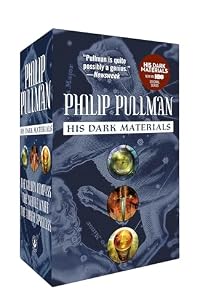
His Dark Materials Trilogy (Northern Lights, a/k/a The Golden Compass | The Subtle Knife | The Amber Spyglass )
by Philip Pullman
His Dark Materials (Collections and Selections — 1-3)
On This Page
Description
Lyra Belacqua tries to prevent kidnapped children from becoming the subject of gruesome experiments, helps Will Parry search for his father, and finds that she and Will are caught in a battle between the forces of the Authority and those gathered by her uncle, Lord Asriel.Tags
Recommendations




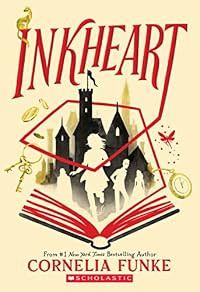
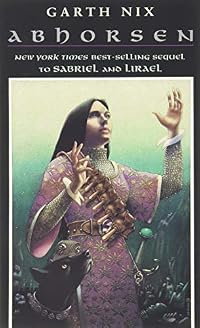
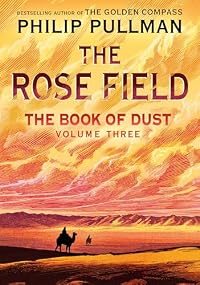
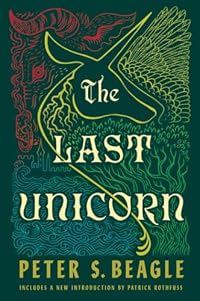
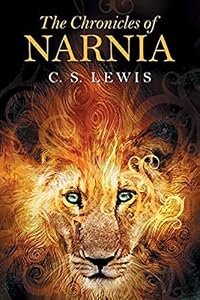
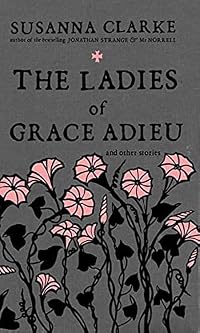
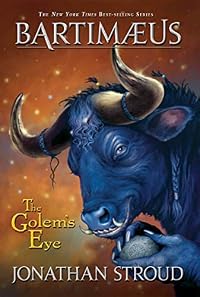
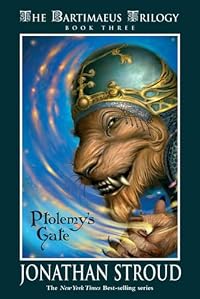
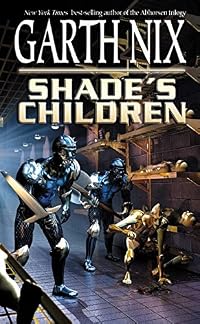
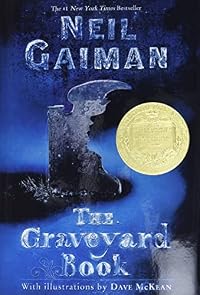
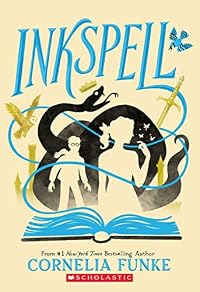
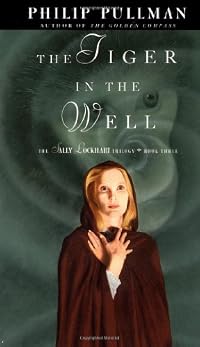

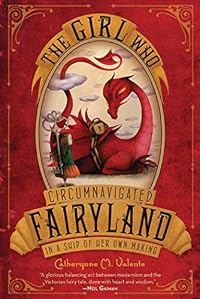
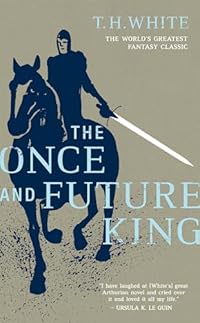
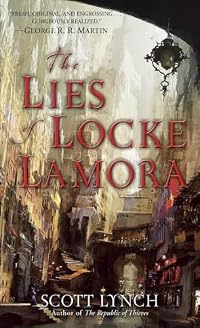
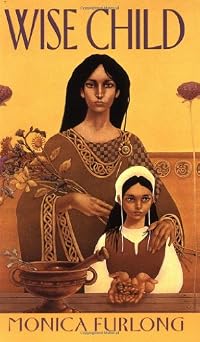
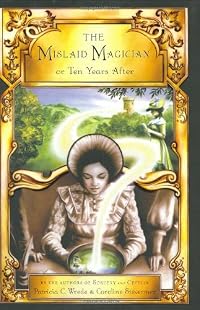
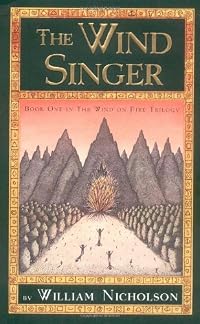
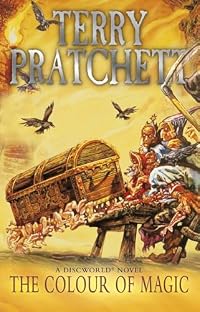
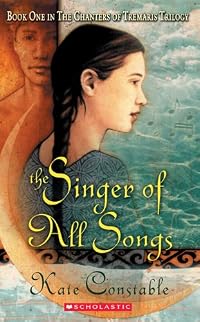
Member Recommendations
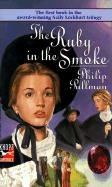
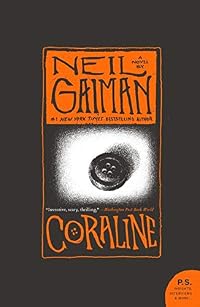
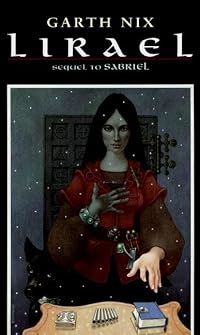
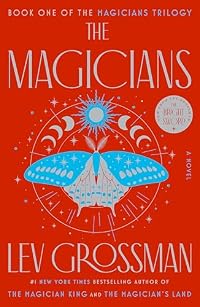
BrileyOC Both series provide excellent fantastical escapism as well as profound (though different) religious viewpoints.
Also recommended by guurtjesboekenkast
141
Jannes Not for your average young reader of Pullman, I would imagine, but Milton is a great read if you want to get to the stuff that inspired His Dark Materials.
It's not as difficult a read as you would imagine, either, if you just give yourself some time to adjust to the style.
21
thenothing Hollow City could easy be fan fiction of His Dark Materials
Lirmac The gothic world of Lyra's Oxford shares a certain similarity with the miles of mouldering masonry that is Gormenghast.
wosret Take a journey through through the underworld; there's more to reality than you know.
vwinsloe Both critique religion as a tool of power
Member Reviews
This trilogy is marketed to younger readers, I suppose because it's a fantasy book and the protagonists are a boy and girl on the cusp of being teenagers. The themes of free will, the nature of the soul, and corruption of faith and power are rarely explored so thoroughly in any book, let alone in books for "children." Despite the more mature themes, the books are enjoyable because of strong characters, great villians, amazing alternative world building, thrilling action, and many moments that invoke real emotion. If you read this as a kid, I strongly suggest reading it as an adult.
One of Pullman's many incredible inventions here is that characters have an animal companion that represents their conscience and perhaps their soul. Not only show more does a particular animal give us a hint about a character, but the animals talk and the relationship one has with their "soul" can be tremendously affecting.
I'm not going to summarize the story except to say it starts out as a relatively simple fantasy adventure and eventually our heroes find themselves with crucial parts to play in an actual war between creation and it's creators. Along the way are magical items, wise witches, talking bear-kings, bad parents, soul-sucking specters, scientists who communicate with angels, and all manner of fantastic creatures. This is truly an incredible work of the imagination. show less
One of Pullman's many incredible inventions here is that characters have an animal companion that represents their conscience and perhaps their soul. Not only show more does a particular animal give us a hint about a character, but the animals talk and the relationship one has with their "soul" can be tremendously affecting.
I'm not going to summarize the story except to say it starts out as a relatively simple fantasy adventure and eventually our heroes find themselves with crucial parts to play in an actual war between creation and it's creators. Along the way are magical items, wise witches, talking bear-kings, bad parents, soul-sucking specters, scientists who communicate with angels, and all manner of fantastic creatures. This is truly an incredible work of the imagination. show less
Pure brilliance. I, like Tolkien, usually despise religious allegory, especially when it's a very thinly veiled attempt to promote Christianity. Philip Pullman's 3 novels, although allegorical are not out to convert you. The message is simply this: To build the kingdom of heaven on Earth because this life is all you get. And whether you agree with that premise or not, the message is still one of goodwill which is hard to find fault with. A powerful story of why happiness and harmony in this world are more important than the dream of rewards in the next. I didn't reailse the allegory until the last book as the first two books don't make the message apparent. This book is a statement against the church as an organisation and an invitation show more to return to a life lived by the golden rule in its many incarnations. The book would have been fantastic without this message as well, however, simply because it is well written and the plot is well devised and executed. Fantastic! show less
I’ve had this on my shelf and my To-Read Queue for quite a while since I bought the Folio Society’s wonderful edition of the trilogy. My kids really liked it and had told me that I would as well. Other than that, I knew that it offended some people for the way the Christian church is portrayed in the series.
Good literature and stories make you think and moves you, sometimes out of your comfort zone. And this series definitely did that for me. Ironically, since this was originally published by Scholastic Books, the world’s largest publisher and distributor of children’s books, this book really hammered home for me how casual we can be of our children’s lives. I was really disturbed by the how the governments, the church, show more society, and many individuals in the books were willing to use their children for their own gains. It’s fiction, you say? Er, well yes, but it’s not that far off the mark in a lot of respects. We have nice phrases for it like “collateral damage” when it refers to the high cost children pay in our wars and interventions, “worth it” when it comes to their suffering in sanctions, and closer to home we let children suffer from lack of health care because their parents are unemployed or lack of food because they are born into a “have not” family.
In His Dark Materials, everyone has a daemon, whether it is external, as in Lyra’s world, or internal, as in Will’s. Is this a manifestation of a person’s soul? Or of their spirit? Not sure, but whatever it is one cannot live without it. It’s a cool concept and interestingly developed throughout the book.
The setting is in multiple worlds of the multi-verse, in which it is as if every possible outcome of an action might have happened on different worlds. So you have worlds that seem very similar except for small differences as a result of a slightly different outcome or action or development, and you have radically different worlds where life took a radically different path from ours. Usually it is difficult to move between the worlds but as the trilogy draws to a climax the portals open up with dangerous consequences as the books moves to the final conflict and resolution.
One thing that was disappointing is that I felt that Lyra’s strong female character was developed well through the first book but then she became much weaker in the second and even into the third book as Will’s character seemed to come to dominate.
I definitely will be reading this series again at some point. I admire Pullman for his imagination and guts in picking his “bad guys” at this point in time. show less
Good literature and stories make you think and moves you, sometimes out of your comfort zone. And this series definitely did that for me. Ironically, since this was originally published by Scholastic Books, the world’s largest publisher and distributor of children’s books, this book really hammered home for me how casual we can be of our children’s lives. I was really disturbed by the how the governments, the church, show more society, and many individuals in the books were willing to use their children for their own gains. It’s fiction, you say? Er, well yes, but it’s not that far off the mark in a lot of respects. We have nice phrases for it like “collateral damage” when it refers to the high cost children pay in our wars and interventions, “worth it” when it comes to their suffering in sanctions, and closer to home we let children suffer from lack of health care because their parents are unemployed or lack of food because they are born into a “have not” family.
In His Dark Materials, everyone has a daemon, whether it is external, as in Lyra’s world, or internal, as in Will’s. Is this a manifestation of a person’s soul? Or of their spirit? Not sure, but whatever it is one cannot live without it. It’s a cool concept and interestingly developed throughout the book.
The setting is in multiple worlds of the multi-verse, in which it is as if every possible outcome of an action might have happened on different worlds. So you have worlds that seem very similar except for small differences as a result of a slightly different outcome or action or development, and you have radically different worlds where life took a radically different path from ours. Usually it is difficult to move between the worlds but as the trilogy draws to a climax the portals open up with dangerous consequences as the books moves to the final conflict and resolution.
One thing that was disappointing is that I felt that Lyra’s strong female character was developed well through the first book but then she became much weaker in the second and even into the third book as Will’s character seemed to come to dominate.
I definitely will be reading this series again at some point. I admire Pullman for his imagination and guts in picking his “bad guys” at this point in time. show less
Philip Pullman's His Dark Materials trilogy (The Golden Compass, The Subtle Knife, and The Amber Spyglass) has won all manner of awards, and every one of them seemed well-deserved to me. I decided to read all three books now so they'd be fresh in my mind for the first movie, and enjoyed all three a great deal. The first, The Golden Compass, was probably my favorite of the three, but each of them is quite imaginative. Together they make one of the best fantasy series I've read; I rate them right up there with the Harry Potter canon and Tolkien's works.
Pullman has created some brilliant plot devices through which to explore some of the most contentious issues in human society and retell Milton's great epic Paradise Lost. Alternate show more universes abound in these books, where humans' souls take animal form and accompany them through life as tangible companions, armored bears rule the Arctic and a grand alliance is formed to defeat the nefarious Authority. Through it all, two young people make their way through a dizzying labyrinth of adventures and escapades as they seek to unravel the mysteries of life, faith and Dust (Pullman's term for the force that seems to resemble the Christian concept of "holy spirit").
Some evangelicals and conservative Catholics have decried these works for their portrayal of organized religion, but while Pullman's books are very anti-authoritarian and anti-dogmatic, they are also deeply spiritual and very provocative in their examination of intense theological issues. I thought of them not as anti-religious, but as a direct critique of those who claim that their interpretation of faith is the only "right" way. I found BU religion professor Donna Freitas' take on Pullman's books very compelling, and agree with her conclusion: "It is a beautiful story, and a Christian story. It is a story that could prompt believers to reflect on their faith. It is just not a story that everyone may want you to read."
Absorbing characters, polished prose, and an important message about the role of faith in our lives made these books all the more interesting to me. Highly recommended.
http://philobiblos.blogspot.com/2007/12/books-review-his-dark-materials.html show less
Pullman has created some brilliant plot devices through which to explore some of the most contentious issues in human society and retell Milton's great epic Paradise Lost. Alternate show more universes abound in these books, where humans' souls take animal form and accompany them through life as tangible companions, armored bears rule the Arctic and a grand alliance is formed to defeat the nefarious Authority. Through it all, two young people make their way through a dizzying labyrinth of adventures and escapades as they seek to unravel the mysteries of life, faith and Dust (Pullman's term for the force that seems to resemble the Christian concept of "holy spirit").
Some evangelicals and conservative Catholics have decried these works for their portrayal of organized religion, but while Pullman's books are very anti-authoritarian and anti-dogmatic, they are also deeply spiritual and very provocative in their examination of intense theological issues. I thought of them not as anti-religious, but as a direct critique of those who claim that their interpretation of faith is the only "right" way. I found BU religion professor Donna Freitas' take on Pullman's books very compelling, and agree with her conclusion: "It is a beautiful story, and a Christian story. It is a story that could prompt believers to reflect on their faith. It is just not a story that everyone may want you to read."
Absorbing characters, polished prose, and an important message about the role of faith in our lives made these books all the more interesting to me. Highly recommended.
http://philobiblos.blogspot.com/2007/12/books-review-his-dark-materials.html show less
I love Paradise Lost. If poems were people, then Paradise Lost would be my girlfriend. Actually it'd be about 350 years old, so presumably very dead, and hence not my girlfriend. But I'd have a kind of histo-crush on it nonetheless. So much do I love Paradise Lost that my first novel was a re-imagining of Milton's epic, set in the modern day. There were people and angels and all manner of other beasties all living in a second version of Earth. By some artifice people could travel back to the original version of Earth, albeit they couldn't really interact with it or stay there for very long.
Well, I say that was my first novel, it wasn't actually published. And when I say it wasn't published I mean it wasn't finished. Actually “never show more started” might be a more accurate way of putting it. But hey, if I'd ever written a novel, that probably would have been it. Luckily I didn't write it, since it turns out I would've been unknowingly plagiarising Philip Pullman's His Dark Materials, itself a modern day version of Paradise Lost full to the brim with curious creatures and parallel worlds.
Although published as three separate works, His Dark Materials isn't so much a trilogy as it is a really long book that separates fairly naturally into three parts. This beginning-middle-end divide usually translates as a divide into interesting-boring-exciting. Or more concisely, the middle usually sucks.
Here I found the central section of the book my favourite part. The opening, Northern Lights is interesting and has some fun characters, but looking back, very little happens in its 350 pages. In contrast, the shorter second part, The Subtle Knife, is bursting with new characters, neat developments, and a frenzy of activity. Things slow down again for the final part, The Amber Spyglass. Here, despite the book's biggest events taking place, things feel somehow more low key. I was actually reminded of the premise of the first Star Wars film: events are transpiring on a galactic scale, yet the story is told from the perspective of two lowly droids. If that had carried on into the rest of the Star Wars trilogy then the effect might have been something like The Amber Spyglass. It works, in a fashion, but does mean the series ends with some slightly cheap-feeling heart string-tugging rather than with the splendour that the novel's vast events seem to call for.
All in all it's a solid and enjoyable story, and the Everyman's Library omnibus edition features a cute addition: “Lantern Slides” sections after each of the three parts giving little snatches that Pullman wrote but never incorporated into the text proper, giving extra little titbits about the plot and characters. show less
Well, I say that was my first novel, it wasn't actually published. And when I say it wasn't published I mean it wasn't finished. Actually “never show more started” might be a more accurate way of putting it. But hey, if I'd ever written a novel, that probably would have been it. Luckily I didn't write it, since it turns out I would've been unknowingly plagiarising Philip Pullman's His Dark Materials, itself a modern day version of Paradise Lost full to the brim with curious creatures and parallel worlds.
Although published as three separate works, His Dark Materials isn't so much a trilogy as it is a really long book that separates fairly naturally into three parts. This beginning-middle-end divide usually translates as a divide into interesting-boring-exciting. Or more concisely, the middle usually sucks.
Here I found the central section of the book my favourite part. The opening, Northern Lights is interesting and has some fun characters, but looking back, very little happens in its 350 pages. In contrast, the shorter second part, The Subtle Knife, is bursting with new characters, neat developments, and a frenzy of activity. Things slow down again for the final part, The Amber Spyglass. Here, despite the book's biggest events taking place, things feel somehow more low key. I was actually reminded of the premise of the first Star Wars film: events are transpiring on a galactic scale, yet the story is told from the perspective of two lowly droids. If that had carried on into the rest of the Star Wars trilogy then the effect might have been something like The Amber Spyglass. It works, in a fashion, but does mean the series ends with some slightly cheap-feeling heart string-tugging rather than with the splendour that the novel's vast events seem to call for.
All in all it's a solid and enjoyable story, and the Everyman's Library omnibus edition features a cute addition: “Lantern Slides” sections after each of the three parts giving little snatches that Pullman wrote but never incorporated into the text proper, giving extra little titbits about the plot and characters. show less
I love Paradise Lost. If poems were people, then Paradise Lost would be my girlfriend. Actually it'd be about 350 years old, so presumably very dead, and hence not my girlfriend. But I'd have a kind of histo-crush on it nonetheless. So much do I love Paradise Lost that my first novel was a re-imagining of Milton's epic, set in the modern day. There were people and angels and all manner of other beasties all living in a second version of Earth. By some artifice people could travel back to the original version of Earth, albeit they couldn't really interact with it or stay there for very long.
Well, I say that was my first novel, it wasn't actually published. And when I say it wasn't published I mean it wasn't finished. Actually “never show more started” might be a more accurate way of putting it. But hey, if I'd ever written a novel, that probably would have been it. Luckily I didn't write it, since it turns out I would've been unknowingly plagiarising Philip Pullman's His Dark Materials, itself a modern day version of Paradise Lost full to the brim with curious creatures and parallel worlds.
Although published as three separate works, His Dark Materials isn't so much a trilogy as it is a really long book that separates fairly naturally into three parts. This beginning-middle-end divide usually translates as a divide into interesting-boring-exciting. Or more concisely, the middle usually sucks.
Here I found the central section of the book my favourite part. The opening, Northern Lights is interesting and has some fun characters, but looking back, very little happens in its 350 pages. In contrast, the shorter second part, The Subtle Knife, is bursting with new characters, neat developments, and a frenzy of activity. Things slow down again for the final part, The Amber Spyglass. Here, despite the book's biggest events taking place, things feel somehow more low key. I was actually reminded of the premise of the first Star Wars film: events are transpiring on a galactic scale, yet the story is told from the perspective of two lowly droids. If that had carried on into the rest of the Star Wars trilogy then the effect might have been something like The Amber Spyglass. It works, in a fashion, but does mean the series ends with some slightly cheap-feeling heart string-tugging rather than with the splendour that the novel's vast events seem to call for.
All in all it's a solid and enjoyable story, and the Everyman's Library omnibus edition features a cute addition: “Lantern Slides” sections after each of the three parts giving little snatches that Pullman wrote but never incorporated into the text proper, giving extra little titbits about the plot and characters. show less
Well, I say that was my first novel, it wasn't actually published. And when I say it wasn't published I mean it wasn't finished. Actually “never show more started” might be a more accurate way of putting it. But hey, if I'd ever written a novel, that probably would have been it. Luckily I didn't write it, since it turns out I would've been unknowingly plagiarising Philip Pullman's His Dark Materials, itself a modern day version of Paradise Lost full to the brim with curious creatures and parallel worlds.
Although published as three separate works, His Dark Materials isn't so much a trilogy as it is a really long book that separates fairly naturally into three parts. This beginning-middle-end divide usually translates as a divide into interesting-boring-exciting. Or more concisely, the middle usually sucks.
Here I found the central section of the book my favourite part. The opening, Northern Lights is interesting and has some fun characters, but looking back, very little happens in its 350 pages. In contrast, the shorter second part, The Subtle Knife, is bursting with new characters, neat developments, and a frenzy of activity. Things slow down again for the final part, The Amber Spyglass. Here, despite the book's biggest events taking place, things feel somehow more low key. I was actually reminded of the premise of the first Star Wars film: events are transpiring on a galactic scale, yet the story is told from the perspective of two lowly droids. If that had carried on into the rest of the Star Wars trilogy then the effect might have been something like The Amber Spyglass. It works, in a fashion, but does mean the series ends with some slightly cheap-feeling heart string-tugging rather than with the splendour that the novel's vast events seem to call for.
All in all it's a solid and enjoyable story, and the Everyman's Library omnibus edition features a cute addition: “Lantern Slides” sections after each of the three parts giving little snatches that Pullman wrote but never incorporated into the text proper, giving extra little titbits about the plot and characters. show less
I really wanted to love this trilogy. I loved the thought of all this ridiculous controversy with religious nutpeople. While Northern Lights showed some glimpses of everything this story could have been, the rest was just a struggle to read through. Maybe those high hopes just ruined it. Made me hate all those plot holes and that mediocre writing. Although I cannot recommend this book to anyone, I guess all this crazytalk about banning it will just attract all the more people to it, and maybe that in itself IS the best thing this book has going for it. A crappy book inviting some people to think about freedom of choice.
Members
- Recently Added By
Lists

The Guardian's 1000 Novels Everyone Must Read
1,005 works; 546 members

Best Fantasy Novels
821 works; 358 members

Top-Rated Books on LibraryThing
272 works; 117 members

BBC Big Read
191 works; 46 members

Favorite Childhood Books
1,602 works; 516 members

Favorite Series
238 works; 94 members

Best Books About Journeys and Quests
117 works; 30 members

Best middle grade books
130 works; 23 members

100 books to read in a lifetime
102 works; 37 members
Newsweek's Top 100 Books: The Meta-List
100 works; 18 members

Books I've Read More Than Once
602 works; 48 members

Gaslamp Fantasy
87 works; 15 members

Winter Books
127 works; 17 members
BBC's 100 Novels That Shaped Our World
100 works; 22 members
BBC Big Read
100 works; 10 members

The Telegraph's 110 Best Books: The Perfect Library
101 works; 18 members
Favourite Books
1,817 works; 316 members

Introduction to Fantasy and Science Fiction (Proposed Reading List)
28 works; 6 members

Best Contemporary Literary Fiction (Around the Last 30 Years)
388 works; 124 members

Farm Boy Fantasy
51 works; 21 members
Female Protagonist
1,056 works; 56 members

Best Adventure Stories
66 works; 13 members

Favourite Science Fantasy Books
49 works; 5 members

Recommend the 20 best books you've read in the last five years
2,167 works; 606 members

Favourite Fantasy Books of the 21st Century
51 works; 6 members

Tagged Parallel Worlds
43 works; 11 members

Classics you know you should have read but probably haven't
421 works; 407 members

Mind Expanding Books by hackerkid
581 works; 8 members
Books tagged favorites
390 works; 30 members

Winter Books
8 works; 1 member
Speculative Fiction to Read
706 works; 32 members

Books you should read before you die
12 works; 1 member

Slipstream or Interstitial Fiction
160 works; 19 members
Five star books
1,755 works; 107 members

Top Five Books of 2023
767 works; 317 members

Reading Glasses Podcast
410 works; 3 members

My favourite books
96 works; 3 members
Books I Wish I’d Read as a Kid
32 works; 4 members

Puffin Books 70th anniversary handbook recommendations
537 works; 10 members
BingoDOG - Genre Benders
74 works; 13 members

A Novel Cure
742 works; 23 members

Unread books
1,063 works; 86 members

Geek Dad Read to Your Kids Additions List
66 works; 4 members

Best Science Fiction Novels
816 works; 430 members

Best 21st Century Books (So Far)
670 works; 85 members

Gateway Book: Science Fiction
21 works; 26 members

Favourite Steampunk Books
80 works; 16 members
Talk Discussions
Past Discussions
His Dark Materials in Folio Society Devotees (December 2022)
Author Information

87+ Works 150,574 Members
Philip Pullman was born in Norwich on October 19, 1946. He graduated from Oxford University with a degree in English. He taught at various Oxford middle schools and at Westminster College for eight years. He is the author of many acclaimed novels, plays, and picture books for readers of all ages. His first book, Count Karlstein, was published in show more 1982. His other books include: The Firework-Maker's Daughter; I Was a Rat!; Clockwork or All Wound Up; and The Good Man Jesus and the Scoundrel Christ. He is also the author of the Sally Lockhart series and the His Dark Materials Trilogy. He is the author of The Book of Dust, volume 1. He has received numerous awards including the Carnegie Medal and the Guardian Fiction Award for Northern Lights (The Golden Compass), the Whitbread Book of the Year Award for The Amber Spyglass, the Eleanor Farjeon Award for children's literature in 2002, and the Astrid Lindgren Award in 2005. (Bowker Author Biography) show less
Some Editions
Awards and Honors
Awards
Distinctions
Notable Lists
BBC's Big Read (3)
Pajiba's Best Books of the Generation (No 05 – 2007)
Series

His Dark Materials (Collections and Selections — 1-3)
Belongs to Publisher Series
Work Relationships
Is contained in
Contains
Has the adaptation
Is replied to in
Was inspired by
Has as a reference guide/companion
Has as a study
Killing the Imposter God: Philip Pullman's Spiritual Imagination in His Dark Materials by Donna Freitas
His Dark Materials Illuminated: Critical Essays On Philip Pullman's Trilogy (Landscapes of Childhood) by Millicent Lenz
Navigating The Golden Compass: Religion, Science & Dæmonology in Philip Pullman's His Dark Materials by Glenn Yeffeth
Exploring Philip Pullman's His Dark Materials: An Unauthorized Adventure Through The Golden Compass, The Subtle Knife, and The Amber Spyglass by Lois H. Gresh
Being Human: In Conversation with... Philip Pullman's His Dark Materials (Polity Conversations Series) by Jane V. Craske
Philip Pullman's His Dark Materials - A Multiple Allegory: Attacking Religious Superstition in the Lion, the Witch and the Wardrobe and Paradise Lost by Leonard F. Wheat
Shedding Light on His Dark Materials: Exploring Hidden Spiritual Themes in Philip Pullman's Popular Series by Kurt Bruner
Common Knowledge
- Canonical title
- His Dark Materials Trilogy (Northern Lights, a/k/a The Golden Compass | The Subtle Knife | The Amber Spyglass ) (Northern Lights, a/k/a The Golden Compass | The Subtle Knife | The Amber Spyglass )
- Original title
- His Dark Materials
- Alternate titles*
- Der goldene Kompass, Das magische Messer, Das Bernstein-Teleskop
- Original publication date
- 2000 (omnibus) (omnibus); 1995 (Northern Lights, a/k/a The Golden Compass) (Northern Lights, a/k/a The Golden Compass); 1997 (The Subtle Knife) (The Subtle Knife); 2000 (The Amber Spyglass) (The Amber Spyglass)
- People/Characters
- Lyra Belacqua (Silvertongue); Pantalaimon (dæ | mon); Lord Asriel; Will Parry; Iorek Byrnison; Marisa Coulter (show all 82); Roger Parslow; Lee Scoresby; Serafina Pekkala; Mary Malone; John Faa; Farder Coram; Tony Makarios; Billy Costa; Ma Costa; Iofur Raknison; Stelmaria (dæ | mon); Adam Stefanski; Carlo Boreal (Lord); Mr Cawson (Steward); Wren (Butler); Shuter (Porter); Thorold; Charles (Librarian); Adèle Starminster; P. Trelawney (Palmerian Professor); Adriaan Braks; Hugh Lovat; Simon Parslow; Captain Magnusson; Annie; Bella; Benjamin de Ruyter; Father Heyst (The Intercessor); Bernie Johansen; Bridget McGinn; Alice Lonsdale (Mrs Lonsdale); Hannah Relf (Dame); J. C. B. Carborn (Colonel); Leonard Broken Arrow (Dr); Charlie (gyptian); Cousins; Dirk Vries; Jotham Santelia; The Golden Monkey (dæ | mon); Dr Cooper; Martin Lanselius; Jacob Huismans; Jaxer Costa; Kaisa (dæ | mon); Kerim Costa; Margaret (gyptian); Martha; Michael Canzona; Nell (gyptian); Nicholas Rokeby; Docker (Professor); Raymond van Gerrit; Roger van Poppel; Simon Hartmann; Sister Betty; Sister Clara; Søren Eisarson; The Dean; Dr Carne (The Master); The Sun-Rector; The Tillerman; Tony Costa; Anfang (dæ | mon); Salcilia (dæ | mon); Ratter (dæ | mon); Sophonax (dæ | mon); Jerry; Belisaria (dæ | mon); The Cassington Scholar; Stanislaus Grumman; The Sub-Rector; The Precentor; The Chaplain; Jesper (dæ | mon); Dick Orchard; Kyrillion (dæ | mon)
- Important places
- University of Oxford, Oxford, Oxfordshire, England, UK; Oxford, Oxfordshire, England, UK; London, England, UK; Svalbard, Norway; Cittàgazze; Jordan College, Oxford, Oxfordshire, England, Brytain (fictitious) (show all 7); London, England, Brytain (fictitious)
- Related movies
- The Golden Compass (2007 | IMDb | Chris Weitz); His Dark Materials (2022 | IMDb); His Dark Materials (2003 | IMDb)
- Epigraph
- For The Golden Compass:
Into this wild abyss,
The womb of nature and perhaps her grave,
Of neither sea, nor shore, nor air, nor fire,
But all these in their pregnant causes mixed
Confusedly, and which thus ... (show all)must ever fight,
Unless the almighty maker them ordain
His dark materials to create more worlds,
Into this wild abyss the wary fiend
Stood on the brink of hell and looked a while,
Pondering his voyage...
--John Milton, Paradise Lost, Book II
For The Amber Spyglass:
The morning comes, the night decays, the watchmen leave their stations;
The grave is burst, the spices shed, the linen wrapped up;
The bones of death, the cov'ring clay, the sinews shrunk & dry'd
Reviving shake, inspiring move, breathing, awakening,
Spring like redeemed captives when their bonds & bars are burst,
Let the slave grinding at the mill run out into the field,
Let him look up into the heavens & laugh in the bright air;
Let the inchained soul, shut up in darkness and in sighing,
Whose face has never seen a smile in thirty weary years,
Rise and look out; his chains are loose, his dungeon doors are open;
And let his wife and children return from the oppressor's scourge.
They look behind at every step & believe it is a dream,
Singing: "The Sun has left his blackness & has found a fresher morning,
And the fair Moon rejoices in the clear & cloudless night;
For Empire is no more, and now the Lion & Wolf shall cease."
--from "America: A Prophecy" by William Blake
O stars,
isn't it from you that the lover's desire for the face
of his beloved arises? Doesn't his secret insight
into her pure features come from the pure constellations?
--from "The Third Elegy" by Rainer Maria Rilke, translated by Stephen Mitchell
Fine vapors escape from whatever is doing the living.
The night is cold and delicate and full of angels
Pounding down the living. The factories are all lit up,
The chime goes unheard.
We are together at last, though far apart.
--from "The Ecclesiast" by John Ashbery - First words
- Lyra and her daemon moved through the darkening hall, taking care to keep to one side, out of sight of the kitchen. (Northern lights)
Will tugged at his mother's hand and said, "Come on, come on..." (The subtle knife)
In a valley shaded with rhododendrons, close to the snow line, where a stream milky with melt-water splashed and where doves and linnets flew among the immense pines, lay a cave, half-hidden by the crag above and the stiff he... (show all)avy leaves that clustered below. (The amber spyglass) - Last words
- (Click to show. Warning: May contain spoilers.)So Lyra and her daemon turned away from the world they were born in and looked toward the sun, and walked into the sky. (Northern lights)
(Click to show. Warning: May contain spoilers.)And Will looked from them to Lyra's rucksack and back again, and didn't hear a word they said. (The subtle knife)
(Click to show. Warning: May contain spoilers.)"The republic of heaven," said Lyra. (The amber spyglass) - Original language
- English
- Disambiguation notice
- This work is all three books (Northern Lights, a/k/a The Golden Compass, The Subtle Knife, and The Amber Spyglass) in one volume -- as omnibus or boxed set.
*Some information comes from Common Knowledge in other languages. Click "Edit" for more information.
Classifications
- Genres
- Fantasy, Fiction and Literature, Teen, Young Adult
- DDC/MDS
- 823.914 — Literature & rhetoric English & Old English literatures English fiction 1900- 1901-1999 1945-1999
- LCC
- PZ7 .P968 .H — Language and Literature Fiction and juvenile belles lettres Fiction and juvenile belles lettres Juvenile belles lettres
- BISAC
Statistics
- Members
- 15,329
- Popularity
- 455
- Reviews
- 205
- Rating
- (4.28)
- Languages
- 11 — Dutch, English, French, German, Hungarian, Italian, Norwegian (Bokmål), Norwegian, Slovak, Spanish, Swedish
- Media
- Paper, Audiobook, Ebook
- ISBNs
- 71
- UPCs
- 1
- ASINs
- 47