
On This Page
Description
Haboring secret preoccupations with a magical land he read about in a childhood fantasy series, Quentin Coldwater is unexpectedly admitted into an exclusive college of magic and rigorously educated in modern sorcery.Tags
Recommendations

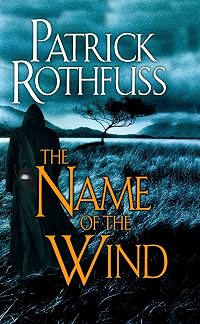
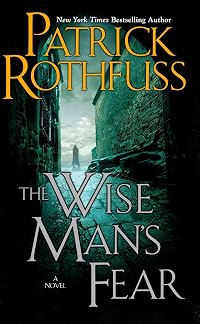
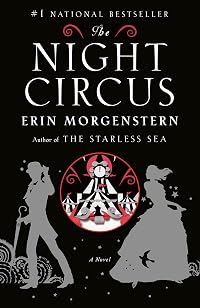
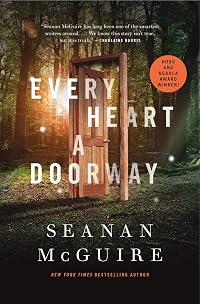
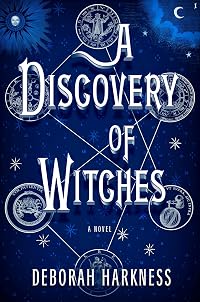
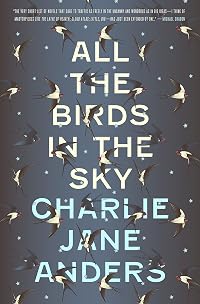
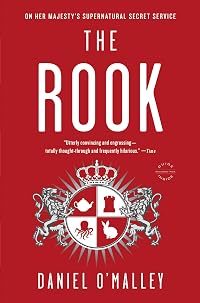
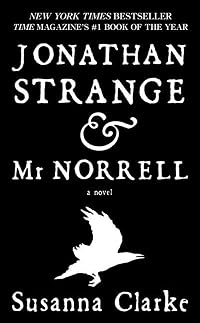
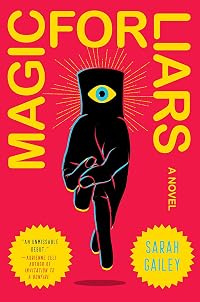
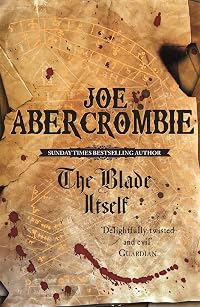
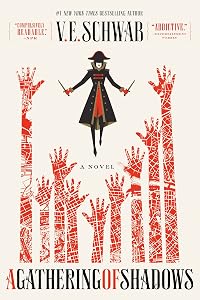
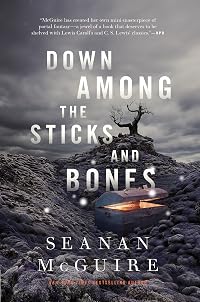

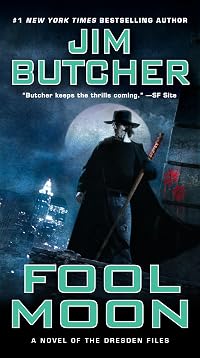
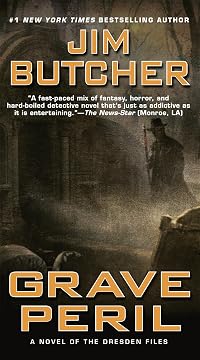
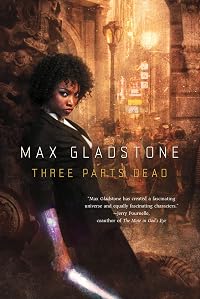
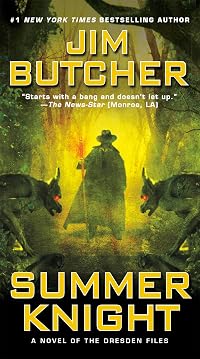
Member Recommendations
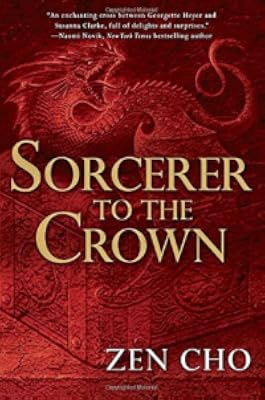
Euryale No magic, but I thought the tone and setting were otherwise very similar.
Also recommended by middled, kraaivrouw
191
Jannes The Magicians wolud not exist if it wasn't for the Narnia books, and is really a kind of loving deconstruction of Lewis' work. What could be better than giving the books that inspired it a try?
225
catfantastic Read the short story "The Problem of Susan" included in this collection.
121
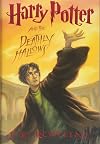
sonyagreen It's like HP goes to college, complete with drinking and sex.
157
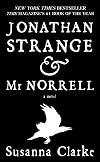
anonymous user Magic is real in a world we recognize--Napoleonic England and contemporary New York.
158
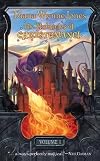
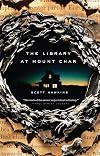
TFleet Both novels are centered in the modern real world, but with a set of young adults who have magical powers. The novels are different takes on the question, "What would the modern real world be like if there were magic?"
30
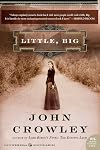
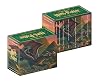
elleeldritch An adult version of Harry Potter (and Narnia), albeit with a different (but still interesting) magic scheme.
75
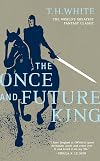
wandering_star I thought of making this recommendation when reading the magical education section of The Magicians, which reminded me of the first book of The Once and Future King. But the wider idea - that magical powers can't stop us from making stupid human mistakes - is also relevant to both books.
31
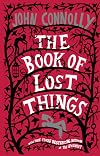
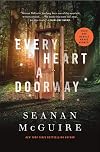
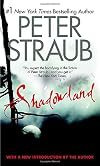
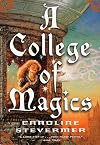
beyondthefourthwall Teenagers suddenly plunged into the magical-boarding-school experience and, once their training is behind them, having to figure out who is trustworthy, what they need to do with their lives, whether they are being summoned into leadership roles, and maybe - just maybe - where their reality is coming from in the first place.
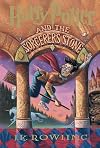
kaledrina Older YAs and above. Really for late teens and adults. Potter meets Narnia meet sex drugs and rock n roll.
65
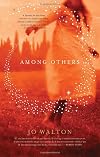
Jannes Both are fantasy or fantasy-sih books about fantasy readers and how the stories you read hape you and affect your sense of the world.
33
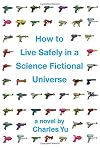
lobotomy42 Similar combination of a genre setting, an unlikeable protagonist, and an inward-looking plot.
11
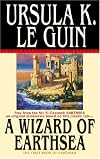
aulsmith Two different schools of magic
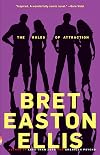
by anonymous user
Alliebadger Both take fantasy conventions and make a fool of them. They also have protagonists that are self-centered. I didn't care for either one for the same reasons, so if you like one you'll probably like the other!
02
marvas A comparable mix of the fantastic and the all too real, proving fantasy can be an adult genre.
iiriskettu Both books mix magic and real, contemporary, world. While the Magicians draws its fantasy elements from literary allusions as much as from mythology, American Gods draws from different mythologies. Both are smart, get somewhat dark, and are exemplary at combining the mundane and the fantastic.
68
Jannes Okay, I know it seems somewhat of a stretch, but the Magicians actually tries to do with fantasy fiction what Watchmen does with superhero comics: twists it around and looks at it from a completely different angle to try to find out what it is really all about.
47
110

tetrachromat Both describe the reflections of certain pools of water as windows onto other realities. The Silver Nutmeg, however, is much less dark and aimed at younger readers.
aethercowboy Both books deal with a fictional fantasy series that holds a lot of significance to the story.
charlie68 Similar themes.

Member Reviews
This book is just like Harry Potter!! . . . . . . . is what someone might say if they had not read any other books about magic besides Harry Potter.
This book is about a feeling. I'm sure many of us have felt this . . . you read a book about magic and adventure at a young age (usually 7 or 8) and you can't get it out of your head for the rest of your life. You think about that book constantly, and reread it in hopes of feeling that way again, but you never quite can.
Quentin Coldwater knew that feeling, and when he stumbled through an urban garden and ended up at Brakebills, a magical college in upstate New York, he thought all of his wishes were coming true. This was exactly what he had always wanted, but it couldn't live up to his show more impossibly (more impossible than magic) high standards. He attempted to fill the gaping hole with laziness, alcohol, and sex, but it eventually caught up with him, as these things tend to do.
This book is most of all an idolizing tribute to Narnia, and also to Harry Potter, E. Nesbit and Edward Eager, Earthsea, Middle-Earth, His Dark Materials, and all the other magical adventures I went on as a kid.
But Quentin and his friends are not Harry Potter or Peter Pevensie or Ged or Bilbo Baggins or Lyra Belaqua. They are not leaders or heroes. They are entitled, jaded, angsty, self-absorbed asses, much more like Holden Caufield or Tucker Max or Alex from A Clockwork Orange or Tomas from The Unbearable Lightness of Being. The combination of these characters and the forementioned scenario is interesting, to say the least.
This book is ambitious, and daring, and weird. But I'll recommend it to all of you because we're all weird, daring, ambitious readers, and I am really looking forward to seeing what the sequel has to offer. I would be cautious about recommending it to anyone else. show less
This book is about a feeling. I'm sure many of us have felt this . . . you read a book about magic and adventure at a young age (usually 7 or 8) and you can't get it out of your head for the rest of your life. You think about that book constantly, and reread it in hopes of feeling that way again, but you never quite can.
Quentin Coldwater knew that feeling, and when he stumbled through an urban garden and ended up at Brakebills, a magical college in upstate New York, he thought all of his wishes were coming true. This was exactly what he had always wanted, but it couldn't live up to his show more impossibly (more impossible than magic) high standards. He attempted to fill the gaping hole with laziness, alcohol, and sex, but it eventually caught up with him, as these things tend to do.
This book is most of all an idolizing tribute to Narnia, and also to Harry Potter, E. Nesbit and Edward Eager, Earthsea, Middle-Earth, His Dark Materials, and all the other magical adventures I went on as a kid.
But Quentin and his friends are not Harry Potter or Peter Pevensie or Ged or Bilbo Baggins or Lyra Belaqua. They are not leaders or heroes. They are entitled, jaded, angsty, self-absorbed asses, much more like Holden Caufield or Tucker Max or Alex from A Clockwork Orange or Tomas from The Unbearable Lightness of Being. The combination of these characters and the forementioned scenario is interesting, to say the least.
This book is ambitious, and daring, and weird. But I'll recommend it to all of you because we're all weird, daring, ambitious readers, and I am really looking forward to seeing what the sequel has to offer. I would be cautious about recommending it to anyone else. show less
Quentin is just an ordinary high school student hoping to make it into the college of his dreams when he accidentally stumbles into the strangest exam he's ever taken. Nevermind the fact that he doesn't know where he is or how he got there, but the test questions move about the page and his answers have a habit of coming to life and walking away.
It doesn't take long for him to realize that his greatest wish has been granted. Magic is real and he has been accepted to a magical school! Unfortunately magic isn't easy or fun and there is strange evil lurking around every corner. Will Quentin manage to reach graduation alive? And even if he does, what will he do with these powers he has painstakingly acquired? What is left to strive for when show more one can wave a hand and receive free money from an ATM?
This is Harry Potter for grown ups. It has fantasy elements, but this is not a Fantasy. The characters very much live in the real world and have to deal with the existential fallout of possessing supernatural powers. Magic is real, but life is still empty and relationships are hard. A thought-provoking book. show less
It doesn't take long for him to realize that his greatest wish has been granted. Magic is real and he has been accepted to a magical school! Unfortunately magic isn't easy or fun and there is strange evil lurking around every corner. Will Quentin manage to reach graduation alive? And even if he does, what will he do with these powers he has painstakingly acquired? What is left to strive for when show more one can wave a hand and receive free money from an ATM?
This is Harry Potter for grown ups. It has fantasy elements, but this is not a Fantasy. The characters very much live in the real world and have to deal with the existential fallout of possessing supernatural powers. Magic is real, but life is still empty and relationships are hard. A thought-provoking book. show less
God, this book was so incredibly boring. By all rights, it should have been magically exciting, breathtakingly fantastical, but instead it was detached and full of a deadening ennui.
It's not a young adult book, no matter how the library has decided to shelve it. It is about college age kids, but it's about all the terrible parts of growing up at that age--the disillusion, the apathy, the anger, and the confusion of realizing that life is not going to be the way you thought you wanted. It's hard to even relate to the characters at all, because the narrative is all telling rather than showing. There's very little dialogue, and we are treated instead to long-winded expositions littered with SAT vocabulary words about what the characters show more are thinking and feeling, with explanantions of their conversations rather than the actual conversations themselves. You never get past the narrative filter to the actual people and events in the story--I felt like I was watching it all happen beyond a screen, squinting hard but never getting a really good, sharp view.
There were factual inconsistencies scattered throughout, and every scene opened with a small introduction about what was going to happen. As I read, I imagined a bitter man with a nasal monotone telling me this story; I imagine him as someone who thinks fantasy books are a bunch of rubbish and is keen to explain to me why magical worlds are just as terrible as he thinks our real world is--because it seems to me that Quentin is really just a stand-in for the author.
Even when they (finally, good god, the book just kept going on and on) end up in a magical parallel universe, I had trouble caring one way or another. It was all so deadpan and nonchalant, and throughout the book, the magic took a backseat to Quentin's whiny angst about his lovelife and generally irritating poor-me attitude. I hated him by the end, and I hated this book. show less
It's not a young adult book, no matter how the library has decided to shelve it. It is about college age kids, but it's about all the terrible parts of growing up at that age--the disillusion, the apathy, the anger, and the confusion of realizing that life is not going to be the way you thought you wanted. It's hard to even relate to the characters at all, because the narrative is all telling rather than showing. There's very little dialogue, and we are treated instead to long-winded expositions littered with SAT vocabulary words about what the characters show more are thinking and feeling, with explanantions of their conversations rather than the actual conversations themselves. You never get past the narrative filter to the actual people and events in the story--I felt like I was watching it all happen beyond a screen, squinting hard but never getting a really good, sharp view.
There were factual inconsistencies scattered throughout, and every scene opened with a small introduction about what was going to happen. As I read, I imagined a bitter man with a nasal monotone telling me this story; I imagine him as someone who thinks fantasy books are a bunch of rubbish and is keen to explain to me why magical worlds are just as terrible as he thinks our real world is--because it seems to me that Quentin is really just a stand-in for the author.
Even when they (finally, good god, the book just kept going on and on) end up in a magical parallel universe, I had trouble caring one way or another. It was all so deadpan and nonchalant, and throughout the book, the magic took a backseat to Quentin's whiny angst about his lovelife and generally irritating poor-me attitude. I hated him by the end, and I hated this book. show less
This was in a special category for me: books whose positive reception make me question my membership in the human race. After finishing it I stared at the glowing blurbs on the back, looked up some positive reviews online, and thought, who are these people? What could they have been thinking? How could they possibly be so different from me? After that it took a few days of solid social interaction with good friends to convince me that I actually had something in common with my fellow humans -- that they weren't a bunch of ineffable Lovecraftian things hiding in bodies that looked like mine.
(The most extreme version of this experience I've ever had was with Special Topics in Calamity Physics, a book widely praised but so staggeringly, show more contortedly bad that when I tried to review it, I got to 4300 words and gave up in despair because I hadn't even half exhausted all the issues I had with it.)
What The Magicians very clearly wants to be is a darker, more realistic, more laddish version of Harry Potter or Narnia, combining the cutesy, whimsical worldbuilding of children's fantasy with adolescent protagonists who are horrible little shits in the way real adolescents are horrible little shits. So far, so good, I guess -- I mean it could have been a really funny parody, at least. However, Grossman isn't really going for parody. His book is rarely laugh-out-loud funny, and he seems to want the reader to feel invested in his characters and impressed with the psychological realism of his twist on the fantasy novel. Unfortunately, I was unable to rise to this task, because of the following basic fact about The Magicians:
Everything in this book is determined by Grossman's desire to imitate or respond to his literary models, not by considerations of human behavior. The characters don't act the way they do because real people (or even some distorted version of real people) would act that way, but because their actions contrast with the way Grossman imagines a "standard" children's fantasy character would behave in the same situation. The fantasy world(s) in which the story is set do not make sense, but are supposed to be impressive simply because they are darker and grittier than their literary models. If you stop thinking of everything as a genre joke and start thinking of it as an actual story about people, it falls apart completely.
This is especially bad because the Grossman yearns to be patted on the back for writing a "realistic" fantasy novel. But unlike, say, China Mieville, he doesn't try for realism by seriously thinking about how the darker side of human nature would play itself out in a magical world. He just takes a set of models (HP and Narnia), makes them darker and more vulgar (in implausible and nonsensical ways), and then, having conflated edginess with realism, sits back and expects us to be impressed.
For the first two-thirds of the book, the primary model is Harry Potter, and the primary "realistic" twist is that the characters in magic school are bored. Although the main characters are all very impressed with the idea of learning magic when they first reach the magic school (which as in HP resides in a coexisting culture kept secret by magic), they quickly lose interest and start spending all of their time drinking to excess, playing pool, and bitching about people they know and the general tedium of their little lives. This is kind of a funny idea, but the transition from curiosity to indifference is not made real. The characters simply go from one pole to the other in the course of a very short number of pages (covering months of in-story time). As with everything else in the book, Grossman seems to have been so pleased with his clever twist on his literary models that he didn't think he needed to make it psychologically natural. The characters are bored, and being bored is unadmirable, and that means it's realistic -- what more psychology do you need?!
The characters' incuriosity spares Grossman from having to fill in many of the details of his fantasy world -- if no one asks a question, the reader never hears its answer. Harry Potter also relies on this mechanism, but it makes much more sense there because the characters are younger. They enter magic school around age 12 -- an age when many people are still forming their basic worldviews. As a result, it's easy to imagine that they just take the existence of magic in stride, rather than going around grabbing lapels and demanding explanations. Grossman's characters, though, are 18 when the book begins, and it's difficult for me to imagine an 18-year-old who wouldn't freak out in some way when confronted with the existence of a hidden magic world. Remember, the characters are literally discovering a vast conspiracy -- wizards have been hiding magic from everyone for centuries. Why do they do it? Why don't wizards use magic to improve the world of ordinary humans? Harry Potter at least makes gestures towards answering these questions; The Magicians doesn't even do that, because the main characters -- bafflngly -- don't seem to give a shit.
Grossman even goes out of his way to specify at the beginning that his protagonist, Quentin Coldwater, is a physics nerd who, at 18, is taking college-level advanced physics classes. (I was pleased to see him name-check Differential Geometry, which is exactly the sort of subject that such an advanced high school student might know a few things about.) Now, I also like physics, and if I were transported to magic land one of the things I would ask, in the course of my frantic label-grabbing question-asking "how can this be fucking possible?" tour, is how magic interacts with the laws of fundamental physics. I mean, physicists have developed these theories that seem to explain everything we can observe, and yet there's this extremely powerful force out there which could be harnessed by weird crusty old dudes centuries ago yet has escaped the notice of modern physics entirely? How?! Well, that's a question that Harry Potter sure isn't interested in answering, and one might hope that a book that fancies itself a grown-up HP, especially with a physics-nerd protagonist, would concern itself with it. Nope! Quentin doesn't care. He basically forgets about physics after the first few chapters. I understand that some people get less nerdy when they get to college, but come on -- at least show me the psychological process, Grossman. Later on there's a part where Quentin's studious girlfriend is working on a thesis about how to magically violate the uncertainty principle (ha!) and Quentin just thinks it's boring. Again, things work by the logic of cliches rather than the logic of psychology -- in the beginning Quentin is playing a nerd and later on he's playing a jaded college senior and his ostensible interests just adjust to fit the cliche of the moment.
Why are these people so unhappy? They are in college learning a fascinating subject, their personal lives seem to involve no special difficulties above and beyond those of the average privileged college student, so where's the problem? Grossman so thoroughly fails to provide a motivation (remember, it's dark, so it must be realistic) that it starts to seem like all of the characters, and particularly Quentin, are probably just clinically depressed. This raises the question, though, of why none of them even consider this. The book covers seven years of magic school in a few hundred pages, which is a pretty remarkable span of time in which to be miserable and never ever think about why (except "magic land didn't satisfy me like I thought it would" -- again, good genre subversion but bad psychology -- why don't they wonder why they are unsatisfied?). The characters start out as 18-year-olds with the maturity of 14-year-olds and end up as 25-year-olds with the maturity of 14-year-olds. It's conceivable that someone could change this little in seven years, but again -- give me the damn psychology, Grossman.
The only likable character in all of this is a sort of punk-ish nerd who the main characters all hate because he's really awkward, even though he spends all of his time doing interesting shit rather than drinking and bitching. Is this some kind of joke about how even in magic land (paradise for nerds?) awkward people will get treated poorly? But then we're supposed to sympathize deeply with the main characters and the difficulties they face as boring entitled assholes and I just don't get it. Where is my entry-way into these characters? I've read and enjoyed a lot of books about really awful people, but in all of those cases there was something that rang very true about the characters' particular brand of awfulness. Grossman's characters aren't awful in a way that feels real, they're just awful as a genre joke. Ha, bet you've never seen Harry Potter starring an asshole before! Nope, I haven't. But why is he an asshole? What's going on in his head? Come on, this is Creative Writing 101 stuff!
In the last third of the book we switch over from Potter pastiche to Narnia pastiche and there's some metafictional stuff and a bunch of thematic stuff I would probably discuss if I cared more about what Grossman is trying to do. But I don't. His handling of his themes is so crude and inhuman that I just don't care what he's trying to say.
There were a few scenes that I did really like, mostly those about elements of the fantasy world itself -- like a scene where the characters transform into birds and fly to Antarctica, or one about a powerful and sinister wizard who looks like Magritte's "Son of Man" painting. These scenes make me think that, ironically, Grossman would do much better if he tried to write a more ordinary, non-subversive fantasy novel. But this imaginative stuff never lasts for long, because Grossman has to keep us regularly updated on the characters' horrible lust triangles and how totally shitfaced they were last night. Blech. show less
(The most extreme version of this experience I've ever had was with Special Topics in Calamity Physics, a book widely praised but so staggeringly, show more contortedly bad that when I tried to review it, I got to 4300 words and gave up in despair because I hadn't even half exhausted all the issues I had with it.)
What The Magicians very clearly wants to be is a darker, more realistic, more laddish version of Harry Potter or Narnia, combining the cutesy, whimsical worldbuilding of children's fantasy with adolescent protagonists who are horrible little shits in the way real adolescents are horrible little shits. So far, so good, I guess -- I mean it could have been a really funny parody, at least. However, Grossman isn't really going for parody. His book is rarely laugh-out-loud funny, and he seems to want the reader to feel invested in his characters and impressed with the psychological realism of his twist on the fantasy novel. Unfortunately, I was unable to rise to this task, because of the following basic fact about The Magicians:
Everything in this book is determined by Grossman's desire to imitate or respond to his literary models, not by considerations of human behavior. The characters don't act the way they do because real people (or even some distorted version of real people) would act that way, but because their actions contrast with the way Grossman imagines a "standard" children's fantasy character would behave in the same situation. The fantasy world(s) in which the story is set do not make sense, but are supposed to be impressive simply because they are darker and grittier than their literary models. If you stop thinking of everything as a genre joke and start thinking of it as an actual story about people, it falls apart completely.
This is especially bad because the Grossman yearns to be patted on the back for writing a "realistic" fantasy novel. But unlike, say, China Mieville, he doesn't try for realism by seriously thinking about how the darker side of human nature would play itself out in a magical world. He just takes a set of models (HP and Narnia), makes them darker and more vulgar (in implausible and nonsensical ways), and then, having conflated edginess with realism, sits back and expects us to be impressed.
For the first two-thirds of the book, the primary model is Harry Potter, and the primary "realistic" twist is that the characters in magic school are bored. Although the main characters are all very impressed with the idea of learning magic when they first reach the magic school (which as in HP resides in a coexisting culture kept secret by magic), they quickly lose interest and start spending all of their time drinking to excess, playing pool, and bitching about people they know and the general tedium of their little lives. This is kind of a funny idea, but the transition from curiosity to indifference is not made real. The characters simply go from one pole to the other in the course of a very short number of pages (covering months of in-story time). As with everything else in the book, Grossman seems to have been so pleased with his clever twist on his literary models that he didn't think he needed to make it psychologically natural. The characters are bored, and being bored is unadmirable, and that means it's realistic -- what more psychology do you need?!
The characters' incuriosity spares Grossman from having to fill in many of the details of his fantasy world -- if no one asks a question, the reader never hears its answer. Harry Potter also relies on this mechanism, but it makes much more sense there because the characters are younger. They enter magic school around age 12 -- an age when many people are still forming their basic worldviews. As a result, it's easy to imagine that they just take the existence of magic in stride, rather than going around grabbing lapels and demanding explanations. Grossman's characters, though, are 18 when the book begins, and it's difficult for me to imagine an 18-year-old who wouldn't freak out in some way when confronted with the existence of a hidden magic world. Remember, the characters are literally discovering a vast conspiracy -- wizards have been hiding magic from everyone for centuries. Why do they do it? Why don't wizards use magic to improve the world of ordinary humans? Harry Potter at least makes gestures towards answering these questions; The Magicians doesn't even do that, because the main characters -- bafflngly -- don't seem to give a shit.
Grossman even goes out of his way to specify at the beginning that his protagonist, Quentin Coldwater, is a physics nerd who, at 18, is taking college-level advanced physics classes. (I was pleased to see him name-check Differential Geometry, which is exactly the sort of subject that such an advanced high school student might know a few things about.) Now, I also like physics, and if I were transported to magic land one of the things I would ask, in the course of my frantic label-grabbing question-asking "how can this be fucking possible?" tour, is how magic interacts with the laws of fundamental physics. I mean, physicists have developed these theories that seem to explain everything we can observe, and yet there's this extremely powerful force out there which could be harnessed by weird crusty old dudes centuries ago yet has escaped the notice of modern physics entirely? How?! Well, that's a question that Harry Potter sure isn't interested in answering, and one might hope that a book that fancies itself a grown-up HP, especially with a physics-nerd protagonist, would concern itself with it. Nope! Quentin doesn't care. He basically forgets about physics after the first few chapters. I understand that some people get less nerdy when they get to college, but come on -- at least show me the psychological process, Grossman. Later on there's a part where Quentin's studious girlfriend is working on a thesis about how to magically violate the uncertainty principle (ha!) and Quentin just thinks it's boring. Again, things work by the logic of cliches rather than the logic of psychology -- in the beginning Quentin is playing a nerd and later on he's playing a jaded college senior and his ostensible interests just adjust to fit the cliche of the moment.
Why are these people so unhappy? They are in college learning a fascinating subject, their personal lives seem to involve no special difficulties above and beyond those of the average privileged college student, so where's the problem? Grossman so thoroughly fails to provide a motivation (remember, it's dark, so it must be realistic) that it starts to seem like all of the characters, and particularly Quentin, are probably just clinically depressed. This raises the question, though, of why none of them even consider this. The book covers seven years of magic school in a few hundred pages, which is a pretty remarkable span of time in which to be miserable and never ever think about why (except "magic land didn't satisfy me like I thought it would" -- again, good genre subversion but bad psychology -- why don't they wonder why they are unsatisfied?). The characters start out as 18-year-olds with the maturity of 14-year-olds and end up as 25-year-olds with the maturity of 14-year-olds. It's conceivable that someone could change this little in seven years, but again -- give me the damn psychology, Grossman.
The only likable character in all of this is a sort of punk-ish nerd who the main characters all hate because he's really awkward, even though he spends all of his time doing interesting shit rather than drinking and bitching. Is this some kind of joke about how even in magic land (paradise for nerds?) awkward people will get treated poorly? But then we're supposed to sympathize deeply with the main characters and the difficulties they face as boring entitled assholes and I just don't get it. Where is my entry-way into these characters? I've read and enjoyed a lot of books about really awful people, but in all of those cases there was something that rang very true about the characters' particular brand of awfulness. Grossman's characters aren't awful in a way that feels real, they're just awful as a genre joke. Ha, bet you've never seen Harry Potter starring an asshole before! Nope, I haven't. But why is he an asshole? What's going on in his head? Come on, this is Creative Writing 101 stuff!
In the last third of the book we switch over from Potter pastiche to Narnia pastiche and there's some metafictional stuff and a bunch of thematic stuff I would probably discuss if I cared more about what Grossman is trying to do. But I don't. His handling of his themes is so crude and inhuman that I just don't care what he's trying to say.
There were a few scenes that I did really like, mostly those about elements of the fantasy world itself -- like a scene where the characters transform into birds and fly to Antarctica, or one about a powerful and sinister wizard who looks like Magritte's "Son of Man" painting. These scenes make me think that, ironically, Grossman would do much better if he tried to write a more ordinary, non-subversive fantasy novel. But this imaginative stuff never lasts for long, because Grossman has to keep us regularly updated on the characters' horrible lust triangles and how totally shitfaced they were last night. Blech. show less
This is NOT NOT NOT Harry Potter for adults. Unless by "for adults" you mean "for cynics." It seemed to me like Lev Grossmean was less interested in the story and more interested in letting all of us know that life is hard, i.e. even if there are secret, fantastical lands and awesome magical abilities, life can still be shit. There is no epic struggle between good and evil driving this book; instead it's driven by the ennui of the main character, Quentin, a college student with severe, cliched who-am-I? existential depression.
But I liked the book because Mr. Grossman's point was well-taken by this particular reader. It's true that the idealism of youth is often crushed by reality. It's true that many of us long for fictional fantasy show more worlds to be real, like that would be some magic ticket to a purposeful life filled with adrenaline and wonder. It's kind of cool to read a book that tries to take apart everything that previous fantasy novels have built up.
But the biggest shortcoming of the book is, as I said, that Grossman seemed too overtly message-y to me. Much of this book is ripped off (borrowed?) from C.S. Lewis and J.K. Rowling, so it seems like he should've had some leftover brainpower to tighten the plot and make it all fit. Unfortunately, it didn't come together at the end at all, and it got a little boring. (Actually, here's my biggest disappointment: I thought it was great that there was no big evil nemesis-type character, and then one got thrown in at the end and I didn't think it made much sense.)
To sum up: I liked the thoughts it provoked, but the story does not earn the right to be likened to HP. show less
But I liked the book because Mr. Grossman's point was well-taken by this particular reader. It's true that the idealism of youth is often crushed by reality. It's true that many of us long for fictional fantasy show more worlds to be real, like that would be some magic ticket to a purposeful life filled with adrenaline and wonder. It's kind of cool to read a book that tries to take apart everything that previous fantasy novels have built up.
But the biggest shortcoming of the book is, as I said, that Grossman seemed too overtly message-y to me. Much of this book is ripped off (borrowed?) from C.S. Lewis and J.K. Rowling, so it seems like he should've had some leftover brainpower to tighten the plot and make it all fit. Unfortunately, it didn't come together at the end at all, and it got a little boring. (Actually, here's my biggest disappointment: I thought it was great that there was no big evil nemesis-type character, and then one got thrown in at the end and I didn't think it made much sense.)
To sum up: I liked the thoughts it provoked, but the story does not earn the right to be likened to HP. show less
Because of the over-implied sentiment of "Harry Potter for Grown-Ups" I began with the impression that we'd be spending one-book-per-year in magic school, and the initial pacing once we got to Brakebills threw me off in a major way until I was able to recalibrate my expectations.
There are some really great things about this book. Firstly, Grossman uses good words. He actually uses these ten-dollar words so brazenly that, to my mind, it glides right past pretension and slots into a faith that his readers are bright enough to either already know them or be able to figure them out via context or Google if they really care. He uses them without being purple, because they are simply the most accurate word for whatever he's describing, and show more that is a talent.
Secondly, the fact that Harry Potter and ersatz-Narnia exist is fantastic because it is exactly what the readership is going in with. There's no pretending a fantasy-nerd culture doesn't exist. It makes their responses more real because they say what we would if we found out we were going to "be motherfucking magicians!"
For me there's also the painful ability to relate to Quentin's complete lack of satisfaction after leaving Brakebills. Precocious student leaves prestigious university and struggles with meaninglessness and the unforgiving unfulfillment of reality. Now that's a familiar story. show less
There are some really great things about this book. Firstly, Grossman uses good words. He actually uses these ten-dollar words so brazenly that, to my mind, it glides right past pretension and slots into a faith that his readers are bright enough to either already know them or be able to figure them out via context or Google if they really care. He uses them without being purple, because they are simply the most accurate word for whatever he's describing, and show more that is a talent.
Secondly, the fact that Harry Potter and ersatz-Narnia exist is fantastic because it is exactly what the readership is going in with. There's no pretending a fantasy-nerd culture doesn't exist. It makes their responses more real because they say what we would if we found out we were going to "be motherfucking magicians!"
For me there's also the painful ability to relate to Quentin's complete lack of satisfaction after leaving Brakebills. Precocious student leaves prestigious university and struggles with meaninglessness and the unforgiving unfulfillment of reality. Now that's a familiar story. show less
Novels with unlikable protagonists always frost me a bit. Here we have world-weary teens with no reason to be world-weary beyond their own shallowness. There's a great line of David Foster Wallace's of an Updike protagonist that "it never once occurs to him that the reason he's so unhappy is that he's an asshole." Quentin Coldwater never makes that mistake. He is, periodically, and in the end, entirely, aware that he's an asshole. But that doesn't make it any more fun to read about his aimlessness, his cowardice, his hedonism, his irritating hedonist friends, or his squalid betrayals and jealousies. I suppose one can't hold this against Grossman, but it was wearing.
Grossman's creativity keeps one reading. The geese, the antarctic show more training, the school ... all were nicely turned. The characters, less so. The physical kids just were so improbable, pointless, and drunk, holding on to their poses a touch too long even in the face of real danger and strangeness. And who let Sebastian Flyte into this novel?
A thought for another time: why must Quentin's parents (and Alice's) be so inhuman? What to make of the puzzling absence of, for lack of a better term, authority figures, in The Magicians. Is it just a way of highlighting the crisis of meaning that is at the center of the novel? show less
Grossman's creativity keeps one reading. The geese, the antarctic show more training, the school ... all were nicely turned. The characters, less so. The physical kids just were so improbable, pointless, and drunk, holding on to their poses a touch too long even in the face of real danger and strangeness. And who let Sebastian Flyte into this novel?
A thought for another time: why must Quentin's parents (and Alice's) be so inhuman? What to make of the puzzling absence of, for lack of a better term, authority figures, in The Magicians. Is it just a way of highlighting the crisis of meaning that is at the center of the novel? show less
Members
- Recently Added By
Published Reviews
ThingScore 63
”Magikerna” marknadsförs som ”Harry Potter för vuxna”, men i själva verket är det en ovanligt vacker sorgesång över hur det är att lämna barndomen. Det var faktiskt bättre förr, när man kunde uppslukas helt av leken.
added by Jannes
This isn't just an exercise in exploring what we love about fantasy and the lies we tell ourselves about it -- it's a shit-kicking, gripping, tightly plotted novel that makes you want to take the afternoon off work to finish it.
added by lampbane
It’s the original magic — storytelling — that occasionally trips Grossman up. Though the plot turns new tricks by the chapter, the characters have a fixed, “Not Another Teen Movie” quality. There’s the punk, the aesthete, the party girl, the fat slacker, the soon-to-be-hot nerd, the shy, angry, yet inexplicably irresistible narrator. Believable characters form the foundation for show more flights of fantasy. Before Grossman can make us care about, say, the multiverse, we need to intuit more about Quentin’s interior universe. show less
added by Shortride
Lists

Best Fantasy Novels
821 works; 361 members

Recommend the 20 best books you've read in the last five years
2,168 works; 606 members

Read the book and saw the movie
1,170 works; 195 members

Magic Realism
371 works; 52 members

Favorite Coming of Age Novels.
164 works; 51 members

Best 21st Century Books (So Far)
670 works; 86 members

Best School Stories
219 works; 22 members

Best Books Set in Boarding Schools
160 works; 57 members

Favourite Fantasy Books of the 21st Century
51 works; 6 members
LibraryThingers' 1001 Books You Must Read Before You Die
442 works; 30 members

2000s (the decade, not the century)
184 works; 11 members

Books Set in New York State
65 works; 11 members

Magic schools
51 works; 8 members

Best Antiheroes and Antiheroines
119 works; 7 members

Adult Books for YA Readers
194 works; 6 members

One Book, Many Authors
441 works; 40 members

all aboard for malory towers (grownups)
28 works; 5 members

Books Read in 2017
4,249 works; 130 members

Books Read in 2014
2,343 works; 89 members
Speculative Fiction to Read
706 works; 32 members

Stories Inspired by Other Fiction
127 works; 24 members

Winter Books
8 works; 1 member

Books Read in 2015
3,299 works; 126 members

Parallel Novels
37 works; 6 members
Books Read in 2016
4,666 works; 197 members

Favorite Books from the 2000s
35 works; 3 members
Overdue Podcast
806 works; 9 members
Independent Reading Suggestions
69 works; 3 members

Books Read in 2020
4,379 works; 124 members

Academia in Fiction
158 works; 23 members

Books Read in 2022
5,166 works; 114 members

SantaThing 2014 Gifts
299 works; 17 members

Travel from real to fantasy world -- children's/young adult fiction
125 works; 11 members
Vlogbrothers Book Recommendations
307 works; 4 members

Books recommended by Calgary Public Library staff
1,588 works; 4 members
Books We'd Want on a Desert Island
203 works; 131 members

Books Read in 2018
4,360 works; 110 members

Witchy Fiction
253 works; 126 members

ban men from writing
8 works; 1 member

Books Read in 2019
4,052 works; 110 members
To Read
617 works; 7 members
Antiheroes
17 works; 3 members

Unshelved Book Clubs
579 works; 5 members

Books Read in 2012
816 works; 34 members

Contemporary Fantasy to Read
63 works; 5 members
Talk Discussions
Past Discussions
The Magicians - Lev Grossman in FantasyFans (April 2019)
Author Information

Lev Grossman was born on June 26, 1969. He received a degree in literature from Harvard University in 1991. He spent three years in the Ph.D. program in comparative literature at Yale University, but left before completing his dissertation. In 2002, he became a book reviewer and one of the lead technology writers for Time magazine. He has written show more for Salon, The Village Voice, The Wall Street Journal, Wired, Entertainment Weekly, The Believer, Lingua Franca, and the New York Times. His first novel, Warp, was published in 1997. His other novels include Codex, The Magicians, which won a 2010 Alex Award, The Magician King and The Magician's Land. (Bowker Author Biography) show less
Some Editions
Awards and Honors
Awards
Distinctions
Notable Lists
Series

Belongs to Publisher Series
Work Relationships
Is contained in
Has the adaptation
Common Knowledge
- Canonical title
- The Magicians
- Original title
- The Magicians
- Original publication date
- 2009-08-11
- People/Characters
- Quentin Coldwater; Alice Quinn; Eliot Waugh; Penny; Janet Pluchinsky; Josh Hoberman (show all 20); Anais; Martin Chatwin (The Beast); Jane Chatwin; Richard; Amanda Orloff; Julia Wicker; James; Dean Henry Fogg; Professor Mayakovsky; Professor Melanie Van Der Weghe; Professor "Death" March; Professor Sunderland; Ember; Christopher Plover
- Important places
- Fillory (fictitious world); Brakebills (fictitious school); Brooklyn, New York, New York, USA; Antarctica; Brakebills South, Antarctica; Neitherlands (fictitious World)
- Important events
- Discovery of Fillory
- Related movies
- The Magicians (2015 | IMDb)
- Epigraph
- I'll break my staff,
Bury it certain fathoms in the earth,
And deeper than did ever plummet sound
I'll drown my book.
--William Shakespeare, The Tempest - Dedication
- For Lily
- First words
- Quentin did a magic trick.
- Quotations
- That guy was a mystery wrapped in an enigma and crudely stapled to a ticking fucking time bomb. He was either going to hit somebody or start a blog.
Space was full of angry little particles.
He had no interest in TV anymore - it looked like an electronic puppet show to him, an artificial version of an imitation world that meant nothing to him anyway. Real life - or was it a fantasy life? whichever one Brakebills ... (show all)was - that was what mattered, and that was happening somewhere else.
No one would come right out and say it, but the worldwide magical ecology was suffering from a serious imbalance: too many magicians, not enough monsters.
"Never cook with a wine you wouldn't drink," he said. "Though I guess that presupposes that there is a wine I wouldn't drink."
I got my heart's desire, he thought, and there my troubles began.
Sure, you can live out your dreams, but it'll only turn you into a monster.
Wizard needs food badly. And also maybe a shower.
We have reached the point where ignorance and neglect are the best we can hope for in a ruler.
“It’s a funny thing about the old gods,” he said. “You think that just because they’re old they must be difficult to kill. But when the fighting starts, they go down just like anybody else. They aren’t stronger, t... (show all)hey’re just older.”
They were so magical they were practically technological.
It looked like he remembered pictures from the London Blitz looking.(?) - Last words
- (Click to show. Warning: May contain spoilers.)Loosening his tie with one hand, Quentin stepped out into the cold clear winter air and flew.
- Blurbers
- Martin, George R.R.; Diaz, Junot; Christensen, Kate; Shteyngart, Gary; Link, Kelly; Smith, Scott (show all 10); Novik, Naomi; Rapkin, Mickey; Doctorow, Cory; Hill, Joe
- Original language
- English
- Canonical DDC/MDS
- 813.54
- Canonical LCC
- PS3557.R6725
Classifications
Statistics
- Members
- 11,795
- Popularity
- 751
- Reviews
- 715
- Rating
- (3.44)
- Languages
- 13 — Czech, Dutch, English, Estonian, French, German, Greek, Hungarian, Italian, Polish, Portuguese, Spanish, Swedish
- Media
- Paper, Audiobook, Ebook
- ISBNs
- 60
- ASINs
- 30