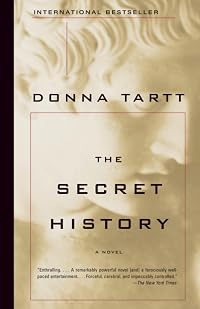
The Secret History
by Donna Tartt
On This Page
Description
Under the influence of their charismatic classics professor, a group of clever, eccentric misfits at an elite New England college discover a way of thinking and living that is a world away from the humdrum existence of their contemporaries. But when they go beyond the boundaries of normal morality their lives are changed profoundly and forever, and they discover how hard it can be to truly live and how easy it is to kill.Tags
Recommendations
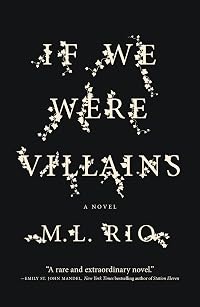
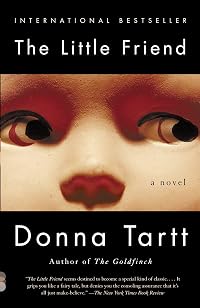
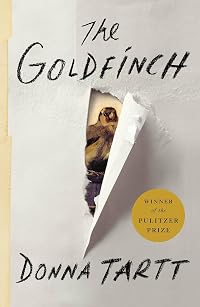
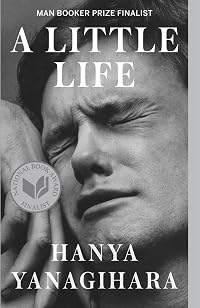
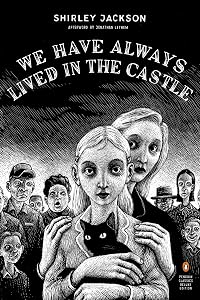
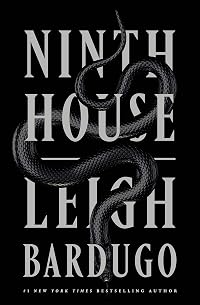
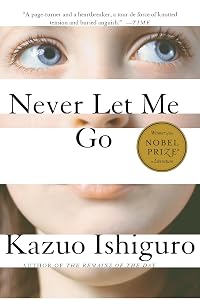
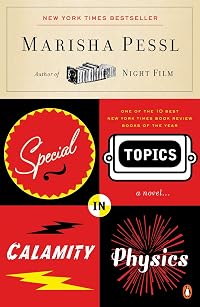
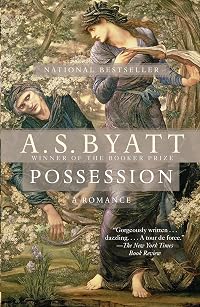
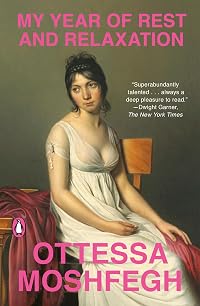
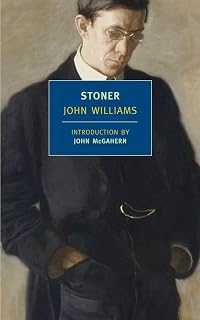
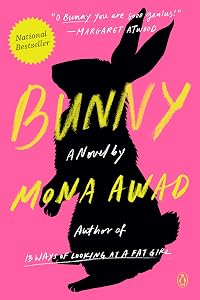
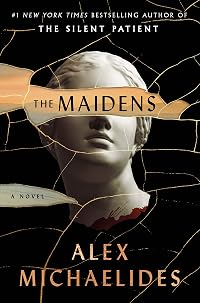
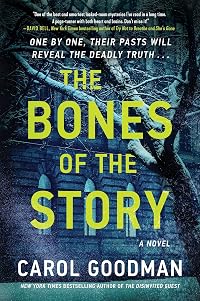
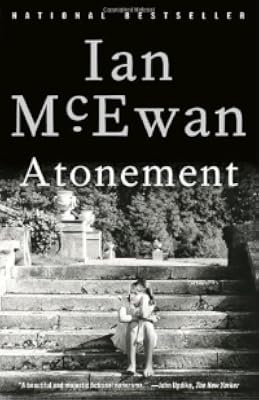
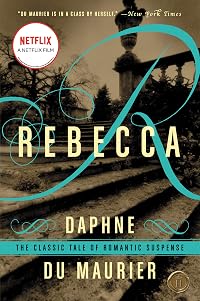
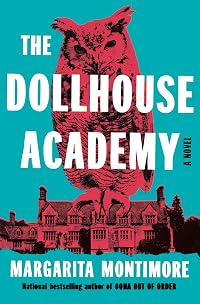
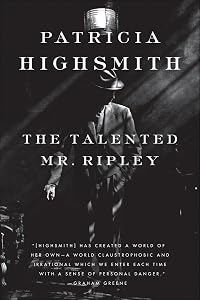


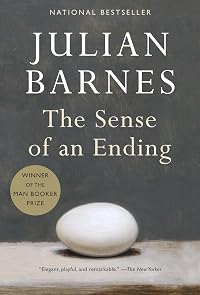
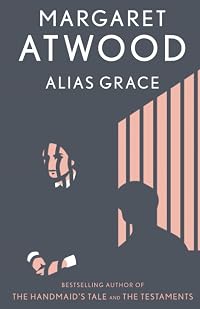
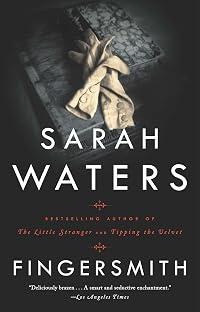
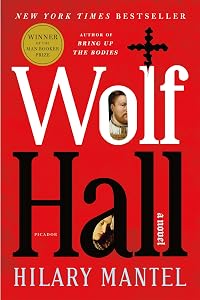
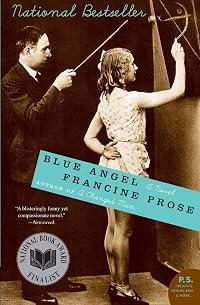
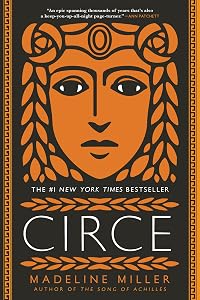
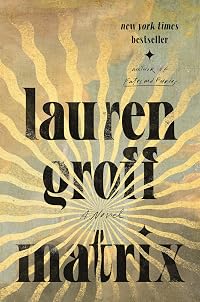
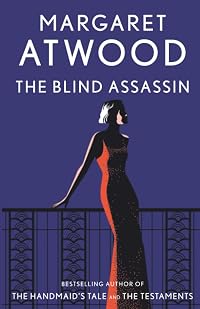
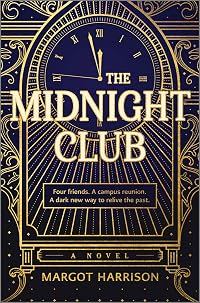
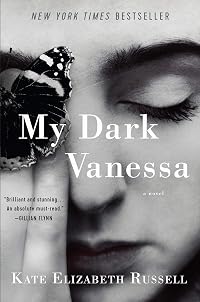
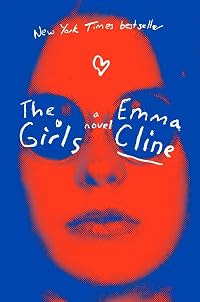
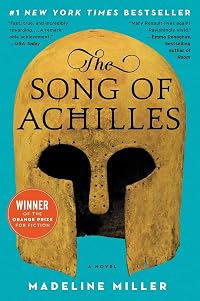
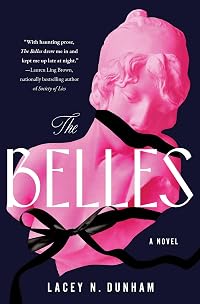
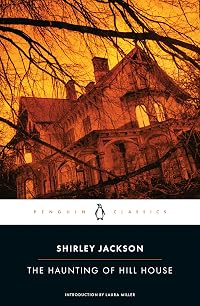
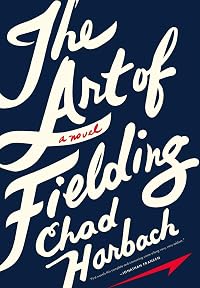
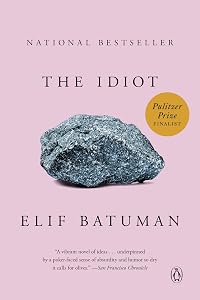
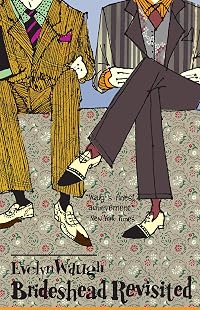
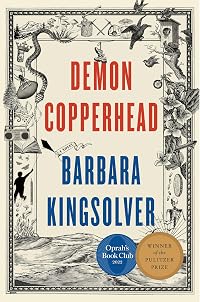
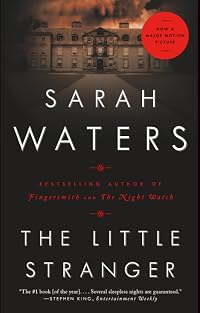
Member Recommendations
tangentialine Same sense of the mysterious, same sense of intense psychological speculation.
171
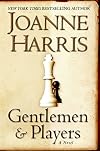
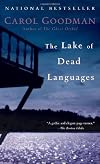

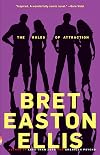
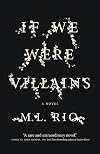
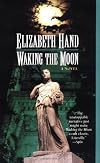
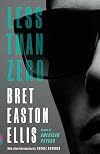
Vulco1 A look at elitist rich kids who get in over their heads and spiral out of control.
20
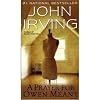
urban_lenny Similar New England setting, some similarities between the characters of Owen and Bunny, both stories told with the foreshadowing of death.
20
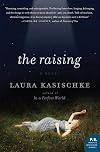
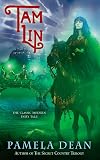
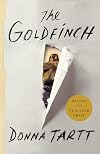
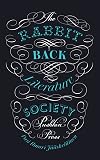
Becchanalia Slow uncovering of a dark secret amongst a tight-knit group of friends. Lots of snow.
10

BookshelfMonstrosity Something disturbing sometimes happens when young people congregate. These gothic tales feature young, bohemian, and intellectual characters becoming caught up in relationships that lead to tragic results.
10
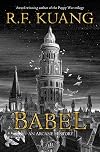
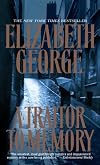

Bookmarque Reminiscent because of the group of students, but this murder is more shrouded and the supporting characters more distinct.
Also recommended by KayCliff
10
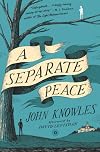
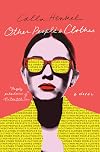
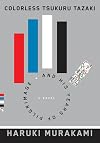
by anonymous user

CyberRational Named as an inspiration by Donna Tartt.
04
by anonymous user

Fall by Colin McAdam
by kraaivrouw

Astute360 Both have a destructive friend group under the influence of a lecturer(Rabbi) and a genius
Member Reviews
Point blank: I loved this.
Dealing with young and bratty misfits engrossed in pagan philosophies, and for whom a bacchanal will dramatically turn into a tragedy, Donna Tartt drags us here into the coldest depths of human psychology (violence, betrayal, deceit). From the selfish pride of a bunch of kids believing themselves superior just because they've read their classics to the drunken scenes full of sex and drugs we associate with the life of silly students, she also sprinkles her plot with a wry and dark sense of humour.
'The Secret History', a mix of tragedy and dark comedy where Euripides meets a youth smoking weed is all at once brutal, pathetic, and funny.
The atmosphere, the erudition, the straightforward writing style, the show more tension enduring up to a finale as surprising as it is staggering... This book is impossible to put down! show less
Dealing with young and bratty misfits engrossed in pagan philosophies, and for whom a bacchanal will dramatically turn into a tragedy, Donna Tartt drags us here into the coldest depths of human psychology (violence, betrayal, deceit). From the selfish pride of a bunch of kids believing themselves superior just because they've read their classics to the drunken scenes full of sex and drugs we associate with the life of silly students, she also sprinkles her plot with a wry and dark sense of humour.
'The Secret History', a mix of tragedy and dark comedy where Euripides meets a youth smoking weed is all at once brutal, pathetic, and funny.
The atmosphere, the erudition, the straightforward writing style, the show more tension enduring up to a finale as surprising as it is staggering... This book is impossible to put down! show less
The first thing you should be aware of is that everyone in this book is a dickhead. Even our narrator - the least offensive character - is a bit of a prick. The murder victim, motive, and the killers are outed by our narrator in the first chapter (hint: it's the narrator and his friends). So what's the point of a murder mystery novel where we already know whodunnit? The mystery isn't in the murder - it's in the murderers. The book is part philosophical treatise on human nature, part university slice-of-life, and part coming-of-age (kind of).
And what a thrill ride. Even though everyone in this book is someone you don't want to be associate yourself with IRL, everyone - even the overcooked druggie kind-of-friend - is a thoroughly show more sympathetic character. Donna Tartt, put simply, made me empathise with a bunch of burnt-out, snobby, too-self-sure Classics students at a pompous Liberal arts university in the American Northeast. Who killed their friend, by the way. Despite being the central core of the book, the murder is a backseat to the narrator and his friends - a clique of pseudo-outcasts - and how they amble around each other and their straining relationships to both themselves and each other.
The murder, rather than forcing never-ending guilt on our lovable bloodthirsty crew, forces them to confront the fact it wasn't just their comrade that went down that ravine. Or perhaps not. Despite being intelligent, articulate persons; our cast are just too smart to understand themselves, and it is from this disconnect that Tartt exploits. She weaves parables from Ancient Greece as easily as she does references to contemporary (… 1990s) culture.
It is a testament to her writing that this book feels timeless. I didn't realise this novel was set in the early 90s until I checked the copyright page in the front of the book. While I am sure the introduction of mobile phones and social media would have changed the entire story significantly, it wouldn't change what the book is about, per se: what is the self, when one sacrifices the self to the group?
Despite the book being over 600 pages long, it felt like Tartt wrote enough. This isn't a book you should read over a few days. Give it a week to settle in your head. Her writing, so vivid and yet so understated, made me feel like I was another student at their university who just happened to be disembodied enough to observe everything.
But, as I said at the start: everyone in this book is an absolute dickhead. Possibly even you. show less
And what a thrill ride. Even though everyone in this book is someone you don't want to be associate yourself with IRL, everyone - even the overcooked druggie kind-of-friend - is a thoroughly show more sympathetic character. Donna Tartt, put simply, made me empathise with a bunch of burnt-out, snobby, too-self-sure Classics students at a pompous Liberal arts university in the American Northeast. Who killed their friend, by the way. Despite being the central core of the book, the murder is a backseat to the narrator and his friends - a clique of pseudo-outcasts - and how they amble around each other and their straining relationships to both themselves and each other.
The murder, rather than forcing never-ending guilt on our lovable bloodthirsty crew, forces them to confront the fact it wasn't just their comrade that went down that ravine. Or perhaps not. Despite being intelligent, articulate persons; our cast are just too smart to understand themselves, and it is from this disconnect that Tartt exploits. She weaves parables from Ancient Greece as easily as she does references to contemporary (… 1990s) culture.
It is a testament to her writing that this book feels timeless. I didn't realise this novel was set in the early 90s until I checked the copyright page in the front of the book. While I am sure the introduction of mobile phones and social media would have changed the entire story significantly, it wouldn't change what the book is about, per se: what is the self, when one sacrifices the self to the group?
Despite the book being over 600 pages long, it felt like Tartt wrote enough. This isn't a book you should read over a few days. Give it a week to settle in your head. Her writing, so vivid and yet so understated, made me feel like I was another student at their university who just happened to be disembodied enough to observe everything.
But, as I said at the start: everyone in this book is an absolute dickhead. Possibly even you. show less
I was talking about this book, and how it's one of my favourites, and one of my friends said they didn't "get" it. Which makes sense. This is certainly the type of book you either get or you don't. There's no real moral, and justice is never served. If you're looking for a lesson, a raison d'etre, you won't find it here. What you will find is horrible people doing horrible things, and sociopaths destroying the world around them, only so they can finally feel something. In many ways, this is a book about boredom, about pushing the limits, about finding a reason to live in a world where there is nothing.... nothing.... nothing.
If you love lush writing, terrible people you can't help but love, and anything in the Classical tradition, then show more you must give this book a shot. It's beautiful in a way that would ruin it to say-- chilling, and cold, and thoroughly disturbingly wonderful. show less
If you love lush writing, terrible people you can't help but love, and anything in the Classical tradition, then show more you must give this book a shot. It's beautiful in a way that would ruin it to say-- chilling, and cold, and thoroughly disturbingly wonderful. show less
The Prime of Miss Jean Brodie meets murder mystery in this novel set at a small Vermont college. Californian transfer student Richard Papen persuades unconventional professor Julian Morrow to accept him as one of the elite group of students that he tutors in the classics. Richard joins twins Charles and Camilla, Francis, Henry, and Edmund “Bunny” who have already bonded as a unit. The book starts with Richard and the other four immediately after they have murdered Bunny. The first half of the book reveals what led to the murder, while the last half shows what happened afterward. I have a strong preference for whodunits and I’m not particularly fond of psychological mysteries or whydunits. The academic setting and Tartt’s show more storytelling captured and held my attention despite all the elements I usually dislike in a mystery. There’s a reason that there is a library waitlist for a book published more than 30 years ago. show less
The Secret History is smart, well-written, and slightly overheated high melodrama, but mostly of the delicious, page-turner variety. I can't imagine why I didn't read this back when it was published, and came to it by way of The Goldfinch, but it was still a pleasure to get lost in Tartt's first fictional world twenty-odd years later. I feel like I have been on a bit of bender with The Secret History's hard-drinking, pill-popping, trouble-finding characters, but I definitely enjoyed the ride.
First, a note about the error in the prologue. "Four of us" is incorrect; there's five people in the scene, no one is missing. I mistakenly spent half the book anticipating which one wasn't going to show up.
The fictional Hampden College is like a miniature Oxford placed in a northern Vermont setting. The students in question form a sort of Loners Club, outsiders who don't fit any of the usual boxes. The narrator can relate and gets himself made a member, just in time to be involved in what unfolds: the murder of one of their own. This unusual clique of outsiders stands aloof from the party-goers, immersed in their studies, uncaring of finances or responsibilities but still personally responsible, all of them possessing interesting show more backgrounds and knowledge. It sounds like my idea of an ideal post-secondary educational study group, and so Robert finds it to be, until it isn't.
The origins of what goes wrong are easy to miss, barely dwelt on in the narrative, but they form the heart of the novel - the 'fatal flaw', the wish to go beyond all controls. The majority of them being spoiled rich kids who can do as they please and needn't even graduate if they so choose, control is something they all despise. But there is also some hint that the wish is tied to the nature of their studies in Greek. It may be like what Ted Chiang explored in his sci-fi story "Story of Your Life". Veering too deeply into another culture's language also brings forth its world view and its dreams. Henry is most deeply sunk, and the idea comes from him.
While page count is spent largely on illuminating the characters, the plot reminds me strongly of Crime and Punishment: the swiftly conducted crime that is over in a moment, dominated by the drawn out punishment that comes as much or more from within as without. We're subjected as readers to every moment of dreaded build-up and contemplation of what these students decide needs to happen, followed by every moment of waiting for the consequences to unspool. Short of skipping pages, we're no more able than they are to skim past every petty and unwanted detail and the angst each of those details creates. The story develops a tension that is lacking in most murder stories. Besides the question of whether they'll get away with it, there is also the question of whether they can survive the mental health crisis it plunges them into when they have only each other to lean on.
This could be read as a grand metaphor for how student rebellion is all for naught, whatever its form and however extreme, because reality will still impose itself after graduation: doing what you must to keep on surviving, taking whatever job presents itself, marrying whomever comes along, looking after your family obligations. What matters more to one's survival than finding means of escaping reality is learning how best to live in it. show less
The fictional Hampden College is like a miniature Oxford placed in a northern Vermont setting. The students in question form a sort of Loners Club, outsiders who don't fit any of the usual boxes. The narrator can relate and gets himself made a member, just in time to be involved in what unfolds: the murder of one of their own. This unusual clique of outsiders stands aloof from the party-goers, immersed in their studies, uncaring of finances or responsibilities but still personally responsible, all of them possessing interesting show more backgrounds and knowledge. It sounds like my idea of an ideal post-secondary educational study group, and so Robert finds it to be, until it isn't.
The origins of what goes wrong are easy to miss, barely dwelt on in the narrative, but they form the heart of the novel - the 'fatal flaw', the wish to go beyond all controls. The majority of them being spoiled rich kids who can do as they please and needn't even graduate if they so choose, control is something they all despise. But there is also some hint that the wish is tied to the nature of their studies in Greek. It may be like what Ted Chiang explored in his sci-fi story "Story of Your Life". Veering too deeply into another culture's language also brings forth its world view and its dreams. Henry is most deeply sunk, and the idea comes from him.
While page count is spent largely on illuminating the characters, the plot reminds me strongly of Crime and Punishment: the swiftly conducted crime that is over in a moment, dominated by the drawn out punishment that comes as much or more from within as without. We're subjected as readers to every moment of dreaded build-up and contemplation of what these students decide needs to happen, followed by every moment of waiting for the consequences to unspool. Short of skipping pages, we're no more able than they are to skim past every petty and unwanted detail and the angst each of those details creates. The story develops a tension that is lacking in most murder stories. Besides the question of whether they'll get away with it, there is also the question of whether they can survive the mental health crisis it plunges them into when they have only each other to lean on.
This could be read as a grand metaphor for how student rebellion is all for naught, whatever its form and however extreme, because reality will still impose itself after graduation: doing what you must to keep on surviving, taking whatever job presents itself, marrying whomever comes along, looking after your family obligations. What matters more to one's survival than finding means of escaping reality is learning how best to live in it. show less
“Does such a thing as ‘the fatal flaw, that showy dark crack running down the middle of a life, exist outside literature? I used to think it didn’t. Now I think it does. And I think that mine is this: a morbid longing for the picturesque at all costs.”
Every autumn, The Secret History finds its way back into readers’ hands. It’s become almost a seasonal ritual — the book of crisp air, candlelight, and fallen leaves. And yet, somehow, I hadn’t read it until now.
The Secret History by Donna Tartt follows Richard Papen, a young man who leaves behind a dull Californian life to study at a small Vermont college, where he becomes part of an elite group of Classics students under the enigmatic Professor Julian Morrow. What begins show more as a pursuit of beauty and intellectual purity soon unravels into deception, moral decay, and murder. Tartt’s debut novel is both a psychological portrait of obsession and a chilling study of how ideals can corrupt as much as they inspire.
For once, the hype is absolutely justified.
“The air was musty with far-off bonfire, sharp with the edge of a twilight chill. There was no noise but the crunch of our shoes on the gravel path, the whistle of the wind in the pines.”
“I was unused to those dreary autumn twilights, to chill and early dark; the nights fell too quickly and the hush that settled on the meadow in the evening filled me with a strange, tremulous sadness.”
First things first. The aestheticism of the novel is nothing short of outstanding. Few books capture atmosphere as completely as The Secret History. Tartt writes autumn not as a backdrop, but as a state of being — beautiful, unsettling, and impossible to escape. There is an atmosphere of cosiness that both soothes and disturbs. The same firelit nights that seem to promise camaraderie can just as easily harbour guilt and anguish. The smell of apples, the bonfires, the crunching leaves, the moonlight, the birch trees and the misty air — and then, the old clock towers, the ravens, the graveyards, the early darkness. This is autumn within the pages of a book: beauty married to decay. The beauty and serenity of autumn conceal a deep rot. The theme of beauty is everywhere. It lulls us into security while darkness approaches, its Romanticism walking hand in hand with corruption.
It is in seeking beauty that we witness the everlasting struggle between the Classical and the Modern mind — when solitude becomes unbearable, so unbearable that we are willing to lay down our defences and allow the clique to swallow us whole. It is beauty that whispers; it is silence that demands civility and complacency. Tartt manages to name-drop to perfection when she invokes the Borgias and the Medicis, Greek and Roman myths, Galileo and Shakespeare, Beckett and the Jacobean playwrights, weaving a rare and seamless intertextuality. For those who have read extensively, the metaphors are both telling and stupendous.
“Nowhere, ever, have the hideous mechanics of birth and copulation and death — those monstrous upheavals of life that the Greeks call miasma, defilement — been so brutal or been painted up to look so pretty; have so many people put so much faith in lies and mutability and death death death.”
The novel suggests that death may be nothing more than the starting point of our lives. Think of it: from the moment we are born, we are programmed to die. We are drawn to images of violence and death — we cry and marvel before the Pietà and the Deposition, works of art that depict the darkest moment in human history: the death of God. And yet, we do not turn away. We may flinch, yes, but we remain there, transfixed, facing the end with quiet acceptance. But the Pietà leads to redemption. In Tartt’s world, there is no redemption. No remorse. Guilt, yes — but never repentance. We are attracted to the dark, to the forbidden, and once we taste it, we want more. And more. Once we take pleasure, the moral boundary dissolves; it disappears. Evil rarely feels evil. It feels necessary. Tartt does not moralise, nor does she preach. She simply presents and holds the mirror to our most primitive human instincts. Nihil sub sole novum — nothing new under the sun. Every generation dresses sin in new language, but the impulses remain. Once we die inside, we die forever.
''I wished I could stop myself from thinking.''
Richard is the definition of the unreliable narrator, however sympathetic he may be. Lying is his defence mechanism — his way of coping with a disappointing, unsupportive family environment. He remains silent, he omits, he re-remembers. Emily Brontë wrote that “thoughts are tyrants that return again and again to torment us.” Richard aptly demonstrates that thinking itself is torment. To think is to have a conscience; to think is to invite the Furies and their screams. The group’s secrets are born through thought and fester in silence and self-preservation. Betrayal and deception are their twin offspring.
''She was a living reverie for me: the mere sight of her sparked an almost infinite range of fantasy, from Greek to Gothic, from vulgar to divine.''
The novel overflows with dark sensuality and restrained eroticism, and nowhere is this clearer than in the character of Camilla, the quiet observer. She embodies the duality that men long to perceive in women: the Madonna and the Adulteress, the sensual and the profound, the Klytemnestra and the Eurydice. The ancient Greeks attributed dark deeds to divine madness — the Bacchic frenzy that defied the norms of society and revealed the rawest instincts of human nature. Camilla becomes the embodiment of that quiet obsession, the ache that nests in our hearts but which we neither dare to acknowledge nor give voice to. And this ache, this obsession, devours us — and still, we beg for more.
‘’I never got used to the way the horizon there could just erase itself and leave you marooned, adrift, in an incomplete dreamscape that was like a sketch for the world you knew - the outline of a single tree standing in for a grove, lamp posts and chimneys floating up and out of context before the surrounding canvas was filled in - and amnesia-land, a kind of skewed Heaven where the old landmarks were recognizable but spaced out far-apart, and disarranged, and made terrible by the emptiness around them.’’
Everything feels painted in sepia or deep, dark wine and earthly colours. These young people aren’t satisfied with society’s demands of a proper 9-5 life without passion, trapped in lukewarm marriages - let us NOT kid ourselves- and duties dictated by the norm. They are like those of us who venture because we have the brains and the guts to listen to our feelings. They are desperately trying to shed their skin, fixated to escape all ‘musts’ imposed by everyone else but themselves. It is an alluring thought. Why should it feel so absurd?
In the end, our lives are stories. We tell stories, we read stories, we write stories. To forget our world, to express what we can’t utter out loud. We turn our fears into stories. We turn our desires into stories. The question is whether we have an audience or we are just voices crying into the wilderness. Yes, good people do bad deeds. Morality is fragile.
Is Morality written in stone?
This is the most lyrical, bittersweet ode to lost innocence. This is a Contemporary Classic. Unparalleled. This IS Literature.
‘’One likes to think there is something in it, that old platitude amor vincit omnia. But if I’ve learned one thing in my short sad life, it is that particular platitude is a lie. Love doesn’t conquer everything. And whoever thinks it does is a fool.’’
My reviews can also be found on https://theopinionatedreaderblog.wordpress.com/ show less
Every autumn, The Secret History finds its way back into readers’ hands. It’s become almost a seasonal ritual — the book of crisp air, candlelight, and fallen leaves. And yet, somehow, I hadn’t read it until now.
The Secret History by Donna Tartt follows Richard Papen, a young man who leaves behind a dull Californian life to study at a small Vermont college, where he becomes part of an elite group of Classics students under the enigmatic Professor Julian Morrow. What begins show more as a pursuit of beauty and intellectual purity soon unravels into deception, moral decay, and murder. Tartt’s debut novel is both a psychological portrait of obsession and a chilling study of how ideals can corrupt as much as they inspire.
For once, the hype is absolutely justified.
“The air was musty with far-off bonfire, sharp with the edge of a twilight chill. There was no noise but the crunch of our shoes on the gravel path, the whistle of the wind in the pines.”
“I was unused to those dreary autumn twilights, to chill and early dark; the nights fell too quickly and the hush that settled on the meadow in the evening filled me with a strange, tremulous sadness.”
First things first. The aestheticism of the novel is nothing short of outstanding. Few books capture atmosphere as completely as The Secret History. Tartt writes autumn not as a backdrop, but as a state of being — beautiful, unsettling, and impossible to escape. There is an atmosphere of cosiness that both soothes and disturbs. The same firelit nights that seem to promise camaraderie can just as easily harbour guilt and anguish. The smell of apples, the bonfires, the crunching leaves, the moonlight, the birch trees and the misty air — and then, the old clock towers, the ravens, the graveyards, the early darkness. This is autumn within the pages of a book: beauty married to decay. The beauty and serenity of autumn conceal a deep rot. The theme of beauty is everywhere. It lulls us into security while darkness approaches, its Romanticism walking hand in hand with corruption.
It is in seeking beauty that we witness the everlasting struggle between the Classical and the Modern mind — when solitude becomes unbearable, so unbearable that we are willing to lay down our defences and allow the clique to swallow us whole. It is beauty that whispers; it is silence that demands civility and complacency. Tartt manages to name-drop to perfection when she invokes the Borgias and the Medicis, Greek and Roman myths, Galileo and Shakespeare, Beckett and the Jacobean playwrights, weaving a rare and seamless intertextuality. For those who have read extensively, the metaphors are both telling and stupendous.
“Nowhere, ever, have the hideous mechanics of birth and copulation and death — those monstrous upheavals of life that the Greeks call miasma, defilement — been so brutal or been painted up to look so pretty; have so many people put so much faith in lies and mutability and death death death.”
The novel suggests that death may be nothing more than the starting point of our lives. Think of it: from the moment we are born, we are programmed to die. We are drawn to images of violence and death — we cry and marvel before the Pietà and the Deposition, works of art that depict the darkest moment in human history: the death of God. And yet, we do not turn away. We may flinch, yes, but we remain there, transfixed, facing the end with quiet acceptance. But the Pietà leads to redemption. In Tartt’s world, there is no redemption. No remorse. Guilt, yes — but never repentance. We are attracted to the dark, to the forbidden, and once we taste it, we want more. And more. Once we take pleasure, the moral boundary dissolves; it disappears. Evil rarely feels evil. It feels necessary. Tartt does not moralise, nor does she preach. She simply presents and holds the mirror to our most primitive human instincts. Nihil sub sole novum — nothing new under the sun. Every generation dresses sin in new language, but the impulses remain. Once we die inside, we die forever.
''I wished I could stop myself from thinking.''
Richard is the definition of the unreliable narrator, however sympathetic he may be. Lying is his defence mechanism — his way of coping with a disappointing, unsupportive family environment. He remains silent, he omits, he re-remembers. Emily Brontë wrote that “thoughts are tyrants that return again and again to torment us.” Richard aptly demonstrates that thinking itself is torment. To think is to have a conscience; to think is to invite the Furies and their screams. The group’s secrets are born through thought and fester in silence and self-preservation. Betrayal and deception are their twin offspring.
''She was a living reverie for me: the mere sight of her sparked an almost infinite range of fantasy, from Greek to Gothic, from vulgar to divine.''
The novel overflows with dark sensuality and restrained eroticism, and nowhere is this clearer than in the character of Camilla, the quiet observer. She embodies the duality that men long to perceive in women: the Madonna and the Adulteress, the sensual and the profound, the Klytemnestra and the Eurydice. The ancient Greeks attributed dark deeds to divine madness — the Bacchic frenzy that defied the norms of society and revealed the rawest instincts of human nature. Camilla becomes the embodiment of that quiet obsession, the ache that nests in our hearts but which we neither dare to acknowledge nor give voice to. And this ache, this obsession, devours us — and still, we beg for more.
‘’I never got used to the way the horizon there could just erase itself and leave you marooned, adrift, in an incomplete dreamscape that was like a sketch for the world you knew - the outline of a single tree standing in for a grove, lamp posts and chimneys floating up and out of context before the surrounding canvas was filled in - and amnesia-land, a kind of skewed Heaven where the old landmarks were recognizable but spaced out far-apart, and disarranged, and made terrible by the emptiness around them.’’
Everything feels painted in sepia or deep, dark wine and earthly colours. These young people aren’t satisfied with society’s demands of a proper 9-5 life without passion, trapped in lukewarm marriages - let us NOT kid ourselves- and duties dictated by the norm. They are like those of us who venture because we have the brains and the guts to listen to our feelings. They are desperately trying to shed their skin, fixated to escape all ‘musts’ imposed by everyone else but themselves. It is an alluring thought. Why should it feel so absurd?
In the end, our lives are stories. We tell stories, we read stories, we write stories. To forget our world, to express what we can’t utter out loud. We turn our fears into stories. We turn our desires into stories. The question is whether we have an audience or we are just voices crying into the wilderness. Yes, good people do bad deeds. Morality is fragile.
Is Morality written in stone?
This is the most lyrical, bittersweet ode to lost innocence. This is a Contemporary Classic. Unparalleled. This IS Literature.
‘’One likes to think there is something in it, that old platitude amor vincit omnia. But if I’ve learned one thing in my short sad life, it is that particular platitude is a lie. Love doesn’t conquer everything. And whoever thinks it does is a fool.’’
My reviews can also be found on https://theopinionatedreaderblog.wordpress.com/ show less
Members
- Recently Added By
Published Reviews
ThingScore 75
As a ferociously well-paced entertainment, ... "The Secret History" succeeds magnificently. Forceful, cerebral and impeccably controlled, "The Secret History" achieves just what Ms. Tartt seems to have set out to do: it marches with cool, classical inevitability toward its terrible conclusion.
added by SqueakyChu
Lists

1001 Books You Must Read Before You Die
1,448 works; 1,134 members

The Guardian's 1000 Novels Everyone Must Read
1,005 works; 550 members

Recommend the 20 best books you've read in the last five years
2,168 works; 606 members
BBC Big Read
191 works; 46 members

Best Contemporary Literary Fiction (Around the Last 30 Years)
388 works; 124 members

Female Author
1,235 works; 67 members

Favourite Books
1,819 works; 316 members

Top Five Books of 2013
1,562 works; 715 members

Best Campus Novels
99 works; 18 members

Best Crime Fiction
262 works; 39 members

Favorite Long Books
330 works; 42 members
20th Century Literature
1,161 works; 55 members
Best School Stories
219 works; 21 members

100 books to read in a lifetime
102 works; 37 members

Sense of place
156 works; 13 members

Unreliable Narrators
170 works; 43 members

Books That Will Keep You on the Edge of Your Seat
73 works; 20 members

Best Psychological Fiction
81 works; 16 members

100 Mysteries and Thrillers to Read in a Lifetime
99 works; 22 members

Dark Academia Novels
59 works; 11 members

Pleasant Surprises: Books That Exceeded Our Expectations
418 works; 143 members

New England Books
101 works; 10 members

Books I've Read More Than Once
602 works; 49 members

Scary Stories for the Season
160 works; 94 members

50 Books by Women Authors
50 works; 10 members

Best Friendship Stories
205 works; 16 members
Survey of Mysteries and Crime Fiction
96 works; 17 members

NPRs your picks: top 100 Killer Thrillers
100 works; 17 members

Nineties
43 works; 10 members

100 New Classics
101 works; 13 members

Crime and Mysteries to Read
746 works; 31 members

Unread books
1,063 works; 83 members

100 Best Thrillers of All Time
100 works; 6 members

Dark Books for Winter Reading
71 works; 11 members
LibraryThingers' 1001 Books You Must Read Before You Die
442 works; 30 members
Five star books
1,757 works; 108 members
BBC Big Read
100 works; 10 members
1,001 BYMRBYD Concensus
723 works; 27 members

1990s
309 works; 17 members

Contemporary Fiction
109 works; 7 members

Blue Pyramid 1,276 Best Books of All Time
1,248 works; 32 members

Top Five Books of 2014
1,064 works; 398 members

BBC Radio 4 Bookclub
340 works; 13 members
The American Experience
173 works; 18 members

A Novel Cure
742 works; 23 members
Page Turners
185 works; 11 members
TML 200 Best Books 1950-1999
202 works; 10 members
Best of American Literature
146 works; 9 members
Ten Books That Have Stayed With Me
160 works; 30 members

Top Five Books of 2017
757 works; 231 members

Books with Twins
175 works; 12 members

One Book, Many Authors
441 works; 40 members
Phi Beta Kappa reading list
260 works; 8 members

Books Read in 2017
4,249 works; 129 members

Academia in Fiction
158 works; 23 members

NPRs audience picks: 100 best beach reads
105 works; 12 members

Books About Murder
313 works; 7 members
Books tagged favorites
390 works; 30 members
Books Featured on Readers' Review of the Diane Rehm Show
161 works; 8 members
Books I Might Read More Than Once
2 works; 1 member

To Read - Literature / Fiction
26 works; 1 member

Books Read in 2023
5,547 works; 145 members
SHOULD Read Books!
354 works; 9 members
Literary Travelogue of the United States Challenge
133 works; 6 members
Overdue Podcast
806 works; 9 members

Recommended Horror and Dark Fiction by Women
81 works; 13 members
SantaThing 2014 Gifts
299 works; 17 members
First Novels
373 works; 17 members

Books Read in 2015
3,299 works; 129 members
Best Books of the 20th Century
193 works; 5 members

Secrets Books
94 works; 3 members

Thrillers
20 works; 3 members

Winter Books
8 works; 1 member

Scolaire
11 works; 1 member
Books Set in Vermont
24 works; 4 members
DELETE
48 works; 2 members

Most Frequently Tagged "Read in 2015"
70 works; 1 member

Favorite Books from the 1990s
32 works; 3 members

Books Read in 2022
5,168 works; 111 members
Booktok Books
69 works; 8 members

Books Read in 2008
335 works; 7 members
American Lit for Eng 11 Research Project
368 works; 6 members

Fiction: Crime, Detective, Mystery
350 works; 3 members

The Torchlight List
95 works; 1 member
Rereads list from my library
23 works; 1 member
Books in Riverdale
123 works; 3 members

Cult Classics
30 works; 1 member
Books I Read Before The Invention Of The Internet.
144 works; 1 member
Gen X Library
245 works; 4 members

READ in 2024
262 works; 1 member

Llibres que he llegit el 2024
77 works; 1 member
Books We Couldn't Put Down
443 works; 197 members

To Read
617 works; 7 members

.
194 works; 2 members

Books Read in 2025
4,091 works; 97 members
Books We Want To Read Again For The First Time
384 works; 160 members

Read with Jenna
91 works; 2 members

Wish List
9 works; 1 member
Books Read in 1992
8 works; 1 member

Top Five Books of 2025
954 works; 303 members

2025
42 works; 1 member
el
1,139 works; 1 member
.
396 works; 1 member
Goalhanger Book Club
18 works; 1 member
In Our Time books
4,934 works; 2 members

Books We Resisted Reading
178 works; 110 members
'Books You Can't Live Without: The Top 100', The Guardian, 2007
156 works; 7 members

Mustich's 1000 Books to Read Before You Die: A Life Changing List
1,001 works; 19 members
Stephen King's 'On Writing' reading list
95 works; 4 members
sad girl books
41 works; 2 members
Books for Fans of Stranger Things
84 works; 7 members

Books Read in 2018
4,360 works; 110 members

KayStJ's to-read list
1,616 works; 11 members

Books Read in 2019
4,052 works; 110 members
Contemporary Fiction
17 works; 2 members
Read These Too
458 works; 9 members

Books Read in 2012
816 works; 34 members

Biggest Disappointments
606 works; 168 members

ORCID Book list
27 works; 1 member

Books Read in 2021
5,361 works; 114 members

Books Read in 2010
631 works; 11 members

Best books I read in 2013
152 works; 3 members
Books We Love to Reread
688 works; 296 members
Autumn books
31 works; 8 members

Recommended Literary Books
111 works; 1 member

sad girl books
51 works; 3 members
books featured on the book struggles twt
97 works; 2 members

Secret Histories
28 works; 8 members
Books With Our Favorite First Lines
168 works; 104 members
Franklit
95 works; 1 member
Queen Camilla's Reading Room
65 works; 6 members
Book of the Month Selections 2016 to Present
130 works; 5 members

The Atlantic's The Great American Novel
136 works; 12 members

The 100 Best Crime Novels and Thrillers since 1945
100 works; 6 members

The Modern Library (The Two Hundred Best Novels....
202 works; 1 member
Talk Discussions
Past Discussions
Thriller - group of friends killed their friend in Name that Book (October 2020)
Author Information

16+ Works 51,835 Members
Donna Tartt was born in Greenwood, Mississippi on December 23, 1963. She wrote her first novel while attending Bennington College, where she graduated in 1986. The novel, The Secret History, was published in 1992. Her other works include The Little Friend, which won the WH Smith Literary Award in 2003, and The Goldfinch, which won the Pulitzer show more Prize in 2014 for Best Fiction, the National Book Critics Circle Award in 2013 and the Andrew Carnegie Medal for Excellence for Fiction. In 2014, Time named Tartt among their 100 Most Influential People. (Bowker Author Biography) show less
Some Editions
Awards and Honors
Awards
Distinctions
Notable Lists
Series
Belongs to Publisher Series
Work Relationships
Is contained in
Has as a reference guide/companion
Has as a study
Has as a supplement
Has as a student's study guide
Common Knowledge
- Canonical title*
- De verborgen geschiedenis
- Original title
- The secret history
- Alternate titles*
- Тайная история
- Original publication date
- 1992
- People/Characters
- Richard Papen; Julian Morrow; Edmund "Bunny" Corcoran; Camilla Macauley; Charles Macauley; Francis Abernathy (show all 50); Henry Winter; Judy Poovey; Agent Harvey Davenport; Beth; Brady Corcoran; Bram Guernsey; Chris; Cloke Rayburn; Detective Sciola; Dick Spence; Dr. Cabrini; Dr. Blind; Dr. Roland; Frank; Georges Laforgue; Holly Goldsmith; Hugh Corcoran; Jack Teitelbaum; John Deacon; Jud "Party Pig" McKenna; Kathy Corcoran; Laura Stora; Leo; Lisa Corcoran (Hugh's Wife); Lisa Corcoran (Ted's Wife); Macdonald "Mack" Corcoran; Marion Barnbridge; Martin Hoffer; Miss Gaultier; Mona Beale; Mr. Hatch; Mr. McNatt; Mrs. Hatch; Mrs. McNatt; Mrs. O'Rourke; Olivia Abernathy; Patrick Corcoran; Paul Vanderfeller; Priscilla Abernathy; Rooney Wynne; Sophie Dearbold; Ted Corcoran; Tracy; William Hundy
- Important places
- Hampden College, Vermont, USA; Plano, California, USA; New England, USA; Vermont, USA; California, USA; Connecticut, USA (show all 7); USA
- Epigraph
- Come then, and let us pass a leisure hour in storytelling, and our story shall be the education of our heroes.
— PLATO,
Republic, Book II
I enquire now as to the genesis of a philologist and assert the following:
1. A young man cannot possibly know what Greeks and Romans are.
2. He does not know whether he is suited for finding out about them.
— FR... (show all)IEDRICH NIETZSCHE,
Unzeitgemässe Betrachtungen - Dedication
- For Bret Easton Ellis,
whose generosity will never cease to warm my heart;
and for Paul Edward McGloin,
muse and Maecenas,
who is the dearest friend I will ever have in this world. - First words
- The snow in the mountains was melting and Bunny had been dead for several weeks before we came to understand the gravity of our situation. He'd been dead for ten days before they found him, you know. It was one of the biggest... (show all) manhunts in Vermont history - state troopers, the FBI, even an army helicopter; the college closed, the dye factory in Hampden shut down, people caming from New Hampshire, upstate New York, as far away as Boston. -Prologue
Does such a thing as "the fatal flaw," that showy dark crack running down the middle of a life, exist outside literature? I used to think it didn't. Now I think it does. And I think that mine is this: a morbid longing for the... (show all) picturesque at all costs. -Chapter 1 - Quotations
- ...how I longed to be an orphan when I was a child!
[They were] sitting at a table that was spread with papers and pens and bottles of ink. The bottles of ink I remember particularly, because I was very charmed by them, and by the long black straight pens, which looked incredi... (show all)bly archaic and troublesome.
[The tutor] reached for a pen in a cup on his desk; amazingly, it was full of Montblanc fountain pens, Meisterstucks, at least a dozen of them.
"Guess what," said Bunny, "Henry bought himself a Montblanc pen." ... He nodded at the cup of sleek black pens that sat on Julian's desk. "How much are those things worth? ... Three hundred bucks a pop? ... I remember when yo... (show all)u used to say how ugly they were. You used to say you'd never write with a thing in your life but a straight pen." ... Bunny picked [the pen] up and turned it back and forth in his fingers. "It's like the fat pencil I used to use in first grade," he said. ... "Now, what kind of pens do we all use here? Francois, you're a nib-and-bottle man like myself, no? ... and you, Robert? What sort of pens did they teach you to use in California?" "Ball points," I said. - Last words
- (Click to show. Warning: May contain spoilers.)I watched his back receding down the long, gleaming hall.
- Publisher's editor*
- Rizzoli
- Blurbers
- Grisham, John; McInerney, Jay; Rendell, Ruth
- Original language
- English
- Canonical DDC/MDS
- 813.54
- Canonical LCC
- PS3570.A657
*Some information comes from Common Knowledge in other languages. Click "Edit" for more information.
Classifications
Statistics
- Members
- 25,248
- Popularity
- 185
- Reviews
- 647
- Rating
- (4.06)
- Languages
- 24 — Bulgarian, Catalan, Chinese, Danish, Dutch, English, Estonian, Finnish, French, German, Greek, Hungarian, Italian, Lithuanian, Norwegian (Bokmål), Polish, Romanian, Russian, Slovenian, Spanish, Swedish, Turkish, Ukrainian, Portuguese (Portugal)
- Media
- Paper, Audiobook, Ebook
- ISBNs
- 151
- ASINs
- 46