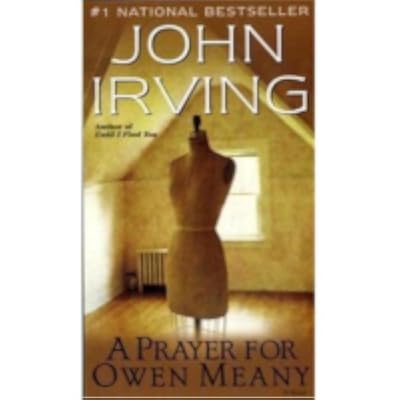
A Prayer for Owen Meany
by John Irving
On This Page
Description
In the summer of 1953, two 11-year-old boys--best friends--are playing in a Little League baseball game in New Hampshire. One of the boys hits a foul ball that kills his best friend's mother. Owen Meany believes he didn't hit the ball by accident. He believes he is God's instrument. What happens to Owen after 1953 is extraordinary and terrifying. He is Irving's most heartbreaking hero.Tags
Recommendations

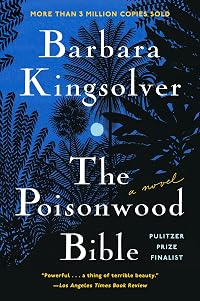
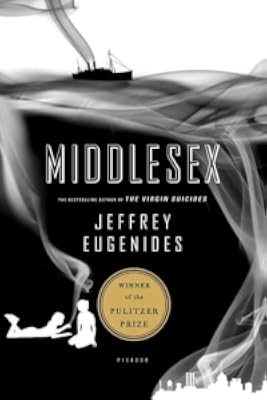
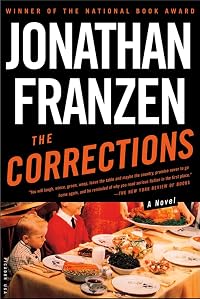
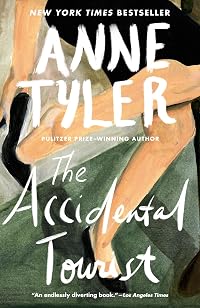


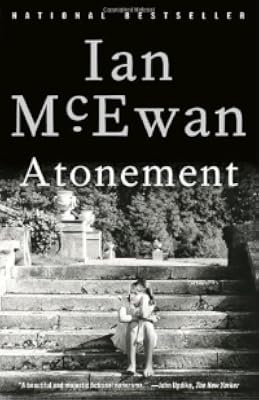
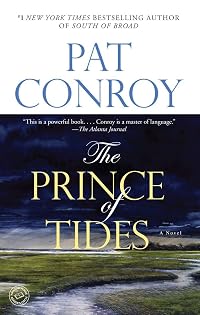
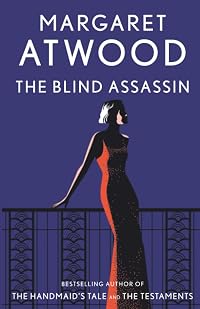
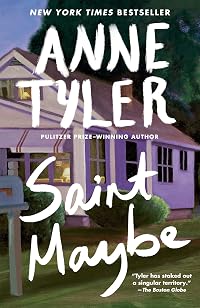

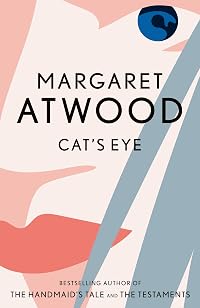
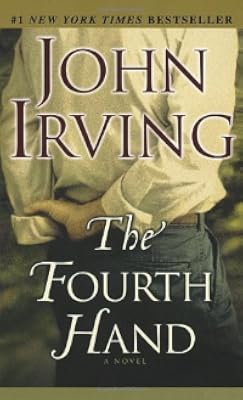
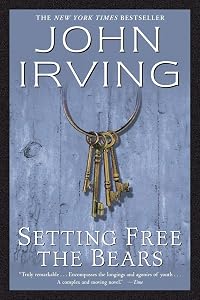
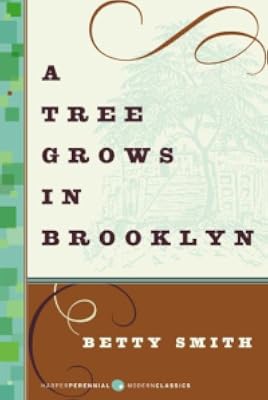

Member Recommendations
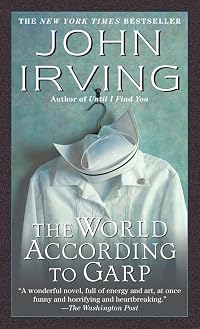
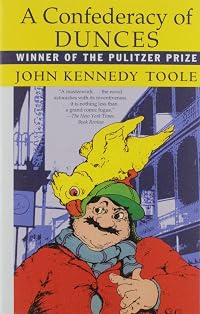
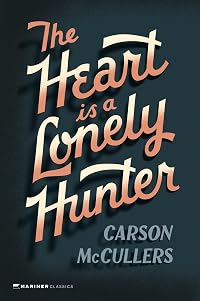
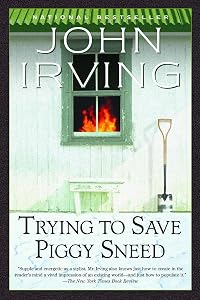
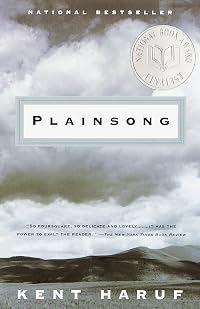
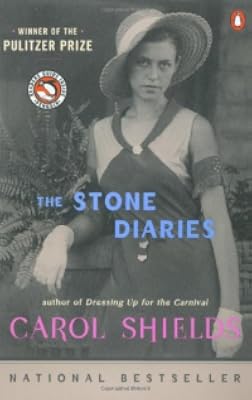
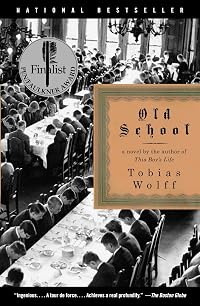
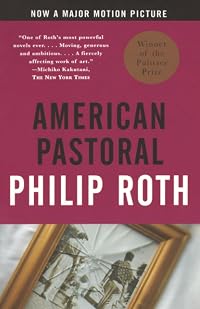
dele2451 Garp and Owen would make a great literary double feature. I wish I didn't have to wait so many years between reading both of these wonderful books.
133


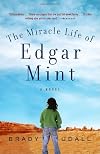
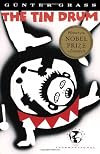
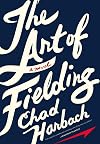
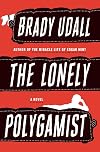
sruszala The style--many characters, complicated but compelling story, the humor--all remind me of John Irving
11
krazy4katz Both works have elements of religion and belief. They are both mystical in very different ways.
12
potenza Similar peculiar, poignant central character
Member Reviews
Owen Meany's best friend John narrates the story as an adult. He reflects on their childhood together and how he has grown bitter over the years; you slowly learn why as his story unfolds. The story takes place in the middle of the 20th century and takes you from a small New England town to a boarding school to Canada.
The characters in this book are just wonderful. John's single mother is the perfect balance of strength and grace. His grandmother is a pip and her unlikely friendship with Owen is odd, but somehow works. Owen himself is like no other character I've ever read about. He is tiny, physically stunted, but has a strange voice and a commanding presence. He believes he was created for a specific purpose, though he doesn't know show more what that is. He is fiercely intelligent with a self-deprecating wit and unwavering loyalty.
I've heard some people complain about the length, but for me it was perfect. It allowed me to revel in the story, get acquainted with the characters. The funny thing is, as much as I loved this book, I certainly haven't loved everything by Irving. So don't be put off from it if you haven't liked his other work.
A small section of this book was turned into the movie Simon Birch a few years back. I thought that because I'd seen the movie I knew what to expect. Turns out the film covers only a small slice of the plot and distorts even that section. It's not a bad movie, but it barely scratched the surface.
The novel deals with friendship, love, religion, fate, guilt, forgiveness, faith, destiny, and so much more. It's part coming-of-age, part coming to terms with the past. With all of those intense issues you would think this book would be awfully serious, but it's so funny. Owen provides a steady stream of humor both intentionally and unintentionally.
For me this was a strange book, but one that I found myself reflecting on months later. I would think about different characters and scenes and marvel at how well executed the whole thing was. It's an odd premise and it could easily have come across as gimmicky, but Irving avoided those pitfalls and instead, gave us one of the most memorable characters in modern literature. show less
The characters in this book are just wonderful. John's single mother is the perfect balance of strength and grace. His grandmother is a pip and her unlikely friendship with Owen is odd, but somehow works. Owen himself is like no other character I've ever read about. He is tiny, physically stunted, but has a strange voice and a commanding presence. He believes he was created for a specific purpose, though he doesn't know show more what that is. He is fiercely intelligent with a self-deprecating wit and unwavering loyalty.
I've heard some people complain about the length, but for me it was perfect. It allowed me to revel in the story, get acquainted with the characters. The funny thing is, as much as I loved this book, I certainly haven't loved everything by Irving. So don't be put off from it if you haven't liked his other work.
A small section of this book was turned into the movie Simon Birch a few years back. I thought that because I'd seen the movie I knew what to expect. Turns out the film covers only a small slice of the plot and distorts even that section. It's not a bad movie, but it barely scratched the surface.
The novel deals with friendship, love, religion, fate, guilt, forgiveness, faith, destiny, and so much more. It's part coming-of-age, part coming to terms with the past. With all of those intense issues you would think this book would be awfully serious, but it's so funny. Owen provides a steady stream of humor both intentionally and unintentionally.
For me this was a strange book, but one that I found myself reflecting on months later. I would think about different characters and scenes and marvel at how well executed the whole thing was. It's an odd premise and it could easily have come across as gimmicky, but Irving avoided those pitfalls and instead, gave us one of the most memorable characters in modern literature. show less
I see the literary quality of this book. I really do. Irving has a quiet, compelling voice that weaves references together like recurring melodic themes. He speaks naturally, giving equal weight to the sacred and the mundane. It is the blurring of sacred and mundane that ultimately cause me to put the book down unfinished.
I believe the mundane can be sacred, but I do not believe the sacred can be mundane. To say otherwise renders the word "sacred" meaningless. So while I read patiently through the boyish exploits of the main characters and the strange account of a mother's death, I could not quite accept the scene of the Christmas pageant, which delights too much in its irreverence.
I am left wondering where the narrative will show more ultimately lead. I know that the upheaval of the sixties and the moral controversy of Vietnam will become a subject. But I do not have any sense that Irving intends to uphold or convey the sense of the sacred, despite his presentation of Owen Meany as a Christlike figure or his constant references to religious life. For me, the absence is too hollow. show less
I believe the mundane can be sacred, but I do not believe the sacred can be mundane. To say otherwise renders the word "sacred" meaningless. So while I read patiently through the boyish exploits of the main characters and the strange account of a mother's death, I could not quite accept the scene of the Christmas pageant, which delights too much in its irreverence.
I am left wondering where the narrative will show more ultimately lead. I know that the upheaval of the sixties and the moral controversy of Vietnam will become a subject. But I do not have any sense that Irving intends to uphold or convey the sense of the sacred, despite his presentation of Owen Meany as a Christlike figure or his constant references to religious life. For me, the absence is too hollow. show less
This is the second novel I've read by Irving, and he is fast becoming one of my absolute favorite authors. His style of prose is similar to Dickens, with a rich and finely crafted text, very complex characters, stunning imagery, and recurring symbolism, and Prayer does not disappoint; it is a literary masterpiece. This is a coming-of-age epic, with present and past merging to illustrate the loss of innocence of two boys and a country. The book is narrated by Johnny Wheelwright as a prayer for his lost best friend, Owen Meany. Owen was the smallest person he ever knew, with a voice that sounded like a permanent scream, and he rightly believed that he was an instrument of God. He is the most human character you'll ever meet, yet he is show more unlike any person you've ever known. Even though much of the subject matter is dark, the novel is warm and often humorous. Irving is openly critical of America and Ronald Reagan in the text, but agreeing with him is not essential to one's enjoyment of the book. The heart of the novel is about friendship, growing up, heroism, predestination, and personal faith, and the climax is intense. Owen Meany is a character and friend that will stick with you, not soon forgotten. I highly recommend this book to all audiences. show less
i never rate a book this highly (or usually enjoy it this much) when it took me this long to read. this is a first for me, and part of me wants to rate it even higher.
in my memory and in this reading (although not in my review from the first time i read this), this is the only book by irving that i've read that has a good ending. (garp was alright but not great.) it's even a brilliant ending, with so many details throughout the leading 580 pages that matter in the last 30 pages or so, it's just a perfect set up and perfectly executed. everything in this book is here for a reason, which is perfect in itself for this book's plot. is it satisfying? that is up for debate. but it's satisfying in that irving warned us that it wouldn't be show more satisfying, so if we don't like the ending, it's exactly what we were told it would be. and it's satisfying in that it's perfect for this book.
this felt so dense, and so slow to read, but i enjoyed it all the way through. there were times in the first 350 page that it felt like it was taking a long time to read - there was one night i read for 2.5 hours and only got through 30 pages, so here and there i wanted it to be a little less wordy, but I never was not enjoying it or not wanting to read it. i never felt like it was a slog, even though it almost never takes me this long to read a book. and virtually every time i picked it up, even if i just read a page or so, i laughed. this book is much funnier than i remembered; i laughed a lot while reading this.
i love the irony of belief here, that johnny wheelwright becomes a believer even when he sees that while owen might have been a prophet, he ended up bring his prophecy upon himself,causing the situation that required his heroics, making his death completely pointless or unnecessary . pastor merrill becomes a believer again when he is tricked into thinking he saw a sign. the meanys are ridiculed for their faith, but owen is right - what makes one virgin birth believable and another crazy? what is belief? faith?
the politics (in both the past - vietnam - and the present - reagan/iran contra) he talks about, the themes of loss and family and friendship, there is so much in here to think about and to reflect on. and the entire book is a foreshadowing of the ending, it's so well done.
i don't always know what irving's message is, and i don't always love the writing or the way he tells this story (i mean some of it is really strange or awkward, but it works), but i do really, really like this story and what he does here. i find it interesting that my review before tells me that while i really loved the book on the first reading, that i got mostly different stuff from it this time around. but still appreciated similar things about it. (and that i read it in 2.5 days, which is astonishing to me.)
there is so much in this book and i cannot wait to discuss it with book group.
"I have a church-rummage faith - the kind that needs patching up every weekend."
"IF YOU'RE LUCKY ENOUGH TO FIND A WAY OF LIFE YOU LOVE, YOU HAVE TO FIND THE COURAGE TO LIVE IT."
"This is what a self-centered religion does to us: it allows us to use it to further our own ends."
"...we are a civilization careening toward a succession of anticlimaxes - toward an infinity of unsatisfying and disagreeable endings."
there's something approaching a kind of perfection in this book.
from dec 2008:
yes yes yes!!! the cover of this book calls this book 'extraordinary' and it is nothing less. there is so much i want to write - i want to write that philip roth needn't have written american pastoral because this was already written a decade before. (and far better, i might add.) ok, so some of their issues are different, but overall, this book so evoked american pastoral for me, and the difference in quality for me is obvious. this book is definitely not for everyone. but i loved it. this is easily the best john irving i have ever read (i have only read 3 others - the 158 pound marriage, the hotel new hampshire, and a widow for a year) but this book soars above the others. i don't feel irving is a terribly good closer, and the same is true of this book, but the rest of it more than makes up for what the ending lacks. this book is funny in a way that i didn't expect from irving, and also touching.
it goes between the main character in 1987 and his memories of growing up in the late fifties and through the sixties. so vietnam is crucial to the book, as is reagan and the iran contra affair. the commentaries on government and reagan are so appropriate today as well. details aside, it could have been written about current events.
i love what he does with religion in this book, which is also crucial to the story. i love what he does with the religious people in the book to humble them, and make them perhaps less 'christian' than others in the way they live their lives. and that they question their faith, sometimes more than any lay people do. and the icing on the cake regarding finding lost faith. (i won't spoil it as it comes at the end, but it's brilliant.)
ok, so john irving has issues around sex. this book emphasizes them far less than the others i've read. for him, really, hardly at all. i would say, though, that in this book his female characters are disappointing. there's really only two major female characters and one is sex-crazed, and while a strong woman, not exactly well adjusted. the other major character is present throughout the book but remains pretty undeveloped. the other featured female is a perfect ideal, but she doesn't get to live long enough for us to know if she would have lived up to that ideal or not. based on other characters in the book (and the fact that she's not the jesus character in the book) we can assume that she wouldn't have.
the following quotes are a good takeaway, and kind of a supershort overall summary of the book, but first, something that i take away, but i'm actually not sure if irving meant this or the exact opposite (spoiler alert; skip to after this paragraph if you don't want the spoiler): the entire book is centered around this character that you know is going to die doing something heroic. everything prepares you for this, and on faith, you accept it. after all, throughout the book you're told the value of faith. you are, of course, also told the value of doubt, but this is something the reader doesn't doubt. and then when it finally happens, you finally find out about the hero's death, it could hardly be more anticlimactic. maybe that's just my opinion of it, but it seemed totally a wasted death to me, and maybe that's irving's point after all. that everything led up to this penultimate moment, and it was a complete letdown for everyone - the hero did save lives, but only after putting them in danger in the first place, and not in the way he'd imagined. he shaped his life around this one moment, and it was for naught. the hero would have served the world far better without his sacrifice. i love it. so intense.
i enjoyed this so much, from beginning to end.
"...I have a church-rummage faith - the kind that needs patching up every weekend."
"...if you're lucky enough to find a way of life you love, you have to find the courage to live it."
"Although the sun had set, vivid streaks of vermilion-colored light traced the enormous sky, and through one of these streaks of light I saw Owen's plane descending-as if, wherever Owen Meany went, some kind of light always attended him." (4 stars) show less
in my memory and in this reading (although not in my review from the first time i read this), this is the only book by irving that i've read that has a good ending. (garp was alright but not great.) it's even a brilliant ending, with so many details throughout the leading 580 pages that matter in the last 30 pages or so, it's just a perfect set up and perfectly executed. everything in this book is here for a reason, which is perfect in itself for this book's plot. is it satisfying? that is up for debate. but it's satisfying in that irving warned us that it wouldn't be show more satisfying, so if we don't like the ending, it's exactly what we were told it would be. and it's satisfying in that it's perfect for this book.
this felt so dense, and so slow to read, but i enjoyed it all the way through. there were times in the first 350 page that it felt like it was taking a long time to read - there was one night i read for 2.5 hours and only got through 30 pages, so here and there i wanted it to be a little less wordy, but I never was not enjoying it or not wanting to read it. i never felt like it was a slog, even though it almost never takes me this long to read a book. and virtually every time i picked it up, even if i just read a page or so, i laughed. this book is much funnier than i remembered; i laughed a lot while reading this.
i love the irony of belief here, that johnny wheelwright becomes a believer even when he sees that while owen might have been a prophet, he ended up bring his prophecy upon himself,
the politics (in both the past - vietnam - and the present - reagan/iran contra) he talks about, the themes of loss and family and friendship, there is so much in here to think about and to reflect on. and the entire book is a foreshadowing of the ending, it's so well done.
i don't always know what irving's message is, and i don't always love the writing or the way he tells this story (i mean some of it is really strange or awkward, but it works), but i do really, really like this story and what he does here. i find it interesting that my review before tells me that while i really loved the book on the first reading, that i got mostly different stuff from it this time around. but still appreciated similar things about it. (and that i read it in 2.5 days, which is astonishing to me.)
there is so much in this book and i cannot wait to discuss it with book group.
"I have a church-rummage faith - the kind that needs patching up every weekend."
"IF YOU'RE LUCKY ENOUGH TO FIND A WAY OF LIFE YOU LOVE, YOU HAVE TO FIND THE COURAGE TO LIVE IT."
"This is what a self-centered religion does to us: it allows us to use it to further our own ends."
"...we are a civilization careening toward a succession of anticlimaxes - toward an infinity of unsatisfying and disagreeable endings."
there's something approaching a kind of perfection in this book.
from dec 2008:
yes yes yes!!! the cover of this book calls this book 'extraordinary' and it is nothing less. there is so much i want to write - i want to write that philip roth needn't have written american pastoral because this was already written a decade before. (and far better, i might add.) ok, so some of their issues are different, but overall, this book so evoked american pastoral for me, and the difference in quality for me is obvious. this book is definitely not for everyone. but i loved it. this is easily the best john irving i have ever read (i have only read 3 others - the 158 pound marriage, the hotel new hampshire, and a widow for a year) but this book soars above the others. i don't feel irving is a terribly good closer, and the same is true of this book, but the rest of it more than makes up for what the ending lacks. this book is funny in a way that i didn't expect from irving, and also touching.
it goes between the main character in 1987 and his memories of growing up in the late fifties and through the sixties. so vietnam is crucial to the book, as is reagan and the iran contra affair. the commentaries on government and reagan are so appropriate today as well. details aside, it could have been written about current events.
i love what he does with religion in this book, which is also crucial to the story. i love what he does with the religious people in the book to humble them, and make them perhaps less 'christian' than others in the way they live their lives. and that they question their faith, sometimes more than any lay people do. and the icing on the cake regarding finding lost faith. (i won't spoil it as it comes at the end, but it's brilliant.)
ok, so john irving has issues around sex. this book emphasizes them far less than the others i've read. for him, really, hardly at all. i would say, though, that in this book his female characters are disappointing. there's really only two major female characters and one is sex-crazed, and while a strong woman, not exactly well adjusted. the other major character is present throughout the book but remains pretty undeveloped. the other featured female is a perfect ideal, but she doesn't get to live long enough for us to know if she would have lived up to that ideal or not. based on other characters in the book (and the fact that she's not the jesus character in the book) we can assume that she wouldn't have.
the following quotes are a good takeaway, and kind of a supershort overall summary of the book, but first, something that i take away, but i'm actually not sure if irving meant this or the exact opposite (spoiler alert; skip to after this paragraph if you don't want the spoiler): the entire book is centered around this character that you know is going to die doing something heroic. everything prepares you for this, and on faith, you accept it. after all, throughout the book you're told the value of faith. you are, of course, also told the value of doubt, but this is something the reader doesn't doubt. and then when it finally happens, you finally find out about the hero's death, it could hardly be more anticlimactic. maybe that's just my opinion of it, but it seemed totally a wasted death to me, and maybe that's irving's point after all. that everything led up to this penultimate moment, and it was a complete letdown for everyone - the hero did save lives, but only after putting them in danger in the first place, and not in the way he'd imagined. he shaped his life around this one moment, and it was for naught. the hero would have served the world far better without his sacrifice. i love it. so intense.
i enjoyed this so much, from beginning to end.
"...I have a church-rummage faith - the kind that needs patching up every weekend."
"...if you're lucky enough to find a way of life you love, you have to find the courage to live it."
"Although the sun had set, vivid streaks of vermilion-colored light traced the enormous sky, and through one of these streaks of light I saw Owen's plane descending-as if, wherever Owen Meany went, some kind of light always attended him." (4 stars) show less
(27) Every year around this time, I re-read a book from my past. I remember thinking this book was magical when I read in my 20's and Irving became a favorite author of mine for quite some time. This is yet another novel which has withstood the test of time for me. Owen Meany is an unusually small boy with a high-pitched scream-like voice (in the novel always written in all caps) growing up on the wrong side of the tracks in small-town WASPy New Hampshire, home of a high-end prep school. The book's narrator is his best friend, a rather nondescript fatherless boy, who nevertheless comes from money despite being an illegitimate son of a prominent family. Their incredible friendship is the heart of the novel, yet as they grow Owen takes on show more a cult-like persona as he becomes to believe that: HE IS THE INSTRUMENT OF GOD.
Sometimes this book is just so damn funny - especially when they are small boys. Oh my goodness, the armadillo, the descriptions of his rambunctious cousins and the missing eyelid, the doink grabbing - I laughed out loud often. And at times, it was incredibly poignant, again especially when they are young boys and Johnny's mother is involved. The writing is quite good, though certainly was long-winded and circuitous at times. The modern-day narrator and his struggles to assimilate into Canada and the political ravings about the Iran Contra affair definitely account for the 1/2 star off.
The novel has a lot to say about faith, religiosity, the power of a strongly held belief. There are times when I think Irving is telling the reader we, Owen, all of us have been duped, HAVE BEEN USED by religious faith. Owen's parents crazy story, the dummy and Reverend Merril. But other times when belief in a higher power is so indelibly crafted by Irving - "HOW DO YOU KNOW MARY MAGDALENE IS STILL THERE IF YOU CAN'T SEE HER?" and certainly the details of the pre-ordained event - the armless totem, the palm trees, the penguins, etc. It is the kind of book that leaves you more than a little unsettled - Hunh? but satisfied nonetheless.
So I agree with my twenty-something old self and by my hastily scribbled review years later "A book I consider one of my all-time favorites." Purely aesthetically, I see that this book is flawed so I can't quite give it a perfect rating - but I am not at all let down by my re-read. Poignant, funny, bizarre - a great read. show less
Sometimes this book is just so damn funny - especially when they are small boys. Oh my goodness, the armadillo, the descriptions of his rambunctious cousins and the missing eyelid, the doink grabbing - I laughed out loud often. And at times, it was incredibly poignant, again especially when they are young boys and Johnny's mother is involved. The writing is quite good, though certainly was long-winded and circuitous at times. The modern-day narrator and his struggles to assimilate into Canada and the political ravings about the Iran Contra affair definitely account for the 1/2 star off.
The novel has a lot to say about faith, religiosity, the power of a strongly held belief. There are times when I think Irving is telling the reader we, Owen, all of us have been duped, HAVE BEEN USED by religious faith. Owen's parents crazy story, the dummy and Reverend Merril. But other times when belief in a higher power is so indelibly crafted by Irving - "HOW DO YOU KNOW MARY MAGDALENE IS STILL THERE IF YOU CAN'T SEE HER?" and certainly the details of the pre-ordained event - the armless totem, the palm trees, the penguins, etc. It is the kind of book that leaves you more than a little unsettled - Hunh? but satisfied nonetheless.
So I agree with my twenty-something old self and by my hastily scribbled review years later "A book I consider one of my all-time favorites." Purely aesthetically, I see that this book is flawed so I can't quite give it a perfect rating - but I am not at all let down by my re-read. Poignant, funny, bizarre - a great read. show less
One of the best (and my personal favorite) opening paragraphs of all novels sets up a heartbreaking, yet hilarious, romp of a novel that pits faith, friendship, Vietnam, Reagan-era politics, Canadian literature and small-town New England swirling against each other in a brew only Dickens could love. You will cheer for Owen, laugh at the Christmas play and cry as the dreams of childhood give way to the realities of the adult world. I first read it in 1989 during my senior year in high school when it had just been published, and now that it is required reading in many high schools, I decided to revisit it. It was even better than I remembered. Owen remains the most memorable character Mr. Irving has ever created. He's even more of a show more moralist than Irving's other best known character, T.S. Garp. show less
'he looked like a descending angel- a tiny but fiery god, sent to adjudicate the errors of our ways'
By sally tarbox on 16 Sept. 2012
Format: Paperback
One of the best books I've ever read: the 'engineering' of the writing is faultless as narrator John Wheelwright, a middle aged teacher, recalls his childhood and youth, and his miraculous friend Owen Meany. These are interspersed with little blasts from his present. Irving reveals events gradually, keeping us guessing throughout. Humour and drama work side by side.
The tiny Owen, with his strange voice seems at first just a target for his peers' teasing. But his charisma, strength and great intelligence gradually become apparent. Indeed there seems to be something 'other worldly' about show more him....
As I read this it made me think about the early life of Jesus, of which the Bible tells us hardly anything. Was his purpose gradually revealed to him as a child? How did his parents treat the Son of God? Was Jesus himself able to get along with others of his age group, participating in their games and mischief?
A fascinating and moving read that remains with you long after you've finished it. show less
By sally tarbox on 16 Sept. 2012
Format: Paperback
One of the best books I've ever read: the 'engineering' of the writing is faultless as narrator John Wheelwright, a middle aged teacher, recalls his childhood and youth, and his miraculous friend Owen Meany. These are interspersed with little blasts from his present. Irving reveals events gradually, keeping us guessing throughout. Humour and drama work side by side.
The tiny Owen, with his strange voice seems at first just a target for his peers' teasing. But his charisma, strength and great intelligence gradually become apparent. Indeed there seems to be something 'other worldly' about show more him....
As I read this it made me think about the early life of Jesus, of which the Bible tells us hardly anything. Was his purpose gradually revealed to him as a child? How did his parents treat the Son of God? Was Jesus himself able to get along with others of his age group, participating in their games and mischief?
A fascinating and moving read that remains with you long after you've finished it. show less
Members
- Recently Added By
Published Reviews
ThingScore 69
"Owen Meany" is as sappy as a book can get without having a title like "Coddled By The Light" or "Sauntering Towards the Light" or "Picking Posies in the Fields of the Light," but it's never nauseating or treacly or overly wholesome. It's a nice good fun read, like a quiet vacation. Irving isn't wrangling us with extremes, here -- he gives us a break. You've been beat up enough, he says. I'll show more do the work for you this time. The result is merciful, healthy, warm and gladdening. show less
added by stephmo
The characters capable of representing such scepticism don't look good on paper, while the book puts all its efforts into promoting a belief in belief. But a belief in belief is something this book lams into elsewhere: the Americans' propensity for decisiveness in the absence of policy. On the green award of the Gravesend Academy, it may seem innocent enough; in the jungles and deserts of show more international trouble spots, it looks fatally naive. show less
added by stephmo
Mr. Irving shows considerable skill as scene after scene mounts to its moving climax. But the thinking behind it all seems juvenile, preppy, is much too pleased with itself. There is something appropriate in the fact that so much of the book takes place in and around a New England academy. The heavily emphasized ''religious'' symbols at the center of the book - the contrast to American show more aggressiveness offered by the clawlessness of the armadillo, the armlessness of the Indian founder of the town, even John Wheelwright's imbecile joy at being mutilated as still another symbol of his sacrifice of sex to right thinking - all this reminds this long-tried teacher of all the ''Christ symbols'' his students find in everything and anything they have to read. show less
added by stephmo
Lists

1001 Books You Must Read Before You Die
1,448 works; 1,134 members

The Guardian's 1000 Novels Everyone Must Read
1,005 works; 548 members

Recommend the 20 best books you've read in the last five years
2,168 works; 606 members

Best Contemporary Literary Fiction (Around the Last 30 Years)
388 works; 124 members

Top-Rated Books on LibraryThing
272 works; 117 members
BBC Big Read
191 works; 46 members

Top Five Books of 2013
1,562 works; 721 members

Read the book and saw the movie
1,170 works; 195 members

Great American Novels
158 works; 40 members

Favorite Long Books
330 works; 42 members

PBS The Great American Read
100 works; 21 members
Favourite Books
1,819 works; 316 members

Unread books
1,063 works; 86 members
20th Century Literature
1,161 works; 55 members
Banned Books Week 2014
268 works; 62 members

Best Books Set in Boarding Schools
160 works; 56 members

BBC Big Read
100 works; 10 members
Unreliable Narrators
170 works; 43 members

Best Book Club Selections
26 works; 8 members

Books With a Twist
69 works; 46 members
1980s
356 works; 23 members

Books That Made Me Cry
199 works; 104 members

Troublesome bodies
110 works; 7 members

Blue Pyramid 1,276 Best Books of All Time
1,248 works; 32 members
1,001 BYMRBYD Concensus
723 works; 27 members

Best family sagas
244 works; 34 members
Five star books
1,767 works; 110 members

100 New Classics
101 works; 13 members

A Novel Cure
742 works; 23 members

BBC Radio 4 Bookclub
341 works; 13 members

Books Read in 2015
3,299 works; 126 members
Books Read in 2016
4,666 works; 199 members
Literary Travelogue of the United States Challenge
133 works; 6 members
Overdue Podcast
806 works; 9 members

Books Read in 2020
4,379 works; 124 members

Literature which inspired Pop songs
85 works; 9 members

I Can't Finish This Book
189 works; 22 members
Page Turners
185 works; 11 members
Books We Love to Reread
688 works; 296 members

Books Read in 2025
4,092 works; 98 members

DigitalDreamDoor top 300
300 works; 4 members

Emo Books
14 works; 1 member
Retrospective of 20th- and 21st-century literature
154 works; 1 member

Top Five Books of 2024
795 works; 264 members

Gen X Library
245 works; 4 members

Recommended Reading : 600 Classics Reviewed, Editors of Salem Press, 2015
634 works; 6 members
'Books You Can't Live Without: The Top 100', The Guardian, 2007
156 works; 7 members
Books That Made Us Cry
278 works; 145 members
Books With Our Favorite First Lines
168 works; 104 members
Lucy's Long List
69 works; 1 member

The Books I Read in 2016
54 works; 1 member

AP Lit
363 works; 6 members

Mind Expanding Books by hackerkid
581 works; 8 members

Books Read in 2021
5,361 works; 114 members

Tonikat reading completed on Librarything journals
329 works; 2 members
End of Your Life Book Club
134 works; 4 members
KayStJ's to-read list
1,616 works; 11 members
Fate vs. Free Will
63 works; 8 members

Fiction with Men's Given Names in the Title
302 works; 11 members
Books Featured on Readers' Review of the Diane Rehm Show
161 works; 8 members
Talk Discussions
Past Discussions
A Prayer for Owen Meany in Someone explain it to me... (August 2011)
50 States Fiction and Nonfiction Reads in Fifty States Fiction (or Nonfiction) Challenge (April 2011)
Author Information

61+ Works 96,585 Members
John Irving published his first novel at the age of twenty-six. He has received awards from the Rockefeller Foundation, the National Endowment for the Arts, and the Guggenheim Foundation; he has won an O. Henry Award, a National Book Award, and an Academy Award. (Publisher Provided) John Irving was born John Wallace Blunt, Jr. on March 2, 1942 in show more Exeter, New Hampshire. His named was changed to John Winslow Irving when his stepfather adopted him at the age of six. He was a dyslexic child and it took him five years to get through Exeter Academy, which is where his adoptive father taught Russian history. He received a B.A. (cum laude) from the University of New Hampshire in 1965 and an M.F.A. from the Iowa Writers' Workshop, in 1967, where he studied with Kurt Vonnegut Jr. His first novel was Setting Free the Bears (1969) but it wasn't until The World According to Garp was published in 1978, that he became a literary star. The novel spent six months on the bestseller list and won the American Book Award in 1980. It was also made into a movie in 1982 starring Robin Williams and costarring Glenn Close and John Lithgow. In 1981, he received an O. Henry Award for the short story Interior Space. Some of his other novels were also made into movies including The Hotel New Hampshire starring Jodie Foster and Rob Lowe; A Prayer for Owen Meany, which was titled Simon Birch starring Jim Carrey; and The Cider House Rules starring Michael Caine. He won the Oscar for Best Adapted Screenplay for The Cider House Rules in 2000. Irving also wrote two memoirs; one detailing his wrestling adventures entitled The Imaginary Girlfriend, and another concerning his novels made into Hollywood films entitled My Movie Business: A Memoir. (Bowker Author Biography) show less
Some Editions
Awards and Honors
Distinctions
Notable Lists
BBC's Big Read (28)
Greatest Books algorithm (151)
Series
Belongs to Publisher Series
Work Relationships
Has the adaptation
Is abridged in
Has as a student's study guide
Common Knowledge
- Canonical title*
- Bidden wij voor Owen Meany
- Original title
- A Prayer for Owen Meany
- Original publication date
- 1989
- People/Characters
- Owen Meany; John Wheelwright; Dan Needham; Tabitha Wheelwright; Hester Eastman; Mr. Meany (show all 15); Mrs. Meany; Harriot Wheelwright; Lydia; Simon Eastman; Noah Eastman; Doctor Dolder; Ronald Reagan (mentioned); Lewis Merill; Mr. Chickering
- Important places
- Gravesend, New Hampshire, USA; 80 Front Street, Gravesend, New Hampshire, USA; Boston, Massachusetts, USA; Gravesend Academy; Arizona, USA; California, USA (show all 12); Bishop Strachan School, Toronto, Ontario, Canada; Toronto, Ontario, Canada; USA; Massachusetts, USA; New Hampshire, USA; Sky Harbor International Airport, Phoenix, AZ
- Important events
- Assassination of John F. Kennedy (1963-11-22); Vietnam War (1959 | 1975); Iran-Contra Affair (1985 | 1990); Christmas
- Related movies
- Simon Birch (1998 | IMDb)
- Epigraph
- Have no anxiety about anything, but in everything by prayer and supplication with thanksgiving let your requests be made known to God.
—The Letter of Paul
to the Philippians
Not the least of my problems is that I can hardly even imagine what kind of an experience a genuine, self-authenticating religious experience would be. Without somehow destroying the process, how could God reveal himself in a... (show all) way that would leave no room for doubt? If there were no room for doubt, there would be no room for me.
—Frederick Buechner
Any Christian who is not a hero is a pig.
—Leon Bloy - Dedication
- This book is for
Helen Frances Winslow Irving and
Colin Franklin Newell Irving,
my mother and father - First words
- I am doomed to remember a boy with a wrecked voice—not because of his voice, or because he was the smallest person I ever knew, or even because he was the instrument of my mother's death, but because he is the reason I beli... (show all)eve in God; I am a Christian because of Owen Meany.
- Quotations
- One can learn much through the thin walls of summer houses.
She was just like our whole country—not quite young anymore, but not old either; a little breathless, very beautiful, maybe a little stupid, maybe a lot smarter than she seemed. And she was looking for something--I think sh... (show all)e wanted to be good. Look at the men in her life—Joe DiMaggio, Arthur Miller, maybe the Kennedys. Look at how good they seem! Look at how desirable she was! That's what she was: she was desirable. She was funny and sexy—and she was vulnerable, too. She was never quite happy, she was always a little overweight. She was just like our whole country... And those men... Those famous, powerful men—did they really love her? Did they take care of her? If she was ever with the Kennedys, they couldn't have loved her—they were just using her, they were just being careless and treating themselves to a thrill. That's what powerful men do to this country—it's a beautiful, sexy, breathless country, and powerful men use it to treat themselves to a thrill! They say they love it but they don't mean it. They say things to make themselves appear good—they make themselves appear moral. That's what I thought Kennedy was: a moralist. But he was just giving us a snow job, he was just being a good seducer. I thought he was a savior. I thought he wanted to use his power to do good. But people will say and do anything just to get the power; then they'll use the power just to get a thrill. Marilyn Monroe was always looking for the best man—maybe she wanted the man with the most ability to do good. And she was seduced, over and over again—she got fooled, she was tricked, she got used, she was used up. Just like the country. The country wants a savior. The country is a sucker for powerful men who look good. We think they're moralists and then they just use us.
Every day is different; you never know how busy you'll be—most people don't die on schedule, most families don't order gravestones in advance.
. . . twenty-two-year-olds are stubborn.
You can't understand anything by reading the news.
. . . most smart-ass Canadians tend to move to the United States.
I don't believe everything that pops into my head—faith is a little more selective than that.
Survival is largely a matter of mental outlook.
If you care about something, you have to protect it—if you're lucky enough to find a way of life you love, you have to find the courage to live it.
It is a game with a lot of waiting in it; it is a game with increasingly heightened anticipation of increasingly limited action. - Last words
- (Click to show. Warning: May contain spoilers.)O God-please give him back! I shall keep asking You.
- Blurbers
- King, Stephen
- Original language
- English
- Disambiguation notice
- Please distinguish between (a) the complete novel, A Prayer for Owen Meany; (b) the first part only; and (b) the second part only. Thank you.
*Some information comes from Common Knowledge in other languages. Click "Edit" for more information.
Classifications
Statistics
- Members
- 19,383
- Popularity
- 308
- Reviews
- 348
- Rating
- (4.24)
- Languages
- 18 — Czech, Danish, Dutch, English, Finnish, French, German, Hungarian, Italian, Japanese, Lithuanian, Norwegian (Bokmål), Norwegian, Polish, Russian, Serbian, Spanish, Swedish
- Media
- Paper, Audiobook, Ebook
- ISBNs
- 122
- UPCs
- 1
- ASINs
- 72