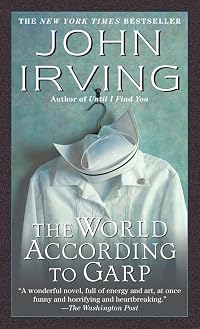
The World According to Garp
by John Irving
On This Page
Description
The bestselling coming-of-age classic novel by John Irving-now in a limited 40th anniversary edition with a new introduction by the author. The opening sentence of John Irving's breakout novel, The World According to Garp, signals the start of sexual violence, which becomes increasingly political. "Garp's mother, Jenny Fields, was arrested in Boston in 1942 for wounding a man in a movie theater." Jenny is an unmarried nurse; she becomes a single mom and a feminist leader, beloved but show more polarizing. Her son, Garp, is less beloved, but no less polarizing. From the tragicomic tone of its first sentence to its mordantly funny last line-"we are all terminal cases"-The World According to Garp maintains a breakneck pace. The subject of sexual hatred-of intolerance of sexual minorities and differences-runs the gamut of "lunacy and sorrow." Winner of the National Book Award, Garp is a comedy with forebodings of doom. In more than thirty languages, in more than forty countries-with more than ten million copies in print-Garp is the precursor of John Irving's later protest novels. show lessTags
Recommendations


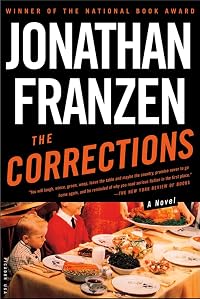
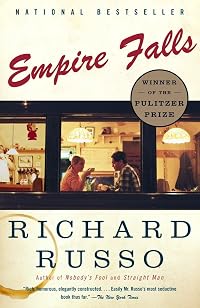
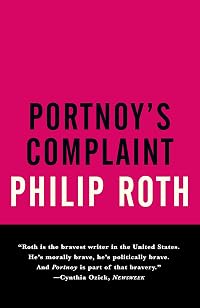

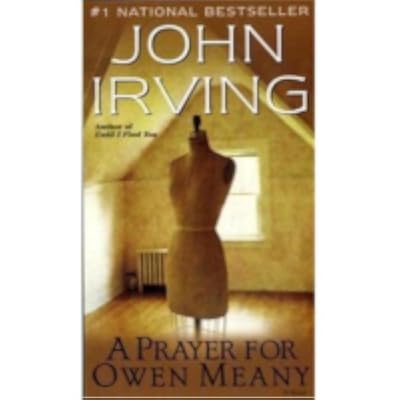


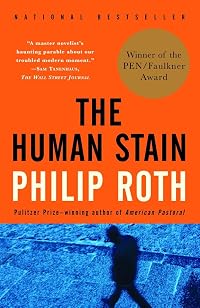
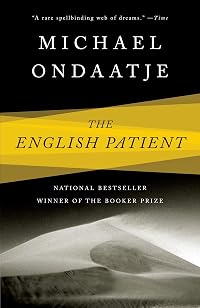
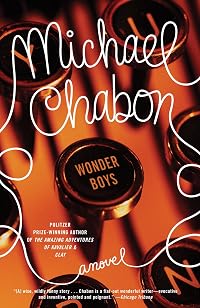
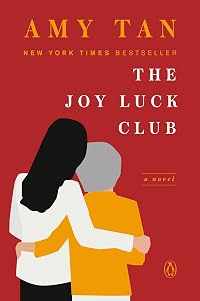
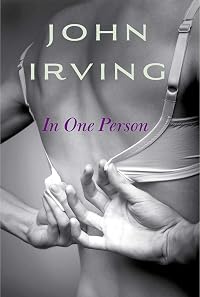
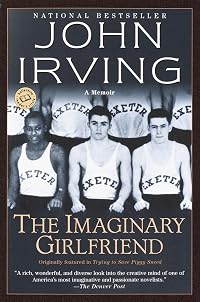
Member Recommendations
dele2451 Garp and Owen would make a great literary double feature. I wish I didn't have to wait so many years between reading both of these wonderful books.
151

Member Reviews
"Garp war von Natur aus ein Geschichtenerzähler", sagt der Erzähler in John Irvings packendem Roman, und meint damit den Protagonisten des Buches, den Romanautor Garp, der mit Irving einiges gemeinsam hat. "Er konnte sich eine Sache nach der anderen ausdenken, und alles paßte irgendwie zusammen." In Irvings Klassiker (so bezeichnet in einer Ausgabe des amerikanischen Verlages Modern Edition und mit neuem Vorwort des Autors) gibt es viele verrückte Charaktere und grotesque Szenen, und dennoch ist jede Szene irgendwie realistisch und jede Person irgendwie lebendig. Zwar finden sich sicher viele Romanautoren aus Irvings Generation, die einen Roman mit einem Romanautor als Protagonisten besetzt haben, dessen Leben und Bücher sich show more sowohl gegenseitig als auch im vorliegenden Buch spiegeln. Transsexuelle Football-Spieler, Revolverhelden, die sich gegenseitig das Hirn rausschießen, mehrfacher Ehebruch, Bären auf Einrädern, wahnsinnige Feministinnen, die sich die Zunge aus Mitgefühl mit dem gefeierten Opfer einer scheußlichen Vergewaltigung abschneiden -- bei Irving jedoch werden sie alle zu Menschen. Selbst der Bär paßt ins Buch. In einer Schlüsselszene verführt Garps Frau gerade einen jungen Mann, als Garp seine jungen Söhne mit einem rücksichtslosen Autotrick erfreut (eine der wenigen Szenen, die auch in der Filmversion auf wunderschöne, unheimliche und herzzerbrechende Weise realisiert sind). Viele Autoren wären schon mit der Situationskomik zufrieden gewesen, doch bewahrt Irving die Ganzheit dieser Szene, indem der Rest des Buches darauf aufbaut. Die Frage, wie es der Autor schafft, mit solch einer tödlichen Mischung aus Slapstick und Horror bei den Lesern durchzukommen, läßt sich nur folgendermaßen beantworten: das Buch spiegelt genau das wieder, was wir tagein tagaus erleben, mit dem Unterschied, daß Irving eine Kunst daraus macht. In den Worten von Garp ist das Leben "eine verbotene Seifenoper", und wer kann ihm da schon widersprechen? Wer Garp zwanzig Jahre nach dessen Erstveröffentlichung liest, ist verblüfft, auf welch elegante Weise Irving seine bizarre und komplexe Geschichte strukturiert. So z.B. die beiden bekanntesten Episoden des Buches, die vom "Under Toad" ("toad" bedeutet "Kröte" im Englischen und ähnlich klingt auch "tow" das soviel wie "Sog" oder auch "ziehen" bedeutet ) und Garps Geschichte von "The Pension Grillparzer", die wie ein bernsteinfarbenes kafkaeskes Insekt durch den Roman hindurchschimmert. Als Garp seinen Sohn vor dem "undertow", dem Unterstrom, des Meeres warnt, stellt sich sein Sohn ein Monster vor, den "Under Toad", eine Art Kröte, das unter den Wellen lauert um ihn in die Tiefe zu ziehen. Dieses eher erheiternde Mißverständnis wandelt sich bald in etwas Bedrohliches, sobald der Leser die Parallele zu einem Traum in "The Pension Grillparzer" erkennt, in dem der Tod prophezeit wird. Garps letzte Worte sind "Es ist wie ein Traum!" Und Irving, der in Wien studiert hat, machte sich die Ähnlichkeit des englischen "Toad" mit dem deutschen "Tod" zunutze. Bei so viel Tod ist Garp dennoch vor allem eine lebhafte Geschichte und gleichsam eine Bereicherung für die Literatur und für unser Leben. Wie Garps stottender Lehrer es ausdrückt: "voll von Wah-ah-Wahnsinn und Trauer". Das Buch ist nicht nur eine Bereicherung für die Literatur, sondern bereichert auch unser Leben. --Tim Appelo show less
I don't think I can begin to describe my absolute adoration of this book. In my mind, this is THE perfect novel. From the first sentence to the last, every time I am swept up in Irving's language, characters, storytelling, and everything in between. This was a reread for me, but it felt like the first time (ha!). Seriously, I cannot gush enough about this book. I cried a little, laughed a lot, groaned some, and got really pissed off quite often. What else can you ask from a book? I remember why I love reading so much after I finish a book like this. On the other hand, reading a book like this makes reading other novels seem a little futile. I love John Irving!
“You know, everybody dies. My parents died. Your father died. Everybody dies. I'm going to die too. So will you. The thing is, to have a life before we die. It can be a real adventure having a life"
Jenny Fields becomes a nurse and because she doesn't particularly like men decides to use one for the sole purpose of getting impregnated by one.She decides that accidentally lobotomised war patient, Technical Sergeant Garp, is just the man she needs. Motherhood with no strings attached. Thus she gives birth to a son she christens T S Garp in recognition of his father. Jenny gets herself a job at the Steering prep school as a school nurse and it is here that Garp is brought up and educated. However, when Garp reaches college age Jenny whips show more him off to live in Austria so he can have a richer life than college can offer him. Whilst at Steering Garp had met Helen Holm, the daughter of the school's wrestling coach and avid book reader, and in an attempt to impress her decides to become an author. However, Jenny writes and gets published, a memoir (entitled "A Sexual Suspect") that quickly becomes a feminist bible.
On their return to the US Garp finds that his mother has become famous or infamous depending on your gender and sets up a kind of refuge for women. Garp himself manages to get a book published but not to the same critical acclaim or financially successful, he marries bookish Helen with whom he has two young sons and becomes a house husband. Years later a horrific accident involving the entire family leaves one dead and the remainder horribly injured. Years later Jenny Fields is assassinated.
I won't give any more of the plot away but will state that included within the novel are excerpts from Garp's own published works. The subjects that are covered are wide ranging taking in death, feminism, friendship, infidelity, loss, parenthood, rape to name but a few but the over-riding theme is lust. There are several horrific incidents and certainly rape and murder are not particularly funny yet despite their horror you still end up laughing out loud which says much for Irving's writing style. Now I loved this book (in particular the book excerpts which I found really enjoyable and shows great imagination) however, I must say that I was a little disappointed with the final chapter which is written as a kind of epilogue. Personally I did not feel that it was at all necessary to try and tidy up all the loose ends but this is only a minor complaint and do not feel that it really detracted from the overall. show less
Jenny Fields becomes a nurse and because she doesn't particularly like men decides to use one for the sole purpose of getting impregnated by one.She decides that accidentally lobotomised war patient, Technical Sergeant Garp, is just the man she needs. Motherhood with no strings attached. Thus she gives birth to a son she christens T S Garp in recognition of his father. Jenny gets herself a job at the Steering prep school as a school nurse and it is here that Garp is brought up and educated. However, when Garp reaches college age Jenny whips show more him off to live in Austria so he can have a richer life than college can offer him. Whilst at Steering Garp had met Helen Holm, the daughter of the school's wrestling coach and avid book reader, and in an attempt to impress her decides to become an author. However, Jenny writes and gets published, a memoir (entitled "A Sexual Suspect") that quickly becomes a feminist bible.
On their return to the US Garp finds that his mother has become famous or infamous depending on your gender and sets up a kind of refuge for women. Garp himself manages to get a book published but not to the same critical acclaim or financially successful, he marries bookish Helen with whom he has two young sons and becomes a house husband. Years later a horrific accident involving the entire family leaves one dead and the remainder horribly injured. Years later Jenny Fields is assassinated.
I won't give any more of the plot away but will state that included within the novel are excerpts from Garp's own published works. The subjects that are covered are wide ranging taking in death, feminism, friendship, infidelity, loss, parenthood, rape to name but a few but the over-riding theme is lust. There are several horrific incidents and certainly rape and murder are not particularly funny yet despite their horror you still end up laughing out loud which says much for Irving's writing style. Now I loved this book (in particular the book excerpts which I found really enjoyable and shows great imagination) however, I must say that I was a little disappointed with the final chapter which is written as a kind of epilogue. Personally I did not feel that it was at all necessary to try and tidy up all the loose ends but this is only a minor complaint and do not feel that it really detracted from the overall. show less
“[S]o here it is: an epilogue ‘warning us about the future,’ as T. S. Garp might have imagined it.”
Halfway through John Irving’s [The World According to Garp] it becomes terribly difficult not to wonder how similar Garp’s world is to Irving’s. But Garp himself ridicules any autobiographical instinct in novelists, claiming that such fiction writing is the hallmark of a weak imagination. Of course, part of Garp’s story is his own writing, of which the final installment is a novel titled The World According to Bensenhaver – giving a tongue firmly in the cheek feeling to Garp’s ridicule. There is a sense that Irving is reflecting himself through multiple mirrors, his image refracted smaller and smaller through a funhouse show more hallway, as he tells Garp’s story.
And Garp’s story is a doozy – conceived by a nurse who hates sex so much but wants a child so badly that she rapes a brain damaged soldier with a constant reflexive erection; befriended by former pro football linebacker post-operative transsexual; married to a devoted philanderer; father to a one-armed, one-eyed son who paints (and the story of how the boy’s eye is lost is the kind of fiction that argues against Twain’s proclamation that truth is stranger than fiction); and adoptive father of a daughter with no tongue. With his own writing career budding, Garp’s mother writes an autobiography that seeds a feminist movement, forever casting Garp as an interloper. No matter how he tries he can never emerge from his mother’s shadow, seemingly cast in the whites of her nurse’s uniform rather than grays. And no matter how much he runs or writes or worries, life’s violent waves always carry him out into the tide.
Violence and death’s looming presence permeate Garp’s story, just as they do his writing. In describing Gapr’s first story, Irving says of it, “the history of a city was like the history of a family – there is closeness, and even affection, but death eventually separates everyone from each other.” The only thing that remains is memory, which is how Garp views his own writing. For Garp, and you suspect Irving as he is reflected through the funhouse surfaces, sex is just another chaotic tool that violence and death carry in their repertoire. So much of the Greek-like tragedy that befalls Garp starts or ends with sex, as if there is no more destructive force in the word – a perspective largely in line with his mother’s views. Garp’s story is Greek, a comedy in trees but a tragedy when viewing the forest.
As dark and distasteful as some of the events can be, [The World According to Garp] is a world that demands attention. The character’s eccentricity and depth compels the reader along, even if it’s because you can’t turn away, because you have to look. That depth is Irving’s saving grace, and the book’s.
Bottom Line: An eccentrically populated book; even if a little too morose and over-sexed, the characters’ uniqueness is compelling.
4 bones!!!!! show less
Halfway through John Irving’s [The World According to Garp] it becomes terribly difficult not to wonder how similar Garp’s world is to Irving’s. But Garp himself ridicules any autobiographical instinct in novelists, claiming that such fiction writing is the hallmark of a weak imagination. Of course, part of Garp’s story is his own writing, of which the final installment is a novel titled The World According to Bensenhaver – giving a tongue firmly in the cheek feeling to Garp’s ridicule. There is a sense that Irving is reflecting himself through multiple mirrors, his image refracted smaller and smaller through a funhouse show more hallway, as he tells Garp’s story.
And Garp’s story is a doozy – conceived by a nurse who hates sex so much but wants a child so badly that she rapes a brain damaged soldier with a constant reflexive erection; befriended by former pro football linebacker post-operative transsexual; married to a devoted philanderer; father to a one-armed, one-eyed son who paints (and the story of how the boy’s eye is lost is the kind of fiction that argues against Twain’s proclamation that truth is stranger than fiction); and adoptive father of a daughter with no tongue. With his own writing career budding, Garp’s mother writes an autobiography that seeds a feminist movement, forever casting Garp as an interloper. No matter how he tries he can never emerge from his mother’s shadow, seemingly cast in the whites of her nurse’s uniform rather than grays. And no matter how much he runs or writes or worries, life’s violent waves always carry him out into the tide.
Violence and death’s looming presence permeate Garp’s story, just as they do his writing. In describing Gapr’s first story, Irving says of it, “the history of a city was like the history of a family – there is closeness, and even affection, but death eventually separates everyone from each other.” The only thing that remains is memory, which is how Garp views his own writing. For Garp, and you suspect Irving as he is reflected through the funhouse surfaces, sex is just another chaotic tool that violence and death carry in their repertoire. So much of the Greek-like tragedy that befalls Garp starts or ends with sex, as if there is no more destructive force in the word – a perspective largely in line with his mother’s views. Garp’s story is Greek, a comedy in trees but a tragedy when viewing the forest.
As dark and distasteful as some of the events can be, [The World According to Garp] is a world that demands attention. The character’s eccentricity and depth compels the reader along, even if it’s because you can’t turn away, because you have to look. That depth is Irving’s saving grace, and the book’s.
Bottom Line: An eccentrically populated book; even if a little too morose and over-sexed, the characters’ uniqueness is compelling.
4 bones!!!!! show less
W: sexual assault, racism, death of a pet, death of a child, injury to a child, misogyny, affairs, murder, other stuff I'm probably forgetting.
I WAS ABSOLUTELY NOT THE AUDIENCE FOR THIS. SCATHING REVIEW INCOMING. DON'T AT ME, IT'S A WASTE OF YOUR TIME.
How the hell is this so popular after all these years?! This aged like milk! This book is -awful.- I soaked up John Irving at too young of an age. I was a weird kid who had few friends, thanks for asking, and read at a college sophomore level by the age of ten. I read this when I was no older than thirteen. More than twenty years later, I picked it up again.
I was surprised at how much I remembered, and horrified to realize how much I had indeed understood and processed at such a young age. show more Didn't bat an eye all those years ago, just dove into this book and didn't come out till I was done. I took it so seriously, too. Grabbed it off my dad's bookshelf and refused to put it down.
In the 70s from what I understand, this was probably hilarious. Now, it's--aged milk, I say. The reeking, ugly kind that will probably never turn into cheese but will attract lots of insects. They'll get stuck in the milk trying to get out, flailing uselessly all the while. The smell will permeate the indoors. This book is comprised of three main devices: affairs and bad sex scenes; misogyny fitting for its time contrasted simultaneously with feminism ahead of its time; and novels within novels. Quit PREACHING about how great your writing is, Irving, and quit shoving in old writing projects into a new novel. Perhaps they're new ideas that simply never worked out, whether for your vibe or otherwise. I do not care. I do not connect with novels within novels, and I consider authors making characters writers to be cheap. You're airing your grievances and celebrating yourself whether you realize it or not by doing this, and all I want is a story. I might think you're great. I might hate you. But I want a story. On a connected note, this book had no business being as long as it was. Could have been two hundred fifty pages, tops. Cut BACK on novels within novels. I do not care. A few pages, three max, gets the point across. Twenty pages at a time is excessive.
So...Jenny's aro-ace and has an understandably huge chip on her shoulder. She must have been seen as so weird and bitterly unlikeable when this book came out. I'm so glad for activists and all the work they have done, from which I too have benefited from as a Queer person. Now, American society views people like Jenny very differently. Back in the seventies, they may not have even had a word for her sexuality, and her desire to be a single mom was clearly suspect. Things she did at times really bothered me. Her perspective on the world--fine. I just did not like anyone in this book except maybe Roberta.
The Ellen Jamesians were stupid. Poor Ellen James. Why was that even in there? What a pointless device that adds nothing. Why demonize Pooh for being an adult baby diaper wearer? Ahhh because "weird back then haha." Why portray women in the way Irving did throughout the novel? It's not funny or diverse at all. None of these women outside of Jenny and Roberta are given personalities really, and I often confused several women for one another. Why portray so many sexual assaults and so much misogyny? What did that add? Why pad out your word count that way, Irving? WHY SO MANY AFFAIRS AND SO MUCH SEX? It felt like a morning chore for these people, only sometimes to satisfy a craving and never to connect with anyone. It wasn't about physically expressing an attraction to someone at all. It had all the emotion and interest of wiping down a kitchen table after eating pancakes for breakfast in a rush to get to work, which is a loss of a situation as I like pancakes a lot and enjoy taking my time if I'm eating them at home. I like sex scenes in books, as evidenced by the erotica I read. The way these were written and placed in the novel caused disdain in me, as did so many other things in the book.
What was even the point of the student accidentally having his penis bitten off? Why did his professor nail him if she hated him in the first place? Who seduced who? Nothing was explained, it just happened, and often off-page. SHOW me so I can be convinced of this insulting, wilting attempt at enemies to lovers shoved into a teacher-student pairing. Why have a kid die simultaneously during this? Why injure another one? WHY DIDN'T THE PARENTS GRIEVE? Why leave so many things unexamined? Entire books could have been written about the guilt most parents would have for their affair inadvertently causing so much physical harm. No, not here. Skip to the parent yapping a halfhearted story to the remaining child while the other parent considers another affair. I hate these people. Why did they have kids, anyway? I never got why Garp and Helen even liked each other enough to get married, let alone reproduce. Oh right, the seventies and blah blah it's what people did. Being a single woman was an uphill climb, especially financially. Ugh. Thankful for further progress in women's rights in society nowadays. Genuine question: was Garp seen as a good father for his time, despite sticking his penis into every woman who crossed his path that he wasn't related to?
And the amount of FANTASIES Irving wrote his characters having. So much sex. SHUT UP. Save it for adult stores. Why was this book mainstream? Was access to sexy books narrow for its time? This book is the opposite of sexy, but was probably considered titillating when people weren't laughing for shock value. Was--was Jenny's funeral considered funny? Oh no. When I first read this, I couldn't understand why Pooh killed anyone. Couldn't understand things past that. The granddaughter showed up out of nowhere and I quietly put the book back on the shelf. Now, I maintain these opinions, and returning it to the library was a huge relief.
I didn't understand or like this book at all, and I'm disappointed it's stayed current for so many people over the years. show less
I WAS ABSOLUTELY NOT THE AUDIENCE FOR THIS. SCATHING REVIEW INCOMING. DON'T AT ME, IT'S A WASTE OF YOUR TIME.
How the hell is this so popular after all these years?! This aged like milk! This book is -awful.- I soaked up John Irving at too young of an age. I was a weird kid who had few friends, thanks for asking, and read at a college sophomore level by the age of ten. I read this when I was no older than thirteen. More than twenty years later, I picked it up again.
I was surprised at how much I remembered, and horrified to realize how much I had indeed understood and processed at such a young age. show more Didn't bat an eye all those years ago, just dove into this book and didn't come out till I was done. I took it so seriously, too. Grabbed it off my dad's bookshelf and refused to put it down.
In the 70s from what I understand, this was probably hilarious. Now, it's--aged milk, I say. The reeking, ugly kind that will probably never turn into cheese but will attract lots of insects. They'll get stuck in the milk trying to get out, flailing uselessly all the while. The smell will permeate the indoors. This book is comprised of three main devices: affairs and bad sex scenes; misogyny fitting for its time contrasted simultaneously with feminism ahead of its time; and novels within novels. Quit PREACHING about how great your writing is, Irving, and quit shoving in old writing projects into a new novel. Perhaps they're new ideas that simply never worked out, whether for your vibe or otherwise. I do not care. I do not connect with novels within novels, and I consider authors making characters writers to be cheap. You're airing your grievances and celebrating yourself whether you realize it or not by doing this, and all I want is a story. I might think you're great. I might hate you. But I want a story. On a connected note, this book had no business being as long as it was. Could have been two hundred fifty pages, tops. Cut BACK on novels within novels. I do not care. A few pages, three max, gets the point across. Twenty pages at a time is excessive.
So...Jenny's aro-ace and has an understandably huge chip on her shoulder. She must have been seen as so weird and bitterly unlikeable when this book came out. I'm so glad for activists and all the work they have done, from which I too have benefited from as a Queer person. Now, American society views people like Jenny very differently. Back in the seventies, they may not have even had a word for her sexuality, and her desire to be a single mom was clearly suspect. Things she did at times really bothered me. Her perspective on the world--fine. I just did not like anyone in this book except maybe Roberta.
The Ellen Jamesians were stupid. Poor Ellen James. Why was that even in there? What a pointless device that adds nothing. Why demonize Pooh for being an adult baby diaper wearer? Ahhh because "weird back then haha." Why portray women in the way Irving did throughout the novel? It's not funny or diverse at all. None of these women outside of Jenny and Roberta are given personalities really, and I often confused several women for one another. Why portray so many sexual assaults and so much misogyny? What did that add? Why pad out your word count that way, Irving? WHY SO MANY AFFAIRS AND SO MUCH SEX? It felt like a morning chore for these people, only sometimes to satisfy a craving and never to connect with anyone. It wasn't about physically expressing an attraction to someone at all. It had all the emotion and interest of wiping down a kitchen table after eating pancakes for breakfast in a rush to get to work, which is a loss of a situation as I like pancakes a lot and enjoy taking my time if I'm eating them at home. I like sex scenes in books, as evidenced by the erotica I read. The way these were written and placed in the novel caused disdain in me, as did so many other things in the book.
What was even the point of the student accidentally having his penis bitten off? Why did his professor nail him if she hated him in the first place? Who seduced who? Nothing was explained, it just happened, and often off-page. SHOW me so I can be convinced of this insulting, wilting attempt at enemies to lovers shoved into a teacher-student pairing. Why have a kid die simultaneously during this? Why injure another one? WHY DIDN'T THE PARENTS GRIEVE? Why leave so many things unexamined? Entire books could have been written about the guilt most parents would have for their affair inadvertently causing so much physical harm. No, not here. Skip to the parent yapping a halfhearted story to the remaining child while the other parent considers another affair. I hate these people. Why did they have kids, anyway? I never got why Garp and Helen even liked each other enough to get married, let alone reproduce. Oh right, the seventies and blah blah it's what people did. Being a single woman was an uphill climb, especially financially. Ugh. Thankful for further progress in women's rights in society nowadays. Genuine question: was Garp seen as a good father for his time, despite sticking his penis into every woman who crossed his path that he wasn't related to?
And the amount of FANTASIES Irving wrote his characters having. So much sex. SHUT UP. Save it for adult stores. Why was this book mainstream? Was access to sexy books narrow for its time? This book is the opposite of sexy, but was probably considered titillating when people weren't laughing for shock value. Was--was Jenny's funeral considered funny? Oh no. When I first read this, I couldn't understand why Pooh killed anyone. Couldn't understand things past that. The granddaughter showed up out of nowhere and I quietly put the book back on the shelf. Now, I maintain these opinions, and returning it to the library was a huge relief.
I didn't understand or like this book at all, and I'm disappointed it's stayed current for so many people over the years. show less
a character in this book says about a book within this book (a favorite irving device) that "it feels so true." that's how i feel about garp, even while almost all of the circumstances in this book are on the surface farfetched. in the same way, he makes us laugh at things that - when you think about what he's actually saying - are not funny in the least. his main character (garp) is accused at one point of laughing at other people's tragedies - and then as his own tragedy looms so obviously at the reader (although the exact dimensions aren't foreshadowed), you can't help but laugh as he leads up to it. he makes things seem true that shouldn't be; he makes things funny that aren't.
i love what he's done here; he writes about death and show more loss, love, feminism (and anti-feminism), sexism, anxiety and fear, marriage, monogamy, writing, gender, sexuality, sex/lust and more. he manages to more than touch on all of these things and not do a disservice to any of them. (this, alone, is an accomplishment in my opinion.)
i think he makes an interesting point about how radicalization and extremes of an issue can take the intent and turn it upside down, and move drastically away from the original idea or reason of protest. he uses feminism as his example of this and i think he did a great job - and i consider myself (more or less) to be a radical feminist. so that, too, is an accomplishment in my opinion.
(as an aside - this edition has an egregious typo about 3 pages from the ending where an entire line is replaced with a line half a page in the future. luckily, for me, i was reading this at work - in a bookshop - and could run and find another copy of the book to see what it was supposed to say.)
i really, really liked this. it would probably get 5 stars except i don't love the ending, as i often don't love how irving wraps up his books. (although i do theoretically appreciate the recap we get of most characters, to find out what happened to them later. in the end, though, the story's ending would be better without it, or if it was weaved into the ending.) but like i do with irving's good books, i quickly forget that because the rest of the book is so damned good. some other things that came to mind as i was reading:
in this book, garp writes a book that sounds quite a bit like what i remember another john irving book being like (the 158-pound marriage), although it's been many years since i read that one. but it made me wonder, when in this book, the reviews came in and garp reacted to them, if this was the same sort of response that irving's book received. and if garp's reaction was irving's, or if irving wished he had garp's reaction or wished he didn't.
it's neither here nor there, but i *so* enjoyed the character of jenny fields. actually, i rather liked pretty much every one of the major characters in this book.
the way irving writes about rape and violence is kind of staggeringly good, i think. (and could be triggering to any survivors. be forewarned about that.)
i find it funny that the only passage i marked in this book was one that was referred back to later in the book, and one that irving himself quotes in an afterword (not in this copy) about the book that he wrote 20 years later: "In this dirty-minded world, she thought, you are either somebody's wife or somebody's whore - or fast on your way to becoming one or the other."
familiar irving characters join us in this book - two bears (one rides a unicycle and one a bike - or a motorcycle, i forget), prostituted women, wrestling and wrestlers, books/stories within a book, and new england. i'm sure there's even more. but while you find some things you might expect to in a book by irving, you find so so so much more in this book. so very good. show less
i love what he's done here; he writes about death and show more loss, love, feminism (and anti-feminism), sexism, anxiety and fear, marriage, monogamy, writing, gender, sexuality, sex/lust and more. he manages to more than touch on all of these things and not do a disservice to any of them. (this, alone, is an accomplishment in my opinion.)
i think he makes an interesting point about how radicalization and extremes of an issue can take the intent and turn it upside down, and move drastically away from the original idea or reason of protest. he uses feminism as his example of this and i think he did a great job - and i consider myself (more or less) to be a radical feminist. so that, too, is an accomplishment in my opinion.
(as an aside - this edition has an egregious typo about 3 pages from the ending where an entire line is replaced with a line half a page in the future. luckily, for me, i was reading this at work - in a bookshop - and could run and find another copy of the book to see what it was supposed to say.)
i really, really liked this. it would probably get 5 stars except i don't love the ending, as i often don't love how irving wraps up his books. (although i do theoretically appreciate the recap we get of most characters, to find out what happened to them later. in the end, though, the story's ending would be better without it, or if it was weaved into the ending.) but like i do with irving's good books, i quickly forget that because the rest of the book is so damned good. some other things that came to mind as i was reading:
in this book, garp writes a book that sounds quite a bit like what i remember another john irving book being like (the 158-pound marriage), although it's been many years since i read that one. but it made me wonder, when in this book, the reviews came in and garp reacted to them, if this was the same sort of response that irving's book received. and if garp's reaction was irving's, or if irving wished he had garp's reaction or wished he didn't.
it's neither here nor there, but i *so* enjoyed the character of jenny fields. actually, i rather liked pretty much every one of the major characters in this book.
the way irving writes about rape and violence is kind of staggeringly good, i think. (and could be triggering to any survivors. be forewarned about that.)
i find it funny that the only passage i marked in this book was one that was referred back to later in the book, and one that irving himself quotes in an afterword (not in this copy) about the book that he wrote 20 years later: "In this dirty-minded world, she thought, you are either somebody's wife or somebody's whore - or fast on your way to becoming one or the other."
familiar irving characters join us in this book - two bears (one rides a unicycle and one a bike - or a motorcycle, i forget), prostituted women, wrestling and wrestlers, books/stories within a book, and new england. i'm sure there's even more. but while you find some things you might expect to in a book by irving, you find so so so much more in this book. so very good. show less
I love John Irving's novels, and I'm thrilled I finally got to read the one that made him a star. Gotta say, though: I have never wanted to strangle a fictional character so much as I wanted to strangle T. S. Garp. I mean, John Wheelwright (A Prayer for Owen Meany) was annoying in his own way, but Garp...whew.
Members
- Recently Added By
Published Reviews
ThingScore 92
The World According to Garp was more than single, memorable moments. It was unforgettable as a whole for a simple reason - it was epic. It was what a Great American Novel needs to be: all of life between covers.
added by Shortride
Despite the withit trappings (feminism, etc.), Irving's wild stylistic scrabble up and down the keys resolves itself into a few leaden theme chords that his veteran readers will wish that he'd broken free of by now. But this hint of staleness will be all but totally disguised to first-time readers: Irving's style and zest remain superb, and his fondness for children—his anxiety over them and show more their welfare—is as rare and fine and affecting and pure as Heller's or Cheever's. show less
added by Richardrobert
These things oughtn't to be funny. Still, the way that Mr. Irving writes about them, they are. They way he filters them through his hero's unique imagination, we not only laugh at the world according to Garp, but we also accept it and love it.
added by Shortride
Lists

1001 Books You Must Read Before You Die
1,448 works; 1,134 members

Best Contemporary Literary Fiction (Around the Last 30 Years)
388 works; 124 members

Read the book and saw the movie
1,170 works; 195 members
BBC Big Read
191 works; 46 members

Radcliffe's 100 Best Novel of the 20th Century
100 works; 32 members
501 Must-Read Books
529 works; 72 members

Great American Novels
158 works; 40 members

Favorite Long Books
330 works; 42 members

100 books to read in a lifetime
102 works; 37 members

Books That Made Me Cry
199 works; 104 members

20th Century Literature
1,161 works; 55 members

National Book Award Finalists - Fiction
377 works; 12 members
Best Family Stories
241 works; 22 members

Unread books
1,063 works; 83 members

1970s
657 works; 23 members

New England Books
101 works; 10 members
Banned or Challenged Books
400 works; 41 members
Banned Books Week 2014
268 works; 62 members

A Novel Cure
742 works; 23 members

NPR Readers Poll: 100 Favorite Funny Books
100 works; 5 members

NPRs audience picks: 100 best beach reads
105 works; 12 members

Blue Pyramid 1,276 Best Books of All Time
1,248 works; 32 members

Best family sagas
244 works; 34 members
Writers as Characters in Fiction
120 works; 19 members

Movie Adaptations
111 works; 4 members

Amanda's Guaranteed Books
110 works; 5 members

The Hatchery's Book Club Suggestions
2 works; 1 member

Dysfunctional Families
133 works; 7 members

Books Read in 2023
5,638 works; 147 members
Overdue Podcast
806 works; 9 members

Books Read in 2016
4,666 works; 199 members

Books Read in 2017
4,249 works; 130 members

Llibres que he llegit el 2006
17 works; 1 member
American Lit for Eng 11 Research Project
368 works; 6 members

BBC World Book Club
265 works; 5 members

.
396 works; 1 member

Books We Want To Read Again For The First Time
384 works; 160 members

.
194 works; 2 members
Books We Couldn't Put Down
443 works; 197 members

DigitalDreamDoor top 300
300 works; 4 members

Gen X Library
245 works; 4 members
Canon de la narrativa universal del s. XX (cicutadry)
499 works; 3 members
Lucy's Long List
69 works; 1 member

Florida
366 works; 3 members

National Book Award winners
65 works; 11 members
Franklit
95 works; 1 member
Best Books of the 20th Century
193 works; 5 members

Mustich's 1000 Books to Read Before You Die: A Life Changing List
1,001 works; 19 members
the preppy handbook
36 works; 1 member
Canon de la narrativa universal del siglo XX
254 works; 6 members

Novels/Poems/Short Stories/Anything Storytelling Related
112 works; 2 members

Books Read in 2021
5,361 works; 114 members

Read
293 works; 4 members

World Book Club (BBC World Service)
212 works; 1 member
Author Information

61+ Works 96,585 Members
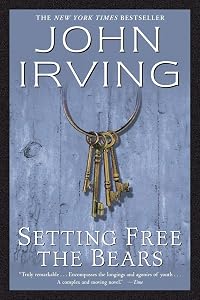
John Irving published his first novel at the age of twenty-six. He has received awards from the Rockefeller Foundation, the National Endowment for the Arts, and the Guggenheim Foundation; he has won an O. Henry Award, a National Book Award, and an Academy Award. (Publisher Provided) John Irving was born John Wallace Blunt, Jr. on March 2, 1942 in show more Exeter, New Hampshire. His named was changed to John Winslow Irving when his stepfather adopted him at the age of six. He was a dyslexic child and it took him five years to get through Exeter Academy, which is where his adoptive father taught Russian history. He received a B.A. (cum laude) from the University of New Hampshire in 1965 and an M.F.A. from the Iowa Writers' Workshop, in 1967, where he studied with Kurt Vonnegut Jr. His first novel was Setting Free the Bears (1969) but it wasn't until The World According to Garp was published in 1978, that he became a literary star. The novel spent six months on the bestseller list and won the American Book Award in 1980. It was also made into a movie in 1982 starring Robin Williams and costarring Glenn Close and John Lithgow. In 1981, he received an O. Henry Award for the short story Interior Space. Some of his other novels were also made into movies including The Hotel New Hampshire starring Jodie Foster and Rob Lowe; A Prayer for Owen Meany, which was titled Simon Birch starring Jim Carrey; and The Cider House Rules starring Michael Caine. He won the Oscar for Best Adapted Screenplay for The Cider House Rules in 2000. Irving also wrote two memoirs; one detailing his wrestling adventures entitled The Imaginary Girlfriend, and another concerning his novels made into Hollywood films entitled My Movie Business: A Memoir. (Bowker Author Biography) show less
Awards and Honors
Series
Belongs to Publisher Series
Work Relationships
Is contained in
Has the adaptation
Is abridged in
Has as a student's study guide
Common Knowledge
- Canonical title*
- De wereld volgens Garp
- Original title
- The World According to Garp : A Novel
- Original publication date
- 1978
- People/Characters
- T.S. Garp; Jenny Fields; Helen Holm; Duncan Garp; Walt Garp; Ellen James (show all 15); Ernie Holm; Roberta Muldoon; Dean Bodger; Mrs. Ralph (aka. Florence Cochran Bowlsby); John Wolf; Bainbridge Percy (aka. Pooh); Midge Percy; Stewart Percy; Cushie Percy
- Important places
- The Pension Grillparzer (Fictional); The Steering School (Fictional); Dog's Head Harbor (Fictional); New England, USA; Vienna, Austria; USA (show all 7); Austria
- Related movies
- The World According to Garp (1982 | IMDb)
- Dedication
- for Colin and Brendan
- First words
- Garp's mother, Jenny Fields, was arrested in Boston in 1942 for wounding a man in a movie theater.
- Quotations
- people who have problems do not, as a rule, think their problems are "funny."
I have nothing but sympathy for how people behave--and nothing but laughter to console them with. - Last words
- (Click to show. Warning: May contain spoilers.)But in the world according to Garp, we are all terminal cases.
- Original language*
- Engels
- Canonical DDC/MDS
- 813.54
- Canonical LCC
- PS3559.R8
*Some information comes from Common Knowledge in other languages. Click "Edit" for more information.
Classifications
Statistics
- Members
- 16,303
- Popularity
- 419
- Reviews
- 208
- Rating
- (4.07)
- Languages
- 23 — Catalan, Chinese, Czech, Danish, Dutch, English, Estonian, Finnish, French, German, Hebrew, Hungarian, Italian, Lithuanian, Norwegian (Bokmål), Norwegian, Polish, Portuguese, Russian, Serbian, Slovenian, Spanish, Swedish
- Media
- Paper, Audiobook, Ebook
- ISBNs
- 183
- ASINs
- 79