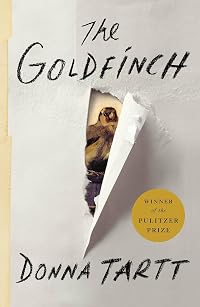
The Goldfinch
by Donna Tartt
On This Page
Description
A young boy in New York City, Theo Decker, miraculously survives an accident that takes the life of his mother. Alone and abandoned by his father, Theo is taken in by a friend's family and struggles to make sense of his new life. In the years that follow, he becomes entranced by one of the few things that reminds him of his mother; a small, mysteriously captivating painting that ultimately draws Theo into the art underworld.Tags
Recommendations
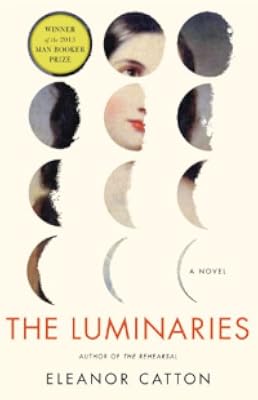
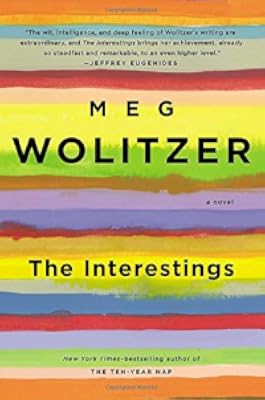
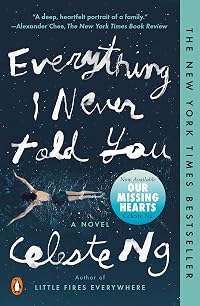
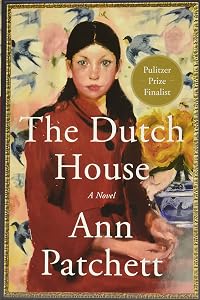
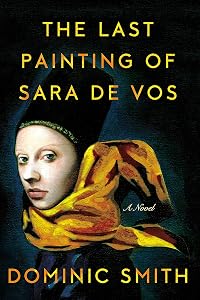
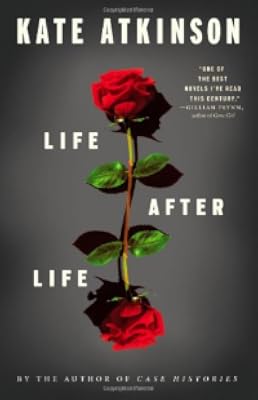
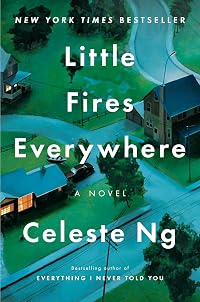
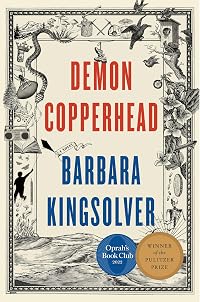
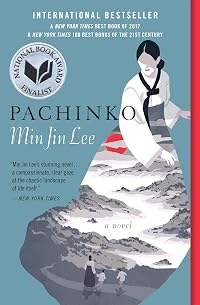
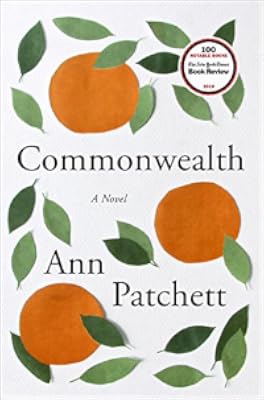
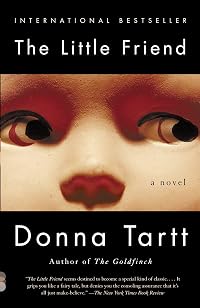

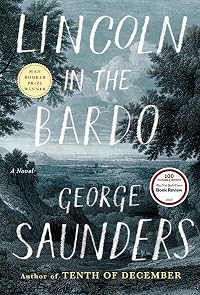
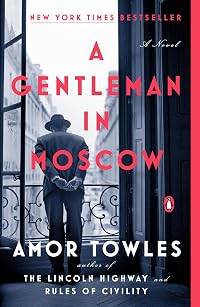
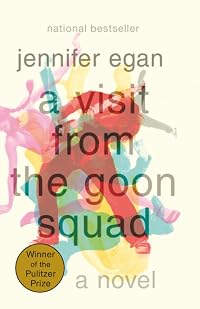
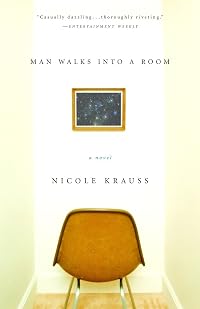
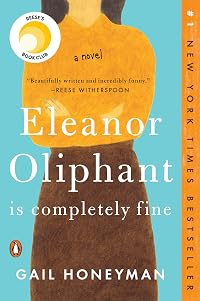
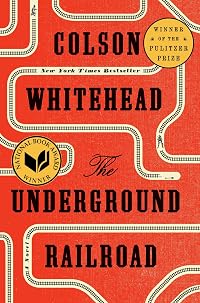
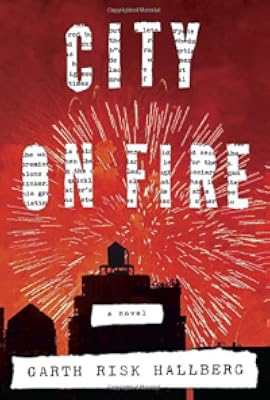
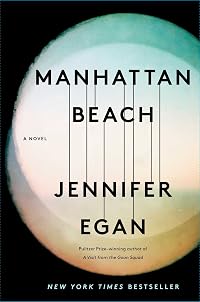
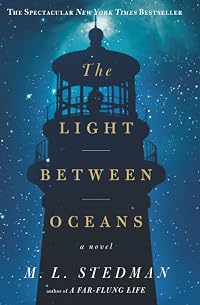
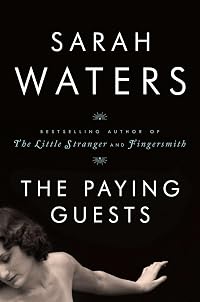
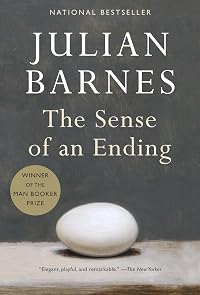

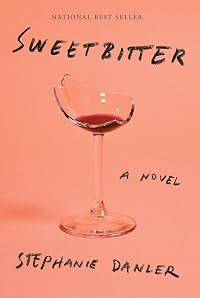
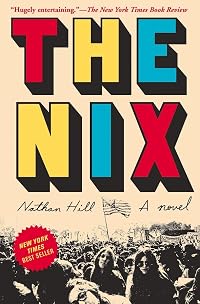
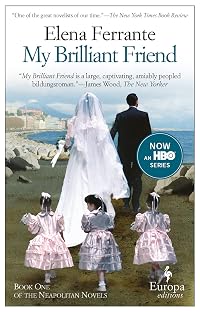
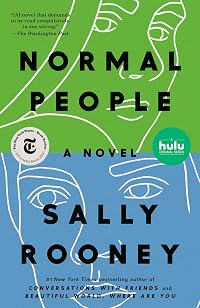
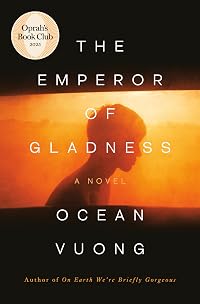
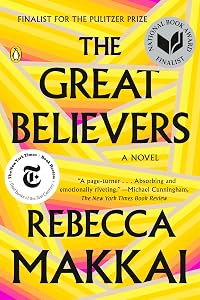
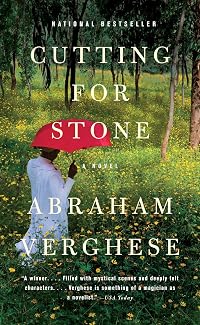
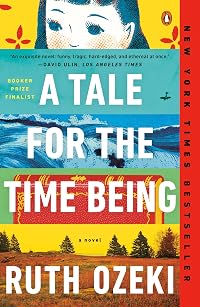
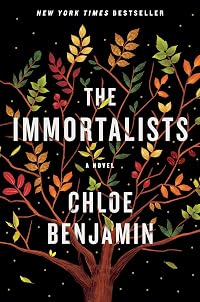
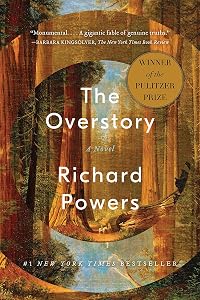
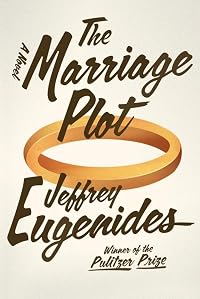
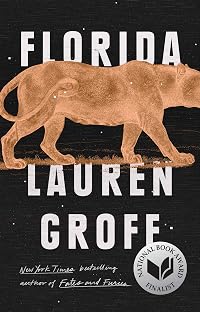
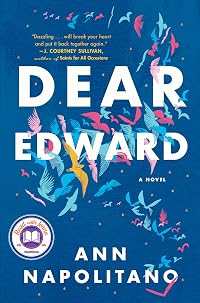
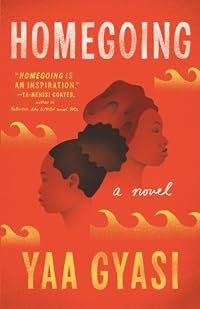

Member Recommendations
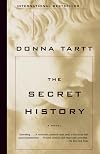
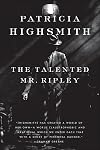
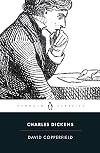
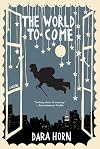
BookshelfMonstrosity Paintings are at the heart of these hefty novels, both of which combine the antics of a heist novel with ruminations on literature, history, and loss. Memorable characters and rich details add to the enjoyment of both books.
11
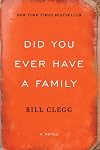
vwinsloe A book about trauma, guilt and complicated grief. The effect of secrets and drugs on lives and families.
11

niquetteb The detailed writing styles are similar.
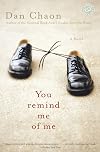
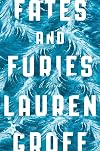
pbirch01 Both have protagonists that use rare artworks to get what they want and execute their plan over many years
01
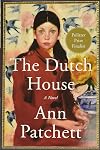
shaunie The Dutch House is in some ways a slimmed down, more enjoyable Goldfinch.
12
Member Reviews
Trust the hype, it's been a while since I read a 780-page book in 5 days and actually suffered pangs awakening and realizing it was over. I'd finished it after almost a week of constant company. No more [b:The Goldfinch|17333223|The Goldfinch|Donna Tartt|https://d202m5krfqbpi5.cloudfront.net/books/1378710146s/17333223.jpg|24065147] to fall into and evade most other activities. And what will become of Theo? of Pippa? They are still in their twenties when the book ends but the story of their meeting, their sublime disastrous connection precludes a future or does it? Theo's almost hopeful final thoughts close the story as he adds his "love to the history of people who have loved beautiful things, and looked out for them." Tartt has show more succeeded in keeping me enthralled from the events at the museum and their tragic aftermath and the glaring descriptions of Las Vegas living and youthful drug exploration on into serious addiction to the vagaries of curating and exploiting antique furniture. A 14-year-old boy is possessed by a 17th C painting of a captive goldfinch, an actual work of art by Fabritius. "if a painting really works down in your heart and changes the way you see, and think, and feel, you don't think 'oh, I love this picture because it's universal.' 'I love this painting because it speaks to all mankind.' That's not the reason anyone loves a piece of art. It's a secret whisper from an alleyway. Psst, you. Hey kid. Yes you...an individual heart-shock. Your dream...yours, yours. I was painted for you." The book spoke to this reader. show less
This one gets 5 stars, and maybe that's all you need to know. If you haven't read it, go read it. If you haven't read it, you may not want to read this, as some aspects of the story of course are revealed.
Donna Tartt has accomplished the rarity of a powerful page-turner that is written on an enormous canvas, that asks, and to a larger than expected extent answers, big questions. It has readers all over the country aching to help the downtrodden main character Theo make better decisions, while they laugh helplessly at the antics of his one great friend, bad boy Boris.
It all revolves around the painting of The Goldfinch identified in the title. Reportedly the Frick Museum in New York is now attracting big crowds every day clamoring to see show more it. Although Tartt's story is made up, this beautiful painting by a contemporary of Vermeer, little known painter Carel Fabritius, is real. In the novel a bomb explosion in the museum changes high schooler Theo's life and, at the urging of a dying man, brings the painting, his mother's favorite, into his possession.
His beloved mother has died in the explosion, and his scoundrel father had previously disappeared, so only child Theo is on his own. Eventually he ends up with the wealthy Park Avenue family of his schoolmate Andy. The mother is chilly, but her charity toward Theo helps him make it through a difficult time, and she will re-enter his adult life. "Her voice, like Andy's, was hollow and infinitely far away; even when she was standing right next to you she sounded as if she were relaying transmissions from Alpha Centauri". As for his affect-less geek friend Andy, "Sometimes I wondered what it would take to break Andy out of his math-nerd turret: a tidal wave? Decepticon invasion? Godzilla tromping down Fifth Avenue? He was a planet without an atmosphere." Via a last request from the dying man in the museum, Theo comes to know antique furniture refurbisher Hobie, and Hobie's sweet ward Pippa, who is Theo's age and also a survivor of the museum explosion. Theo yearns for the relaxed, safe atmosphere provided by Hobie and his back of the store living quarters in the Village in Manhattan: "{S}ometimes I could lull myself back to sleep by thinking of his house, where without realizing it you slipped away sometimes into 1850, a world of ticking clocks and creaking floorboards, copper pots and baskets of turnips and onions in the kitchen, candle flames leaning all to the left in the draft of an opened door and tall parlor windows billowing and swagged like ball gowns, cool quiet rooms where old things slept."
Theo comes to live with Hobie, who is a disheveled and kind-hearted craftsman who brings some stability to Theo's life. Theo in turn begins to learn Hobie's trade. But then Theo's father reappears and takes him to live with his father's girlfriend in a sterile outpost of Las Vegas townhouses. There Theo meets Boris, a crooked Russian mining magnate's son with an idiosyncratic grasp of English. Like Theo, Boris has repeatedly been left to his own devices, but in Boris's short lifetime that has occurred all over the world, as he has traveled with his father. In Indonesia Boris briefly and happily converted to Islam, because the Muslims were so good to him. "{T}he mosque was brilliant. Falling down place - stars shining through at night - birds on the roof. An old Javanese man taught us the Koran. And they fed me too, and were kind, and made sure I was clean and had clean clothes. Sometimes I fell asleep on my prayer rug. And at salah, near dawn, when the birds woke up, always the sound of wings beating!" Boris has endless enthusiasm for life even as he routinely engages in self-destructive behavior. The two ingest astounding quantities of drugs while living their unsupervised lives. As they grow older, their paths will cross in unusual ways, their friendship always strong and shaping the events that follow. "{I}t occurred to me that despite his faults, which were numerous and spectacular, the reason I liked Boris and felt happy around him from almost the moment I'd met him was that he was never afraid. You didn't meet many people who moved freely through the world with such a vigorous contempt for it and at the same time such oddball and unthwartable faith in what, in childhood, he had liked to call, 'the Planet of Earth'".
The characters are all three-dimensional. Even Theo's father, one of the most reprehensible individuals ever to inhabit a book, has more than one side to him. Boris appreciates his kindness: "feeding me, talking with me, spending time, sheltering me in his roof, giving me the clothes off his back . . . you hated your father so much but in some ways he was a good man."
"I wouldn't say good."
"Well I would."
"well, you would be the only one. You would be wrong."
The painting eventually brings both Theo and Boris into danger, as they team up to retrieve it from international crooks. I'll leave it up to you to find out how that is resolved. All of this makes putting the book down nearly impossible. But at the same time Tartt manages to weave in bigger questions and issues, including about the experience of art. At one point Hobie says, "You see one painting, I see another, the art book puts it at another remove still, the lady buying the greeting card at the museum gift shop sees something else entire, and that's not even to mention the people separated from us in time - four hundred years before us, four hundred years after we're gone - it'll never strike anyone the same way and the great majority of people it'll never strike in any deep way at all but - a really great painting is fluid enough to work its way through all kinds of different angles, in ways that are unique and very particular. Yours, yours. I was painted for you.." And what does the beautiful Goldfinch itself have to tell us, a bird fettered by a chain but given eternal life in this painting? Tartt takes on the meaning of life (the answer is not "42", for you Douglas Adams fans), and God ("a long term pattern we can't decipher {like a} huge, slow-moving weather system rolling in on us from afar") and more. Theo experiences horrible loss, and makes headshaking mistakes, but continues on with the same unthwartable faith as Boris. “Sometimes, unexpectedly, grief pounded over me in waves that left me gasping; and when the waves washed back, I found myself looking out over a brackish wreck which was illuminated in a light so lucid, so heartsick and empty, that I could hardly remember that the world had ever been anything but dead.”
He longs for romance with Pippa, but are they too closely tied by the trauma they both have experienced? When he is in that home with Hobie, in those "cool quiet rooms where old things slept", he learns what is most important in his life. But he repeatedly risks losing that haven with his risky behavior and passion for the painting. For the reader who avidly rides through all this with Theo and Boris, there is an insatiable desire to guide each of them into safer harbors. They won't have it. It is a large, profound story, and you won't forget either of them, or the others that surround them. show less
Donna Tartt has accomplished the rarity of a powerful page-turner that is written on an enormous canvas, that asks, and to a larger than expected extent answers, big questions. It has readers all over the country aching to help the downtrodden main character Theo make better decisions, while they laugh helplessly at the antics of his one great friend, bad boy Boris.
It all revolves around the painting of The Goldfinch identified in the title. Reportedly the Frick Museum in New York is now attracting big crowds every day clamoring to see show more it. Although Tartt's story is made up, this beautiful painting by a contemporary of Vermeer, little known painter Carel Fabritius, is real. In the novel a bomb explosion in the museum changes high schooler Theo's life and, at the urging of a dying man, brings the painting, his mother's favorite, into his possession.
His beloved mother has died in the explosion, and his scoundrel father had previously disappeared, so only child Theo is on his own. Eventually he ends up with the wealthy Park Avenue family of his schoolmate Andy. The mother is chilly, but her charity toward Theo helps him make it through a difficult time, and she will re-enter his adult life. "Her voice, like Andy's, was hollow and infinitely far away; even when she was standing right next to you she sounded as if she were relaying transmissions from Alpha Centauri". As for his affect-less geek friend Andy, "Sometimes I wondered what it would take to break Andy out of his math-nerd turret: a tidal wave? Decepticon invasion? Godzilla tromping down Fifth Avenue? He was a planet without an atmosphere." Via a last request from the dying man in the museum, Theo comes to know antique furniture refurbisher Hobie, and Hobie's sweet ward Pippa, who is Theo's age and also a survivor of the museum explosion. Theo yearns for the relaxed, safe atmosphere provided by Hobie and his back of the store living quarters in the Village in Manhattan: "{S}ometimes I could lull myself back to sleep by thinking of his house, where without realizing it you slipped away sometimes into 1850, a world of ticking clocks and creaking floorboards, copper pots and baskets of turnips and onions in the kitchen, candle flames leaning all to the left in the draft of an opened door and tall parlor windows billowing and swagged like ball gowns, cool quiet rooms where old things slept."
Theo comes to live with Hobie, who is a disheveled and kind-hearted craftsman who brings some stability to Theo's life. Theo in turn begins to learn Hobie's trade. But then Theo's father reappears and takes him to live with his father's girlfriend in a sterile outpost of Las Vegas townhouses. There Theo meets Boris, a crooked Russian mining magnate's son with an idiosyncratic grasp of English. Like Theo, Boris has repeatedly been left to his own devices, but in Boris's short lifetime that has occurred all over the world, as he has traveled with his father. In Indonesia Boris briefly and happily converted to Islam, because the Muslims were so good to him. "{T}he mosque was brilliant. Falling down place - stars shining through at night - birds on the roof. An old Javanese man taught us the Koran. And they fed me too, and were kind, and made sure I was clean and had clean clothes. Sometimes I fell asleep on my prayer rug. And at salah, near dawn, when the birds woke up, always the sound of wings beating!" Boris has endless enthusiasm for life even as he routinely engages in self-destructive behavior. The two ingest astounding quantities of drugs while living their unsupervised lives. As they grow older, their paths will cross in unusual ways, their friendship always strong and shaping the events that follow. "{I}t occurred to me that despite his faults, which were numerous and spectacular, the reason I liked Boris and felt happy around him from almost the moment I'd met him was that he was never afraid. You didn't meet many people who moved freely through the world with such a vigorous contempt for it and at the same time such oddball and unthwartable faith in what, in childhood, he had liked to call, 'the Planet of Earth'".
The characters are all three-dimensional. Even Theo's father, one of the most reprehensible individuals ever to inhabit a book, has more than one side to him. Boris appreciates his kindness: "feeding me, talking with me, spending time, sheltering me in his roof, giving me the clothes off his back . . . you hated your father so much but in some ways he was a good man."
"I wouldn't say good."
"Well I would."
"well, you would be the only one. You would be wrong."
The painting eventually brings both Theo and Boris into danger, as they team up to retrieve it from international crooks. I'll leave it up to you to find out how that is resolved. All of this makes putting the book down nearly impossible. But at the same time Tartt manages to weave in bigger questions and issues, including about the experience of art. At one point Hobie says, "You see one painting, I see another, the art book puts it at another remove still, the lady buying the greeting card at the museum gift shop sees something else entire, and that's not even to mention the people separated from us in time - four hundred years before us, four hundred years after we're gone - it'll never strike anyone the same way and the great majority of people it'll never strike in any deep way at all but - a really great painting is fluid enough to work its way through all kinds of different angles, in ways that are unique and very particular. Yours, yours. I was painted for you.." And what does the beautiful Goldfinch itself have to tell us, a bird fettered by a chain but given eternal life in this painting? Tartt takes on the meaning of life (the answer is not "42", for you Douglas Adams fans), and God ("a long term pattern we can't decipher {like a} huge, slow-moving weather system rolling in on us from afar") and more. Theo experiences horrible loss, and makes headshaking mistakes, but continues on with the same unthwartable faith as Boris. “Sometimes, unexpectedly, grief pounded over me in waves that left me gasping; and when the waves washed back, I found myself looking out over a brackish wreck which was illuminated in a light so lucid, so heartsick and empty, that I could hardly remember that the world had ever been anything but dead.”
He longs for romance with Pippa, but are they too closely tied by the trauma they both have experienced? When he is in that home with Hobie, in those "cool quiet rooms where old things slept", he learns what is most important in his life. But he repeatedly risks losing that haven with his risky behavior and passion for the painting. For the reader who avidly rides through all this with Theo and Boris, there is an insatiable desire to guide each of them into safer harbors. They won't have it. It is a large, profound story, and you won't forget either of them, or the others that surround them. show less
I spent months reading this book and I just can't believe it's over... I wish it had more pages now XD. But this was genuinely one of the most immersive experiences I've ever had with a book. Donna Tart's writing is impeccable. She makes sure that you get exactly what she wants you to know, be it background information about the environment or barely anything. I genuinely felt like I was living Theo's life along with him, and for that I probably will never stop thinking about this. The story is so complex yet so human, I don't understand why I haven't read this sooner. I tend to stick with fantasy and scifi books since that is what I know, but this book has single-handedly convinced me that I would love the literary fiction world show more aswell. But besides that, I will never get over Theo and his pretty little painting (to oversimplify it :p)
This may not be a book for everyone, but it was the book for me show less
This may not be a book for everyone, but it was the book for me show less
Thirteen-year-old Theo survives a terrorist bombing of the Metropolitan Museum of Art, which kills his mother, and takes from the museum a priceless painting.
I generally like long books, but this one seemed very long. It’s not a sprint, it’s a marathon, and by three-quarters of the way through, I was exhausted. Although I can’t point to anything specifically that is bloat, I couldn’t help but ask myself whether this book really needed to be this long, or if perhaps it was somewhat blown up by its self-importance.
All the things Donna Tartt does well (based on her very short body of work–three novels in total), she does well in The Goldfinch. She is terrific at conveying details that make people and places seem vivid and real. show more The scene where Theo leaves the suddenly transformed museum after the explosion was at the same time dreamlike and yet absolutely realistic, a breath-stopping piece of writing. Her knack for details bring her characters to life without making them mundane. And she has a peculiar gift for writing about that disconnected state of mind that occurs when you’re inebriated or high or traumatized. (I still recall a scene in her first novel, The Secret History, where the protagonist was so drunk, and his drunkenness described so precisely, that I felt drunk myself just from reading it.) In The Goldfinch, Theo relies on pills, moving through his own life in a detached, observant mode so that he’s like nothing but a head bobbing above everything he sees, and thus able to describe it all so precisely.
And yet. Perhaps it is the story itself that cannot support all of this rich detail. (Here is where I must descend into spoiler territory, so beware.)
Theo is haunted by the painting he has taken, The Goldfinch. He is terrified that he will be caught with it, that he will be imprisoned and fined and held up to censure for what he has done. For a boy, this is a reasonable fear, but I grew impatient with the adult Theo continuing to have it. Surely it might have occurred to him that the museum wanted the painting back no matter what, and that no one would consider a 13-year-old to be an opportunistic art thief. What annoyed me most about this is that Tartt gave herself a perfectly reasonable out.When Theo runs away from Las Vegas in the middle of the night, he thinks he is carrying the painting, but he never checks. Instead of being persecuted by his own fear, he might have discovered the painting was gone and become obsessed with what had happened to it instead. Who had it? Were they taking care of it? Would the painting persevere? That obsession would give him more than enough incentive as an adult to accompany his friend Boris in a risky chase after it, rather than be bullied into going. But as it stands, Theo’s fear and his motivations seem thin, and he never gets the chance to take action in his own life, to rescue himself. Instead, that rescue has to come from outside. It’s just not satisfying, especially after journeying thorough all those pages to get there.
And then there is the little detail of the terrorist bombing itself, which after it happens, is never mentioned again, not in the sense of an impactful, historic event. How had the museum changed afterward? Wouldn’t Theo wonder who had did it and why? Wouldn’t he encounter reminders, such as the inevitable annual memorial? Tartt provides all this detail, but can’t satisfy the reader on these points–that feels like a cheat.
There are so many things to like about this book, and so many reasons I wanted to love it. But I have to wonder if it asks too much of us readers, to give it so many hours of our precious reading time. In the end, when Tartt has quite a lot she wants to say about the importance of art and uses Theo to say it, I’m not there with her. I want to feel the same exhilaration I felt after reading The Secret History, but I just can’t. show less
I generally like long books, but this one seemed very long. It’s not a sprint, it’s a marathon, and by three-quarters of the way through, I was exhausted. Although I can’t point to anything specifically that is bloat, I couldn’t help but ask myself whether this book really needed to be this long, or if perhaps it was somewhat blown up by its self-importance.
All the things Donna Tartt does well (based on her very short body of work–three novels in total), she does well in The Goldfinch. She is terrific at conveying details that make people and places seem vivid and real. show more The scene where Theo leaves the suddenly transformed museum after the explosion was at the same time dreamlike and yet absolutely realistic, a breath-stopping piece of writing. Her knack for details bring her characters to life without making them mundane. And she has a peculiar gift for writing about that disconnected state of mind that occurs when you’re inebriated or high or traumatized. (I still recall a scene in her first novel, The Secret History, where the protagonist was so drunk, and his drunkenness described so precisely, that I felt drunk myself just from reading it.) In The Goldfinch, Theo relies on pills, moving through his own life in a detached, observant mode so that he’s like nothing but a head bobbing above everything he sees, and thus able to describe it all so precisely.
And yet. Perhaps it is the story itself that cannot support all of this rich detail. (Here is where I must descend into spoiler territory, so beware.)
Theo is haunted by the painting he has taken, The Goldfinch. He is terrified that he will be caught with it, that he will be imprisoned and fined and held up to censure for what he has done. For a boy, this is a reasonable fear, but I grew impatient with the adult Theo continuing to have it. Surely it might have occurred to him that the museum wanted the painting back no matter what, and that no one would consider a 13-year-old to be an opportunistic art thief. What annoyed me most about this is that Tartt gave herself a perfectly reasonable out.
And then there is the little detail of the terrorist bombing itself, which after it happens, is never mentioned again, not in the sense of an impactful, historic event. How had the museum changed afterward? Wouldn’t Theo wonder who had did it and why? Wouldn’t he encounter reminders, such as the inevitable annual memorial? Tartt provides all this detail, but can’t satisfy the reader on these points–that feels like a cheat.
There are so many things to like about this book, and so many reasons I wanted to love it. But I have to wonder if it asks too much of us readers, to give it so many hours of our precious reading time. In the end, when Tartt has quite a lot she wants to say about the importance of art and uses Theo to say it, I’m not there with her. I want to feel the same exhilaration I felt after reading The Secret History, but I just can’t. show less
Teljes joggal lelkendezhetnék én is az epikus próza diadaláról, a történetmesélés öröméről, aminek az Aranypinty valóban kiemelkedő reprezentánsa – hisz micsoda bombasztikus fülszöveget lehetne írni erről a cselekményről! „Műkincsrablás! Robbantás! Feldolgozatlan traumák! A lélek éjsötétje! Barátság! Árulás! Szerelem! A felső tízezer titkai! Bűn és bűnhődés!” De csak félig lennék őszinte. Mert az a helyzet, hogy itt nem is a történet volt nekem a legüdítőbb. Mi több, a történet néha mintha elmenne szunyókálni, vagy más (látszólag) mellékes történetek helyettesítik, mint például a hosszú vegasi fejezetek idején. Ami ennek a Tartt által tökélyre vitt irodalmi show more iskolának a kulcsa, az a játékosok és a kulisszák viszonya az olvasóhoz.
Az ilyen böszme nagyregények ugyanis olyanok, akár egy horgászmellény, aminek végtelen számú feneketlen zsebe van. Ezek a zsebek a mellékszereplők és helyek, amikkel az író feltölti a szöveget. Mindegyik szereplő és hely a maga módján végtelen: minden figurából szinte kicsordul a maga sajátos stílusa, gondolkodásmódja, összetett erkölcsi szabályrendszere (ami helyenként az erkölcs hiányának tűnik) és fölényes tudása mondjuk a flamand festészetről, a bútorkárpitozásról vagy épp a bakkara játékszabályairól. Az a benyomásunk, hogy a regény lapjain túl is léteznek, a regény csak a jéghegy csúcsát mutatja meg belőlük, autonóm személyüknek egy részét, de a többi is van: tehát élnek. A helyekkel ugyanez a helyzet: csak a felszínét látjuk New Yorknak, Vegasnak, Amszterdamnak, de érezzük, hogy egy teljesség pulzál mögöttük. Ez az, amit Tartt egész egyszerűen elképesztően ír meg, és ettől érezzük azt a regény olvasásakor, hogy amiben vagyunk, az nem egy szoba, de még csak nem is egy tágas terem, hanem végtelen tér. Hogy tulajdonképpen bármerre indulnánk el benne, ott is létező személyeket és vidékeket találnánk – csak hát ugye az író arra visz minket, amerre ő akar, de mivel jó író, elfogadjuk a vezetgetést. Ilyen körítés mellett a történet vagy az írói eszközök lehetnek akármilyen triviálisak – még ha csak egy elszakadt cipőfűzőt is próbálnak pótolni hőseink 800 oldalon keresztül (amúgy nem), és még ha ezerszer is láttuk már azt a keretes szerkesztési módszert, amivel az író machinál (amúgy igen) –, nagy bajunk nem eshet. Sétafikálunk egy csodálatosat – az olvasás ilyen is lehet. show less
Az ilyen böszme nagyregények ugyanis olyanok, akár egy horgászmellény, aminek végtelen számú feneketlen zsebe van. Ezek a zsebek a mellékszereplők és helyek, amikkel az író feltölti a szöveget. Mindegyik szereplő és hely a maga módján végtelen: minden figurából szinte kicsordul a maga sajátos stílusa, gondolkodásmódja, összetett erkölcsi szabályrendszere (ami helyenként az erkölcs hiányának tűnik) és fölényes tudása mondjuk a flamand festészetről, a bútorkárpitozásról vagy épp a bakkara játékszabályairól. Az a benyomásunk, hogy a regény lapjain túl is léteznek, a regény csak a jéghegy csúcsát mutatja meg belőlük, autonóm személyüknek egy részét, de a többi is van: tehát élnek. A helyekkel ugyanez a helyzet: csak a felszínét látjuk New Yorknak, Vegasnak, Amszterdamnak, de érezzük, hogy egy teljesség pulzál mögöttük. Ez az, amit Tartt egész egyszerűen elképesztően ír meg, és ettől érezzük azt a regény olvasásakor, hogy amiben vagyunk, az nem egy szoba, de még csak nem is egy tágas terem, hanem végtelen tér. Hogy tulajdonképpen bármerre indulnánk el benne, ott is létező személyeket és vidékeket találnánk – csak hát ugye az író arra visz minket, amerre ő akar, de mivel jó író, elfogadjuk a vezetgetést. Ilyen körítés mellett a történet vagy az írói eszközök lehetnek akármilyen triviálisak – még ha csak egy elszakadt cipőfűzőt is próbálnak pótolni hőseink 800 oldalon keresztül (amúgy nem), és még ha ezerszer is láttuk már azt a keretes szerkesztési módszert, amivel az író machinál (amúgy igen) –, nagy bajunk nem eshet. Sétafikálunk egy csodálatosat – az olvasás ilyen is lehet. show less
Wow what a novel!
This will not be for everyone and I am sure it will split the reading community in two, those who love and those who hate and that is okay. I am in the love this book and for a number of reasons but there was some down sides to the story.
We meet Theo Decker at 13 years of age and we follow him through every imaginable tragedy and triumph. It is Theo who guides us, his voice is strong and compelling. Yet Theo is so badly flawed that it is hard to have any real sympathy for him. It would be easy to say that the death of Theo's mother triggered his decline but there are hints of his behaviour before the incident. The novel is riddled with death, drugs, alcohol, gambling and the need for security. Every character in this show more book is looking to belong, to feel safe, to find their place in this world. I am not sure that anyone of them does achieve that as they all seem at the end still searching. For me Theo not only captured his own pathway of self-destruction but that of those around him.
There are a host of characters that weave through his life, they are well constructed and believable. Each is so well thought out, each is so perfectly flawed and each has something important to give to Theo's journey.
Even though his mother dies early in the story she remains central to Theo and in some ways he is never able to resolve or deal with what happened. Audrey, his mother is the cocoon of light and all that is pure. She provides the security that he spend his life looking for. In the aftermath of her death, Tartt creates the world of a 13 year old trying to come to terms with the death of his mother. It is the well meaning adults who all tell him how to be alright but never listen to what he has to say. In some ways Tartt is quite scathing of the people who try to 'help' him. As all a 13 year old wanted was to know he would not be bounced from foster carer to carer and no one would provide him with any certainty. It was interesting how the need for a parent, even an addicted gambler and drunk father is better than a secure environment. For me what drives Theo is that complete lack of security, the forever unknowing becomes a catalyst to his ongoing impaired judgement.
Hobie is the rock, the constant figure that provides a sense of place for Theo. Yet Hobie has his own problems he is weak, unable to deal with the real world and remains entombed in the past with his furniture. Several times he has the opportunity to stand tall and put things right but he is too afraid to come into the light.
Pippa, I found to be an engaging character, at complete polar opposite to Theo. While we only discover her journey through Theo's eyes it is apparent that she has suffered as much. Pippa has been given the 'best' treatment but she too suffers to understand the 'why' of what happened to her.
Mrs Barbour is just a majestic tragic character who is efficient with a house packed full of treasures but there is no love. It is quite fascinating to watch how this family interacts over time and how it is more about duty than caring.
Boris is a train wreck; his life is a mess from start to finish. He is a kid whose education is life and what other people have taught him. Those lessons include beatings, theft, drinking, drugs and twisted sense of loyalty. You are never sure whether to hate or like Boris.
The other characters in this book are the places as New York and Las Vegas stand as two contrasts. New York is cold, cultured, cluttered, historical, old money and vibrant whereas Las Vegas is barren, dry, soulless, uncultured, new money and crass. Do not think Tartt berates Las Vegas the openness the starry nights are described with great reverence.
The research in this book is fantastic and every detail is spot on. I cannot even fathom all that Tartt has crammed into this novel and it is not shoved down your throat. Just a reference here and there that works really well. If you are an Australian watch out for the reference to McLeod's Daughters and how it works so well.
The other character in this novel is a painting. The Goldfinch represents all the characters as they all long to fly but are unable to break the chain that holds them. show less
This will not be for everyone and I am sure it will split the reading community in two, those who love and those who hate and that is okay. I am in the love this book and for a number of reasons but there was some down sides to the story.
We meet Theo Decker at 13 years of age and we follow him through every imaginable tragedy and triumph. It is Theo who guides us, his voice is strong and compelling. Yet Theo is so badly flawed that it is hard to have any real sympathy for him. It would be easy to say that the death of Theo's mother triggered his decline but there are hints of his behaviour before the incident. The novel is riddled with death, drugs, alcohol, gambling and the need for security. Every character in this show more book is looking to belong, to feel safe, to find their place in this world. I am not sure that anyone of them does achieve that as they all seem at the end still searching. For me Theo not only captured his own pathway of self-destruction but that of those around him.
There are a host of characters that weave through his life, they are well constructed and believable. Each is so well thought out, each is so perfectly flawed and each has something important to give to Theo's journey.
Even though his mother dies early in the story she remains central to Theo and in some ways he is never able to resolve or deal with what happened. Audrey, his mother is the cocoon of light and all that is pure. She provides the security that he spend his life looking for. In the aftermath of her death, Tartt creates the world of a 13 year old trying to come to terms with the death of his mother. It is the well meaning adults who all tell him how to be alright but never listen to what he has to say. In some ways Tartt is quite scathing of the people who try to 'help' him. As all a 13 year old wanted was to know he would not be bounced from foster carer to carer and no one would provide him with any certainty. It was interesting how the need for a parent, even an addicted gambler and drunk father is better than a secure environment. For me what drives Theo is that complete lack of security, the forever unknowing becomes a catalyst to his ongoing impaired judgement.
Hobie is the rock, the constant figure that provides a sense of place for Theo. Yet Hobie has his own problems he is weak, unable to deal with the real world and remains entombed in the past with his furniture. Several times he has the opportunity to stand tall and put things right but he is too afraid to come into the light.
Pippa, I found to be an engaging character, at complete polar opposite to Theo. While we only discover her journey through Theo's eyes it is apparent that she has suffered as much. Pippa has been given the 'best' treatment but she too suffers to understand the 'why' of what happened to her.
Mrs Barbour is just a majestic tragic character who is efficient with a house packed full of treasures but there is no love. It is quite fascinating to watch how this family interacts over time and how it is more about duty than caring.
Boris is a train wreck; his life is a mess from start to finish. He is a kid whose education is life and what other people have taught him. Those lessons include beatings, theft, drinking, drugs and twisted sense of loyalty. You are never sure whether to hate or like Boris.
The other characters in this book are the places as New York and Las Vegas stand as two contrasts. New York is cold, cultured, cluttered, historical, old money and vibrant whereas Las Vegas is barren, dry, soulless, uncultured, new money and crass. Do not think Tartt berates Las Vegas the openness the starry nights are described with great reverence.
The research in this book is fantastic and every detail is spot on. I cannot even fathom all that Tartt has crammed into this novel and it is not shoved down your throat. Just a reference here and there that works really well. If you are an Australian watch out for the reference to McLeod's Daughters and how it works so well.
The other character in this novel is a painting. The Goldfinch represents all the characters as they all long to fly but are unable to break the chain that holds them. show less
- 2018 End of Year Review - *written 12/31/18
Synopsis: The Goldfinch is a coming-of-age novel about Theo Decker, a young man raised in New York, who survives a terrorist attack that kills his mother. Following her death, Theo is tossed from home to home. Due to a variety of circumstances, as well as some deeply troubling choices, Theo finds himself still haunted by the attack decades down the line.
Key components: Bildungsroman, city life (specifically New York, Las Vegas & Amsterdam), the world of fine art, family and friendship, tragedy and loss, the criminal underworld
My thoughts: I don’t often compare novels to one another, but it’s so difficult not to find oneself thinking about Charles Dickens’s Great Expectations while show more reading The Goldfinch. There are too many similarities. Tartt is a fantastic writer with a real affinity for description. Despite her wordiness, it always feels like everything on the page is there for a reason. The Goldfinch is hefty at 771 pages (the longest book I read this year, by far), but I was never bored. There are three distinct sections which Tartt weaves effortlessly together, despite some rather large time jumps. Theo is also not a heroic character, in fact, he’s far from it, but the longer I spent with him, the more justified his actions became. By the end, I felt like we were one, which was a beautiful and frightening experience. show less
Synopsis: The Goldfinch is a coming-of-age novel about Theo Decker, a young man raised in New York, who survives a terrorist attack that kills his mother. Following her death, Theo is tossed from home to home. Due to a variety of circumstances, as well as some deeply troubling choices, Theo finds himself still haunted by the attack decades down the line.
Key components: Bildungsroman, city life (specifically New York, Las Vegas & Amsterdam), the world of fine art, family and friendship, tragedy and loss, the criminal underworld
My thoughts: I don’t often compare novels to one another, but it’s so difficult not to find oneself thinking about Charles Dickens’s Great Expectations while show more reading The Goldfinch. There are too many similarities. Tartt is a fantastic writer with a real affinity for description. Despite her wordiness, it always feels like everything on the page is there for a reason. The Goldfinch is hefty at 771 pages (the longest book I read this year, by far), but I was never bored. There are three distinct sections which Tartt weaves effortlessly together, despite some rather large time jumps. Theo is also not a heroic character, in fact, he’s far from it, but the longer I spent with him, the more justified his actions became. By the end, I felt like we were one, which was a beautiful and frightening experience. show less
Members
- Recently Added By
Published Reviews
ThingScore 81
Good things are worth waiting for. . . a tour de force that will be among the best books of 2013.
added by 4leschats
It’s my happy duty to tell you that in this case, all doubts and suspicions can be laid aside. “The Goldfinch” is a rarity that comes along perhaps half a dozen times per decade, a smartly written literary novel that connects with the heart as well as the mind. I read it with that mixture of terror and excitement I feel watching a pitcher carry a no-hitter into the late innings. You keep show more waiting for the wheels to fall off, but in the case of “The Goldfinch,” they never do. show less
added by BeckyJG
Book review in English 2 out of 5
added by zwelbast
Lists

1001 Books You Must Read Before You Die
1,448 works; 1,135 members

Top Five Books of 2013
1,562 works; 721 members

Recommend the 20 best books you've read in the last five years
2,168 works; 603 members

Pulitzer Prize Winners for Fiction
102 works; 54 members

Top Five Books of 2014
1,064 works; 398 members

Your favorite books from the 2014 Baileys Women's Prize for Fiction
20 works; 23 members
2014 Tournament of Books
17 works; 20 members

Best 21st Century Books (So Far)
679 works; 86 members

Favorite Long Books
330 works; 41 members

Best Contemporary Literary Fiction (Around the Last 30 Years)
400 works; 124 members

Read the book and saw the movie
1,170 works; 195 members

Female Author
1,234 works; 67 members

Baileys Women's Prize for Fiction Winners and Shortlisted Books
61 works; 11 members

Top Five Books of 2020
982 works; 348 members
Top Five Books on LibraryThing
24 works; 7 members

Pulitzer Prize-Winning Books
42 works; 10 members

Books Set in New York City
127 works; 21 members

Top Five Books of 2015
811 works; 241 members

Books Read in 2014
2,344 works; 86 members

Vulture's 100 Best Books of the 21st Century (So Far)
98 works; 9 members

50 Books from the Past 50 Years
50 works; 8 members

child hero ~ adult novel
60 works; 12 members
LibraryThingers' 1001 Books You Must Read Before You Die
442 works; 30 members
Powell's Indiespensable
79 works; 6 members

Top Five Books of 2017
757 works; 231 members
Top Five Books of 2016
795 works; 229 members

Fiction For Men
142 works; 11 members
Best Friendship Stories
205 works; 16 members
Contemporary Fiction
109 works; 7 members
2014 Notable Books for Adults
26 works; 5 members
Phi Beta Kappa reading list
260 works; 8 members
Bitter Southerner Summer Reading Roundup
198 works; 8 members

Dysfunctional Families
133 works; 7 members

Best Antiheroes and Antiheroines
119 works; 7 members

Books Read in 2015
3,299 works; 129 members

Vote - Bookmarque's Teetering TBR Tower
33 works; 8 members

Books Read in 2023
5,638 works; 147 members
Books Read in 2016
4,666 works; 199 members
Best of American Literature
146 works; 9 members

Urban Fiction
74 works; 7 members
Animals in the Title
498 works; 11 members
SHOULD Read Books!
354 works; 9 members
USA Road Trip
50 works; 3 members

Animaux romanesques
4 works; 1 member
Main Character is aged 10-19
363 works; 6 members

covers with paintings / paintings as covers .
37 works; 1 member
Kirkus Reviews Best Fiction of 2013
99 works; 6 members

To Read Shortlist
20 works; 1 member

Powell's Indiespensable
15 works; 1 member

Secrets Books
94 works; 3 members

Plan to Read Books
75 works; 1 member

Romans
49 works; 1 member

Most Frequently Tagged "Read in 2015"
70 works; 1 member
American Lit for Eng 11 Research Project
368 works; 6 members

Fiction With Familiar Settings
280 works; 93 members
el
1,139 works; 1 member

Bibliography of How the Old World Ended by Jonathan Scott
308 works; 1 member
Books We Couldn't Put Down
443 works; 197 members

AP Lit
363 works; 6 members

Books Read in 2025
4,128 works; 98 members
Best Book and Movie Combos
70 works; 11 members
Books That Made Us Cry
278 works; 145 members

La Clave está en el Lienzo: Novelas Descifradas a Través del Arte
5 works; 1 member

Books to Read
95 works; 2 members

.
184 works; 1 member
NYT 100 best books of 21st C
100 works; 31 members

NYT Readers best of 21st C
100 works; 8 members

Books About the Arts that Aren't Art Books
21 works; 5 members

Hachette Book Group
152 works; 6 members
Fate vs. Free Will
63 works; 8 members

BB: Books That Will Keep Your Attention Until The Very Last Page
20 works; 3 members

Books Read in 2013
1,630 works; 51 members
Put a Bird On It
75 works; 12 members
Favorite Books Published in 2013
32 works; 10 members
upcoming
1 work; 1 member

Read in 2014
334 works; 11 members

KayStJ's to-read list
1,616 works; 11 members

Women Writers
16 works; 2 members

A Rainbow of Books: Colors in the Title
570 works; 24 members

PS: 43 Books to Read Before They're Movies
18 works; 5 members

Biggest Disappointments
606 works; 168 members

Books Read in 2018
4,360 works; 110 members

Retrospective of 20th- and 21st-century literature
154 works; 1 member

Books Tagged Abuse
152 works; 4 members

Movies/Shows
621 works; 7 members
Contemporary Fiction
17 works; 2 members

Ten Books Inspired By Paintings
11 works; 2 members

BingoDOG 2020 - Element in the Title
8 works; 2 members

Books Read in 2021
5,361 works; 114 members

2010s
241 works; 3 members

Books We Resisted Reading
178 works; 110 members
Talk Discussions
Past Discussions
The Goldfinch SPOILERS ALLOWED in Girlybooks (August 2014)
Author Information

17+ Works 51,898 Members
Donna Tartt was born in Greenwood, Mississippi on December 23, 1963. She wrote her first novel while attending Bennington College, where she graduated in 1986. The novel, The Secret History, was published in 1992. Her other works include The Little Friend, which won the WH Smith Literary Award in 2003, and The Goldfinch, which won the Pulitzer show more Prize in 2014 for Best Fiction, the National Book Critics Circle Award in 2013 and the Andrew Carnegie Medal for Excellence for Fiction. In 2014, Time named Tartt among their 100 Most Influential People. (Bowker Author Biography) show less
Some Editions
Awards and Honors
Awards
Distinctions
Notable Lists
Series
Belongs to Publisher Series
Work Relationships
Is contained in
Has the adaptation
Has as a supplement
Has as a commentary on the text
Has as a student's study guide
Summary - The Goldfinch:: Novel By Donna Tartt -- An Incredible Summary! (The Goldfinch: An Incredible Summary -- Audiobook, Paperback, Novel, Ebook) by Alexander Cooper
Common Knowledge
- Canonical title
- The Goldfinch
- Original title
- The Goldfinch
- Original publication date
- 2013-09-23
- People/Characters
- Theodore Decker; Boris Pavlikovsky; James Hobart ("Hobie"); Pippa; Samantha Barbour; Katherine Barbour ("Kitsey") (show all 23); Andy Barbour; Xandra Terrell; Platt Barbour; Welton Blackwell ("Weltie"); Horst; Gyuri; Victor Cherry; Lucius Reeve (Lucian Race); Sascha; Margaret Blackwell Pierce; Tom Cable; George Bracegirdle; Toddy Barbour; Havistock Irving (Sloane Griscam); Larry Decker; Audrey Decker; Francis Abernathy
- Important places
- New York, New York, USA; Amsterdam, North Holland, Netherlands; Las Vegas, Nevada, USA; Manhattan, New York, New York, USA; Metropolitan Museum of Art, New York, New York, USA; New York, USA (show all 9); Nevada, USA; North Holland, Netherlands; The Netherlands
- Related movies
- The Goldfinch (2019 | IMDb)
- Epigraph
- The absurd does not liberate; it binds.
ALBERT CAMUS - Dedication
- For Mother, For Claude
- First words
- While I was still in Amsterdam, I dreamed about my mother for the first time in years.
- Quotations
- It seemed like the kind of room where a call girl or a stewardess would be murdered on television.
He's telling you that living things don't last—it's all temporary. Death in life. That's why they're called natures mortes. Maybe you don't see it at first with all the beauty and bloom, the little speck of rot. But if you ... (show all)look closer—there it is.
Every new event—everything I did for the rest of my life—would only separate us more and more: days she was no longer a part of, an ever-growing distance between us. Every single day for the rest of my life, she would onl... (show all)y be further away.
But sometimes, unexpectedly, grief pounded over me in waves that left me gasping; and when the waves washed back, I found myself looking out over a brackish wreck which was illumined in a light so lucid, so heartsick and empt... (show all)y, that I could hardly remember that the world had ever been anything but dead.
When I looked at the painting I felt the same convergence on a single point: a flickering sun-struck instant that existed now and forever. Only occasionally did I notice the chain on the finch's ankle, or think what a cruel l... (show all)ife for a little living creature—fluttering briefly, forced always to land in the same hopeless place.
I looked like some cult-raised kid just rescued by local law enforcement, brought blinking from some basement stocked with firearms and powdered milk.
Even in some smoky post-catastrophe Manhattan, you could imagine him swaying genially at the door in the rags of his former uniform, the Barbours up in the apartment burning old National Geographics for warmth, living ... (show all)off gin and tinned crabmeat.
The problem (as I'd learned, repeatedly) was that thirty-six hours in, with your body in full revolt, and the remainder of your un-opiated life stretching out bleakly ahead of you like a prison corridor, you needed some fairl... (show all)y compelling reason to keep moving forward into darkness, rather than falling straight back into the gorgeous feather mattress you'd so foolishly abandoned.
To understand the world at all, sometimes you could only focus on a tiny bit of it, look very hard at what was close to hand and make it stand in for the whole...
I was different, but it wasn't. As the light flickered over it in bands, I had the queasy sense of my own life, in comparison, as a patternless and transient burst of energy, a fizz of biological static just as random as the ... (show all)street lamps flashing past.
Who was it said that coincidence was just God's way of remaining anonymous?
...beauty alters the grain of reality. And I keep thinking too of the more conventional wisdom: namely, that the pursuit of pure beauty is a trap, a fast track to bitterness and sorrow, that beauty has to be wedded to somethi... (show all)ng more meaningful.
A great sorrow, and one that I am only beginning to understand: we don't get to choose our own hearts. We can't make ourselves want what's good for us or what's good for other people. We don't get to choose the people we are.
And as much as I'd like to believe there's a truth beyond illusion, I've come to believe that there's no truth beyond illusion. Because, between 'reality' on the one hand, and the point where the mind strikes reality, there's... (show all) a middle zone, a rainbow edge where beauty comes into being, where two very different surfaces mingle and blur to provide what life does not: and this is the space where all art exists, and all magic.
“You'd be surprised...what small everyday things can lift us out of despair. But nobody can do it for you. You're the one who has to watch for the open door.” (Mrs. Swanson)
When we are sad...it can be comforting to cling to familiar objects, to the things that don't change. (Hobie)
It was the secret no one told you, the thing you had to learn for yourself: viz. that in the antiques trade there was really no such thing as a “correct” price. Objective value—list value—was meaningless. If a cu... (show all)stomer came in clueless with money in hand (as most of them did) it didn't matter what the books said, what the experts said, what similar items at Christie's had recently gone for. An object—any object was worth whatever you could get somebody to pay for it. (Theo)
“Oh, Theo! Isn't he adorable? Kitsey unexpectantly thrusting a friend's newborn at me—me in all sincere horror leaping back as if from a lighted match.
What you want to live and be happy in this world is a woman who has her own life and lets you have yours.(Boris)
“Well—I have to say I personally have never drawn such a sharp line between ‘good' and ‘bad' as you. For me: that line is often false. The two are never disconnected. One can't exist without the other. As long as I am... (show all) acting out of love, I feel I am doing best I know how. But you—wrapped up in judgment, always regretting the past, cursing yourself, blaming yourself, asking ‘what if,' ‘what if.' ‘Life is cruel.' ‘I wish I had died instead of.' Well—think about this. What if all your actions and choices, good or bad, make no difference to God? What if the pattern is pre-set? No no—hang on—this is a question worth struggling with. What if our badness and mistakes are the very thing that set our fate and bring us round to good? What if, for some of us, we can't get there any other way?”
“the world is much stranger than we know or can say. And I know how you think, or how you like to think, but maybe this is one instance where you can't boil down to pure ‘good' or pure ‘bad' like you always want to doâ€... (show all)”? Like, your two different piles? Bad over here, good over here? Maybe not quite so simple. Because—all the way driving here, driving all night, Christmas lights on the motorway and I'm not ashamed to tell you, I got choked up—because I was thinking, couldn't help it, about the Bible story—? you know, where the steward steals the widow's mite, but then the steward flees to far country and invests the mite wisely and brings back thousandfold cash to widow he stole from? And with joy she forgave him, and they killed the fatted calf, and made merry?” “I think that's maybe not all the same story.”
My eyes darted nervously around the living room. My mother's book ("Jane and Prudence", Barbara Pym) face-down on the back of the sofa.
The social workers ... took clipboards and pens from their briefcases ... Enrique signed his name with a flourish. "Can't promise anything," he said, clicking his pen and sticking it back in his pocket.
I lay awake in Welty's old room, his old reading glasses and fountain pens still in the desk drawers. - Last words
- (Click to show. Warning: May contain spoilers.)And I add my own love to the history of people who have loved beautiful things, and looked out for them, and pulled them from the fire, and sought them when they were lost, and tried to preserve them and save them while passing them along literally from hand to hand, singing out brilliantly from the wreck of time to the next generation of lovers, and the next.
- Publisher's editor
- Pietsch, Michael
- Blurbers
- King, Stephen
- Original language
- English
Classifications
Statistics
- Members
- 18,473
- Popularity
- 333
- Reviews
- 869
- Rating
- (3.94)
- Languages
- 21 — Bulgarian, Chinese, Czech, Danish, Dutch, English, Estonian, Finnish, French, German, Greek, Hungarian, Italian, Norwegian (Bokmål), Polish, Portuguese, Romanian, Russian, Spanish, Swedish, Turkish
- Media
- Paper, Audiobook, Ebook
- ISBNs
- 106
- ASINs
- 35