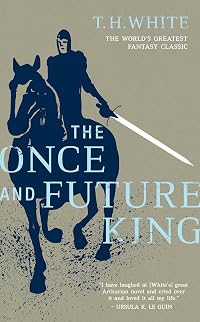
The Once and Future King
by T. H. White
The Once and Future King (Collections and Selections — compilation 1-4)
On This Page
Description
A revised omnibus edition of White's retelling of Arthurian legends. The first three sections of this book were originally published separately: The Sword in the Stone (1939), The Witch in the Wood (1939; here called "The Queen of Air and Darkness"), The Ill-Made Knight (1940), and the previously unpublished section, "The Candle in the Wind." The Book of Merlyn, written in 1941, was originally intended as the fifth and final book of the saga. It was first published by the University of Texas show more Press in 1977 and reissued by Berkley, 1978 (pap.). The whole world knows and loves this book. It is the magical epic of King Arthur and his shining Camelot; of Merlin and Owl and Guinevere; of beasts who talk and men who fly, of wizardry and war. It is the book of all things lost and wonderful and sad. It is the fantasy masterpiece by which all others are judged. show lessTags
Recommendations

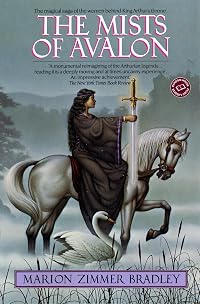
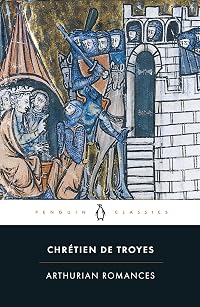


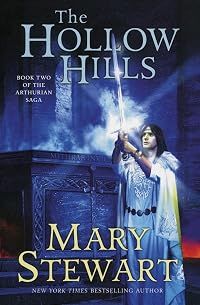
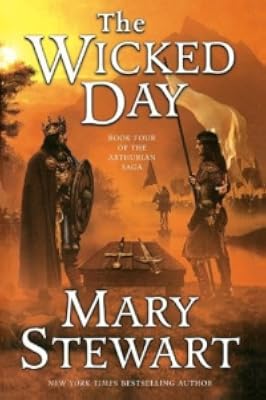
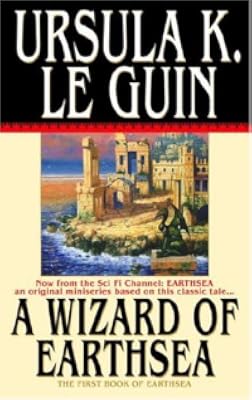


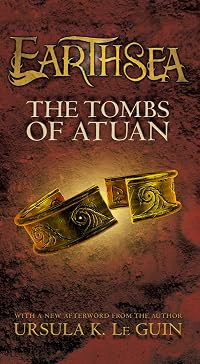
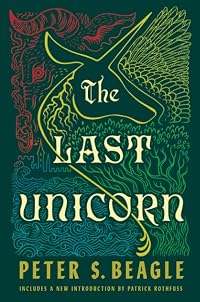
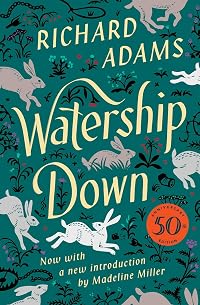

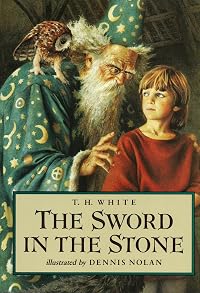





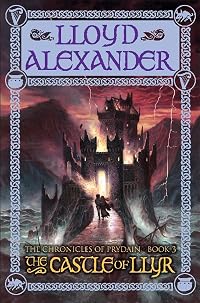
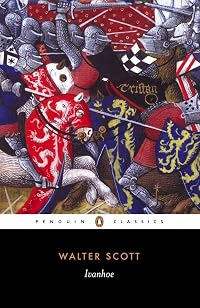
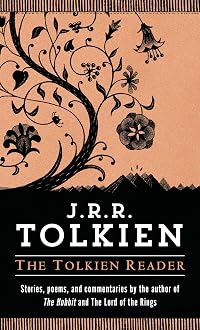
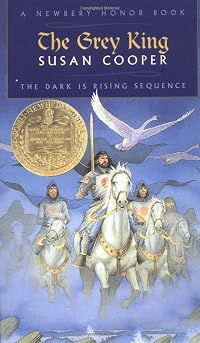



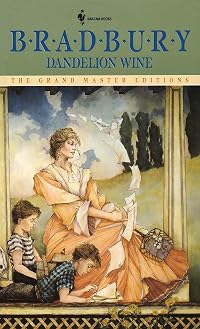
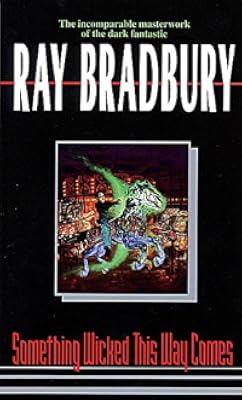

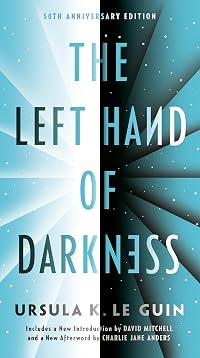

Member Recommendations



BINDINGSTHATLAST Anotherside of White
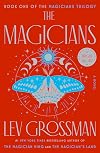
wandering_star I thought of making this recommendation when reading the magical education section of The Magicians, which reminded me of the first book of The Once and Future King. But the wider idea - that magical powers can't stop us from making stupid human mistakes - is also relevant to both books.
22
wordcauldron My favorite retelling of Arthurian legend. Period.
Member Reviews
I have no idea what to make of this book. It’s the second book in The Once and Future King quartet, was extensively revised after initial publication, when it was titled The Queen of Air and Darkness. Except The Witch in the Wood is supposedly longer than The Queen of Air and Darkness, but the version I read, which had the former title, was barely 100 pages long. And, to be honest, it didn't have much of a plot. Arthur is now king, but apparently not everyone has accepted this so he has to fight to prove himself. Merlyn lectures him on how fighting for the sake of fighting is not a good idea, and while combat may be fun for knights, it isn’t for the serfs, the foot soldiers, who get killed in large numbers. Meanwhile, King Pellinore show more is visiting Orkney with two companions, while King Lot is off fighting Arthur. Pellinore didn’t want to be there–he was following the Questing Beast, and having great fun, and then he fell in love with the daughter of the King of Flanders, but this magic boat appeared so he climbed into it. And now he’s stuck in Orkney. His friends try to improve his mood by faking the Questing Beast, but the real Questing Beast turns up and falls in love with their fake one (think pantomime horse). Then there’s a big battle and Arthur revolutionises tactics by attacking the knights and not the serfs. So, of course, he wins. This didn’t even feel like a novel, more like an info-dump. The scenes with Sir Grummor and Sir Palomides are funny, but feel like music hall. There are several lectures on politics and authority, which reference Hitler, and are well argued. But none of it feels like a novel in a series of four. I mean, White’s prose is… idiosyncratic, but so much more appealing than Tolkien’s. White throws in anachronisms, but he makes it work. And he’s funny. The Hobbit cannot compare. Two more books to go, but it’s already clear The Once and Future King is greatly superior to The Hobbit. show less
The Once and Future King is a book that feels connected and yet separate. The first portion, made up of the previously standalone novel The Sword in the Stone, reads like a book that parents of the late thirties may have read to their children a chapter at a time before bed. Composed of many small adventures with not much overarching plot, it's also far lighter in tone than much of what follows. While I wouldn't recommend it in its original form for children today, for reasons I'll get to later, this is the novel that Disney's The Sword in the Stone was based on. For anyone who grew up with that movie as I did, this should give you some idea of the magical adventures and a bit of the humor to be found here. The second book, however, The show more Queen of Air and Darkness, takes what feels like a dramatic tonal shift, and the end of the book is serious in the extreme.
All of this makes for a rather unique reading experience. It may induce you to either give up after the first portion, if it's the sort of thing you enjoy, or to give up before you even reach the portion you would enjoy if it isn't. I would suggest skipping the first book if you care to, but the later books draw on knowledge of the earlier ones. I might then suggest reading the first book when you're young and saving the rest for when you're older, but... the problematic content is of the type a young person may not be equipped to view through an appropriately critical lens. For a book that takes place in medieval England, there are a surprising number of remarks disparaging Native Americans. There's also usage of the "n" word. And there's even the type of racism that places certain races of the UK above others (Normans over Saxons and Saxons over Gaels). Among other questionable things. Honestly I made note of so many problematic passages that I would need a separate post to go over them all.
In terms of other content warnings, well, you probably can guess there's violence, although the first book clearly makes an effort to keep it below a certain level. For example, there's a sword fight in which the joke is that no one gets particularly hurt because both parties are wearing armor and clearly neither wants to cause serious injury to the other. In later books you'll find out the fates suffered by foot soldiers who don't wear armor and knights who are going at each other in earnest. You'll also find references to torture and incest and suicide, although these are told through narration rather than being explicitly depicted. In fact, the third person omniscient is used to great effect in allowing the reader to maintain a certain distance from what may otherwise have been incredibly disturbing. The author was working with established mythology and a bloody time in history, and he takes the approach of stating the situation as it is but sparing all the gory details.
Personally, I found myself plodding through the reading for the most part until partway through book three. The first book had some sections that were enjoyable enough that they kept me reading to the end of the little adventure. The second book served as a bridge to different parts of the timeline. But the third is where an overarching plotline that consistently kept my interest was introduced. It may be up to individual readers to determine whether they have the patience for this.
Another factor to consider is that at many points the narrator makes reference to Sir Thomas Malory's Le Morte d'Arthur, openly stating that events covered in that classic work won't be recounted here. I've only read portions of Le Morte d'Arthur myself and had no trouble understanding this book, but those who want to really dive into this mythology may be best suited starting with the earlier book and getting to this one later. Or maybe reading that one instead.
Personally, I found it interesting to see how the time period in which this book was written affected the way the stories were told. The impact of the first (and later second) world war is clear to see for those who keep an eye out for it, and this led to some reflections about war and violence and how/whether it might be possible to build a just and peaceful society that were what I liked best about the work as a whole. Except that it seemed at times to treat some of the horrors of the second world war a bit too lightly, and I made note of more than one sentence that seemed to lean towards antisemitic. So I'm not fully praising the viewpoint the novel takes on these issues. Really I appreciated that it established a framework that led me to wonder what I myself would have done if I were in King Arthur's shoes.
Other highlights include explanations of medieval life that are easy to understand and assume little prior knowledge of the subject. If you want to learn about a castle layout or the practice of hawking or many other little things without turning to nonfiction resources, this book can help you establish a foundation you can carry into works of fantasy that take your understanding of these things as a given. Not to mention books that take your knowledge of Arthurian legends as a given. There sure seems to be a lot of modern culture that assumes your familiarity with British culture and traditions.
There's also a certain feeling that books like these are to be kept on a pedestal, which in my case was amplified by the fact that the cover of the edition I checked out of the library had quotes by no less than four people praising it as if it's one of the greatest books ever. Personally, while I can say there are some great passages to be found here, especially towards the ending, and while I can understand a certain type of fantasy fan might find the first part to be a fun adventure with vibes similar to The Hobbit, I personally would only recommend this book if you're that type of reader, if you have a particular love for Arthurian legends, or if, like me, you're interested in the cultural significance. There are plenty of other books retelling the stories of King Arthur and his knights, and I certainly don't think this one should be above criticism.
But hey, feel free to say I must be somehow incapable of recognizing this book's true genius. Maybe my Irish ancestors passed down to me "the enormous, the incalculable miasma which is the leading feature of the Gaelic brain" (The Queen of Air and Darkness, Chapter 5). Or maybe we should pause while we read to consider whether harmful implications are being made and whether retellings of certain cultural mythologies might be revered above others for reasons that aren't solely dependent on their objective quality. Maybe we should all be free to form our own opinions. I don't know, just spit balling here*.
* For anyone who has difficulty discerning, yes, that final paragraph was sarcastic. And this footnote is genuine. Keep being you! show less
All of this makes for a rather unique reading experience. It may induce you to either give up after the first portion, if it's the sort of thing you enjoy, or to give up before you even reach the portion you would enjoy if it isn't. I would suggest skipping the first book if you care to, but the later books draw on knowledge of the earlier ones. I might then suggest reading the first book when you're young and saving the rest for when you're older, but... the problematic content is of the type a young person may not be equipped to view through an appropriately critical lens. For a book that takes place in medieval England, there are a surprising number of remarks disparaging Native Americans. There's also usage of the "n" word. And there's even the type of racism that places certain races of the UK above others (Normans over Saxons and Saxons over Gaels). Among other questionable things. Honestly I made note of so many problematic passages that I would need a separate post to go over them all.
In terms of other content warnings, well, you probably can guess there's violence, although the first book clearly makes an effort to keep it below a certain level. For example, there's a sword fight in which the joke is that no one gets particularly hurt because both parties are wearing armor and clearly neither wants to cause serious injury to the other. In later books you'll find out the fates suffered by foot soldiers who don't wear armor and knights who are going at each other in earnest. You'll also find references to torture and incest and suicide, although these are told through narration rather than being explicitly depicted. In fact, the third person omniscient is used to great effect in allowing the reader to maintain a certain distance from what may otherwise have been incredibly disturbing. The author was working with established mythology and a bloody time in history, and he takes the approach of stating the situation as it is but sparing all the gory details.
Personally, I found myself plodding through the reading for the most part until partway through book three. The first book had some sections that were enjoyable enough that they kept me reading to the end of the little adventure. The second book served as a bridge to different parts of the timeline. But the third is where an overarching plotline that consistently kept my interest was introduced. It may be up to individual readers to determine whether they have the patience for this.
Another factor to consider is that at many points the narrator makes reference to Sir Thomas Malory's Le Morte d'Arthur, openly stating that events covered in that classic work won't be recounted here. I've only read portions of Le Morte d'Arthur myself and had no trouble understanding this book, but those who want to really dive into this mythology may be best suited starting with the earlier book and getting to this one later. Or maybe reading that one instead.
Personally, I found it interesting to see how the time period in which this book was written affected the way the stories were told. The impact of the first (and later second) world war is clear to see for those who keep an eye out for it, and this led to some reflections about war and violence and how/whether it might be possible to build a just and peaceful society that were what I liked best about the work as a whole. Except that it seemed at times to treat some of the horrors of the second world war a bit too lightly, and I made note of more than one sentence that seemed to lean towards antisemitic. So I'm not fully praising the viewpoint the novel takes on these issues. Really I appreciated that it established a framework that led me to wonder what I myself would have done if I were in King Arthur's shoes.
Other highlights include explanations of medieval life that are easy to understand and assume little prior knowledge of the subject. If you want to learn about a castle layout or the practice of hawking or many other little things without turning to nonfiction resources, this book can help you establish a foundation you can carry into works of fantasy that take your understanding of these things as a given. Not to mention books that take your knowledge of Arthurian legends as a given. There sure seems to be a lot of modern culture that assumes your familiarity with British culture and traditions.
There's also a certain feeling that books like these are to be kept on a pedestal, which in my case was amplified by the fact that the cover of the edition I checked out of the library had quotes by no less than four people praising it as if it's one of the greatest books ever. Personally, while I can say there are some great passages to be found here, especially towards the ending, and while I can understand a certain type of fantasy fan might find the first part to be a fun adventure with vibes similar to The Hobbit, I personally would only recommend this book if you're that type of reader, if you have a particular love for Arthurian legends, or if, like me, you're interested in the cultural significance. There are plenty of other books retelling the stories of King Arthur and his knights, and I certainly don't think this one should be above criticism.
But hey, feel free to say I must be somehow incapable of recognizing this book's true genius. Maybe my Irish ancestors passed down to me "the enormous, the incalculable miasma which is the leading feature of the Gaelic brain" (The Queen of Air and Darkness, Chapter 5). Or maybe we should pause while we read to consider whether harmful implications are being made and whether retellings of certain cultural mythologies might be revered above others for reasons that aren't solely dependent on their objective quality. Maybe we should all be free to form our own opinions. I don't know, just spit balling here*.
* For anyone who has difficulty discerning, yes, that final paragraph was sarcastic. And this footnote is genuine. Keep being you! show less
As someone who admittedly didn't know anything about King Arthur except from the classic Disney film "The Sword In The Stone", this was a real eye opener. I completely enjoyed the first part of the book, where Merlin comes and educates Wart. That part is whimsical, fun, and just a good time. There are moments when we see the characters of Robin Hood, Maid Marian, and Little John. It felt comfortable, familiar.
Then we get to the second part of the book, and it is all downhill from there for me. We seem to pull away from Arthur and move into the Lancelot and Guenever story, which holds supreme for the rest of the book. It grew more than a little tiring. These characters made the same decisions over and over, and then felt the need to show more complain about them, over and over. I was more than ready to put the book down.
I hate not finishing a book, so I pressed on. The world-building is phenomenal. The mythical creatures, the backstory to other characters, and the first part alone set this book apart. It's just the Lancelot/Guenever thing that was a major mood killer. I finished the book happy to be done, but not happy to have read it. show less
Then we get to the second part of the book, and it is all downhill from there for me. We seem to pull away from Arthur and move into the Lancelot and Guenever story, which holds supreme for the rest of the book. It grew more than a little tiring. These characters made the same decisions over and over, and then felt the need to show more complain about them, over and over. I was more than ready to put the book down.
I hate not finishing a book, so I pressed on. The world-building is phenomenal. The mythical creatures, the backstory to other characters, and the first part alone set this book apart. It's just the Lancelot/Guenever thing that was a major mood killer. I finished the book happy to be done, but not happy to have read it. show less
This beautifully written book is one of two gold standards I use to measure Arthurian books. Mary Stewart's Merlin Trilogy for the historic approach, and this one, White's The Once and Future King, for the full-on fantasy approach. (The book was the basis for the musical Camelot.)
The first three parts weren't originally written as part of the integrated novel but published separately. The best known of those was the first part, The Sword in the Stone, a great coming of age tale that was turned into a film by Disney. I loved that first part of the book especially--full of wisdom and whimsy as Merlyn--who lives backward in time--turns Arthur into different animals in order to help him gain wisdom, and the characters are truly endearing show more and the story full of humor that makes this part stand alone as a classic children's book.
The next parts are very much adult and much darker, particularly the final and poignant fourth part, "The Candle in the Wind," dealing with the fall of Camelot. The Once and Future King has the most complex depictions of Arthur, Lancelot and Guenivere I've read and I think no matter what version of them I read afterwards, these are the ones I imprinted on--this is my Arthur, my Guinevere and my Lancelot. After White's death a connected novel called The Book of Merlyn was published, but I don't find it as engaging. show less
The first three parts weren't originally written as part of the integrated novel but published separately. The best known of those was the first part, The Sword in the Stone, a great coming of age tale that was turned into a film by Disney. I loved that first part of the book especially--full of wisdom and whimsy as Merlyn--who lives backward in time--turns Arthur into different animals in order to help him gain wisdom, and the characters are truly endearing show more and the story full of humor that makes this part stand alone as a classic children's book.
The next parts are very much adult and much darker, particularly the final and poignant fourth part, "The Candle in the Wind," dealing with the fall of Camelot. The Once and Future King has the most complex depictions of Arthur, Lancelot and Guenivere I've read and I think no matter what version of them I read afterwards, these are the ones I imprinted on--this is my Arthur, my Guinevere and my Lancelot. After White's death a connected novel called The Book of Merlyn was published, but I don't find it as engaging. show less
What a way to end a year. This book is so full of hope and laughter, and then becomes one of sadness and despair, yet its views on humanity and human nature are just as profound as they were when I first read it at age 14.
And now, knowing how anachronistic this re-telling of the tale is, I understand so much more of what White was describing: how the suppression of the Saxons by the Normans was the start of Arthur's kingship, followed by the flowering of the High Middle Ages, and ending all by cannons. I am especially struck by Mordred's twisted spirit, Agravain's mindless focus on his mother (and his own hidden monstrosity), and the pulling of Arthur into his lawfulness and sadness. The principal actors become archetypes in this show more re-telling, and many tips of the hat are given to Mallory's description of the battles and panoply.
I know, I know, that Arthur was probably an anglicized Roman general, but the depth of feeling and heights of joy and despair just reflect so much better the heights and depths of the Dark and Middle Ages.
And for my 2024 reading, I was struck by the almost off-hand way that valiant knights on horseback are portrayed as almost comical characters despite White's admiration for Mallory's work. I was also more than a bit annoyed by White's blunt dismissal of Guenever as an older woman. As a product of his time, his unconscious chauvinism, bordering on misogyny, simply writes her off as no longer of worth because she is not the beauty she was as a young queen. It's appalling to read now, especially as Lancelot and Arthur and Gawain gain wisdom as they age.
What I barely grasped at the age of 14 I now understand so much better: the politics of King Arthur's downfall and why petty, cruel men wish to topple the world he helped make better. My favorite quote is the one towards the end, when Lancelot and Guenever are looking through her window:
Do you think that they, with their Battles, Famine, Black Death and Serfdom, were less enlightened than we are with our Wars, Blockade, Influenza and Conscription? Even if they were foolish enough to believe that the earth was the centre of the universe, do we not ourselves believe that man is the fine flower of creation? If it takes a million years for a fish to become a reptile, has Man, in our few hundred, altered out of recognition? show less
And now, knowing how anachronistic this re-telling of the tale is, I understand so much more of what White was describing: how the suppression of the Saxons by the Normans was the start of Arthur's kingship, followed by the flowering of the High Middle Ages, and ending all by cannons. I am especially struck by Mordred's twisted spirit, Agravain's mindless focus on his mother (and his own hidden monstrosity), and the pulling of Arthur into his lawfulness and sadness. The principal actors become archetypes in this show more re-telling, and many tips of the hat are given to Mallory's description of the battles and panoply.
I know, I know, that Arthur was probably an anglicized Roman general, but the depth of feeling and heights of joy and despair just reflect so much better the heights and depths of the Dark and Middle Ages.
And for my 2024 reading, I was struck by the almost off-hand way that valiant knights on horseback are portrayed as almost comical characters despite White's admiration for Mallory's work. I was also more than a bit annoyed by White's blunt dismissal of Guenever as an older woman. As a product of his time, his unconscious chauvinism, bordering on misogyny, simply writes her off as no longer of worth because she is not the beauty she was as a young queen. It's appalling to read now, especially as Lancelot and Arthur and Gawain gain wisdom as they age.
What I barely grasped at the age of 14 I now understand so much better: the politics of King Arthur's downfall and why petty, cruel men wish to topple the world he helped make better. My favorite quote is the one towards the end, when Lancelot and Guenever are looking through her window:
Do you think that they, with their Battles, Famine, Black Death and Serfdom, were less enlightened than we are with our Wars, Blockade, Influenza and Conscription? Even if they were foolish enough to believe that the earth was the centre of the universe, do we not ourselves believe that man is the fine flower of creation? If it takes a million years for a fish to become a reptile, has Man, in our few hundred, altered out of recognition? show less
This funny, magical, tragic, introspective, silly, heart-breaking book has connected intimately, but always differently, to me over multiple re-readings during the last 40 years. After reading widely in Arthurian literature old (Sir Gawaine, Geoffrey, Chretien, Mallory, Stewart) to new (Stewart, Monaco, Cornwell, many others), I judge White the best of them. White isn't particularly interested in telling a rollicking mythological, fantasy adventure (others do that part better), but he makes the usual cast of characters believable people, almost like the result of intense historical research wedded to 20th century psychology, except that much of the "research" is his imagination. So, for example, White gives Arthur, Lancelot, and the show more Orkney clan very different, specific upbringings that illuminate their later choices. He also takes up contradictions, such as the questing beast initially pursued by Pellinore being later associated with Palomides, and invents marvelous explanations to bring consistency to the tale.
Every bit of the joy, wonder, and magic of Arthur's life lies within the shadow of his end. It is no less heart rending reading his naive plea to stand against all evil, and to personally take on the consequences of failure the dozenth time as the second. Somehow the joy transcends the pain. show less
Every bit of the joy, wonder, and magic of Arthur's life lies within the shadow of his end. It is no less heart rending reading his naive plea to stand against all evil, and to personally take on the consequences of failure the dozenth time as the second. Somehow the joy transcends the pain. show less
This was a funny one. There is a significant change of style and tone over the four books, and I would say that whilst both the childlike whimsy of first book (The Sword in the Stone) and the epic humanism of the final book (The Candle in the Wind) are wonderful reads, in differing ways, neither of the two transitional books work at all.
The worst is definitely The Ill-Made Knight, the third book - which is a ill-made mixture of childish simplicity with adult themes, and feels plain odd. The books leaves all character development of its two main protagonists (Lancelot and Guenevere) for the fourth book, barely features Arthur at all, rushes past the deaths of some of the key knights, has none of the madcap creativity of the early books, show more and tries to do moralising and irony in the same breath.
However, you can't not love the collection as a whole, given the strengths of other books. White's textual richness is his main success, and the way he illuminates the 'dark ages', making it feel fizzing with life. Also: is there a more euphonic title than 'The Once and Future King'. Beautiful. show less
The worst is definitely The Ill-Made Knight, the third book - which is a ill-made mixture of childish simplicity with adult themes, and feels plain odd. The books leaves all character development of its two main protagonists (Lancelot and Guenevere) for the fourth book, barely features Arthur at all, rushes past the deaths of some of the key knights, has none of the madcap creativity of the early books, show more and tries to do moralising and irony in the same breath.
However, you can't not love the collection as a whole, given the strengths of other books. White's textual richness is his main success, and the way he illuminates the 'dark ages', making it feel fizzing with life. Also: is there a more euphonic title than 'The Once and Future King'. Beautiful. show less
Members
- Recently Added By
Lists

1001 Books You Must Read Before You Die
1,448 works; 1,136 members

Best Fantasy Novels
821 works; 357 members

Favorite Childhood Books
1,651 works; 519 members
BBC Big Read
191 works; 46 members

Best Arthurian Fiction
104 works; 33 members

Favourite Books
1,820 works; 311 members

Best Historical Fiction
620 works; 262 members

Read the book and saw the movie
1,170 works; 193 members
NPRs your picks: top 100 Sci-Fi/Fantasy books
297 works; 80 members
Favorite Long Books
330 works; 42 members

Recommend the 20 best books you've read in the last five years
2,168 works; 608 members

20th Century Literature
1,161 works; 54 members

TED 2013 Summer Reading List
190 works; 13 members
1940s
221 works; 25 members

Top Five Books of 2013
1,562 works; 715 members
Folio Society
831 works; 53 members

Books I've Read More Than Once
602 works; 49 members

1950s
340 works; 22 members
1001 Children's Books You Must Read Before You Grow Up
774 works; 101 members

Top Five Books of 2022
736 works; 272 members

Survey of Fantasy Classics
111 works; 23 members
Historical Fiction
889 works; 90 members

Cawthorn and Moorcock's Fantasy: The 100 Best Books
110 works; 7 members
David Pringle's Modern Fantasy: The 100 Best Novels
100 works; 5 members

Mensa for Kids Excellence in Reading Award Program (Grades 9-12)
116 works; 5 members

Celtic Fiction
26 works; 10 members

Global Reads: Books Set in the United Kingdom and Ireland
109 works; 5 members

Anthony Burgess 99 Post War Novels
99 works; 7 members

1,001 BYMRBYD Concensus
723 works; 27 members

A Novel Cure
742 works; 23 members
LibraryThingers' 1001 Books You Must Read Before You Die
442 works; 30 members
The 100 Best Fantasy Books of All Time
100 works; 15 members

Best Mythic Fiction
35 works; 6 members

The Seven-League Shelf
57 works; 3 members
Mensa for Kids Excellence in Reading Award Program (Grades 9-12)
116 works; 3 members
Five star books
1,767 works; 110 members

Movie Adaptations
111 works; 4 members

Myth (Reuse and Retelling)
188 works; 24 members
Speculative Fiction to Read
706 works; 31 members
United Kingdom
82 works; 5 members

Books about characters you'd like to know
34 works; 15 members

Parallel Novels
37 works; 6 members
Books tagged favorites
390 works; 30 members

A's favorite novels
100 works; 3 members

Books Read in 2023
5,638 works; 147 members

Stories Inspired by Other Fiction
127 works; 24 members
Independent Reading Suggestions
69 works; 3 members

Books With Numbers in the Title
308 works; 13 members

Classics of Fantasy
14 works; 2 members
Modern Arthurian Fiction
237 works; 16 members

Books Read in 2022
5,226 works; 112 members

recalling favorites...
105 works; 2 members

Books Read in 2009
464 works; 11 members
Books That Made Us Cry
278 works; 145 members

Books Read in 2025
4,128 works; 98 members
School Made Us Read It
380 works; 197 members

EGBERTINA'S List of childhood books worthy of merit or unspeakable delight
155 works; 7 members

Favorite Kids Books (chapter, middle grade)
170 works; 4 members
Books We Want To Read Again For The First Time
384 works; 160 members

.
194 works; 2 members
Book Worlds We'd Like To Visit
322 works; 158 members
Books We Couldn't Put Down
443 works; 197 members

.
396 works; 1 member

Books We Resisted Reading
178 works; 113 members

Books That Changed Our Perspective
423 works; 168 members

Ambleside Year 7
69 works; 1 member

Recommended Reading : 600 Classics Reviewed, Editors of Salem Press, 2015
634 works; 6 members

Books With the Most Memorable Titles
478 works; 158 members

Book club books
22 works; 1 member
Best Audiobooks
240 works; 114 members

Books recommended by Calgary Public Library staff
1,588 works; 4 members

Mustich's 1000 Books to Read Before You Die: A Life Changing List
1,001 works; 20 members

um actually
76 works; 3 members

Before Austen Comes Aesop
318 works; 9 members
Books Read in 2016
110 works; 1 member
Ambleside Books
459 works; 18 members
Put a Bird On It
75 works; 12 members
Honey For a Child's Heart
1,152 works; 25 members

Books Read in 2019
4,052 works; 110 members

Books Read in 2018
4,360 works; 110 members

KayStJ's to-read list
1,616 works; 11 members

Books Read in 2024
4,727 works; 125 members

Unread books
1,063 works; 83 members
Talk Discussions
Past Discussions
The Once and Future King Group Read: General Thread in 75 Books Challenge for 2010 (June 2010)
Book Discussion: Arthurian Themed Read *Spoiler Free* in The Green Dragon (March 2008)
Author Information

Terence Hanbury White was born on May 29, 1906 in Bombay, India. He attended Cheltenham College, Gloucestershire, and Queen's College, Cambridge. The success of his autobiography, England Have My Bones, allowed him to leave teaching after six years and devote his time to writing. Although he wrote a wide array of novels and some poetry, he is best show more known for The Once and Future King, his four-volume retelling of the legend of King Arthur, which became the basis for both the musical, Camelot, and the Disney film, The Sword in the Stone. White died on January 17, 1964, while returning home from a lecture tour in America. (Bowker Author Biography) show less
Some Editions
Awards and Honors
Distinctions
Notable Lists
BBC's Big Read (198)
Greatest Books algorithm (305)
Series

Work Relationships
Is contained in
Contains
Has the adaptation
Was inspired by
Has as a study
Common Knowledge
- Canonical title
- The Once and Future King
- Original title
- The Once and Future King
- Original publication date
- 1958; 1938 (The Sword in the Stone) (The Sword in the Stone); 1939 (The Queen of Air and Darkness) (The Queen of Air and Darkness); 1940 (The Ill-Made Knight) (The Ill-Made Knight); 1958 (The Candle in the Wind) (The Candle in the Wind)
- People/Characters
- Merlin (as Merlyn); Sir Ector; Sir Kay; King Arthur (as Wart, Arthur Pendragon); Lancelot du Lac; Morgan le Fay (show all 22); Morgause; King Lot of Orkney; Gawain (Sir Gawaine of Orkney); Sir Agravaine of Orkney; Sir Gaheris of Orkney; Sir Gareth of Orkney; Mordred; King Pellinore; Sir Grummore; Sir Palomides; Questing Beast; Galahad (Sir); Robin Wood; Nimue; Sir Bors; Guinevere (Guenever)
- Important places
- Camelot; England, UK; Orkney, Scotland, UK; Joyous Gard; Almesbury; Astolat
- Important events
- Middle Ages
- Related movies
- The Sword in the Stone (1963 | IMDb); Camelot (1967 | IMDb)
- Epigraph
- She is not any common earth
Water or wood or air,
But Merlin's Isle of Gramarye
Where you and I will fare.
When shall I be dead and rid
Of the wrong my father did?
How long, how long, till spade and hearse
Put to sleep my mother's curse?
"Nay," said Sir Lancelot "... for
once shamed may never be recovered."
"He thought a little and said:
'I have found the Zoological Gardens of service to many of my patients. I should prescribe for Mr. Pontifex a course of the larger mammals. Don't let him think he is taking them medicin... (show all)ally...' - Dedication
- For J.A.J.A.
- First words
- On Mondays, Wednesdays and Fridays it was Court Hand and Summulae Logicales, while the rest of the week it was the Organon, Repetition and Astrology. The governess was always getting muddled - she would take it out of the War... (show all)t by rapping his knuckles.
- Quotations
- “If I were to be made a knight,” said the Wart, staring dreamily into the fire, “I should insist on doing my vigil by myself, as Hob does with his hawks, and I should pray to God to let me encounter all the evil in the ... (show all)world in my own person, so that if I conquered there would be none left, and, if I were defeated, I would be the one to suffer for it.”
“That would be extremely presumptuous of you,” said Merlyn, “and you would be conquered, and you would suffer for it.”
“I shouldn’t mind.”
“Wouldn’t you? Wait till it happens and see.”
"The best thing for being sad," replied Merlyn, beginning to puff and blow, "is to learn something. That is the only thing that never fails. You may grow old and trembling in your anatomies, you may lie awake at night listeni... (show all)ng to the disorder of your veins, you may miss your only love, you may see the world about you devastated by evil lunatics, or know your honour trampled in the sewers of baser minds. There is only one thing for it then—to learn. Learn why the world wags and what wags it. That is the only thing which the mind can never exhaust, never alienate, never be tortured by, never fear or distrust, and never dream of regretting."
"Which did you like best," he asked, "the ants or the wild geese?"
"Yet here I am denouncing their ideas of nationalism, being what their politicians would call a traitor—because, by calling names, they can score the cheap debating points. And do you know another thing, Arthur? Life is too... (show all) bitter already, without territories and wars and noble feuds."
"You have become the king of a domain in which the popular agitators hate each other for racial reasons, while the nobility fight each other for fun, and neither the racial maniac nor the overlord stops to consider the lot of... (show all) the common soldier, who is the one person that gets hurt. Unless you can make the world wag better than it does at present, King, your reign will be an endless series of petty battles, in which the aggressions will either be from spiteful reasons or from sporting ones, and in which the poor man will be the only one who dies. "
"The bravest people are the ones who don't mind looking like cowards."
Few people can hate so bitterly and so self-righteously as the members of a ruling caste which is being dispossessed.
Arthur's feelings completed the misery of the court. He, unfortunately for himself, had been beautifully brought up. His teacher had educated him as the child is educated in the womb, where it lives the history of man from fi... (show all)sh to mammal—and, like the child in the womb, he had been protected with love meanwhile. The effect of such an education was that he had grown up without any of the useful accomplishments for living—without malice, vanity, suspicion, cruelty, and the commoner forms of selfishness. Jealousy seemed to him the most ignoble of vices. He was sadly unfitted for hating his best friend or for torturing his wife. He had been given too much love and trust to be good at these things.
Arthur was not one of those interesting characters whose subtle motives can be dissected. He was only a simple and affectionate man, because Merlyn had believed that love and simplicity were worth having.
When Lancelot saw her waiting for him at the table, with Arthur beside her, the heart-sack broke in his wame, and the love inside it ran about his veins. It was his old love for a girl of twenty, standing proudly by her thron... (show all)e with the present of captives about her—but now the same girl was standing in other surroundings, the surroundings of bad make-up and loud silks, by which she was trying to defy the invincible doom of human destiny. He saw her as the passionate spirit of innocent youth, now beleaguered by the trick which is played on youth—the trick of treachery in the body, which turns flesh into green bones. Her stupid finery was not vulgar to him, but touching. The girl was still there, still appealing from behind the breaking barricade of rouge. She had made the brave protest: I will not be vanquished. Under the clumsy coquetry, the undignified clothes, there was the human cry for help. The young eyes were puzzled, saying: It is I, inside here—what have they done to me? I will not submit. Some part of her spirit knew that the powder was making a guy of her, and hated it, and tried to hold her lover with the eyes alone. They said: Don't look at all this. Look at me. I am still here, in the eyes. Look at me, here in the prison, and help me out. Another part said: I am not old, it is illusion. I am beautifully made-up. See, I will perform the movements of youth. I will defy the enormous army of age.
One explanation of Guenever, for what it is worth, is that she was what they used to call a "real" person. She was not the kind who can be fitted away safely under some label or other, as "loyal" or "disloyal" or "self-sacrif... (show all)icing" or "jealous". Sometimes she was loyal and sometimes she was disloyal. She behaved like herself. And there must have been something in this self, some sincerity of heart, or she would not have held two people like Arthur and Lancelot. Like likes like, they say—and at least they are certain that her men were generous. She must have been generous too. It is difficult to write about a real person.
Lovers were not recruited then among the juveniles and adolescents: they were seasoned people, who knew what they were about. In those days people loved each other for their lives, without the conveniences of the divorce cour... (show all)t and the psychiatrist. They had a God in heaven and a goddess on earth—and, since people who devote themselves to goddesses must exercise some caution about the ones to whom they are devoted, they neither chose them by the passing standards of the flesh alone, nor abandoned it lightly when the bruckle thing began to fail.
"Because a man can push you off a horse with a stick, it doesn't mean he is a better man than you are."
"When you are a king you can't go executing people as the fancy takes you. A king is the head of his people, and he must stand as an example to them, and do as they wish."
"Civilization seems to have become insane," she said.
"War is like a fire, Agnes. One man may start it, but it will spread all over."
He saw the problem before him as plain as a map. The fantastic thing about war was that it was fought about nothing—literally nothing. Frontiers were imaginary lines. There was no visible line between Scotland and England, ... (show all)although Flodden and Bannockburn had been fought about it. It was geography which was the cause—political geography. It was nothing else. Nations did not need to have the same kind of civilization, nor the same kind of leader, any more than the puffins and the guillemots did. They could keep their own civilizations, like Esquimaux and Hottentots, if they would give each other freedom of trade and free passage and access to the world. Countries would have to become counties—but counties which could keep their own culture and local laws. The imaginary lines on the earth's surface only needed to be unimagined. The airborne birds skipped them by nature. How mad the frontiers had seemed to Lyo-lyok, and would to Man if he could learn to fly.
There would be a day—there must be a day—when he would come back to Gramarye with a new Round Table which had no corners, just as the world had none—a table without boundaries between the nations who would sit to feast ... (show all)there. The hope of making it would lie in culture. If people could be persuaded to read and write, not just to eat and make love, there was still a chance that they might come to reason. - Last words
- (Click to show. Warning: May contain spoilers.)The cannons of his adversary were thundering in the tattered morning when the Majesty of England drew himself up to meet the future with a peaceful heart.
- Blurbers
- Garnett, David; West, Rebecca; Stern, G. B.; Frankau, Pamela
- Original language
- English
- Canonical DDC/MDS
- 823.914
- Canonical LCC
- PR6045.H2
- Disambiguation notice
- These editions of The Once and Future King do not contain The Book of Merlyn. Please do not combine with the editions that do contain The Book of Merlyn.
Classifications
Statistics
- Members
- 17,409
- Popularity
- 380
- Reviews
- 225
- Rating
- (4.08)
- Languages
- 10 — Dutch, English, Estonian, German, Greek, Hungarian, Italian, Portuguese, Spanish, Swedish
- Media
- Paper, Audiobook, Ebook
- ISBNs
- 72
- UPCs
- 3
- ASINs
- 129