
On This Page
Description
Good struggles with Evil as Chauntecleer the rooster fights against the mysterious Wyrm.Tags
Recommendations



















Member Recommendations
Member Reviews
A bizarre book: nursery story meets Hieronymus Bosch. I can tell that it is about the struggle of Good versus Evil, but I was frustrated by the sense that other aspects of the allegorical symbolism were eluding me. A group of farmyard characters have escaped from Chaucer's Canterbury Tales into an allegorical plot resembling that of some half-forgotten work of John Bunyan or William Blake. Apart from the aforementioned classics of English literature, the only books that came to mind as I read it were Russell Hoban's The Mouse and his Child and George Orwell's Animal Farm, with their anthropomorphized animal characters and recurrent sense of oppression and sorrow. The main figure of Chaunticleer veers oddly between pompous patriarch, show more solicitous priest, and sacred warrior-king, and some of his exchanges with his beloved hen Pertelote are the most moving and modern, the least allegorical and animal-like, of all the book's threads. Otherwise, there's a lot of death and destruction, mourning and misunderstanding, betrayal and sacrifice.
MB 26-iv-2013 show less
MB 26-iv-2013 show less
Having had this book on my shelf for 30 years, I decided that I should finally read it, so took it on holiday. Why did I wait so long?! This is instantly one of my favourite books. By turns funny, frightening, sorrowful and uplifting, the book tells the story of Chauntecleer the rooster and his battle to uphold good against evil.
The Christian symbolism is laid on fairly thick, but not so much that it gets in the way of the story and its message, which obviously is a Christian one. However, as G -vs- E is a universal theme, it easily transcends its roots in a specific religious tradition.
Chauntecleer is portrayed as a very complex character: proud and arrogant,but also very loving and self-sacrificing. He's a monumental literary show more creation. I really liked Mundo Cani Dog, and he's my favourite of the supporting cast.
Despite living in an obviously human-made environment (wooden coop with doors and windows, bread and cracked corn to eat) people do not enter the story at all and the whole narrative focuses on the animals of Chantecleer's domain. Having said that, I suppose that the whole book is actually about people, but allegorically so.
I'm definitely going to track down [b:The Book of Sorrows|383618|The Book of Sorrows|Walter Wangerin Jr.|http://photo.goodreads.com/books/1174343134s/383618.jpg|373383], which continues the story where Dun Cow leaves off. show less
The Christian symbolism is laid on fairly thick, but not so much that it gets in the way of the story and its message, which obviously is a Christian one. However, as G -vs- E is a universal theme, it easily transcends its roots in a specific religious tradition.
Chauntecleer is portrayed as a very complex character: proud and arrogant,but also very loving and self-sacrificing. He's a monumental literary show more creation. I really liked Mundo Cani Dog, and he's my favourite of the supporting cast.
Despite living in an obviously human-made environment (wooden coop with doors and windows, bread and cracked corn to eat) people do not enter the story at all and the whole narrative focuses on the animals of Chantecleer's domain. Having said that, I suppose that the whole book is actually about people, but allegorically so.
I'm definitely going to track down [b:The Book of Sorrows|383618|The Book of Sorrows|Walter Wangerin Jr.|http://photo.goodreads.com/books/1174343134s/383618.jpg|373383], which continues the story where Dun Cow leaves off. show less
In this powerful and resonant fable, Wangerin tells the story of Chantecleer, a rooster and lord of creation who must face the darkest evil of his world. Wyrm lives beneath the surface of the earth, and it is the task of the humble animals of the earth to keep him penned there. They themselves are not even aware of this responsibility, but as they inhabit the surface, their very innocence holds the monster down. Wangerin writes, "Oh, it was a wonder that Chauntecleer the Rooster, that a flock of broody Hens, a Dog, a Weasel, and tens of thousands of suchlike creatures — and even that Ebenezer Rat — should be the Keepers of Wyrm! The little against the large. The foolish set to protect all the universe against the wise! ... It was a show more wonder. But that's the way it was, because God had chosen it to be that way."
When Wyrm finds a way to the surface through the foolish ambitions of the old Rooster Senex, the animals must band together to fight the evil that is sweeping over the land. Wyrm has many children, the basilisks, who spread his death and stench over the once-peaceful countryside. In the final battle, Chauntecleer must reach back into a part of his past that he had longed to forget in order defeat Wyrm and save the earth from Wyrm's destruction.
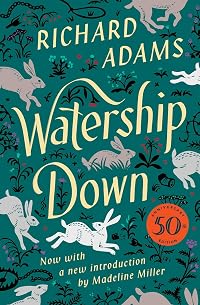
Humorous, poetic, intense, and imaginative, this book is reminiscent of both Watership Down and the Chronicles of Narnia. Wangerin is a Christian, and his worldview permeates the story without a hint of preaching. Anyone who enjoys epic fantasy will enjoy this powerful and thought-provoking tale. Recommended. show less
When Wyrm finds a way to the surface through the foolish ambitions of the old Rooster Senex, the animals must band together to fight the evil that is sweeping over the land. Wyrm has many children, the basilisks, who spread his death and stench over the once-peaceful countryside. In the final battle, Chauntecleer must reach back into a part of his past that he had longed to forget in order defeat Wyrm and save the earth from Wyrm's destruction.
Humorous, poetic, intense, and imaginative, this book is reminiscent of both Watership Down and the Chronicles of Narnia. Wangerin is a Christian, and his worldview permeates the story without a hint of preaching. Anyone who enjoys epic fantasy will enjoy this powerful and thought-provoking tale. Recommended. show less
In this moving fable of Good versus Evil by author Walter Wangerin, it is a time when the sun still revolves around the earth and animals can talk. Lord Chauntecleer, a rooster, presides over his coop and all the animals around including Mundo Cani, a rather depressed dog and John Wesley Weasel. Do not, however, mistake them for the cute and cuddly talking creatures which populate Disney stories. Wangerin's animals have more in common with the animals found in Aesop's Fables and Medieval Bestiaries than those found in the Magic kingdom. They are noble, brave, and kind but they are also prideful, selfish, and silly and God has placed them on this earth for a purpose. Without knowing it, they are the keepers of Wyrm, the most evil show more creature in all creation, damned by God to reside at the centre of the earth - sum wyrm, sub terra - and he has been trying since before time to break free. Now, with the unwitting aid of Senex, the old and foolish ruler of another coop, Wyrm has found his opportunity to leave his hell and bring sorrow and chaos to the universe. It is up to the animals of Chauntecleer's coop, this Kingdom of the Meek, to defeat him and his minions, with little but their faith to sustain them.
First published in 1978, The Book of the Dun Cow won the National Book Award for Science Fiction. Loosely based on The Nun's Priest's Tale in Chaucer's Canterbury Tales with a title taken from the oldest extant Celtic manuscript, Book of the Dun Cow (c. 1100), it has been compared to books such as Animal Farm, Watership Down, and CS Lewis' Narnia series.
There are very strong religious overtones to the story, not surprising since Wangerin was a Lutheran minister. Still, this does not overshadow the story; rather, with its rich use of symbolism, it enhances it. The writing style has a simple elegance rarely found in modern books which, combined with the strength of its Christian themes, may put off many readers. And that would be a shame. It is the kind of book that requires a bit of thought beyond the usual willing suspension of disbelief to be fully appreciated. But, like the books it has been compared to, it s well worth the effort. show less
First published in 1978, The Book of the Dun Cow won the National Book Award for Science Fiction. Loosely based on The Nun's Priest's Tale in Chaucer's Canterbury Tales with a title taken from the oldest extant Celtic manuscript, Book of the Dun Cow (c. 1100), it has been compared to books such as Animal Farm, Watership Down, and CS Lewis' Narnia series.
There are very strong religious overtones to the story, not surprising since Wangerin was a Lutheran minister. Still, this does not overshadow the story; rather, with its rich use of symbolism, it enhances it. The writing style has a simple elegance rarely found in modern books which, combined with the strength of its Christian themes, may put off many readers. And that would be a shame. It is the kind of book that requires a bit of thought beyond the usual willing suspension of disbelief to be fully appreciated. But, like the books it has been compared to, it s well worth the effort. show less
This is a theistic fable of talking animals led by a brave rooster as they become aware of the basilisks heralding emergence of a Satan-like Wyrm they must unit to fight. It is imaginative and colorful while the story arc feels fairly formulaic, but maybe this would have impressed me more had I read when much younger.
The blurb from the Los Angeles Times says Belongs on the shelf with Animal Farm, Watership Down, and The Lord of the Rings." ?áIt does not say you'll be as moved by it as you were by those. ?áI agree on both counts. ?áI thought this a brilliant and exciting fable. ?áMuch was a little obvious, some was a little metaphysical. ?áGod is mentioned by name, but really any Higher Power would serve as details don't seem to be present, or, if they are, they're in the symbolism, which is easy for an atheist like me to overlook (just as I do when I read Narnia).
No, this won't serve every reader. ?áBut everyone over the age of nine or so who likes animal fantasy should consider reading it. ?áSome, like me, will want to reread it. show more ?á
One thing that I never noticed in descriptions or other reviews was mention of the humor. ?áIt's wonderful: some is more subtle, some more cruel, and some is just slapstick. ?áFor?áan?áexample of the easier sort, some of the turkeys, we learn, are named Corningware, Paprika, and Basil.
There are also beautiful bits. ?áA wedding is held in the winter, and for gifts, the other animals tramp down words and pictures (a la' corn mazes). ?áHow apt, for animals, who don't have possessions....
An under-appreciated book. ?áLook for it. ?áMeanwhile, I will look for others by the author." show less
No, this won't serve every reader. ?áBut everyone over the age of nine or so who likes animal fantasy should consider reading it. ?áSome, like me, will want to reread it. show more ?á
One thing that I never noticed in descriptions or other reviews was mention of the humor. ?áIt's wonderful: some is more subtle, some more cruel, and some is just slapstick. ?áFor?áan?áexample of the easier sort, some of the turkeys, we learn, are named Corningware, Paprika, and Basil.
There are also beautiful bits. ?áA wedding is held in the winter, and for gifts, the other animals tramp down words and pictures (a la' corn mazes). ?áHow apt, for animals, who don't have possessions....
An under-appreciated book. ?áLook for it. ?áMeanwhile, I will look for others by the author." show less
More fantasy novel than fable, the Book of the Dun Cow is a tale of Good vs Evil where the Evil is frightfully strong and the good is despairingly weak. "But there is some good in the world," as a certain humble gardener would have said. "And it's worth fighting for."
And boy do they fight.
Anybody who is just beginning the book and is on its first few pages would consider it a light-hearted romp with some funny but well-written characters, but it does not take long to see that the tale is growing darker by the minute, and the light-heartedness, while not completely gone, is scarce.
I would not go into the characters, for it is better that you find them out yourselves. There are some who might have been better if they were given a greater show more spotlight but I digress.
All in all, a wonderful tale, and one of the great fantasy tales put to paper.
P. S.: If you are thinking of giving your children this book to read, you might want to read it first and give it to them second. The tale is dark as I said and you must be the judge if they are ready for it. show less
And boy do they fight.
Anybody who is just beginning the book and is on its first few pages would consider it a light-hearted romp with some funny but well-written characters, but it does not take long to see that the tale is growing darker by the minute, and the light-heartedness, while not completely gone, is scarce.
I would not go into the characters, for it is better that you find them out yourselves. There are some who might have been better if they were given a greater show more spotlight but I digress.
All in all, a wonderful tale, and one of the great fantasy tales put to paper.
P. S.: If you are thinking of giving your children this book to read, you might want to read it first and give it to them second. The tale is dark as I said and you must be the judge if they are ready for it. show less
Members
- Recently Added By
Published Reviews
ThingScore 75
Read it for fun, and imagine Arnold Schwarzenegger speaking these lines, à la his Conan the Barbarian days.
added by Shortride
Lists

1970s
657 works; 23 members

Best Books About Animals
143 works; 46 members

Read For Your Life
157 works; 1 member
Author Information

97+ Works 11,954 Members
Walter Wangerin Jr. is widely recognized as one of the greatest modern day writers on faith and spirituality. The author of over forty books including The Book of God and The Book of the Dun Cou, Wangerin is the recipient of the National Book Award and the New York Times Best Children's Book of the Year Award. He lives in Valparaiso, Indiana, show more where he is senior research professor at Valparaiso University. show less
Some Editions
Awards and Honors
Awards
Notable Lists
Series

Work Relationships
Common Knowledge
- Canonical title
- The Book of the Dun Cow
- Original title
- The Book of the Dun Cow
- Original publication date
- 1978
- People/Characters
- Chauntecleer; Cockatrice; Mundo Cani; Tick Tock; Beryl; Ebenezer Rat (show all 15); Pertelote; John Wesley Weasel; Wee Widow Mouse; Wyrm; Scarce; One Pin; Five Pin; Ten Pin; Lord Russell
- Important places
- Coop
- Dedication
- Tabitha, Mary, Matthew, and Joseph appear in this story, each a separate character. And Thanne is here, too--both the woman and her quiet love. To these this book is dedicated.
- First words
- In the middle of the night somebody began to cry outside of Chauntecleer's Coop.
- Last words
- (Click to show. Warning: May contain spoilers.)Here ends the twenty-eighth and final chapter of the story about Chauntecleer and the keeping of Wyrm.
Classifications
- Genres
- Fiction and Literature, Fantasy, General Fiction
- DDC/MDS
- 813.54 — Literature & rhetoric American literature in English American fiction in English 1900-1999 1945-1999
- LCC
- PZ7 .B — Language and Literature Fiction and juvenile belles lettres Fiction and juvenile belles lettres Juvenile belles lettres
- BISAC
Statistics
- Members
- 1,783
- Popularity
- 12,356
- Reviews
- 25
- Rating
- (3.90)
- Languages
- Dutch, English, Finnish
- Media
- Paper, Audiobook, Ebook
- ISBNs
- 14
- ASINs
- 16