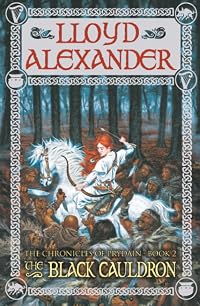
The Black Cauldron
by Lloyd Alexander 
The Chronicles of Prydain (Alexander, Lloyd) (02), The Chronicles of Prydain (02)
On This Page
Description
Taran, Assistant Pig-Keeper of Prydain, faces even more dangers as he seeks the magical Black Cauldron, the chief implement of the evil powers of Arawn, lord of the Land of Death.Tags
Recommendations
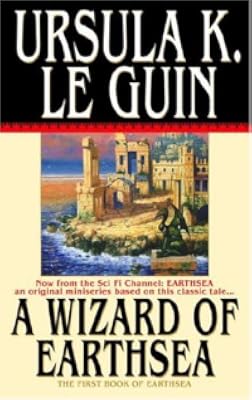
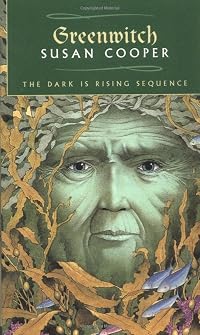
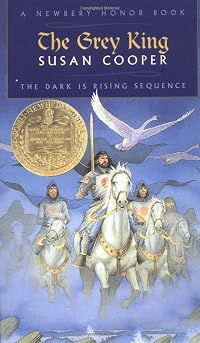
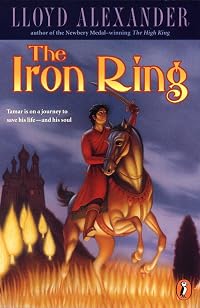
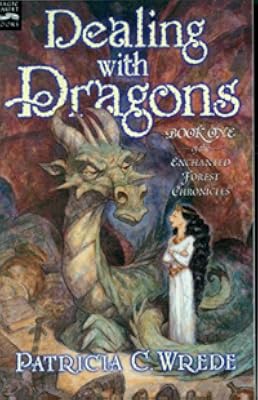
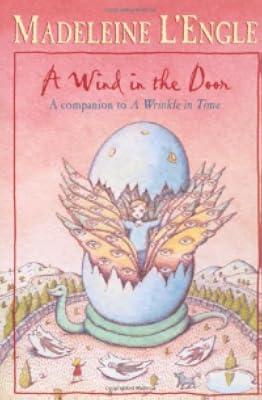
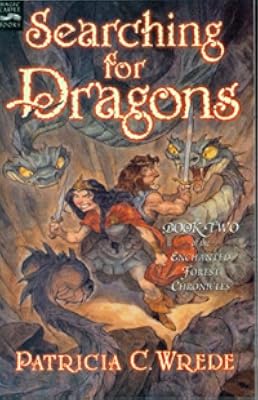
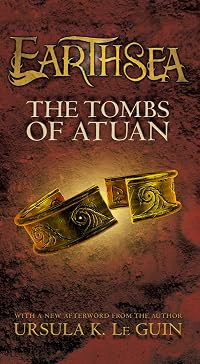
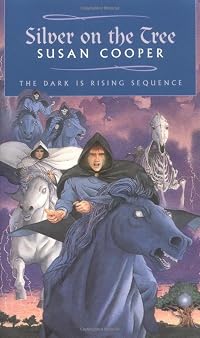
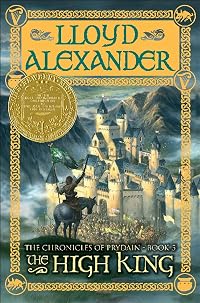
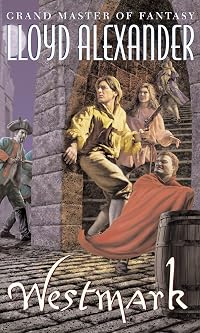

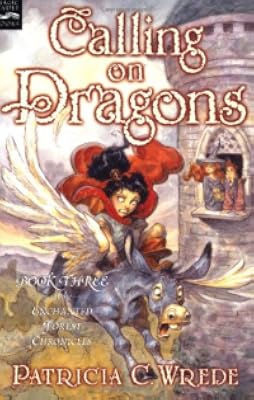
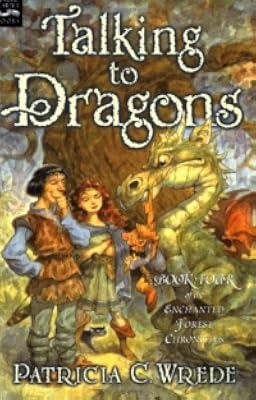
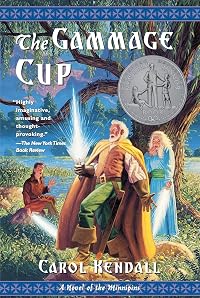
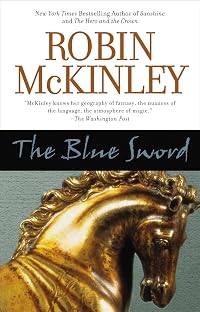
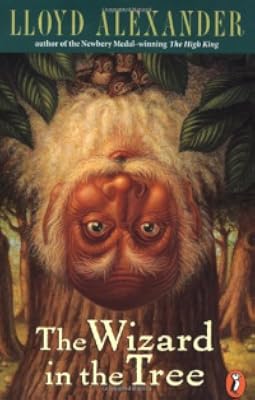

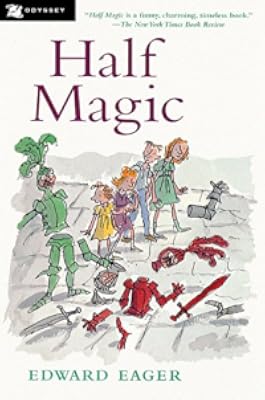
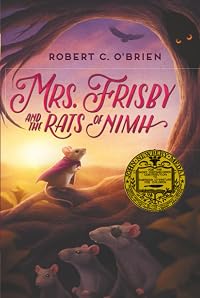
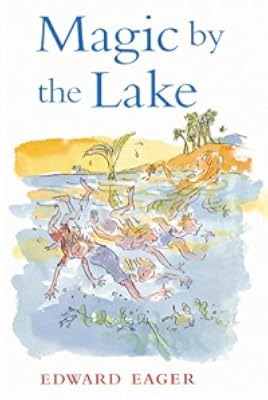
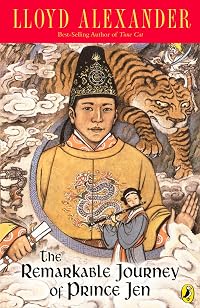
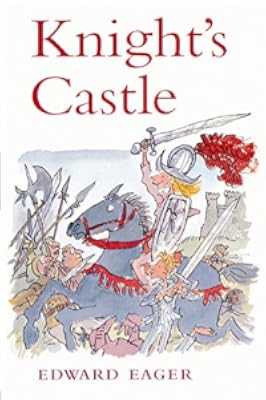
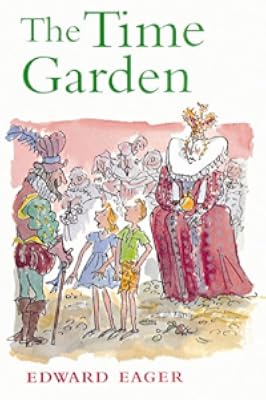
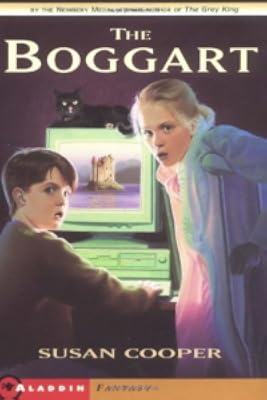
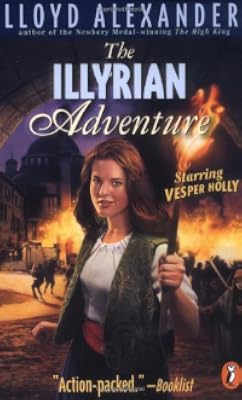
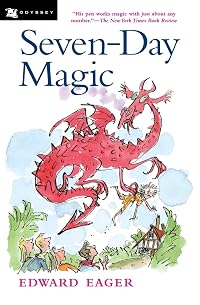
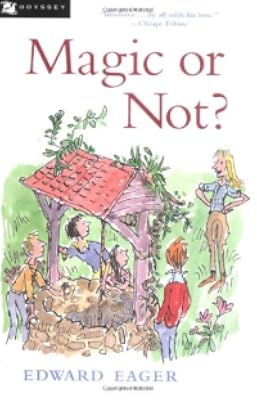
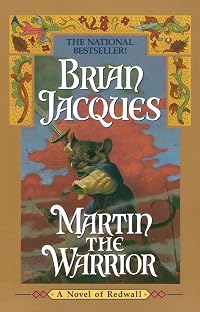
Member Recommendations
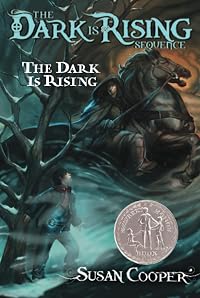
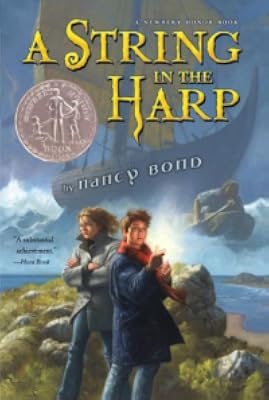
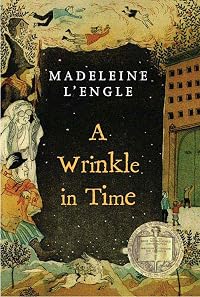
infiniteletters The Grey King is technically Book 4 of a series, but it could be read alone. Silver on the Tree also has Welsh mythology.
81
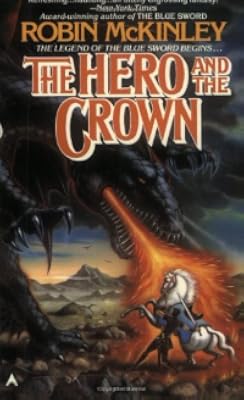
infiniteletters The Hound of Rowan is modern, but it shares aspects of Welsh mythology.
Member Reviews
Excellent continuation of the series, if a bit darker than the first. Alexander deftly weaves action and character development, especially with Taran (who apparently needed to relearn some lessons about true heroism), and the mythology is fascinating. My one objection is the cover art; the version we have has the Disney animated film promo, and the characters don't look like anything in the book. (Gurgi especially looks too small and puppyish; I always envisioned him as a human-size, twiggier and leafier version of Chewbacca.)
In which Taran sets out to put an end to an army of undead grotesques, and can't seem to avoid a heck of a lot of familiar faces.
Picking up where The Book of Three left of, the second novel in the Chronicles of Prydain series is overall a better experience. Alexander's prose still sometimes seems to skip through entire sequences at breathtaking speed, and characters are prone to overtly state elements of the author's mission statement, but - as I said in my review of the first book - that is only because the Chronicles are that rare type of children's fiction meant only for children, and not older readers too.
The world of Prydain is further expanded here, and all the characters are back. Taran gets a greater emotional journey here, show more although most of the other characters are given short shrift in favour of (admittedly interesting) new ones. In some cases that's quite sad - Eilonwy deserves more than to be an outspoken follower, and there's more to the bard's tale that can surely be examined. Others, however, seem like they could become quite one-note if they mysteriously appear on every journey just to provide another voice. We'll see. I remain optimistic about this series because, once you except the obvious limitations of Alexander's prose, it's a captivating and easy-to-read novel. My favourite element of the first book remains: Alexander is a staunchly moral writer, and the lessons Taran and his gang learn are always important and honest. Yet, he's refreshingly mature. The fates of numerous heroes and villains are often truly tragic or horrific. This is a novel about going from the innocence of childhood into the dark complexities of the real world - and the fact that it creates a world which is genuinely real is a treat.
As a sequel it more than lives up to the first novel, and overall The Black Cauldron is a success. I look forward to finding out what happens next to Taran, Eilonwy, Gurgi, and the gang. show less
Picking up where The Book of Three left of, the second novel in the Chronicles of Prydain series is overall a better experience. Alexander's prose still sometimes seems to skip through entire sequences at breathtaking speed, and characters are prone to overtly state elements of the author's mission statement, but - as I said in my review of the first book - that is only because the Chronicles are that rare type of children's fiction meant only for children, and not older readers too.
The world of Prydain is further expanded here, and all the characters are back. Taran gets a greater emotional journey here, show more although most of the other characters are given short shrift in favour of (admittedly interesting) new ones. In some cases that's quite sad - Eilonwy deserves more than to be an outspoken follower, and there's more to the bard's tale that can surely be examined. Others, however, seem like they could become quite one-note if they mysteriously appear on every journey just to provide another voice. We'll see. I remain optimistic about this series because, once you except the obvious limitations of Alexander's prose, it's a captivating and easy-to-read novel. My favourite element of the first book remains: Alexander is a staunchly moral writer, and the lessons Taran and his gang learn are always important and honest. Yet, he's refreshingly mature. The fates of numerous heroes and villains are often truly tragic or horrific. This is a novel about going from the innocence of childhood into the dark complexities of the real world - and the fact that it creates a world which is genuinely real is a treat.
As a sequel it more than lives up to the first novel, and overall The Black Cauldron is a success. I look forward to finding out what happens next to Taran, Eilonwy, Gurgi, and the gang. show less
The Black Cauldron is one of my favorites among the Chronicles of Prydain for its perfect storytelling, maturing characters, and sense of high heroics. In this tale, Lloyd Alexander again draws on Welsh mythology to spin a fast-paced story with subtle moral choices and consequences.
Taran, Assistant Pig-Keeper of Prydain, has already met with danger and adventure in the previous story, The Book of Three. Now a new evil threatens Prydain, as Arawn builds his deathless army by means of the Black Cauldron (or Crochan). If he isn't stopped, he will soon overrun all the land with warriors who cannot be killed. Gwydion is emphatic that the Cauldron must be captured and destroyed, but how?
The whole cast is here: Princess Eilonwy of latent show more magical powers, Fflewddur Fflam, a sometime king turned bard, Doli the irascible but goodhearted dwarf, and faithful Gurgi, a talking beast poised between the worlds of animals and men. Prince Gwydion is also present, and some new characters: the proud and scornful Ellidyr, the bard Adaon, and of course the the always-entertaining Orwen, Orgoch, and Orddu, the three mysterious Fates who may be found (or not) in the Marshes of Morva.
This is a high adventure that keeps you reading for its own sake, but even as a young reader I appreciated Taran's struggles in dealing with proud people like Ellidyr (who are, sadly, all too common). Even more, I learned to look for the factors that make such people so abrasive: a more profound lesson I am still studying. Never in the least bit preachy, nevertheless Alexander imparted some helpful truths to me that have application far beyond the boundaries of his Prydain.
I'm sure others have mentioned the Disney movie of the same title, lamenting its flattened simplification of the more subtle thrusts of story and character (besides its rather unforgivable sin of smashing several books into one very short cartoon). I can't quite share the hate, having enjoyed the movie for what it tries to do, but of course the books are infinitely better.
Prydain is such a wonderful series to reread as an adult. Next time I revisit it will probably be with my sons! show less
Taran, Assistant Pig-Keeper of Prydain, has already met with danger and adventure in the previous story, The Book of Three. Now a new evil threatens Prydain, as Arawn builds his deathless army by means of the Black Cauldron (or Crochan). If he isn't stopped, he will soon overrun all the land with warriors who cannot be killed. Gwydion is emphatic that the Cauldron must be captured and destroyed, but how?
The whole cast is here: Princess Eilonwy of latent show more magical powers, Fflewddur Fflam, a sometime king turned bard, Doli the irascible but goodhearted dwarf, and faithful Gurgi, a talking beast poised between the worlds of animals and men. Prince Gwydion is also present, and some new characters: the proud and scornful Ellidyr, the bard Adaon, and of course the the always-entertaining Orwen, Orgoch, and Orddu, the three mysterious Fates who may be found (or not) in the Marshes of Morva.
This is a high adventure that keeps you reading for its own sake, but even as a young reader I appreciated Taran's struggles in dealing with proud people like Ellidyr (who are, sadly, all too common). Even more, I learned to look for the factors that make such people so abrasive: a more profound lesson I am still studying. Never in the least bit preachy, nevertheless Alexander imparted some helpful truths to me that have application far beyond the boundaries of his Prydain.
I'm sure others have mentioned the Disney movie of the same title, lamenting its flattened simplification of the more subtle thrusts of story and character (besides its rather unforgivable sin of smashing several books into one very short cartoon). I can't quite share the hate, having enjoyed the movie for what it tries to do, but of course the books are infinitely better.
Prydain is such a wonderful series to reread as an adult. Next time I revisit it will probably be with my sons! show less
I first read all five of Lloyd Alexander's Chronicles of Prydain in my early teens, and frankly, it's hard for me to remember much about them beyond general emotional impressions: the first two were adventurous, the third a bit odd, the fourth dry and philosophical, and the fifth - well, it all went to hell in the fifth book. The announcement of these new yearly 50th Anniversary editions, therefore, are a great excuse not just to revisit the series but to separate them out and consider them somewhat more...individually.
The big surprise for me is that in many ways, The Black Cauldron does not feel like its own story. It feels something like an extended coda to The Book of Three. I kept having to think back to the events and characters of show more the first book, and it seems obvious that Alexander (or his editor) assumed that the eager child reader of 1965 would have read and probably reread that earlier adventure shortly before starting the new one. The first third or so of The Black Cauldron drags a little as we bridge from what happened before, reintroduce familiar friends, and set up an "easy" goal that pretty clearly won't go easily at all.
Fortunately, once things start to go wrong for the characters, things start to go very right for the book. The eponymous cauldron (or "Black Crochan") is a golden goose, a total MacGuffin - what it does is ultimately far less important than what it drives people to do. Alexander is examining classical, heroic concepts of pride and honor, along with a more modern treatment of the fine line between light and dark. In Prydain, the greatest heroes still have flaws, and traitors were once good men who should still be remembered for their former, braver deeds. Most intriguing of all are Orddu, Orwen and Orgoch, supernatural figures (implied to be the Three Fates) who are also totally amoral. Their interactions with Taran and his friends are both funny and unsettling in turn. Although Alexander's prose is both straightforward and spare, his gentle contemplations on the complexity of morality are surprisingly effective.
The Black Cauldron ends definitively, but the reader is left with the unspoken impression that this is only one small battle in a much bigger war. (Again, it feels like Alexander was writing installments of a series from the outset.) I'm going to be very interested to return next year for The Castle of Llyr; already, we're moving away from simple adventure stories and more into a philosophical examination of Taran's growth. As a child, I found the progression of the series confusing because it defied my "fantasy lit" expectations. As an adult, however, I'm finding it both intriguing and surprisingly rewarding. show less
The big surprise for me is that in many ways, The Black Cauldron does not feel like its own story. It feels something like an extended coda to The Book of Three. I kept having to think back to the events and characters of show more the first book, and it seems obvious that Alexander (or his editor) assumed that the eager child reader of 1965 would have read and probably reread that earlier adventure shortly before starting the new one. The first third or so of The Black Cauldron drags a little as we bridge from what happened before, reintroduce familiar friends, and set up an "easy" goal that pretty clearly won't go easily at all.
Fortunately, once things start to go wrong for the characters, things start to go very right for the book. The eponymous cauldron (or "Black Crochan") is a golden goose, a total MacGuffin - what it does is ultimately far less important than what it drives people to do. Alexander is examining classical, heroic concepts of pride and honor, along with a more modern treatment of the fine line between light and dark. In Prydain, the greatest heroes still have flaws, and traitors were once good men who should still be remembered for their former, braver deeds. Most intriguing of all are Orddu, Orwen and Orgoch, supernatural figures (implied to be the Three Fates) who are also totally amoral. Their interactions with Taran and his friends are both funny and unsettling in turn. Although Alexander's prose is both straightforward and spare, his gentle contemplations on the complexity of morality are surprisingly effective.
The Black Cauldron ends definitively, but the reader is left with the unspoken impression that this is only one small battle in a much bigger war. (Again, it feels like Alexander was writing installments of a series from the outset.) I'm going to be very interested to return next year for The Castle of Llyr; already, we're moving away from simple adventure stories and more into a philosophical examination of Taran's growth. As a child, I found the progression of the series confusing because it defied my "fantasy lit" expectations. As an adult, however, I'm finding it both intriguing and surprisingly rewarding. show less
The uneven setup that was [b:The Book of Three|24780|The Book of Three (The Chronicles of Prydain, #1)|Lloyd Alexander|https://images.gr-assets.com/books/1405184012s/24780.jpg|1149593] all pays off in this masterpiece. A bland quest narrative in the first book is replaced here by a deep and moving quest, with humor and pathos in equal measure. Instead of a chase for a McGuffin, this book is driven by its characters — the core group introduced in "The Book of Three" bouncing off each other and several interesting newcomers, and more importantly being forced to make several vitally important and resonant choices. "The Black Cauldron" blends elements of fairy tale with epic fantasy; though highly accessible to children it's no less show more enjoyable for adults. It also expands the world of Prydain far more effortlessly than the first book, serving both the purposes of its own plot and mood but also laying the groundwork for the rest of the series. show less
The Black Cauldron was the first movie I can recall looking forward to. I'm not sure how I heard about it, but once I was aware, I begged my parents to let me see it. Once they gave in I looked forward to it all week and invited my best friend along. I remember one of the chief attractions being the skeletal army and being slightly disappointed that there wasn't much undead mayhem, but was otherwise ecstatic. I have never re-watched it. I treasure the memory, but realize that it probably wasn't a great movie and that I'd lose a bit of that pleasant memory by subjecting it to adult scrutiny. I thought reading the book would allow me to enjoy my nostalgia without corrupting the memory.
Wow! The movie was a significant departure from the show more book.Some of the core characters are there, Taran, Eilonwy, Gurgi, and my favorite oracular pig. The Horned king, the principle villain of the movie, doesn't even make an appearance in the book, though his minions are out and about. The inspiring (but saccharine) self-sacrifice the destroys the cauldron in the movie is in the novel but is grittier and much less Disney.
I did see that the author, Lloyd Alexander, said the movie did not resemble the book.
I liked the book. Some of the characters seem custom made for a Disney movie, but the work well in print too. The sacrifice of a life to destroy the cauldron is a central fixture in both the film and the book, but the two are of very different character. The movie looks at the sacrifice from a Christlike perspective.It is G rated and Disneyfied and the cute and lovable Gurgi even gets a resurrection. The novel does far better with Ellidyr who never fully reforms from being a genuine asshole and whose sacrifice contains as much 'fuck you,' as it does love for the world. show less
Wow! The movie was a significant departure from the show more book.Some of the core characters are there, Taran, Eilonwy, Gurgi, and my favorite oracular pig. The Horned king, the principle villain of the movie, doesn't even make an appearance in the book, though his minions are out and about. The inspiring (but saccharine) self-sacrifice the destroys the cauldron in the movie is in the novel but is grittier and much less Disney.
I did see that the author, Lloyd Alexander, said the movie did not resemble the book.
I liked the book. Some of the characters seem custom made for a Disney movie, but the work well in print too. The sacrifice of a life to destroy the cauldron is a central fixture in both the film and the book, but the two are of very different character. The movie looks at the sacrifice from a Christlike perspective.It is G rated and Disneyfied and the cute and lovable Gurgi even gets a resurrection. The novel does far better with Ellidyr who never fully reforms from being a genuine asshole and whose sacrifice contains as much 'fuck you,' as it does love for the world. show less
The Black Cauldron is even better than The Book of Three. Alexander's world is lush and vivid, and I have no trouble envisioning the setting of these books. I love that the choices the characters face are nuanced and difficult. They rarely have all of the information they need to feel confident they're choosing well, and---just like in real life---every decision is a leap of faith. They make mistakes and they treat people they care about poorly when they don't mean to. The morals in these books are complex and raise just the questions I want my kids to consider as they grow and take on more and more responsibility for themselves.
Aside from this, though, the books are just fun to read (or "listen to," since we're going through the show more audiobook versions of the Chronicles of Prydain). show less
Aside from this, though, the books are just fun to read (or "listen to," since we're going through the show more audiobook versions of the Chronicles of Prydain). show less
Members
- Recently Added By
Published Reviews
ThingScore 75
The Newbery-winning fantasy series now available in gorgeous new paperback editions! SinceThe Book of Threewas first published in 1964, young readers have been enthralled by the adventures of Taran the Assistant Pig-Keeper and his quest to become a hero. Taran is joined by an engaging cast of characters that includes Eilonwy, the strong-willed and sharp-tongued princess; Fflewddur Fflam, the show more hyperbole-prone bard; the ever-faithful Gurgi; and the curmudgeonly Doli all of whom have become involved in an epic struggle between good and evil that shapes the fate of the legendary land of Prydain. Released over a period of five years, Lloyd Alexander s beautifully written tales not only captured children s imaginations but also garnered the highest critical praise. The Black Cauldronwas a Newbery Honor Book, and the final volume in the chronicles,The High King, crowned the series by winning the Newbery Medal for the most distinguished contribution to American literature for children. Henry Holt is proud to present this classic series in a new, redesigned paperback format. The jackets feature stunning art by acclaimed fantasy artist David Wyatt, giving the books a fresh look for today s generation of young fantasy lovers. The companion book of short stories,The Foundlingis also available in paperback at this time. In their more than thirty years in print, the Chronicles of Prydain have become the standard of excellence in fantasy literature for children.
Distributed by Syndetic Solutions, Inc. show less
Distributed by Syndetic Solutions, Inc. show less
added by kthomp25
Sonya Goldman (Children's Literature)
Five enchanting books comprise the "Chronicles of Prydain" by Alexander. Prydain is a land with heroes and legends drawn from Welsh mythology. In TheBlack Cauldron, book 2 of the series, Taran takes further steps toward manhood. He must help destroy the vessel from which the fearsome Cauldron Born warriors spring to march with the evil lord Awren. The show more companions join with him again on this new adventure. Wondrous magic and a very arrogant young nobleman punctuate this gripping tale. The princess Eilonwy has been growing like a weed. Other books in the Chronicles include The Castle of Llyr, Taran Wanderer, The High King and The Book of Three. 1965, Henry Holt and Bantam Doubleday Dell, $16.96 and $4.99. Ages 10 up. show less
Five enchanting books comprise the "Chronicles of Prydain" by Alexander. Prydain is a land with heroes and legends drawn from Welsh mythology. In TheBlack Cauldron, book 2 of the series, Taran takes further steps toward manhood. He must help destroy the vessel from which the fearsome Cauldron Born warriors spring to march with the evil lord Awren. The show more companions join with him again on this new adventure. Wondrous magic and a very arrogant young nobleman punctuate this gripping tale. The princess Eilonwy has been growing like a weed. Other books in the Chronicles include The Castle of Llyr, Taran Wanderer, The High King and The Book of Three. 1965, Henry Holt and Bantam Doubleday Dell, $16.96 and $4.99. Ages 10 up. show less
added by kthomp25
Lists

Favorite Childhood Books
1,651 works; 519 members

Read the book and saw the movie
1,170 works; 195 members

Best Fantasy Novels
821 works; 357 members

Read the Book, Hated the Movie
30 works; 25 members
NPRs Ultimate Backseat Bookshelf: 100 Must-Reads for kids 9-14
222 works; 30 members

Best Newbery Honor Books
258 works; 33 members
Gateway Book: Fantasy
19 works; 34 members

Books I've Read More Than Once
602 works; 49 members
Mensa for Kids Excellence in Reading Award Program (Grades 4-6)
64 works; 9 members

Elevenses
316 works; 87 members

Recommend the 20 best books you've read in the last five years
2,168 works; 604 members

Childhood Favorites
427 works; 24 members
Books with Colourful Titles
171 works; 8 members
Movie Adaptations
111 works; 4 members

Princess Tales
130 works; 4 members

1960s, Best books published therein
254 works; 22 members

Newbery Honor Books By Year - I - 1922-1980
199 works; 3 members

My Mad Men Reading List
47 works; 1 member

Favorite Kids Books (chapter, middle grade)
170 works; 4 members

Books We Loved As Children
610 works; 254 members

Read in 2022
31 works; 1 member

Books Read in 2022
5,226 works; 115 members

Read in 1999
62 works; 1 member

Books Read in 2021
5,361 works; 114 members

Witches and Wizards Oh My
135 works; 12 members
Honey For a Child's Heart
1,152 works; 25 members
Mad Men Reading List
25 works; 5 members

4th Grade Books
312 works; 5 members

Books Read in 2020
4,379 works; 123 members
Ambleside Books
459 works; 18 members

GCS 6th grade summer reading list
171 works; 4 members
1960s
281 works; 16 members

50+ Books for a 6th Grader Who Loves to Read
53 works; 4 members

Books About Boys
175 works; 15 members

Books Read in 2015
3,299 works; 129 members

A Rainbow of Books: Colors in the Title
570 works; 24 members

The "A" List
67 works; 8 members
Talk Discussions
Past Discussions
***Group Read: The Chronicles of Prydain (Spoiler) in 75 Books Challenge for 2010 (May 2010)
***Group Read: The Chronicles of Prydain by Lloyd Alexander in 75 Books Challenge for 2010 (May 2010)
Group Read: The Chronicles of Prydain by Lloyd Alexander in 75 Books Challenge for 2009 (December 2009)
Author Information

95+ Works 55,871 Members
Lloyd Alexander, January 30, 1924 - May 17, 2007 Born Lloyd Chudley Alexander on January 30, 1924, in Philadelphia, Pennsylvania to Allan Audley and Edna Chudley Alexander, Lloyd knew from a young age that he wanted to write. He was reading by the time he was 3, and though he did poorly in school, at the age of fifteen, he announced that he wanted show more to become a writer. At the age of 19 in 1942, Alexander dropped out of the West Chester State Teachers College in Pennsylvania after only one term. In 1943, he attended Lafayette College in Easton, PA, before dropping out again and joining the United States Army during World War II. Alexander served in the Intelligence Department, stationed in Wales, and then went on to Counter-Intelligence in Paris, where he was promoted to Staff Sergeant. When the war ended in '45, Alexander applied to the Sorbonne, but returned to the States in '46, now married. Alexander worked as an unpublished writer for seven years, accepting positions such as cartoonist, advertising copywriter, layout artist, and associate editor for a small magazine. Directly after the war, he had translated works for such artists as Jean Paul Sartre. In 1955, "And Let the Credit Go" was published, Alexander's first book which led to 10 years of writing for an adult audience. He wrote his first children's book in 1963, entitled "Time Cat," which led to a long career of writing for children and young adults. Alexander is best known for his "Prydain Chronicles" which consist of "The Book of Three" in 1964, "The Black Cauldron" in 1965 which was a Newbery Honor Book, as well as an animated motion picture by Disney which appeared in 1985, "The Castle of Llyr" in 1966, "Taran Wanderer" in 1967, a School Library Journal's Best Book of the Year and "The High King" which won the Newberry Award. Many of his other books have also received awards, such as "The Fortune Tellers," which was a Boston Globe Horn Book Award winner. In 1986, Alexander won the Regina Medal for Lifetime Achievement from the Catholic Library Association. His titles have been translated into many languages including, Dutch, Spanish, French, German, Hebrew, Italian, Japanese, Norwegian, Serbo-Croation and Swedish. He died on May 17, 2007. (Bowker Author Biography) show less
Lloyd Alexander has a Legacy Library. Legacy libraries are the personal libraries of famous readers, entered by LibraryThing members from the Legacy Libraries group.
Some Editions
Awards and Honors
Awards
Series


Belongs to Publisher Series
Work Relationships
Is contained in
Has the adaptation
Common Knowledge
- Canonical title
- The Black Cauldron
- Original title
- The Black Cauldron
- Alternate titles*
- Taran und der Zauberkessel
- Original publication date
- 1965; 1965-08-05
- People/Characters
- Taran; Eilonwy; Gurgi; Fflewddur Fflam; King Smoit; Gwystyl (show all 18); Prince Ellydir; Doli; Gwydion; Morgant; Dallben; Hen Wen; Coll [in Lloyd Alexander's Chronicles of Prydain]; Adaon; Orwen; Orgosh; Orddu; Kaw
- Important places
- Prydain; Caer Dallben; Annuvin; Marshes of Morva
- Related movies
- The Black Cauldron (1985 | IMDb)
- First words
- The following pages are intended, hopefully, to do something more than continue the Chronicles of Prydain. "What happens next?" is always an urgent question, and this volume attempts to answer it, at least partially. Nevert... (show all)heless, The Black Cauldron should stand as a chronicle in its own right. Certain matters previously hinted at are here revealed more fully; and, while extending the story, I have also tried to deepen it. [from the "Author's Note"]
Autumn had come too swiftly. In the northernmost realms of Prydain many trees were already leafless, and among the branches clung the ragged shapes of empty nests. To the south, across the river Great Avren, the hills shield... (show all)ed Caer Dallben from the winds, but even here the little farm was drawing in on itself. [from chapter 1, "The Council at Caer Dallben"] - Last words
- (Click to show. Warning: May contain spoilers.)Taran galloped toward them.
- Original language
- English
- Disambiguation notice
- Do not combine this with the Disney movie!
*Some information comes from Common Knowledge in other languages. Click "Edit" for more information.
Classifications
- Genres
- Fiction and Literature, Fantasy, Kids
- DDC/MDS
- 813.54 — Literature & rhetoric American literature in English American fiction in English 1900-1999 1945-1999
- LCC
- PZ7 .A3774 .B — Language and Literature Fiction and juvenile belles lettres Fiction and juvenile belles lettres Juvenile belles lettres
- BISAC
Statistics
- Members
- 7,789
- Popularity
- 1,459
- Reviews
- 104
- Rating
- (4.09)
- Languages
- 15 — Czech, Danish, Dutch, English, Estonian, Finnish, French, German, Hebrew, Italian, Multiple languages, Norwegian (Bokmål), Portuguese, Spanish, Swedish
- Media
- Paper, Audiobook, Ebook
- ISBNs
- 77
- UPCs
- 1
- ASINs
- 41