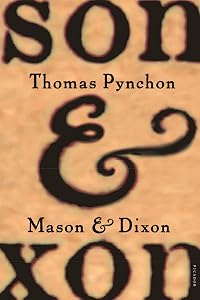
Mason & Dixon: A Novel
by Thomas Pynchon
On This Page
Description
Charles Mason (1728-1786) and Jeremiah Dixon (1733-1779) were the British surveyors best remembered for running the boundary between Pennsylvania and Maryland that we know today as the Mason-Dixon Line. Here is their story as re-imagined by Thomas Pynchon, featuring Native Americans and frontier folk, ripped bodices, naval warfare, conspiracies erotic and political, and major caffeine abuse. We follow the mismatched pair-one rollicking, the other depressive; one Gothic, the other show more pre-Romantic-from their first journey together to the Cape of Good Hope, to pre-Revolutionary America and back, through the strange yet redemptive turns of fortune in their later lives, on a grand tour of the Enlightenment's dark hemisphere, as they observe and participate in the many opportunities for insanity presented them by the Age of Reason. show lessTags
Recommendations
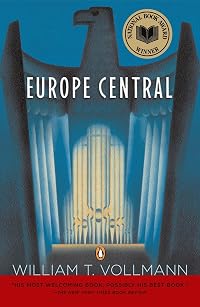

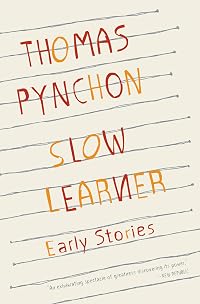
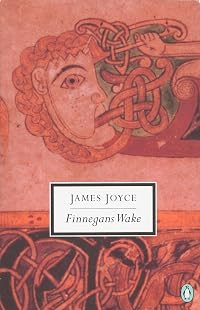

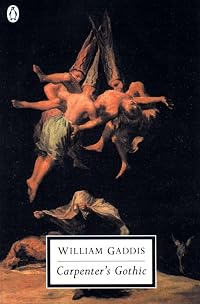





Member Recommendations
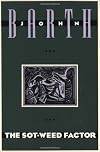
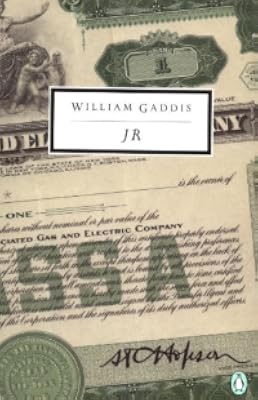
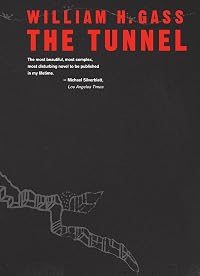
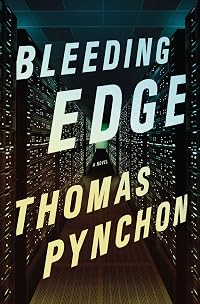
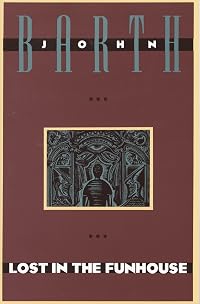
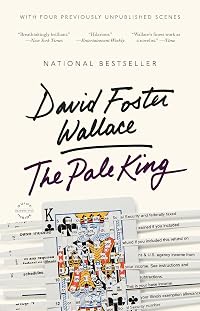
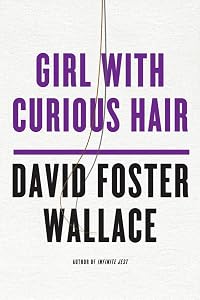
billmcn Another sprawling comic picaresque written in 18th century prose
20
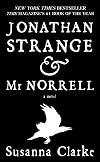
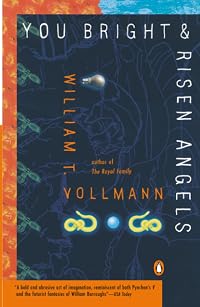
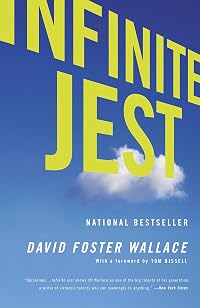
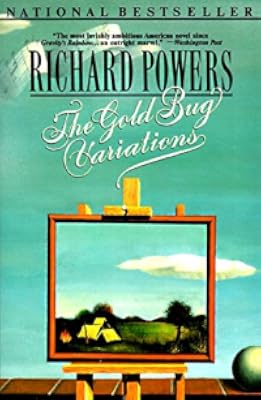
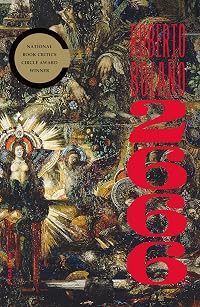
paradoxosalpha Similar elements of droll metafiction and period style, historical characters, and tension between two protagonists with professional and personal ties. Both are beefy volumes that demand real reader investment and pay dividends in rich characters and curious stories.
02
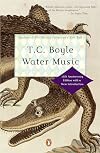
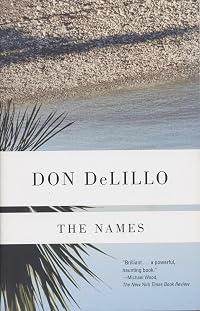
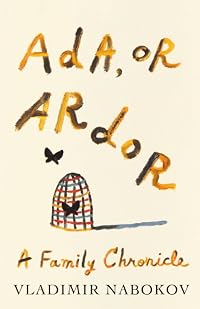
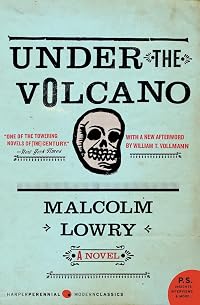
Widsith Two postmodern adventure novels about eighteenth-century British explorers.
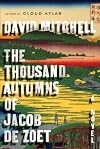
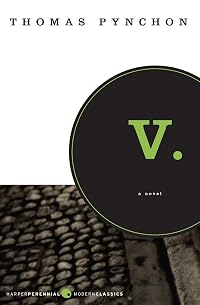
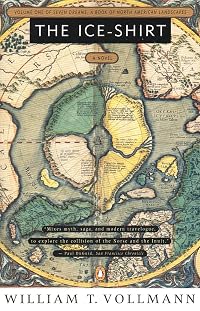
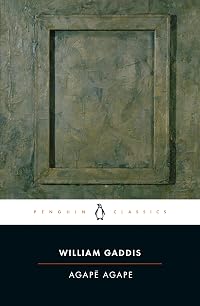
zottel Very similar feeling, perfect story-telling in well-researched historical fiction.
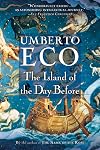
paradoxosalpha Both are big beefy novels written in the waning of the 20th century, and concerned with the exploratory push of European powers (in early modernity and the Enlightenment, respectively), as well as the relationships between objective and subjective worlds.
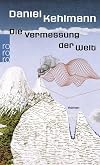
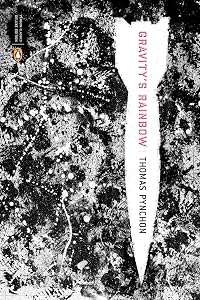
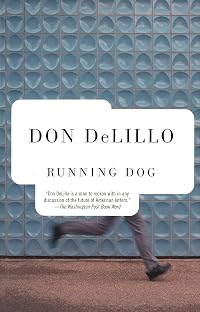
DeusXMachina Another (fictional) collaboration between two very different scientists: This time Carl Friedrich Gauss and Alexander von Humboldt.
Member Reviews
Mason & Dixon is not difficult so much as obscure. For the first couple hundred pages, separate scenes and interactions kept me entertained, though I was often lost in terms of who the myriad side characters were, or how the situation fit into either protagonist's biography. I deliberately refrained from looking up the potted history of Mason or Dixon, thinking Pynchon might frame it for me. He never did. (Looking it up later I can see while little prior knowledge is necessary, having in mind the basics of the boundary disputes and the survey certainly would be useful, and would not spoil the story. I didn't know that going in, so the most difficult aspect of reading Pynchon's story cold was in maintaining faith that all would make show more sense, if only I would jettison expectations of an orthodox historical tale.)
About a quarter-way in, I'd figured out some references to keep me oriented as I tumbled about: the framing story with the interjecting audience, and Rev Cherrycoke -- who separately features in Mason & Dixon's timeline -- (sometimes) would recur at chapter breaks and unpredictable moments within a chapter; within that, the general outline of Mason & Dixon's professional chronology comprising first a trip to South Africa, then a return to England, and finally a trip to the U.S., with ghosts from their separate pasts flitting in and out this overarching plot. Ironically, the central signifier of the Mason-Dixon line, common to U.S. high school history classes, never makes an appearance: it turns out all that was posthumous, the two most likely never hearing their work referenced by that name.
But the revelation for me was something different, namely drawing the parallel to Alice's Adventures in Wonderland. Like Carroll, Pynchon salts his tale with disguised historical vignettes: an attempt to measure the gravitational pull of a mountain, say, or the political salons of Colonial Philadelphia; the cultural significance of mesmerism, or the looming presence of Lepton Castle. These are presented in absurdist transformations as to be almost unrecognisable, Mason & Dixon looking on in deadpan confusion like expat Alices. I don't know for a fact these are historical referents, but they feel like them. The book is an extended romp through 18th Century Rationalism and Imagination, much like Carroll's novels do for the 19th Century.
If I ever revisit, it would be most interesting with the full-on Gardner apparatus.
The novel's denouement is highlighted by a picaresque chapter relaying the story of two Chinese astonomers, uncannily like our heroes; and winds down more poignantly than I would have thought possible, given the disparate confusion that came before. Mason & Dixon is both authentically American and recognisably Pynchonesque.
//
● "The past is a foreign country." M&D is in part a mimetic exercise, manifesting that "foreign-ness" on the page rather than eliding it. So: obscure, yes, like our understanding of 18th Century American and British people, language, customs is obscure. From the first paragraph, Pynchon demonstrates this with spelling and punctuation, and not only in idiomatic speech. I tried early on to puzzle out the caplitalisation rules, but never did. I'm aware spelling wasn't standardized as it is today, and suspect Pynchon played with that knowingly.
● Authentic Americana. White supremacy / slavery / racism are rampant throughout and described at times without comment, at other times with direct intervention by characters (the scene of Dixon accosting a slavemonger being only the most obvious and melodramatic).
● Science and Imagination. There is a thread reminiscent of Rosencrantz & Guildenstern Are Dead, sending up 18th Century Science with forays into superstition, error, and an extended subplot concerning talking dogs, automatons, and an invisible duck bent on revenge. show less
About a quarter-way in, I'd figured out some references to keep me oriented as I tumbled about: the framing story with the interjecting audience, and Rev Cherrycoke -- who separately features in Mason & Dixon's timeline -- (sometimes) would recur at chapter breaks and unpredictable moments within a chapter; within that, the general outline of Mason & Dixon's professional chronology comprising first a trip to South Africa, then a return to England, and finally a trip to the U.S., with ghosts from their separate pasts flitting in and out this overarching plot. Ironically, the central signifier of the Mason-Dixon line, common to U.S. high school history classes, never makes an appearance: it turns out all that was posthumous, the two most likely never hearing their work referenced by that name.
But the revelation for me was something different, namely drawing the parallel to Alice's Adventures in Wonderland. Like Carroll, Pynchon salts his tale with disguised historical vignettes: an attempt to measure the gravitational pull of a mountain, say, or the political salons of Colonial Philadelphia; the cultural significance of mesmerism, or the looming presence of Lepton Castle. These are presented in absurdist transformations as to be almost unrecognisable, Mason & Dixon looking on in deadpan confusion like expat Alices. I don't know for a fact these are historical referents, but they feel like them. The book is an extended romp through 18th Century Rationalism and Imagination, much like Carroll's novels do for the 19th Century.
If I ever revisit, it would be most interesting with the full-on Gardner apparatus.
The novel's denouement is highlighted by a picaresque chapter relaying the story of two Chinese astonomers, uncannily like our heroes; and winds down more poignantly than I would have thought possible, given the disparate confusion that came before. Mason & Dixon is both authentically American and recognisably Pynchonesque.
//
● "The past is a foreign country." M&D is in part a mimetic exercise, manifesting that "foreign-ness" on the page rather than eliding it. So: obscure, yes, like our understanding of 18th Century American and British people, language, customs is obscure. From the first paragraph, Pynchon demonstrates this with spelling and punctuation, and not only in idiomatic speech. I tried early on to puzzle out the caplitalisation rules, but never did. I'm aware spelling wasn't standardized as it is today, and suspect Pynchon played with that knowingly.
● Authentic Americana. White supremacy / slavery / racism are rampant throughout and described at times without comment, at other times with direct intervention by characters (the scene of Dixon accosting a slavemonger being only the most obvious and melodramatic).
● Science and Imagination. There is a thread reminiscent of Rosencrantz & Guildenstern Are Dead, sending up 18th Century Science with forays into superstition, error, and an extended subplot concerning talking dogs, automatons, and an invisible duck bent on revenge. show less
A gorgeous and near infinitely rewarding novel to read, Pynchon has rendered here both a beautiful comprehensive look at the unbounded potential of land and people, yoked down by an understanding of the human condition so insightful it can only be described cartoonishly (as is Pyhchon's wont) to be taken as they are, seriously. Though I will readily concede that Gravity's Rainbow was (and is) the more 'important' and dare I say even literary work...Mason and Dixon is the consummate work of art...not necessarily superior to Pynchon's prior work, but definitely a lot warmer and somehow more bracing. Pynchon pulls no punches in his delineation of the beauties and atrocities of the old world (and how these aspects wend their way into our show more moment) and how, despite our most solid (and stolid) beliefs nothing is constant save the flow of time...and even that, in various ways, Pynchon depicts as, not a surety, but yet another in a long line of accepted bits of skepticism that, should we want to maintain our sanity (as I crib from someone else) we have to at least, tacitly, to accept.
I adored this novel. Not that I needed reminding but Thomas Pynchon is, quite possibly, the last of a dying American breed, the American writer willing to make you laugh from crying and make you actually wonder why it's all important even to bother, or not (his only peers I can think of, Joseph Heller and Kurt Vonnegutt, have both, sadly, passed on). Read this, it'll return your time investment in dividends. show less
I adored this novel. Not that I needed reminding but Thomas Pynchon is, quite possibly, the last of a dying American breed, the American writer willing to make you laugh from crying and make you actually wonder why it's all important even to bother, or not (his only peers I can think of, Joseph Heller and Kurt Vonnegutt, have both, sadly, passed on). Read this, it'll return your time investment in dividends. show less
“Ev’rywhere else on earth, Boundaries follow Nature,- coast-lines, ridge-tops, river-banks,- so honoring the Dragon or Shan within, from which Land-scape ever takes its form. To mark a right Line upon the Earth is to inflict upon the Dragon’s very Flesh, a sword-slash, a long, perfect scar, impossible for any who live out here the hear ‘round to see as other than hateful Assault. How can it pass unanswer’d?”
- Capt. Zhang, on the feng-shui of the Mason-Dixon Line
I was admittedly never able to get over the language barrier in this book. Pynchon’s choice to only write in 1770’s lingo and vernacular constantly made my head spin. This was way more confusing than Gravity’s Rainbow: I would finish whole chapters without a show more single identifiable image to grasp onto. I had to take frequent, long breaks so my head didn’t explode.
That being said, I find that the great thing about Pynchon to be that he seems to understand how cryptic and difficult his writing is and doesn’t require you to get everything to grasp the weight of his themes. Who tells history? Can we trust a historical narrative told to us by someone who has their own agendas? How has historical bias affected religion, humanity, namely, Americans? Was America ever truly able to break away from all of the machinations of the British Monarchy, built to keep them in line (like, perhaps, a big straight line to divide the country into two distinct cultures)? How does America square its need and desire for independence and freedom while still clinging to its colonialist roots, like race-based slavery?
All of these serious, heavy questions asked in a story full of were-beavers, talking dogs, holy sandwiches, disembodied ears, and malicious wheels of cheese. Pynchon’s comedic wit, beautiful, thought-provoking prose, and the endearing friendship of Mason & Dixon is what got me through this book I could barely comprehend, and actaully like it at the end. Even though like 90% of this book flew over my head, I still have an immense respect for the creative spirit the novel has. Can’t wait to read V. show less
- Capt. Zhang, on the feng-shui of the Mason-Dixon Line
I was admittedly never able to get over the language barrier in this book. Pynchon’s choice to only write in 1770’s lingo and vernacular constantly made my head spin. This was way more confusing than Gravity’s Rainbow: I would finish whole chapters without a show more single identifiable image to grasp onto. I had to take frequent, long breaks so my head didn’t explode.
That being said, I find that the great thing about Pynchon to be that he seems to understand how cryptic and difficult his writing is and doesn’t require you to get everything to grasp the weight of his themes. Who tells history? Can we trust a historical narrative told to us by someone who has their own agendas? How has historical bias affected religion, humanity, namely, Americans? Was America ever truly able to break away from all of the machinations of the British Monarchy, built to keep them in line (like, perhaps, a big straight line to divide the country into two distinct cultures)? How does America square its need and desire for independence and freedom while still clinging to its colonialist roots, like race-based slavery?
All of these serious, heavy questions asked in a story full of were-beavers, talking dogs, holy sandwiches, disembodied ears, and malicious wheels of cheese. Pynchon’s comedic wit, beautiful, thought-provoking prose, and the endearing friendship of Mason & Dixon is what got me through this book I could barely comprehend, and actaully like it at the end. Even though like 90% of this book flew over my head, I still have an immense respect for the creative spirit the novel has. Can’t wait to read V. show less
My favorite and in my opinion, the best of Pynchon's works so far. To the extent a Pynchon book is about anything, it is about everything, but the chosen vehicle for this voyage is a faux eighteenth century picaresque novel describing the adventures of Charles Mason and Jeremiah Dixon. The prose can be difficult at first, but once you adapt to the strange capitalization and phrasing, and adjust yourself as always to the Pynchonean sudden shifts in perspective and narrative focus, what emerges is a rumination on (along with the usual Secrets Man Was Not Meant to Know), fathers and sons, husbands and wives, freedom and slavery, friendship and old age. As such, it far more tender than much of Pynchon's other work, and for its humanity it show more stays with you long after you set it down. show less
A difficult read, but highly rewarding.
The first difficulty lies with the language. The story is set in the mid-18th century, and Pynchon has chosen to write in period style. I can't speak to how accurate his imitation is, but it's a far cry from modern standards. My review of Russell Hoban's Riddley Walker should convince you that idiosyncratic language doesn't usually scare me off, but (somewhat to my own surprise) I never really got used to the idiosyncratic capitalisation. To the very end I read the capitalised words (in my inner voice) as more heavily emphasised than the author probably intended, giving the sentences a decidedly odd rhythm.
Here's a passage from early in the frame story (the Reverend Wicks Cherrycoke is telling, in show more chaotic and fractured style, the story of the title characters Mason & Dixon), to show you what I mean:
Tenebrae has seated herself and taken up her Needlework, a piece whose size and difficulty are already subjects of Discussion in the House, the Embroidress herself keeping silence,-- upon this Topick, at least. Announc'd by Nasal Telegraph, in come the Twins, bearing the old Pewter Coffee-Machine venting its Puffs of Vapor, and a large Basket dedicated to Saccharomanic Appetites, piled to the Brim with fresh-fried Dough-Nuts roll'd in Sugar, glaz'd Chestnuts, Buns, Fritters, Crullers, Tarts. "What is this? Why, Lads, you read my mind."
"The Coffee's for you, Nunk,--" "--last Time, you were talking in your sleep," the Pair explain, placing the Sweets nearer themselves, all in this Room being left to seize and pour as they may. As none could agree which had been born first, the Twins were nam'd Pitt and Pliny, so that each might be term'd "the Elder" or "the Younger," as might day-to-day please one, or annoy his Brother.
The passage isn't chosen at random; it's the moment that I decided I loved the authorial voice, even with its erratic capitals and disconcerting spellings. The same light humourous touch runs through the entire novel, and remains a delight whenever it comes to the fore.
The story itself is about the friendship of Charley Mason and Jere Dixon, the astronomer and surveyer who laid down the border between Pennsylvania and Maryland. On one level Pynchon is playing it straight: he sticks to the known historical details of the period and the pair, and indeed the book is meticulously researched not just for accuracy of detail but for the various flavours of the times, the concerns of society and so on.
In another sense, though, the novel is a surrealist and comedic extravaganza, featuring a talking dog, Vaucanson's famous mechanical defecating duck (escaped from Paris and in amatory pursuit of an ex-chef), an invisible American Golem, a sinister Jesuit and his insane Chinese feng shui-adept nemesis, were-beavers... One sign of Pynchon's mastery is how he weaves together the surreal/comic and the serious, putting the dichotomy to work in parallel with the changing sympathies of the two central characters.
At root, as I said, the novel is about their friendship. It begins and ends with Mason's death, taking in their first posting together, their epic collaboration in the young America, and their partial estrangement and eventual reunion. At the beginning the story is fairly simply told, and by the end it's a bit of a tear-jerker, but (like that recent invention the "Sandwich") the meat is in the middle. Cherrycoke's narrative becomes fragmented, the same episodes are retold with variations or explicitly denied, at one point a separate story (an erotic fantasy of Indian capture being read by two of the Reverend's audience) somehow folds itself into the story he is telling... When Mason & Dixon turn back East there is an explicitly counterfactual passage detailing the increasingly mystical consequences if they had continued West...
This layered, interwoven narrative conceals rather than reveals the 'plot', in the sense of the precise story of the actions of the characters. There are also (of course) hints and shadows of conspiracy, which might be their imagination or might be political or even metaphysical... but neither type of plot is really the point of the exercise. Mason & Dixon is at root a study in character and atmosphere, and what plot or plots it contains is very deliberately kept kaleidoscopic and unclear. show less
The first difficulty lies with the language. The story is set in the mid-18th century, and Pynchon has chosen to write in period style. I can't speak to how accurate his imitation is, but it's a far cry from modern standards. My review of Russell Hoban's Riddley Walker should convince you that idiosyncratic language doesn't usually scare me off, but (somewhat to my own surprise) I never really got used to the idiosyncratic capitalisation. To the very end I read the capitalised words (in my inner voice) as more heavily emphasised than the author probably intended, giving the sentences a decidedly odd rhythm.
Here's a passage from early in the frame story (the Reverend Wicks Cherrycoke is telling, in show more chaotic and fractured style, the story of the title characters Mason & Dixon), to show you what I mean:
Tenebrae has seated herself and taken up her Needlework, a piece whose size and difficulty are already subjects of Discussion in the House, the Embroidress herself keeping silence,-- upon this Topick, at least. Announc'd by Nasal Telegraph, in come the Twins, bearing the old Pewter Coffee-Machine venting its Puffs of Vapor, and a large Basket dedicated to Saccharomanic Appetites, piled to the Brim with fresh-fried Dough-Nuts roll'd in Sugar, glaz'd Chestnuts, Buns, Fritters, Crullers, Tarts. "What is this? Why, Lads, you read my mind."
"The Coffee's for you, Nunk,--" "--last Time, you were talking in your sleep," the Pair explain, placing the Sweets nearer themselves, all in this Room being left to seize and pour as they may. As none could agree which had been born first, the Twins were nam'd Pitt and Pliny, so that each might be term'd "the Elder" or "the Younger," as might day-to-day please one, or annoy his Brother.
The passage isn't chosen at random; it's the moment that I decided I loved the authorial voice, even with its erratic capitals and disconcerting spellings. The same light humourous touch runs through the entire novel, and remains a delight whenever it comes to the fore.
The story itself is about the friendship of Charley Mason and Jere Dixon, the astronomer and surveyer who laid down the border between Pennsylvania and Maryland. On one level Pynchon is playing it straight: he sticks to the known historical details of the period and the pair, and indeed the book is meticulously researched not just for accuracy of detail but for the various flavours of the times, the concerns of society and so on.
In another sense, though, the novel is a surrealist and comedic extravaganza, featuring a talking dog, Vaucanson's famous mechanical defecating duck (escaped from Paris and in amatory pursuit of an ex-chef), an invisible American Golem, a sinister Jesuit and his insane Chinese feng shui-adept nemesis, were-beavers... One sign of Pynchon's mastery is how he weaves together the surreal/comic and the serious, putting the dichotomy to work in parallel with the changing sympathies of the two central characters.
At root, as I said, the novel is about their friendship. It begins and ends with Mason's death, taking in their first posting together, their epic collaboration in the young America, and their partial estrangement and eventual reunion. At the beginning the story is fairly simply told, and by the end it's a bit of a tear-jerker, but (like that recent invention the "Sandwich") the meat is in the middle. Cherrycoke's narrative becomes fragmented, the same episodes are retold with variations or explicitly denied, at one point a separate story (an erotic fantasy of Indian capture being read by two of the Reverend's audience) somehow folds itself into the story he is telling... When Mason & Dixon turn back East there is an explicitly counterfactual passage detailing the increasingly mystical consequences if they had continued West...
This layered, interwoven narrative conceals rather than reveals the 'plot', in the sense of the precise story of the actions of the characters. There are also (of course) hints and shadows of conspiracy, which might be their imagination or might be political or even metaphysical... but neither type of plot is really the point of the exercise. Mason & Dixon is at root a study in character and atmosphere, and what plot or plots it contains is very deliberately kept kaleidoscopic and unclear. show less
This is a mad book, and wonderful to read. It’s dense and took me months to get through but it’s so much fun that I read the last hundred pages with some sadness, knowing that it was approaching the end.
What I liked about it was the sheer imaginative creation of so much colour and incident, such weird characters and a setting that brings out not only the founding myths of the USA, but also contemporary issues like racism, paranoid fantasy, imperfect science vs. popular culture. The stories of the increasingly powerful mechanical duck, or the fortune-telling English dog, mysterious palaces in the forest, or the subterranean world are so numerous that by the end I just wanted to go back and check them out again. Some are so striking show more that they stay with me, such as the confusion and loss felt when the calendar was reformed to eliminate 11 days. But this is a book that academics can (and do) study to understand the meaning of the details, while casual readers can read just for the pleasure of the stories. You can get hung up on the details and the archaic language, but it’s more fun just to enjoy it as a fireside story with plenty of incident.
It is genuinely comic to read, including satirical portraits of English, American and South African class cultures. And yet it comes together in a touching way as Mason and Dixon work out their antagonisms and develop a kind of closeness and friendship. One of the themes that comes through all the mad detail is how the working friendship helps two very different men find connections with their societies and their families in tumultuous times.
For me, the key theme and the central story in the book is the founding of America, so-called. The form of the book itself, written in a faux-18th century style, is a first person narrative of someone who claims to have been at some of the central events leading up to the American Revolution. Yet his story is obviously made up to entertain his listeners so that he can stay on living comfortably with his relatives. He makes up absurd and impossible, but highly entertaining, incidents involving Franklin, Washington and other Americans, as well as their British colonizers. I love the idea that the political discussions of the time all take place in coffee houses so thick with smoke that people cannot see each other and are intoxicated with caffeine, nicotine and alcohol – they don’t know who they are talking to or what they are talking about. They best political strategies don’t come from the intellectuals, but from pirates planning insurrection in the warehouses along the New York harbour. The talk of liberation comes in a society in which casual racism, slavery and aboriginal massacres are endemic. This points to the myths that underlie the foundations of any nation, and the unreliable but convenient stories that they are based on. It’s good that it is Pynchon, a respected American intellectual, who shows this, because it would be unwelcome from many other voices. It is curious that the theme, which to me seems so significant, has not shown up in any of the reviews I’ve read of the book. I think it’s also interesting that Pynchon ends the story on a meditative tone with Dixon’s family populating the new country and giving up the old country with its ghosts. Yes, it seems to conclude, there’s a lot of ridiculous storytelling going on, but let’s acknowledge that and get on with making a good life.
In the end, I enjoyed this book so much that I look forward to reading more Pynchon, whom I have not read for decades. But first I’ve decided to read a real 18th Century picaresque, Tom Jones. It’s been sitting on my bookshelf in a lovely leather binding of 800 pages, so it too will take some time to read, but there I look forward to another extended visit to the 18th Century. show less
What I liked about it was the sheer imaginative creation of so much colour and incident, such weird characters and a setting that brings out not only the founding myths of the USA, but also contemporary issues like racism, paranoid fantasy, imperfect science vs. popular culture. The stories of the increasingly powerful mechanical duck, or the fortune-telling English dog, mysterious palaces in the forest, or the subterranean world are so numerous that by the end I just wanted to go back and check them out again. Some are so striking show more that they stay with me, such as the confusion and loss felt when the calendar was reformed to eliminate 11 days. But this is a book that academics can (and do) study to understand the meaning of the details, while casual readers can read just for the pleasure of the stories. You can get hung up on the details and the archaic language, but it’s more fun just to enjoy it as a fireside story with plenty of incident.
It is genuinely comic to read, including satirical portraits of English, American and South African class cultures. And yet it comes together in a touching way as Mason and Dixon work out their antagonisms and develop a kind of closeness and friendship. One of the themes that comes through all the mad detail is how the working friendship helps two very different men find connections with their societies and their families in tumultuous times.
For me, the key theme and the central story in the book is the founding of America, so-called. The form of the book itself, written in a faux-18th century style, is a first person narrative of someone who claims to have been at some of the central events leading up to the American Revolution. Yet his story is obviously made up to entertain his listeners so that he can stay on living comfortably with his relatives. He makes up absurd and impossible, but highly entertaining, incidents involving Franklin, Washington and other Americans, as well as their British colonizers. I love the idea that the political discussions of the time all take place in coffee houses so thick with smoke that people cannot see each other and are intoxicated with caffeine, nicotine and alcohol – they don’t know who they are talking to or what they are talking about. They best political strategies don’t come from the intellectuals, but from pirates planning insurrection in the warehouses along the New York harbour. The talk of liberation comes in a society in which casual racism, slavery and aboriginal massacres are endemic. This points to the myths that underlie the foundations of any nation, and the unreliable but convenient stories that they are based on. It’s good that it is Pynchon, a respected American intellectual, who shows this, because it would be unwelcome from many other voices. It is curious that the theme, which to me seems so significant, has not shown up in any of the reviews I’ve read of the book. I think it’s also interesting that Pynchon ends the story on a meditative tone with Dixon’s family populating the new country and giving up the old country with its ghosts. Yes, it seems to conclude, there’s a lot of ridiculous storytelling going on, but let’s acknowledge that and get on with making a good life.
In the end, I enjoyed this book so much that I look forward to reading more Pynchon, whom I have not read for decades. But first I’ve decided to read a real 18th Century picaresque, Tom Jones. It’s been sitting on my bookshelf in a lovely leather binding of 800 pages, so it too will take some time to read, but there I look forward to another extended visit to the 18th Century. show less
This is only my second Pynchon novel, after [b:Gravity's Rainbow|415|Gravity's Rainbow|Thomas Pynchon|https://i.gr-assets.com/images/S/compressed.photo.goodreads.com/books/1414969925l/415._SY75_.jpg|866393], and it shares some of the same characteristics, but in some ways is a much more polished work. Once again it is a brillantly erudite mixture of fact and entertaining fantasy, and the story of Mason and Dixon, the two English surveyors who fixed the lines defining Maryland's borders with Delaware and Pennsylvania that still bear their names, is one which is full of fascinating historical details but uncertain enough to offer the license Pynchon needed for his wilder inventions.
The style is interesting - a pastiche of 18th century show more fiction which is surprisingly easy to read, mostly because the archaisms and occasional neologisms are used sparingly, either to describe technical aspects or for comic effect, and the words which are now spelled differently are familiar enough to follow.
The book is mostly narrated by the facetiously named Reverend Wicks Cherrycoke, as a fantastic tale to entertain his young nephews and nieces, in 1786. Pynchon places Cherrycoke in a role similar to that which Boswell performed for Johnson, a neutral but not entirely reliable observer of events he plays little part in.
The story is mostly chronological. The first part Latitudes and Departures, starting in 1761 with the pair's first joint expedition to observe the Transit of Venus. The planned destination Sumatra is abandoned after a sea battle with France, leaving them to conduct their observations from Cape Town, where they first meet the narrator. After this they sail to St Helena, where Mason meets the future Astronomer Royal Nevil Maskelyne and assists him in his observations of lunar distance.
The second part America accounts for more than half of the book, and covers their adventures in America from 1763 to 1768, and the short final part Last Transit summarises what happened after they returned to Britain.
The factual framework tells only a small part of the story, as Pynchon throws in all kinds of ideas and fantasies - peripheral characters include Vaucauson's mechanical duck, a Learned Dog, a golem, an electric eel, a Swedish axeman Stig who relates stories of the Vikings in Vineland and a mysterious Chinese adventurer Zhang, along with alien abductions, a hollow earth and some anachromistic 20th century theories on ley lines, all of which satirise and deliberately question the accuracy of what is normally accepted as the historical record. The prose story is leavened with quotes from a fictional verse epic, Timothy Tox's Pennsylvaniad, and occasional returns to Cherrycoke's family as he tells the tale.
Having said that the book is fairly easy to read, I did find myself looking up quite a lot of words, at least two of which were invented by Pynchon - my partial list included calathumpian, cilia, corf, desuperpollicate, dodman, elutriation, enigmata, fuliginous, levigation, loxodromic, machicolation, mephitic, mucilaginous, nidor, pollication, pygephanous, quaquaversal, quotinoctian, ridotto, stichomythia and stob.
I'll finish with a quote in which the blunt Northern Quaker Dixon describes himself and Mason:
"Thy uncritical Worship of Kings, with my inflexible Hatred of 'em, taken together, we equal one latter-day English Subject. show less
The style is interesting - a pastiche of 18th century show more fiction which is surprisingly easy to read, mostly because the archaisms and occasional neologisms are used sparingly, either to describe technical aspects or for comic effect, and the words which are now spelled differently are familiar enough to follow.
The book is mostly narrated by the facetiously named Reverend Wicks Cherrycoke, as a fantastic tale to entertain his young nephews and nieces, in 1786. Pynchon places Cherrycoke in a role similar to that which Boswell performed for Johnson, a neutral but not entirely reliable observer of events he plays little part in.
The story is mostly chronological. The first part Latitudes and Departures, starting in 1761 with the pair's first joint expedition to observe the Transit of Venus. The planned destination Sumatra is abandoned after a sea battle with France, leaving them to conduct their observations from Cape Town, where they first meet the narrator. After this they sail to St Helena, where Mason meets the future Astronomer Royal Nevil Maskelyne and assists him in his observations of lunar distance.
The second part America accounts for more than half of the book, and covers their adventures in America from 1763 to 1768, and the short final part Last Transit summarises what happened after they returned to Britain.
The factual framework tells only a small part of the story, as Pynchon throws in all kinds of ideas and fantasies - peripheral characters include Vaucauson's mechanical duck, a Learned Dog, a golem, an electric eel, a Swedish axeman Stig who relates stories of the Vikings in Vineland and a mysterious Chinese adventurer Zhang, along with alien abductions, a hollow earth and some anachromistic 20th century theories on ley lines, all of which satirise and deliberately question the accuracy of what is normally accepted as the historical record. The prose story is leavened with quotes from a fictional verse epic, Timothy Tox's Pennsylvaniad, and occasional returns to Cherrycoke's family as he tells the tale.
Having said that the book is fairly easy to read, I did find myself looking up quite a lot of words, at least two of which were invented by Pynchon - my partial list included calathumpian, cilia, corf, desuperpollicate, dodman, elutriation, enigmata, fuliginous, levigation, loxodromic, machicolation, mephitic, mucilaginous, nidor, pollication, pygephanous, quaquaversal, quotinoctian, ridotto, stichomythia and stob.
I'll finish with a quote in which the blunt Northern Quaker Dixon describes himself and Mason:
"Thy uncritical Worship of Kings, with my inflexible Hatred of 'em, taken together, we equal one latter-day English Subject. show less
Members
- Recently Added By
Published Reviews
ThingScore 75
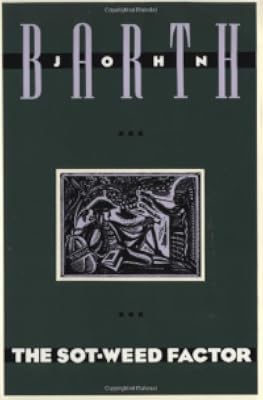
Readers who are willing, therefore, to let Pynchon be Pynchon should tune in gratefully to this ambitious novel’s dizzy anachronisms and period fustian (its language closely recalls that of the book it otherwise resembles as well: John Barth’s The Sot-Weed Factor). Not all will cotton to Pynchon’s unregenerate wordplay (“Sirius business” may be his worst pun, though “Dutch Ado show more about nothing” runs it close), even if he does find a passable rhyme for “Philadelphia.” But the gags are strictly incidental, in a powerfully imagined vision of worlds in embryo and in collision that weds, as no fiction before, the romance of science with the romance of America. show less
added by Richardrobert
Lists

1001 Books You Must Read Before You Die
1,448 works; 1,137 members

Best Contemporary Literary Fiction (Around the Last 30 Years)
400 works; 123 members

Novels from The Guardian's Great American Novelist Tournament
148 works; 24 members

Favorite Long Books
330 works; 42 members

Best Historical Fiction
620 works; 262 members

Top Five Books of 2013
1,562 works; 715 members

1990s
309 works; 17 members

20th Century Literature
1,161 works; 54 members

Historical Fiction
889 works; 91 members
The American Experience
173 works; 18 members

Unread books
1,063 works; 83 members

Fiction Featuring Real People
81 works; 17 members
Best of American Literature
146 works; 9 members

Pynchon ranked
10 works; 1 member

The American novels that should have won the Booker prize
16 works; 3 members

Cooper
79 works; 1 member

Llibres que he llegit el 2020
50 works; 1 member

Literature which inspired Pop songs
85 works; 9 members
American Lit for Eng 11 Research Project
368 works; 6 members

Recommend the 20 best books you've read in the last five years
2,168 works; 604 members
Books We Love to Reread
695 works; 298 members

Our Favorite Comfort Reads
334 works; 200 members

Thomas Pynchon books
10 works; 1 member

To read
37 works; 1 member

I Can't Finish This Book
189 works; 22 members
Author Information

32+ Works 51,564 Members
Thomas Pynchon was born in Glen Cove, New York on May 8, 1937. In 1959 he graduated with a B.A. in English from Cornell, where he had taken Vladimir Nabokov's famous course in modern literature after studying engineering physics and serving in the U.S. Navy for two years. He worked as a technical writer at Boeing for two and a half years. Pynchon show more won the Faulkner First Novel Award for V. in 1963, and in The Crying of Lot 49 (1966), again his symbolism and commentary on the United States and human isolation have been praised as intricate and masterly, though some reviewers found it to be maddeningly dense. With this book Pynchon won the Rosenthal Foundation Award. Gravity's Rainbow, winner of the National Book Award for Fiction in 1974, is in part a fictional elegy and meditation on death and an encyclopedic work that jumps through time. Pynchon has also written numerous essays, reviews, and introductions, plus the fictional works Slow Learner, Vineland, Mason & Dixon, Against the Day, and Inherent Vice. His title Bleeding Edge made The New York Times Best Seller List for 2013. He is famous for his reclusive nature, although he has made several animated appearances on The Simpsons television series. (Bowker Author Biography) show less
Some Editions
Awards and Honors
Awards
Work Relationships
Is contained in
Common Knowledge
- Canonical title*
- Mason & Dixon
- Original title
- Mason & Dixon
- Original publication date
- 1997
- People/Characters
- Charles Mason; Jeremiah Dixon; George Washington
- Important places
- Maryland, USA; Pennsylvania, USA; St Helena; Cape of Good Hope, South Africa
- Dedication
- Für Melanie und für Jackson
For Melanie,
and for Jackson - First words
- Snow-Balls have flown their Arcs, starr'd the Sides of Outbuildings, as of Cousins, carried Hats away into the brisk Wind off Delaware,—the Sleds are brought in and their Runners carefully dried and greased, shoes deposited... (show all) in the back Hall, a stocking'd-foot Descent made upon the great Kitchen, in a purposeful Dither since Morning, punctuated by the ringing Lids of Boilers and Stewing-Pots, fragrant with Pie-Spices, peel'd Fruits, Suet, heated Sugar,—the Children, having all upon the Fly, among rhythmic slaps of Batter and Spoon, coax'd and stolen what they might, proceed, as upon each afternoon all this snowy December, to a comfortable Room at the rear of the House, years since given over to their carefree Assaults.
- Last words*
- (Click to show. Warning: May contain spoilers.)"Wir werden dort angeln. Und du auch."
- Original language
- English
*Some information comes from Common Knowledge in other languages. Click "Edit" for more information.
Classifications
Statistics
- Members
- 5,138
- Popularity
- 2,695
- Reviews
- 51
- Rating
- (4.01)
- Languages
- 12 — Danish, English, French, German, Greek, Italian, Norwegian (Bokmål), Polish, Portuguese, Russian, Spanish, Swedish
- Media
- Paper, Audiobook, Ebook
- ISBNs
- 36
- ASINs
- 12