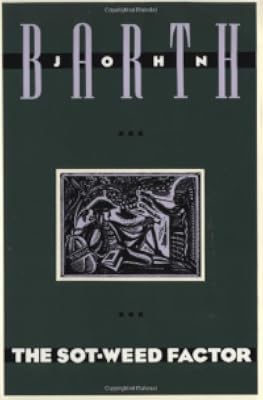
The Sot-Weed Factor
by John Barth
On This Page
Description
This is Barth's most distinguished masterpiece. This modern classic is a hilarious tribute to all the most insidious human vices, with a hero who is "one of the most diverting . . . to roam the world since Candide." "A feast. Dense, funny, endlessly inventive (and, OK, yes, long-winded) this satire of the eighteenth-century picaresque novel--think Fielding's Tom Jones or Sterne's Tristram Shandy--is also an earnest picture of the pitfalls awaiting innocence as it makes its unsteady way in show more the world. It's the late seventeenth century and Ebenezer Cooke is a poet, dutiful son and determined virgin who travels from England to Maryland to take possession of his father's tobacco (or "sot weed") plantation. He is also eventually given to believe that he has been commissioned by the third Lord Baltimore to write an epic poem, The Marylandiad. But things are not always what they seem. Actually, things are almost never what they seem. Not since Candide has a steadfast soul witnessed so many strange scenes or faced so many perils. Pirates, Indians, shrewd prostitutes, armed insurrectionists--Cooke endures them all, plus assaults on his virginity from both women and men. Barth's language is impossibly rich, a wickedly funny take on old English rhetoric and American self-appraisals. For good measure he throws in stories within stories, including the funniest retelling of the Pocahontas tale--revealed to us in the 'secret' journals of Capt. John Smith--that anyone has ever dared to tell." --Time show lessTags
Recommendations






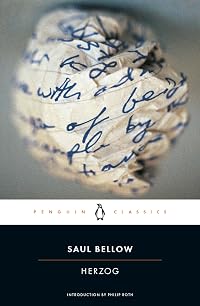
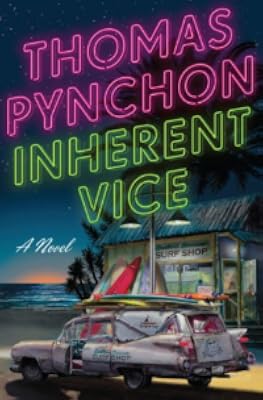

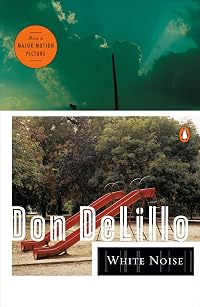
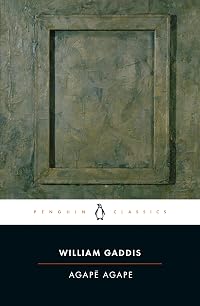
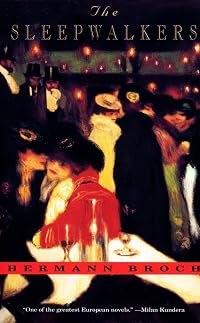
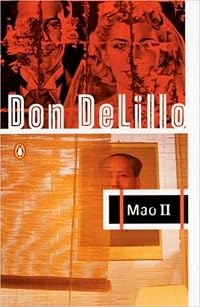
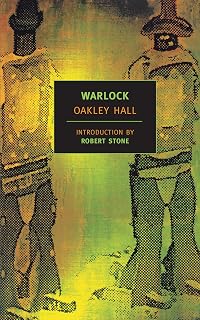
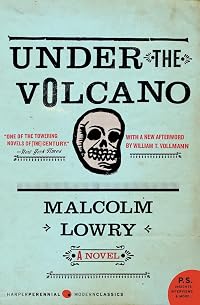
Member Recommendations
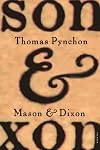
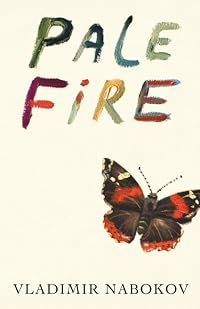
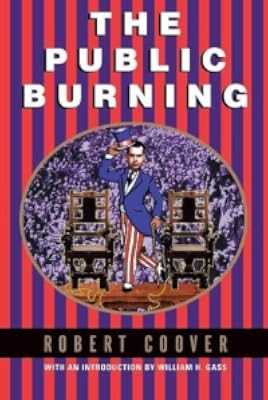
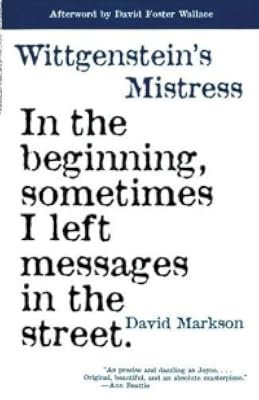
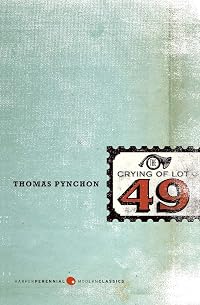
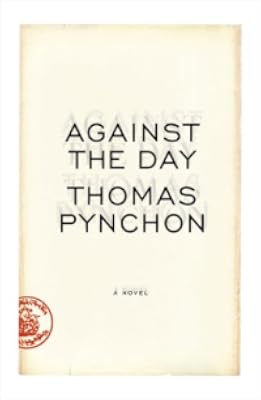
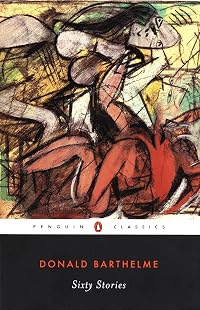
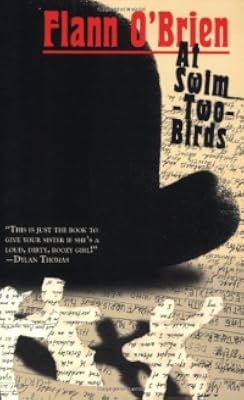
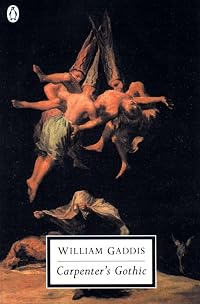
billmcn Another sprawling comic picaresque written in 18th century prose
Also recommended by thatguyzero
51
Member Reviews
Well-loved books from my past
Rating: 5 golden stars of five, with a rapturous yodel cluster
The Book Description: Considered by critics to be Barth's most distinguished masterpiece, The Sot-Weed Factor has acquired the status of a modern classic. Set in the late 1600s, it recounts the wildly chaotic odyssey of hapless, ungainly Ebenezer Cooke, sent to the New World to look after his father's tobacco business and to record the struggles of the Maryland colony in an epic poem. On his mission, Cooke experiences capture by pirates and Indians; the loss of his father's estate to roguish impostors; love for a farmer prostitute; stealthy efforts to rob him of his virginity, which he is (almost) determined to protect; and an extraordinary show more gallery of treacherous characters who continually switch identities. A hilarious, bawdy tribute to all the most insidious human vices, The Sot-Weed Factor has lasting relevance for readers of all times.
My Review: The book description is a bit weak-kneed, but I can't find a better one, and I detest writing the book reports with a passion.
A couple months ago, I started a re-read of this book that did not go well. I sighed. I snorted. I rolled my eyes, and cut up rough whenever we got into the book's faux-antique Englysshe. I was responding to it like it was a phauntaiysee nawvelle with majgickq and other such borderline-criminal goins-on. I put it aside, and I forgot it, except to renew it online from the Port Washington liberry.
Damn me anyway! Why can't I listen to my REAL self?! John Barth, my Real Self murmured, John Barth of The Floating Opera and this book which you adored thirty years ago, he deserves better than this, to which Angry Self replied, “Shut up you! Seven hundred plus pages of this phauntaaahsticall-ness will make us homicidal! Why not encourage me to read Dickens or Tolkien if all you want to is encourage me to massacre random strangers? Silence! Begone!”
Damn me! What an ass! I read the first six chapters and tossed the book aside! But...I did keep renewing it....
And today, today with two days left on my final renewal, to-goddam-day I pick the book up again. And I read the first paragraph/line. And oh damn me! Damn me! How beautiful, how simply and completely perfect it is, and how I wish I could boil Angry Me in oil!
Oh. Oh oh oh oh. I just had a crisis.
Now I *could* just power through the seven hundred-plus remaining pages in the next two days, ignoring all other beings and duties...to the detriment of our carpets, as the dog would be on her own re: eliminatory functions, and the complete bumfuzzlement of my houseys as I would not be showing up at the station to fetch them...but it's not on. It's just not. This isn't a book to be got through, it is a book to be appreciated, savored, delighted in.
I will await the tides of fortune washing a copy of my own back up on the shores of my private liberry. It is worth the wait. The rapturous narcosis of my first immersion has returned. Thirty years are as but a moment. John Barth is still there, his words as gorgeously deployed as ever they were.
Delightful. Delightful.
Damn me anyway! show less
Rating: 5 golden stars of five, with a rapturous yodel cluster
The Book Description: Considered by critics to be Barth's most distinguished masterpiece, The Sot-Weed Factor has acquired the status of a modern classic. Set in the late 1600s, it recounts the wildly chaotic odyssey of hapless, ungainly Ebenezer Cooke, sent to the New World to look after his father's tobacco business and to record the struggles of the Maryland colony in an epic poem. On his mission, Cooke experiences capture by pirates and Indians; the loss of his father's estate to roguish impostors; love for a farmer prostitute; stealthy efforts to rob him of his virginity, which he is (almost) determined to protect; and an extraordinary show more gallery of treacherous characters who continually switch identities. A hilarious, bawdy tribute to all the most insidious human vices, The Sot-Weed Factor has lasting relevance for readers of all times.
My Review: The book description is a bit weak-kneed, but I can't find a better one, and I detest writing the book reports with a passion.
A couple months ago, I started a re-read of this book that did not go well. I sighed. I snorted. I rolled my eyes, and cut up rough whenever we got into the book's faux-antique Englysshe. I was responding to it like it was a phauntaiysee nawvelle with majgickq and other such borderline-criminal goins-on. I put it aside, and I forgot it, except to renew it online from the Port Washington liberry.
Damn me anyway! Why can't I listen to my REAL self?! John Barth, my Real Self murmured, John Barth of The Floating Opera and this book which you adored thirty years ago, he deserves better than this, to which Angry Self replied, “Shut up you! Seven hundred plus pages of this phauntaaahsticall-ness will make us homicidal! Why not encourage me to read Dickens or Tolkien if all you want to is encourage me to massacre random strangers? Silence! Begone!”
Damn me! What an ass! I read the first six chapters and tossed the book aside! But...I did keep renewing it....
And today, today with two days left on my final renewal, to-goddam-day I pick the book up again. And I read the first paragraph/line. And oh damn me! Damn me! How beautiful, how simply and completely perfect it is, and how I wish I could boil Angry Me in oil!
In the last years of the seventeenth century there was to be found among the fops and fools of the London coffee-houses one rangy, gangling flitch called Ebenezer Cooke, more ambitious than talented, and yet more talented than prudent, who, like his friends-in-folly, all of whom were supposed to be educating at Oxford or Cambridge, had found the sound of Mother English more fun to game with than her sense to labor over, and so rather than applying himself to the pains of scholarship, had learned the knack of versifying, and ground out quires of couplets after the fashion of the day, afroth with Joves and Jupiters, aclang with jarring rhymes, and string-taut with similes stretched to the snapping-point.
Oh. Oh oh oh oh. I just had a crisis.
Now I *could* just power through the seven hundred-plus remaining pages in the next two days, ignoring all other beings and duties...to the detriment of our carpets, as the dog would be on her own re: eliminatory functions, and the complete bumfuzzlement of my houseys as I would not be showing up at the station to fetch them...but it's not on. It's just not. This isn't a book to be got through, it is a book to be appreciated, savored, delighted in.
I will await the tides of fortune washing a copy of my own back up on the shores of my private liberry. It is worth the wait. The rapturous narcosis of my first immersion has returned. Thirty years are as but a moment. John Barth is still there, his words as gorgeously deployed as ever they were.
Delightful. Delightful.
Damn me anyway! show less
This is a virtuoso performance. John Barth is a born storyteller, and The Sot-Weed Factor makes full use of his talents. There are tales within tales, here, and they're all told with a seductive sense of humor.
The story follows a woefully innocent (you could say naive) young poet on his travels from the Old Country to the New. He meets a vast number of characters on his journey, many of whom seek to take advantage of his innocence (or take his life). His companion on his journey is a political agent (spy) who is deeply involved with the affairs of the Maryland government and its enemies. The scope of this novel, as you can see, is astonishing.
Many professional critics make note of how Barth satirizes the historical novel, here, but show more satire implies a target: something that must be taken down. I think, rather, that Barth is just winking at the historical novel. He knows how these novels work; he knows their cliches. So he incorporates those elements and transcends them so that they no-longer seem cliche or "played out."
The Sot-Weed Factor is not serious literature. It's fun. If you come to it looking for a great story and a good number of laughs and head-shakes, you'll enjoy it. show less
The story follows a woefully innocent (you could say naive) young poet on his travels from the Old Country to the New. He meets a vast number of characters on his journey, many of whom seek to take advantage of his innocence (or take his life). His companion on his journey is a political agent (spy) who is deeply involved with the affairs of the Maryland government and its enemies. The scope of this novel, as you can see, is astonishing.
Many professional critics make note of how Barth satirizes the historical novel, here, but show more satire implies a target: something that must be taken down. I think, rather, that Barth is just winking at the historical novel. He knows how these novels work; he knows their cliches. So he incorporates those elements and transcends them so that they no-longer seem cliche or "played out."
The Sot-Weed Factor is not serious literature. It's fun. If you come to it looking for a great story and a good number of laughs and head-shakes, you'll enjoy it. show less
This book is a sheer marvel. Set in the 1600s, it's awash in lyrical excess, bawdy humor, historical satire, human vice, roguish fools, epic intent, and pirates and Indians and prostitutes and poets, oh my! The sheer life force of this novel is amazing, the prose is masterful and wickedly funny, and the journey is like nothing I've ever been on before. Now I'll shut up and let the far more eloquent Mr. Barth take over. Here's the opening line:
"In the last years of the Seventeenth Century there was to be found among the fops and fools of the London coffee-houses one rangy, gangling flitch called Ebenezer Cooke, more ambitious than talented, and yet more talented than prudent, who, like his friends-in-folly, all of whom were supposed to show more be educating at Oxford or Cambridge, had found the sound of Mother English more fun to game with than her sense to labor over, and so rather than applying himself to the pains of scholarship, had learned the knack of versifying, and ground out quires of couplets after the fashion of the day, afroth with Joves and Jupiters, aclang with jarring rhymes, and string-taut with similes stretched to the snapping-point." show less
"In the last years of the Seventeenth Century there was to be found among the fops and fools of the London coffee-houses one rangy, gangling flitch called Ebenezer Cooke, more ambitious than talented, and yet more talented than prudent, who, like his friends-in-folly, all of whom were supposed to show more be educating at Oxford or Cambridge, had found the sound of Mother English more fun to game with than her sense to labor over, and so rather than applying himself to the pains of scholarship, had learned the knack of versifying, and ground out quires of couplets after the fashion of the day, afroth with Joves and Jupiters, aclang with jarring rhymes, and string-taut with similes stretched to the snapping-point." show less
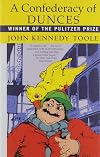
Where to begin describing—let alone commenting on—this postmodern take on the 18th-century farce novel. It is, on its surface, an old-fashioned tale of an overeducated young man's travels and lessons in how the real world works, reminiscent of Voltaire's 'Candide' and, more recently, Toole's 'A Confederacy of Dunces'.
While the language, the plotting, and the characters fit this style quite well, this is clearly a modern novel; it winks at the reader throughout and it plays with form in unexpected ways. Don't be surprised when a simple argument between two prostitutes turns into a six-page list of insults, real and made up, in English and French.
The humor here is juvenile, as base as the lewdest of Shakespeare, and lewder. The show more plotting is outrageously artificial, full of convenient turns and coincidences and revelations. The characters are fluid, changing their motives, reactions, and even appearances every which way. This all fits the book's implied "age", but it's also thoroughly enjoyable to read.
Between all the gross-out jokes about breeches and members, there's a lot of clever (and even touching) insight into the human condition here. And on top of it, while Barth clearly wrote The Sot-Weed Factor as a tour-de-force exercise in jamming into a novel literally anything and everything he could possibly think of, he didn't forget to make each page fun to read. show less
While the language, the plotting, and the characters fit this style quite well, this is clearly a modern novel; it winks at the reader throughout and it plays with form in unexpected ways. Don't be surprised when a simple argument between two prostitutes turns into a six-page list of insults, real and made up, in English and French.
The humor here is juvenile, as base as the lewdest of Shakespeare, and lewder. The show more plotting is outrageously artificial, full of convenient turns and coincidences and revelations. The characters are fluid, changing their motives, reactions, and even appearances every which way. This all fits the book's implied "age", but it's also thoroughly enjoyable to read.
Between all the gross-out jokes about breeches and members, there's a lot of clever (and even touching) insight into the human condition here. And on top of it, while Barth clearly wrote The Sot-Weed Factor as a tour-de-force exercise in jamming into a novel literally anything and everything he could possibly think of, he didn't forget to make each page fun to read. show less
This was probably the most difficult of novels for me to rate. As the Chicago Tribune reviews – there are simply so many ways in which to read the novel that where one angle is lacking another fills the gap. Curiously enough though, much of the narrative has to do with just that.
As Barth comments, this novel was not simply inspired by his interest in the history of where he lived, but through the realization that his prior two novels (which I unabashedly adore) had less to do with nihilism than they did with innocence and naïveté. The protagonist doesn’t just portray the idealisms of youth, but the paratext inherent to not just historical fiction, but history as we know it. This novel is more than just a platitude of “the show more victorious are the writers of history,” but a nautilus spiral of implication for every passing moment.
Most interesting to me portrayed throughout is the concept of identity and its subsequent suppositions. The constant confusion between individuals, posturing, and the ultimate significance of being endowed with titles by “individuals” who have the prerequisite titles to endow, throws the whole story into a chaos of irreconcilable proofs. It is this amorphous rendering of identities, and not just the cherry picking of history books, that give this its peculiar ring: in effect History losses to fiction.
The only linking part to Barth’s prior works is the culmination. The reception of the work is just as chaotic as his characters (satirizing literary simultaneously with historical analysis; with the question being not what is recorded but what purpose does it serve (even serving several purposes through the same interpretation – much like the aforementioned characters)). Barth’s answer is a silent resignation. An acknowledgment without words to the very chatter he so well represented already, an almost Kierkegaardian proclamation in the faith of the ineffable. show less
As Barth comments, this novel was not simply inspired by his interest in the history of where he lived, but through the realization that his prior two novels (which I unabashedly adore) had less to do with nihilism than they did with innocence and naïveté. The protagonist doesn’t just portray the idealisms of youth, but the paratext inherent to not just historical fiction, but history as we know it. This novel is more than just a platitude of “the show more victorious are the writers of history,” but a nautilus spiral of implication for every passing moment.
Most interesting to me portrayed throughout is the concept of identity and its subsequent suppositions. The constant confusion between individuals, posturing, and the ultimate significance of being endowed with titles by “individuals” who have the prerequisite titles to endow, throws the whole story into a chaos of irreconcilable proofs. It is this amorphous rendering of identities, and not just the cherry picking of history books, that give this its peculiar ring: in effect History losses to fiction.
The only linking part to Barth’s prior works is the culmination. The reception of the work is just as chaotic as his characters (satirizing literary simultaneously with historical analysis; with the question being not what is recorded but what purpose does it serve (even serving several purposes through the same interpretation – much like the aforementioned characters)). Barth’s answer is a silent resignation. An acknowledgment without words to the very chatter he so well represented already, an almost Kierkegaardian proclamation in the faith of the ineffable. show less
This book is kind of nuts.
In a good, hilarious way, I mean.
"I am Ebenzer Cooke, Poet and Laureate of this province."Ebenzer Cooke has been waving his title in everyone's faces. So have been many others. Maryland is infested with poet laureates called Ebenzer Cooke. Henry Burlingame, on the other hand, is singlehandedly filling many shoes as he goes on a Mission Impossible-esque spree of changing disguises. Joan Toast is diligently working at supplying pox to the Indians. King Hicktopeake's ravenous Queen had been keeping, not only the king, but all men in the town perpetually fatigued. Highly confusing provincial politics and conspiracies are constantly show more afoot. An uproarious cast of characters is strewn all over the province. Their paths often criss-cross in such ways as to make it look like a bad case of Twister - where the proprietorship of hands, feet, torsos is difficult to ascertain. Hilarity ensues.
"Well, I was once called the Traveling Whore o' Dorset, but I don't boast of't."
Unlearned in matters of the real world, Ebenezer Cooke soars high on wings of fancy and blissful ignorance. When forced to come up with an improvised bum-swab, he summons his knowledge of philosophy, history and literature. He has a way of jumping out of frying pan to land straight into the fire, a bit of a 'wrong place wrong time' syndrome. When he is is lucky enough, someone comes along to pull him out of the ditch, only to drop him into a bog later.
"His chair rose from the floor, passed through the roof of Malden, and shot into the opalescent sky. As for Maryland, it turned blue and flattened into an immense musical surface, which suavely slid northwestwards under seagulls."Perhaps my favorite thing about The Sot-Weed Factor is how it upholds the tradition of oral storytelling. Several episodes are incidents being leisurely related by one character to another, each story-teller adding a bit of his/her own color to the story. Some even care to drop a nugget of wisdom or two.
“Only the wittol can know he is no cuckold and only a dead man is safe from death.”Some of the stories being told are incredible enough to find a place in 'Ripley's Believe it or Not'. Many of the episodes that I was convinced could only be tall tales concocted to fool Ebenezer, turned out to be true. While some things I had believed, were revealed to be made-up truths. Who am I to call Ebenzer gullible then! There is no telling how the tide will turn in Barth's world. One small happenstance can set a contraption in motion leading to big, comic consequences.
Barth's ribald, irreverent, comic adventure has a lot going for it. Except the length, methinks. After a point, it does exude a 'joke being told one time too many' feeling. In any case, I did make it to the end of the story where the oh so polite author apologized. Ebenzer's ordeal ended and he had a chance to lie down to rest and perhaps sink back into his dreams and reveries.
“To me she is a woman. To you she’s a hallucination.”
___________________________________
I am willing to turn a blind eye if someone*** wants to steal a bunch of pages from my copy. This thing is too damn long.
Though tons of fun, too.
*** Jay Rubin - wink wink nudge nudge. show less
Outlandish. Uproariously funny. Very clever.
Duplicity to the point where the reader doubts even her own identity, shameless coincidences of familial relationship, and an absurd, tangled skein of intrigue in which right and wrong are as constant as the weathercock. All this, set to swamp infested, pox afflicted, corrupt, noisy, lewd, violent, unreasonable, colonial Maryland in prose to which all of the same adjectives apply.
Duplicity to the point where the reader doubts even her own identity, shameless coincidences of familial relationship, and an absurd, tangled skein of intrigue in which right and wrong are as constant as the weathercock. All this, set to swamp infested, pox afflicted, corrupt, noisy, lewd, violent, unreasonable, colonial Maryland in prose to which all of the same adjectives apply.
Members
- Recently Added By
Lists

Recommend the 20 best books you've read in the last five years
2,168 works; 606 members

Larry McCaffery's 20th Century Greatest Hits: 100 English-Language Books
103 works; 12 members

20th Century Literature
1,161 works; 54 members

Time Magazine's "All-Time 100"
113 works; 15 members
Time's All-Time 100 Novels
100 works; 27 members

1960s
281 works; 16 members

Best First Lines
133 works; 8 members
Harold Bloom - The Western Canon: D. The Chaotic Age
833 works; 24 members

Books
85 works; 1 member

Mustich's 1000 Books to Read Before You Die: A Life Changing List
1,001 works; 19 members

Canon de la narrativa universal del s. XX (cicutadry)
499 works; 3 members

Recommended Reading : 600 Classics Reviewed, Editors of Salem Press, 2015
634 works; 6 members

2024. Nuestro año literario (Faustino Sánchez)
20 works; 1 member

The Torchlight List
95 works; 1 member
Top-Rated Books on LibraryThing
272 works; 117 members
Author Information

39+ Works 12,253 Members
John Barth taught for many years in the writing program at Johns Hopkins University, and he lives in Chestertown, Maryland. (Publisher Provided) John Simmons Barth was born on May 27, 1930 in Cambridge, Maryland. He is considered to be one of the American writers who introduced a U.S. audience to experimental fiction. Barth began as a conventional show more novelist, exploring existential themes of suicide in The Floating Opera (1956) and the complexity of love in The End of the Road (1958). By the end of the 1950s, however, he was exploring less realistic techniques to keep the reader from being pulled into the story, and thus to make larger points. Those techniques include parody, which Barth first used in The Sot-Weed Factor (1960), to mock the style of the eighteenth-century picaresque novel, and Giles Goat-Boy (1966), which depicts the world as a giant university. In Chimera (1972), for which he won the National Book Award, Barth applied his method to retell classical myths. His later works include Letters (1979), in which Barth himself appears as a character, and Sabbatical (1982), the story of a woman college professor and her novelist husband, both of whom address the reader and author. Barth's other novels include The Tidewater Tales (1987) and The Last Voyage of Somebody the Sailor (1991). For most of his career as a writer, he has also been a professor of English, teaching at Pennsylvania State University, the State University of New York at Buffalo, and The Johns Hopkins University. (Bowker Author Biography) show less
Awards and Honors
Awards
Notable Lists
Series
Belongs to Publisher Series
Work Relationships
Contains
Common Knowledge
- Canonical title
- The Sot-Weed Factor
- Original title
- The Sot-Weed Factor
- Original publication date
- 1960
- People/Characters
- Ebenezer Cooke; Captain John Smith
- Important places
- America; Chesapeake Bay Region, USA
- First words
- In the last years of the Seventeenth Century there was to be found among the fops and the fools of the London coffee-houses one rangy, gangling flitch called Ebenezer Cooke, more ambitious than talanted, and yet more talanted... (show all) than prudent, who, like his friends-in-folly, all of whom were supposed to be educating at Oxford or Cambridge, had found the sound of Mother English more fun to game with than her than her sense to labor over, and so rather than applying himself to the pains of scholarship, had learned the knack of versifying, and ground out quires of couplets after the fashion of the day, afroth with Joves and Jupiters, aclang with jarring rhymes, and string-taut with similies stretched to the snapping point.
- Last words
- (Click to show. Warning: May contain spoilers.)However, either his warning got about or else his complaint was accurate that Maryland's air - in any case, Dorchester's - ill supports the delicate muse, for to the best of the Author's knowledge her marshes have spawned no poet since Ebenezer Cooke, Gentleman, Laureate of the Province.
- Blurbers
- New York Times Book Review; TIME; Chicago Tribune
- Original language
- English
Classifications
Statistics
- Members
- 2,365
- Popularity
- 8,285
- Reviews
- 42
- Rating
- (4.18)
- Languages
- 7 — English, French, German, Polish, Russian, Slovenian, Spanish
- Media
- Paper, Audiobook, Ebook
- ISBNs
- 31
- UPCs
- 1
- ASINs
- 44