On This Page
Description
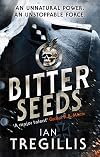
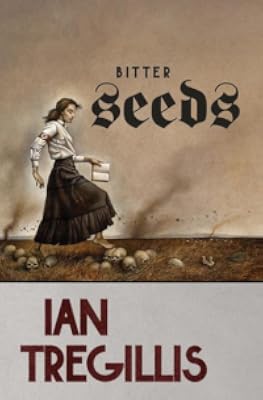
It's 1939. The Nazis have supermen, the British have demons, and one perfectly normal man gets caught in between. Raybould Marsh is a British secret agent in the early days of the Second World War, haunted by something strange he saw on a mission during the Spanish Civil War: a German woman with wires going into her head who looked at him as if she knew him. When the Nazis start running missions with people who have unnatural abilities--a woman who can turn invisible, a man who can walk show more through walls, and the woman Marsh saw in Spain who can use her knowledge of the future to twist the present--Marsh is the man who has to face them. He rallies the secret warlocks of Britain to hold the impending invasion at bay. But magic always exacts a price. Eventually, the sacrifice necessary to defeat the enemy will be as terrible as outright loss would be. show lessTags
Recommendations
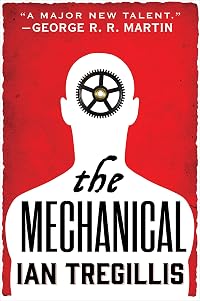
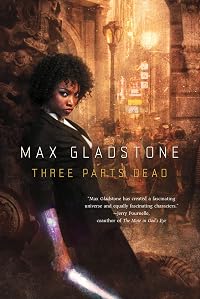
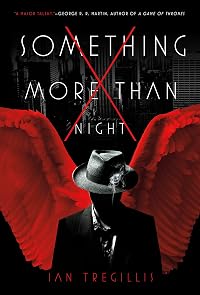
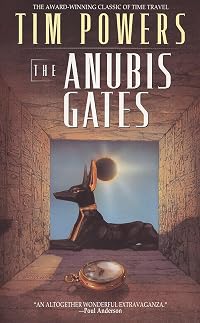


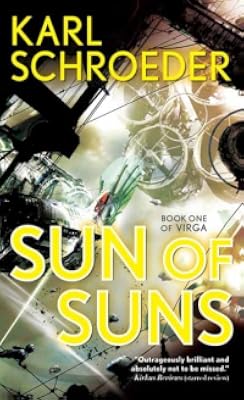
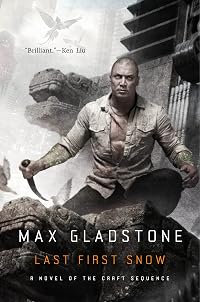
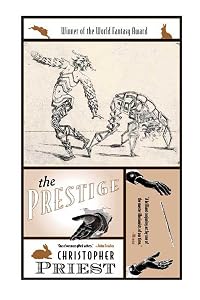
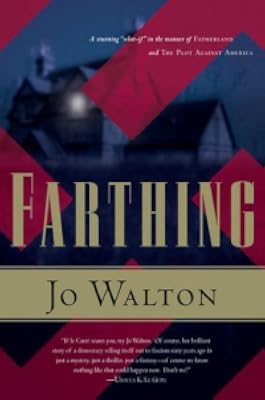
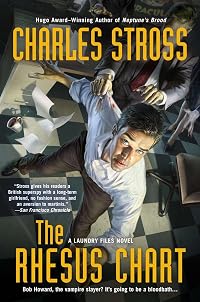

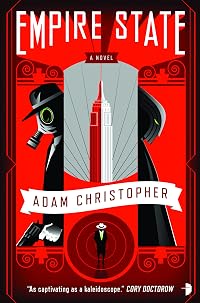
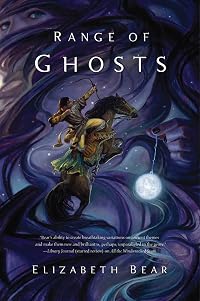




Member Recommendations
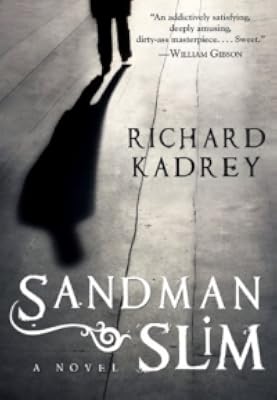
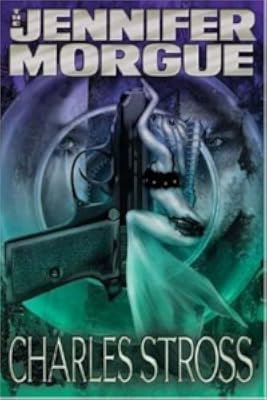
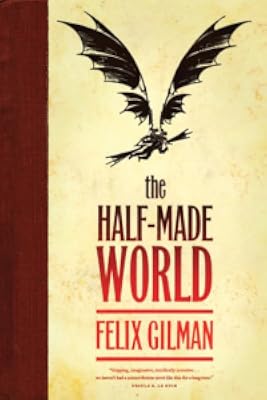
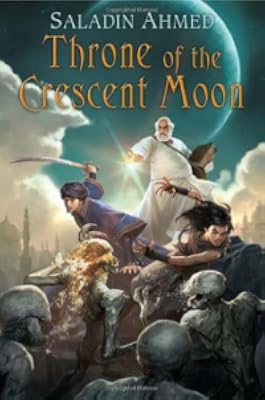
Aerrin99 Books which focus on a fascinating historical Britain, but with added fun like magicians and more.
02

Member Reviews
Excellent first novel that makes World War II go kablooey. British secret agent Raybould Marsh returns from Civil War Spain with a burned reel of film which shows superhuman Nazis at work. Monstrous experiments on children have created soldiers who can fly, set things on fire and walk through walls, To comprehend and combat this new threat he recruits a college friend, trained since childhood to be a warlock, and who once, unwisely, allowed him to glimpse the reality of the Eidolons, vast, omnipresent, all-powerful beings who demand a blood price for every intervention.
Soon, the Nazi war machine has overwhelmed Europe with unnatural speed, leaving England weak, vulnerable and ripe for invasion. To combat the colossal evil of the show more super-Nazis, the British Warlocks must resort to increasingly awful acts of their own to satisfy the Eidolons, and there is a real sense that as the trilogy progresses, the ultimate threat will come from these dealings. By the end of the book, an even greater menace is on Britain's doorsteps, and even more questionable methods are being employed to forestall it. Watching and manipulating people and events is the terrifying, sociopathic seer Gretel, whose knowledge of the future is the most dreadful power of all.
Tregillis drenches his mad science and supernatural flourishes with the general awfulness of the War without lingering the battlefields or visiting the Camps, managing to situate his fictional variations within the reality without one, as it were, invading the other. Dark, well-written, exciting and pretty genuinely unputdownable, Bitter Seeds manages to be both epic and pacy, with great characters and manages to mess it up as science fiction, fantasy and horror without missing a beat. show less
Soon, the Nazi war machine has overwhelmed Europe with unnatural speed, leaving England weak, vulnerable and ripe for invasion. To combat the colossal evil of the show more super-Nazis, the British Warlocks must resort to increasingly awful acts of their own to satisfy the Eidolons, and there is a real sense that as the trilogy progresses, the ultimate threat will come from these dealings. By the end of the book, an even greater menace is on Britain's doorsteps, and even more questionable methods are being employed to forestall it. Watching and manipulating people and events is the terrifying, sociopathic seer Gretel, whose knowledge of the future is the most dreadful power of all.
Tregillis drenches his mad science and supernatural flourishes with the general awfulness of the War without lingering the battlefields or visiting the Camps, managing to situate his fictional variations within the reality without one, as it were, invading the other. Dark, well-written, exciting and pretty genuinely unputdownable, Bitter Seeds manages to be both epic and pacy, with great characters and manages to mess it up as science fiction, fantasy and horror without missing a beat. show less
The concept of Bitter Seeds - an alternate history of World War Two in which the British employ warlocks and blood magic to fight the Nazis, who have engineered scientifically-enhanced supermen - is one of such promise that you desire earnestly for it to succeed, and not to be a convoluted mess. Thankfully, Ian Tregillis executes it well. The quality of storytelling is exceptional right from the off; on page one, Tregillis introduces the ravens, before linking this deftly to poison gas to illustrate that his story begins in the aftermath of World War One. The ravens are also used on page six to link the previous introduction to a second one taking place in England, linking the separate character arcs and creating a moody, foreboding show more atmosphere that the novel retains throughout. The ravens, along with later references to the wind and, more importantly, the surf and the rising tide, are used expertly as thematic anchors for the story.
Yet whilst the quality of writing is superb, the main appeal of Bitter Seeds is its alternate history. Particularly in the first part of the novel, this is fascinating to read. The Germans use their super-soldiers on the battlefield in a way that would seem logical; they undergo field testing in the Spanish Civil War (much as the real-life German military tested out its new technologies and tactics in that war), and Tregillis' examples of their employment in 1940 in the Ardennes (clearing vast swathes of impassable forest for the panzers and bypassing the Maginot Line), the early stages of the Battle of Britain (using precognitive abilities to identify key locations in Britain's air defence network) and in the Battle of the Atlantic (using mind powers to rip apart the hulls of British merchant ships) are interesting riffs on real history. The British use of magic is less exciting, though its employment (manipulating the weather to foil Operation Sealion, Hitler's proposed invasion of England) convinces.
However, as the story develops and the plot (inevitably) deviates from real-life events, the alternate history seems harder for Tregillis to control. I don't want to go into too much detail in case they are considered spoilers, but Tregillis' World War Two ends much sooner than the real one did. It makes sense that the British would use blood magic to stem the tide of the German advances until they could regroup after Dunkirk, but its use after this seems strange. I find it highly unlikely that British strategists would green-light the course that Milkweed (the government section in charge of the British warlocks) takes, considering how intolerable it would be to the balance of power calculations that Britain historically applied to continental Europe, not to mention how many in the British government saw the main beneficiary of Milkweed's actions as their real enemy.
That said, the story as a whole does paint a plausible picture of a world at war, albeit one in which blood magic warlocks face off against German occultist supermen. (If it helps, the balance is somewhat similar to the 2011 film Captain America, although less cheesy). The 'pixies' employed in Chapter 11 echo the real-life ingenuity of British boffins; the contraptions seem almost like a lost relation of one of Hobart's Funnies. Neither side holds all the cards - the German supermen rely on imperfect batteries to power their abilities, whilst the British warlocks must negotiate with the Eidolons (of whom more below) - and so the more fantastical elements of Bitter Seeds do not overwhelm its more grounded history. (Though if I could make one nitpicking criticism, Tregillis has far too much confidence in the accuracy and comprehensiveness of World War Two bombing raids, particularly the ones of 1940-1. The total destruction of two locations by aerial bombing are carried out in the novel, and their complete eradication from the face of the earth is important to the plot. However, in real-life, World War Two bomber planes were notoriously inaccurate, often inflicting negligible damage, and sometimes even failing to bomb the right city. This is why they turned to morale bombing; total destruction being something unfeasible until the atomic bombs of 1945, or at least the area bombing of 1944-5).
Bitter Seeds also appeals as it approaches events with a distinctly gray morality: by the end, you are not quite sure whether the British, with their 'blood prices', are all that much better than the defeated (and cold, and starving) Germans. The British warlocks are not magic-users as such: they commune with powerful otherworldly bodies known as the 'Eidolons' to perform the acts for them. The Eidolons are an interesting and enigmatic element of the novel. Upon encountering an Eidolon, Marsh (the main British character) detects a simmering undercurrent of malevolence" (pg. 131) - the Eidolons hate humankind but, for reasons explained adequately in the text, cannot destroy it. These omnipotent, godlike beings of 'pure volition' are "offended by the notion that anything as profoundly limited as we are could also express volition." (pg. 240). The fury of the Eidolons when humans exercise their volition is shown most strongly on page 334. They exact blood prices as payment for their services to the warlocks, as blood allows them to gain understanding of humankind in preparation for its destruction. This increasing knowledge, as well as the rising body count needed to appease the Eidolons' blood prices - "Blades are outmoded, worthless; the ha'pennies of negotiation. Dynamite and priming cord, that's where the purchase power is." (pg. 264) - adds an element of menace whilst also compelling the British to surrender the moral high ground. One gets the feeling that, by the end of the novel, the British have defeated one evil enemy - the Nazis - but empowered a much more dangerous one (perhaps two if you count the Soviets). In Tregillis' world, Churchill might well have revised his statement that if Hitler invaded Hell, he would make a favourable reference to the Devil in the House of Commons." show less
Yet whilst the quality of writing is superb, the main appeal of Bitter Seeds is its alternate history. Particularly in the first part of the novel, this is fascinating to read. The Germans use their super-soldiers on the battlefield in a way that would seem logical; they undergo field testing in the Spanish Civil War (much as the real-life German military tested out its new technologies and tactics in that war), and Tregillis' examples of their employment in 1940 in the Ardennes (clearing vast swathes of impassable forest for the panzers and bypassing the Maginot Line), the early stages of the Battle of Britain (using precognitive abilities to identify key locations in Britain's air defence network) and in the Battle of the Atlantic (using mind powers to rip apart the hulls of British merchant ships) are interesting riffs on real history. The British use of magic is less exciting, though its employment (manipulating the weather to foil Operation Sealion, Hitler's proposed invasion of England) convinces.
However, as the story develops and the plot (inevitably) deviates from real-life events, the alternate history seems harder for Tregillis to control. I don't want to go into too much detail in case they are considered spoilers, but Tregillis' World War Two ends much sooner than the real one did. It makes sense that the British would use blood magic to stem the tide of the German advances until they could regroup after Dunkirk, but its use after this seems strange. I find it highly unlikely that British strategists would green-light the course that Milkweed (the government section in charge of the British warlocks) takes, considering how intolerable it would be to the balance of power calculations that Britain historically applied to continental Europe, not to mention how many in the British government saw the main beneficiary of Milkweed's actions as their real enemy.
That said, the story as a whole does paint a plausible picture of a world at war, albeit one in which blood magic warlocks face off against German occultist supermen. (If it helps, the balance is somewhat similar to the 2011 film Captain America, although less cheesy). The 'pixies' employed in Chapter 11 echo the real-life ingenuity of British boffins; the contraptions seem almost like a lost relation of one of Hobart's Funnies. Neither side holds all the cards - the German supermen rely on imperfect batteries to power their abilities, whilst the British warlocks must negotiate with the Eidolons (of whom more below) - and so the more fantastical elements of Bitter Seeds do not overwhelm its more grounded history. (Though if I could make one nitpicking criticism, Tregillis has far too much confidence in the accuracy and comprehensiveness of World War Two bombing raids, particularly the ones of 1940-1. The total destruction of two locations by aerial bombing are carried out in the novel, and their complete eradication from the face of the earth is important to the plot. However, in real-life, World War Two bomber planes were notoriously inaccurate, often inflicting negligible damage, and sometimes even failing to bomb the right city. This is why they turned to morale bombing; total destruction being something unfeasible until the atomic bombs of 1945, or at least the area bombing of 1944-5).
Bitter Seeds also appeals as it approaches events with a distinctly gray morality: by the end, you are not quite sure whether the British, with their 'blood prices', are all that much better than the defeated (and cold, and starving) Germans. The British warlocks are not magic-users as such: they commune with powerful otherworldly bodies known as the 'Eidolons' to perform the acts for them. The Eidolons are an interesting and enigmatic element of the novel. Upon encountering an Eidolon, Marsh (the main British character) detects a simmering undercurrent of malevolence" (pg. 131) - the Eidolons hate humankind but, for reasons explained adequately in the text, cannot destroy it. These omnipotent, godlike beings of 'pure volition' are "offended by the notion that anything as profoundly limited as we are could also express volition." (pg. 240). The fury of the Eidolons when humans exercise their volition is shown most strongly on page 334. They exact blood prices as payment for their services to the warlocks, as blood allows them to gain understanding of humankind in preparation for its destruction. This increasing knowledge, as well as the rising body count needed to appease the Eidolons' blood prices - "Blades are outmoded, worthless; the ha'pennies of negotiation. Dynamite and priming cord, that's where the purchase power is." (pg. 264) - adds an element of menace whilst also compelling the British to surrender the moral high ground. One gets the feeling that, by the end of the novel, the British have defeated one evil enemy - the Nazis - but empowered a much more dangerous one (perhaps two if you count the Soviets). In Tregillis' world, Churchill might well have revised his statement that if Hitler invaded Hell, he would make a favourable reference to the Devil in the House of Commons." show less
Rating: one annoyed star of five (p58)
I am on record around these parts as disliking books containing Majgicqk. I have caused a slight coolness to come between myself and certain of my friends around here with my barely restrained snorts of derision at Alan Moore and Neil Gaiman and their comic-book-superhero storytelling ilk. What I've said about actual comic books...oh, do pardon, graphic novels...would have led to all-out breach were the advocates of same not bound to my soul with hoops of steel. (Google it, it's a reference.)
So what on this goddesses' green earth convinced me to try a book that the publisher markets as "Alan Furst meets Alan Moore?" Alternative history, that's what. A different WWII.
Well, that'll learn me. Never show more again. While I found Mr. Tregillis's writing to be quite deft and pleasant on the eyes, the story he's chosen to tell is just about 180 degrees away from my happy place. This story and I are badly suited, and that makes me feel sad. Superheroes and superpowers and Nazi-fighting...oh nay nay nay, not for this old man.
However, and this is important, the storytelling voice here is ripping good stuff, and those without my allergy to stupid supernatural crapola are strongly urged to give Mr. Tregillis's well-written novel a test drive. show less
I am on record around these parts as disliking books containing Majgicqk. I have caused a slight coolness to come between myself and certain of my friends around here with my barely restrained snorts of derision at Alan Moore and Neil Gaiman and their comic-book-superhero storytelling ilk. What I've said about actual comic books...oh, do pardon, graphic novels...would have led to all-out breach were the advocates of same not bound to my soul with hoops of steel. (Google it, it's a reference.)
So what on this goddesses' green earth convinced me to try a book that the publisher markets as "Alan Furst meets Alan Moore?" Alternative history, that's what. A different WWII.
Well, that'll learn me. Never show more again. While I found Mr. Tregillis's writing to be quite deft and pleasant on the eyes, the story he's chosen to tell is just about 180 degrees away from my happy place. This story and I are badly suited, and that makes me feel sad. Superheroes and superpowers and Nazi-fighting...oh nay nay nay, not for this old man.
However, and this is important, the storytelling voice here is ripping good stuff, and those without my allergy to stupid supernatural crapola are strongly urged to give Mr. Tregillis's well-written novel a test drive. show less
This is the tale of an alternate Second World War in which the real fight takes place between a pack of damaged children with super powers produced by Nazi mad science and a cadre of British warlocks capable of invoking the power of aetheric beings; beings that loath Humanity and can only be repaid in blood. The story is less about the course of the war and more about the price exacted by invoking abilities indistinguishable from magic; very bleak reading indeed. It makes the "Laundry" series of Charlie Stross look like a picnic.
In a remote part of Germany a doctor has been hard at work, he has had plenty of test subjects, the Great War left many orphans and foundlings, and he paid good money for them. Not many survive. An outbreak of influenza, or so he claims. The reality is very different. He has been experimenting on the children, torturing them and surgically altering them. Turning them into supersoldiers. Out of all those who ended up in his home few now remain; but they can do great things. Walk through walls, immolate buildings and people, turn invisible, and see the future.
English intelligent is set on their trail almost by accident, but they don’t know what they are up against. So they turn to England’s old magics and the warlocks.
Okay, if that show more hasn’t hooked you already then I’m not sure what will. Super-soldier Nazis and warlocks. Come on, that’s intriguing, is it not?
However, if that description has you in mind of an adventure story well, I don’t think you’ll get quite what you expect. Yes, technically there are adventure scenes, battles and spies, heroes and villains. But I think that in this book Tregillis has set out to show that war is a dirty business and everyone involved gets their hands dirty, very dirty in some cases. His characters are not neatly divisible into good and evil.
I suppose there are a few who we can say with are the bad guys. The doctor. Gretel. But they don’t have their “good” counterparts. We have the allies, the guys we are supposed to be rooting for, but they do their share of evil deeds. Perhaps in the name of the innocent, but really? we have all heard what the road to hell is paved with.
It is a very well told story, even if I didn’t really like any of the characters. But I did understand them, and empathise with some of them to varying degrees, and that is the important thing I think. show less
English intelligent is set on their trail almost by accident, but they don’t know what they are up against. So they turn to England’s old magics and the warlocks.
Okay, if that show more hasn’t hooked you already then I’m not sure what will. Super-soldier Nazis and warlocks. Come on, that’s intriguing, is it not?
However, if that description has you in mind of an adventure story well, I don’t think you’ll get quite what you expect. Yes, technically there are adventure scenes, battles and spies, heroes and villains. But I think that in this book Tregillis has set out to show that war is a dirty business and everyone involved gets their hands dirty, very dirty in some cases. His characters are not neatly divisible into good and evil.
I suppose there are a few who we can say with are the bad guys. The doctor. Gretel. But they don’t have their “good” counterparts. We have the allies, the guys we are supposed to be rooting for, but they do their share of evil deeds. Perhaps in the name of the innocent, but really? we have all heard what the road to hell is paved with.
It is a very well told story, even if I didn’t really like any of the characters. But I did understand them, and empathise with some of them to varying degrees, and that is the important thing I think. show less
I knew this was a retelling, an alternate history of WWII with a fantasy bent to it, and rather expected a Captain America feel. I was very wrong on that count. Gretel was thoroughly enjoyable as the main villain, and I still picture her in my mind as a young flighty woman who loves to read poetry and pick wildflowers and carries a secret torch for a young man. Never mind that she's completely insane and is willing to sacrifice the world for her own gain.
Actually, I was really impressed with the depiction of England, which has fallen very very far, indeed. The bitter seeds from the title could entirely be planted by those plucky English chaps.
I particularly liked the mix of quasi-Cthulhu Eidolons as a substitute for demonic contracts show more and the more traditional stick-those-wires-in-the-brain awakenings. I mention these things first because I found them fun, but more than that, I really enjoyed the story and the characterizations. I kept wanting to see a secret agent book with magic and sci-fi elements in WWII, but what I actually find is a heart-felt analysis of hard choices, coping mechanisms, regret, loss, and a deep horror at the situation. Mr. Tregillis could easily write a straight novel without any fantasy elements and be perfectly at home, but he succeeds in making a great sci-fi/fantasy novel.
I know it is just beginning, of course, and so I'm going to sink my teeth in the next, now. show less
Actually, I was really impressed with the depiction of England, which has fallen very very far, indeed. The bitter seeds from the title could entirely be planted by those plucky English chaps.
I particularly liked the mix of quasi-Cthulhu Eidolons as a substitute for demonic contracts show more and the more traditional stick-those-wires-in-the-brain awakenings. I mention these things first because I found them fun, but more than that, I really enjoyed the story and the characterizations. I kept wanting to see a secret agent book with magic and sci-fi elements in WWII, but what I actually find is a heart-felt analysis of hard choices, coping mechanisms, regret, loss, and a deep horror at the situation. Mr. Tregillis could easily write a straight novel without any fantasy elements and be perfectly at home, but he succeeds in making a great sci-fi/fantasy novel.
I know it is just beginning, of course, and so I'm going to sink my teeth in the next, now. show less
(Reprinted from the Chicago Center for Literature and Photography [cclapcenter.com]. I am the original author of this review, as well as the owner of CCLaP; it is not being reprinted illegally.)
The reason I put this older (2010) urban-fantasy alt-history novel on reserve at my local library is because its sequel The Coldest War just came out, and the premise sounded interesting enough to warrant going back to the first book and catching up; set within a Johnathan Carroll like alt-reality where magic is real (via evil, ephemeral cosmic aliens who we barely understand but who some can take advantage of), it tells the story of a World War Two where the Nazis have literally invented supermen and crusty upper-class "magic scholars" in the UK show more are made MI6 operatives to stop them. But alas, although the idea itself is just really quite amazing, the execution of the idea is only subpar; the plot itself is quite clunky at times, the level of characterization uneven, the dialogue sometimes flat, and perhaps worst of all (or at least a big personal pet peeve of mine), a paper-thin wife is invented for one of the main characters exclusively to serve as a flimsy deux-ex-machina for the story's climax, otherwise servicing as a disposable distraction for the other couple of hundred pages we have to deal with her. I can see why the book's gotten so much attention, because it really is a captivating story idea, unique and historical and yet another great modern take on the Nazi's real-life obsession with the occult; and while it's sure to satisfy hardcore urban-fantasy fans, I doubt that I myself will be reading volume two of the series, and do not recommend it except to the most diehard Joss Whedon fans out there.
Out of 10: 8.4 show less
The reason I put this older (2010) urban-fantasy alt-history novel on reserve at my local library is because its sequel The Coldest War just came out, and the premise sounded interesting enough to warrant going back to the first book and catching up; set within a Johnathan Carroll like alt-reality where magic is real (via evil, ephemeral cosmic aliens who we barely understand but who some can take advantage of), it tells the story of a World War Two where the Nazis have literally invented supermen and crusty upper-class "magic scholars" in the UK show more are made MI6 operatives to stop them. But alas, although the idea itself is just really quite amazing, the execution of the idea is only subpar; the plot itself is quite clunky at times, the level of characterization uneven, the dialogue sometimes flat, and perhaps worst of all (or at least a big personal pet peeve of mine), a paper-thin wife is invented for one of the main characters exclusively to serve as a flimsy deux-ex-machina for the story's climax, otherwise servicing as a disposable distraction for the other couple of hundred pages we have to deal with her. I can see why the book's gotten so much attention, because it really is a captivating story idea, unique and historical and yet another great modern take on the Nazi's real-life obsession with the occult; and while it's sure to satisfy hardcore urban-fantasy fans, I doubt that I myself will be reading volume two of the series, and do not recommend it except to the most diehard Joss Whedon fans out there.
Out of 10: 8.4 show less
Members
- Recently Added By
Published Reviews
ThingScore 100
don’t hang around, pick up a copy of ‘Bitter Seeds’ and get reading right away. I particularly enjoyed the way that Tregillis not only weaves his story into the historical background (making it all sound very plausible and part of events) but uses it to send the path of history running in a slightly different direction at times. It’s ‘alternate history’ done so cleverly that you show more don’t even realise you’re running down a different track. Tregillis shows that he has an eye for the spectacular, on more than one level, with scenes that show just what the clever use of a relatively minor ability can do to a tank, a group of enemy combatants and even the entire Maginot Line.
It’s not just the fight scenes that make for compulsive reading. The use of these powers sends the plot in some very interesting directions with the march to victory switching between parties on a regular basis. Things move so quickly that you have to keep reading to follow it all, you don’t dare miss a word.
It would be doing the book a real disservice though to paint it as a straight fight between powers though, no matter how well it is done on the page. For me, the real strength of ‘Bitter Seeds’ (and maybe where this title was born) lies in it’s exploration of occult warfare and the price that must be paid for victory
‘Bitter Seeds’ is nothing short of an awesome read
Ten out of Ten show less
It’s not just the fight scenes that make for compulsive reading. The use of these powers sends the plot in some very interesting directions with the march to victory switching between parties on a regular basis. Things move so quickly that you have to keep reading to follow it all, you don’t dare miss a word.
It would be doing the book a real disservice though to paint it as a straight fight between powers though, no matter how well it is done on the page. For me, the real strength of ‘Bitter Seeds’ (and maybe where this title was born) lies in it’s exploration of occult warfare and the price that must be paid for victory
‘Bitter Seeds’ is nothing short of an awesome read
Ten out of Ten show less
added by feeling.is.first
Lists

Alternate History Stories
11 works; 1 member
Author Information

27+ Works 3,120 Members
Some Editions
Awards and Honors
Notable Lists
SF Site Reader's Choice (9 – 2010)
Series

Work Relationships
Common Knowledge
- Canonical title
- Bitter Seeds
- Original title
- Bitter Seeds
- Original publication date
- 2010-04
- People/Characters
- Raybould Marsh; William Edward Guthrie Beauclerk; Gretel von Westarp; Klaus von Westarp; John Stephenson; Krasnopolsky (show all 23); Doctor von Westarp; Rudolf; Reinhardt; Heike; Kammler; Buhler; Heinrich Himmler; Greifelt; Aubrey, Duke of Aelred (Aubrey Beauclerk); Olivia Turnbull (Olivia Marsh); James Lorimer; Agnes Marsh; Pabst; Keitel; Hargreaves; Webber; Spalcke
- Important places
- Weimar, Thuringia, Germany; St. Pancras, London, England, UK; Bestwood-on-Trent, Nottinghamshire, England, UK; Girona, Catalonia, Spain; Barcelona, Catalonia, Spain; Westminster, London, England, UK (show all 22); Reichsbehörde für die Erweiterung germanischen Potenzials, Germany (fictional); Soho, London, England, UK; Ardennes, Belgium; Charleville-Mézières, Grand-Est, France (as Mézières); Walworth, London, England, UK; Milkweed Headquarters, London, England, UK; Whitehall, London, England, UK; Paddington, London, England, UK; Dover, Kent, England, UK; Williton, Somerset, England, UK; Stuttgart, Baden-Württemberg, Germany; Kensington, London, England, UK; Bielefeld, North Rhine-Westphalia, Germany; Berlin, Germany; Swansea, Wales, UK; Magdeburg, Saxony-Anhalt, Germany
- Important events
- World War II
- Dedication
- To Zoë, with love
- Publisher's editor
- Nielsen Hayden, Patrick
- Blurbers
- Martin, George R.R.; Doctorow, Cory
Classifications
Statistics
- Members
- 881
- Popularity
- 30,879
- Reviews
- 58
- Rating
- (3.72)
- Languages
- 5 — English, French, German, Polish, Spanish
- Media
- Paper, Audiobook, Ebook
- ISBNs
- 17
- ASINs
- 7