On This Page
Description
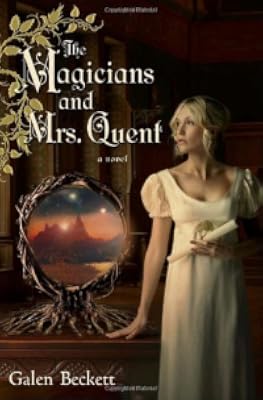
Of the three Lockwell sisters--romantic Lily, prophetic Rose, and studious Ivy--all agree that it's the eldest, the book-loving Ivy, who has held the family together ever since their father's retreat into his silent vigil in the library upstairs. Everyone blames Mr. Lockwell's malady on his magickal studies, but Ivy alone still believes--both in magic and in its power to bring her father back. After tragedy strikes, Ivy takes a job with the reclusive Mr. Quent in a desperate effort to show more preserve her family. It's only then that she discovers the fate she shares with a jaded young nobleman named Dashton Rafferdy, his ambitious friend Eldyn Garritt, and a secret society of highwaymen, revolutionaries, illusionists, and spies who populate the island nation of Altania.--From publisher description. show lessTags
Recommendations

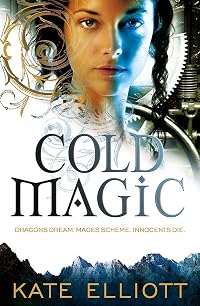
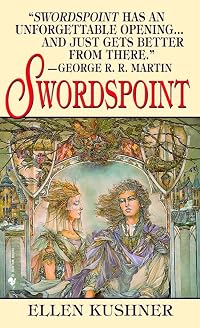
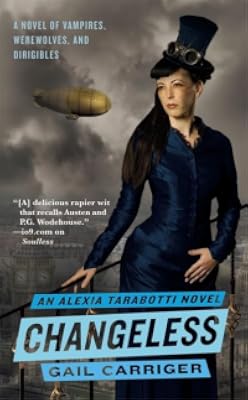
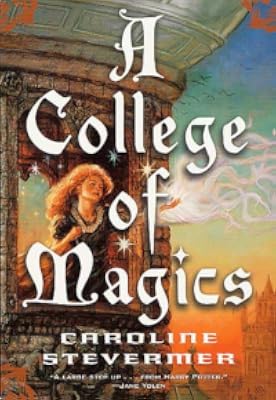
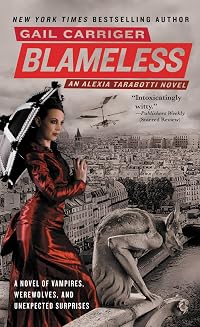
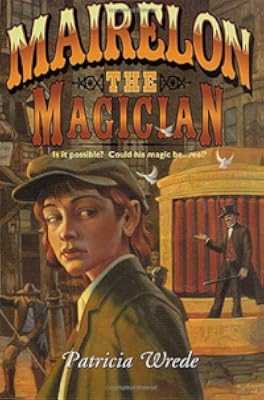
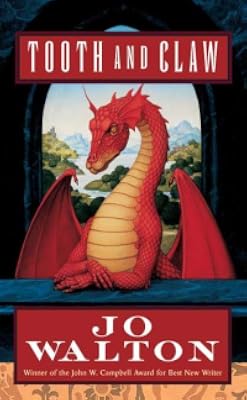
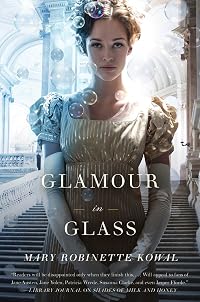
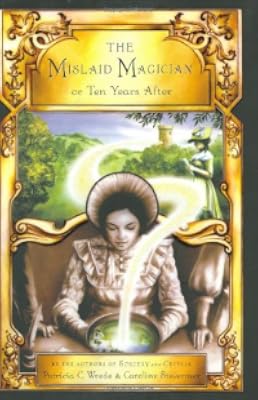
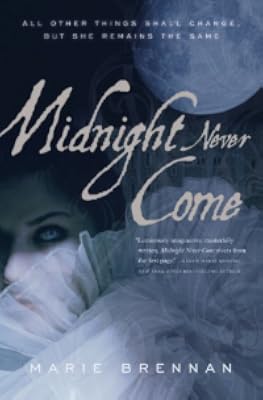

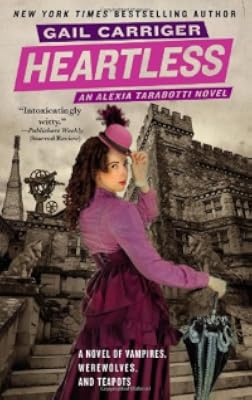
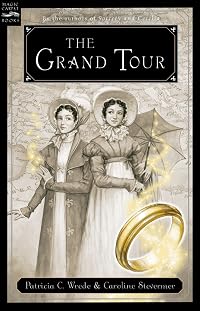
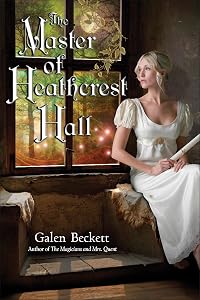
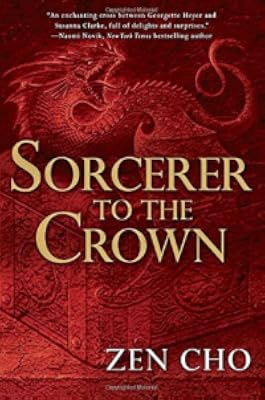
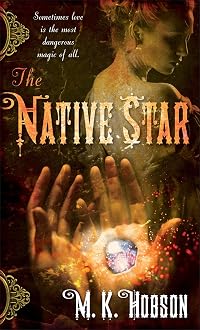
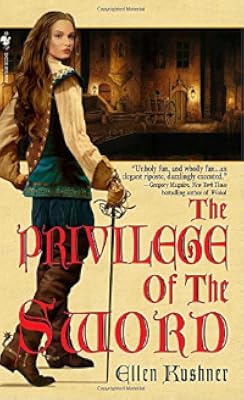
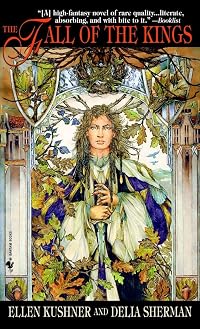
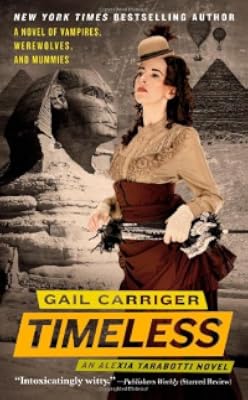
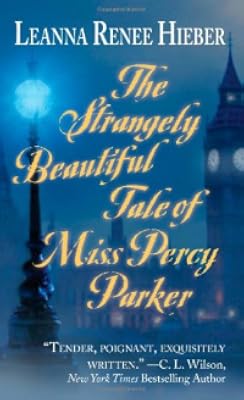
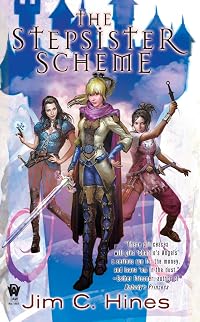
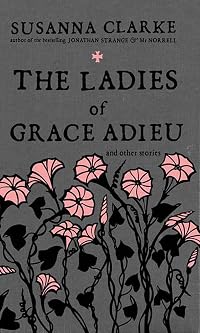
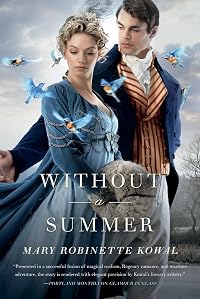
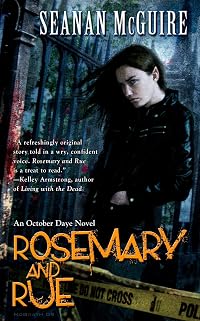
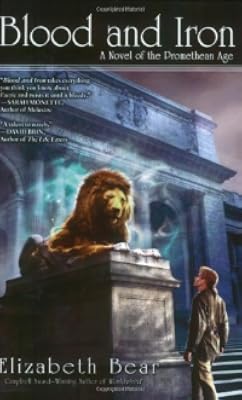
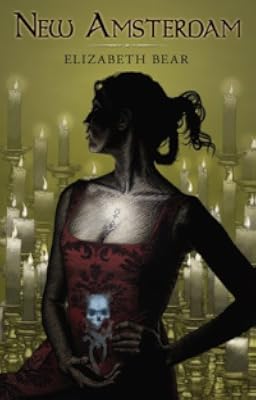
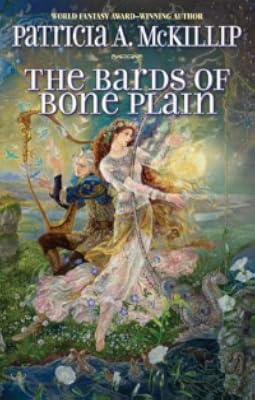
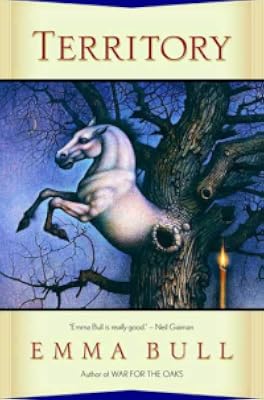
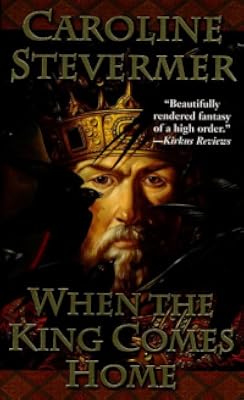
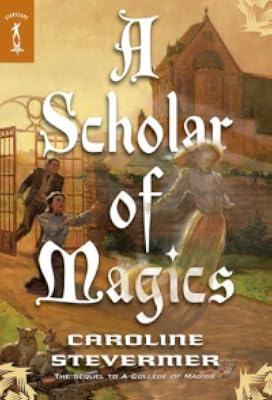

Member Recommendations
MyriadBooks For commonplace magic and properly brought-up young Englishwomen.
Also recommended by anonymous user
82
feeling.is.first Complex Victorian world-building. Mrs Quent is set in alternate reality, while Quincunx is set in Dickens' London.
30
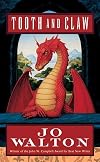
fyrefly98 Another fantasy take on the conventions of Regency literature, but starring dragons rather than people.
32
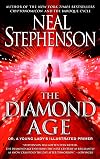
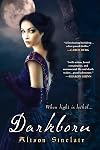
sandstone78 Fantasy that plays with the concepts of day and night in mannered societies.
Member Reviews
The Magicians and Mrs Quent is a fun but ultimately frustrating book, set in an alternate Regency England (called "Altania"—I presume a portmanteau of "Alternate Britannia") where days and nights vary so wildly in length that you can only know how long tomorrow will be by consulting an almanac, the most ancient forests are dangerous and quasi-sentient, and where gentlemen study magic at university. These interesting ideas, however, exist within a pastiche of classic literature—mostly Pride and Prejudice, Sense and Sensibility and Jane Eyre—so clumsily welded together that at times the book seems more shoddily derivative than an homage.
It also didn't seem as if Beckett had done much reading about late eighteenth/early nineteenth show more century history outside of those novels, because at times there were such anachronisms of thought, speech and behaviour that I winced. Now, I know the obvious response to that is that this is a fantasy novel set in a fictional world, that it's not truly Regency England and perhaps here it's entirely usual for governesses to be sent out to purchase butter for a stately home, for women of the gentry to dress themselves (stays and all, I presume), and for an unmarried man to sit in an unmarried woman's bedroom, amongst other things. Yet in an alternate history novel like this, "our" world always serves as the foundational element, what helps us to make sense of what's going on in the alt-history work and appreciate the differences, and since Beckett's writing betrays no understanding of historical sensibilities, large chunks of the world-building fell flat for me.
Combine this with some terrible pacing and jarring tonal shifts, and The Magicians and Mrs Quent is a mediocre-to-okay book that could have been really good if Beckett had had an editor wiling to be stern with him. I don't think that I'll be hunting out the sequel. show less
It also didn't seem as if Beckett had done much reading about late eighteenth/early nineteenth show more century history outside of those novels, because at times there were such anachronisms of thought, speech and behaviour that I winced. Now, I know the obvious response to that is that this is a fantasy novel set in a fictional world, that it's not truly Regency England and perhaps here it's entirely usual for governesses to be sent out to purchase butter for a stately home, for women of the gentry to dress themselves (stays and all, I presume), and for an unmarried man to sit in an unmarried woman's bedroom, amongst other things. Yet in an alternate history novel like this, "our" world always serves as the foundational element, what helps us to make sense of what's going on in the alt-history work and appreciate the differences, and since Beckett's writing betrays no understanding of historical sensibilities, large chunks of the world-building fell flat for me.
Combine this with some terrible pacing and jarring tonal shifts, and The Magicians and Mrs Quent is a mediocre-to-okay book that could have been really good if Beckett had had an editor wiling to be stern with him. I don't think that I'll be hunting out the sequel. show less
Ivy Lockwell is the daughter of a magician, but it's been several years since her father was well enough to practice magic. He now lives mostly in the attic of their house, occasionally throwing books in a fit of silent rage. Ivy, her mother, and her two sisters subside on the income from some of Mr. Lockwell's old investments, but it's a pinched and economical lifestyle that they are forced to adopt. When Ivy and her sisters gain a chance introduction to a handsome young lord who appears to be paying Ivy special attention, their future looks bright -- but a sudden tragedy causes Ivy to instead take a position as a governess to the wards of one of her father's friends, the gruff and solemn Mr. Quent. At Heathcrest, Mr. Quent's show more foreboding home, Ivy learns that there is more to magic than she had previously supposed. . . .
I thought this was an excellent read, full of intricate detail and strong characters, and a plot that moved just fast enough but not too fast. Though The Magicians and Mrs. Quent is set in an alternate universe, the societal rules in the book feel very much like Jane Austen or the Brontë sisters. It felt a lot like a cross between Pride and Prejudice and Jane Eyre, but well-done enough that I felt the similarities added to, rather than detracted from, the book's appeal. show less
I thought this was an excellent read, full of intricate detail and strong characters, and a plot that moved just fast enough but not too fast. Though The Magicians and Mrs. Quent is set in an alternate universe, the societal rules in the book feel very much like Jane Austen or the Brontë sisters. It felt a lot like a cross between Pride and Prejudice and Jane Eyre, but well-done enough that I felt the similarities added to, rather than detracted from, the book's appeal. show less
Summary: Ivy Lockwell is the eldest of three sisters in a family that's falling apart. Her mother is spending money they don't have in order to keep up appearances, her sisters are too dreamy and too silly to face the practical realities of life, and her father is alternately mute and mad as a result of some terrible magical accident. Ivy is convinced that by studying magick - something that is only done by lords' sons, and never by a woman - she will find a way to help cure her father. When she meets Rafferdy, a charming but idle young gentleman, she thinks she may have found a way out of her situation, but it is not until she begins working as a governness for Mr. Quent, one of her father's former associates, that she begins to show more unravel some of the secrets surrounding her father's illness - and in doing so uncovers a plot that may threaten the very nation of Altania itself.
Review: This book is divided into three sections, each of which is a unique and delightful pastiche of fantasy and Regency literature. The first part is straight out of Austen: young people falling in love above (and below) their social stations, and alternates between chapters from Ivy's, Rafferdy's, and Eldyn's (a friend of Rafferdy's) points of view. The second part is told entirely from Ivy's point of view takes on the Brontë sisters, complete with a large creepy Gothic mansion and plenty of foggy, sweeping moorland. The third part goes back to the format of the first, but veers much more towards the fantasy than the historical. It's vaguely reminiscent of Jonathan Strange & Mr Norrell, or even better, a grown-up version of Sorcery & Cecelia, although it doesn't take place in an alternate England.
Instead, Beckett has built his fantasy world in Altania, an island nation which is admittedly socially very England-like, but with its own astronomical, botanical, historical, and political oddities, all of which come to be quite important over the course of the story. Beckett doesn't provide a lot of exposition about these things, however, but rather drops the reader right into the middle of things and expects them to work it out. This did make the initial parts of the book somewhat slow going, as I had to struggle to figure out the political and social issues that make up the core of the book, but the worldbuilding is rich enough that once I found my footing, I was completely enthralled.
"Enthralled" is actually a pretty good description of how I felt about most of the book: it didn't suck me in immediately, but once I was hooked, I was hooked for good, and I read the bulk of this book in a single day. The middle section in particular was hugely compelling - it read like a perfect Gothic ghost story, and I was frantically flipping pages to find out what was going to happen next. The characters are also excellently crafted, with the main characters being complex, multi-dimensional, and thoroughly sympathetic, and even the minor characters are wonderfully memorable. So you've got great worldbuilding, compelling plot, and fantastic characters, all wrapped up in a clever and charming package. What more can you ask from a book?
My only complaint is that this is a dense book, in the sense that there are a *lot* of elements packed into its 500 pages. You know that old adage about looking in the mirror before leaving the house and removing one accessory? Not that any one piece is bad, but together they're a little overwhelming? It turns out that that adage could just as easily apply to subplots as well. I think Eldyn's storyline could have been cut pretty easily - not that it was bad or unenjoyable to read, far from it, but it didn't tie in to the main plot nearly so well as Ivy's or Rafferdy's, and for the sake of streamlining, it probably could have been pared down so as to give the other stories a little more space to breathe.
Regardless, I really enjoyed this novel, and while I didn't realize that it was the first in a series when I started reading, I am now eagerly awaiting the upcoming release of the second book. 4 out of 5 stars.
Recommendation: It's not quite as newbie-friendly as some other Regency fantasy, just because it's set in an unfamiliar country with unfamiliar political concerns. Still, I think fans of Austen and particularly of the Brontës would enjoy Beckett's take on the genres' conventions, as would fantasy fans who enjoy historical fantasy or fantasy of manners. show less
Review: This book is divided into three sections, each of which is a unique and delightful pastiche of fantasy and Regency literature. The first part is straight out of Austen: young people falling in love above (and below) their social stations, and alternates between chapters from Ivy's, Rafferdy's, and Eldyn's (a friend of Rafferdy's) points of view. The second part is told entirely from Ivy's point of view takes on the Brontë sisters, complete with a large creepy Gothic mansion and plenty of foggy, sweeping moorland. The third part goes back to the format of the first, but veers much more towards the fantasy than the historical. It's vaguely reminiscent of Jonathan Strange & Mr Norrell, or even better, a grown-up version of Sorcery & Cecelia, although it doesn't take place in an alternate England.
Instead, Beckett has built his fantasy world in Altania, an island nation which is admittedly socially very England-like, but with its own astronomical, botanical, historical, and political oddities, all of which come to be quite important over the course of the story. Beckett doesn't provide a lot of exposition about these things, however, but rather drops the reader right into the middle of things and expects them to work it out. This did make the initial parts of the book somewhat slow going, as I had to struggle to figure out the political and social issues that make up the core of the book, but the worldbuilding is rich enough that once I found my footing, I was completely enthralled.
"Enthralled" is actually a pretty good description of how I felt about most of the book: it didn't suck me in immediately, but once I was hooked, I was hooked for good, and I read the bulk of this book in a single day. The middle section in particular was hugely compelling - it read like a perfect Gothic ghost story, and I was frantically flipping pages to find out what was going to happen next. The characters are also excellently crafted, with the main characters being complex, multi-dimensional, and thoroughly sympathetic, and even the minor characters are wonderfully memorable. So you've got great worldbuilding, compelling plot, and fantastic characters, all wrapped up in a clever and charming package. What more can you ask from a book?
My only complaint is that this is a dense book, in the sense that there are a *lot* of elements packed into its 500 pages. You know that old adage about looking in the mirror before leaving the house and removing one accessory? Not that any one piece is bad, but together they're a little overwhelming? It turns out that that adage could just as easily apply to subplots as well. I think Eldyn's storyline could have been cut pretty easily - not that it was bad or unenjoyable to read, far from it, but it didn't tie in to the main plot nearly so well as Ivy's or Rafferdy's, and for the sake of streamlining, it probably could have been pared down so as to give the other stories a little more space to breathe.
Regardless, I really enjoyed this novel, and while I didn't realize that it was the first in a series when I started reading, I am now eagerly awaiting the upcoming release of the second book. 4 out of 5 stars.
Recommendation: It's not quite as newbie-friendly as some other Regency fantasy, just because it's set in an unfamiliar country with unfamiliar political concerns. Still, I think fans of Austen and particularly of the Brontës would enjoy Beckett's take on the genres' conventions, as would fantasy fans who enjoy historical fantasy or fantasy of manners. show less
Ivy Lockwell would love nothing more than to work magick. Her father, a former magician, participated years earlier in a ritual that caused him to lose his mind, and Ivy knows that only magick can cure him. Unfortunately, women are (supposedly) incapable of working magick, so Ivy must somehow decipher the mysterious clues left by Mr. Lockwell before he went insane, in hopes that they will provide his cure. As Ivy tries to discover this secret, her search leads her into fashionable society, a flirtation with the dashing Mr. Rafferdy, a gothic country house, and an ancient forest that might be alive. Along with Ivy’s story, the novel details Mr. Rafferdy’s transition from a sophisticated social butterfly to a man with a purpose, and show more it also follows the tribulations of the hardworking Eldyn Garrit, who becomes entangled with dangerous revolutionary forces.
For those of you who have ever wished that Jane Austen had written a fantasy novel, this book is the answer to your prayers! The Magicians and Mrs. Quent combines fantasy, political intrigue, social comedy, romance, and the gothic to create the best of all worlds. It’s obvious that Beckett lifted plots and characters from other famous works of literature – Pride and Prejudice, Sense and Sensibility, Jane Eyre, Rebecca, and The Turn of the Screw, to name a few. Some might call this shamelessly derivative, but personally, I didn’t mind the many allusions to other literary works, because Beckett’s own story and writing style more than outweighed a little lack of originality. In my opinion, there’s a bit too much going on in the novel's plot, but Beckett does manage to tie everything together in the end. I definitely enjoyed this book, and I will read the sequel, The House on Durrow Street, when it comes out. show less
For those of you who have ever wished that Jane Austen had written a fantasy novel, this book is the answer to your prayers! The Magicians and Mrs. Quent combines fantasy, political intrigue, social comedy, romance, and the gothic to create the best of all worlds. It’s obvious that Beckett lifted plots and characters from other famous works of literature – Pride and Prejudice, Sense and Sensibility, Jane Eyre, Rebecca, and The Turn of the Screw, to name a few. Some might call this shamelessly derivative, but personally, I didn’t mind the many allusions to other literary works, because Beckett’s own story and writing style more than outweighed a little lack of originality. In my opinion, there’s a bit too much going on in the novel's plot, but Beckett does manage to tie everything together in the end. I definitely enjoyed this book, and I will read the sequel, The House on Durrow Street, when it comes out. show less
The beautiful and bookish Ivy Lockwell lives with her parents and two younger sisters. Mr. Lockwell is a prisoner of his own mind through his studies of magick, and the country of Altania is not sure what to make of its magickal elements. Society seems to shun or disdain magick, but there are some factions within the political system of Altania that believe Altania’s ancient magick still thrives, biding its time to rise up again.
Desperate times force Ivy to take a job in the country with the enigmatic Mr. Quent. There, she learns just how tangled up she is in Altania’s magick. Ivy alone holds the key to protecting Altania from the wrath of a frightening magickal force.
THE MAGICIANS AND MRS. QUENT sure ¬sounds like something I would show more love. Historical fantasy, particularly with a Regency feel (although the story is set in a different world)… I’m all over it, right?
This book was of that strange breed for which I know there were deep flaws with its premise, execution, and more, and yet found myself reading all the way through.
First off, I don’t think I have ever read a book before which so blatantly copied from famous authors’ works. Beckett was clearly influenced by Austen and Bronte, not simply in terms of writing style, but in the story’s actual content. Parts 1 and 3 of THE MAGICIANS AND MRS. QUENT consist of the social pettiness and satire of an Austen novel, while Part 2 is blatantly reminiscent of Charlotte Bronte’s gothic, mystery atmosphere. The influence of these two authors on this book goes so far as to manifest itself in the book’s point of view: Parts 1 and 3 are told in third-person omniscient, whereas Part 2 switches to first-person from Ivy’s point of view. What, Beckett, you couldn’t even integrate it so that Ivy’s time at Quent’s place could be told in third person? As a reader, I simply did not see the logic in dividing these parts so. Ivy’s first-person narration in Part 2 seemed to have no significant influence on the story whatsoever, except that it makes it easier to “borrow” from the likes of Jane Eyre. Blergh.
Similarly, the disjuncture of Part 2 from Parts 1 and 3 made it feel like two different stories were being told. Even in Part 3 the happenings of Parts 1 and 2 didn’t fit together in any believable way, leaving me no choice but to conclude that Part 2 seemed like an authorial indulgence in Victorian gothic storytelling with little to no bearing on what readers are led to believe should be the primary plot of the book—that is, the goings-on of Parts 1 and 3.
So obviously the characters and their predicaments were pretty much completely jacked from Austen and Bronte (go on, read a few pages and tell me if any of Altania’s characters have never appeared in an Austen or Bronte work before). This led me to have a different reading experience with THE MAGICIANS AND MRS. QUENT than I usually have with a book—namely, that I knew the story was flawed and not very original, but continued to read out of my enjoyment of the, shall we say, “smallness” of the story. The story elements were poorly integrated, but it possesses the addictiveness of reading about petty people’s petty problems (from Austen) and the melodrama of an innocent girl exploring the “haunted” grounds of a tortured man (from Bronte). In short, what I liked about in book lay in its completely unoriginal elements. This makes me feel a little like a sellout.
So THE MAGICIANS AND MRS. QUENT is not going to win any prizes, but if you can’t get enough of Austen and Bronte and don’t mind when some rather illogical magickal elements are thrown in, you might consider checking this book out. It serves, at the very least, as great entertainment as you count how many phrases come right out of the two famous women’s works. show less
Desperate times force Ivy to take a job in the country with the enigmatic Mr. Quent. There, she learns just how tangled up she is in Altania’s magick. Ivy alone holds the key to protecting Altania from the wrath of a frightening magickal force.
THE MAGICIANS AND MRS. QUENT sure ¬sounds like something I would show more love. Historical fantasy, particularly with a Regency feel (although the story is set in a different world)… I’m all over it, right?
This book was of that strange breed for which I know there were deep flaws with its premise, execution, and more, and yet found myself reading all the way through.
First off, I don’t think I have ever read a book before which so blatantly copied from famous authors’ works. Beckett was clearly influenced by Austen and Bronte, not simply in terms of writing style, but in the story’s actual content. Parts 1 and 3 of THE MAGICIANS AND MRS. QUENT consist of the social pettiness and satire of an Austen novel, while Part 2 is blatantly reminiscent of Charlotte Bronte’s gothic, mystery atmosphere. The influence of these two authors on this book goes so far as to manifest itself in the book’s point of view: Parts 1 and 3 are told in third-person omniscient, whereas Part 2 switches to first-person from Ivy’s point of view. What, Beckett, you couldn’t even integrate it so that Ivy’s time at Quent’s place could be told in third person? As a reader, I simply did not see the logic in dividing these parts so. Ivy’s first-person narration in Part 2 seemed to have no significant influence on the story whatsoever, except that it makes it easier to “borrow” from the likes of Jane Eyre. Blergh.
Similarly, the disjuncture of Part 2 from Parts 1 and 3 made it feel like two different stories were being told. Even in Part 3 the happenings of Parts 1 and 2 didn’t fit together in any believable way, leaving me no choice but to conclude that Part 2 seemed like an authorial indulgence in Victorian gothic storytelling with little to no bearing on what readers are led to believe should be the primary plot of the book—that is, the goings-on of Parts 1 and 3.
So obviously the characters and their predicaments were pretty much completely jacked from Austen and Bronte (go on, read a few pages and tell me if any of Altania’s characters have never appeared in an Austen or Bronte work before). This led me to have a different reading experience with THE MAGICIANS AND MRS. QUENT than I usually have with a book—namely, that I knew the story was flawed and not very original, but continued to read out of my enjoyment of the, shall we say, “smallness” of the story. The story elements were poorly integrated, but it possesses the addictiveness of reading about petty people’s petty problems (from Austen) and the melodrama of an innocent girl exploring the “haunted” grounds of a tortured man (from Bronte). In short, what I liked about in book lay in its completely unoriginal elements. This makes me feel a little like a sellout.
So THE MAGICIANS AND MRS. QUENT is not going to win any prizes, but if you can’t get enough of Austen and Bronte and don’t mind when some rather illogical magickal elements are thrown in, you might consider checking this book out. It serves, at the very least, as great entertainment as you count how many phrases come right out of the two famous women’s works. show less
Now, mind you, I do like a good fantasy novel, and this is better than most. But one thing's funny about this: I definitely thought throughout this book was written by a woman. And this really did clear it up a bit - at the end of the book, the premise is given: What if there was a fantastical cause underlying the social constraints and limited choices confronting a heroine in a novel by Jane Austen or Charlotte Brontë? Because, echos, nay, downright repetitions of both of those authors' works were easily present here (along as Dickens, as Orson Scott Card noted). Come now, inverting "You must allow me to tell you how ardently I admire and love you" to "confess how profoundly [X:] both admired and loved [Y:]" isn't going to disguise show more the source (well, particularly for anyone who grew up on Colin Firth's rendition of it!) And really, I won't spoil the book for anyone else curious about it, but trust me, the second section? Oh yes, name the book! At the same time, there was very much something I enjoyed about the world created here. It's undeniable that his skill with secondary characters is quite something - even if I find the (three) main characters to be a bit bland (and sadly predictable) at times. While the Regency period may have been suggested, but with the very urban feel of the beginning, I leaned more to towards the Gilded Age (also, really, too much social interaction between men & women for anything much earlier). It's still a world fully formed though, with a history - and, more importantly, and uncertain future. And to find that out, and follow the not-completely-resolved mysteries to their ends, will I wait for its sequel. One last note: I didn't have the cover on hand when I read the book (as it was borrowed from a friend and I didn't want anything to happen to the slipjacket). However, I definitely think that was for the better - a pretty enough cover and more accurate than many but I think I enjoyed imagining things for myself. I'd also be curious to know if any other titles were considered - not that I could come up with one myself. show less
I almost gave up on this book. The first fifty or so pages are a pedestrian, awkward attempt at a Regency society novel, with mentions of mysterious magicians shoehorned in. The main character, Ivy, and her family are clearly the Bennets from [book: Pride and Prejudice], right down to their grasping cousin Mr. Collins, er, Wyble. The Mr. Darcy stand-in, Mr. Rafferdy, disappointed. But then Rafferdy and Ivy's friendship blossomed, and against my will I found myself drawn into the story. I tore through the rest of it.
It's an oddly disjointed novel. The first 200 pages are P&P, but the next 140 are a spooky retelling of [book: Jane Eyre]. Even the point-of-view switches to match JE's first person narrative. Some facets of the reworked show more story work better than the original, at least for a modern audience. The children, for instance, are far more lifelike than Mr.Rochester's ward. Mr. Quent is rather more reasonable than Mr.Rochester, if less gothically charismatic. Then, after the rush through Bronte, the story (and Ivy) is abruptly thrust back into the city. Without P&P to rely on, Ivy and Rafferdy's relationship feels more natural and less forced. There is, moreover, a great deal more magic and action in the last third.
There are two major problems with this book. First, the author's heavy debt to Austen and Bronte. Second, the plot is poorly put together. Beckett is setting us up for a series, or at the very least a sequel, and so he introduces far too many plot points. Eldyn Garritt is a completely unnecessary character. His plot is that he has dealings with one of the rebel leaders and is moreover learning illusion magic. However, the wyldmagic and the rebellion were already part of the Rafferdy/Ivy/Quent storylines; writing in another main character whose connection to the rest is extremely tenuous, and whose addition to the plot is extraneous, is just sloppy. The author threw too much into this novel. Hopefully he'll learn to pare it down in the sequel--and be a bit more original.
I enjoyed this book. In fact, I enjoyed it so much that I stayed up until 5am to finish it. Beckett's magic systems are heady and a touch disturbing; his characters are, if not original, at least well-drawn. I like that the people's rebellion is not a clear case of good vs. evil, and that no magick is without a hidden price. I look forward to the sequel, [book: The House on Durrow Street]. show less
It's an oddly disjointed novel. The first 200 pages are P&P, but the next 140 are a spooky retelling of [book: Jane Eyre]. Even the point-of-view switches to match JE's first person narrative. Some facets of the reworked show more story work better than the original, at least for a modern audience. The children, for instance, are far more lifelike than Mr.Rochester's ward. Mr. Quent is rather more reasonable than Mr.Rochester, if less gothically charismatic. Then, after the rush through Bronte, the story (and Ivy) is abruptly thrust back into the city. Without P&P to rely on, Ivy and Rafferdy's relationship feels more natural and less forced. There is, moreover, a great deal more magic and action in the last third.
There are two major problems with this book. First, the author's heavy debt to Austen and Bronte. Second, the plot is poorly put together. Beckett is setting us up for a series, or at the very least a sequel, and so he introduces far too many plot points. Eldyn Garritt is a completely unnecessary character. His plot is that he has dealings with one of the rebel leaders and is moreover learning illusion magic. However, the wyldmagic and the rebellion were already part of the Rafferdy/Ivy/Quent storylines; writing in another main character whose connection to the rest is extremely tenuous, and whose addition to the plot is extraneous, is just sloppy. The author threw too much into this novel. Hopefully he'll learn to pare it down in the sequel--and be a bit more original.
I enjoyed this book. In fact, I enjoyed it so much that I stayed up until 5am to finish it. Beckett's magic systems are heady and a touch disturbing; his characters are, if not original, at least well-drawn. I like that the people's rebellion is not a clear case of good vs. evil, and that no magick is without a hidden price. I look forward to the sequel, [book: The House on Durrow Street]. show less
Members
- Recently Added By
Lists

Best Fantasy Novels
821 works; 361 members

Fantasy of manners
54 works; 4 members

Biggest Disappointments
606 works; 168 members

KayStJ's to-read list
1,616 works; 11 members
Author Information

33+ Works 5,462 Members
Some Editions
Series

Common Knowledge
- Canonical title
- The Magicians and Mrs. Quent
- Original publication date
- 2008-08
- People/Characters
- Ivy Lockwell; Dashton Rafferdy; Eldyn Garritt; Alasdare Eulysis Quent; Westen Darendal; Lily Lockwell (show all 17); Rose Lockwell; Clarette Davish; Chambley Davish; Balfineus Wyble; Mrs. Baydon; Mr. Baydon; Lady Marsdel; Lord Baydon; Dercent Fanewerthy; Mr. Bennick; Gaustien Lockwell
- Important places
- Altania (Imaginary place)
- Dedication
- For Jane, Oscar, and Charles.
- First words
- It was generally held knowledge among the people who lived on Whitward Street that the eldest of the three Miss Lockwells had a peculiar habit of reading while walking.
- Last words
- (Click to show. Warning: May contain spoilers.)Another gust of wind snatched the broadsheet from Ivy's hand, and the pages scattered, flapping down the street like a flock of crows.
- Blurbers
- Hobb, Robin; Carey, Jacqueline; Ash, Sarah; Sherman, Delia; Kushner, Ellen
Classifications
Statistics
- Members
- 849
- Popularity
- 32,266
- Reviews
- 58
- Rating
- (3.54)
- Languages
- English
- Media
- Paper, Ebook
- ISBNs
- 4
- ASINs
- 4