On This Page
Description
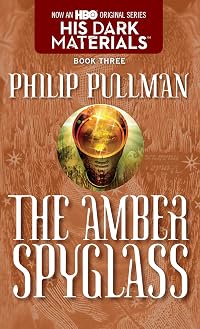
Lyra and Will find themselves at the center of a battle between the forces of the Authority and those gathered by Lyra's father, Lord Asriel.Tags
Recommendations




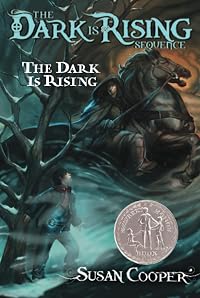
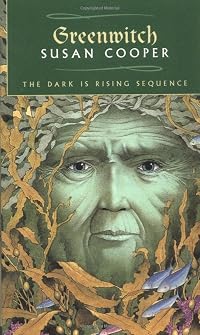
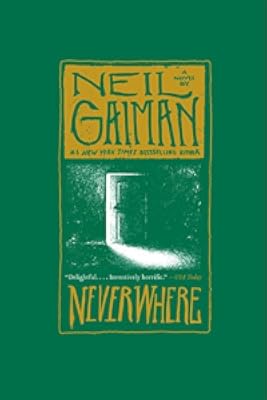
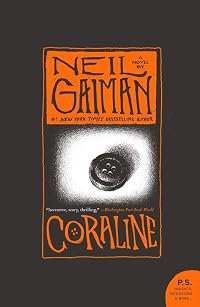
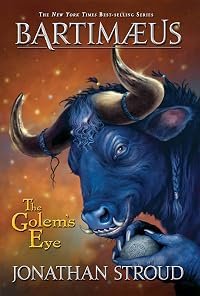
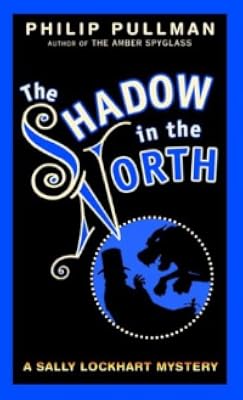
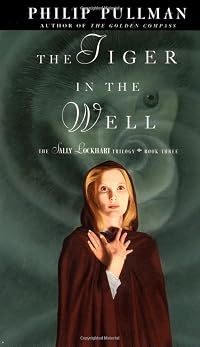

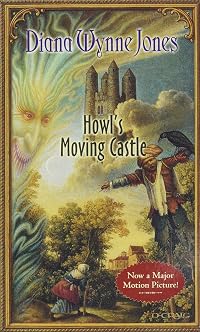
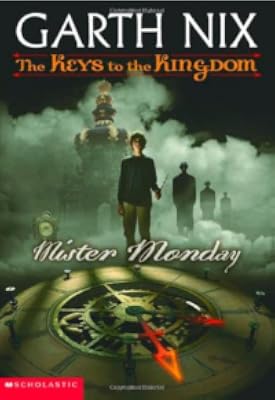


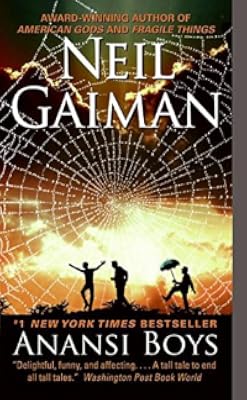
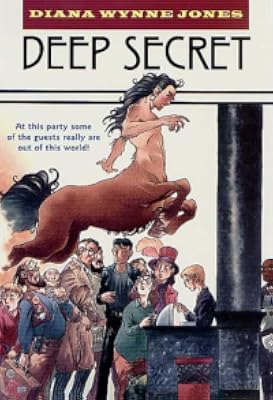
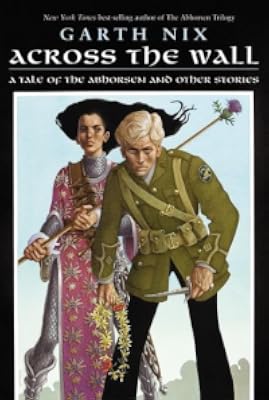
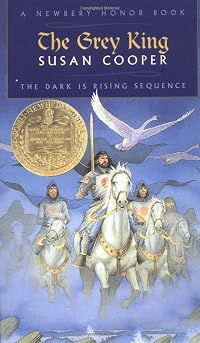
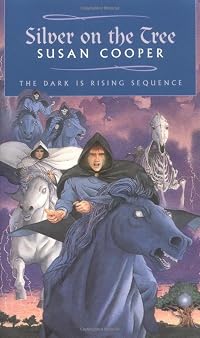
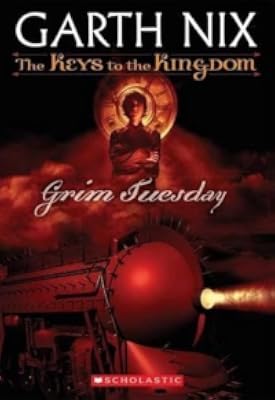
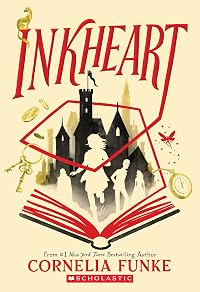

Member Recommendations

themulhern This book follows a similar trajectory to the HDM trilogy, starting out fairly light and bright and growing gradually more somber, mature, and troubled.
by Jen448
Member Reviews
What Philip Pullman has done here is to write a full blown, unashamed genre novel to conclude 'His Dark Materials' (even if he'd deny it). Lord Asriel is holed up in an Adamant Tower, there are battles between zeppelins and gyrocopters, there are tiny people with poisoned spurs who ride dragonflies, there's some real science-fictional world-building with alien elephants on wheels, thought-directed flying machines and a DNA bomb. It may not be certain quite which genre it is, fantasy or science fiction, but it's definitely genre. Let no-one tell you otherwise.
In the meantime, we have all the apparatus of the previous two novels carried forward: the daemons, Dust, the Church militant and the intercision devices. Marisa Coulter plays a show more large part in this book; her motivations become clearer. Will and Lyra journey to the Land of the Dead, where things are changed.
In an afterword, Pullman says that he has taken ideas from every book he's read: certainly, whilst reading, I kept connecting the story with other ideas, facts and events that I'd come across in my life. That shows that I was never this book's intended audience; if I were 13 or 14, there would be so many new ideas in this book that I might be astonished. Instead, as an adult, I kept nodding to Philip Pullman in acknowledgement.
In classifying this novel as genre, I'm also drawing on that same experience. I can think of a number of genre novels from genre writers that cover a lot of the same ground; the difference is that many readers will not have come across these other writers, and 'literary' critics would most likely dismiss those writers as mere hacks. Well, that's their problem. As subjects for a 'young adult' novel, life and death and love and loss and getting along with other people are important themes, and this book tackles those things perfectly well. Ultimately, the book is about trying to get young people to recognise what life is like: people are sometimes neither good nor bad, stuff happens, people we love pass on, and other people we've never met turn out to be full of good things like honour and generosity and curiosity and ingenuity.
The BBC/HBO television dramatisation hasn't got as far as 'The Amber Spyglass' yet; part of me kept wondering "How are they going to tackle that?" at various points in the book. I was now irrevocably locked into visualising the characters in the book as the actors from the dramatisation; not a bad thing, though it did make me raise an eyebrow at the love between Will and Lyra because, as I said in a previous review, in the dramatisation they are played by slightly older actors and that adds a degree of sexual tension to the story that the bare words of the novel would not support. Pullman's anti-clericalism is given full play in this book: the Church are definitely the Bad Guys here, waging war and sending out an assassin. The assassin is dealt with almost off-handedly, almost by accident; this might seem like a cop-out, but it's more believable than if there had been a show-down between a professional killer and two children.
Overall, then, a worthwhile conclusion to the trilogy, but perhaps not as ground-breaking as some give it credit for. Pullman brings all his threads together and delivers a book rich in life's lessons. show less
In the meantime, we have all the apparatus of the previous two novels carried forward: the daemons, Dust, the Church militant and the intercision devices. Marisa Coulter plays a show more large part in this book; her motivations become clearer. Will and Lyra journey to the Land of the Dead, where things are changed.
In an afterword, Pullman says that he has taken ideas from every book he's read: certainly, whilst reading, I kept connecting the story with other ideas, facts and events that I'd come across in my life. That shows that I was never this book's intended audience; if I were 13 or 14, there would be so many new ideas in this book that I might be astonished. Instead, as an adult, I kept nodding to Philip Pullman in acknowledgement.
In classifying this novel as genre, I'm also drawing on that same experience. I can think of a number of genre novels from genre writers that cover a lot of the same ground; the difference is that many readers will not have come across these other writers, and 'literary' critics would most likely dismiss those writers as mere hacks. Well, that's their problem. As subjects for a 'young adult' novel, life and death and love and loss and getting along with other people are important themes, and this book tackles those things perfectly well. Ultimately, the book is about trying to get young people to recognise what life is like: people are sometimes neither good nor bad, stuff happens, people we love pass on, and other people we've never met turn out to be full of good things like honour and generosity and curiosity and ingenuity.
The BBC/HBO television dramatisation hasn't got as far as 'The Amber Spyglass' yet; part of me kept wondering "How are they going to tackle that?" at various points in the book. I was now irrevocably locked into visualising the characters in the book as the actors from the dramatisation; not a bad thing, though it did make me raise an eyebrow at the love between Will and Lyra because, as I said in a previous review, in the dramatisation they are played by slightly older actors and that adds a degree of sexual tension to the story that the bare words of the novel would not support. Pullman's anti-clericalism is given full play in this book: the Church are definitely the Bad Guys here, waging war and sending out an assassin. The assassin is dealt with almost off-handedly, almost by accident; this might seem like a cop-out, but it's more believable than if there had been a show-down between a professional killer and two children.
Overall, then, a worthwhile conclusion to the trilogy, but perhaps not as ground-breaking as some give it credit for. Pullman brings all his threads together and delivers a book rich in life's lessons. show less
"Random House Children's Books supports the First Amendment and celebrates the right to read."
After reading that on the title page, I knew I was in for some fun! In 2008 my book club read the first book in this trilogy, The Golden Compass, because we heard it was the atheist's answer to The Lion, the Witch and the Wardrobe series by C. S. Lewis. Really we didn't feel there was anything too earth-shattering in The Golden Compass, but bible thumpers probably had a special book burning for The Amber Spyglass, my favorite in the series.
A few of my favorite lighter fluid moments:
Gay Angels!
A nun who leaves the church to become a scientist!
The discovery that there is no heaven, but a sad purgatory-esque land to go to when we die!
I heard show more matches striking after quotes like this one:
I used to be a nun, you see. I thought physics could be done to the glory of God, till I saw there wasn't any God at all and that physics was more interesting anyway. The Christian religion is a very powerful and convincing mistake, that's all.
Don't get me wrong; some of my favorite people are Christians. It's just nice to know that there's something out there for everyone! I, too, support the First Amendment and celebrate the right to read! show less
After reading that on the title page, I knew I was in for some fun! In 2008 my book club read the first book in this trilogy, The Golden Compass, because we heard it was the atheist's answer to The Lion, the Witch and the Wardrobe series by C. S. Lewis. Really we didn't feel there was anything too earth-shattering in The Golden Compass, but bible thumpers probably had a special book burning for The Amber Spyglass, my favorite in the series.
A few of my favorite lighter fluid moments:
Gay Angels!
A nun who leaves the church to become a scientist!
The discovery that there is no heaven, but a sad purgatory-esque land to go to when we die!
I heard show more matches striking after quotes like this one:
I used to be a nun, you see. I thought physics could be done to the glory of God, till I saw there wasn't any God at all and that physics was more interesting anyway. The Christian religion is a very powerful and convincing mistake, that's all.
Don't get me wrong; some of my favorite people are Christians. It's just nice to know that there's something out there for everyone! I, too, support the First Amendment and celebrate the right to read! show less
This is the last in the trilogy that I had started late last year, and my goodness did it affect me. This one seemed a bit longer than the previous two, and I suspect that’s because it manages to go around and tie up almost all the lost ends from the two previous stories. I love big, universe-ending showdowns that get into metaphysics and really explore the foundations of worldbuilding, and this had tons of it. The book spends ample time in about four or five different worlds and explores they way each of them work, and how they work together. I was surprised to find that the main antagonists of the entire series, Lyra’s parents, and then ultimately the Authority and his protege, Metatron, don’t get a huge send off or show down. show more They are all dealt with and do their part, but the book doesn’t linger on punishing them or making them “see the light” in any way. I think this was the right way to go about dealing with them, as it doesn’t dwell on the suffering they’ve caused others or encourage hatred in any way.
The rest of the book is so surprisingly sweet that I was found myself quite emotionally involved in it. I was worried that it would get creepy at some point because of the adult themes it deals with, but everything is wholesome and written in such an uplifting way. I really, really liked the conclusions to each of the character’s story arcs and was very satisfied upon finishing everything.
There are a few other books that seem to explore the world that was created here--there is much more to explore, I’m sure, but I don’t know if I’ll go back and read them. While I found the ideas really fascinating, I kind of don’t want to go back and feel like the character’s stories aren’t ended, and getting emotionally involved in a book is pretty exhausting anyway. Maybe at some point in the future, but not any time soon. show less
The rest of the book is so surprisingly sweet that I was found myself quite emotionally involved in it. I was worried that it would get creepy at some point because of the adult themes it deals with, but everything is wholesome and written in such an uplifting way. I really, really liked the conclusions to each of the character’s story arcs and was very satisfied upon finishing everything.
There are a few other books that seem to explore the world that was created here--there is much more to explore, I’m sure, but I don’t know if I’ll go back and read them. While I found the ideas really fascinating, I kind of don’t want to go back and feel like the character’s stories aren’t ended, and getting emotionally involved in a book is pretty exhausting anyway. Maybe at some point in the future, but not any time soon. show less
In the third and final installment of the His Dark Materials trilogy, Lyra has been kidnapped by her mother. She's been drugged into a deep sleep, presumably for her own protection, as her mother has just now started feeling maternal instincts, however misguided they may be. It's up to Will to rescue her so they can continue on their journey from the previous book.
Lyra and Will must head into the world of the dead for two reasons: for Lyra to make amends with Roger, and for Will to speak with his father. As the two of them search for the way to the world of the dead (because it's not quite as simple as just cutting a window), they meet tiny Gallivespian spies and sassy angels. While Lyra and Will journey into this unknown world, Mary show more Malone begins a new life with the Mulefa in a parallel world, where she inadvertently expands upon her previous research on Dust.
Oh, this book broke my heart. I cried. More than once. This one wasn't particularly fun to read, and it doesn't have a happy ending. But the ending was fitting, and if you've read the other two books of the series, you wouldn't expect this installment to be particularly fun anyway.
Lyra and Will grow up in this book. Sure, they started to grow up in The Subtle Knife, but they become almost-adults here. They learn tough lessons. They get their hearts and spirits broken. Pullman's not shy with destroying their hopes and dreams, or the hopes and dreams of his readers.
As with my previous reviews of the series, here are four things I really liked in this book:
1) Mary Malone and the Mulefa. Of all the parallel worlds we encounter in this trilogy, I think the world of the Mulefa was my favorite. These oddly diamond-shaped creatures who roll around on wheels was such a departure from Pullman's other worlds, whose creatures were fairly similar to ours. The ability of the Mulefa to live hand-in-hand with nature was wonderful, and I loved the way Mary's previous research tied into their needs.
2) Death. I loved the whole idea of death in this book, in particular the idea that your death is floating around you all the time, and if you just acknowledge it, it can be almost a comfort to you. However, if you fear your death, try to avoid and ignore it, it becomes something that haunts you. I really liked the idea of personifying death to be someone that will help you through to the world of the dead.
3) Mrs. Coulter. I know, I know. How can I have liked her in this book? It's not so much her character that I liked, but what Pullman did with it. Is she good? Is she evil? Has she had a change of heart? Does she really care about Lyra, or is she just using her? Does she plan to betray Lord Asriel or not? She kept me on my toes. I much prefer that to a character who is obviously a bad person.
4) As with The Subtle Knife, Will and Lyra's relationship. These two were responsible for at least half my tears in this book. The way things turned out was heartbreaking, but it fit with the overall theme of the book, and I can't fault Pullman for that.
What a book. What a series. I'm so glad I read it, and only upset that I didn't do it sooner. show less
Lyra and Will must head into the world of the dead for two reasons: for Lyra to make amends with Roger, and for Will to speak with his father. As the two of them search for the way to the world of the dead (because it's not quite as simple as just cutting a window), they meet tiny Gallivespian spies and sassy angels. While Lyra and Will journey into this unknown world, Mary show more Malone begins a new life with the Mulefa in a parallel world, where she inadvertently expands upon her previous research on Dust.
Oh, this book broke my heart. I cried. More than once. This one wasn't particularly fun to read, and it doesn't have a happy ending. But the ending was fitting, and if you've read the other two books of the series, you wouldn't expect this installment to be particularly fun anyway.
Lyra and Will grow up in this book. Sure, they started to grow up in The Subtle Knife, but they become almost-adults here. They learn tough lessons. They get their hearts and spirits broken. Pullman's not shy with destroying their hopes and dreams, or the hopes and dreams of his readers.
As with my previous reviews of the series, here are four things I really liked in this book:
1) Mary Malone and the Mulefa. Of all the parallel worlds we encounter in this trilogy, I think the world of the Mulefa was my favorite. These oddly diamond-shaped creatures who roll around on wheels was such a departure from Pullman's other worlds, whose creatures were fairly similar to ours. The ability of the Mulefa to live hand-in-hand with nature was wonderful, and I loved the way Mary's previous research tied into their needs.
2) Death. I loved the whole idea of death in this book, in particular the idea that your death is floating around you all the time, and if you just acknowledge it, it can be almost a comfort to you. However, if you fear your death, try to avoid and ignore it, it becomes something that haunts you. I really liked the idea of personifying death to be someone that will help you through to the world of the dead.
3) Mrs. Coulter. I know, I know. How can I have liked her in this book? It's not so much her character that I liked, but what Pullman did with it. Is she good? Is she evil? Has she had a change of heart? Does she really care about Lyra, or is she just using her? Does she plan to betray Lord Asriel or not? She kept me on my toes. I much prefer that to a character who is obviously a bad person.
4) As with The Subtle Knife, Will and Lyra's relationship. These two were responsible for at least half my tears in this book. The way things turned out was heartbreaking, but it fit with the overall theme of the book, and I can't fault Pullman for that.
What a book. What a series. I'm so glad I read it, and only upset that I didn't do it sooner. show less
now this is more like it.
this story is bigger. the world feels massive and complicated. you don’t know what everyone’s going to do before they do it. i think what impresses me the most, and what is the most welcome change from its predecessor, is that it fucking takes its time. the book manages to convey the breathless pace of a final, desperate fight for survival & freedom without feeling like it’s in a hurry. it feels very in control, very measured, and like it gives everything that happens a real chance to breathe despite the fact that so much shit is happening.
i do think lord asriel & mrs. coulter’s redemption arcs are a little too easy. and i am giving serious side-eye to the fact that the book (justifiably) harshes on mrs. show more coulter quite a bit while basically never really grappling whatsoever with the fact that lord asriel killed a fucking child. like, it just literally never comes up. so that’s… awkward.
i think it’s fucking wild that catholics get so up in arms about these books considering how fucking nothing the allegorizing in them is. like, yeah, this one does specifically mention “the swiss guard” which is the most overt reference to the fact that the church in lyra’s world is clearly a vastly more powerful version of the catholic church that maintained the overt political authority they had in the middle ages rather than having to get by with being wealthy landowners like they are today. but just. idk man, it’s still so possible to imagine someone reading this without even noticing that it’s anti-church. so getting all upset about it & demanding boycotts just comes off as the most fragile shit ever imo.
on that note, the cosmology of this world is a bit lacking for my tastes. like, i ended up agreeing with what my partner said about the second book that just having the entire conflict be between spicy atheists & spicy christians, where even seemingly powerful outsiders like the witches ultimately end up deriving all their shit from the same boring source is just a bit disappointing.
i also completely agree with him that it’s pretty annoying that pullman just had to go with a downer ending. like, i admittedly did actually get pretty genuinely emotional when lyra & will realized they were going to have to be separated. it was very well-written, and in a limited amount of time (considering the sheer amount of other shit the book had to get through, seriously this thing was massive) the book did manage to make me care quite a bit about their relationship even though i knew where things were going from the vague memories of previous reading.
what really puts this book over the top for me, though, is mary’s story in the chapter “marzipan.”
you know when a story has That Scene? the one where you could pull it out of the larger story and, standing completely on its own, it would still be just absolutely stunningly good? and if you did pull it out of the larger body it was from, that larger body would just suddenly be drastically less special? i’m thinking of, like, valerie page’s diary in v for vendetta. this is that scene for me.
the way mary told her story just made me smile so much. it’s just… it’s so intimate, and it’s so tender. it really emphasizes the literal sweetness, the playfulness that comes along with love. it’s just some truly incredible writing, i’m really not sure what else to say.
and i guess that’s kind of what it comes down to with these books. like, there are plenty of things about them i don’t like. but they’re just so damn well-written. i think i’ve reached a point in my life where i’m comfortable saying that i’d rather spend my time reading things that more directly appeal to me, but i’m still glad i revisited these to see if they held up at all, and discovered that they mostly do. show less
this story is bigger. the world feels massive and complicated. you don’t know what everyone’s going to do before they do it. i think what impresses me the most, and what is the most welcome change from its predecessor, is that it fucking takes its time. the book manages to convey the breathless pace of a final, desperate fight for survival & freedom without feeling like it’s in a hurry. it feels very in control, very measured, and like it gives everything that happens a real chance to breathe despite the fact that so much shit is happening.
i do think lord asriel & mrs. coulter’s redemption arcs are a little too easy. and i am giving serious side-eye to the fact that the book (justifiably) harshes on mrs. show more coulter quite a bit while basically never really grappling whatsoever with the fact that lord asriel killed a fucking child. like, it just literally never comes up. so that’s… awkward.
i think it’s fucking wild that catholics get so up in arms about these books considering how fucking nothing the allegorizing in them is. like, yeah, this one does specifically mention “the swiss guard” which is the most overt reference to the fact that the church in lyra’s world is clearly a vastly more powerful version of the catholic church that maintained the overt political authority they had in the middle ages rather than having to get by with being wealthy landowners like they are today. but just. idk man, it’s still so possible to imagine someone reading this without even noticing that it’s anti-church. so getting all upset about it & demanding boycotts just comes off as the most fragile shit ever imo.
on that note, the cosmology of this world is a bit lacking for my tastes. like, i ended up agreeing with what my partner said about the second book that just having the entire conflict be between spicy atheists & spicy christians, where even seemingly powerful outsiders like the witches ultimately end up deriving all their shit from the same boring source is just a bit disappointing.
i also completely agree with him that it’s pretty annoying that pullman just had to go with a downer ending. like, i admittedly did actually get pretty genuinely emotional when lyra & will realized they were going to have to be separated. it was very well-written, and in a limited amount of time (considering the sheer amount of other shit the book had to get through, seriously this thing was massive) the book did manage to make me care quite a bit about their relationship even though i knew where things were going from the vague memories of previous reading.
what really puts this book over the top for me, though, is mary’s story in the chapter “marzipan.”
you know when a story has That Scene? the one where you could pull it out of the larger story and, standing completely on its own, it would still be just absolutely stunningly good? and if you did pull it out of the larger body it was from, that larger body would just suddenly be drastically less special? i’m thinking of, like, valerie page’s diary in v for vendetta. this is that scene for me.
the way mary told her story just made me smile so much. it’s just… it’s so intimate, and it’s so tender. it really emphasizes the literal sweetness, the playfulness that comes along with love. it’s just some truly incredible writing, i’m really not sure what else to say.
and i guess that’s kind of what it comes down to with these books. like, there are plenty of things about them i don’t like. but they’re just so damn well-written. i think i’ve reached a point in my life where i’m comfortable saying that i’d rather spend my time reading things that more directly appeal to me, but i’m still glad i revisited these to see if they held up at all, and discovered that they mostly do. show less
The final part of Philip Pullmans 'His Dark Material' trilogy begins with Will angry, confused and alone, except for two Angels, Balthamos & Baruch, and with Lyra kidnapped, being kept deeply sedated and hidden in a cave by her mother, the enigmatic Mrs Coulter. Will, having been told by his father that he must deliver the subtle knife, known to the cliff ghasts as the 'god destroyer', to Lord Asriel, is determined to find and rescue Lyra first, much to the annoyance of his angel guardians and later the Gallivespians, Lady Salmakia and the Chevalier Tialys. The Gallivespians, small proud humanlike creatures that are as tall as a hand, but with poisonous spurs on their heels, carried around the battlefield on brilliant hand reared show more dragonfly steeds, originally find the two children boorish and stubborn, but are weary of Will as long as he carries the knife. However, they soon see that these children are far more important than they first realised and swear to protect them even when Will and Lyra journey into the land of the dead to find Roger and John Parry, and "to bring an end to death".
Meanwhile, Mary Malone is in an apparently peaceful world dominated by mighty trees and the strange Mulefa creatures. The Mulefa, who travel by using the nuts which fall from the trees and which are attached to the ankles of their front and rear legs, using both side legs for propulsion, are conscious and highly intelligent creatures who entrust Mary with the task of discovering the reasons for the diminishing amount Dust, and with resolving it. However, little does Mary know of the danger that both herself and Lyra are in, as the fervent priest Father Gomez, through the act of pre-emptive absolution and with the blessing of the church, has been sent to assassinate them, in a quest to stop the second 'Great Fall' of humanity.
All the time the great armies of Lord Asriel and is allies including Mrs Coulter and the armies of the Almighty, lead by the regent Metatron, are preparing for the oncoming war for control of human consciousness. Will the Clouded Mountain that has ruled for Millennia win or Asriel's dream for a new Republic of Heaven prevail?
Simply wonderful. This is certainly the best novel I have read recently – perhaps ever. The only criticism I could make is that it is aimed at children, and there will now be a generation of readers growing up on a constant search for something to better this.
Pullman has the gift of creating truly great and memorable places and characters. Considering that the trilogy is set in such a vast number of universes, each one is made vivid and instantly recognisable in the mind. The main characters are so utterly convincing because they are, on the whole, neither good nor evil. Throughout the trilogy, for instance, I had no idea whether or not to trust Mrs Coulter. I’m still not completely sure.
Perhaps the most interesting thing about these books is their atheist stance. In rejecting organised religion, Pullman does not encourage immorality – quite the opposite. He highlights the many inconsistencies and hypocrisies within religious teaching. Father Gomez’s quest and the idea of pre-emptive absolution is a stroke of genius. Lyra and Will are shown to be beautifully selfless, sensitive creatures capable of thinking for themselves - what better an example to set?
And so what if some of the issues raised are left unresolved? The genius of these books lies in their confidence and intelligence, and any intelligent person knows that life is full of loose ends. I finished The Amber Spyglass days ago and I’m still wondering if my theory about Dust is right, and what Lyra and Will are doing now. And surely that is part of the joy of reading. show less
Meanwhile, Mary Malone is in an apparently peaceful world dominated by mighty trees and the strange Mulefa creatures. The Mulefa, who travel by using the nuts which fall from the trees and which are attached to the ankles of their front and rear legs, using both side legs for propulsion, are conscious and highly intelligent creatures who entrust Mary with the task of discovering the reasons for the diminishing amount Dust, and with resolving it. However, little does Mary know of the danger that both herself and Lyra are in, as the fervent priest Father Gomez, through the act of pre-emptive absolution and with the blessing of the church, has been sent to assassinate them, in a quest to stop the second 'Great Fall' of humanity.
All the time the great armies of Lord Asriel and is allies including Mrs Coulter and the armies of the Almighty, lead by the regent Metatron, are preparing for the oncoming war for control of human consciousness. Will the Clouded Mountain that has ruled for Millennia win or Asriel's dream for a new Republic of Heaven prevail?
Simply wonderful. This is certainly the best novel I have read recently – perhaps ever. The only criticism I could make is that it is aimed at children, and there will now be a generation of readers growing up on a constant search for something to better this.
Pullman has the gift of creating truly great and memorable places and characters. Considering that the trilogy is set in such a vast number of universes, each one is made vivid and instantly recognisable in the mind. The main characters are so utterly convincing because they are, on the whole, neither good nor evil. Throughout the trilogy, for instance, I had no idea whether or not to trust Mrs Coulter. I’m still not completely sure.
Perhaps the most interesting thing about these books is their atheist stance. In rejecting organised religion, Pullman does not encourage immorality – quite the opposite. He highlights the many inconsistencies and hypocrisies within religious teaching. Father Gomez’s quest and the idea of pre-emptive absolution is a stroke of genius. Lyra and Will are shown to be beautifully selfless, sensitive creatures capable of thinking for themselves - what better an example to set?
And so what if some of the issues raised are left unresolved? The genius of these books lies in their confidence and intelligence, and any intelligent person knows that life is full of loose ends. I finished The Amber Spyglass days ago and I’m still wondering if my theory about Dust is right, and what Lyra and Will are doing now. And surely that is part of the joy of reading. show less
A mash-up of genres - young adult, fantasy, sci-fi, mystery, conspiracy, etc -, the last book of the Dark Materials series satisfyingly wraps up Lyra and Will's medley of dangerous journeys across multiple universes in order to save (or destroy, depends on whether you have the fanaticism of Gomez et al) everything.
Things I enjoyed:
- Iorek rolling around or lying on his stomach in the snow is my favourite imagery in the whole book. Its cuteness stood out especially afterIorek finds Lee's body and since they were such great friends, he must honour Lee's (unstated) last wishes, which unexpectedly was to eat his corpse. I am a terrible friend !
- the chapter heading for the reappearance of Mary, "Mary, Alone" and also,the symbolism of Mary show more being the tempter, the ex-nun defeats the church .
- the complexity of Coulter and Asriel's characterisation. It is interesting for a children's book to have such morally-ambiguous characters, even if Coulter mostly gets her way via seduction.
- random Russian priest whom Will meets keeps his heaviest book, an atlas, on the bottom shelf. Little details.
- the scene between Pan and Lyra inthe underworld river .
- the way the multiple plot points dovetailed in regards to Spectres, knife, windows, Dust, etc.
Things I imagine Pullman must have enjoyed writing:
- the idea of pre-emptive penance and absolution. Is that even a real thing that any major religion does?
- Balthamos and his sassiness, his love for Baruch andhim an angel killing a priest .
- the Gallivespians!
- the ending interjecting spiel about studying and learning and being polite to people. I like the idea of kids reading this book and being encouraged to think, Yes! That's the stuff for me!.
Things I don't know how to feel about
- I Ching being used as an alethiometer-substitute for Mary. Why not use Nostradamus' book of predictions in place of the alethiometer then? Yes, yes, it would be more difficult for Lyra to carry and conceal, etc.
- Lyra and Will's respective "special" skills, lying and being inconspicuous. Especially the latter case, Willchallenges Iorek to a fight and wins by default and the whole village was amazed but the moment he turns on his invisibility dull-eyed pose, the whole village lose interest that a thirteen-year-old boy just challenged an armoured bear to a fight and won ?
- mulefa and tualapi. I suppose they hint at all the other types of worlds?
-Lyra's insistence on findingRoger just so she can apologise to him. I hope this does not make little kids think that if they accidentally do something of that magnitude to a friend, all they have to do is apologise!
- Lyra and Will'sincipient sexualities and romance, and all the related events e.g. putting the bloodmoss on each other when it could really be done by themselves leading up to it. Why? So Dust will return ? How did they do that anyway, just the two of them was enough to cause it? Probably.
However, the ending more than made up for the eyerolling interactions between Lyra and Will.
Questions for thought: Can dæmons take the shape of extinct animals, say, a dinosaur? Was Mary's Spectre-repelling abilities ever explained? Is it because she is an ex-nun and Pullman was making the joke that she has no soul? Did Will hold a pistol with the three-fingered hand and how?When Lyra could sporadically see the Spectres, was she having her first period? Terribly inconvenient timing is all I can say . How did Will and Mary sort out the troubles they were in in their own world ? show less
Things I enjoyed:
- Iorek rolling around or lying on his stomach in the snow is my favourite imagery in the whole book. Its cuteness stood out especially after
- the chapter heading for the reappearance of Mary, "Mary, Alone" and also,
- the complexity of Coulter and Asriel's characterisation. It is interesting for a children's book to have such morally-ambiguous characters, even if Coulter mostly gets her way via seduction.
- random Russian priest whom Will meets keeps his heaviest book, an atlas, on the bottom shelf. Little details.
- the scene between Pan and Lyra in
- the way the multiple plot points dovetailed in regards to Spectres, knife, windows, Dust, etc.
Things I imagine Pullman must have enjoyed writing:
- the idea of pre-emptive penance and absolution. Is that even a real thing that any major religion does?
- Balthamos and his sassiness, his love for Baruch and
- the Gallivespians!
- the ending interjecting spiel about studying and learning and being polite to people. I like the idea of kids reading this book and being encouraged to think, Yes! That's the stuff for me!.
Things I don't know how to feel about
- I Ching being used as an alethiometer-substitute for Mary. Why not use Nostradamus' book of predictions in place of the alethiometer then? Yes, yes, it would be more difficult for Lyra to carry and conceal, etc.
- Lyra and Will's respective "special" skills, lying and being inconspicuous. Especially the latter case, Will
- mulefa and tualapi. I suppose they hint at all the other types of worlds?
-Lyra's insistence on finding
- Lyra and Will's
However, the ending more than made up for the eyerolling interactions between Lyra and Will.
Questions for thought: Can dæmons take the shape of extinct animals, say, a dinosaur? Was Mary's Spectre-repelling abilities ever explained? Is it because she is an ex-nun and Pullman was making the joke that she has no soul? Did Will hold a pistol with the three-fingered hand and how?
Members
- Recently Added By
Published Reviews
ThingScore 75
And as the bumpy journey among these dark materials comes to an end, there is the most moving of scenes: all fantasy subdued and only human frailty revealed in the real world of Oxford's Botanic Garden.
added by Shortride
Lists

Best Fantasy Novels
821 works; 361 members

Books That Made Me Cry
199 works; 105 members

NPRs Ultimate Backseat Bookshelf: 100 Must-Reads for kids 9-14
222 works; 30 members

Best Young Adult
413 works; 102 members

NPRs your favorites: 100 Best Ever Teen Novels
237 works; 49 members

Favourite Fantasy Books of the 21st Century
51 works; 6 members

Favourite Steampunk Books
80 works; 16 members

BBC Big Read
191 works; 46 members
Best of British Literature
226 works; 41 members

Stories About Other Worlds
145 works; 13 members

Banned Books Week 2014
268 works; 63 members

Best 21st Century Books (So Far)
679 works; 86 members

Books I've Read More Than Once
602 works; 49 members

20th Century Literature
1,161 works; 55 members

Carnegie Medal books I've read (shortlist and winners)
86 works; 16 members

Female Protagonist
1,056 works; 57 members

Best Adventure Stories
66 works; 15 members

Nonhuman Protagonists
245 works; 35 members

The Guardian's 100 best books of the 21st century
100 works; 21 members

Religion in Fantasy and Horror
38 works; 9 members

Favourite Science Fantasy Books
49 works; 6 members
Favourite Books
1,820 works; 316 members

Childhood Favorites
427 works; 24 members

Books Read in 2023
5,638 works; 147 members
Books tagged favorites
390 works; 30 members

Books with Colourful Titles
171 works; 8 members

Books with anthropomorphic or sentient bicycles
5 works; 1 member

Most Popular Young Adult Lit on LT
100 works; 4 members

Fate vs. Free Will
63 works; 8 members

Main Character is aged 10-19
363 works; 6 members

Ghosts
278 works; 18 members

Sarah's Wish List
48 works; 1 member

Tonikat reading completed on Librarything journals
329 works; 2 members

Books Read in 2006
424 works; 8 members

Books Read in 2021
5,361 works; 114 members

Books Read in 2001
199 works; 4 members

Books Read in 2009
464 works; 11 members

Top Five Books of 2024
795 works; 264 members

Favorite Kids Books (chapter, middle grade)
170 works; 4 members

Books Read in 2010
631 works; 10 members
'Books You Can't Live Without: The Top 100', The Guardian, 2007
156 works; 7 members

Children's and YA Dystopias
123 works; 11 members

Books Read in 2020
4,379 works; 124 members

Lista d2
21 works; 1 member

Books That Made Us Cry
278 works; 145 members
Books We Want To Read Again For The First Time
384 works; 160 members
Little Library finds
87 works; 2 members

Biggest Disappointments
606 works; 165 members

Books Read in 2015
3,299 works; 129 members
Overdue Podcast
808 works; 9 members

2000s decade
85 works; 7 members
Folio Society
831 works; 53 members

Tagged by Tim or Meh!
91 works; 9 members

Unread books
1,063 works; 83 members

Best Science Fiction Novels
816 works; 426 members

Books Read in 2012 (Numbered)
168 works; 6 members

Favourite Science Fiction Books of the 21st Century
47 works; 8 members
Banned or Challenged Books
402 works; 43 members

Mind-Benders: Fiction that Hurts Your Head
34 works; 8 members
Children's Science Fiction
33 works; 3 members

Books Read in 2014
2,344 works; 89 members

Books Read in 2019
4,052 works; 108 members
Read These Too
458 works; 9 members

Religious Fiction
58 works; 13 members

Booker Prize
491 works; 62 members
BingoDOG - Genre Benders
74 works; 13 members

A Rainbow of Books: Colors in the Title
570 works; 24 members

Books Read in 2017
4,249 works; 130 members

Man Booker Prize Longlist 2001
24 works; 2 members

Vulture's 100 Best Books of the 21st Century (So Far)
98 works; 9 members

Books Read in 2018
4,360 works; 110 members

Books Read in 2025
4,128 works; 98 members
Author Information

91+ Works 151,366 Members
Philip Pullman was born in Norwich on October 19, 1946. He graduated from Oxford University with a degree in English. He taught at various Oxford middle schools and at Westminster College for eight years. He is the author of many acclaimed novels, plays, and picture books for readers of all ages. His first book, Count Karlstein, was published in show more 1982. His other books include: The Firework-Maker's Daughter; I Was a Rat!; Clockwork or All Wound Up; and The Good Man Jesus and the Scoundrel Christ. He is also the author of the Sally Lockhart series and the His Dark Materials Trilogy. He is the author of The Book of Dust, volume 1. He has received numerous awards including the Carnegie Medal and the Guardian Fiction Award for Northern Lights (The Golden Compass), the Whitbread Book of the Year Award for The Amber Spyglass, the Eleanor Farjeon Award for children's literature in 2002, and the Astrid Lindgren Award in 2005. (Bowker Author Biography) show less
Some Editions
Awards and Honors
Awards
Distinctions
Notable Lists
Series

Belongs to Publisher Series
Work Relationships
Is contained in
His Dark Materials Trilogy (The Golden Compass; The Subtle Knife; The Amber Spyglass) by Philip Pullman
The Golden Compass / The Subtle Knife / The Amber Spyglass: With Lyra's Oxford and Once Upon a Time in the North (5 volumes) by Philip Pullman (indirect)
Has the adaptation
Is abridged in
Has as a reference guide/companion
Has as a student's study guide
Common Knowledge
- Canonical title
- The Amber Spyglass
- Original title
- Nothern Lights/The Amber Spyglass
- Original publication date
- 2000
- People/Characters
- Lyra Belacqua; Will Parry; Mary Malone (Dr); Marisa Coulter; Lord Asriel; Pantalaimon (Dæmon) (show all 51); Iorek Byrnison; Balthamos; Baruch; The Authority; Metatron; Lee Scoresby; John Parry (Stanislaus Grumman); Father Luis Gomez; Atal; Kirjava (Dæmon); John Faa; Farder Coram; Xaphania; Stelmaria (Dæmon); The Golden Monkey (Dæmon); Roger Parslow; Serafina Pekkala; Ama; Kulang (Dæmon); Pagdzin; Lord Roke; Lady Salmakia; Chevalier Tialys; Teukros Basilides; Fra Pavel Rasek; Father Hugh MacPhail; Sister Agnes; Sister Monica; Father Makepwe; Dr Cooper; Otyets Semyon Borisovitch; Lydia Alexandrovna; King Ogunwe; Angelica; Paolo; Sattamax; Dirk Jansen; Magda; Lyra's Death; No-Name (Gracious Wings); The Boatman; Brother Louis; Madame Oxentiel; Hannah Relf (Dame); The Master
- Important places
- University of Oxford, Oxford, Oxfordshire, England, UK (Jordan College); Oxford, Oxfordshire, England, UK; Cittàgazze; Himalayas; England, UK; Svalbard, Norway (show all 14); Geneva, Geneva, Switzerland; Switzerland; College of St Jerome, Geneva, Switzerland; Cho-Lung-Se; Kholodnoye, Russia; Saint-Jean-les-Eaux, Auvergne-Rhône-Alpes, France; Oxford Botanic Gardens, Oxford, Oxfordshire, England, UK; Oxfordshire, England, UK
- Related movies
- His Dark Materials (2019 | IMDb)
- Epigraph
- O tell of His might, O sing of His grace,
Whose robe is the light, whose canopy space,
His chariots of wrath the deep thunderclouds form,
And dark is His path on the wings of the storm.
... (show all);Robert Grant, from Hymns Ancient and Modern.
O stars,
isn't it from you that the lover's desire for the face
of his beloved arises? Doesn't his secret insight
into her pure features come from pure constellations?
Ranier Maria Rilk... (show all)e, The Third Elegy.
From The Selected Poetry of Rainer Maria Rilke (transl. Stephen Michell)
Fine vapors escape from whatever is doing the living.
The night is cold and delicate and full of angels
Pounding down the living. The factories are all lit up,
The chime goes unheard.
We are together at last, thou... (show all)gh far apart.
John Ashbery, The Ecclesiast.
From River and Mountains. - First words
- In a valley shaded with rhododendrons, close to the snow line, where a stream milky with melt-water splashed and where doves and linnets flew among the immense pines, lay a cave, half-hidden by the crag above and the stiff he... (show all)avy leaves that clustered below.
- Quotations
- I used to be a nun, you see. I thought physics could be done to the glory of God, till I saw there wasn't any God at all and that physics was more interesting anyway. The Christian religion is a very powerful and convincing m... (show all)istake, that's all.
“But there’s my mother. I’ve got to go back and look after her. I just left her with Mrs Cooper, and it’s not fair on either of them.”
“But it’s not fair on you to have to do that.”
“No,... (show all)” he said, “but that’s a different sort of not fair. That’s just like an earthquake or a rainstorm. It might not be fair, but no one’s to blame. But if I just leave my mother with an old lady who isn’t very well herself, then that’s a different kind of not fair. That would be wrong. - Last words
- (Click to show. Warning: May contain spoilers.)"The republic of heaven," said Lyra.
- Blurbers
- Jefferson, Margo
- Original language
- English
Classifications
- Genres
- Fantasy, Fiction and Literature, Teen, Young Adult
- DDC/MDS
- 823.914 — Literature & rhetoric English & Old English literatures English fiction 1900- 1901-1999 1945-1999
- LCC
- PZ7 .P968 .A — Language and Literature Fiction and juvenile belles lettres Fiction and juvenile belles lettres Juvenile belles lettres
- BISAC
Statistics
- Members
- 26,118
- Popularity
- 170
- Reviews
- 430
- Rating
- (3.99)
- Languages
- 33 — Catalan, Czech, Danish, Dutch, English, Estonian, Finnish, French, German, Greek, Hebrew, Hungarian, Icelandic, Indonesian, Italian, Japanese, Korean, Latvian, Lithuanian, Norwegian (Bokmål), Norwegian, Polish, Romanian, Russian, Croatian, Slovak, Slovenian, Spanish, Swedish, Turkish, Ukrainian, Portuguese (Portugal), Chinese, traditional
- Media
- Paper, Audiobook, Ebook
- ISBNs
- 202
- UPCs
- 3
- ASINs
- 98