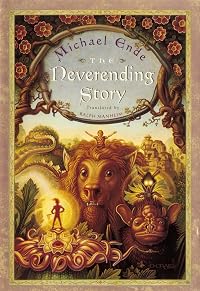
The Neverending Story
by Michael Ende
On This Page
Description
Shy, awkward Bastian is amazed to discover that he has become a character in the mysterious book he is reading and that he has an important mission to fulfill.Tags
Recommendations
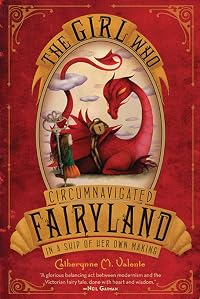
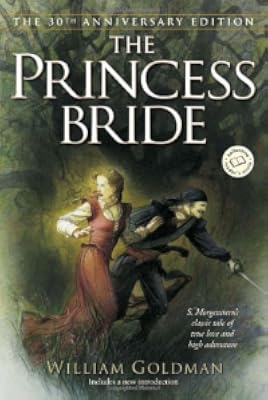
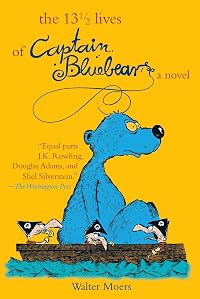
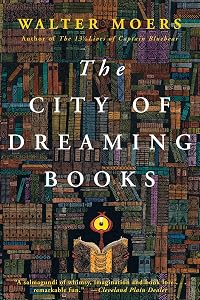
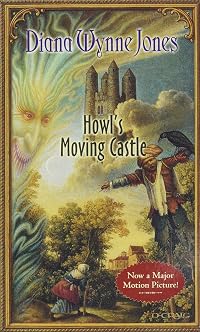
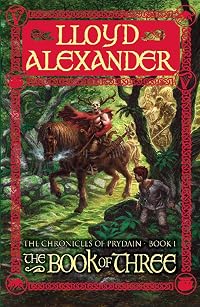
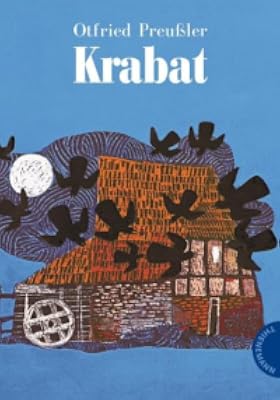
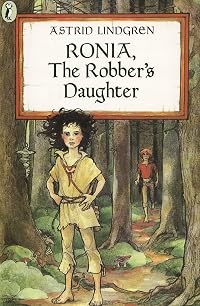
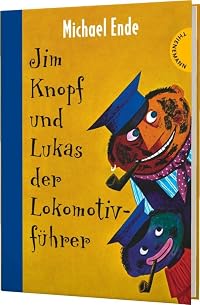
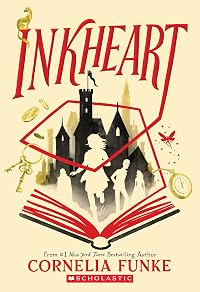
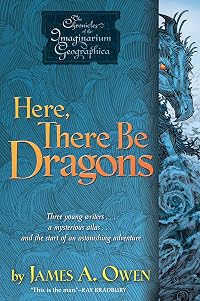

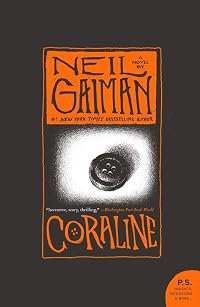

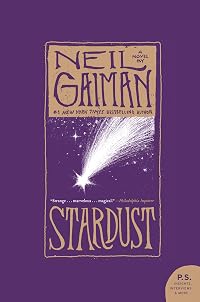
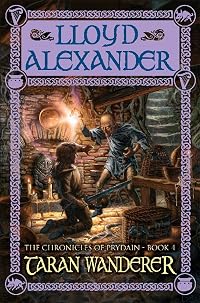
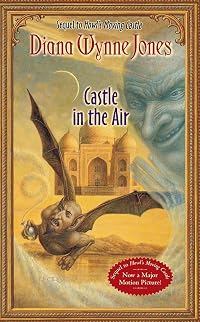
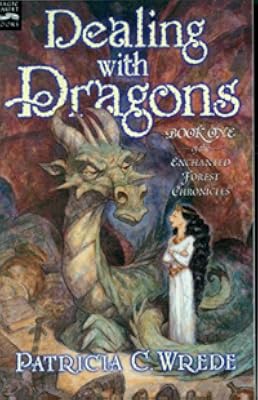
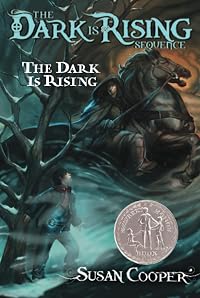
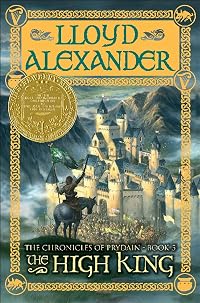
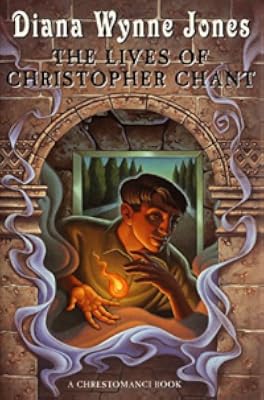
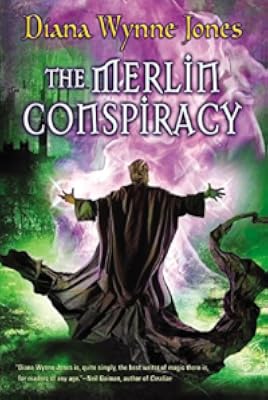


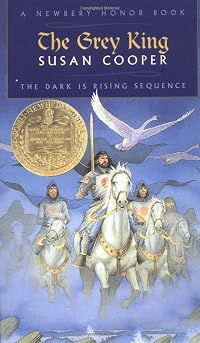
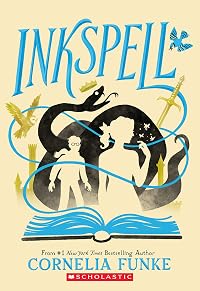
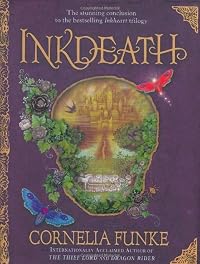
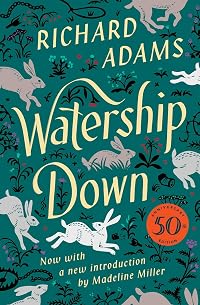
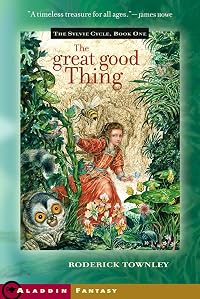
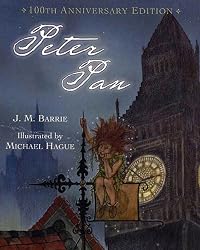
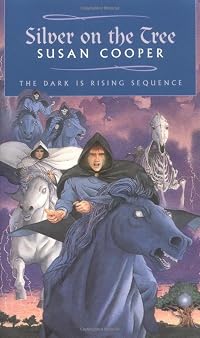
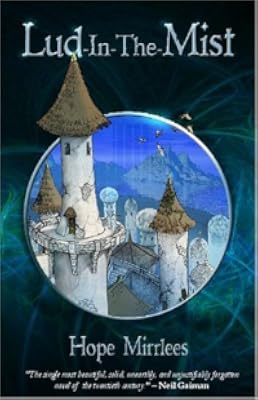
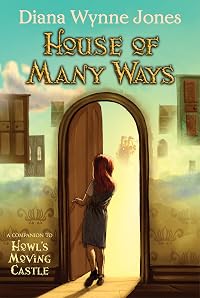

Member Recommendations

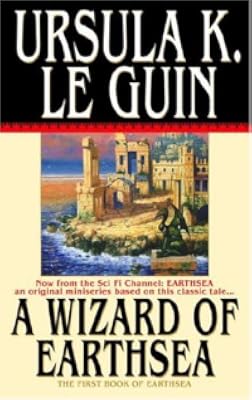
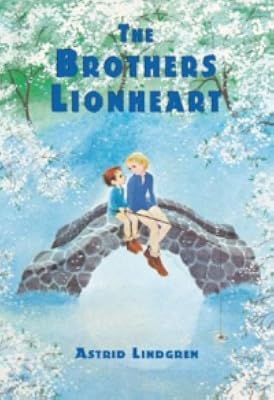
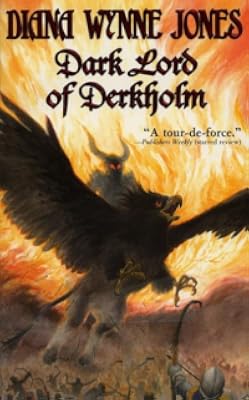
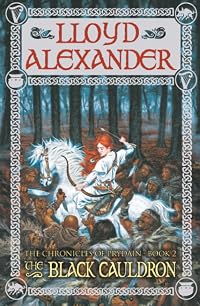
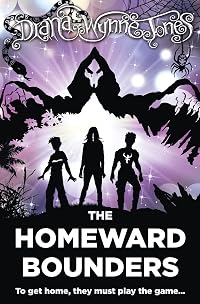
mybookshelf Another story about young boys in a fantastical realm which is influenced by their imaginings.
90
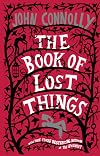
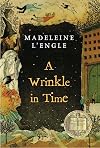
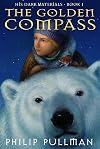
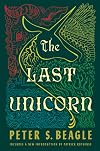

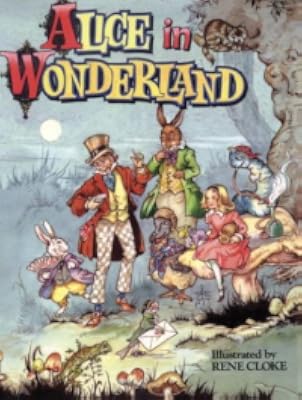
lampbane Employs a similar theme of a child adventuring through a world created by the hearts and imaginations of people.
20


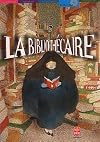
Medicinos Tout comme dans La Bibliothécaire, le héros de l'Histoire sans fin plonge littéralement dans un livre.
Beorn_se_Bacaire Walter Moer's Zamonian series has a similar sense of wimsy as The Neverending Story.
11
aethercowboy Both books deal with characters interacting with characters within the books they're reading.
01
Member Reviews
I have actually never written a review for Michael Ende's utterly amazing [b:The Neverending Story|27712|The Neverending Story|Michael Ende|http://photo.goodreads.com/books/1327871159s/27712.jpg|1122661] (I have also never read it in English). I first read it in German in the early 80s, I believe, and I have reread it regularly over the years. [b:Die unendliche Geschichte|1124692|Die unendliche Geschichte|Michael Ende|http://photo.goodreads.com/books/1181189349s/1124692.jpg|1122661] is one of my all-time favourite German children's literature books; I simply adore it.
I love everything about this book, including the ingenious way the chapters are arranged, as well as the different colour fonts (red for reality, blue for Fantastica, or show more Phantásien in German). For me, the different fonts are not only an ingenious plot and narrative device, they also represent the separation of fantasy and reality. However, the fantastical first letters of each of the 26 chapters, representing the 26 letters of the alphabet, are all (at least in my own copy of the book) presented in the same reddish font as the parts of the story that take place in the real world (even for those chapters based wholly and entirely in Fantastica); this shows on a visual level that while fantasy and reality might be separate and different from one another, they are nevertheless linked.
I remember when we were reading [b:Neverending Story|1094741|Neverending Story|Michael Ende|http://photo.goodreads.com/books/1180927688s/1094741.jpg|1122661] in the Children's Literature Group, one of my GR friends (Kirei) asked if the story actually did end. I have to admit that when I first read the novel as a teenager, I kept looking for other novels by the Michael Ende about Fantastica, as he was always hinting at precisely that eventuality (but, that is another story ...), until I finally realised that this was a plot device. At first, this bothered me a bit (I felt a bit cheated). But then, I realised how ingenious this particular plot device was (and is). It solidifies Michael Ende's belief that every book is a neverending story, and that books engender other stories and so on and so on. Furthermore, for someone who easily becomes nervous when reading exciting or frightening tales, the fact that the author claims that there will be more (future) tales of Fantastica, gives a reassurance that Fantastica will survive, that the nothing (the emptiness) will not succeed in destroying fantasy and the realms of fantasy.
In the first part of the novel, the main emphasis seems to be on the importance of fantasy and how the lack thereof is detrimental to not only the realms of Fantastica, but to the real world as well. While the story is not openly didactic, it does possess an obvious message against pure materialism and the disallowance and discrediting of fantasy. The childlike empress will succumb to her illness and with her all of Fantastica, unless a human being can enter Fantastica and give the empress a new name (humans used to regularly find their way to the realm, but they are seemingly losing this ability, or are unwilling to make use of it). And while Bastian does, in fact, possess fantasy and imagination, he is at first too unsure of himself to give the empress the name he has created for her (moon child). Indeed, the empress must resort to tricks and subterfuge in order to persuade Bastian to finally utter her name, to stop the nothing and to become part of the world of Fantastica.
In the second part of the story, Bastian is then given the opportunity to use the power of his own imagination (his own wishes and desires) to reconstruct Fantastica. At first, it seems that there are no limits imposed. In fact, the empress tells Bastian that he should do what he wishes, what he wants. There are internal limits though, namely that Bastian's main responsibility, his main goal is to find the nature of his one true (his dearest) wish (which is something that Bastian only learns bit by bit). It becomes obvious that Bastian's desires to be strong and courageous, of wanting to change his outward appearance are not only not his actual, true wishes, they portray that Bastian, at this time, only uses his imagination and fantasy as an escape from a world that he does not like very much, a world where he can neither love nor be and feel loved. Bastian does not merely reconstruct Fantastica by creating new realms of fantasy, he uses these to escape from both reality and his own personality. In fact, Bastian becomes quite dictatorial, attempting to usurp power from the childlike empress. Luckily for him, this proves unsuccessful, and faced with the loss of his memories, Bastian finally realises that his dearest wish is to love himself, to be able to love, that without love, there is nothing.
[b:The Neverending Story|27712|The Neverending Story|Michael Ende|http://photo.goodreads.com/books/1327871159s/27712.jpg|1122661] demonstrates how the interaction and interplay of fantasy and reality, of Fantastica and humanity only succeeds if one strives to use fantasy and imagination to improve reality, and that because Bastian is unable to love either the world or himself, he uses fantasy not to improve reality, but to escape from it. This causes him to almost become permanently stranded in Fantastica, which might at first not seem such a bad possibility, except that, becoming stranded in Fantastica also means losing ones memories, losing ones soul and sanity. In the end, it is almost too late for Bastian, and basically, even though he has realised what his greatest wish is (love), it is only Atreju's friendship which allows Bastian to regain all of his memories and be allowed to return to the real world. Atreju takes over the responsibility of finishing all of the stories that had been started by Bastian, and it is this which frees Bastian, allowing his return. And with Bastian's return, we also notice that Bastian has not only learned how to love, and allowed his father to love again, he has also learned to take responsibility for his actions. He, himself, goes to Mr. Coreander to tell him about taking the book, he does not rely on his father to do this (although his father does offer). The main point of [b:The Neverending Story|27712|The Neverending Story|Michael Ende|http://photo.goodreads.com/books/1327871159s/27712.jpg|1122661], at least for me, is that imagination and fantasy are essential for life and happiness, but that they must also not be used to simply escape from reality, from the world. They are to be used as a tool, an enjoyable tool, but simply a tool nevertheless, as a method of allowing fantasy and reality to exist together in harmony. show less
I love everything about this book, including the ingenious way the chapters are arranged, as well as the different colour fonts (red for reality, blue for Fantastica, or show more Phantásien in German). For me, the different fonts are not only an ingenious plot and narrative device, they also represent the separation of fantasy and reality. However, the fantastical first letters of each of the 26 chapters, representing the 26 letters of the alphabet, are all (at least in my own copy of the book) presented in the same reddish font as the parts of the story that take place in the real world (even for those chapters based wholly and entirely in Fantastica); this shows on a visual level that while fantasy and reality might be separate and different from one another, they are nevertheless linked.
I remember when we were reading [b:Neverending Story|1094741|Neverending Story|Michael Ende|http://photo.goodreads.com/books/1180927688s/1094741.jpg|1122661] in the Children's Literature Group, one of my GR friends (Kirei) asked if the story actually did end. I have to admit that when I first read the novel as a teenager, I kept looking for other novels by the Michael Ende about Fantastica, as he was always hinting at precisely that eventuality (but, that is another story ...), until I finally realised that this was a plot device. At first, this bothered me a bit (I felt a bit cheated). But then, I realised how ingenious this particular plot device was (and is). It solidifies Michael Ende's belief that every book is a neverending story, and that books engender other stories and so on and so on. Furthermore, for someone who easily becomes nervous when reading exciting or frightening tales, the fact that the author claims that there will be more (future) tales of Fantastica, gives a reassurance that Fantastica will survive, that the nothing (the emptiness) will not succeed in destroying fantasy and the realms of fantasy.
In the first part of the novel, the main emphasis seems to be on the importance of fantasy and how the lack thereof is detrimental to not only the realms of Fantastica, but to the real world as well. While the story is not openly didactic, it does possess an obvious message against pure materialism and the disallowance and discrediting of fantasy. The childlike empress will succumb to her illness and with her all of Fantastica, unless a human being can enter Fantastica and give the empress a new name (humans used to regularly find their way to the realm, but they are seemingly losing this ability, or are unwilling to make use of it). And while Bastian does, in fact, possess fantasy and imagination, he is at first too unsure of himself to give the empress the name he has created for her (moon child). Indeed, the empress must resort to tricks and subterfuge in order to persuade Bastian to finally utter her name, to stop the nothing and to become part of the world of Fantastica.
In the second part of the story, Bastian is then given the opportunity to use the power of his own imagination (his own wishes and desires) to reconstruct Fantastica. At first, it seems that there are no limits imposed. In fact, the empress tells Bastian that he should do what he wishes, what he wants. There are internal limits though, namely that Bastian's main responsibility, his main goal is to find the nature of his one true (his dearest) wish (which is something that Bastian only learns bit by bit). It becomes obvious that Bastian's desires to be strong and courageous, of wanting to change his outward appearance are not only not his actual, true wishes, they portray that Bastian, at this time, only uses his imagination and fantasy as an escape from a world that he does not like very much, a world where he can neither love nor be and feel loved. Bastian does not merely reconstruct Fantastica by creating new realms of fantasy, he uses these to escape from both reality and his own personality. In fact, Bastian becomes quite dictatorial, attempting to usurp power from the childlike empress. Luckily for him, this proves unsuccessful, and faced with the loss of his memories, Bastian finally realises that his dearest wish is to love himself, to be able to love, that without love, there is nothing.
[b:The Neverending Story|27712|The Neverending Story|Michael Ende|http://photo.goodreads.com/books/1327871159s/27712.jpg|1122661] demonstrates how the interaction and interplay of fantasy and reality, of Fantastica and humanity only succeeds if one strives to use fantasy and imagination to improve reality, and that because Bastian is unable to love either the world or himself, he uses fantasy not to improve reality, but to escape from it. This causes him to almost become permanently stranded in Fantastica, which might at first not seem such a bad possibility, except that, becoming stranded in Fantastica also means losing ones memories, losing ones soul and sanity. In the end, it is almost too late for Bastian, and basically, even though he has realised what his greatest wish is (love), it is only Atreju's friendship which allows Bastian to regain all of his memories and be allowed to return to the real world. Atreju takes over the responsibility of finishing all of the stories that had been started by Bastian, and it is this which frees Bastian, allowing his return. And with Bastian's return, we also notice that Bastian has not only learned how to love, and allowed his father to love again, he has also learned to take responsibility for his actions. He, himself, goes to Mr. Coreander to tell him about taking the book, he does not rely on his father to do this (although his father does offer). The main point of [b:The Neverending Story|27712|The Neverending Story|Michael Ende|http://photo.goodreads.com/books/1327871159s/27712.jpg|1122661], at least for me, is that imagination and fantasy are essential for life and happiness, but that they must also not be used to simply escape from reality, from the world. They are to be used as a tool, an enjoyable tool, but simply a tool nevertheless, as a method of allowing fantasy and reality to exist together in harmony. show less
4.5/5
If this book had only consisted of what had been covered in the movie, it would have earned no more than three stars. But then I read the rest of it. To sum it up, this is a case of a writer having a great number of fantastic ideas, but not being able to deliver them as effectively as they could be. So, no five stars, but I do feel that this should be made required reading for children. I can't remember any other children's book delving so deeply into what it really means to be happy, especially concerning satisfaction with oneself.
In the movie, Bastian Balthazar Bux read along with Atreyu's adventure, and other than that did no more than give the Childlike Empress a new name. In the book, he is pulled in and set on a journey of show more his own, one that involves much more danger and character development than Atreyu's ever did. Being able to make wishes in exchange for one's memories of the real world is nothing to scoff at. He may have made himself strong, brave, and everything a small bullied boy could dream of, but those traits alone do not make a person whole. Of course, he comes to realize this and starts to wish for wisdom and the like, but even this isn't enough. What are these wishes worth if in the end they will be stripped away as a lie when he returns to the real world?Eventually, his all-powerful status makes him a monster, and it takes the complete sacrifice of his memories, as well as his identity, to cure him of this state and bring him back from Fantastica.
I also have to say that the Childlike Empress gave me the chills.As the book continued, I began to suspect that she was the persona of the first human to have obtained the AURYN and gained complete control over Fantastica. Among other things, it's a bit of a coincidence that the last memory taken from Bastian was his name, something that the Childlike Empress repeatedly needs renewal of. Is this her way of beating the system? If that's the case, what kind of person she was before all the self-augmentation, and how much of that shows up in her current state of absolute neutrality? Not a pleasant thought. show less
If this book had only consisted of what had been covered in the movie, it would have earned no more than three stars. But then I read the rest of it. To sum it up, this is a case of a writer having a great number of fantastic ideas, but not being able to deliver them as effectively as they could be. So, no five stars, but I do feel that this should be made required reading for children. I can't remember any other children's book delving so deeply into what it really means to be happy, especially concerning satisfaction with oneself.
In the movie, Bastian Balthazar Bux read along with Atreyu's adventure, and other than that did no more than give the Childlike Empress a new name. In the book, he is pulled in and set on a journey of show more his own, one that involves much more danger and character development than Atreyu's ever did. Being able to make wishes in exchange for one's memories of the real world is nothing to scoff at. He may have made himself strong, brave, and everything a small bullied boy could dream of, but those traits alone do not make a person whole. Of course, he comes to realize this and starts to wish for wisdom and the like, but even this isn't enough. What are these wishes worth if in the end they will be stripped away as a lie when he returns to the real world?
I also have to say that the Childlike Empress gave me the chills.
Beautiful. Underneath the fantasy is a serious question: what happens to a people who lose the capacity for imagination, memory, and self-judgment? Germany in the 1930s and 40s, where Ende grew up, offers one answer. The book is clearly shaped by his experience of Nazism and its aftermath. This is not a hero’s journey. It is a warning about power gained at the cost of memory, and about how easily myths can be used to manipulate people. It feels disturbingly timely. One of the rare fantasy novels that feels wiser the older you are, filled with images that will remain with me forever.
I was always an avid reader but Michael Ende's Neverending Story got me hooked for life. Easily one of my favorite books of all time, this one is definitely very close to my heart. I love everything about this book, including the ingenious way the chapters are arranged, as well as the different color fonts. To me, it is a fundamental book on how to read books: it schools the imagination. You'll never read another book in the same way again. After reading the Neverending Story, books teemed with new life for me. Themes were more thundering, characters started breathing, and a grand evolution occurred: words become worlds.
A beloved classic of German children's literature, The Neverending Story (originally published in 1979 as Die Unendliche Geschichte), is probably most familiar to American readers through Wolfgang Petersen's 1984 film adaptation. That was certainly my introduction to the story, and I loved the characters of Bastian and Atreyu, and their parallel (and eventually intersecting) stories, long before I even knew there was a book, or that "Fantasia" was actually "Fantastica!" Imagine my surprise and delight, some years later, when I discovered that the film only covered the first half of the book, and that there was more Fantasia/Fantastica to discover!
The stories of Bastian Balthazar Bux, a somewhat fat young boy, shy and bullied, who finds show more himself transported - first through the pages of a book, and then in "reality" - to the wonderful world of Fantastica; and of the Greenskin Atreyu, a young warrior of the Grassy Plains, who embarks upon a quest to save the Child-Like Empress, and all of Fantastica; converge in a book that the reader wishes would never end. I enjoyed revisiting some of the scenes from the film that I found so moving as a child, from the heart-breaking death of Artax in the Swamp of Sadness, to the astonishing moment when Bastian realizes that the Childlike Empress is aware of him, and knows he has been following Atreyu's story. I also enjoyed learning "what happened next," and discovering that Ende's story was deeper, and far more complex than the film would lead one to suppose. I even enjoyed the book itself, as an object, finding the alternating color of the text - green or red, depending on whether the passage concerned Fantastica or the "real" world - and the lovely illustrations at the beginning of each chapter, endlessly fascinating!
I continue to love the film, of course - I can still recall how enchanting I found it, the first time I watched it as a girl! - but having now read the novel, I am forced to acknowledge that it has a philosophical maturity, and a purpose, that is entirely missing from the movie. The idea that fantasy - wishing, make-believe, creation - is necessary, but also dangerous; that it would be a tragedy to become entirely divorced from Fantastica, but a mistake to become entirely lost in it; is very much in evidence in the second half of Ende's book, as Bastian's wish-making leads to unexpected consequences, both for himself and for his "creations." Watching him struggle to find a balance, between desire and responsibility, wishing and being, was a curiously moving experience for me.
Curious because, although I can now see the limitations of the the film, watching (and loving) it as a child really increased my appreciation for the book. They each came along at the right time for me, I think. The "simple" fantasy-film about the importance of story, and using one's imagination, was most welcome to the young girl who often lived in her own made-up world; whereas the philosophically mature tale of the limitations of fantasy, and the dangers of hubris, are probably much needed by the woman. How glad I am that I finally picked up this lovely fantasy novel, thanks to the International Children's Fiction Club, to which I belong - it was high time! show less
The stories of Bastian Balthazar Bux, a somewhat fat young boy, shy and bullied, who finds show more himself transported - first through the pages of a book, and then in "reality" - to the wonderful world of Fantastica; and of the Greenskin Atreyu, a young warrior of the Grassy Plains, who embarks upon a quest to save the Child-Like Empress, and all of Fantastica; converge in a book that the reader wishes would never end. I enjoyed revisiting some of the scenes from the film that I found so moving as a child, from the heart-breaking death of Artax in the Swamp of Sadness, to the astonishing moment when Bastian realizes that the Childlike Empress is aware of him, and knows he has been following Atreyu's story. I also enjoyed learning "what happened next," and discovering that Ende's story was deeper, and far more complex than the film would lead one to suppose. I even enjoyed the book itself, as an object, finding the alternating color of the text - green or red, depending on whether the passage concerned Fantastica or the "real" world - and the lovely illustrations at the beginning of each chapter, endlessly fascinating!
I continue to love the film, of course - I can still recall how enchanting I found it, the first time I watched it as a girl! - but having now read the novel, I am forced to acknowledge that it has a philosophical maturity, and a purpose, that is entirely missing from the movie. The idea that fantasy - wishing, make-believe, creation - is necessary, but also dangerous; that it would be a tragedy to become entirely divorced from Fantastica, but a mistake to become entirely lost in it; is very much in evidence in the second half of Ende's book, as Bastian's wish-making leads to unexpected consequences, both for himself and for his "creations." Watching him struggle to find a balance, between desire and responsibility, wishing and being, was a curiously moving experience for me.
Curious because, although I can now see the limitations of the the film, watching (and loving) it as a child really increased my appreciation for the book. They each came along at the right time for me, I think. The "simple" fantasy-film about the importance of story, and using one's imagination, was most welcome to the young girl who often lived in her own made-up world; whereas the philosophically mature tale of the limitations of fantasy, and the dangers of hubris, are probably much needed by the woman. How glad I am that I finally picked up this lovely fantasy novel, thanks to the International Children's Fiction Club, to which I belong - it was high time! show less
Uno dei classici della mia infanzia. Ed è annoverabile tra i grandi classici di sempre, nonostante sia relativamente recente.
Non solo l'ambientazione fantasy lo rende affascinante. Il messaggio che sottende è di una profondità ammirevole (il "fa' ciò che Vuoi", che alla fine diviene impossibile perché quello che si vuole davvero nel profondo è coperto da strati e strati di pensieri secondari, inutili, di affanni, di paure, di condizionamenti; e che il protagonista riesce a riscoprire grazie all'aiuto delle uniche persone che nonostante tutto, anche nonostante l'odio e la cattiveria, non se ne vanno. Ed è un peccato che il film che ne è stato tratto e che moltissimi della mia età hanno visto, trascuri completamente la seconda show more parte del libro, che forse è un tantino meno avvincente ma senza la quale la morale del libro diventa un banale "insegui i tuoi sogni" trito e ritrito. Questo libro è di più: invita a conoscere se stessi, a guardare in faccia i nostri errori (Bastiano che da salvatore diventa dittatore), a capirli, e a diventare quello che noi siamo veramente e non quello che vorremmo essere, con le nostre responsabilità, doveri e diritti. show less
Non solo l'ambientazione fantasy lo rende affascinante. Il messaggio che sottende è di una profondità ammirevole (il "fa' ciò che Vuoi", che alla fine diviene impossibile perché quello che si vuole davvero nel profondo è coperto da strati e strati di pensieri secondari, inutili, di affanni, di paure, di condizionamenti; e che il protagonista riesce a riscoprire grazie all'aiuto delle uniche persone che nonostante tutto, anche nonostante l'odio e la cattiveria, non se ne vanno. Ed è un peccato che il film che ne è stato tratto e che moltissimi della mia età hanno visto, trascuri completamente la seconda show more parte del libro, che forse è un tantino meno avvincente ma senza la quale la morale del libro diventa un banale "insegui i tuoi sogni" trito e ritrito. Questo libro è di più: invita a conoscere se stessi, a guardare in faccia i nostri errori (Bastiano che da salvatore diventa dittatore), a capirli, e a diventare quello che noi siamo veramente e non quello che vorremmo essere, con le nostre responsabilità, doveri e diritti. show less
This is one of the most important books on dreaming I've ever read. It's the reason why I love fantasy and dreaming, and it motivates me to this day to keep imagining and exploring and contemplating possibilities. I believe we are in a sea of infinite parallel universes, with infinite possibilities and combinations, which makes me think that really if you imagine it, it IS real, at least somewhere in another universe. Humans nowadays more than ever need to dream, as dreaming enables us to see out into the stars, to find our place in the universe and remember that we aren't the center of everything. This book from a young age enabled me to see many things missed that are in plain sight. To speculate and to always, always ask myself "what show more if?" or "could it be?", The snakes biting each other's tail on the AURYN truly are symbolic of the SEEN and the UNSEEN worlds that we live with and around an inside on a daily basis.
I don't expect everyone or even a few people to have the same experience that I did, but I know there are a few out there, true dreamers that want to see beyond our world. For me this book felt like a real door to Fantasia, the realm of dreams and infinite possibilities. show less
I don't expect everyone or even a few people to have the same experience that I did, but I know there are a few out there, true dreamers that want to see beyond our world. For me this book felt like a real door to Fantasia, the realm of dreams and infinite possibilities. show less
Members
- Recently Added By
Lists

Best Fantasy Novels
821 works; 361 members

Favorite Childhood Books
1,651 works; 519 members

Read the book and saw the movie
1,170 works; 192 members

Best books about books
209 works; 106 members

Best Children's Books You've Read
197 works; 74 members

Best Fantasy Originally Published in a Language Other Than English
84 works; 26 members
1001 Children's Books You Must Read Before You Grow Up
774 works; 101 members

501 Must-Read Books
529 works; 72 members

Best Books about Readers
23 works; 14 members
Best Books About Journeys and Quests
117 works; 30 members

Best Young Adult
413 works; 102 members
Children's Fantasy
73 works; 10 members

Stories About Other Worlds
145 works; 13 members

Comfort Reads
221 works; 40 members
EU Fiction: 1950-2022
223 works; 70 members

Books that contain themselves
12 works; 4 members

Elevenses
316 works; 87 members
Books I've Read More Than Once
602 works; 49 members
Here There Be Dragons
143 works; 23 members

1980s
356 works; 23 members

Best Adventure Stories
66 works; 15 members

Childhood Favorites
427 works; 24 members

1970s
657 works; 23 members

Essential Reading for Continuing Professional Development
11 works; 5 members

20th Century Literature
1,161 works; 54 members

Beste deutschsprachige Fantasy
28 works; 2 members
Travel from real to fantasy world -- children's/young adult fiction
125 works; 11 members
Tagged Parallel Worlds
43 works; 11 members

Satori Smiles Children's Book List
262 works; 7 members

Before Austen Comes Aesop
318 works; 9 members
Books We'd Want on a Desert Island
204 works; 133 members

Mo's Reading List
218 works; 1 member

Books Read in 2014
2,344 works; 89 members
Books We Love to Reread
695 works; 298 members

Books Set in Germany
74 works; 12 members
Canon de la narrativa universal del s. XX (cicutadry)
499 works; 3 members

Favorite Books in Translation
320 works; 133 members
Book Worlds We'd Like To Visit
322 works; 158 members
Read in 2004
7 works; 1 member
Books We Couldn't Put Down
443 works; 197 members

Books We Loved As Children
610 works; 254 members

Favorite Kids Books (chapter, middle grade)
170 works; 4 members
Books I Read Before The Invention Of The Internet.
144 works; 1 member

Books Read in 2019
4,052 works; 108 members

4th Grade Books
312 works; 5 members

German Literature
518 works; 56 members

Speculative Fiction from around the World
610 works; 18 members

Books Read in 2017
4,249 works; 129 members

Book Hoppers
15 works; 5 members
Books tagged unread
41 works; 1 member

Blue Pyramid 1,276 Best Books of All Time
1,248 works; 32 members

KayStJ's to-read list
1,616 works; 11 members

Unread books
1,063 works; 83 members

Read These Too
458 works; 9 members

A Novel Cure
742 works; 23 members

Carole's List
445 works; 13 members

Story Within a Story
65 works; 17 members

The "A" List
67 works; 8 members
Talk Discussions
Past Discussions
Marks in The Neverending Story in Folio Society Devotees (January 2024)
Folio 75: The Neverending Story - Then and Now in Folio Society Devotees (January 2024)
The Winner of Folio 75 is The Neverending Story in Folio Society Devotees (October 2022)
Author Information

Children's author Michael Andreas Helmuth Ende was born on November 12, 1929 in Garmisch-Partenkirchen, Germany. He worked as an actor, director, film critic and scriptwriter before turning to writing children's books. He was the only child of the surrealist painter Edgar Ende. His best known work is The Neverending Story (1979), which was adapted show more into a film and two sequels. Another book, Jim Knopf and Lukas the Engine, was made into both a television and radio series. Ende died in Germany on August 29, 1995. (Bowker Author Biography) show less
Some Editions
Awards and Honors
Series
Belongs to Publisher Series
Work Relationships
Contains
Has the adaptation
Has as a student's study guide
Common Knowledge
- Canonical title
- The Neverending Story
- Original title
- Die unendliche Geschichte
- Original publication date
- 1979 (original German) (original German)
- People/Characters
- Atreyu; Bastian Balthazar Bux; The Childlike Empress; Falkor; G'mork; Dame Eyola (show all 18); Carl Conrad Coreander; Hydorn; Hickryon; Hisbald; Uyulala; Xayide; Ygramul; Yisipu; Yor; Morla; Kris Ta; Artax, Atreyu's horse
- Important places
- Fantastica (fictional); Spook City, Fantastica (fictional); Desert of Colours, Fantastica (fictional)
- Related movies
- The Neverending Story (1984 | IMDb); The Neverending Story II: The Next Chapter (1990 | IMDb)
- First words
- This inscription could be seen on the glass door of a small shop, but naturally this was only the way it looked if you were inside the dimly lit shop, looking out at the street through the plateglass door.
- Last words
- (Click to show. Warning: May contain spoilers.)But that's another story and shall be told another time.
- Original language
- German
Classifications
Statistics
- Members
- 13,963
- Popularity
- 538
- Reviews
- 253
- Rating
- (4.14)
- Languages
- 33 — Albanian, Catalan, Czech, Danish, Dutch, English, Esperanto, Estonian, Finnish, French, German, Greek, Hebrew, Hungarian, Icelandic, Italian, Japanese, Korean, Lithuanian, Norwegian (Bokmål), Norwegian, Farsi/Persian, Polish, Romanian, Russian, Serbian, Slovenian, Spanish, Swedish, Thai, Turkish, Portuguese (Portugal), Portuguese (Brazil)
- Media
- Paper, Audiobook, Ebook
- ISBNs
- 222
- UPCs
- 2
- ASINs
- 69