On This Page
Description
With a determined plan to reunite his mother and father, the 10-year-old boy named Wataru knowingly enters a fantasy realm inhabited by a goddess who has the power to change destiny. With the help of the Lizard Boy, the Cat Girl, and the Fire-breathing Dragon, Wataru faces a series of seemingly insurmountable obstacles on this once-in-a-lifetime adventure. One way or another, the young hero must reach the Tower of Destiny and bring his mother and father back together again.Tags
Recommendations
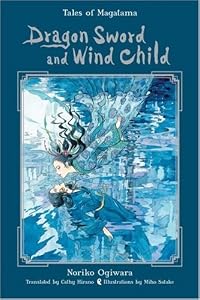
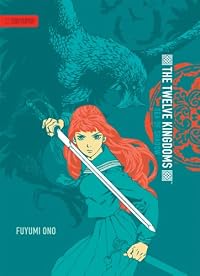
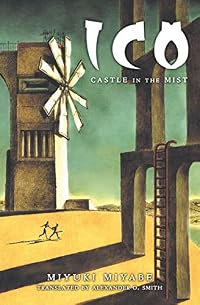
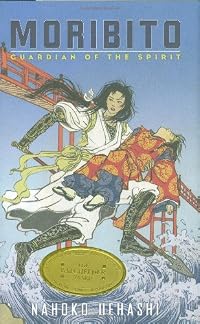




Member Recommendations
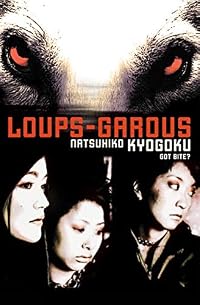
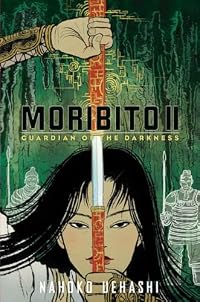
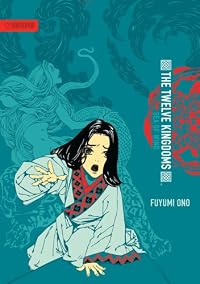
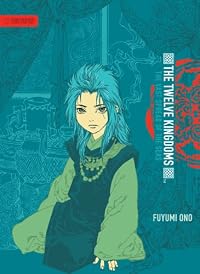
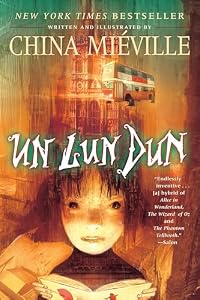
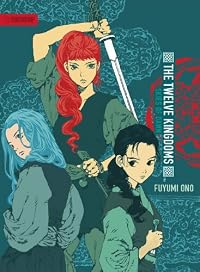
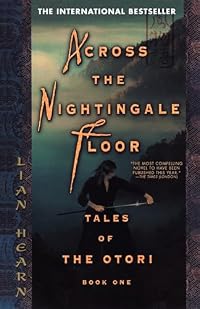
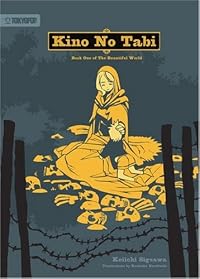
lampbane Employs a similar theme of a child adventuring through a world created by the hearts and imaginations of people.
Member Reviews
Trigger Warnings: attempted suicide, character death, death of a loved one, murder, divorce, cheating/adultery
Eleven-year-old Wataru Mitani's life is becoming a huge mess. His family life is falling apart, a new kid at school upsets everything he knows, and he's got a "fairy" speaking to him in his head. He wants a way to change his fate.
Thanks to his "friend", Wataro is dropped into the magical world of Vision, a land filled with creatures both friend and foe. To change his destiny, he must collect five gemstones to possess the Demon's Bane, the only way into the Tower of Destiny where the Goddess of fate awaits. Each stone has a different quality: charity, bravery, faith, grace, and the power of darkness and light. Making friends show more along the way, Wataro ultimately must come to terms with the nature of himself.
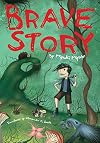
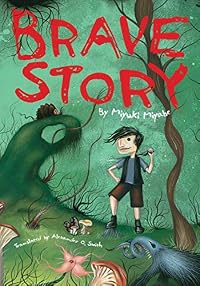
Within just over 800 pages, there is a lot that happens in this book. I took my time with it, but at the same time, I devoured the novel as well. I kind of went into this a little blind. I found a copy at the bookstore and was immediately intrigued by the cover. I read a lot of YA fantasy, but not a lot of portal fantasy; it was so much better than I expected.
The first quarter of the book, a lot of people may say it's a bit slower, but I never thought that was the case. Miyabe is setting up Wataru's real life before he goes to Vision. There are bullies, divorces, adulterous affairs, suicide attempts, disappointments... all the things that make the real world what it is, that's what the first quarter of the book is all about. Only through understanding Wataru's place in the real world and running away do we experience and appreciate his growth through his journey in Vision.
The next part is set in a place called Vision. This part reads very much like an RPG video game, a factor that Wataru references quite a few times throughout his journey. Wataru goes on his quest to receive gems for his sword so he may become strong enough to defeat the final challenge (boss). Along the way he meets his travelling companions, Kee Keema and Meena along with other friends and acquaintances. The fantasy world adapts itself to the Traveler, therefore, no two journeys are the same. To fight the evil in this world, Wataru must discover and alienate his own evil tendencies.
Brave Story does follow a lot of fantasy narrative arcs: character starts in the real world and gets deposited into a strange one, the main character grows in some way, the climax happens with the world(s) hanging on a thread... but this book has two extras: a protagonist who gets challenged philosophically and has to weigh moral choices in a world that is anything but black and white. Miyuki Miyabe wrote a fantastic young adult novel that builds on the problems of growing up and what it means to be human.
For being a young adult novel and having the main character only 11, I was greatly impressed with how Miyabe wrote about Wataru's father's betrayal. Because Vision reflects Wataru's life, some inhabitants will look similar to those he knows in real life, so he ends up meeting those who reflect both his father and his mistress. The man who resembles his father is just as selfish in Vision as he is in the real world. The interaction isn't for Wataru to understand his father's feelings and forgive his actions - the point is for Wataru to understand his own anger and what happens when it's held in. Happiness doesn't always happen the way you think they need to.
"The human heart is a strange, bottomless container. Anything and everything goes in, just waiting to be taken out again someday."
The last part, only a few pages, wraps up loose ends.
Overall, this book has a little bit of everything you need for an excellent portal fantasy. I know it might look scary because it's long, but I challenge anyone who enjoys fantasy to read it. It's philosophical, thought-provoking, creative, emotional, inspiring, and entertaining. Brave Story allows you to experience the journey with Wataru with all it's highs and lows in a way that doesn't sugarcoat the lessons. I really felt like I was another companion by the end. show less
Eleven-year-old Wataru Mitani's life is becoming a huge mess. His family life is falling apart, a new kid at school upsets everything he knows, and he's got a "fairy" speaking to him in his head. He wants a way to change his fate.
Thanks to his "friend", Wataro is dropped into the magical world of Vision, a land filled with creatures both friend and foe. To change his destiny, he must collect five gemstones to possess the Demon's Bane, the only way into the Tower of Destiny where the Goddess of fate awaits. Each stone has a different quality: charity, bravery, faith, grace, and the power of darkness and light. Making friends show more along the way, Wataro ultimately must come to terms with the nature of himself.
Within just over 800 pages, there is a lot that happens in this book. I took my time with it, but at the same time, I devoured the novel as well. I kind of went into this a little blind. I found a copy at the bookstore and was immediately intrigued by the cover. I read a lot of YA fantasy, but not a lot of portal fantasy; it was so much better than I expected.
The first quarter of the book, a lot of people may say it's a bit slower, but I never thought that was the case. Miyabe is setting up Wataru's real life before he goes to Vision. There are bullies, divorces, adulterous affairs, suicide attempts, disappointments... all the things that make the real world what it is, that's what the first quarter of the book is all about. Only through understanding Wataru's place in the real world and running away do we experience and appreciate his growth through his journey in Vision.
The next part is set in a place called Vision. This part reads very much like an RPG video game, a factor that Wataru references quite a few times throughout his journey. Wataru goes on his quest to receive gems for his sword so he may become strong enough to defeat the final challenge (boss). Along the way he meets his travelling companions, Kee Keema and Meena along with other friends and acquaintances. The fantasy world adapts itself to the Traveler, therefore, no two journeys are the same. To fight the evil in this world, Wataru must discover and alienate his own evil tendencies.
Brave Story does follow a lot of fantasy narrative arcs: character starts in the real world and gets deposited into a strange one, the main character grows in some way, the climax happens with the world(s) hanging on a thread... but this book has two extras: a protagonist who gets challenged philosophically and has to weigh moral choices in a world that is anything but black and white. Miyuki Miyabe wrote a fantastic young adult novel that builds on the problems of growing up and what it means to be human.
For being a young adult novel and having the main character only 11, I was greatly impressed with how Miyabe wrote about Wataru's father's betrayal. Because Vision reflects Wataru's life, some inhabitants will look similar to those he knows in real life, so he ends up meeting those who reflect both his father and his mistress. The man who resembles his father is just as selfish in Vision as he is in the real world. The interaction isn't for Wataru to understand his father's feelings and forgive his actions - the point is for Wataru to understand his own anger and what happens when it's held in. Happiness doesn't always happen the way you think they need to.
"The human heart is a strange, bottomless container. Anything and everything goes in, just waiting to be taken out again someday."
The last part, only a few pages, wraps up loose ends.
Overall, this book has a little bit of everything you need for an excellent portal fantasy. I know it might look scary because it's long, but I challenge anyone who enjoys fantasy to read it. It's philosophical, thought-provoking, creative, emotional, inspiring, and entertaining. Brave Story allows you to experience the journey with Wataru with all it's highs and lows in a way that doesn't sugarcoat the lessons. I really felt like I was another companion by the end. show less
Miyuki Miyabe's novel Brave Story was originally published in two volumes in Japan in 2003. The English edition, released by Viz Media's Haikasoru imprint in 2007, is complete in one volume and received the Batchelder Award from the American Library Association for best English translation of a children's book originally published in a foreign country. The translator in this case being Alexander O. Smith (who also did a great job with his translation of All You Need Is Kill). The story has undergone several adaptions, including a series of light novels for younger readers, a manga series, an anime, and appropriately enough even a few video games. I first encountered Brave Story through the manga, also written by Miyabe and illustrated show more by Yoichiro Ono. After reading the first volume I knew that I needed to read the source material. And so it was that Miyabe's hefty novel, over eight hundred pages, made its way to the top of my reading list.
Wataru Mitani is a typical fifth grader--he's an average student, enjoys playing video games (the Eldritch Stone Saga is his favorite fantasy series), and gets along well with most of his schoolmates, especially his best friend Katchan (even though his mother doesn't approve). At least that is until the aloof Mitsuru Ashikawa arrives as a transfer student. Wataru would be more than happy to be friends, but Mitsuru doesn't seem to care about anyone. Suddenly, everything starts to fall apart in Wataru's life when his father unexpectedly decides to leave him and his mother. But then he stumbles upon the world of Vision which seems like something out of one of his video games. Mitsuru, whose family situation is even more tragic than Wataru's, has also found Vision. The two of them become rival Travelers in the fantasy world, given the opportunity to complete a dangerous quest and by doing so change their and their family's destinies in the real world.
Brave Story is surprisingly dark and deals with some heavy issues such as divorce, death, and suicide. As if problems in the real world weren't enough, Vision faces religious war and genocide. But even so, Brave Story has a very positive message even if it is hard to accept--realizing that hate and anger are very important parts of being human and shouldn't be pushed away and hidden but embraced. Yes, things are bad but you have to learn to accept all of who you are in order to change anything. Reality hurts, and Miyabe doesn't pull her punches. Wataru's experiences are authentically heartbreaking and he has to deal with circumstances that no one should have to. It would have been nice to have seen a bit more of Mitsuru's story, but ultimately Brave Story is Wataru's tale.
The book almost seems to have a split personality--the real world is emotionally wrenching while the fantasy world is almost comforting in comparison. But, it works. Wataru's reality slowly starts to intrude upon his fantasy until it can't be ignored. Personally, I found the real world elements more compelling than the fantasy elements, but everything is pulled together nicely by the end. The majority of Brave Story takes place in Vision and while important the section felt a bit long to me and lacking in urgency until close to the end. But overall, Brave Story is quite good and is a story that adults and mature younger readers can both enjoy alike. I, for one, am very glad that it's available in English.
Experiments in Reading show less
Wataru Mitani is a typical fifth grader--he's an average student, enjoys playing video games (the Eldritch Stone Saga is his favorite fantasy series), and gets along well with most of his schoolmates, especially his best friend Katchan (even though his mother doesn't approve). At least that is until the aloof Mitsuru Ashikawa arrives as a transfer student. Wataru would be more than happy to be friends, but Mitsuru doesn't seem to care about anyone. Suddenly, everything starts to fall apart in Wataru's life when his father unexpectedly decides to leave him and his mother. But then he stumbles upon the world of Vision which seems like something out of one of his video games. Mitsuru, whose family situation is even more tragic than Wataru's, has also found Vision. The two of them become rival Travelers in the fantasy world, given the opportunity to complete a dangerous quest and by doing so change their and their family's destinies in the real world.
Brave Story is surprisingly dark and deals with some heavy issues such as divorce, death, and suicide. As if problems in the real world weren't enough, Vision faces religious war and genocide. But even so, Brave Story has a very positive message even if it is hard to accept--realizing that hate and anger are very important parts of being human and shouldn't be pushed away and hidden but embraced. Yes, things are bad but you have to learn to accept all of who you are in order to change anything. Reality hurts, and Miyabe doesn't pull her punches. Wataru's experiences are authentically heartbreaking and he has to deal with circumstances that no one should have to. It would have been nice to have seen a bit more of Mitsuru's story, but ultimately Brave Story is Wataru's tale.
The book almost seems to have a split personality--the real world is emotionally wrenching while the fantasy world is almost comforting in comparison. But, it works. Wataru's reality slowly starts to intrude upon his fantasy until it can't be ignored. Personally, I found the real world elements more compelling than the fantasy elements, but everything is pulled together nicely by the end. The majority of Brave Story takes place in Vision and while important the section felt a bit long to me and lacking in urgency until close to the end. But overall, Brave Story is quite good and is a story that adults and mature younger readers can both enjoy alike. I, for one, am very glad that it's available in English.
Experiments in Reading show less
This book was quite a journey. The first 130 pages went by really slowly and I'd say the book was barely a 3/5, but after it got going it really took off. I enjoyed all of the characters and his missions and felt the book wrapped up in a really fantastic way. It's rare that I come across someone with this much self awareness and growth.
One of the best books I've read this year and a book I want my own copy of. I'm sure there are a million summaries of the plot so I won't summarize. Instead I will say that the story always stayed a twist or turn ahead of me and I was not able to guess what was going to happen next with any accuracy. I loved that the hero, Wataru, is truly a normal kid with nothing exceptional about him--not the usual "normal kid" who happens to be able to solve any puzzle, brave any monster, find him/herself full of amazing powers exceeding any seen before, etc. Not that that "normal kid" isn't in the story, because he is and his name is Mitsuru. But he is not the hero and plays a really different, more interesting role. Wataru's world of Vision is show more complex without getting bogged down in its complexities as in the Wheel of Time series. There are politics without endless meetings, for example. Though the book is over 800 pages long it never feels bloated and the story doesn't lag. The dialogue does not repeat and helps to develop the characters and further the story--there is no sense of dialogue as filler. And the ending is poetic, beautiful, wise, and thought-provoking. I felt a sense of loss when I had finished reading and realized there was no more to come.
I would recommend this to all kids about 11 and up, and to all adults who love Narnia, Middle-Earth, and the Harry Potter series. show less
I would recommend this to all kids about 11 and up, and to all adults who love Narnia, Middle-Earth, and the Harry Potter series. show less
Engaging story with a beautiful ending. The story had classic fantasy elements, but most were used in a way that felt fresh. I feel privileged to have spent so much time with Wataru and Mitsuru, and I'm looking forward to checking out the other media their story has inspired.
I'd give it 5 stars overall, but I took a star off for some of the depictions of female characters. There was a lot of focus on physical feminity, especially with Kaori and Meena. Wataru kept describing Kaori as "doll-like," and "fragile," and it would have been nice to have less stereotypical physical descriptions. It set Kaori up to be kind of like the princess in a tower. That said, I loved the way that Kaori and Wataru interacted in the real world at the end of show more the book, and Kutz was fabulous. Also, Meena, even though she tended towards being expressively emotional and crying, showed her mettle and value as a companion multiple times. show less
I'd give it 5 stars overall, but I took a star off for some of the depictions of female characters. There was a lot of focus on physical feminity, especially with Kaori and Meena. Wataru kept describing Kaori as "doll-like," and "fragile," and it would have been nice to have less stereotypical physical descriptions. It set Kaori up to be kind of like the princess in a tower. That said, I loved the way that Kaori and Wataru interacted in the real world at the end of show more the book, and Kutz was fabulous. Also, Meena, even though she tended towards being expressively emotional and crying, showed her mettle and value as a companion multiple times. show less
This book kept defying my expectations--both for good and for bad. Sometimes in young adult novels, adults come across as cardboard cutouts, just obstacles for the young adult characters to react to. Not so in this book: Miyabe leaves you feeling as if the adults are people in their own right, even if Wataru only sees them as a child would. I was also afraid that this book would devolve into a generic "boy seeks magic talismans that let him power up" story, but while Wataru does indeed do that, the gemstones are pretty secondary to the rest of the plot. So after all this, I was disappointed that some major plot points were left unexplained. And after Miyabe went to all the trouble of devoting about a third of the book to Wataru's life show more and problems in the real world, I was surprised that she wrapped things up so quickly there at the end of the story. It was an abrupt ending for such a long story. show less
Starts off slowly, but turns out to be an interesting enough read. Brave Story is very detailed and planned out. It feeds the imagination so that not one visual detail can be missed, while at the same time developing the characters as the story progresses. I was disappointed with the ending though. I felt like the main character should have changed at least one thing upon his return to his world. Mitsuru certainly would have, but Wataru was a let down towards the end. It's unclear what really happens to Mitsuru, but anyone can take a well informed guess and know his fate. I just felt as if Mitsuru earned that wish since Wataru seemingly wasted it. Why struggle so much for so long if you don't do anything with your reward?
Members
- Recently Added By
Lists

To Read (Prospector)
86 works; 1 member
Author Information

Some Editions
Awards and Honors
Awards
Distinctions
Series

Work Relationships
Contains
Common Knowledge
- Canonical title
- Brave Story
- Original title
- ブレイブ・ストーリー (Bureibu Sutorii) (Bureibu Sutorii)
- Original publication date
- 2003-03-03 (Japanese) (Japanese); 2007-08-14 (English) (English)
- People/Characters
- Wataru Mitani; Katsumi Komura (Katchan); Akira Mitani; Kuniko Mitani; Satoru Mitani; Mitsuru Ashikawa (show all 21); Kee Keema; Meena; Kutz the Rosethorn; Trone; Zophie; Onba; The Goddess; Wayfinder Lau; Toni Fanlon; Elza; Dr. Baksan; Shin Suxin; Father Diamon; Boris Ronmel; Precept-King
- Important places
- Tokyo, Honshū, Japan; Gasara, Arikita, Vision; Tearsheaven, Arikita, Vision; Sono, Arikita, Vision; Maquiba, Nacht, Vision; Lyris, Bog, Vision (show all 11); Lourdes, Sasaya, Vision; Sakawa, Sasaya, Vision; Dela Rubesi, Undoor Highlands, Vision; Solebria, Northern Empire, Vision; Tower of Destiny
- Related movies
- Brave Story (2006 | IMDb)
- Epigraph
- You have been chosen, walk the true path.
- First words
- No one believed it at first. Not even a little.
- Quotations
- After you return to Over There you will forget about this place before you see one sunrise and one sunset.
Wataru's logical brain—inherited from his father, no less—immediately began clicking, constructing a counterargument. Sure, if it was a problem between "Akira" and "Kimiko," then it may very well have nothing to do with "... (show all)Wataru." But what if it was a problem between his "mother" and his "father"? Then it didn't make sense to leave him out of the equation.
I knew there were irresponsible fathers in the world, but that was my first time seeing one.
I exist only for those whose past does not waver or halt. For those who have stopped walking, their path is ended, and there I cannot dwell. Go forward Brave, with hope held to your breast, looking toward the future, head hel... (show all)d high. Do this, and I will always be at your side. And remember that the path you have left behind can be a marker, showing you the way you must go.
There's a point to all the mistakes, the comebacks, the rethinking, the living—the living for all you're worth. There's a point to finding your own path. Please, give the people of Vision a chance to find theirs.
You don't remember me, but I remember you. You were the Goddess of my destiny. - Last words
- (Click to show. Warning: May contain spoilers.)Though a child of man knows time, life itself is eternal.
- Original language
- Japanese
Classifications
- Genres
- Fiction and Literature, Fantasy, Teen, Young Adult
- DDC/MDS
- 895.635 — Literature & rhetoric Asian Literature Literatures of East and Southeast Asia Japanese Japanese fiction 1945–2000
- LCC
- PL856 .I856 .B8713 — Language and Literature Languages and literatures of Eastern Asia, Africa, Oceania Languages of Eastern Asia, Africa, Oceania Japanese language and literature Japanese literature Individual authors and works
- BISAC
Statistics
- Members
- 587
- Popularity
- 49,793
- Reviews
- 27
- Rating
- (3.84)
- Languages
- English, French, Japanese
- Media
- Paper, Ebook
- ISBNs
- 6
- UPCs
- 1
- ASINs
- 3