On This Page
Description
Accompanied by her daemon, Lyra Belacqua sets out to prevent her best friend and other kidnapped children from becoming the subject of gruesome experiments in the Far North.Tags
Recommendations

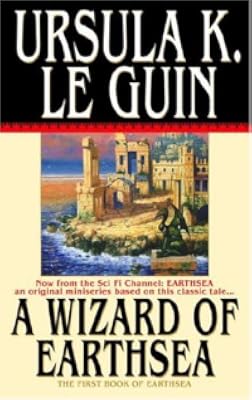
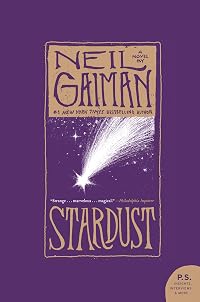
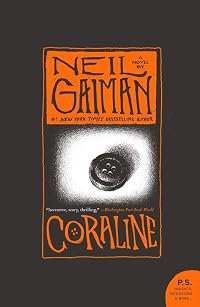
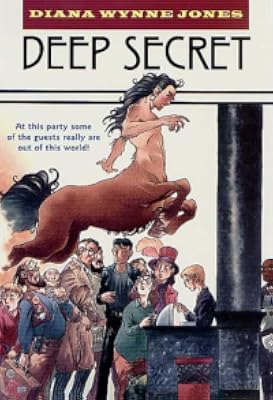
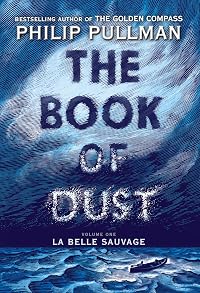
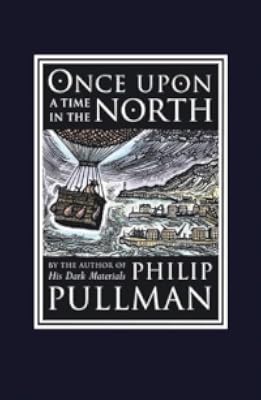
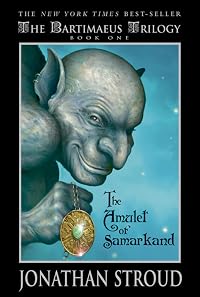
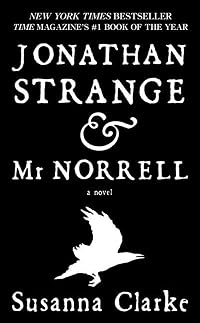
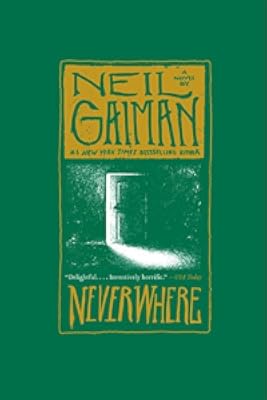
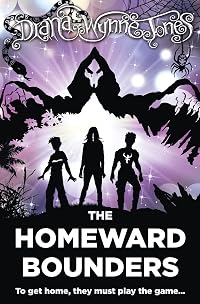


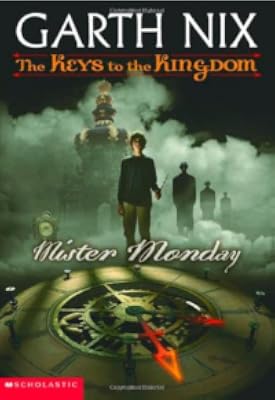
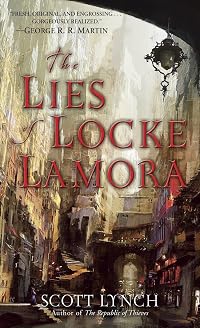
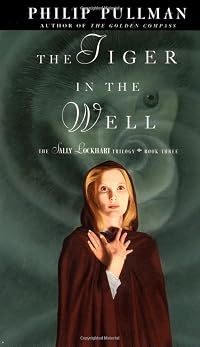
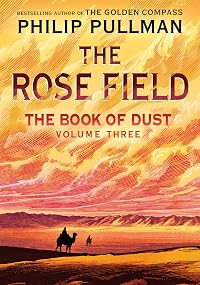

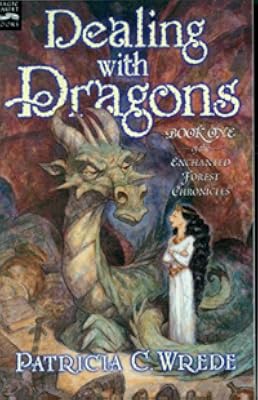
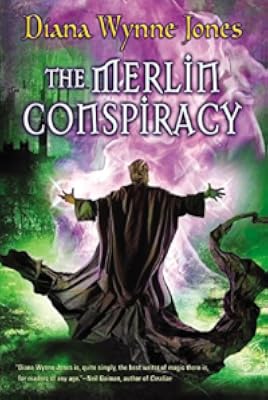
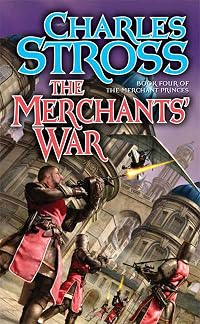
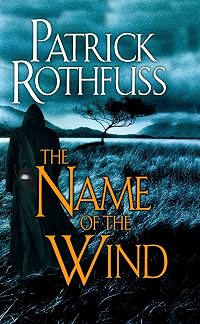

Member Recommendations

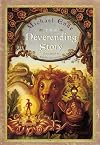
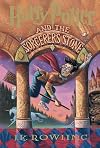
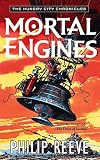
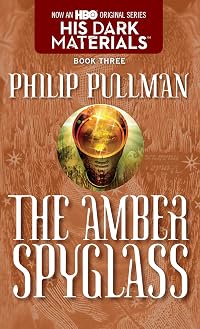
Jannes Epic and awe-inspiring and steampunk-ish... also surprisingly complex characters and moral ambiguity for a YA novel - just like HDM
passion4reading Intelligent and thought-provoking children's/YA fiction with an unusual premise.
62
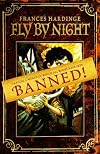
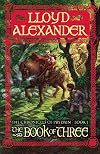
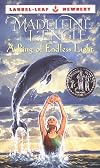
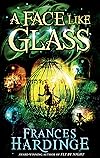
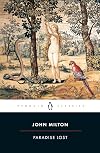
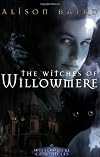
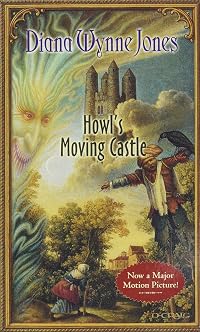
mene "The Willowmere Chronicles" series includes daemons, but focusing more on the Ancient Greek version.
"His Dark Materials" series has a parallel world where everyone has a daemon, but in a different way than the daemons in the Willowmere Chronicles.
10

by Jen448
Jannes Similar themes: parallel worlds, dimension-traveling youths, splendid cities... Pullman's work is, in my opinion, far superior, but both are worth checking out if you like this sort of thing.
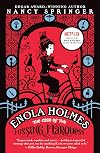
rakerman Both Lyra in The Golden Compass / Northern Lights (1995) and Enola Holmes in The Case of the Missing Marquess (2006) are strong independent young women who go on dangerous journeys.
Member Reviews
It didn't actually take me this long to finish the book: I got sick and didn't read for a few days. Once I was reading it was really hard to put down, and I can't believe I didn't read it like ten years ago. Then again, I'm not sure I would've liked it ten years ago: I had a hard time appreciating world building that was Tolkien or Rowling.
Now I'm so here for this shit! Fantasy and steampunk-ish elements in the 1800s? Fuck yeah, I'm here for that. I like the dæmons (translated to "daimon" in Swedish, something that brought the chocolate daim to mind every time I read it), even though my inital reaction when Lyra's changed form was "come on, I thought they were to represent your inner soul or something, having them constantly change is show more stupid" ... only to have it revealed that only dæmons of children do this. As an adult of 26, I totally understood what the fisherguy meant when he told Lyra that at some point she would like for her dæmon to settle for a form. It worked really well.
As for the plot, wow, a lot of things went on, but I thought it was pretty nicely set up. The part with the alternate worlds were much harder for me to accept than anything else (it's a bit cake on cake, as we say in Sweden), but the concept was introduced so early, that I could buy it without any problems. And it seems to play a larger part in the coming books ...
Oh, and the bears were amazing. Loved their names as well, hehe.
Speaking of, the second book hasn't arrived yet and I haven't even ordered book three. A shame. Guess I'll have to watch the movie while waiting, though I hear it is extremely bad ... show less
Now I'm so here for this shit! Fantasy and steampunk-ish elements in the 1800s? Fuck yeah, I'm here for that. I like the dæmons (translated to "daimon" in Swedish, something that brought the chocolate daim to mind every time I read it), even though my inital reaction when Lyra's changed form was "come on, I thought they were to represent your inner soul or something, having them constantly change is show more stupid" ... only to have it revealed that only dæmons of children do this. As an adult of 26, I totally understood what the fisherguy meant when he told Lyra that at some point she would like for her dæmon to settle for a form. It worked really well.
As for the plot, wow, a lot of things went on, but I thought it was pretty nicely set up. The part with the alternate worlds were much harder for me to accept than anything else (it's a bit cake on cake, as we say in Sweden), but the concept was introduced so early, that I could buy it without any problems. And it seems to play a larger part in the coming books ...
Oh, and the bears were amazing. Loved their names as well, hehe.
Speaking of, the second book hasn't arrived yet and I haven't even ordered book three. A shame. Guess I'll have to watch the movie while waiting, though I hear it is extremely bad ... show less
i first read this in college around when the ill-fated movie adaptation was coming out. i had seen the trailers and was thirsty for more fantasy type stuff, which it turns out was literally the entire cynical motivation for making the movie because they totally lotr-ed it up. the book is actually much more a response to narnia (which itself received the lotr-ification treatment in its film adaptations), but has a much different aesthetic/genre that the movie largely ignores, but we’re not here to talk about the movie rn i’m just setting the context of my first reading.
i was in the middle of reading it when the catholic church & others started calling for boycotts, and that was back during my misguided religious phase so at that show more point i was like “well, fuck.” but i was already in the middle of the book and i was really enjoying it so i kinda shrugged it off & decided that i enjoyed it but i didn't like that the church was the bad guys, and it was ok to enjoy something i disagreed with.
obviously now the anti-church stuff is a feature for me rather than a bug, so i was interested to see how i would feel about the book now with that in mind. and uh yeah, i do love that aspect of the book, very much so, yes. but it’s also so far in the background that a reader could be forgiven for it not being one of their biggest takeaways if they’re not paying close attention? like, by the end of the book it’s pretty fucking obvious that that was the entire point, but that turn happens in literally a line of dialogue at the end of the book (which i fucking love), but it’s not difficult to see in retrospect why even at my most brainwashed (not the fun/kinky kind, the boring religious kind) i was able to shrug it off and enjoy this as a silly little adventure yarn. which btw makes it pretty fucking hilarious that the church was so fragile about it, but whatevs!
but yeah, even though i don’t think it’s actually going to change anyone’s mind, that last interaction between lyra & pantalaimon that i alluded to earlier was everything to me this time. when pan says, “if they [the church] think dust is bad, it must be good!” and i forgot that that point was made that explicit in this book. it’s possible to miss its import if you’re just caught up in the breezy adventure the rest of the book has been, but it just absolutely turns the world upside down. i fucking love it.
also, another thing that hit me on a completely different level this time was this passage:
"his hands, still clasping her head, tensed suddenly and drew her toward him in a passionate kiss. lyra thought it seemed more like cruelty than love, and looked at their dæmons, to see a strange sight: the snow leopard tense, crouching with her claws just pressing in the golden monkey’s flesh, and the monkey relaxed, blissful, swooning on the snow."
“strange sight”? idk man, sounds pretty normal to me.
other things i loved included serafina talking about feeling the starlight & moonlight on her skin. even though it wasn’t particularly foregrounded, all the witchy stuff was wonderful. i also loved iorek byrnison. as if having a magical little animal spirit that was part of yourself & you could talk to & cuddle wasn’t enough, lyra also gets a fucking armored bear king protecting her! what a lucky girl!!
and of course lyra herself was a wonderful protagonist. she’s just so fucking good. strong desire to protecc.
in the category of things i didn’t so much love was all the casual, careless racism. like, don’t get me wrong, this isn’t as bad of an offender as the aforementioned lewis or tolkien books, or a lot of its more direct influences like say the works of jules verne, but it still is rather frustrating all the same.
kinda par for the course for stuffy british adventure stories tbh, but again it’s not like outlandishly racist or anything, just… there’s an undercurrent throughout that i wouldn’t feel right not mentioning.
i also think it’s worth noting that while these books are marketed as y.a., they’re probably, uh, a bit heavy for the average kid? like, some genuinely traumatizing stuff happens!! but also idk kids are a lot more resilient than people give them credit for, i know this wouldn’t have fazed me if i had read it when i was 12, just feels worth mentioning that it gets pretty dang dark.
so yeah, if you can shrug off the fairly commonplace racism of someone who seems like he’s trying his best but is too british not to be casually racist, this is a pretty great read. i find it very easy to get sucked in. lyra is such a great protagonist who you genuinely want to be safe, and the writing style hits that really nice sweet spot where it has a lot of inherent personality that leaps off the page, but it’s also still extremely approachable, which is just the perfect recipe to make something compulsively readable. show less
i was in the middle of reading it when the catholic church & others started calling for boycotts, and that was back during my misguided religious phase so at that show more point i was like “well, fuck.” but i was already in the middle of the book and i was really enjoying it so i kinda shrugged it off & decided that i enjoyed it but i didn't like that the church was the bad guys, and it was ok to enjoy something i disagreed with.
obviously now the anti-church stuff is a feature for me rather than a bug, so i was interested to see how i would feel about the book now with that in mind. and uh yeah, i do love that aspect of the book, very much so, yes. but it’s also so far in the background that a reader could be forgiven for it not being one of their biggest takeaways if they’re not paying close attention? like, by the end of the book it’s pretty fucking obvious that that was the entire point, but that turn happens in literally a line of dialogue at the end of the book (which i fucking love), but it’s not difficult to see in retrospect why even at my most brainwashed (not the fun/kinky kind, the boring religious kind) i was able to shrug it off and enjoy this as a silly little adventure yarn. which btw makes it pretty fucking hilarious that the church was so fragile about it, but whatevs!
but yeah, even though i don’t think it’s actually going to change anyone’s mind, that last interaction between lyra & pantalaimon that i alluded to earlier was everything to me this time. when pan says, “if they [the church] think dust is bad, it must be good!” and i forgot that that point was made that explicit in this book. it’s possible to miss its import if you’re just caught up in the breezy adventure the rest of the book has been, but it just absolutely turns the world upside down. i fucking love it.
also, another thing that hit me on a completely different level this time was this passage:
"his hands, still clasping her head, tensed suddenly and drew her toward him in a passionate kiss. lyra thought it seemed more like cruelty than love, and looked at their dæmons, to see a strange sight: the snow leopard tense, crouching with her claws just pressing in the golden monkey’s flesh, and the monkey relaxed, blissful, swooning on the snow."
“strange sight”? idk man, sounds pretty normal to me.
other things i loved included serafina talking about feeling the starlight & moonlight on her skin. even though it wasn’t particularly foregrounded, all the witchy stuff was wonderful. i also loved iorek byrnison. as if having a magical little animal spirit that was part of yourself & you could talk to & cuddle wasn’t enough, lyra also gets a fucking armored bear king protecting her! what a lucky girl!!
and of course lyra herself was a wonderful protagonist. she’s just so fucking good. strong desire to protecc.
in the category of things i didn’t so much love was all the casual, careless racism. like, don’t get me wrong, this isn’t as bad of an offender as the aforementioned lewis or tolkien books, or a lot of its more direct influences like say the works of jules verne, but it still is rather frustrating all the same.
kinda par for the course for stuffy british adventure stories tbh, but again it’s not like outlandishly racist or anything, just… there’s an undercurrent throughout that i wouldn’t feel right not mentioning.
i also think it’s worth noting that while these books are marketed as y.a., they’re probably, uh, a bit heavy for the average kid? like, some genuinely traumatizing stuff happens!! but also idk kids are a lot more resilient than people give them credit for, i know this wouldn’t have fazed me if i had read it when i was 12, just feels worth mentioning that it gets pretty dang dark.
so yeah, if you can shrug off the fairly commonplace racism of someone who seems like he’s trying his best but is too british not to be casually racist, this is a pretty great read. i find it very easy to get sucked in. lyra is such a great protagonist who you genuinely want to be safe, and the writing style hits that really nice sweet spot where it has a lot of inherent personality that leaps off the page, but it’s also still extremely approachable, which is just the perfect recipe to make something compulsively readable. show less
Oh now this was just precious. The Golden Compass is a kids' book in the Harry Potter vein, where our child protagonist is pulled out of her everyday surroundings into a world beyond her imagination -- a world which is her birthright. Or maybe I should say Harry Potter is in the vein of The Golden Compass, since the latter predates the former, having been published in 1995. While Harry Potter's gimmick is wizardry, The Golden Compass has something more subtle and profound: it's set in an alternate universe, where, among many other differences, each child is born with a "daemon." A daemon is sort of like a witch's familiar -- a cross between a pet and a soul -- and the daemon meme going around LJ is what got me to check this book out in show more the first place. Daemons and other themes are explored in a very adult manner that invites all kinds of what-if explorations of real-world philosophies like existentialism. I actually cried a little last night because I don't have a daemon. You'll understand if you read it. Which you should, because what with the high adventure and the various subtexts and the optimistic tone, it's worth the time. And if the golden compass of the title really existed, I would make it my business to become the best golden compass reader in the universe. show less
I'm a sucker for alternate universes, and His Dark Materials has been in the To Be Read pile for a long time. I've seen the film based on this book, and also the more recent BBC dramatisation. So the plot was known to me. What I wanted to see was the sort of job Philip Pullman made out of the world-building, and also to get a feel for the controversies that accompanied the film (particularly) on its release.
I found the world-building far more detailed and intriguing than I expected. There is considerable detail shown of the world outside Pullman's England, apart from Svalbard; this is slipped effortlessly into the novel. There were a number of things that surprised me about the novel; Lyra is a far more feral child than the screen show more adaptations suggested, and I was also surprised that the novel did not strike me as exceptionally anti-religious. Indeed, we have a Catholic church firmly entrenched in Britain, albeit one with different instrumentalities - we appear to have the Magisterium instead of the Jesuits, for example. In this volume, Pullman doesn't really offer any opinion on the Church; the Magisterium and the General Oblation Board are certainly the baddies, but that's just religious politics. Anyone who believes this book to be anti-religious because it takes a dim view of religious politics has led a very sheltered life.
The setting could do with a little explanation. As an alternate reality, we assume that the story is set in the present day; but the description of the towns and cities, and the technology, suggest a setting more in line with the 1930s. (The film took the fantasy elements further and detached Pullman's world further from our own; the BBC TV adaptation back-dated the setting to something more like the 1950s.) Seeing as the Catholic Church is pre-eminent in this world, this suggests that Pullman is familiar with the Morton Hypothesis, that Catholicism has had a tendency to stifle scientific and technological advancement, and the nations of western Europe only achieved their technological advantages through embracing Protestantism.
Some reviewers have commented on the theme of child abuse in the book. It is only abuse in the terms of the novel - severing children from their daemons, the familiar spirit creatures that accompany everyone in this world - and although this is firmly in the fantasy portion of the work, by the time this is revealed Pullman has built up our understanding of the link between people (especially children) and their daemons so much that the prospect of severing that link is quite abhorrent. The explanation that Mrs Coulter, the sinister figure behind the General Oblation Board and the project to sever children from their daemons, gives Lyra is the justification for all the tortures the strong exercise on the weak "for their own good". Given that this is (or at least, was) a Young Adult book in intention, this illustration of the evils of those with power segregating people into camps and performing experiments on them is clear and no less powerful for being fictional.
Other characters - the leaders of the gyptians, the canal dwellers who spirit Lyra from London to Svalbard, for example - are exceptionally well drawn. Lord Asriel, heroic explorer and Lyra's uncle (we are told) is painted as romantic but distant to start with; accounts from the gyptians reinforce this picture. But things are seldom what they seem. Perhaps the character I personally enjoyed the most was the armoured bear, Iorek Byrnison. "Defend the right to arm bears!" says the t-shirt slogan, and Iorek is the personification (ursunification?) of this.
The gyptians have interesting antecedents. Many of them have Dutch or Greek family names, suggesting a far greater interchange between England and old Europe. The name itself is suggestive of the oral history the Roma people have for themselves. And there are descriptions of the Fens, and the North Sea beyond them, that suggest that the Dutch never assisted in the draining of the Fens in the Restoration period in this reality. The gyptians hold their meetings in a hall in the middle of the Fens, inaccessible on foot, that recalls Viking moot halls. And the North Sea (here, the 'German Sea') is described as shallow, suggesting that the frozen nature of the North lands has locked up a lot of water that in our world made Britain into an island defended by deep and turbulent seas.
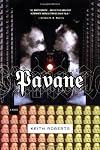
So I enjoyed this greatly. But I had to acknowledge that there was little here - beyond the conceit of the daemons - that I had not seen elsewhere. The big comparison I kept making was with Keith Roberts' Pavane, an alternate reality where Elizabeth I was assassinated and the Spanish Armada succeeded in returning England to the Catholic fold. That book pre-dates Pullman's work by 25 years or so; yet I've never had the impression that Pullman has ever been part of the science fiction community. Pullman achieved his status through his work with children's literature, and the plaudits for His Dark Materials arose from there. He himself does not speak of it as fantasy, but instead says it is "stark realism". The acclaim this book and the others in the trilogy have received is very much an expression of the cultural cringe there is in the UK about science fiction and fantasy; other books with similar themes are just as deserving of praise, but don't get it because of their labels. Part of that cultural cringe is authors denying their works the fantasy or SF label. On this, Philip Pullman must be guilty as charged. But that's not going to stop me carrying on reading the series. show less
I found the world-building far more detailed and intriguing than I expected. There is considerable detail shown of the world outside Pullman's England, apart from Svalbard; this is slipped effortlessly into the novel. There were a number of things that surprised me about the novel; Lyra is a far more feral child than the screen show more adaptations suggested, and I was also surprised that the novel did not strike me as exceptionally anti-religious. Indeed, we have a Catholic church firmly entrenched in Britain, albeit one with different instrumentalities - we appear to have the Magisterium instead of the Jesuits, for example. In this volume, Pullman doesn't really offer any opinion on the Church; the Magisterium and the General Oblation Board are certainly the baddies, but that's just religious politics. Anyone who believes this book to be anti-religious because it takes a dim view of religious politics has led a very sheltered life.
The setting could do with a little explanation. As an alternate reality, we assume that the story is set in the present day; but the description of the towns and cities, and the technology, suggest a setting more in line with the 1930s. (The film took the fantasy elements further and detached Pullman's world further from our own; the BBC TV adaptation back-dated the setting to something more like the 1950s.) Seeing as the Catholic Church is pre-eminent in this world, this suggests that Pullman is familiar with the Morton Hypothesis, that Catholicism has had a tendency to stifle scientific and technological advancement, and the nations of western Europe only achieved their technological advantages through embracing Protestantism.
Some reviewers have commented on the theme of child abuse in the book. It is only abuse in the terms of the novel - severing children from their daemons, the familiar spirit creatures that accompany everyone in this world - and although this is firmly in the fantasy portion of the work, by the time this is revealed Pullman has built up our understanding of the link between people (especially children) and their daemons so much that the prospect of severing that link is quite abhorrent. The explanation that Mrs Coulter, the sinister figure behind the General Oblation Board and the project to sever children from their daemons, gives Lyra is the justification for all the tortures the strong exercise on the weak "for their own good". Given that this is (or at least, was) a Young Adult book in intention, this illustration of the evils of those with power segregating people into camps and performing experiments on them is clear and no less powerful for being fictional.
Other characters - the leaders of the gyptians, the canal dwellers who spirit Lyra from London to Svalbard, for example - are exceptionally well drawn. Lord Asriel, heroic explorer and Lyra's uncle (we are told) is painted as romantic but distant to start with; accounts from the gyptians reinforce this picture. But things are seldom what they seem. Perhaps the character I personally enjoyed the most was the armoured bear, Iorek Byrnison. "Defend the right to arm bears!" says the t-shirt slogan, and Iorek is the personification (ursunification?) of this.
The gyptians have interesting antecedents. Many of them have Dutch or Greek family names, suggesting a far greater interchange between England and old Europe. The name itself is suggestive of the oral history the Roma people have for themselves. And there are descriptions of the Fens, and the North Sea beyond them, that suggest that the Dutch never assisted in the draining of the Fens in the Restoration period in this reality. The gyptians hold their meetings in a hall in the middle of the Fens, inaccessible on foot, that recalls Viking moot halls. And the North Sea (here, the 'German Sea') is described as shallow, suggesting that the frozen nature of the North lands has locked up a lot of water that in our world made Britain into an island defended by deep and turbulent seas.
So I enjoyed this greatly. But I had to acknowledge that there was little here - beyond the conceit of the daemons - that I had not seen elsewhere. The big comparison I kept making was with Keith Roberts' Pavane, an alternate reality where Elizabeth I was assassinated and the Spanish Armada succeeded in returning England to the Catholic fold. That book pre-dates Pullman's work by 25 years or so; yet I've never had the impression that Pullman has ever been part of the science fiction community. Pullman achieved his status through his work with children's literature, and the plaudits for His Dark Materials arose from there. He himself does not speak of it as fantasy, but instead says it is "stark realism". The acclaim this book and the others in the trilogy have received is very much an expression of the cultural cringe there is in the UK about science fiction and fantasy; other books with similar themes are just as deserving of praise, but don't get it because of their labels. Part of that cultural cringe is authors denying their works the fantasy or SF label. On this, Philip Pullman must be guilty as charged. But that's not going to stop me carrying on reading the series. show less
After a traumatic time with Harry Potter, I've been resisting further forays into kiddy fantasy. I've been the cat who desperately wanted the goldfish, looking at my wet paw in puzzled horror.
But then I got lured into the murky Pullman ocean by the Golden Compass film (it's not a compass, it's an alethiometer, dagnammit!) which was partly filmed in my (mainly) beloved Oxford. Though the brute of a film wasn't all it could have been, some aspects of the story intrigued me. Like Iofur Raknison, I now longed for a daemon of my own. A budgie perhaps.
My fumble into this allegory-laden adventure started well. I wanted to know about Dust and daemons and find out what on earth the mysterious Lord Asriel was up to. I liked Lyra and her youthful show more exuberance, her cheeky foot-stomping attitude. I was even creeped out by the golden monkey.
But somewhere along the line, Northern Lights lost my interest. Maybe the noble polar bears were a step to far. Maybe it was the thick bog of fancy name detail which always goes in one eye and out the other and leaves every tenth word meaningless. Perhaps I should give up reading fantasy all together and stick to Stephen Fry and Danny Wallace. Perhaps, contrary to previous musings, I ++am++ an imaginative failure.
I've been thinking about it.
Something nagged at me all the way through this book, and I've finally figured out what it was. This is a grown-up book with a child protagonist. Far more intellectually demanding than Mr Potter and his merry little wizards, this is a book that touches on the real world and the things that we all wonder about: God, sin, hope and desire. The nature of the universe. And what we get is a through-the-eyes-of-a-child nothing-really-makes-sense outlook. Well, maybe it doesn't. But stop letting the kids steal the limelight and give us grown-ups something to do? Please?
I ++liked++ Northern Lights. I read it all the way to the end and didn't skip any dull bits (there were a few - mainly the polar bears). It confirmed my suspicions that the film neglected huge chunks of good stuff. But that's all I can say. It wasn't the revelation I was hoping for. I still want a daemon though.
Apologies to any polar bears. show less
But then I got lured into the murky Pullman ocean by the Golden Compass film (it's not a compass, it's an alethiometer, dagnammit!) which was partly filmed in my (mainly) beloved Oxford. Though the brute of a film wasn't all it could have been, some aspects of the story intrigued me. Like Iofur Raknison, I now longed for a daemon of my own. A budgie perhaps.
My fumble into this allegory-laden adventure started well. I wanted to know about Dust and daemons and find out what on earth the mysterious Lord Asriel was up to. I liked Lyra and her youthful show more exuberance, her cheeky foot-stomping attitude. I was even creeped out by the golden monkey.
But somewhere along the line, Northern Lights lost my interest. Maybe the noble polar bears were a step to far. Maybe it was the thick bog of fancy name detail which always goes in one eye and out the other and leaves every tenth word meaningless. Perhaps I should give up reading fantasy all together and stick to Stephen Fry and Danny Wallace. Perhaps, contrary to previous musings, I ++am++ an imaginative failure.
I've been thinking about it.
Something nagged at me all the way through this book, and I've finally figured out what it was. This is a grown-up book with a child protagonist. Far more intellectually demanding than Mr Potter and his merry little wizards, this is a book that touches on the real world and the things that we all wonder about: God, sin, hope and desire. The nature of the universe. And what we get is a through-the-eyes-of-a-child nothing-really-makes-sense outlook. Well, maybe it doesn't. But stop letting the kids steal the limelight and give us grown-ups something to do? Please?
I ++liked++ Northern Lights. I read it all the way to the end and didn't skip any dull bits (there were a few - mainly the polar bears). It confirmed my suspicions that the film neglected huge chunks of good stuff. But that's all I can say. It wasn't the revelation I was hoping for. I still want a daemon though.
Apologies to any polar bears. show less
Looking for clever adventure, exciting writing, action, ideas, a book with a vision? Read Lyra's adventures.
Set in an alternative universe (complete with recognisable place names: Oxford, London, New France, New Denmark, etc) Philip Pullman's 'Northern Lights' tells the story of Lyra, an orphan & her daemon Pantalaimon. Raised by the scholars at Jordan Collage, Lyra terrorises the poor scholars and the Gyptians, and is often fighting with the other children of Oxford. When Lyra hides in the college Retiring Room, and stops her uncle, the impressive Lord Asriel, from being poisoned, she witnesses her uncle's presentation about the mysterious Dust, which unwittingly draws her into a dangerous quest to save the world.
Before being sent show more away to live with the beautiful Mrs Coulter in London to work as her personal assistant, Lyra is given the Alethiometer by the College Master - a compass like object, that measures the truth - which Lyra must learn to read, and which she believes she must take too her Uncle. Meanwhile, there are rumours about disappearing children spreading across the country. Kidnapped by 'Gobblers', the rumours suggest that these children are either being killed or sold to work as slaves in Tartar fire-mines. These kidnappings soon begin to affect Lyra's world, when the Gyptian child Billy Costa and Lyra's friend Roger disappear. But she soon forgets about this when she falls under the irresistible spell of the beautiful Mrs Coulter and her new life of shopping and make-up in London.
However, Lyra soon runs away from Mrs Coulter and London, when she begins to doubt Mrs Coulter's intentions and realises that she is somehow involved with 'The Gobblers'. After she is attacked on the streets and rescued by the Gyptians she learns that the canal-folk are planning to send a rescue party to the North, lead by their king, John Faa and the wise Farder Coram. Although, both Lord Faa and Farder Coram are originally weary of allowing Lyra to join them, her mastery of the Alethiometer means that they soon realise that she will be invaluable to them on their mission. So they begin their journey North where they enlist the help of a panserbjorne called Iorek Byrnison (a talking, armoured bear) and a Texan aeronaut (a hot air balloon pilot), Lee Scoresby, and where Lyra and her friends learn the terrible shocking truth behind 'the Gobblers' and both Lord Asriel's and Mrs Coulter's work.
Although 'Northern Lights' is unapologetically a children's book, it is much more intellectual and provocative than most other popular children's literature it is often compared to, such as Harry Potter. The book has religious and political undertones - Daemons are a visible 'soul', Pullman attacks organised religion, the characters are not black and white; you are never sure whether they are being helpful through altruism or for their own ends. It is also gruesome and violent in places, and Lyra's journey is far more perilous than most. By the time you reach its shocking conclusion you'll be rearing to learn more of Lyra's story.
'Northern Lights' provides a thrilling introduction to Philip Pullman's 'His Dark Materials' trilogy. I read it many years ago, and it is just as captivating on revisitng.
This is often referred to as a cross-over series: an adolescent series which is so good adults do not know whether it is still meant for children. Oh well. To quote the master himself: "If horses, dogs, cats or pigeons could read, they would be welcome to read my books too." show less
Set in an alternative universe (complete with recognisable place names: Oxford, London, New France, New Denmark, etc) Philip Pullman's 'Northern Lights' tells the story of Lyra, an orphan & her daemon Pantalaimon. Raised by the scholars at Jordan Collage, Lyra terrorises the poor scholars and the Gyptians, and is often fighting with the other children of Oxford. When Lyra hides in the college Retiring Room, and stops her uncle, the impressive Lord Asriel, from being poisoned, she witnesses her uncle's presentation about the mysterious Dust, which unwittingly draws her into a dangerous quest to save the world.
Before being sent show more away to live with the beautiful Mrs Coulter in London to work as her personal assistant, Lyra is given the Alethiometer by the College Master - a compass like object, that measures the truth - which Lyra must learn to read, and which she believes she must take too her Uncle. Meanwhile, there are rumours about disappearing children spreading across the country. Kidnapped by 'Gobblers', the rumours suggest that these children are either being killed or sold to work as slaves in Tartar fire-mines. These kidnappings soon begin to affect Lyra's world, when the Gyptian child Billy Costa and Lyra's friend Roger disappear. But she soon forgets about this when she falls under the irresistible spell of the beautiful Mrs Coulter and her new life of shopping and make-up in London.
However, Lyra soon runs away from Mrs Coulter and London, when she begins to doubt Mrs Coulter's intentions and realises that she is somehow involved with 'The Gobblers'. After she is attacked on the streets and rescued by the Gyptians she learns that the canal-folk are planning to send a rescue party to the North, lead by their king, John Faa and the wise Farder Coram. Although, both Lord Faa and Farder Coram are originally weary of allowing Lyra to join them, her mastery of the Alethiometer means that they soon realise that she will be invaluable to them on their mission. So they begin their journey North where they enlist the help of a panserbjorne called Iorek Byrnison (a talking, armoured bear) and a Texan aeronaut (a hot air balloon pilot), Lee Scoresby, and where Lyra and her friends learn the terrible shocking truth behind 'the Gobblers' and both Lord Asriel's and Mrs Coulter's work.
Although 'Northern Lights' is unapologetically a children's book, it is much more intellectual and provocative than most other popular children's literature it is often compared to, such as Harry Potter. The book has religious and political undertones - Daemons are a visible 'soul', Pullman attacks organised religion, the characters are not black and white; you are never sure whether they are being helpful through altruism or for their own ends. It is also gruesome and violent in places, and Lyra's journey is far more perilous than most. By the time you reach its shocking conclusion you'll be rearing to learn more of Lyra's story.
'Northern Lights' provides a thrilling introduction to Philip Pullman's 'His Dark Materials' trilogy. I read it many years ago, and it is just as captivating on revisitng.
This is often referred to as a cross-over series: an adolescent series which is so good adults do not know whether it is still meant for children. Oh well. To quote the master himself: "If horses, dogs, cats or pigeons could read, they would be welcome to read my books too." show less
I was 100% obsessed with Philip Pullman’s The Golden Compass when I was growing up (far more so than Harry Potter), so you best believe that I was super stoked to find out that this gem finally got a proper illustrated treatment. The story, obviously, remains the same complex and magical tale of discovery and adventure, but having illustrations to illuminate the text softens the story somewhat. That’s not to say that Chris Wormell’s illustrations are childish, but more so that they bring a lighter sense to the story in its darker moments. Pullman doesn’t shy away from challenging themes (parental abandonment, illicit government activity, and questioning authority), so while Wormell’s pictures show the story with accuracy, show more their simple woodcut line style and rich palette keep the tone more in line with Lyra’s curiosity, the glow of Dust, and the magic of childhood adventure – regardless of the high stakes. The Grimm’s-esque fairytale inspiration for the narration is strong for all that it is set in a modern and realistic world just a breath away from ours, and Wormell’s woodcut style drawings tread the same careful line of harkening back to a childish innocence with darker undertones. I’m definitely planning on picking up the rest of this illustrated sequence to round out my bookshelf, since this is a perfect pairing! show less
Members
- Recently Added By
Lists

Best Fantasy Novels
821 works; 361 members

Read the book and saw the movie
1,170 works; 195 members

Best Young Adult
399 works; 101 members

501 Must-Read Books
529 works; 71 members

1001 Children's Books You Must Read Before You Grow Up
774 works; 101 members

Read the Book, Hated the Movie
30 works; 25 members

NPRs your favorites: 100 Best Ever Teen Novels
237 works; 49 members
NPRs Ultimate Backseat Bookshelf: 100 Must-Reads for kids 9-14
222 works; 30 members

Children's Fantasy
73 works; 10 members
Best Children's Books You've Read
197 works; 75 members
Best of British Literature
226 works; 41 members

Favourite Steampunk Books
80 works; 16 members
Favorite Childhood Books
1,646 works; 518 members
Best Books About Journeys and Quests
117 works; 30 members

Stories About Other Worlds
145 works; 13 members

Female Protagonist
1,056 works; 57 members

Banned Books Week 2014
268 works; 63 members

Recommend the 20 best books you've read in the last five years
2,168 works; 601 members
BBC Big Read
191 works; 45 members
Favourite Books
1,819 works; 309 members

20th Century Literature
1,161 works; 54 members
Fantasy novels with a female protagonist
76 works; 15 members

Nineties
43 works; 10 members

Best Adventure Stories
66 works; 15 members

Amazon's 100 Science Fiction & Fantasy Books to Read in a Lifetime
87 works; 23 members

The Guardian's 100 greatest novels of all time
100 works; 16 members

Books I've Read More Than Once
602 works; 49 members

Carnegie Medal books I've read (shortlist and winners)
86 works; 16 members
Comfort Reads
221 works; 41 members
1990s
309 works; 17 members
Survey of Fantasy Classics
111 works; 22 members
Books tagged favorites
390 works; 30 members
The 100 Best Fantasy Books of All Time
100 works; 15 members
Religion in Fantasy and Horror
38 works; 9 members

Favourite Science Fantasy Books
49 works; 6 members

Childhood Favorites
427 works; 24 members
LibraryThingers' 1001 Books You Must Read Before You Die
442 works; 30 members
Speculative Fiction to Read
706 works; 32 members

Most Popular Young Adult Lit on LT
100 works; 4 members
One Book, Many Authors
441 works; 40 members

Satori Smiles Children's Book List
262 works; 7 members
Page Turners
185 works; 11 members

Favorite Books from the 1990s
32 works; 3 members

Steampunk
13 works; 1 member
Favorite Long Books
330 works; 42 members

Books Read in 2023
5,547 works; 145 members

Main Character is aged 10-19
361 works; 6 members

Children's Classics Worth Reading
68 works; 9 members

SantaThing 2014 Gifts
299 works; 17 members

Sarah's Wish List
48 works; 1 member

Most Frequently Tagged "Read in 2015"
70 works; 1 member

Readers Guide to Steampunk
65 works; 1 member
Literature About Women and Girls
394 works; 39 members
Folio Society
831 works; 53 members

Unread books
1,063 works; 83 members
Books With Our Favorite First Lines
168 works; 104 members

Mustich's 1000 Books to Read Before You Die: A Life Changing List
1,001 works; 19 members

Hazel & Katniss & Harry & Starr Podcast
195 works; 1 member

What are your favourite books?
121 works; 11 members

Tagged by Tim or Meh!
91 works; 9 members

Best Science Fiction Novels
816 works; 426 members

BBC World Book Club
265 works; 5 members

Carnegie Medal Winners In Order
85 works; 1 member
Stories set in the Polar Regions
33 works; 3 members

Books Read in 2009
464 works; 11 members

Books Read in 2001
194 works; 4 members
Books Read in 2012 (Numbered)
168 works; 6 members

Blackwell's Five Foot Bookshelf
72 works; 4 members
Witchy Fiction
253 works; 126 members

Books recommended by Calgary Public Library staff
1,588 works; 4 members

Books Read in 2006
421 works; 8 members

Read in 2010
48 works; 1 member

A Good Read (Radio 4)
221 works; 1 member

Goalhanger Book Club
18 works; 1 member

Fiction With Familiar Settings
280 works; 93 members

Top Five Books of 2025
954 works; 303 members

Books Read in 2025
4,091 works; 97 members

Favorite Kids Books (chapter, middle grade)
168 works; 4 members
Books We Want To Read Again For The First Time
384 works; 160 members
Book Worlds We'd Like To Visit
322 works; 158 members
Little Library finds
87 works; 2 members
Our Favorite Comfort Reads
334 works; 200 members

Lista d2
21 works; 1 member
Stories Featuring Passages, Gateways and Doors
39 works; 11 members

Recommended Reading : 600 Classics Reviewed, Editors of Salem Press, 2015
634 works; 6 members
'Books You Can't Live Without: The Top 100', The Guardian, 2007
156 works; 7 members
Books We Love to Reread
688 works; 296 members
Banned or Challenged Books
400 works; 41 members
Scientific experiments (sci-fi, fantasy, realistic) - children's/YA fiction
15 works; 4 members

Books Read in 2020
4,379 works; 123 members

Books Set in the Polar Regions
16 works; 6 members
Witches and Wizards Oh My
135 works; 11 members

Top Five Books of 2015
811 works; 241 members

Children's Mystery
43 works; 5 members
Children's Science Fiction
33 works; 3 members
Allie's Favourite 150 Books
145 works; 3 members

KayStJ's to-read list
1,616 works; 11 members

BBC Radio 4 Bookclub
340 works; 13 members
Novels featuring Fathers
56 works; 7 members
Puffin Books 70th anniversary handbook recommendations
537 works; 10 members

British Mystery
469 works; 14 members
Kidnapping -- children's/young adult fiction
598 works; 3 members
BingoDOG - Genre Benders
74 works; 14 members

Religious Fiction
58 works; 13 members
Read These Too
458 works; 9 members

Books Read in 2014
2,343 works; 86 members

Books About Girls
219 works; 17 members

100 New Classics
101 works; 13 members

Unshelved Book Clubs
579 works; 5 members

Books Read in 2010
631 works; 10 members

al.vick-series
381 works; 2 members
Survey of Classic Science Fiction
171 works; 48 members
Overdue Podcast
806 works; 9 members

Books Read in 2019
4,052 works; 110 members
Best Books of the 20th Century
193 works; 5 members
Speculative Fiction
40 works; 2 members

Books Read in 2018
4,360 works; 110 members

Reading history in Children's Books
78 works; 3 members
Stories of Good Versus Evil
22 works; 7 members

Books Read in 2017
4,249 works; 129 members

Books Read in 2003
257 works; 7 members
Best Books About Animals
143 works; 48 members

A Rainbow of Books: Colors in the Title
570 works; 24 members
Read
28 works; 1 member

Mind-Benders: Fiction that Hurts Your Head
34 works; 8 members

children's/y.a. reclist
43 works; 2 members

World Book Club (BBC World Service)
112 works; 1 member
Talk Discussions
Past Discussions
Book Discussion: The Golden Compass - Contains SPOILERS! Finish the book first! in The Green Dragon (April 2023)
Book Discussion: The Golden Compass - SPOILER FREE thread in The Green Dragon (December 2007)
Author Information

89+ Works 150,948 Members
Philip Pullman was born in Norwich on October 19, 1946. He graduated from Oxford University with a degree in English. He taught at various Oxford middle schools and at Westminster College for eight years. He is the author of many acclaimed novels, plays, and picture books for readers of all ages. His first book, Count Karlstein, was published in show more 1982. His other books include: The Firework-Maker's Daughter; I Was a Rat!; Clockwork or All Wound Up; and The Good Man Jesus and the Scoundrel Christ. He is also the author of the Sally Lockhart series and the His Dark Materials Trilogy. He is the author of The Book of Dust, volume 1. He has received numerous awards including the Carnegie Medal and the Guardian Fiction Award for Northern Lights (The Golden Compass), the Whitbread Book of the Year Award for The Amber Spyglass, the Eleanor Farjeon Award for children's literature in 2002, and the Astrid Lindgren Award in 2005. (Bowker Author Biography) show less
All Editions
Some Editions
Awards and Honors
Awards
Distinctions
Notable Lists
Whitcoulls Top 100 Books (64 – 2008)
Whitcoulls Top 100 Books (85 – 2010)
Series

Belongs to Publisher Series
Work Relationships
Common Knowledge
- Canonical title
- Northern Lights
- Original title
- The Golden Compass
- Alternate titles
- The Golden Compass (US title) (US title)
- Original publication date
- 1995; 1995 (1e édition originale anglaise) (1e é | dition originale anglaise); 1998 (1e traduction et édition française, Gallimard) (1e traduction et é | dition franç | aise, Gallimard); 2018-05 (Nouvelle édition reformatée française, Gallimard) (Nouvelle é | dition reformaté | e franç | aise, Gallimard); 2022-10-20 (Nouvelle édition française Luxe illustrée, Gallimard Jeunesse) (Nouvelle é | dition franç | aise Luxe illustré | e, Gallimard Jeunesse)
- People/Characters
- Lyra Belacqua; Pantalaimon (dæ | mon); Marisa Coulter; Lord Asriel; Iorek Byrnison; Roger Parslow (show all 80); Lee Scoresby; Serafina Pekkala; John Faa; Farder Coram; Tony Makarios; Billy Costa; Ma Costa; Iofur Raknison; Stelmaria (dæ | mon); Adam Stefanski; Carlo Boreal (Lord); Mr Cawson (Steward); Wren (Butler); Shuter (Porter); Thorold; Charles (librarian); Adèle Starminster; P. Trelawney (Palmerian Professor); Adriaan Braks; Hugh Lovat; Simon Parslow; Captain Magnusson; Annie; Bella; Benjamin de Ruyter; Father Heyst (the Intercessor); Bernie Johansen; Bridget McGinn; Alice Lonsdale (Mrs Lonsdale); Hannah Relf (Dame); J. C. B. Carborn (Colonel); Leonard Broken Arrow (Dr); Charlie (gyptian); Cousins; Dirk Vries; Jotham Santelia; The Golden Monkey (dæ | mon); Dr Cooper; Martin Lanselius; Jacob Huismans; Jaxer Costa; Kaisa (dæ | mon); Kerim Costa; Margaret (gyptian); Martha; Michael Canzona; Nell (gyptian); Nicholas Rokeby; Docker (Professor); Raymond van Gerrit; Roger van Poppel; Simon Hartmann; Sister Betty; Sister Clara; Søren Eisarson; The Dean; Dr Carne (The Master); The Sun-Rector; The Tillerman; Tony Costa; Anfang (dæ | mon); Salcilia (dæ | mon); Ratter (dæ | mon); Sophonax (dæ | mon); Jerry; Belisaria (dæ | mon); The Cassington Scholar; Stanislaus Grumman; The Sub-Rector; The Precentor; The Chaplain; Jesper (dæ | mon); Dick Orchard; Kyrillion (dæ | mon)
- Important places
- Oxford, Oxfordshire, England, UK; Svalbard, Norway; London, England, UK; Bolvangar; Norroway; Arctic Regions (show all 16); Brytain; Jericho, Oxford, Oxfordshire, England, UK; Colby, England, UK; University of Oxford, Oxford, Oxfordshire, England, UK (Jordan College); Oxfordshire, England, UK; The Zaal, Byanplats, the Fens, East Anglia, Brytain; Byanplats, the Fens, East Anglia, Brytain; Trollesund, Lapland; Jordan College, Oxford, Oxfordshire, England, Brytain (fictitious); London, England, Brytain (fictitious)
- Related movies
- The Golden Compass (2007 | IMDb | Chris Weitz); His Dark Materials (2019 | IMDb)
- Epigraph
- Into this wild abyss,
The womb of nature and perhaps her grave,
Of neither sea, not shore, nor air, nor fire,
But all these in their pregnant causes mixed
Confusedly, and which thus must ever fight,
Unless t... (show all)he almighty maker them ordain,
His dark materials to create more worlds,
Into this wild abyss the wary fiend
Stood on the brink of hell and looked a while,
Pondering his voyage...
— John Milton, Paradise Lost, Book II - First words
- Lyra and her dæmon moved through the darkening hall, taking care to keep to one side, out of sight of the kitchen.
- Quotations
- We are all subject to the fates. But we must all act as if we are not...or die of despair.
...this was in the seventeenth century. Symbols and emblems were everywhere. Buildings and pictures were designed to be read like books. Everything stood for something else.; if you had the right dictionary you could read Nat... (show all)ure itself. - Last words
- (Click to show. Warning: May contain spoilers.)So Lyra and her dæmon turned away from the world they were born in and looked toward the sun, and walked into the sky.
- Blurbers
- Brooks, Terry; Alexander, Lloyd; Lowry, Lois
- Original language
- English
- Canonical DDC/MDS
- 813.6
- Canonical LCC
- PZ7.P968
- Disambiguation notice
- Originally published as Northern lights in the UK and in the USA as The golden compass (from a title submitted to the publisher). Translations into other languages have used both, including Het noorderlicht... (show all)i> (Dutch), La bussola d'oro (Italian) and Der goldene Kompass (German).
This is the record for the unabridged book and associated unabridged audio-books. Other versions, including abridgements, the BBC radio drama (... (show all)2003), the movie (2007), the TV series (2019), each have their own records. Please distinguish between them.
Classifications
- Genres
- Fantasy, Fiction and Literature, Teen, Kids, Young Adult
- DDC/MDS
- 813.6 — Literature & rhetoric American literature in English American fiction in English 2000-
- LCC
- PZ7 .P968 — Language and Literature Fiction and juvenile belles lettres Fiction and juvenile belles lettres Juvenile belles lettres
- BISAC
Statistics
- Members
- 40,141
- Popularity
- 74
- Reviews
- 792
- Rating
- (4.07)
- Languages
- 34 — Catalan, Czech, Danish, Dutch, English, Estonian, Finnish, French, German, Galician, Greek, Hebrew, Hungarian, Icelandic, Indonesian, Italian, Japanese, Korean, Lithuanian, Norwegian (Bokmål), Norwegian, Polish, Romanian, Russian, Croatian, Slovak, Slovenian, Spanish, Swedish, Turkish, Portuguese (Portugal), Portuguese (Brazil), Chinese, traditional, Piratical
- Media
- Paper, Audiobook, Ebook
- ISBNs
- 297
- UPCs
- 2
- ASINs
- 110