On This Page
Description
In a world where select people can enter "The Place" and find dreams of every kind to share with others for a fee, a fifteen-year-old girl is training to be a dreamhunter when her father disappears, leaving her to carry on his mysterious mission.Tags
Recommendations
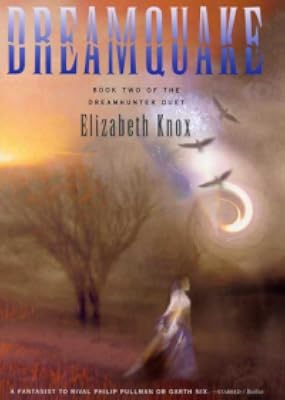

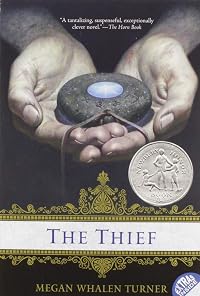
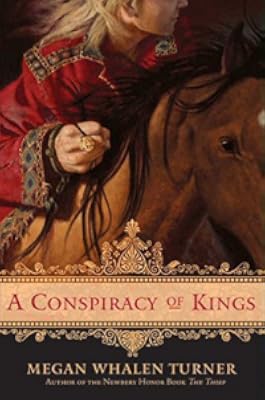
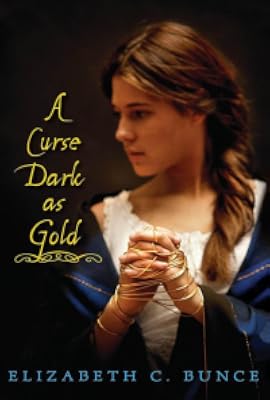
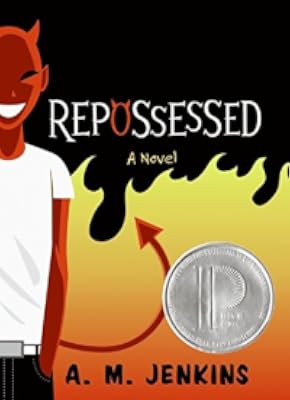


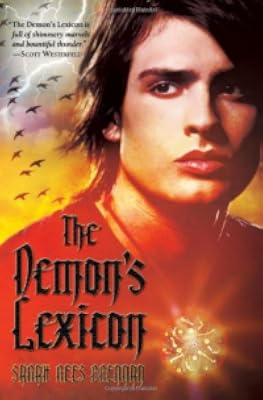
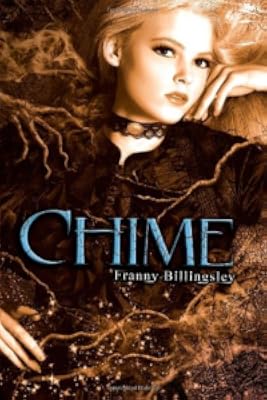
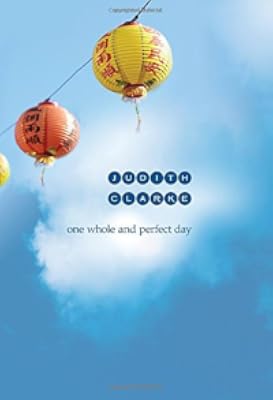
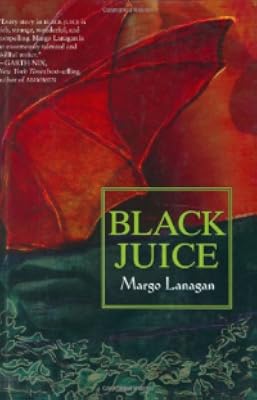
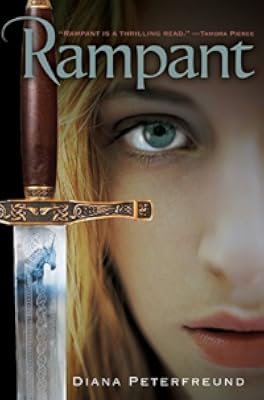
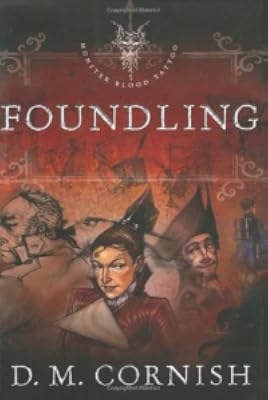
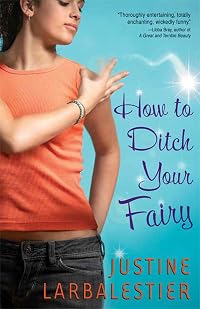
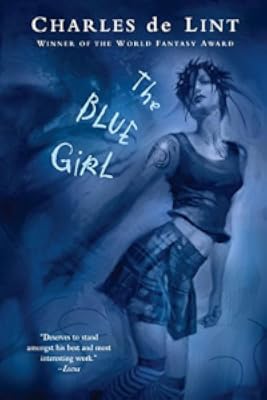


Member Recommendations
Member Reviews
On the island nation of Southland - a sort of alternative New Zealand settled by immigrants from both Britain and the Aegean island of Elprus - a strange phenomenon had been discovered. "The Place," as it was known, was an alternate dimension, existing alongside the everyday one in the Rifleman Mountains, and accessible only to a few. A strange, dusty world, constantly illuminated by a diffuse light, it was a source of incredible dreams - dreams that could be harvested by those known as Dreamhunters, brought out into the larger world of Southland, and transmitted to others. And so an industry was born, as dream parlors and dream palaces flourished, and an entire infrastructure developed - all regulated by the Intangible Resources Act, show more and enforced by the Dream Regulatory Body.
In 1906, some twenty years after the discovery of The Place by a violinist named Tziga Hame, whose family came from Elprus, and were reputedly descended from Lazarus (ie, Lazarus of Bethany), Dreamhunter opens, following the story of the extended Hame/Tiebold family, and focusing on two young women: Laura Hame, daughter of the famed Tziga, and her cousin Rose Tiebold, daughter of another famed Dreamhunter, Grace Tiebold. As the girls prepare for their Try - in which they test whether they can enter The Place, and possibly become Dreamhunters themselves - their world is shaken by a series of tragic and terrifying events. Tziga, under contract to the Department of Corrections to supply "Think Again Dreams" for prisoner rehabilitation, disappears; only one of the cousins (despite their strong expectations otherwise) is able to enter the place; and a sinister conspiracy, one involving the use of dreams and Dreamhunters to influence the political life of the nation, emerges. As each member of this close-knit family struggles with larger issues, they must also contend with the changing nature of their familial bonds, and their relationships with one another.
Thought-provoking, original, and - in the end - deeply moving, Dreamhunter is a book I would recommend to readers who enjoy fantasy with a little philosophical heft. So many fascinating questions are raised, in the course of the story, from the nature of dreams themselves, to the proper response to state misconduct. I appreciated the fact that Knox does not always depict her characters as knowing the correct (or any) answers to these questions, or following the correct path. In fact, the entire final sequence, in which Laura commits an act of mass brutality and dream terrorism, at the behest of her missing father, points to the fact that these characters are anything but generic cookie-cutter cut-outs, firmly in either the "good guy" or "bad guy" camp. On the contrary, Knox's characters, from the Hames and Tiebolds, to figures like Mamie and Cas Doran, are complex and true-to-life, and witnessing their interaction with one another, the ways that they negotiate their ever-changing relationships, is one of the great joys of the story.
I thought Knox brilliantly captured the surreal quality of dreams, and the dream-world in this first entry in her Dreamhunter Duet. In fact, she captured that feeling almost too well, something that created a sense, not of being repelled, in the course of my reading, but of being slowed (sometimes almost to a crawl). I found it difficult to read as quickly as I would have, if this had been any other book, as I needed to savor, and to think about what I was reading. I found that I simply couldn't race through it, as I've done with so many other, more plot-centric stories, but really had to think about what Knox was depicting. I found her use of the Lazarus character, and of the golem-like Nown, immensely fascinating, as it raised additional questions about the nature of creation, and of the (porous) division between humanity and divinity: What does it mean, to create a being? What obligations do the creator and created have, to one another?
It is this last - the questions raised by the creation of the sandman Nown (and what an inspired thing, that he is a sandman, when one considers that this is also a tale about dreaming) - that really makes the story stand out to me, from an emotional perspective. I found the exchanges between Laura and Nown to be immensely moving, as Laura seeks to understand her creation - how he thinks, why he responds the way he does - and comes to love him. There is a distinct effort being made here - nothing comes naturally, or free from strain - knowledge has to be won, after a struggle. And I think that is true for the reader as well: there is a struggle involved, in reading this book... but by the end, I was convinced that it was worth the effort. show less
In 1906, some twenty years after the discovery of The Place by a violinist named Tziga Hame, whose family came from Elprus, and were reputedly descended from Lazarus (ie, Lazarus of Bethany), Dreamhunter opens, following the story of the extended Hame/Tiebold family, and focusing on two young women: Laura Hame, daughter of the famed Tziga, and her cousin Rose Tiebold, daughter of another famed Dreamhunter, Grace Tiebold. As the girls prepare for their Try - in which they test whether they can enter The Place, and possibly become Dreamhunters themselves - their world is shaken by a series of tragic and terrifying events. Tziga, under contract to the Department of Corrections to supply "Think Again Dreams" for prisoner rehabilitation, disappears; only one of the cousins (despite their strong expectations otherwise) is able to enter the place; and a sinister conspiracy, one involving the use of dreams and Dreamhunters to influence the political life of the nation, emerges. As each member of this close-knit family struggles with larger issues, they must also contend with the changing nature of their familial bonds, and their relationships with one another.
Thought-provoking, original, and - in the end - deeply moving, Dreamhunter is a book I would recommend to readers who enjoy fantasy with a little philosophical heft. So many fascinating questions are raised, in the course of the story, from the nature of dreams themselves, to the proper response to state misconduct. I appreciated the fact that Knox does not always depict her characters as knowing the correct (or any) answers to these questions, or following the correct path. In fact, the entire final sequence, in which Laura commits an act of mass brutality and dream terrorism, at the behest of her missing father, points to the fact that these characters are anything but generic cookie-cutter cut-outs, firmly in either the "good guy" or "bad guy" camp. On the contrary, Knox's characters, from the Hames and Tiebolds, to figures like Mamie and Cas Doran, are complex and true-to-life, and witnessing their interaction with one another, the ways that they negotiate their ever-changing relationships, is one of the great joys of the story.
I thought Knox brilliantly captured the surreal quality of dreams, and the dream-world in this first entry in her Dreamhunter Duet. In fact, she captured that feeling almost too well, something that created a sense, not of being repelled, in the course of my reading, but of being slowed (sometimes almost to a crawl). I found it difficult to read as quickly as I would have, if this had been any other book, as I needed to savor, and to think about what I was reading. I found that I simply couldn't race through it, as I've done with so many other, more plot-centric stories, but really had to think about what Knox was depicting. I found her use of the Lazarus character, and of the golem-like Nown, immensely fascinating, as it raised additional questions about the nature of creation, and of the (porous) division between humanity and divinity: What does it mean, to create a being? What obligations do the creator and created have, to one another?
It is this last - the questions raised by the creation of the sandman Nown (and what an inspired thing, that he is a sandman, when one considers that this is also a tale about dreaming) - that really makes the story stand out to me, from an emotional perspective. I found the exchanges between Laura and Nown to be immensely moving, as Laura seeks to understand her creation - how he thinks, why he responds the way he does - and comes to love him. There is a distinct effort being made here - nothing comes naturally, or free from strain - knowledge has to be won, after a struggle. And I think that is true for the reader as well: there is a struggle involved, in reading this book... but by the end, I was convinced that it was worth the effort. show less
I find this duology ("duet") delightful; this reread is courtesy of having bought my own copies so I can read it whenever I like.
The story follow two coming-of-age cousins and their interactions with society and with "the Place", where dreams can be harvested for use by those with the talent. It's set in an analogy of an early twentieth-century Euro-colony (I've seen reviewers assume it's the US; as an Antipodean knowing Elizabeth Knox is a fellow Antipodean, I always assumed it was One Of Us Down South - ETA: it certainly is, as they have Christmas in summer).
It engages authentically (for me) with both the trappings of colonialism, and the freedom of distance that comes with it, but that isn't its primary focus (and that's one element show more of why I tend to "let it off" on the question of the absent natives). Mostly, this book is concerned with examining privilege, and that comes in many flavours and aspects. There's the privilege of the dreamhunters, but also the privilege of those whose only engagement with dreams is the consumption (who are sheltered from the reality of those dreams). There's the privilege of wealth, the privilege of authority, the privilege of a loving family. Also elements of looking at both the privilege of being an adult (being taken seriously?), the privilege of being a child (being looked after?), and the journey between those two privileges that forms part of coming of age, and the various ways in which Rose and Laura, because of all their differences, have to negotiate that.
It's also about relationships, and how they cannot remain static if they are to remain vibrant and strong and real, and about consequences, and about what makes a person a person and who deserves autonomy. It's all of these things, and also lushly written, with lavish, poetic detail (that may make the story drag for more action-focused readers, but lulled me deeply into the embrace of the narrative) and intricate characters who are such people.
To return to point: I love it. The world is winter morning air crisp and papercut real, the characters grow and twist and tug at my heart, and the mysteries that it starts to lay out (and pulls tight in the second volume) are enthralling. This, for me, is excellent fiction that just happens to be YA. show less
The story follow two coming-of-age cousins and their interactions with society and with "the Place", where dreams can be harvested for use by those with the talent. It's set in an analogy of an early twentieth-century Euro-colony (I've seen reviewers assume it's the US; as an Antipodean knowing Elizabeth Knox is a fellow Antipodean, I always assumed it was One Of Us Down South - ETA: it certainly is, as they have Christmas in summer).
It engages authentically (for me) with both the trappings of colonialism, and the freedom of distance that comes with it, but that isn't its primary focus (and that's one element show more of why I tend to "let it off" on the question of the absent natives). Mostly, this book is concerned with examining privilege, and that comes in many flavours and aspects. There's the privilege of the dreamhunters, but also the privilege of those whose only engagement with dreams is the consumption (who are sheltered from the reality of those dreams). There's the privilege of wealth, the privilege of authority, the privilege of a loving family. Also elements of looking at both the privilege of being an adult (being taken seriously?), the privilege of being a child (being looked after?), and the journey between those two privileges that forms part of coming of age, and the various ways in which Rose and Laura, because of all their differences, have to negotiate that.
It's also about relationships, and how they cannot remain static if they are to remain vibrant and strong and real, and about consequences, and about what makes a person a person and who deserves autonomy. It's all of these things, and also lushly written, with lavish, poetic detail (that may make the story drag for more action-focused readers, but lulled me deeply into the embrace of the narrative) and intricate characters who are such people.
To return to point: I love it. The world is winter morning air crisp and papercut real, the characters grow and twist and tug at my heart, and the mysteries that it starts to lay out (and pulls tight in the second volume) are enthralling. This, for me, is excellent fiction that just happens to be YA. show less
Imagine a huge area of land which only few can ever see. A location without water or fire, with unchanging climate, without night. This is the Place. Here a select few are able to catch dreams, which can be brought back and sold for profit. 15-year-olds Laura and Rose are preparing to Try, when they will discover whether they have any aptitude for dreamhunting. But, in the course of the story, Laura discovers things more deeply disturbing than mere dreams…
This book somehow captures the eerie mixture of realism and impossibility that characterises dreams. Many things in the story are ordinary, even typical: jealous teenagers, ambitious politicians, parents unable to spend more time with their offspring. The whole concept of the Place show more is so unlikely, yet the story and its characters (and by extension, the reader) take it in their stride, in much the same way as many dreamers are unsurprised to find that they have always been able to fly.
The history and economy of dreamhunting is explained throughout the story: who discovered the Place and how, and how the dream palaces (where fashionable society gather to partake of the dreamhunters’ wares) and the Dream Regulatory Body came to be set up. The story is set at a time when dreamhunting and its commerce is still a relatively new phenomenon, having been ‘discovered’ only a generation previously. This of course implies that not everything is established: there is still room for newcomers to find new ways of doing things.
In contrast to the developing spectacle of dreamhunting, there is also a much more established magic in the narrative. It is the heritage of generations of the Hame family to be able to speak the chant and create a servant from the earth. Laura, the reluctant inheritor of this talent, finds herself becoming increasingly dependent on the servant who initially terrified her.
It is significant that the two principal characters in this story are aged fifteen. Both Rose and Laura have aspects of maturity, and experience the conflict of being not quite independent, not quite fully developed, while processing adult ideas. For the dreamhunter, this is even more pronounced: the law allows that, once licensed, a dreamhunter is no longer a minor, and can live independently. This is supposedly to protect new dreamhunters from family greed, but it also serves to isolate those new to this weird profession from everything else that has been familiar to them until now.
It seems natural that a story based around dreaming must also include nightmarish episodes, and the author does not disappoint this expectation. The heroine, in her father’s dying wish, is instructed to “catch the dreadful dream” and share it with the society who have become so reliant on the dream trade. The reader is not spared a detailed account of what this dream entails: it really is the kind of thing many would describe as their worst nightmare. Unexpectedly, it is this nightmare that becomes the climactic episode in the story; although it is a resolution it is a far cry from a happy ending. Many other aspects of the story remain unresolved by the end of the book, presumably to be settled in the sequel, Dreamquake. show less
This book somehow captures the eerie mixture of realism and impossibility that characterises dreams. Many things in the story are ordinary, even typical: jealous teenagers, ambitious politicians, parents unable to spend more time with their offspring. The whole concept of the Place show more is so unlikely, yet the story and its characters (and by extension, the reader) take it in their stride, in much the same way as many dreamers are unsurprised to find that they have always been able to fly.
The history and economy of dreamhunting is explained throughout the story: who discovered the Place and how, and how the dream palaces (where fashionable society gather to partake of the dreamhunters’ wares) and the Dream Regulatory Body came to be set up. The story is set at a time when dreamhunting and its commerce is still a relatively new phenomenon, having been ‘discovered’ only a generation previously. This of course implies that not everything is established: there is still room for newcomers to find new ways of doing things.
In contrast to the developing spectacle of dreamhunting, there is also a much more established magic in the narrative. It is the heritage of generations of the Hame family to be able to speak the chant and create a servant from the earth. Laura, the reluctant inheritor of this talent, finds herself becoming increasingly dependent on the servant who initially terrified her.
It is significant that the two principal characters in this story are aged fifteen. Both Rose and Laura have aspects of maturity, and experience the conflict of being not quite independent, not quite fully developed, while processing adult ideas. For the dreamhunter, this is even more pronounced: the law allows that, once licensed, a dreamhunter is no longer a minor, and can live independently. This is supposedly to protect new dreamhunters from family greed, but it also serves to isolate those new to this weird profession from everything else that has been familiar to them until now.
It seems natural that a story based around dreaming must also include nightmarish episodes, and the author does not disappoint this expectation. The heroine, in her father’s dying wish, is instructed to “catch the dreadful dream” and share it with the society who have become so reliant on the dream trade. The reader is not spared a detailed account of what this dream entails: it really is the kind of thing many would describe as their worst nightmare. Unexpectedly, it is this nightmare that becomes the climactic episode in the story; although it is a resolution it is a far cry from a happy ending. Many other aspects of the story remain unresolved by the end of the book, presumably to be settled in the sequel, Dreamquake. show less
I can't remember how I found this book; I believe I ran across one of the author's other titles at work, thought it looked interesting, and checked out the rest of her back catalogue. However it happened I'm very glad that it did, because this is the best thing I have read in a long, long time.
Fifteen-year-old Laura and her cousin Rose inhabit a world very much like our own – they have Jesus, 'The Mill on the Floss', demotic Greek, hockey. They also have the Gospel of St Lazarus, and the Place: a pocket of land, a fold in the universe, unmeasurable and inaccessible to all but the very few and most elite – the Dreamhunters. The Place is a world where dreams are marked at map locations; Dreamhunters cross the border at one of two show more points, sleep in a specific area, catch the dream that has its existence there, and take it back to share with a paying audience. For this is 1906 and, in this world, dreams are what cinema became in ours – more, because each dreamer experiences the dream as their own. There are dreams of healing, dreams of adventure, dreams of peace, dreams of romance – Rose's mother, Grace, specialises in these – and, although Laura is initially unaware of this, there are nightmares, too, and Laura's father, Tziga Hame, the Dreamhunter who first stumbled (literally) upon the Place some twenty years before, has his own dark trade in these. When he vanishes, he leaves Laura this legacy, along with a duty to repair the damage he's done. He also leaves her a strange companion to help her with this burden.
We end on a shocking climax; this is part one of a two-part story, continued in 'The Dream Quake', which I am impatiently waiting for the postman to bring me any … day … now.
Dense, complex, and beautiful: I don't have the words to do justice to this story. I only wish I did.
It isn't just the storyline that sets 'The Rainbow Opera' apart: there's something unique and distinctive about its voice that I can't define. The only thing I can think of is that the author's from New Zealand and that perhaps her background and experience colour the narrative in a way that's slightly alien to my understanding.
This is one of the best and most original fantasies, YA or other, that I've read in years. In a world where 'Harry Potter' and 'Twilight' dominate the bestsellers charts, how is it possible that I only stumbled upon this wonderful book by accident?
Read it. Please. And then come and talk to me about it. show less
Fifteen-year-old Laura and her cousin Rose inhabit a world very much like our own – they have Jesus, 'The Mill on the Floss', demotic Greek, hockey. They also have the Gospel of St Lazarus, and the Place: a pocket of land, a fold in the universe, unmeasurable and inaccessible to all but the very few and most elite – the Dreamhunters. The Place is a world where dreams are marked at map locations; Dreamhunters cross the border at one of two show more points, sleep in a specific area, catch the dream that has its existence there, and take it back to share with a paying audience. For this is 1906 and, in this world, dreams are what cinema became in ours – more, because each dreamer experiences the dream as their own. There are dreams of healing, dreams of adventure, dreams of peace, dreams of romance – Rose's mother, Grace, specialises in these – and, although Laura is initially unaware of this, there are nightmares, too, and Laura's father, Tziga Hame, the Dreamhunter who first stumbled (literally) upon the Place some twenty years before, has his own dark trade in these. When he vanishes, he leaves Laura this legacy, along with a duty to repair the damage he's done. He also leaves her a strange companion to help her with this burden.
We end on a shocking climax; this is part one of a two-part story, continued in 'The Dream Quake', which I am impatiently waiting for the postman to bring me any … day … now.
Dense, complex, and beautiful: I don't have the words to do justice to this story. I only wish I did.
It isn't just the storyline that sets 'The Rainbow Opera' apart: there's something unique and distinctive about its voice that I can't define. The only thing I can think of is that the author's from New Zealand and that perhaps her background and experience colour the narrative in a way that's slightly alien to my understanding.
This is one of the best and most original fantasies, YA or other, that I've read in years. In a world where 'Harry Potter' and 'Twilight' dominate the bestsellers charts, how is it possible that I only stumbled upon this wonderful book by accident?
Read it. Please. And then come and talk to me about it. show less
Really, really enjoyed this. I think if you are going to write about dreams and dreaming then I really want some flavor of strangeness, of dream logic, of a world altered. I got it here. Lovely prose, strange half understood things, and a golem for goodness sakes, what more could I want?
Between Elizabeth Knox, and Garth Nix I think I'm going to have to start paying more attention to authors from down under! And I've already got the second book of the duet on hold at the library.
Between Elizabeth Knox, and Garth Nix I think I'm going to have to start paying more attention to authors from down under! And I've already got the second book of the duet on hold at the library.
Dreamhunter is a YA fantasy that takes the genre back to its roots. Gone are the paranormal creatures that we know so well—Dreamhunter introduces a completely new concept. Elizabeth Knox blends the historical setting with the fantasy elements effortlessly, and the world she builds is absolutely incredible. The history of the Place and the dreamhunters is laid out expertly in the first few chapters, and every part of the story is described with vivid imagery.
Some readers may give up initially because of the dense and very descriptive prose (Knox’s style is more like that of an adult fantasy than a YA), but the story is completely worth the extra time required to read Dreamhunter. The characters are memorable (especially the adults), show more and the political intrigue is just that—intriguing.
This is my second read-through of Dreamhunter, and I have also read the sequel, Dreamquake. It’s true that Dreamhunter ends on a nasty cliffhanger, so readers will definitely be eager for the second installment. Because I have read Dreamquake, I will say that if you’re thinking about skipping the sequel, DON’T. Dreamquake answers all the questions left unanswered in the first book, and the twists in the story are almost mind-blowing.
To sum things up, I most definitely recommend Dreamhunter. It’s a fantastic YA fantasy, and I absolutely love it (Really. I sing its praises in real life, too). If you’re looking for a change of pace from the typical paranormal fantasy, look no further. Dreamhunter’s got you covered.
(Originally posted to 365 Days of Reading) show less
Some readers may give up initially because of the dense and very descriptive prose (Knox’s style is more like that of an adult fantasy than a YA), but the story is completely worth the extra time required to read Dreamhunter. The characters are memorable (especially the adults), show more and the political intrigue is just that—intriguing.
This is my second read-through of Dreamhunter, and I have also read the sequel, Dreamquake. It’s true that Dreamhunter ends on a nasty cliffhanger, so readers will definitely be eager for the second installment. Because I have read Dreamquake, I will say that if you’re thinking about skipping the sequel, DON’T. Dreamquake answers all the questions left unanswered in the first book, and the twists in the story are almost mind-blowing.
To sum things up, I most definitely recommend Dreamhunter. It’s a fantastic YA fantasy, and I absolutely love it (Really. I sing its praises in real life, too). If you’re looking for a change of pace from the typical paranormal fantasy, look no further. Dreamhunter’s got you covered.
(Originally posted to 365 Days of Reading) show less
I loved the originality of this story and the ominous, otherworldly atmosphere. I did this on audiobook, for the most part, and Edwina Wren (wonderful name) did a fantastic job overall. I didn't love how she did NOWN or Maze Plasir, but otherwise it was a top notch reading and probably how I'll read the next book.
I wasn't a fan of the cliffhanger ending, and I didn't think the author developed the transformation of Laura from spacey follower to the person who makes such a world-shattering decision at the end of the book. But the latter could be argued, I guess, that she was still following more than thinking for herself.
Rose was a wonderful character, and I look forward to seeing her in the next book. I was often moved by the cousins' show more closeness and protectiveness of each other.
The book was extremely descriptive, which set the tone and atmosphere nicely, but also made things plod along at times.
I still thought it was an exceptional book and worth the time and effort to get through it. show less
I wasn't a fan of the cliffhanger ending, and I didn't think the author developed the transformation of Laura from spacey follower to the person who makes such a world-shattering decision at the end of the book. But the latter could be argued, I guess, that she was still following more than thinking for herself.
Rose was a wonderful character, and I look forward to seeing her in the next book. I was often moved by the cousins' show more closeness and protectiveness of each other.
The book was extremely descriptive, which set the tone and atmosphere nicely, but also made things plod along at times.
I still thought it was an exceptional book and worth the time and effort to get through it. show less
Members
- Recently Added By
Published Reviews
added by Shortride
Author Information

24+ Works 3,937 Members
Elizabeth Knox is the author of thirteen novels, three novellas, and a collection of essays. The Vintner¿s Luck, won the Deutz Medal for Fiction in the 1999 Montana New Zealand Book Awards, and the Tasmania Pacific Region Prize, and is published in thirteen languages. Dreamhunter, won the 2006 Esther Glen Medal. Dreamhunter¿s sequel Dreamquake, show more 2007, was a Michael L Printz Honor book for 2008 and, in the same year, was named an ALA, a CCBC, Booklist, and New York Library best book. A collection of essays, The Love School won the biography and memoir section of the New Zealand Post book awards in 2009. Mortal Fire won a NZ Post Children¿s book award and was a finalist in the LA Times Book Awards. Elizabeth¿s last book is horror/science fiction, Wake. Elizabeth is an Arts Foundation Laureate and was made an Officer of the New Zealand Order of Merit in 2002. She lives in Wellington with her husband, Fergus Barrowman, and her son, Jack. (Bowker Author Biography) show less
Awards and Honors
Awards
Distinctions
Notable Lists
Series


Work Relationships
Is contained in
Common Knowledge
- Canonical title
- Dreamhunter
- Original publication date
- 2006
- People/Characters
- Laura Hame; Rose Tiebold; NOWN; Grace Tiebold; Chorley Tiebold; Tziga Hame (show all 8); Maze Plasir; Cas Doran
- Important places
- The Place; Founderston (fictional)
- Dedication
- To my son, Jack Barrowman.
- First words
- On a late winter night, the Isle of the Temple lay quiet, streets empty and shimmering.
- Last words
- (Click to show. Warning: May contain spoilers.)And he said, "If I melt, you can make me again."
- Disambiguation notice
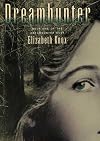
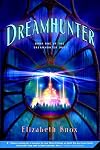
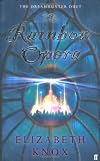
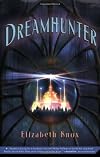
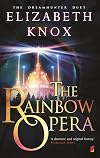
- "Dreamhunter" and "The Rainbow Opera" are the same book with different titles.
Classifications
- Genres
- Fiction and Literature, Fantasy, Teen, Young Adult
- DDC/MDS
- 823.914 — Literature & rhetoric English & Old English literatures English fiction 1900- 1901-1999 1945-1999
- LCC
- PZ7 .K7707 .D — Language and Literature Fiction and juvenile belles lettres Fiction and juvenile belles lettres Juvenile belles lettres
- BISAC
Statistics
- Members
- 756
- Popularity
- 37,116
- Reviews
- 39
- Rating
- (3.91)
- Languages
- English
- Media
- Paper, Audiobook, Ebook
- ISBNs
- 18
- ASINs
- 6