On This Page
Description
In an alternate 1914 Europe, fifteen-year-old Austrian Prince Alek, on the run from the Clanker Powers who are attempting to take over the globe using mechanical machinery, forms an uneasy alliance with Deryn who, disguised as a boy to join the British Air Service, is learning to fly genetically-engineered beasts.Tags
Recommendations

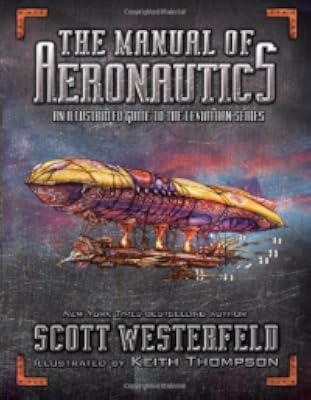



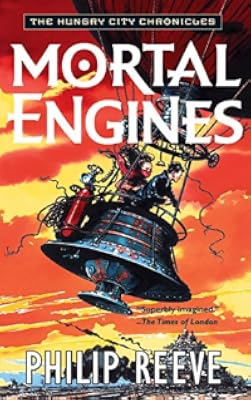

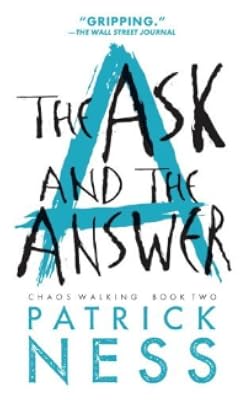
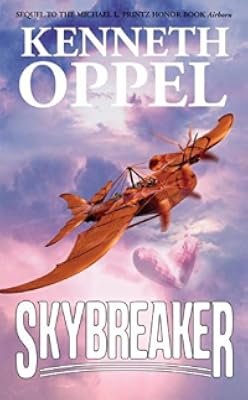
Member Recommendations
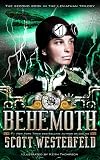
PghDragonMan An alternate history taking place on the eve of World War I.
80
Bloody Jack: Being an Account of the Curious Adventures of Mary "Jacky" Faber, Ship's Boy by L. A. Meyer
Caramellunacy 'Both stories are about an adventurous and headstrong girl disguising herself as a boy for a chance to join the military. Jacky is trying to make a living for herself and escape poverty during the Napoleonic Wars and joins the Navy as a ship\'s boy in Bloody Jack. Deryn Sharp wants nothing more than to join the Royal Air Corps in Leviathan - a steampunk alternate history of WWI. Both books are packed full of adventure and spunky protagonists.
30
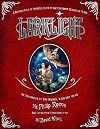
themulhern Both are alternate history with a bunch of Englishness thrown in. Larklight is set during the reign of Queen Victoria, Leviathan WWI.
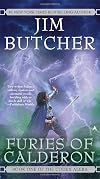
majkia Another coming of age book, but granted, in a completely different environment. Still, both have strong central characters who grow, and change to the backdrop of war, and have a marked impact on their worlds.
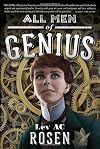

themulhern mechanical monsters fight biological monsters. Leviathan has the better story, by far, but Dinotopia has more illustrations.
11
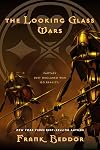

lkernagh Same style of fast paced, alternate reality adventure with air ships.
PghDragonMan Alternate histories of great military events tie these together.

His Majesty's Airship: The Life and Tragic Death of the World's Largest Flying Machine by S. C. Gwynne
themulhern Real airships in one, science fiction ones in the other.
Member Reviews
I like Westerfeld because his worlds are messy. They slop over with details and situations and actions and results that are not pat or easy.This is more an adventure yarn than some of his others, but there is still plenty of material for discussion of ethics, choices, etc. Are middle anf high school literature teachers using him? I hope so.
Westerfeld is a master storyteller.
Can I say it again?
Master.
In Leviathan he’s crafted a wonderful mix of creative historical fiction with the scifi’ish stylings of steampunk. But that’s nothing in comparison to the plot AND character driven story constructed that can appeal across age and gender lines. Have I mentioned the book itself is a work of art? Because it is. It’s filled with spectacular illustrations. If for some reason you find your imagination can’t put a visual together for the many unique settings and characters he’s devised then the many lovely pages certainly will.
Heck, I’d buy the book for that alone.
But wait! You shouldn’t pick up the book for that reason alone.
Why? Because it’s got a great show more story.
There is action a-plenty in Leviathan. Whether soaring through the sky as a passenger in a Darwinist airship or pounding across the land in a metal war machine it’s a race against time and war. Told from the perspective of the two main characters Aleksandar and Deryn we see the events of their singular lives eventually collide to create a perilous, yet potentially fruitful, journey.
Aleksandar is being hunted. The son of now assassinated parents he must be secreted away to a place of safety in order to assure his future ascension to the throne.
As part of that attempt he and his protectors cross paths with Deryn and her shipmates as they navigate the airways in an attempt to further their own mission. Delivery of precious cargo.
So let’s talk characters shall we? What’s most impressive about Leviathan is that Westerfeld has created powerful and compelling male and female lead characters.
Aleksandar is a wonderful combination of haughty, regal, brave, and childlike wonderment. Sheltered his entire life, he’s quick to adapt to his new situation and surroundings while bearing the burden of hope for his people.
His counterpart Deryn is all things fearless. A girl pretending to be a boy she’s not the picture of asugar and spice in this story. A tomboy at heart, in her mind girls can do everything just as well as boys, maybe even better. Don’t worry though, there is a certain softness to her, an appealing need to do what’s right at all costs.
Together Aleks and Deryn are the perfect friends.
There is also a cadre of unique and interesting secondary characters in Aleksandar’s caretakers and Deryn’s shipmates. This is an eclectic group that play essential roles in how the story progresses. Steadfast and loyal Aleks’ saviors protect his life with their own while Deryn’s shipmates and the quirky doctor she is tasked with keeping after all provide for some light-hearted and entertaining moments.
World building is another skill Westerfeld has undertaken with great finesse. Infusing World War I history within a time of Darwinist creatures and Clanker machines he’s constructed an otherworldly yet familiar feeling. We know just enough to be comfortable yet there are still these fantastical human and man made elements that provide an air of unexpectedness and mystery.
This book most definitely has it all.
But wait! There’s more….
While I do have Leviathan in print I ended up listening to it on audio. How glad I am that I did because doing so only added to the experience.
Narrated by the awesomely talented Alan Cumming I knew from the jump I’d adore it. Boy was I right, listening to Leviathan on audio gave it an air of authenticity. Cumming was the absolute perfect choice and did a great job of giving the story a very European vibe. He created individual personalities for all of the characters (though I will say that at times Volger sounded so much like Arnold Schwarzenegger that I half expected to hear him say “I’ll be back”) and infused pitch perfect emotions for each of the situations they were placed in. It was truly an amazing listen.
No matter how you partake of Leviathan, be it print or audio, all that matters is that you do. I strongly encourage it! show less
Can I say it again?
Master.
In Leviathan he’s crafted a wonderful mix of creative historical fiction with the scifi’ish stylings of steampunk. But that’s nothing in comparison to the plot AND character driven story constructed that can appeal across age and gender lines. Have I mentioned the book itself is a work of art? Because it is. It’s filled with spectacular illustrations. If for some reason you find your imagination can’t put a visual together for the many unique settings and characters he’s devised then the many lovely pages certainly will.
Heck, I’d buy the book for that alone.
But wait! You shouldn’t pick up the book for that reason alone.
Why? Because it’s got a great show more story.
There is action a-plenty in Leviathan. Whether soaring through the sky as a passenger in a Darwinist airship or pounding across the land in a metal war machine it’s a race against time and war. Told from the perspective of the two main characters Aleksandar and Deryn we see the events of their singular lives eventually collide to create a perilous, yet potentially fruitful, journey.
Aleksandar is being hunted. The son of now assassinated parents he must be secreted away to a place of safety in order to assure his future ascension to the throne.
As part of that attempt he and his protectors cross paths with Deryn and her shipmates as they navigate the airways in an attempt to further their own mission. Delivery of precious cargo.
So let’s talk characters shall we? What’s most impressive about Leviathan is that Westerfeld has created powerful and compelling male and female lead characters.
Aleksandar is a wonderful combination of haughty, regal, brave, and childlike wonderment. Sheltered his entire life, he’s quick to adapt to his new situation and surroundings while bearing the burden of hope for his people.
His counterpart Deryn is all things fearless. A girl pretending to be a boy she’s not the picture of asugar and spice in this story. A tomboy at heart, in her mind girls can do everything just as well as boys, maybe even better. Don’t worry though, there is a certain softness to her, an appealing need to do what’s right at all costs.
Together Aleks and Deryn are the perfect friends.
There is also a cadre of unique and interesting secondary characters in Aleksandar’s caretakers and Deryn’s shipmates. This is an eclectic group that play essential roles in how the story progresses. Steadfast and loyal Aleks’ saviors protect his life with their own while Deryn’s shipmates and the quirky doctor she is tasked with keeping after all provide for some light-hearted and entertaining moments.
World building is another skill Westerfeld has undertaken with great finesse. Infusing World War I history within a time of Darwinist creatures and Clanker machines he’s constructed an otherworldly yet familiar feeling. We know just enough to be comfortable yet there are still these fantastical human and man made elements that provide an air of unexpectedness and mystery.
This book most definitely has it all.
But wait! There’s more….
While I do have Leviathan in print I ended up listening to it on audio. How glad I am that I did because doing so only added to the experience.
Narrated by the awesomely talented Alan Cumming I knew from the jump I’d adore it. Boy was I right, listening to Leviathan on audio gave it an air of authenticity. Cumming was the absolute perfect choice and did a great job of giving the story a very European vibe. He created individual personalities for all of the characters (though I will say that at times Volger sounded so much like Arnold Schwarzenegger that I half expected to hear him say “I’ll be back”) and infused pitch perfect emotions for each of the situations they were placed in. It was truly an amazing listen.
No matter how you partake of Leviathan, be it print or audio, all that matters is that you do. I strongly encourage it! show less
Aleksander's life has been turned upside down. His parents have been killed and now he's on the run. Alek isn't any old orphan though; his father, Archduke Ferdinand, was ruler of the Austria-Hungary Empire and his death has opened up an opportunity to start a war. A chance for the Clankers to take over the world with their futuristic machines.
On the other side of the war is Darwinist Britain, users of advanced biotechnology. Midshipman Dylan Sharp of the British Air Service isn't an average soldier either. Dylan's real name is Deryn and she's a girl. A girl in a time when there were no females in the armed forces.
Circumstances lead to Deryn and Alek forming a necessary alliance and eventually a friendship as they become part of an show more alternative Great War.
Wow! I'm not really sure how I'm going to do justice to this bundle of awesomeness. Yet again, Westerfeld's amazing writing doesn't fail to please in this alternative history of World War I, fusing old with new in an epic steam punk adventure!
I loved the two main characters of this book. Westerfeld has a certain way of making truely likable characters but ensuring that they aren't perfect. They make mistakes and sometimes don't make the best of choices but this just makes them more realistic. Deryn has just enough kick-ass and gutsy determination to get her through a bunch of tough challenges but there's also a certain vulnerableness about her. Alek is well-educated and trained to a high level in combat with an air of pompousness about him that's to be expected from someone of his position but the longer he's on the run he learns to become more down to Earth.
At the start of the book, Deryn is sceptical about Clanker machineray and Alek is boardering on repulsed, or even scared, by the fabricated animals grown by the Darwinists. Essentially the story is about the coming together of these two opposing technologies and ideas.
If the great writing and exciting plot isn't enough, the illustrations throughout the book are truely amazing! Normally I'm not particularly a fan of illustrated books as I like to apply my own imagination to the story but I'm happy to make an exception in this case. With the futuristic machines and weird and wonderful animals, the illustrations complimented the written descriptions fantastically. I think I may have had troble getting my head around the Leviathan air ship without them!
It's hard to find fault with Leviathan but if I had to pick one thing that might not appeal to some readers is that it's very heavy on descriptions of the technology, science and battles. Personally I loved it but this aspect might not suit everyone. show less
On the other side of the war is Darwinist Britain, users of advanced biotechnology. Midshipman Dylan Sharp of the British Air Service isn't an average soldier either. Dylan's real name is Deryn and she's a girl. A girl in a time when there were no females in the armed forces.
Circumstances lead to Deryn and Alek forming a necessary alliance and eventually a friendship as they become part of an show more alternative Great War.
Wow! I'm not really sure how I'm going to do justice to this bundle of awesomeness. Yet again, Westerfeld's amazing writing doesn't fail to please in this alternative history of World War I, fusing old with new in an epic steam punk adventure!
I loved the two main characters of this book. Westerfeld has a certain way of making truely likable characters but ensuring that they aren't perfect. They make mistakes and sometimes don't make the best of choices but this just makes them more realistic. Deryn has just enough kick-ass and gutsy determination to get her through a bunch of tough challenges but there's also a certain vulnerableness about her. Alek is well-educated and trained to a high level in combat with an air of pompousness about him that's to be expected from someone of his position but the longer he's on the run he learns to become more down to Earth.
At the start of the book, Deryn is sceptical about Clanker machineray and Alek is boardering on repulsed, or even scared, by the fabricated animals grown by the Darwinists. Essentially the story is about the coming together of these two opposing technologies and ideas.
If the great writing and exciting plot isn't enough, the illustrations throughout the book are truely amazing! Normally I'm not particularly a fan of illustrated books as I like to apply my own imagination to the story but I'm happy to make an exception in this case. With the futuristic machines and weird and wonderful animals, the illustrations complimented the written descriptions fantastically. I think I may have had troble getting my head around the Leviathan air ship without them!
It's hard to find fault with Leviathan but if I had to pick one thing that might not appeal to some readers is that it's very heavy on descriptions of the technology, science and battles. Personally I loved it but this aspect might not suit everyone. show less
Alternate title: An Adventure in Which an Aristocratic Young Man Discovers How to Pilot an All-Terrain Walker and that he is Now an Orphan, and a Young Woman Disguises Herself as a Young Man and Joins the Navy to Pilot Flying Octopi and Whales.
I rarely read Young Adult, so it is a mark of Westerfeld’s credit that I didn’t abandon ship immediately. I picked it up as a monthly read, mistakenly assuming the group disqualified the genre from nominations. I know what you are thinking–why didn’t I quit? Well, Leviathan has been making reading lists for some time with solid ratings from my friends. And every now and then I do read some fantastic young adult. It isn’t the book’s fault, exactly–it’s mine.
“It felt odd fencing in show more farmer’s clothes, without servants standing ready to bring water and towels. Mice scrambled underfoot, and the giant Stormwalker watched over them like some iron god of war. Every few minutes Count Volger called a halt and stared up at the machine, as if hoping to find in its stoic silence the patience to endure Alek’s clumsy technique.”
It begins with Prince Aleksandar Ferdinand of Austria-Hungary headed to bed, musing on the battle he was enacting with his little tin soldiers. Before long, he’s awakened by his father’s trusted adviser on what he thinks is a nighttime training mission–piloting a land-walker in the dark. Try as I might, I could not stop visualizing the Star Wars edition, circa 1983:
Prince Alek is young, and makes all sorts of silly mistakes: thinking the advisers might be out to kidnap him, not believing his parents were killed and accidentally betraying his noble upbringing. It’s hard to be in disguise as a peasant! Apparently his situation is the byproduct of an attempt to incite a war. Meanwhile, Deryn Sharp is also discovering it is hard to live in disguise–in her case, as a boy. You have to swagger and hit people a lot, but she’s learning fast as she goes through training in the British Air Service. During her test flight, her balloon/octopus accidentally gets away and results in her being picked up by a mammoth–excuse me, whale–of a flying warship. She gets a place in the crew and manages to become part of an important diplomatic mission. Of course, the two worlds will collide. Oh, did I mention they are also the Romeo and Juliet of the European world, representing opposite sides in the conflict, who in turn represent opposite applications of technology?
“According to her aerology manual, the big hydrogen breathers were modeled on the tiny South American islands where Darwin had made his famous discoveries. The Leviathan wasn’t one beastie, but a vast web of life in ever shifting balance.”
The most engaging aspect of the tale was the cultural construct of how scientific thought was applied. In the English faction, science dove right into “Darwinism,” gene-splicing and biotech. Inventions are based upon biological creations operating in mechanical ways. Thus, the flying octopus balloons and the whale-based airships powered by renewable biomass. It’s extremely interesting and creative and was, without doubt, one of the reasons I kept reading.
Plotting felt solid. Relatively predictable, of course, given our YA heroes, but with a twist or turn along the way as to the structure of the conflict. I read the hardcover, which not only has a lovely jacket but a creative European-west Asian map on the faceplate. The illustrations by Keith Thompson are shown in perfect detail. I thought they added a great deal to the story, occasionally providing some imagery to hook the story on, and was glad I was reading paper. It wouldn’t have worked as well on my e-reader.
Writing style was excellent, and again, sign of Westerfeld’s skill, as far as I’m concerned. Deryn does speak in a heavy slang at times, to the point that Alek complains she is almost incomprehensible.
Confession time: not only to I not enjoy Young Adult as a genre, I really don’t enjoy modern human history. Part of it is the arbitrariness of the detail for me: Leader X of Y ate apples and bananas in 1935 and might have set off a world war when he accidentally tipped the farmer who lost his shirt in the milk shortage a gold coin. I just can’t remember that kind of arbitrary minutia; I’m much better with cardiovascular output, baroreceptors and red blood cells porting around oxygen to the outer perimeters. Westerfeld’s set up has to do with Leader Somebody So-and-So not being something or another in 19-Something-Something, only it went the Other Way in real life. I didn’t care when I tried to learn it in 1985, and I really don’t care now. But kudos to you, Westerfeld for making a pivotal historical event your story lynchpin. The other reason it is was never going to work for me: fighting. Events leading up to war. Young people discovering adult politics. Mounted scouts. Flying stuff shooting at other flying stuff. Land stuff shooting at flying stuff. Skirmishes. You know–tin soldiers.
Upshot? Hugely readable, well-written and illustrated book that almost completely misses my reading interests and manages to be entertaining anyways. If any of that appeals to you, I highly recommend it. show less
I rarely read Young Adult, so it is a mark of Westerfeld’s credit that I didn’t abandon ship immediately. I picked it up as a monthly read, mistakenly assuming the group disqualified the genre from nominations. I know what you are thinking–why didn’t I quit? Well, Leviathan has been making reading lists for some time with solid ratings from my friends. And every now and then I do read some fantastic young adult. It isn’t the book’s fault, exactly–it’s mine.
“It felt odd fencing in show more farmer’s clothes, without servants standing ready to bring water and towels. Mice scrambled underfoot, and the giant Stormwalker watched over them like some iron god of war. Every few minutes Count Volger called a halt and stared up at the machine, as if hoping to find in its stoic silence the patience to endure Alek’s clumsy technique.”
It begins with Prince Aleksandar Ferdinand of Austria-Hungary headed to bed, musing on the battle he was enacting with his little tin soldiers. Before long, he’s awakened by his father’s trusted adviser on what he thinks is a nighttime training mission–piloting a land-walker in the dark. Try as I might, I could not stop visualizing the Star Wars edition, circa 1983:
Prince Alek is young, and makes all sorts of silly mistakes: thinking the advisers might be out to kidnap him, not believing his parents were killed and accidentally betraying his noble upbringing. It’s hard to be in disguise as a peasant! Apparently his situation is the byproduct of an attempt to incite a war. Meanwhile, Deryn Sharp is also discovering it is hard to live in disguise–in her case, as a boy. You have to swagger and hit people a lot, but she’s learning fast as she goes through training in the British Air Service. During her test flight, her balloon/octopus accidentally gets away and results in her being picked up by a mammoth–excuse me, whale–of a flying warship. She gets a place in the crew and manages to become part of an important diplomatic mission. Of course, the two worlds will collide. Oh, did I mention they are also the Romeo and Juliet of the European world, representing opposite sides in the conflict, who in turn represent opposite applications of technology?
“According to her aerology manual, the big hydrogen breathers were modeled on the tiny South American islands where Darwin had made his famous discoveries. The Leviathan wasn’t one beastie, but a vast web of life in ever shifting balance.”
The most engaging aspect of the tale was the cultural construct of how scientific thought was applied. In the English faction, science dove right into “Darwinism,” gene-splicing and biotech. Inventions are based upon biological creations operating in mechanical ways. Thus, the flying octopus balloons and the whale-based airships powered by renewable biomass. It’s extremely interesting and creative and was, without doubt, one of the reasons I kept reading.
Plotting felt solid. Relatively predictable, of course, given our YA heroes, but with a twist or turn along the way as to the structure of the conflict. I read the hardcover, which not only has a lovely jacket but a creative European-west Asian map on the faceplate. The illustrations by Keith Thompson are shown in perfect detail. I thought they added a great deal to the story, occasionally providing some imagery to hook the story on, and was glad I was reading paper. It wouldn’t have worked as well on my e-reader.
Writing style was excellent, and again, sign of Westerfeld’s skill, as far as I’m concerned. Deryn does speak in a heavy slang at times, to the point that Alek complains she is almost incomprehensible.
Confession time: not only to I not enjoy Young Adult as a genre, I really don’t enjoy modern human history. Part of it is the arbitrariness of the detail for me: Leader X of Y ate apples and bananas in 1935 and might have set off a world war when he accidentally tipped the farmer who lost his shirt in the milk shortage a gold coin. I just can’t remember that kind of arbitrary minutia; I’m much better with cardiovascular output, baroreceptors and red blood cells porting around oxygen to the outer perimeters. Westerfeld’s set up has to do with Leader Somebody So-and-So not being something or another in 19-Something-Something, only it went the Other Way in real life. I didn’t care when I tried to learn it in 1985, and I really don’t care now. But kudos to you, Westerfeld for making a pivotal historical event your story lynchpin. The other reason it is was never going to work for me: fighting. Events leading up to war. Young people discovering adult politics. Mounted scouts. Flying stuff shooting at other flying stuff. Land stuff shooting at flying stuff. Skirmishes. You know–tin soldiers.
Upshot? Hugely readable, well-written and illustrated book that almost completely misses my reading interests and manages to be entertaining anyways. If any of that appeals to you, I highly recommend it. show less
In Scott Westerfield’s strange and wonderful world, it’s British Clankers and their extraordinary steam-driven machines versus continental Darwinists and their amazing genetically engineered creatures, and both sides are gearing up for war in an alternative version of the second decade of the twentieth century. Prince Aleksander, heir to the throne of the Astro-Hungarian Empire is woken late one night and bundled from the palace and into a small walking tank. He learns, to his horror, that his parents have been assassinated in far-off Sarajevo and that he is next to be taken captive or murdered. Together with his loyal retinue he must flee from his enemies to the safety of neutral Switzerland.
Deryn Sharp longs to in the British show more Navy and sail the skies in the giant living airships of the British Empire. Unfortunately, she’s a girl, and must disguise herself as a boy to enlist as a cadet. On her first day aloft over the London rooftops she is cast adrift by a storm and rescued by the great Leviathan, where she is made a midshipman. The Leviathan embarks on a secret mission to Turkey, but flying over Switzerland, is shot down over the Swiss Alps, close to Aleksander’s mountain refuge.
The Leviathan’s crew struggle to repair their ship in a desperate race against time as German forces cross the Swiss border intent on their destruction. Aleksander must struggle with his loyalties and his need to stay hidden and his urge to help Deryn and her shipmates from their dangerous plight.
Leviathan is a cracking tale of adventure and derring do with a pair of engaging, likeable leads set in a fascinating, brilliantly realised world. Superb illustrations by Keith Thompson make for some amazing visuals. This is the first volume in a series and I very much look forward to reading more. show less
Deryn Sharp longs to in the British show more Navy and sail the skies in the giant living airships of the British Empire. Unfortunately, she’s a girl, and must disguise herself as a boy to enlist as a cadet. On her first day aloft over the London rooftops she is cast adrift by a storm and rescued by the great Leviathan, where she is made a midshipman. The Leviathan embarks on a secret mission to Turkey, but flying over Switzerland, is shot down over the Swiss Alps, close to Aleksander’s mountain refuge.
The Leviathan’s crew struggle to repair their ship in a desperate race against time as German forces cross the Swiss border intent on their destruction. Aleksander must struggle with his loyalties and his need to stay hidden and his urge to help Deryn and her shipmates from their dangerous plight.
Leviathan is a cracking tale of adventure and derring do with a pair of engaging, likeable leads set in a fascinating, brilliantly realised world. Superb illustrations by Keith Thompson make for some amazing visuals. This is the first volume in a series and I very much look forward to reading more. show less
It's 1914, and the Archduke Franz Ferdinand and his wife, Duchess Sophie, have just been assassinated - leaving their teenage son an orphan at the beginning of WWI. Meanwhile, in England, Deryn Sharp is determined to join the flying corps of the British military, and disguises herself as a boy to become Midshipman Dylan Sharp.
Thus begins the story of WWI, the war of Clankers vs. Darwinists, and the story of how Deryn and Aleksander (the orphaned prince) end up aboard the Leviathan, England's finest Airbeast, bound for Constantinople.
I loved the book! Westfeld is a master at building worlds atop our own - for proof, just see his Uglies series. I love not only the Steampunk (Clanker) aspect, but also the fabricated/bio-engineered species show more (Darwinist)!
I am, however, worried for Deryn if/when anyone finds out she's not a boy. I can't wait for the next book! show less
Thus begins the story of WWI, the war of Clankers vs. Darwinists, and the story of how Deryn and Aleksander (the orphaned prince) end up aboard the Leviathan, England's finest Airbeast, bound for Constantinople.
I loved the book! Westfeld is a master at building worlds atop our own - for proof, just see his Uglies series. I love not only the Steampunk (Clanker) aspect, but also the fabricated/bio-engineered species show more (Darwinist)!
I am, however, worried for Deryn if/when anyone finds out she's not a boy. I can't wait for the next book! show less
Wow. Really, just...wow. I love alternate histories, and I dote on steampunk, and I am learning just how fertile the YA vineyards are in both these realms. This book is a wonderful tale of an alternate WWI, fought between the Darwinist powers and the Clankers. That is, those whose fighting technology is genetically manipulated animal based, and those whose fighting technology is...well, technology.
Darwin's theories of evolution became available to manipulate and modify animals at a much earlier stage of reality than our own, and of course the first thing that was created was fighting machines. Well, duh, we're talking about humans here, and what do we love better as a species than killing each other? The author, whose prejudices are show more clearly against the killing of others, never preaches, though his subtext is pretty overt to adult readers.
The story's focus is on a teenaged Hapsburg prince, the son of Franz Ferdinand (the archduke, not the Scottish dance band), whose factuality I have no idea about...though it wouldn't surprise me if there was a large dollop of truth in it...as he attempts to survive the loss of his parents, the bewildering early days of the war, and the inevitable confrontation of his prejudices with the realities of the Great Evil Other Side, the Darwinists. It's a very good piece of storytelling, no doubt about it; it's also a subtle and undidactic meditation on the sense of self as it's constructed during our adolescence, with all the pressures and trials magnified by both war and the identity that the young hero didn't choose.
His opposite number, a Darwinist airshipman, is secretly a girl, and this fact would just get her bounced out of service...whereas the prince's withheld identity, though known to midshipman Dylan/Deryn Sharp, would get him imprisoned and used as a pawn in international politicking. Both identities are kept secret, thank goodness, or there wouldn't be a sequel.
Which had darn straight better be forthcoming soon! I liked this book, and I recommend it to all lovers of identity fiction, steampunk aficionadoes, and the odd curious tourist into this twisty piece of literary territory. It's a great first steampunk book. Enjoy! show less
Darwin's theories of evolution became available to manipulate and modify animals at a much earlier stage of reality than our own, and of course the first thing that was created was fighting machines. Well, duh, we're talking about humans here, and what do we love better as a species than killing each other? The author, whose prejudices are show more clearly against the killing of others, never preaches, though his subtext is pretty overt to adult readers.
The story's focus is on a teenaged Hapsburg prince, the son of Franz Ferdinand (the archduke, not the Scottish dance band), whose factuality I have no idea about...though it wouldn't surprise me if there was a large dollop of truth in it...as he attempts to survive the loss of his parents, the bewildering early days of the war, and the inevitable confrontation of his prejudices with the realities of the Great Evil Other Side, the Darwinists. It's a very good piece of storytelling, no doubt about it; it's also a subtle and undidactic meditation on the sense of self as it's constructed during our adolescence, with all the pressures and trials magnified by both war and the identity that the young hero didn't choose.
His opposite number, a Darwinist airshipman, is secretly a girl, and this fact would just get her bounced out of service...whereas the prince's withheld identity, though known to midshipman Dylan/Deryn Sharp, would get him imprisoned and used as a pawn in international politicking. Both identities are kept secret, thank goodness, or there wouldn't be a sequel.
Which had darn straight better be forthcoming soon! I liked this book, and I recommend it to all lovers of identity fiction, steampunk aficionadoes, and the odd curious tourist into this twisty piece of literary territory. It's a great first steampunk book. Enjoy! show less
Members
- Recently Added By
Published Reviews
ThingScore 88
The novel is a study in opposites, of boy versus girl, working class versus aristocracy, British versus German, and its overlying thematic division of Darwinists and Clankers gives all of these a distinctive torque, while avoiding mapping neatly to any specific agenda. The novel’s concluding set piece features a grand, elegant and very satisfying hybridization that suggests that opposites show more can meet, collapse and mingle, and that this story has natural sequels, which I will undoubtedly read. show less
added by Shortride
Westerfeld writes gripping, relentless coming-of-age novels that are equally enjoyable by boys and girls, adults and kids, and Leviathan is no exception. I'm looking forward to volume two -- and many more to come.
added by lampbane
Lists

Best Alternate History
111 works; 60 members

Best Young Adult
413 works; 102 members

Favourite Steampunk Books
80 works; 16 members

NPRs your favorites: 100 Best Ever Teen Novels
237 works; 49 members

Gaslamp Fantasy
87 works; 15 members

Female Protagonist
1,056 works; 57 members

Top Five Books of 2014
1,064 works; 398 members

Girls Dressed as Boys
20 works; 4 members

Steampunk
13 works; 1 member

Rick Riordan's Reading Recommendations
30 works; 3 members

Readers Guide to Steampunk
65 works; 1 member

Unshelved Book Clubs
579 works; 5 members

World War I Fiction
94 works; 15 members

Books about World War I
80 works; 14 members

Books Read in 2012
816 works; 34 members

SantaThing 2014 Gifts
299 works; 17 members

Books Read in 2015
3,299 works; 129 members

Reading history in Children's Books
78 works; 3 members

Books for an 11yo that likes dragons, but not the evil kind
18 works; 1 member

Sonlight Books
1,487 works; 25 members

Books We Discovered On LibraryThing
530 works; 130 members
Talk Discussions
Past Discussions
Group Read (April): Leviathan by Scott Westerfeld ***SPOILER thread*** in The 11 in 11 Category Challenge (April 2011)
Leviathan - A Fantasy February Group Read in 75 Books Challenge for 2011 (February 2011)
Author Information

68+ Works 76,797 Members
Scott Westerfeld was born in Dallas, Texas on May 5, 1963. He received a degree in philosophy from Vassar College in 1985. Before becoming a full time writer, he held several jobs including factory worker, software designer, editor, and substitute teacher. His works for young adults include the Uglies series, the Midnighters series, and The Last show more Days. He is the co-author of the Zeroes series written with Margo Lanagan and Deborah Biancotti. He also writes science fiction novels for adults. He has won numerous awards including a Special Citation for the 2000 Philip K. Dick Award for Evolution's Darling, a Victorian Premier's Award for So Yesterday, and an Aurealis Award for The Secret Hour. (Bowker Author Biography) show less
Some Editions
Awards and Honors
Awards
Distinctions
Notable Lists
Series

Belongs to Publisher Series
新☆ハヤカワ・SF・シリーズ (5001)
Work Relationships
Is contained in
Is abridged in
Common Knowledge
- Canonical title*
- Leviathan
- Original publication date
- 2009-10-06
- People/Characters
- Aleksandar Ferdinand; Deryn Sharp; Count Volger; Otto Klopp; Dr. Nora Darwin Barlow; Tazza
- Important places
- United Kingdom; Austria; Switzerland
- Important events
- World War I (1914 ∙ 1918); Assassination of Archduke Franz Ferdinand (1914)
- Related movies
- Leviathan (2025 | IMDb)
- Dedication
- To my NYC writing crew,
for knowing the importance of Craft - First words
- The Austrian horses glinted in the moonlight, their riders standing tall in the saddle, swords raised.
- Quotations
- His Majesty's London Zoo was squawking like a bag of budgies on fire.
No one could night-walk like him.
Having your parents die was exactly like the world exploding, like a war being declared. - Last words
- (Click to show. Warning: May contain spoilers.)But the eggs just sat there, not answering at all.
- Original language
- English
*Some information comes from Common Knowledge in other languages. Click "Edit" for more information.
Classifications
- Genres
- Teen, Fiction and Literature, Young Adult, Tween, Science Fiction
- DDC/MDS
- 813.54 — Literature & rhetoric American literature in English American fiction in English 1900-1999 1945-1999
- LCC
- PZ7 .W5197 .L — Language and Literature Fiction and juvenile belles lettres Fiction and juvenile belles lettres Juvenile belles lettres
- BISAC
Statistics
- Members
- 6,150
- Popularity
- 2,047
- Reviews
- 361
- Rating
- (3.91)
- Languages
- 12 — Czech, English, French, German, Hungarian, Italian, Japanese, Norwegian, Polish, Portuguese, Spanish, Turkish
- Media
- Paper, Audiobook, Ebook
- ISBNs
- 45
- ASINs
- 15