
On This Page
Description
When Michael Crawford discovers his bride brutally murdered in their wedding bed, he is forced to flee not only to prove his innocence, but to avoid the deadly embrace of a vampire who has claimed him as her true bridegroom. Joining forces with Byron, Keats, and Shelley in a desperate journey that crisscrosses Europe, Crawford desperately seeks his freedom from this vengeful lover who haunts his dreams and will not rest until she destroys all that he cherishes. Told in the guise of a secret show more history, this long-awaited tale of passion and terror is finally back in print after more than 20 y show lessTags
Recommendations
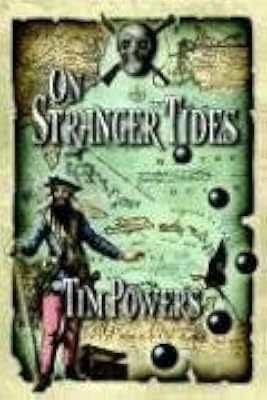
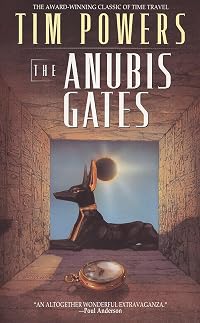




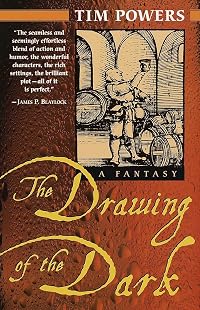
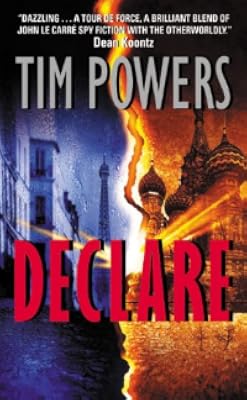
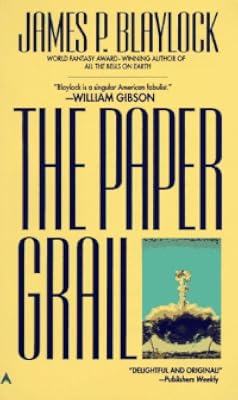

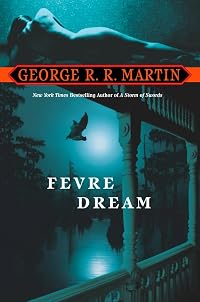













Member Recommendations
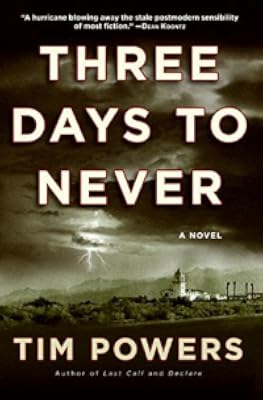
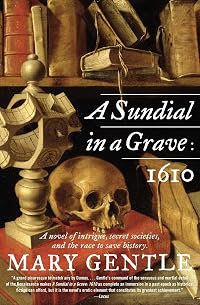
fyrefly98 Both are fictional attempts to fill in some of the historical gaps regarding what was really going on in the lives of the Romantic poets - particularly Percy Shelley - although the two books come to very, very different answers (A Fatal Likeness is a historical mystery, while The Stress of Her Regard goes a more supernatural route).
20
bmlg mortals caught in elemental wars



corporate_clone The two books are quite similar in the sense that they both emulate a story running over several centuries, displaying powerful and immortal beings. They also link magical powers with Art.
Jarandel Don't put your wedding ring on the finger of a statue...
Member Reviews
Los argumentos de Tim Powers siempre son sorprendentes. Alrededor de hechos históricos, empieza a tejar su particular tela de araña ficticia, arrastrando a su protagonista, generalmente perdiendo miembros por el camino, e incluso el cuerpo, a un viaje fantástico y terrible.
‘La fuerza de su mirada’ (The Stress of Her Regard, 1989), ambientada a principios del siglo XIX, tiene como protagonista al doctor Michael Crawford, que el día antes de su boda, durante una fiesta con sus amigos, comete un desliz con su anillo de bodas. Como resultado, será perseguido por una criatura ancestral. Si Crawford es el principal personaje ficticio de la novela, la parte histórica está protagonizada por Lord Byron, Percy Shelley y John Keats, que show more le acompañarán y ayudarán a deshacerse de estos seres mitológicos. Tim Powers introduce aquí un elemento interesante, el que las musas no eran más que vampiros que proporcionaban inspiración e intelecto a cambio de un lazo de sangre.
Quizás ‘La fuerza de su mirada’ sea la obra más ambiciosa de Tim Powers, pero sigo prefiriendo otras novelas suyas, como la genial ‘Las puertas de Anubis’ y ‘En costas extrañas’. En ellas, Powers no se ve tan encorsetado por los hechos históricos y el modo de cuadrarlo y adecuarlo todo a ellos, y puede desatar completamente su imaginación. show less
‘La fuerza de su mirada’ (The Stress of Her Regard, 1989), ambientada a principios del siglo XIX, tiene como protagonista al doctor Michael Crawford, que el día antes de su boda, durante una fiesta con sus amigos, comete un desliz con su anillo de bodas. Como resultado, será perseguido por una criatura ancestral. Si Crawford es el principal personaje ficticio de la novela, la parte histórica está protagonizada por Lord Byron, Percy Shelley y John Keats, que show more le acompañarán y ayudarán a deshacerse de estos seres mitológicos. Tim Powers introduce aquí un elemento interesante, el que las musas no eran más que vampiros que proporcionaban inspiración e intelecto a cambio de un lazo de sangre.
Quizás ‘La fuerza de su mirada’ sea la obra más ambiciosa de Tim Powers, pero sigo prefiriendo otras novelas suyas, como la genial ‘Las puertas de Anubis’ y ‘En costas extrañas’. En ellas, Powers no se ve tan encorsetado por los hechos históricos y el modo de cuadrarlo y adecuarlo todo a ellos, y puede desatar completamente su imaginación. show less
Tim Powers, as John Clute memorably puts it, has a knack for expertly punishing his protagonists, and though he has mellowed in recent books, this is peak punishment, a veritable holocaust visited upon the couple caught up in the plague of vampirish lamias latching on to men and women, especially the romantic poets of the era, and giving them unnatural long life while jealously destroying everyone they love. The reader is made to feel every hurt and humilation, but also their strength of character as they struggle against formidable odds to remain themselves. A riveting suprnatural epic.
I have already indicated my love for Tim Powers on numerous occasions across LibraryThing, but if I had not loved him before, if my life had by some ungodly circumstance been empty of Tim Powers up to this point, this book would make me love him. (And, by "him", I of course mean his work. Sort of.)
This is an intense literary-historical fantasy that challenges the reader with a wealth of allusions and deeply conceived and constructed ideas. The premise--which explains some of the odd behavior and fascinations of nineteenth century Romantic poets Byron, Shelley and Keats by positing the notion that they were all interacting, to some degree, with vampiric supernatural beings spun out of European fable and myth--is complex enough. Add to show more that a protagonist embroiled in a murder plot, early obstetrics, and his own tragic past, as well as a complicated woman who is so much more than a love interest, and you have a rich loam of story into which the reader's mind roots and grows.
There is not a moment in this book where the reader stops thinking. While Powers constructs a plot with the ups and downs of a roller coaster, at no point are we simply "along for the ride". Every page engages one's rational faculties, philosophical perspective, or emotional core. I, for one, found myself fascinated even by the epigraphs that began each chapter, which alluded both to the novel's themes and to the historical personages Powers machinated into the book.
Powers has said that he writes inside the spaces of history -- according to WikiPedia, he states "I made it an ironclad rule that I could not change or disregard any of the recorded facts, nor rearrange any days of the calendar – and then I tried to figure out what momentous but unrecorded fact could explain them all." Rather than taking liberties with the record, he looks for the patterns and the mysterious moments in the lives of particular figures, then speculates what fantastical images or events could inhabit that space. In this novel, one is especially conscious of that method -- the extracts from letters, poetic epigraphs, and precise dates are all reminders, but so is the realism of the characters and their environments. Even though I have read and taught Romantic poetry, I had not previously thought of the poets in such a human way as I did while reading their fictional endeavors. Perhaps that seems strange, but Powers' rich renderings make even the most exotically mythic encounters seem possible.
The novel is not an easy read, by any measure; it is a book that asks you to take your time and read with consideration. It also, as is typical of Powers, contains much more than one expects; there were multiple moments, while reading, that I thought the climax had come and gone, only to find that there were 200 or 100 or 50 pages yet to go and the most intense moment was just around the corner. There were even, again, as often happens with Powers, moments where I asked aloud, "what else can he possibly fit into this book?!" While that rarely felt overdone, in the big picture, it can be exhausting for an unprepared reader. When I began this novel, I did not anticipate how epic in scope it would be; by the end, I felt I had read a lifetime, not just a book.
The novel closes with one of the most elegant last lines I have ever read -- which I will not spoil here -- but there are few books that offer such satisfyingly subtle, melancholic, yet somehow sweet endings. Lines like that resonate long after the book is closed, and Powers is full of them. For sheer craft and style alone, this book is worth reading, but it is also so much more than that. An absolutely necessary read, especially for fans of thought-provoking fantasy, historical fiction with a supernatural twist, or even that fan of serious literary fiction who doesn't think fantasy can do it right. show less
This is an intense literary-historical fantasy that challenges the reader with a wealth of allusions and deeply conceived and constructed ideas. The premise--which explains some of the odd behavior and fascinations of nineteenth century Romantic poets Byron, Shelley and Keats by positing the notion that they were all interacting, to some degree, with vampiric supernatural beings spun out of European fable and myth--is complex enough. Add to show more that a protagonist embroiled in a murder plot, early obstetrics, and his own tragic past, as well as a complicated woman who is so much more than a love interest, and you have a rich loam of story into which the reader's mind roots and grows.
There is not a moment in this book where the reader stops thinking. While Powers constructs a plot with the ups and downs of a roller coaster, at no point are we simply "along for the ride". Every page engages one's rational faculties, philosophical perspective, or emotional core. I, for one, found myself fascinated even by the epigraphs that began each chapter, which alluded both to the novel's themes and to the historical personages Powers machinated into the book.
Powers has said that he writes inside the spaces of history -- according to WikiPedia, he states "I made it an ironclad rule that I could not change or disregard any of the recorded facts, nor rearrange any days of the calendar – and then I tried to figure out what momentous but unrecorded fact could explain them all." Rather than taking liberties with the record, he looks for the patterns and the mysterious moments in the lives of particular figures, then speculates what fantastical images or events could inhabit that space. In this novel, one is especially conscious of that method -- the extracts from letters, poetic epigraphs, and precise dates are all reminders, but so is the realism of the characters and their environments. Even though I have read and taught Romantic poetry, I had not previously thought of the poets in such a human way as I did while reading their fictional endeavors. Perhaps that seems strange, but Powers' rich renderings make even the most exotically mythic encounters seem possible.
The novel is not an easy read, by any measure; it is a book that asks you to take your time and read with consideration. It also, as is typical of Powers, contains much more than one expects; there were multiple moments, while reading, that I thought the climax had come and gone, only to find that there were 200 or 100 or 50 pages yet to go and the most intense moment was just around the corner. There were even, again, as often happens with Powers, moments where I asked aloud, "what else can he possibly fit into this book?!" While that rarely felt overdone, in the big picture, it can be exhausting for an unprepared reader. When I began this novel, I did not anticipate how epic in scope it would be; by the end, I felt I had read a lifetime, not just a book.
The novel closes with one of the most elegant last lines I have ever read -- which I will not spoil here -- but there are few books that offer such satisfyingly subtle, melancholic, yet somehow sweet endings. Lines like that resonate long after the book is closed, and Powers is full of them. For sheer craft and style alone, this book is worth reading, but it is also so much more than that. An absolutely necessary read, especially for fans of thought-provoking fantasy, historical fiction with a supernatural twist, or even that fan of serious literary fiction who doesn't think fantasy can do it right. show less
I originally read this book when it was first released in paperback in the early 1990's. I just finished a re-read and liked it even more the 2nd time around. Five stars and a ♥!
But how to review this book? It's a romantic vampire story that is the absolute antithesis of Twilight and its ilk. It also bears little resemblance to Dracula or The Historian.
The Stress of Her Regard is a beautifully written "secret history" period piece set in the early 1800's. Several of the characters are known historical figures, (Lord Byron, Percy & Mary Shelley, John Keats, Ed Trelawney). The creative works of these people are enhanced... elevated to genius level by the influence of their muses, the vampires. But these elemental patrons are jealous show more beings! This is immediately brought to our attention near the beginning of the story when our protagonist, Michael Crawford, (after accidentally marrying a disappearing statue), awakens on the morning after his wedding night. To avoid spoilers, let's just say it's not a happy day for anyone in the little village of Bexhill-on-Sea.
Powers threads together a plethora of historical events into a cohesive fictional storyline that seems more real than reality itself. It's almost as if you are getting the true story behind the official historical one. I have not personally studied this particular time period in detail. However, in reading this book, I get the distinct feeling that, if I did delve into it, I would find not a crack in the timeline Powers presents, nor in the details of these peoples' lives and deaths. For example, the drowning death of Percy Shelley during a sailing accident, and the subsequent identification and cremation of his exhumed body on an Italian beach by Ed Trelawney, is incorporated seamlessly.
To sum up: this is one of my favorite Tim Powers books and falls squarely amongst the best fictional novels I've ever read. The sequel, Hide Me Among the Graves is a worthy follow-up as well. show less
But how to review this book? It's a romantic vampire story that is the absolute antithesis of Twilight and its ilk. It also bears little resemblance to Dracula or The Historian.
The Stress of Her Regard is a beautifully written "secret history" period piece set in the early 1800's. Several of the characters are known historical figures, (Lord Byron, Percy & Mary Shelley, John Keats, Ed Trelawney). The creative works of these people are enhanced... elevated to genius level by the influence of their muses, the vampires. But these elemental patrons are jealous show more beings! This is immediately brought to our attention near the beginning of the story when our protagonist, Michael Crawford, (after accidentally marrying a disappearing statue), awakens on the morning after his wedding night. To avoid spoilers, let's just say it's not a happy day for anyone in the little village of Bexhill-on-Sea.
Powers threads together a plethora of historical events into a cohesive fictional storyline that seems more real than reality itself. It's almost as if you are getting the true story behind the official historical one. I have not personally studied this particular time period in detail. However, in reading this book, I get the distinct feeling that, if I did delve into it, I would find not a crack in the timeline Powers presents, nor in the details of these peoples' lives and deaths. For example, the drowning death of Percy Shelley during a sailing accident, and the subsequent identification and cremation of his exhumed body on an Italian beach by Ed Trelawney, is incorporated seamlessly.
To sum up: this is one of my favorite Tim Powers books and falls squarely amongst the best fictional novels I've ever read. The sequel, Hide Me Among the Graves is a worthy follow-up as well. show less
Summary: In 1816, on the night before his wedding, young doctor Michael Crawford places his wedding band on the hand of a statue so that he wouldn't lose it in the dark and stormy decorative garden. However, the next morning, the statue - and his ring - are gone. The wedding proceeds anyways, but Michael's relief is short-lived, as during their first night together, his new bride is murdered in a terrifyingly gruesome manner. Suspicion of course immediately falls upon Michael, who flees, and winds up in hiding with a young medical student named Keats, who introduces Michael to the world into which his has inadvertently stumbled. Because the statue was no statue, but rather a lamia, a member of an ancient race of beings that have been show more called everything from vampires to nephilim, and a creature to which Crawford is now inextricably bound. Interactions with the lamia are not uncommon in 19th century Europe, and as Crawford travels on, he meets several others so afflicted, including the poets Byron and Shelley. But is the benefit of binding oneself to a lamia really worth the terrible cost that it can exact?
Review: When I was looking for my next book to read, I saw this title on my Kindle and thought "Oh, hey, historical fiction and vampires, should be fun, and totally appropriate for an "I-am-not-overfond-of-air-travel-so-I-get-to-read-trashy-books-as-a-reward-when-I'm-on-a-plane" book." Right? Right? Wrong. So very wrong. This book was dense, complicated, and twisty in a way that made it really difficult for me to keep a lot of things straight. It wasn't a bad read, but it was a read that required more brain power and undivided attention than I really had free to give it, and it was also a lot more serious and dense than I was expecting.
A lot of this is because Powers's worldbuilding is really, really complex. I love the fact that he incorporated all kinds of folklore and mythology and history into a single cohesive idea. I also love the fact that he managed to work this story into the real history, into the lives of real people, without (insofar as I know; I am by no means an expert - or even a well-informed amateur - on the period and people involved) altering what's known from the historical record. He manages to pull quotes from the writings (published and personal) of the romantic poets and their contemporaries that support his version of events, and weaves it all together so well that I started to think "What if this really were what happened? What if this is how it works? Could I prove that it wasn't true?" It's rare that a book manages to pull that off, but I absolutely love when one does (Miss Peregrine's Home for Peculiar Children is another example, although they're otherwise not particularly similar.)
But the problem with all that complexity is that it makes for very confusing reading if you're not going slowly and paying attention, and sometimes even when you are. I spent a lot of the book not entirely clear on the differences between an individual who is born into the "family", vs. those that marry into it, vs. those that are outside but eager to attract a lamia, vs. those that are attracted to the humans who are lamia-touched, etc. Not to mention the extent of lamia powers, what they can and can't do, and what they do or don't do to humans, how they're related to the Graeae, how the Graeae work to influence probility, and so on. Even after having slogged through the entire 400-odd pages, I'm *still* not sure I understand it well enough to give a coherent explanation or summary. I'm sure it all does fit together - nothing in this book gave the impression of being random or ill-thought-out - but the underlying order didn't always come across clearly on the page.
This detail-packed but not always clearly delineated style came across in the pacing as well. There are certainly some very tautly suspenseful and effectively creepy scenes, in particular most of the confrontations with the lamia. The initial scene, where Michael puts the wedding ring on a statue, which then closes its hand when he's not looking, was scary enough that I didn't want to read it after dark... and not just because it reminded me of the Weeping Angels from Doctor Who. (That sure didn't help, though.) There were other scenes that were just as good; the problem was that I found a lot of the interstitial parts much slower going. It may be because I'm not particularly familiar with the romantic poets, or it may just have been the style of the book, but I had a really hard time connecting with any of the characters, which made it difficult to really get invested in the parts of the story where nothing much was happening.
In short, this book took a lot of very interesting ideas and wove them all together in a creative and fascinating way, but the actual execution of the story itself, while perfectly fine on a technical level, just didn't always work for me. 3.5 out of 5 stars.
Recommendation: This would probably be best for people who like their fantasy more on the literary side, both in terms of the density and complexity of the prose, as well as in the sense that it involves actual figures from literary history. show less
Review: When I was looking for my next book to read, I saw this title on my Kindle and thought "Oh, hey, historical fiction and vampires, should be fun, and totally appropriate for an "I-am-not-overfond-of-air-travel-so-I-get-to-read-trashy-books-as-a-reward-when-I'm-on-a-plane" book." Right? Right? Wrong. So very wrong. This book was dense, complicated, and twisty in a way that made it really difficult for me to keep a lot of things straight. It wasn't a bad read, but it was a read that required more brain power and undivided attention than I really had free to give it, and it was also a lot more serious and dense than I was expecting.
A lot of this is because Powers's worldbuilding is really, really complex. I love the fact that he incorporated all kinds of folklore and mythology and history into a single cohesive idea. I also love the fact that he managed to work this story into the real history, into the lives of real people, without (insofar as I know; I am by no means an expert - or even a well-informed amateur - on the period and people involved) altering what's known from the historical record. He manages to pull quotes from the writings (published and personal) of the romantic poets and their contemporaries that support his version of events, and weaves it all together so well that I started to think "What if this really were what happened? What if this is how it works? Could I prove that it wasn't true?" It's rare that a book manages to pull that off, but I absolutely love when one does (Miss Peregrine's Home for Peculiar Children is another example, although they're otherwise not particularly similar.)
But the problem with all that complexity is that it makes for very confusing reading if you're not going slowly and paying attention, and sometimes even when you are. I spent a lot of the book not entirely clear on the differences between an individual who is born into the "family", vs. those that marry into it, vs. those that are outside but eager to attract a lamia, vs. those that are attracted to the humans who are lamia-touched, etc. Not to mention the extent of lamia powers, what they can and can't do, and what they do or don't do to humans, how they're related to the Graeae, how the Graeae work to influence probility, and so on. Even after having slogged through the entire 400-odd pages, I'm *still* not sure I understand it well enough to give a coherent explanation or summary. I'm sure it all does fit together - nothing in this book gave the impression of being random or ill-thought-out - but the underlying order didn't always come across clearly on the page.
This detail-packed but not always clearly delineated style came across in the pacing as well. There are certainly some very tautly suspenseful and effectively creepy scenes, in particular most of the confrontations with the lamia. The initial scene, where Michael puts the wedding ring on a statue, which then closes its hand when he's not looking, was scary enough that I didn't want to read it after dark... and not just because it reminded me of the Weeping Angels from Doctor Who. (That sure didn't help, though.) There were other scenes that were just as good; the problem was that I found a lot of the interstitial parts much slower going. It may be because I'm not particularly familiar with the romantic poets, or it may just have been the style of the book, but I had a really hard time connecting with any of the characters, which made it difficult to really get invested in the parts of the story where nothing much was happening.
In short, this book took a lot of very interesting ideas and wove them all together in a creative and fascinating way, but the actual execution of the story itself, while perfectly fine on a technical level, just didn't always work for me. 3.5 out of 5 stars.
Recommendation: This would probably be best for people who like their fantasy more on the literary side, both in terms of the density and complexity of the prose, as well as in the sense that it involves actual figures from literary history. show less
One of my favorite Powers books, and that's saying something, this ranks up there with THE ANUBIS GATES and LAST CALL in the pantheon of greatness.
Again, it's a simple enough idea -- what if the muses of the great Romantic poets were actual supernatural beings, a kind of psychic vampire? From that Powers imagination takes flight and we get Nephilim, Byron, Shelley, Keats and all manner of innocent bystanders pulled under the influence of ancient creatures, Lamia, trying to find a foothold again in the world.
As ever with Powers the language is lyrical, the imagery is staggeringly well conceived and the characters meticulously drawn. There are majestic supernatural set pieces high in the Alps and in the narrow canals and palaces of show more Venice, musings on the nature of reality, and tying it all together a fractured love story that starts, and ends, in an English pub garden.
It's such a beautifully put together novel. I'm in envy of the man's talent. show less
Again, it's a simple enough idea -- what if the muses of the great Romantic poets were actual supernatural beings, a kind of psychic vampire? From that Powers imagination takes flight and we get Nephilim, Byron, Shelley, Keats and all manner of innocent bystanders pulled under the influence of ancient creatures, Lamia, trying to find a foothold again in the world.
As ever with Powers the language is lyrical, the imagery is staggeringly well conceived and the characters meticulously drawn. There are majestic supernatural set pieces high in the Alps and in the narrow canals and palaces of show more Venice, musings on the nature of reality, and tying it all together a fractured love story that starts, and ends, in an English pub garden.
It's such a beautifully put together novel. I'm in envy of the man's talent. show less
This fantasy/sort-of horror (but it's not scary at all) novel employs the likes of Shelley, Lord Byron, and Keats as characters and explains their real-life eccentricities as symptoms of their various involvement with a species here called the Nephilim and which includes what people have termed lamia, vampires, and the like. It's an absolute hoot and I love the way Powers entwines the poets into the story. Think Pride & Prejudice & Zombies before it was cool. (And take that statement with a grain of salt because I fully admit that I've never read P&P&Z). At any rate, if you like this sort of thing, you'll love this. It's very well paced and nicely written, and again, the plot is imaginative and cool. Also, the audio was read by Simon show more Vance, so you know it's great. show less
Members
- Recently Added By
Lists

Bloody Good Vampire Books
394 works; 28 members

Gaslamp Fantasy
87 works; 15 members
Historical Fantasy
93 works; 14 members

Books Read in 2013
1,630 works; 51 members

KayStJ's to-read list
1,616 works; 11 members
Best Vampire & Werewolf Fiction
221 works; 146 members
Author Information

76+ Works 21,007 Members
Some Editions
Awards and Honors
Series

Common Knowledge
- Original title
- The Stress of Her Regard
- Original publication date
- 1989
- People/Characters
- Lord Byron; John Keats; Percy Bysshe Shelley; Mary Wollstonecraft Shelley; Allegra Byron; Claire Clairmont (show all 21); John Cam Hobhouse; John William Polidori; Joseph Severn; Edward John Trelawny; François Villon; Edward Williams; Jane Williams; Lucy; Appleton; Jack Boyd; Josephine Carmody; Julia Carmody; Michael Crawford; Werner von Aargau; John Crawford
- Important places
- Sussex, England, UK; London, England, UK; Venice, Veneto, Italy; Switzerland
- Epigraph
- ...yet thought must see
That eve of time when man no longer yearns,
Grown deaf before Life's Sphinx, whose lips are barred;
When from the spaces of Eternity,
Silence, a rigorous Medusa, turns
On the lost world ... (show all)the stress of her regard.
- Clark Ashton Smith, Sphinx and Medusa - Dedication
- For Dean and Gerda Koontz,
for thirty years of
cheerful, hospitable and tolerant friendship
-
And with thanks to
Gregory Santo Arena and Gloria Batsford and
... (show all)ordgregory" rel="nofollow" target="_new">Gregory Benford and Will Griffin and
Dana Holm Howard and Meri Howard and
K.W. Jeter and Jeff Levin and Monique Logan and
Kate Powers and Serena Powers and
Joe Stefko and Brian M. Thomsen and Tom Whitmore
-
And to Paul Mohney, for that conversation, many years ago
over beers at the Tinder Box, about Percy Shelley - First words
- Until the squall struck, Lake Leman was so still that the two men talking in the bow of the open sailboat could safely set their wine glasses on the thwarts.
- Last words
- (Click to show. Warning: May contain spoilers.)Until John came out again there was no sound in the yard -- no frogs called, no insects sang, the tree branches stood silent, and no breath disturbed the motionless air.
- Blurbers
- Brin, David
- Original language
- English
Classifications
Statistics
- Members
- 1,335
- Popularity
- 18,056
- Reviews
- 38
- Rating
- (3.87)
- Languages
- 7 — Czech, English, French, German, Italian, Polish, Spanish
- Media
- Paper, Audiobook, Ebook
- ISBNs
- 31
- UPCs
- 1
- ASINs
- 13