
The Dragon Waiting
by John M. Ford
On This Page
Description
"In a snowbound inn high in the Alps, four people meet who will alter fate. A noble Byzantine mercenary . . . A female Florentine physician . . . An ageless Welsh wizard . . . And Sforza, the uncanny duke. Together they will wage an intrigue-filled campaign against the might of Byzantium to secure the English throne for Richard, Duke of Gloucester--and make him Richard III. Available for the first time in nearly two decades, with a new introduction by New York Times-bestselling author show more Scott Lynch, The Dragon Waiting is a masterpiece of blood and magic"--Amazon.com. show lessTags
Recommendations









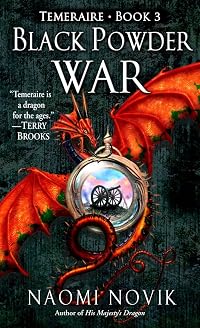
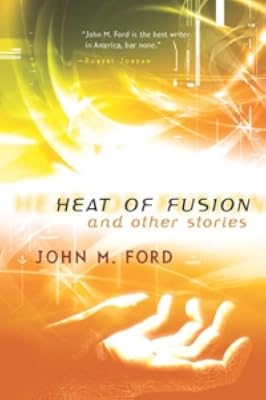
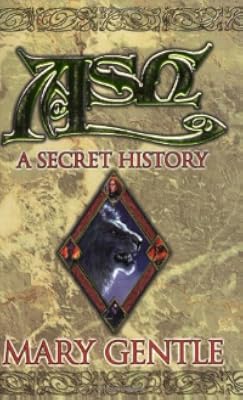

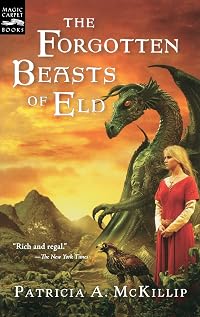


Member Recommendations


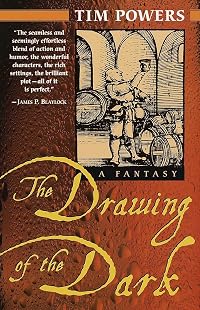
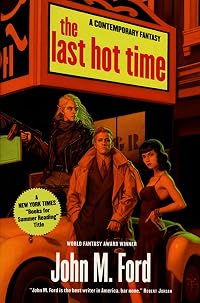
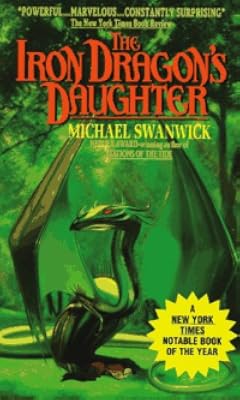
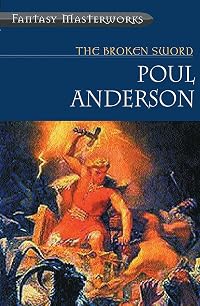
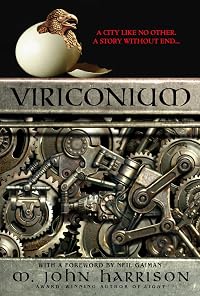
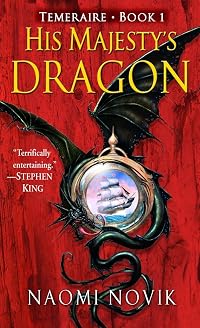
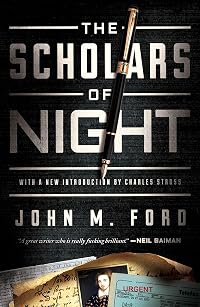
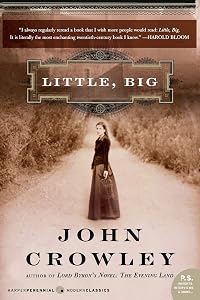
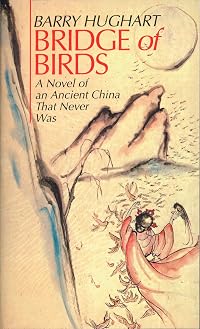
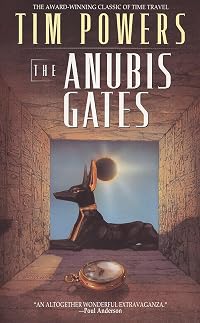
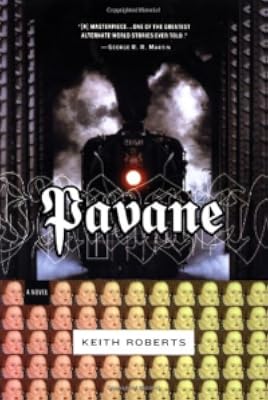
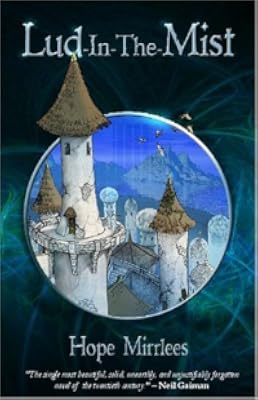
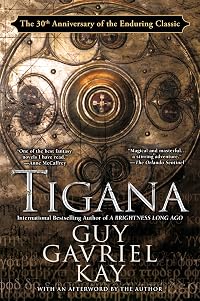
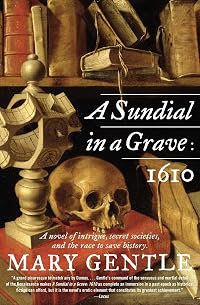
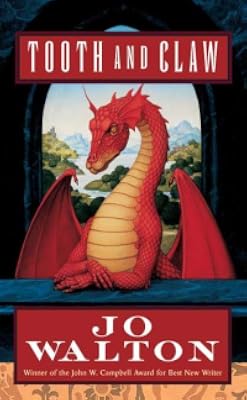
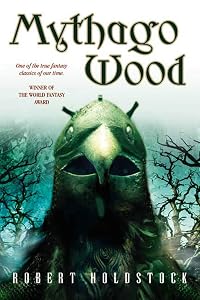
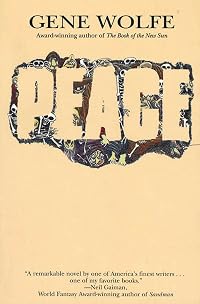
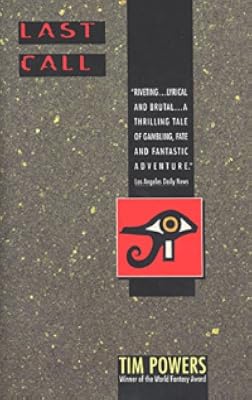
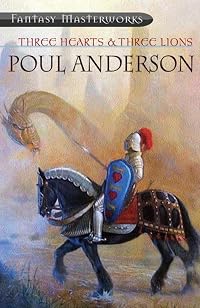
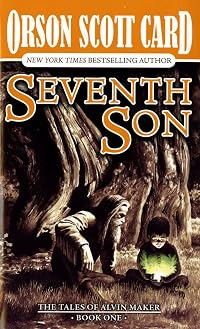
isabelx Two fantasy versions of Renaissance Europe.
Member Reviews
A soldier, a wizard, a doctor and a vampire go into a bar ... sounds like a joke, but it isn't. In Ford's alternative history, the Byzantine empire remains a going concern long after Mehmet the Conqueror's time and Richard III defeats Henry Tudor. The four protagonists are fictional, but many historical characters appear in the story. Ford follows history, until he doesn't; a list of historical characters and an afterword help sort out where he follows and where he deviates. Sometimes it should be true even when it isn't. It is entirely plausible that John Morton, Henry VII's taxman, was a bloodsucking vampire. The protagonists are engaging or intriguing, according to their natures.
I read this when it was first published and I was a show more graduate student in the cornfields of Illinois. The book vanished during the Wanderjahre; now available again after several decades. I find it is indeed as good as I remembered. Read it. show less
I read this when it was first published and I was a show more graduate student in the cornfields of Illinois. The book vanished during the Wanderjahre; now available again after several decades. I find it is indeed as good as I remembered. Read it. show less
Wow. This is one of the most intricate, complex, multilayered, meticulously researched alternative history/fantasy books I've ever read. (If not THE most?)
- It helps if you know your English history, your Shakespeare, something about early Renaissance and Florence, something about ancient Rome and Byzantium :)))) It heightens your enjoyment of the book, as you go through the literary/historical allusions and Easter eggs scattered throughout.
- It was interesting to see John M. Ford imagine a world without Christianity as one of the dominant religions - a world which is more humanistic, more advanced, and is a (somewhat) better place for women than 15th century Europe of "our" world.
- Nothing is spelled out and the plot unfolds slowly. As show more a reader, you need to PAY ATTENTION and fill in the blanks.
- The magic system is very dark. I don't think I've ever seen its like in any other fantasy book.
- The characters are wonderfully - and subtly - drawn. (I loved Cynthia!)
- This is a book you need to re-read and see what you had missed last time.
- Like many others, I highly recommend Draco Concordans as a reading companion. It is geeky and wonderful, and it's interesting to see what you have missed in chapter x. show less
- It helps if you know your English history, your Shakespeare, something about early Renaissance and Florence, something about ancient Rome and Byzantium :)))) It heightens your enjoyment of the book, as you go through the literary/historical allusions and Easter eggs scattered throughout.
- It was interesting to see John M. Ford imagine a world without Christianity as one of the dominant religions - a world which is more humanistic, more advanced, and is a (somewhat) better place for women than 15th century Europe of "our" world.
- Nothing is spelled out and the plot unfolds slowly. As show more a reader, you need to PAY ATTENTION and fill in the blanks.
- The magic system is very dark. I don't think I've ever seen its like in any other fantasy book.
- The characters are wonderfully - and subtly - drawn. (I loved Cynthia!)
- This is a book you need to re-read and see what you had missed last time.
- Like many others, I highly recommend Draco Concordans as a reading companion. It is geeky and wonderful, and it's interesting to see what you have missed in chapter x. show less
Despite the title (there is no "real" dragon in the book), this reads more like an alternate history first and a fantasy second. The premise is that Byzantium endured and neither Christianity nor Islam became a dominant religion (which also means that various pagan beliefs from across Europe also persisted). Furthermore, magic works (within certain limits - in particular, wizards can't practice magic without it taking an immediate toll on their strength and health) and there are vampires, albeit with a rationale for the characteristics of that condition.
The story is set in the late Medieval period, during the Wars of the Roses. A Welsh magician, a disinherited Byzantine scion turned soldier of fortune, a female Medici with medical show more skills and a Bavarian vampire ordnance engineer are brought together to play a part in ultimately putting Richard III on the throne of England and thwarting the advance of Byzantium. The world-building is exceptionally well-detailed and the scene painting is particularly vivid.
The action of the book is a little episodic, and the continual shifts in point of view characters does mean that not all the events of the book happen on-stage. Add to that the fact that, especially in the last third of the book when the action moves to the British Isles, characters may be identified by their proper names or by their titles, (plus disguises, costumed and/or magical) and the whole thing does get a little hard to follow without a family tree or two to hand. So just like real Plantagenet history, then.
The four main protagonists are well-drawn, though having all four active in the plot at the same time does perhaps leave that characterisation a bit thin in a 350-page novel rather than a 800-page doorstop blockbuster. Still, less is more. And Ford's research is good, with very few lapses caused by a transatlantic perspective - about the only example I tripped over were the murderers of the Duke of Clarence (of 'butt of malmsey' fame), whose accents mainly seem inspired by Lady Penelope's butler Parker in the 1960s Thunderbirds tv series. The text is allusion-rich, some of these being buried quite deep. There was one Tolkien allusion that made me laugh out loud.
Overall, then, a fantasy novel that reads like an alternate history, is well-written, more historically accurate than most, and above all intelligent whilst still retaining all the suspense and excitement of big bangs and derring-do. A palpable hit. show less
The story is set in the late Medieval period, during the Wars of the Roses. A Welsh magician, a disinherited Byzantine scion turned soldier of fortune, a female Medici with medical show more skills and a Bavarian vampire ordnance engineer are brought together to play a part in ultimately putting Richard III on the throne of England and thwarting the advance of Byzantium. The world-building is exceptionally well-detailed and the scene painting is particularly vivid.
The action of the book is a little episodic, and the continual shifts in point of view characters does mean that not all the events of the book happen on-stage. Add to that the fact that, especially in the last third of the book when the action moves to the British Isles, characters may be identified by their proper names or by their titles, (plus disguises, costumed and/or magical) and the whole thing does get a little hard to follow without a family tree or two to hand. So just like real Plantagenet history, then.
The four main protagonists are well-drawn, though having all four active in the plot at the same time does perhaps leave that characterisation a bit thin in a 350-page novel rather than a 800-page doorstop blockbuster. Still, less is more. And Ford's research is good, with very few lapses caused by a transatlantic perspective - about the only example I tripped over were the murderers of the Duke of Clarence (of 'butt of malmsey' fame), whose accents mainly seem inspired by Lady Penelope's butler Parker in the 1960s Thunderbirds tv series. The text is allusion-rich, some of these being buried quite deep. There was one Tolkien allusion that made me laugh out loud.
Overall, then, a fantasy novel that reads like an alternate history, is well-written, more historically accurate than most, and above all intelligent whilst still retaining all the suspense and excitement of big bangs and derring-do. A palpable hit. show less
At times ‘The Dragon Waiting’ reminded me of [b:The Lymond Chronicles|35059373|The Lymond Chronicles (6 Book Series)|Dorothy Dunnett|https://images.gr-assets.com/books/1493854325s/35059373.jpg|56350665], as it features very complicated spy machinations with few concessions to the reader unfamiliar with the period in question. There is no omniscient smartarse like Lymond for events to revolve around, though. Instead, magic and vampires! I found the pacing initially rather a challenge, as the four main characters are introduced separately at length then the plot accelerates very rapidly once they’re thrown together. Ford also used the Lymond Chronicles conceit of letting you guess which main characters are present in disguise when show more the scene shifts. Once a third of the way through, I was hooked by the plot and invested in the characters: a wizard, a vampire, a doctor, and a mercenary who form a close alliance, or perhaps fellowship is a better word. They get deeply involved with the dramatic machinations of the English monarchy, in an alternate 15th century.
Although I enjoyed the thrilling set-pieces and plot twists, the greatest joy of the novel in my view is the little world-building details. As Christianity hasn’t taken hold in Europe, Dante’s masterwork is called the ‘Commedie Uomo’, the Roman gods are invoked when swearing, and London has a magnificent Pantheon rather than cathedrals. I’d probably appreciate it even more with greater knowledge of the period. The specifics of magic and vampirism are also very cleverly and elegantly presented. The uses to which magic is put, as well as its overlap with medicine, are unusual and thought-provoking. The dragon of the title is the most interesting twist on the concept that I think I’ve ever seen in fantasy.It’s a physical manifestation of Welsh nationalist sentiment, formed of soldiers and kept together with magic-infused propaganda. A supercharged battle formation, essentially. The four main characters are a compelling bunch and I was invested enough to get very worried about them. There are plenty of betrayals and last minute rescues to ramp up the tension.
I found out about this book from Jo Walton’s blog post collection [b:What Makes This Book So Great|17910076|What Makes This Book So Great|Jo Walton|https://images.gr-assets.com/books/1370009391s/17910076.jpg|25095529], an excellent source of sci-fi and fantasy recommendations. Here’s her piece about it, which I suggest reading after the novel itself. While ‘The Dragon Waiting’ is slightly baffling at first, the mystery and intrigue are a great strength overall. Unravelling what’s going on is a satisfying and enjoyable experience. Still, I wish the plot had been drawn out for perhaps twice as long because I wanted more world- and character-building filler. The speed of events prevented it from becoming one of those totally immersive five star novels that lets me exist in a different world for a few wonderful hours. show less
Although I enjoyed the thrilling set-pieces and plot twists, the greatest joy of the novel in my view is the little world-building details. As Christianity hasn’t taken hold in Europe, Dante’s masterwork is called the ‘Commedie Uomo’, the Roman gods are invoked when swearing, and London has a magnificent Pantheon rather than cathedrals. I’d probably appreciate it even more with greater knowledge of the period. The specifics of magic and vampirism are also very cleverly and elegantly presented. The uses to which magic is put, as well as its overlap with medicine, are unusual and thought-provoking. The dragon of the title is the most interesting twist on the concept that I think I’ve ever seen in fantasy.
I found out about this book from Jo Walton’s blog post collection [b:What Makes This Book So Great|17910076|What Makes This Book So Great|Jo Walton|https://images.gr-assets.com/books/1370009391s/17910076.jpg|25095529], an excellent source of sci-fi and fantasy recommendations. Here’s her piece about it, which I suggest reading after the novel itself. While ‘The Dragon Waiting’ is slightly baffling at first, the mystery and intrigue are a great strength overall. Unravelling what’s going on is a satisfying and enjoyable experience. Still, I wish the plot had been drawn out for perhaps twice as long because I wanted more world- and character-building filler. The speed of events prevented it from becoming one of those totally immersive five star novels that lets me exist in a different world for a few wonderful hours. show less
This book is absolutely terrifying; I couldn't finish it, not as a child, not as a teenager, not even as an adult. It haunts me to this day. Not to be recommended to children. Ever. Probably not to be recommended to adults, either. The brilliance hides an abyss.
Addendum: I'm not being facetious; this book is a ... dark thing to be feared. It is a twisted, appalling thing, full of horrors that will leave you screaming.
I picked it up after finishing the last book on my TBR shelf and less than ten pages in I--I couldn't. I had to put it down again. It's very insidious; you won't find any grand gestures of evil. It's the tiny things, stealthy sentences that steal into you mind; a few quiet words strung together so unimpeachably they appear show more to be completely innocent--but you are being deceived, for they are building contexts that will leave you still unsettled six years later. It's been hours since I've read those ten pages and my psyche is still whimpering. Not even Charlotte's Web can dispel this nightmare from my mind.
Don't read this book. Don't leave it on your TBR shelf to be picked up again later; or worse, by an innocent! Like any trauma, I find myself drawn back to this nightmare again and again and again; I cannot escape its grasp and time only make things worse. Don't be like me; escape. Burn it, douse the fire with holy water, and then give the ashes to a priest to bury in sacred ground. God have mercy on your soul. And may He save mine--the progressive, agnostic God of Spinoza, not Shai-Hulud or the Cthulhu God of Lovecraft. As I said, this book will mess you up. Some things are better left undisturbed. Leave this book alone, pass it by, and concern yourself with more innocent tomes (The Necronomicon, for example). Stop reading; run, you fools. show less
Addendum: I'm not being facetious; this book is a ... dark thing to be feared. It is a twisted, appalling thing, full of horrors that will leave you screaming.
I picked it up after finishing the last book on my TBR shelf and less than ten pages in I--I couldn't. I had to put it down again. It's very insidious; you won't find any grand gestures of evil. It's the tiny things, stealthy sentences that steal into you mind; a few quiet words strung together so unimpeachably they appear show more to be completely innocent--but you are being deceived, for they are building contexts that will leave you still unsettled six years later. It's been hours since I've read those ten pages and my psyche is still whimpering. Not even Charlotte's Web can dispel this nightmare from my mind.
Don't read this book. Don't leave it on your TBR shelf to be picked up again later; or worse, by an innocent! Like any trauma, I find myself drawn back to this nightmare again and again and again; I cannot escape its grasp and time only make things worse. Don't be like me; escape. Burn it, douse the fire with holy water, and then give the ashes to a priest to bury in sacred ground. God have mercy on your soul. And may He save mine--the progressive, agnostic God of Spinoza, not Shai-Hulud or the Cthulhu God of Lovecraft. As I said, this book will mess you up. Some things are better left undisturbed. Leave this book alone, pass it by, and concern yourself with more innocent tomes (The Necronomicon, for example). Stop reading; run, you fools. show less
This is an alternate 15th century Europe, brought to us by the brilliant John M. Ford.
Instead of Julian the Apostate, who only briefly interrupted the spread of Christianity in Europe, in this alternate history there was Julian the Wise, who lived long enough to prevent any faith from being banned, and any faith from becoming dominant over the others and being able to ban them. The eastern empire, its capital at Byzantium, remains strong and vibrant--and in the 15th century, is working to expand into western Europe. It controls about half of France, and parts of Italy, and wants more.
In other ways, this Europe is very familiar. Edward IV is King of England, Lorenzo de' Medici is a powerful banker and de facto ruler of Florence. show more Galeazzo Sforza is Duke of Milan, though in this world he's in the pay of Byzantium, and also a vampire.
We follow a wizard, Hywel Peredur, nephew of Owain Glyn Dwr; a mercenary named Dimitrios Ducas; a young woman doctor from Florence, Cynthia Ricci; and Gregory von Bayern, natural scientist, engineer, and vampire. Vampirism is a disease, and it can be spread, and that turns out to matter, quite a lot.
The story revolves around people with very different original goals, coming together to achieve something perhaps none of them had originally intended. We travel through the beliefs and the ritual and cultural practices that didn't get suppressed by the rise of Christianity, but Christianity is also here, in several different flavors.
This is a rich, lived-in world, and has special riches to offer to those interested in Renaissance Italy, the Wars of the Roses in England, and other absorbing bits of 15th century Europe.
And it's really difficult to say more than that, because this is such a rich, layered world and story.
Highly recommended.
I bought this book. show less
Instead of Julian the Apostate, who only briefly interrupted the spread of Christianity in Europe, in this alternate history there was Julian the Wise, who lived long enough to prevent any faith from being banned, and any faith from becoming dominant over the others and being able to ban them. The eastern empire, its capital at Byzantium, remains strong and vibrant--and in the 15th century, is working to expand into western Europe. It controls about half of France, and parts of Italy, and wants more.
In other ways, this Europe is very familiar. Edward IV is King of England, Lorenzo de' Medici is a powerful banker and de facto ruler of Florence. show more Galeazzo Sforza is Duke of Milan, though in this world he's in the pay of Byzantium, and also a vampire.
We follow a wizard, Hywel Peredur, nephew of Owain Glyn Dwr; a mercenary named Dimitrios Ducas; a young woman doctor from Florence, Cynthia Ricci; and Gregory von Bayern, natural scientist, engineer, and vampire. Vampirism is a disease, and it can be spread, and that turns out to matter, quite a lot.
The story revolves around people with very different original goals, coming together to achieve something perhaps none of them had originally intended. We travel through the beliefs and the ritual and cultural practices that didn't get suppressed by the rise of Christianity, but Christianity is also here, in several different flavors.
This is a rich, lived-in world, and has special riches to offer to those interested in Renaissance Italy, the Wars of the Roses in England, and other absorbing bits of 15th century Europe.
And it's really difficult to say more than that, because this is such a rich, layered world and story.
Highly recommended.
I bought this book. show less
It was an engrossing story and I liked it. Vampires, wizards, Plantagenets, what's not to like? Ford knows a lot about the history of the late middle ages, and it shows - this alternate history is well grounded in real history. However the novel has an oblique style that I found a bit frustrating. Major parts of the story seem to take place essentially off stage.
He would lead you right up to some happening; a knife is approaching the character and then, pphhmmmff, you are somewhere else with some other character who is having lunch. A couple chapters later the character who was being approached with a knife shows up with a bandage on. Nobody really discusses what happened. A character is fleeing through the forest, a shot rings out, show more zip, you're at the lake with a different character. Later the forest guy shows up with a limp. A character has a secret. Three chapters later everyone knows the secret. How? I dunno.
A couple times I actually checked the pagination to see if maybe there were some pages missing or I'd had some sort of memory lapse. So I found that odd and a little irritating. Kind of like when you were a kid and the grown ups wouldn't tell you what was going on so you had to guess based on observation. show less
He would lead you right up to some happening; a knife is approaching the character and then, pphhmmmff, you are somewhere else with some other character who is having lunch. A couple chapters later the character who was being approached with a knife shows up with a bandage on. Nobody really discusses what happened. A character is fleeing through the forest, a shot rings out, show more zip, you're at the lake with a different character. Later the forest guy shows up with a limp. A character has a secret. Three chapters later everyone knows the secret. How? I dunno.
A couple times I actually checked the pagination to see if maybe there were some pages missing or I'd had some sort of memory lapse. So I found that odd and a little irritating. Kind of like when you were a kid and the grown ups wouldn't tell you what was going on so you had to guess based on observation. show less
Members
- Recently Added By
Published Reviews
ThingScore 100
The Dragon Waiting is an unfolding cabinet of wonders. Over a decade before George R.R. Martin wrote A Song of Ice and Fire, Ford created an alternate-history retelling of the Wars of the Roses, filled with palace intrigue, dark magic, and more Shakespeare references than are dreamt of in our philosophy. The Dragon Waiting provokes that rare thrill that one gets from the work of Gene Wolfe, or show more John Crowley, or Ursula Le Guin. A dazzling intellect ensorcells the reader, entertaining with one hand, opening new doors with another. show less
added by elenchus
Lists

Top Five Books of 2021
604 works; 180 members

What Makes This Book So Great
102 works; 16 members

Fantasy Masterworks
66 works; 5 members

Books Read in 2021
5,361 works; 113 members

Books We Love to Reread
688 works; 296 members

Best Vampire & Werewolf Fiction
221 works; 146 members
Author Information

70+ Works 6,002 Members
John M. Ford is the author of eight novels and dozens of short stories. He lives in Minneapolis, Minnesota
Some Editions
Awards and Honors
Awards
Series
Belongs to Publisher Series
Common Knowledge
- Canonical title
- The Dragon Waiting
- Original title
- The Dragon Waiting
- Original publication date
- 1983-11
- People/Characters
- Cynthia Ricci; Hywel Peredur; Dimitrios Ducas; Gregory von Bayern; Lorenzo de' Medici; Richard III, King of England (show all 9); Cecily Neville, Duchess of York; Anthony Woodville, Earl Rivers; Henry VII, King of England (as Henry Tudor)
- Important places
- Wales, UK; Constantinople; Florence, Tuscany, Italy; England, UK
- Epigraph
- The Empire lay in the imposed order; around
the throne the visionary zone of clear light
hummed with celestial action; there the forms
of chamberlains, logothetes, nuncios, went and came...
These dwelled in Byzant... (show all)ium...
But also in the mind of the Empire another kind
of tale lay than that of the Grail.
- Charles Williams, The Region of the Summer Stars - Dedication
- To those who were there, at the crisis.
- First words
- The road the Romans made traversed North Wales a little way inland, between the weather off the Irish Sea and the mountains of Gwynedd and Powys; past the copper and the lead that the travel-hungry Empire craved.
- Last words
- (Click to show. Warning: May contain spoilers.)Without any noise, they rode away, and soon were lost to sight.
(Click to show. Warning: May contain spoilers.)Now have appeared, though in a several fashion,
The threats of majesty, the strength of passion,
Hopes of an empire, change of fortunes, all
What can to theatres of greatness fall,
Proving their weak foundations.
- from Perkin Warbeck - Blurbers
- Zelazny, Roger; Anderson, Poul; Bradley, Marion Zimmer; Wolfe, Gene; Gaiman, Neil
- Original language
- English
Classifications
- Genres
- Fantasy, Fiction and Literature, General Fiction, Historical Fiction
- DDC/MDS
- 813.54 — Literature & rhetoric American literature in English American fiction in English 1900-1999 1945-1999
- LCC
- PS3556 .O712 .D7 — Language and Literature American literature American literature Individual authors 1961-
- BISAC
Statistics
- Members
- 1,165
- Popularity
- 21,515
- Reviews
- 31
- Rating
- (3.78)
- Languages
- 5 — English, French, German, Polish, Spanish
- Media
- Paper, Audiobook, Ebook
- ISBNs
- 16
- ASINs
- 12