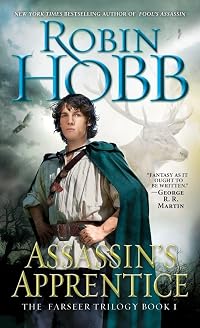
Assassin's Apprentice
by Robin Hobb
The Farseer Trilogy (1), Realm of the Elderlings (01 (Farseer 01))
On This Page
Description
Fantasy. Fiction. Literature. With unforgettable characters, a sweeping backdrop, and passionate storytelling, this is a fantasy debut to rival that of Robert Jordan. Filled with adventure and bloodshed, pageantry and piracy, mystery and menace, Assassin's Apprentice is the story of a royal house and the young man who is destined to chart its course through tempests of change. Young Fitz is the bastard son of the noble Prince Chivalry, raised in the shadow of the royal household by his show more father's gruff stableman. An outcast whose existence has forced his father to abdicate his claim on the throne, Fitz is ignored by all royalty except the devious King Shrewd, who has him secretly tutored in the arts of the assassin. For in the young man's blood is a heritage of magic, the talent called the Skill, as well as another, even more mysterious ability. As barbarous raiders ravage the coasts and leave behind the zombie-like husks of the townspeople to prowl the countryside, Fitz is growing toward manhood. Soon he will face his first dangerous, soul-shattering mission, a mission that poses as much a threat to himself as it does for his target-for Fitz is a threat to the throne...but he may also be the key to the survival of the kingdom. show lessTags
Recommendations
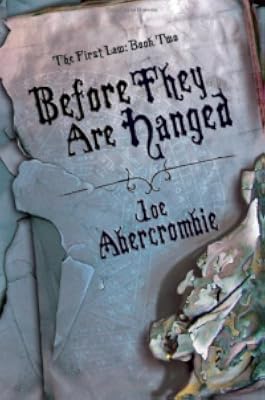
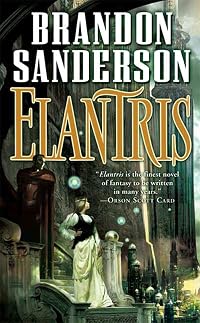
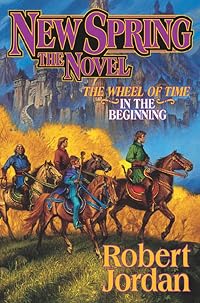

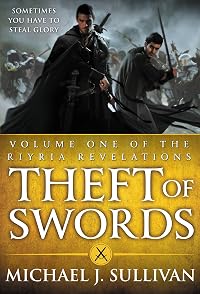
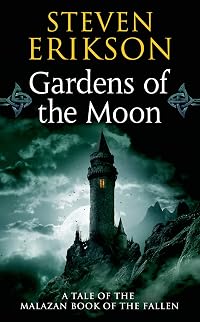
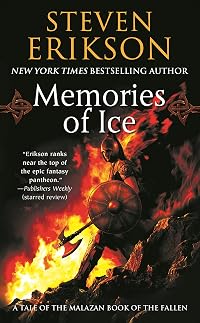
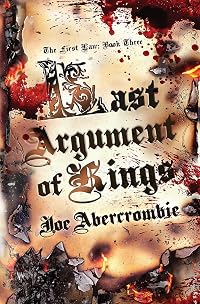
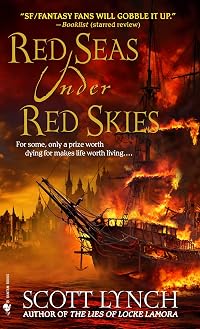

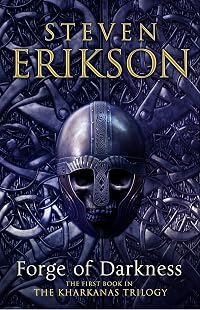
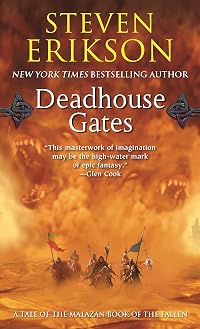
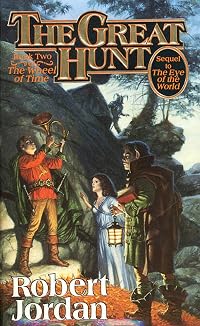
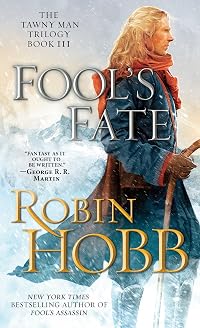
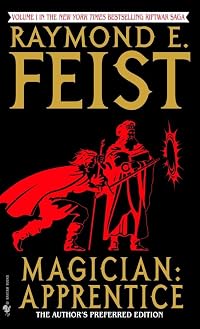
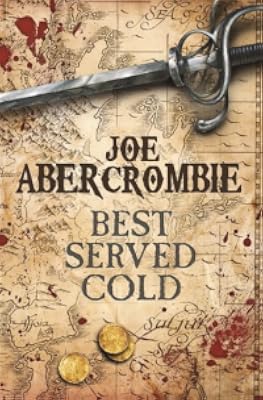

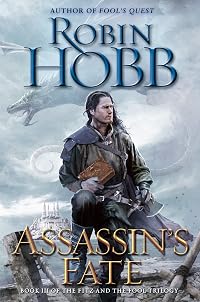
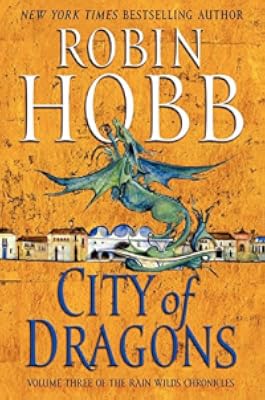
Member Recommendations
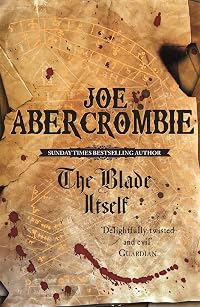
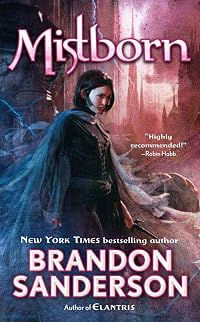
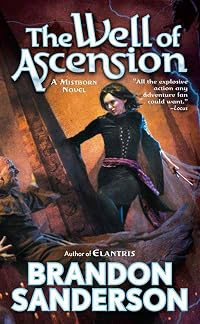
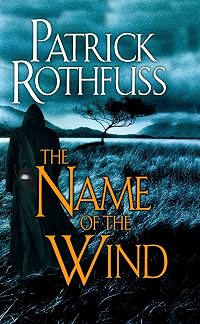
LiddyGally Both "autobiograhical" accounts of the life of a man with powers of a magical kind, told from boyhood to manhood. Compelling writing makes for a great read and memorable story!
70
Kaelkivial If you enjoy the Master/apprentice relationship and the coming of age, rags to relative riches story lines. Both involve young boys who are capable of things that they do not yet understand and must harness their powers towards a greater end.
40
sandstone78 For epic fantasy that is rarely makes things easy for its protagonists
30
soffitta1 A coming of age story, a noble boy with an uncertain future.
20
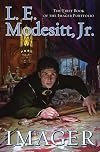
Dragget Similar coming-of-age themes where the plot follows the main character as he discovers and develops his skills against a background of political intrigue.
20
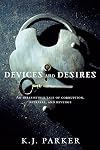
NovaStalker Both books that have no feel good quality about them at all. If you finish them and their respective series and don't hate life, love, everyone and want to kill yourself you're either incredibly well adjusted or a sociopath. That's a recommendation.
10
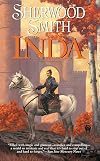
humouress Both series share the similarity of a country defending itself from invaders from the sea with whom they in fact share their ancestry.
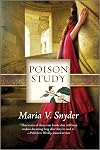
mene Both books have a similar setting: Told by a narrator when he is already old and has lived his life, he talks about his childhood. Both main characters lived in the "important building" of the city (though in Assassin's Apprentice it's a fantasy world and in The Book of Unholy Mischief it's Venice in Italy), both boys go to town every now and then to meet his friends (and a girl), and both are apprentices of someone/something they cannot tell anyone else (except for a few people). Both books contain a bit of magic, though of a different kind.
Member Reviews
Recently I heard some reviews stating this as a modern classic of fantasy; after finishing the book, I cannot help but agree. Fitz is a brilliant character, with much nuance in his personality and ethics, and the reader becomes completely sympathetic to his struggles. His relationships to other characters, both positive and negative, are both deep and believable; the cast throughout the whole book are well-constructed, and characters both male and female are deep and well-written. The book's descriptions are lavish and beautiful, without bogging down the story; the dialogue is well-written with clear subtext and intent behind every word; the magic system is innovative and fundamentally intriguing, a novel take I've never seen before. show more The plot itself is brilliant, full of depth and politicking without reaching the absurd complexity of the ASOIAF political layout, and I found myself hooked throughout. I cannot recommend this book highly enough, and will be reading the rest of the trilogy in future. show less
The writing is so clear and inviting that I fell into it with near abandon. I found myself living a bastard's life and smelling the intricacies of family, politics, warring magics, and a world I genuinely cared for. I've never read any of her novels before now, but I am certain to, now.
I couldn't put the first book down. I kept reading avidly and went right through the night. It had its wonderful hooks in me.
The characters all felt like real people who genuinely care about other people. It felt natural. It drew me in and made me feel the same. Being an assassin does not preclude having a heart. It was so easy to throw out the stereotypes and enjoy the ride.
I couldn't put the first book down. I kept reading avidly and went right through the night. It had its wonderful hooks in me.
The characters all felt like real people who genuinely care about other people. It felt natural. It drew me in and made me feel the same. Being an assassin does not preclude having a heart. It was so easy to throw out the stereotypes and enjoy the ride.
Assassin's Apprentice isn't doing anything incredibly new, but what it does do it does with such a high level of craft and emotional resonance that it feels new anyways. Be prepared for pain! Born out of wedlock and growing up without parents, Fitz knows from a young age that the odds are stacked against him. Most people see him as a tool at best and an obstacle at worst. He has to fight for every ounce of respect he gets; and no matter how hard he tries, he is always plagued by feelings of loneliness and powerlessness, finding himself unable to protect the people he loves or imagine a happy future for himself. He fails, and his failures have tragic consequences. There are points where it feels like Fitz is totally alone, like he has show more somehow lost everything that ever made his life good and faces a kind of hopelessness from which he will never escape.
However, perhaps the world is not ultimately a hopeless place. Maybe things can get better. Sickness can be healed; mistakes can be forgiven; relationships can be mended. Fitz's ability to turn away from desolation before it consumes him, to continue through hopelessness, keeps him and the reader afloat. There are moments of joy. Fitz does get stronger and smarter over time; and he does find people that he can see him, at least in part, for who he really is, and care about that version of him. It makes you think--maybe there is hope for the future.
Among all the darker aspects of childhood, one thing the novel does a particularly good job of depicting is the challenges children face in their relationships with authority figures. By virtue of his low status as court, Fitz has few friends his age. The most important relationships in his life are with mentors--adults like his father's groom Burrich, the assassin Chade, and cruel Skillmaster Galen who attempt to organize Fitz's life and cultivate him into the kind of man they want him to be, and use their age, rank, and expertise to justify doing so. Fitz is aware of all the ways that these mentors don't completely understand him as a person, but he can't help wanting to earn their love and affection. He can't stop wanting to become the person they tell him he should be, and trying to see the world in the way that they see it--for good or for ill. They don't just tell him what to do, they change who he is as a person. That's what childhood is to me--the unacknowledged gulf between a child and an adult with authority over them, and the pain of looking across it and seeing how far apart you are. That's what Fitz has to confront as he tries to develop a new understanding of himself, not long to be a child. show less
However, perhaps the world is not ultimately a hopeless place. Maybe things can get better. Sickness can be healed; mistakes can be forgiven; relationships can be mended. Fitz's ability to turn away from desolation before it consumes him, to continue through hopelessness, keeps him and the reader afloat. There are moments of joy. Fitz does get stronger and smarter over time; and he does find people that he can see him, at least in part, for who he really is, and care about that version of him. It makes you think--maybe there is hope for the future.
Among all the darker aspects of childhood, one thing the novel does a particularly good job of depicting is the challenges children face in their relationships with authority figures. By virtue of his low status as court, Fitz has few friends his age. The most important relationships in his life are with mentors--adults like his father's groom Burrich, the assassin Chade, and cruel Skillmaster Galen who attempt to organize Fitz's life and cultivate him into the kind of man they want him to be, and use their age, rank, and expertise to justify doing so. Fitz is aware of all the ways that these mentors don't completely understand him as a person, but he can't help wanting to earn their love and affection. He can't stop wanting to become the person they tell him he should be, and trying to see the world in the way that they see it--for good or for ill. They don't just tell him what to do, they change who he is as a person. That's what childhood is to me--the unacknowledged gulf between a child and an adult with authority over them, and the pain of looking across it and seeing how far apart you are. That's what Fitz has to confront as he tries to develop a new understanding of himself, not long to be a child. show less
Assassin's Apprentice is a novel by Robin Hobb. Six months ago, this author was unknown to me. By random chance, I'd found copies of two of her novels on the shelves of a local book exchange, and I snapped them up, hoping for light reading. I was very impressed. Soon, I discovered Robin Hobb was (1) a pseudonym, and (2) that the Rain Wild Chronicles were part of a larger cycle of novels she had written, all in a fairly-well developed fantasy world.
With that in mind, I picked up Assassin's Apprentice. Like her Dragon novels, I was hesitant to set my hopes too high. I could envision her attempts at this genre descending into cliches that would both insult my intelligence, and waste my time.
Oh, how wrong I was. To my great pleasure, I show more loved this novel! It follows the coming-of-age story of a young lad, the bastard son of the king-in-waiting, who is raised in the court of intrigue. To keep him from becoming a tool "wielded in the hands of our enemies", the king sees to his training the secret lessons of becoming an assassin.
Rather than write a stock character from a roleplay game, FitzChivalry Farseer is an engaging character from the beginning. Early in life, he perceives his threat to the throne, just by the mere act of being alive. This, more than anything, shapes his personality. He must be silent and unseen, in order to survive. His guardian, Burrich, is the King's stablemaster, and teaches him what it means to dedicate oneself to a task. Young Fitz becomes the King's Man,which, he soon realizes, requires all his life, up to, and beyond his, death. It is a question we must all struggle with: fidelity and loyalty come with a cost, and a burden of time, resources, and giving of oneself. He constantly bemoans the fact that his life isn't his, but the king's. Would you kill your best friend, at the command of your king?
Just an aside--when I was young, I remember asking a friend how he could spend ten hours a day, six days a week, at a local hated plywood mill. His answer stays with me to this day: "I do it because I love my family, and want them to be happy." That statement stunned me into thirty years of thoughts, where I still ponder how much I'd give to make my family a happy one, even at the cost of my own unhappiness. OK - that was a bit off the beaten path. Back to Assassin's Apprentice.
Hobb's characters are nice and tight, fantastically well-formed and believable, despite the fantastic, slightly-magical setting. She doesn't overextend herself by creating a complex and arcane magic to tinker incessantly with (Brandon Sanderson comes to mind), but talks about two kinds of magic: The Wit--also known as Beast Magic--and The Skill, a mental magic that allows its users to suggest and send thoughts to others. Moreover, the magic is culturally bound. The Wit is abhorred by most of the population, considered an evil and dangerous magic. The skill is primarily the domain of nobility.
Fitz's land, The Six Duchies, is steeped in the politics and machinations of its uncles, and court nobles. The trees and plants, and even the food are much like our world's, and lend a realism and credibility to Hobb's created world.
Her work is very satisfying, and I highly recommend it to anyone who is bored with the pedestrian high fantasy that usually checker bookstore and library shelves.
5 of 5 Stars. show less
With that in mind, I picked up Assassin's Apprentice. Like her Dragon novels, I was hesitant to set my hopes too high. I could envision her attempts at this genre descending into cliches that would both insult my intelligence, and waste my time.
Oh, how wrong I was. To my great pleasure, I show more loved this novel! It follows the coming-of-age story of a young lad, the bastard son of the king-in-waiting, who is raised in the court of intrigue. To keep him from becoming a tool "wielded in the hands of our enemies", the king sees to his training the secret lessons of becoming an assassin.
Rather than write a stock character from a roleplay game, FitzChivalry Farseer is an engaging character from the beginning. Early in life, he perceives his threat to the throne, just by the mere act of being alive. This, more than anything, shapes his personality. He must be silent and unseen, in order to survive. His guardian, Burrich, is the King's stablemaster, and teaches him what it means to dedicate oneself to a task. Young Fitz becomes the King's Man,which, he soon realizes, requires all his life, up to, and beyond his, death. It is a question we must all struggle with: fidelity and loyalty come with a cost, and a burden of time, resources, and giving of oneself. He constantly bemoans the fact that his life isn't his, but the king's. Would you kill your best friend, at the command of your king?
Just an aside--when I was young, I remember asking a friend how he could spend ten hours a day, six days a week, at a local hated plywood mill. His answer stays with me to this day: "I do it because I love my family, and want them to be happy." That statement stunned me into thirty years of thoughts, where I still ponder how much I'd give to make my family a happy one, even at the cost of my own unhappiness. OK - that was a bit off the beaten path. Back to Assassin's Apprentice.
Hobb's characters are nice and tight, fantastically well-formed and believable, despite the fantastic, slightly-magical setting. She doesn't overextend herself by creating a complex and arcane magic to tinker incessantly with (Brandon Sanderson comes to mind), but talks about two kinds of magic: The Wit--also known as Beast Magic--and The Skill, a mental magic that allows its users to suggest and send thoughts to others. Moreover, the magic is culturally bound. The Wit is abhorred by most of the population, considered an evil and dangerous magic. The skill is primarily the domain of nobility.
Fitz's land, The Six Duchies, is steeped in the politics and machinations of its uncles, and court nobles. The trees and plants, and even the food are much like our world's, and lend a realism and credibility to Hobb's created world.
Her work is very satisfying, and I highly recommend it to anyone who is bored with the pedestrian high fantasy that usually checker bookstore and library shelves.
5 of 5 Stars. show less
I like this book a lot. It's almost 5-stars, but not quite. Just a hair below. So we can call it 4.5 stars, I suppose.
I love the way Hobb uses first person. When I was young, I hated reading first person narrative, but now I really enjoy it if it's done well. Hobb does that. Fitz's perspective is all we have, but in the scope of this story, that works best. It also helps to accentuate the relationships in Fitz's early life and his emotional ties to them. They're essential to his growth as a character and Hobb hits us with their impact. They are his own words to us and wouldn't be as heartfelt in third person.
The story does move along slowly for a good bit of the novel. Hobb's world-building is gradual but thorough. There are many layers show more here that take some time to formulate, and the foundation of Fitz's training and early life need that layering to whole the structure of the tale together. So while slow at times, it feels necessary.
For all of that, when something does happen, it packs a serious punch. Built on the foundation of the story and tied together with the emotional connections of our narrator, the punch is felt to the core. I won't spoil anything, but the last few chapters of this book really made me want to immediately start the sequel.
This was a re-read for me. For some reason, I didn't rush out and get the sequel after reading this novel two years ago. I honestly can't say why that is. But that's a mistake I won't make this time. Next up: [b:Royal Assassin|68487|Royal Assassin (Farseer Trilogy, #2)|Robin Hobb|http://photo.goodreads.com/books/1170692625s/68487.jpg|4668002]. show less
I love the way Hobb uses first person. When I was young, I hated reading first person narrative, but now I really enjoy it if it's done well. Hobb does that. Fitz's perspective is all we have, but in the scope of this story, that works best. It also helps to accentuate the relationships in Fitz's early life and his emotional ties to them. They're essential to his growth as a character and Hobb hits us with their impact. They are his own words to us and wouldn't be as heartfelt in third person.
The story does move along slowly for a good bit of the novel. Hobb's world-building is gradual but thorough. There are many layers show more here that take some time to formulate, and the foundation of Fitz's training and early life need that layering to whole the structure of the tale together. So while slow at times, it feels necessary.
For all of that, when something does happen, it packs a serious punch. Built on the foundation of the story and tied together with the emotional connections of our narrator, the punch is felt to the core. I won't spoil anything, but the last few chapters of this book really made me want to immediately start the sequel.
This was a re-read for me. For some reason, I didn't rush out and get the sequel after reading this novel two years ago. I honestly can't say why that is. But that's a mistake I won't make this time. Next up: [b:Royal Assassin|68487|Royal Assassin (Farseer Trilogy, #2)|Robin Hobb|http://photo.goodreads.com/books/1170692625s/68487.jpg|4668002]. show less
Assassin’s Apprentice is an odd one, because it has the slow pace of a cozy fantasy, but with very little coziness to be found in the storyline. If you need your fantasy to be an action packed, briskly paced page-turner, you probably won’t like this book. But if you like to be fully immersed in a well thought out fantasy world, can tolerate slower paced plots, and are into the intricacies and political intrigue of fantasy worlds, then I think this book would be for you. Assassin’s Apprentice is written in 1st person from a singular perspective, which is great if you enjoy being inside a main character’s head. Robin Hobb makes a cool choice to combine the more modern feeling of a 1st person narrative with an old school fantasy show more writing style, so readers who are used to recently published fantasy books will probably still really like this one.
The first half is much slower, and towards the beginning I chipped away at a glacial pace, unsure whether or not it would be worth the read. The second half gets way more interesting, building upon itself. And then Robin Hobb executes some impressive, complicated twists close to the end that had my heart racing! She’s masterful at weaving all the parts of the story together in a way that creates great payoff for the reader. She also writes characters who have depth to them, including plenty of morally gray characters, making sure they develop gradually and realistically over the course of the book. For me, it ultimately ended up being a very solid 4 star read! Absolutely continuing on with the series. show less
The first half is much slower, and towards the beginning I chipped away at a glacial pace, unsure whether or not it would be worth the read. The second half gets way more interesting, building upon itself. And then Robin Hobb executes some impressive, complicated twists close to the end that had my heart racing! She’s masterful at weaving all the parts of the story together in a way that creates great payoff for the reader. She also writes characters who have depth to them, including plenty of morally gray characters, making sure they develop gradually and realistically over the course of the book. For me, it ultimately ended up being a very solid 4 star read! Absolutely continuing on with the series. show less
http://nwhyte.livejournal.com/1991623.html
I thoroughly enjoyed Assassin's Apprentice, the tale of the bastard son of a prince whose natural and supernatural gifts turn out to be useful to his grandfather in the twisted paths of statecraft in a fantasy kingdom desperately seeking allies against attack from a barely human, possibly inhuman, foe. The description of intersecting court politics and personal loyalty was intricate, fascinating and even moving. (OK, she uses puppies shamelessly as a way of engaging the reader's emotions; but I am a sucker for small furry creatures with large trusting eyes.) I will go out and get the sequel, and probably the third volume; and then consider how much further to take it.
I am trying to identify why show more Assassin's Apprentice worked for me, when the very similar (and much shorter) Yearwood totally did not. It may partly be the puppies; it may be the well-handled theme of education from many sources. But in general I think Hobb has a better political sense, and also after killing off a significant character or two in the early chapters there is a much greater feeling of suspense.
One minor linguistic whinge: the words "flout" and "flaunt" are used the wrong way round! show less
I thoroughly enjoyed Assassin's Apprentice, the tale of the bastard son of a prince whose natural and supernatural gifts turn out to be useful to his grandfather in the twisted paths of statecraft in a fantasy kingdom desperately seeking allies against attack from a barely human, possibly inhuman, foe. The description of intersecting court politics and personal loyalty was intricate, fascinating and even moving. (OK, she uses puppies shamelessly as a way of engaging the reader's emotions; but I am a sucker for small furry creatures with large trusting eyes.) I will go out and get the sequel, and probably the third volume; and then consider how much further to take it.
I am trying to identify why show more Assassin's Apprentice worked for me, when the very similar (and much shorter) Yearwood totally did not. It may partly be the puppies; it may be the well-handled theme of education from many sources. But in general I think Hobb has a better political sense, and also after killing off a significant character or two in the early chapters there is a much greater feeling of suspense.
One minor linguistic whinge: the words "flout" and "flaunt" are used the wrong way round! show less
Members
- Recently Added By
Lists

Best Fantasy Novels
821 works; 361 members

NPRs your picks: top 100 Sci-Fi/Fantasy books
297 works; 80 members

Epic fantasy by female authors
47 works; 7 members

Favorite Series
238 works; 93 members

20th Century Literature
1,161 works; 55 members

Favourite Books
1,819 works; 316 members

Epic Fantasy
12 works; 7 members

Female Author
1,234 works; 67 members

Assassins
10 works; 4 members

One Book, Many Authors
441 works; 40 members

Amazon's 100 Science Fiction & Fantasy Books to Read in a Lifetime
87 works; 23 members
Survey of Science Fiction and Fantasy
101 works; 13 members
Books tagged favorites
390 works; 30 members
My top 10 Fantasy Novels
9 works; 2 members

Bookriot's 100 Must-Read Sci-Fi Fantasy Novels By Female Authors
100 works; 9 members
Here There Be Dragons
143 works; 23 members

LGBTQ+ Speculative Fiction
821 works; 51 members
Books about the ordinary family members of interesting sounding people.
20 works; 2 members
Speculative Fiction to Read
706 works; 32 members
Recommended Speculative Fiction by Women and People of Color
298 works; 45 members

Sarah's Wish List
48 works; 1 member

SantaThing 2014 Gifts
299 works; 17 members

Books Read in 2006
421 works; 8 members

Top Five Books of 2024
795 works; 264 members

Recommended Fantasy Books
77 works; 5 members

ebooks_TBR_Kindle
600 works; 1 member
Book Worlds We'd Like To Visit
322 works; 158 members

Read in 2006
140 works; 1 member

READ 2025
190 works; 1 member

al.vick-series
381 works; 2 members

Books Read in 2020
4,379 works; 124 members

Top Five Books of 2015
811 works; 240 members
Stories Featuring Passages, Gateways and Doors
39 works; 11 members
Epic Fantasy
4 works; 2 members
Books Read in 2018
4,360 works; 110 members

Books Read in 2016
4,666 works; 199 members

Unread books
1,063 works; 87 members

Books That Changed Me
158 works; 47 members

Five star books
1,767 works; 110 members
Best Books of the 20th Century
193 works; 5 members

What are your favourite books?
121 works; 11 members
Ten Books That Have Stayed With Me
160 works; 30 members
Epic Fantasy of the 90s
111 works; 4 members

Books Read in 2014
2,343 works; 89 members

What Twitter Talks About
14 works; 1 member
Talk Discussions
Past Discussions
Kid grows up in stables and has magic ability to bond with an animal in Name that Book (August 2020)
Author Information

142+ Works 107,218 Members
Robin Hobb was born in California but grew up in Alaska. It was there that she learned to love the forest and the wilderness. She has lived most of her life in the Pacific Northwest and currently resides in Tacoma, Washington. She is the author of five critically acclaimed fantasy series: The Rain Wilds Chronicles (Dragon Keeper, Dragon Haven, show more City of Dragons, Blood of Dragons), The Soldier Son Trilogy, The Tawny Man Trilogy, The Liveship Traders Trilogy, and The Farseer Trilogy. Under the name Megan Lindholm she is the author of The Wizard of the Pigeons, Windsingers, and Cloven Hooves. The Inheritance, a collection of stories, was published under both names. Her short fiction has won the Asimov's Readers' Award and she has been a finalist for both the Nebula and Hugo awards. (Publisher Provided) Margaret Astrid Lindholm Ogden was born in Berkeley, California on March 5, 1952. She writes under the pseudonyms Megan Lindholm and Robin Hobb. She writes fantasy and science fiction under the name Robin Hobb including the Farseer Trilogy, the Liveship Traders Trilogy, the Tawny Man Trilogy, the Soldier Son Trilogy, the Rain Wilds Chronicles, and the Fitz and the Fool Trilogy. Her title, Assassin's Fate, made The New York Times Best Seller List in 2017. (Bowker Author Biography) show less
Some Editions
Awards and Honors
Series


Work Relationships
Is contained in
Has the adaptation
Is abridged in
Common Knowledge
- Canonical title
- Assassin's Apprentice
- Original title
- Assassin's Apprentice
- Alternate titles*
- Der Weitseher
- Original publication date
- 1995
- People/Characters
- FitzChivalry Farseer (Newboy, Fitz, Boy, Bastard); The Fool (White Prophet, Beloved); Burrich (Heart of the Pack); Verity Farseer; Regal Farseer; King Shrewd (show all 24); Lady Patience Farseer; Chade Fallstar; Molly Nosegay; Kettricken; Galen; Serene; Justin; Will; August; Nosey; Lacey; Hod; Prince Rurisk; Jonqui; King Eyod; FitzChivalry Farseer; The Fool; Burrich
- Important places
- Six Duchies; Forge, Buck Duchy; Buck Duchy; Buck Town; Buckkeep; Neatbay, Rippon Duchy (show all 8); Jhaampe, Mountain Kingdom; Moonseye, Farrow Duchy
- Dedication
- For Giles
And for Raphael and Freddy,
the Princes of Assassins.
Bantam 1996 edition:
To Giles
and
to the memories of
Ralph the Orange
and
Freddie Cougar
Princes among Assassins
and
Felines above Reproach - First words
- A history of the Six Duchies is of necessity a history of its ruling family, the Farseers.
- Quotations
- [The Fool] was proffering a leather drawstring bag. "What is it?" I asked, and tried not to let him hear either the flowers or the doll in my voice.
- Last words
- (Click to show. Warning: May contain spoilers.)Somewhere, a friend says softly, "No."
- Blurbers
- Rawn, Melanie; George R.R. Martin
- Original language
- English
- Canonical DDC/MDS
- 813.54
- Canonical LCC
- PS3558.O33636
- Disambiguation notice
- Despite some titles similar to those of the original 6, the French version of the Farseer books splits the 2 trilogies into 13 books. This is 1 of 13 and it is the only book that is exactly the same as the original one. Make ... (show all)sure you combine only with identically split parts of the series.
*Some information comes from Common Knowledge in other languages. Click "Edit" for more information.
Classifications
Statistics
- Members
- 15,286
- Popularity
- 459
- Reviews
- 330
- Rating
- (4.10)
- Languages
- 20 — Bulgarian, Chinese, Czech, Danish, Dutch, English, Estonian, Finnish, French, German, Greek, Hungarian, Italian, Polish, Russian, Spanish, Swedish, Turkish, Portuguese (Portugal), Portuguese (Brazil)
- Media
- Paper, Audiobook, Ebook
- ISBNs
- 101
- ASINs
- 44