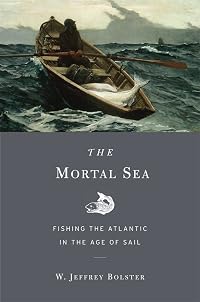
The Mortal Sea: Fishing the Atlantic in the Age of Sail
by W. Jeffrey Bolster
On This Page
Description
Since the Viking ascendancy in the Middle Ages, the Atlantic has shaped the lives of people who depend upon it for survival. And just as surely, people have shaped the Atlantic. In his innovative account of this interdependency, W. Jeffrey Bolster, a historian and professional seafarer, takes us through a millennium-long environmental history of our impact on one of the largest ecosystems in the world. While overfishing is often thought of as a contemporary problem, Bolster reveals that show more humans were transforming the sea long before factory trawlers turned fishing from a handliner's art into an industrial enterprise. The western Atlantic's legendary fishing banks, stretching from Cape Cod to Newfoundland, have attracted fishermen for more than five hundred years. Bolster follows the effects of this siren's song from its medieval European origins to the advent of industrialized fishing in American waters at the beginning of the twentieth century. Blending marine biology, ecological insight, and a remarkable cast of characters, from notable explorers to scientists to an army of unknown fishermen, Bolster tells a story that is both ecological and human: the prelude to an environmental disaster. Over generations, harvesters created a quiet catastrophe as the sea could no longer renew itself. Bolster writes in the hope that the intimate relationship humans have long had with the ocean, and the species that live within it, can be restored for future generations. show lessTags
Recommendations

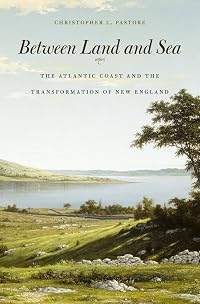
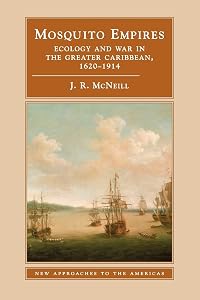
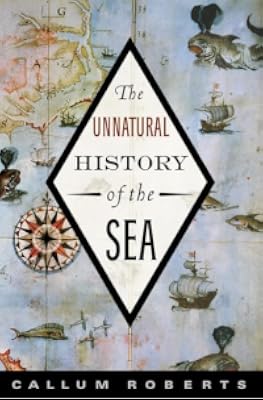
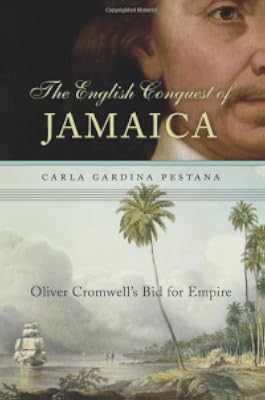
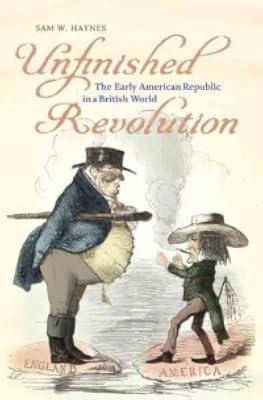

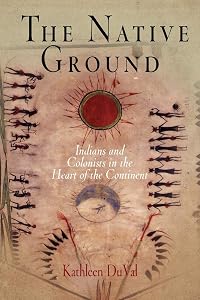
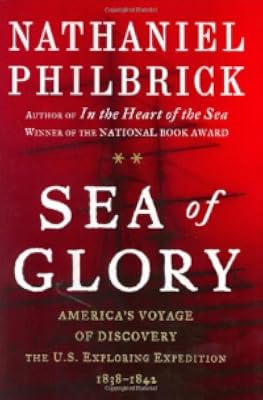

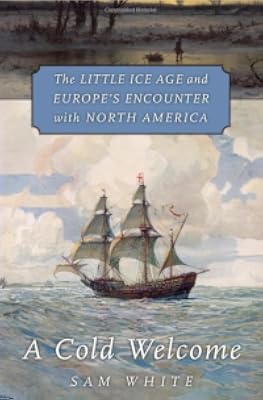
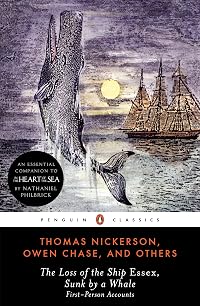
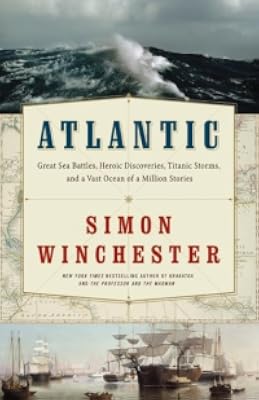
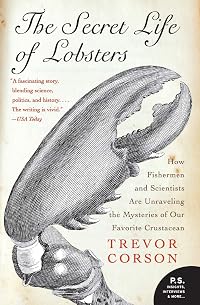














Member Recommendations

Member Reviews
A tremendously important book which deserves a very wide audience. Bolster's chronicle of the "changes in the sea" wrought by human activity in the north Atlantic through the early days of the twentieth century is a remarkably thorough, well-researched, and one cannot but hope, instructive guide to how we as a society might be able to tackle current and future environmental challenges before irreparable damage to the planet and its ecosystems occurs.
Drawing on an impressive range of archival and published sources, Bolster tracks both fishing activities (technological advances, commercial practices, changing markets and the rise of industrial-level harvesting techniques) and the various local, state, and federal policies designed to show more conserve or protect fishing stocks over the centuries. He captures the tension between generations of fisherman noticing and being concerned about decreases in fish population, always at odds with their motivation to fish harder and more intensively so as to keep themselves in business. And Bolster tracks the slow development of scientific understanding of how ocean ecosystems function and the ways in which overfishing impacts the living ocean for the long term. Importantly, he notes that often during the 19th century it as the small-scale fishermen who were calling for protections, while the scientific poobahs tended to side with the industrialists in arguing that no human actions could possibly change the "immortal sea," which would, they argued, remain unchangingly productive no matter what.
Bolster's final argument, that a "precautionary course in the face of environmental uncertainties" would have been better for the world in the long run, is a theme that extends far beyond the particular themes of this volume. One hopes that policymakers will read and learn from this book, that historians will use it as an excellent example of their craft, and that readers will enjoy Bolster's readable prose and the fascinating details he's packed between these covers. show less
Drawing on an impressive range of archival and published sources, Bolster tracks both fishing activities (technological advances, commercial practices, changing markets and the rise of industrial-level harvesting techniques) and the various local, state, and federal policies designed to show more conserve or protect fishing stocks over the centuries. He captures the tension between generations of fisherman noticing and being concerned about decreases in fish population, always at odds with their motivation to fish harder and more intensively so as to keep themselves in business. And Bolster tracks the slow development of scientific understanding of how ocean ecosystems function and the ways in which overfishing impacts the living ocean for the long term. Importantly, he notes that often during the 19th century it as the small-scale fishermen who were calling for protections, while the scientific poobahs tended to side with the industrialists in arguing that no human actions could possibly change the "immortal sea," which would, they argued, remain unchangingly productive no matter what.
Bolster's final argument, that a "precautionary course in the face of environmental uncertainties" would have been better for the world in the long run, is a theme that extends far beyond the particular themes of this volume. One hopes that policymakers will read and learn from this book, that historians will use it as an excellent example of their craft, and that readers will enjoy Bolster's readable prose and the fascinating details he's packed between these covers. show less
Ratings
Members
- Recently Added By
Published Reviews
More comprehensive regulation came in the 1970s after fleets of factory ships from the Soviet Union and other nations began appearing off New England. The United States and Canada responded with establishment of a 200-mile foreign exclusion zone. Despite continuing attempts to weaken the oversight of fisheries, Bolster argues that strict regulation remains the only hope for redemption of what show more has become “a mortal sea.” show less
added by John_Vaughan
Lists

Books in the Bibliography of Contested Continent by Peter Mancall
495 works; 1 member
Author Information
5+ Works 288 Members
Awards and Honors
Common Knowledge
- Original publication date
- 2012
Classifications
- Genres
- Nonfiction, History, Science & Nature, Home & Garden, Hunting and Fishing, Sports and Leisure, General Nonfiction
- DDC/MDS
- 639.209163 — Applied science & technology Agriculture Hunting, fishing, conservation, related technologies Commercial fishing, whaling, sealing
- LCC
- SH213.5 .B65 — Agriculture Aquaculture. Fisheries. Angling Aquaculture. Fisheries. Angling Fisheries By oceans and seas
- BISAC
Statistics
- Members
- 83
- Popularity
- 383,511
- Reviews
- 1
- Rating
- (4.83)
- Languages
- English
- Media
- Paper, Ebook
- ISBNs
- 5
- UPCs
- 1
- ASINs
- 1