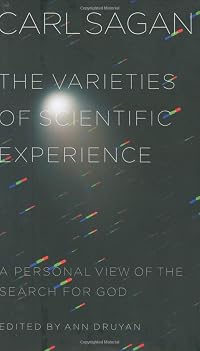
The Varieties of Scientific Experience: A Personal View of the Search for God
by Carl Sagan
Gifford Lectures (1985)
On This Page
Description
Sagan sets down his detailed thoughts on the relationship between religion and science and describes his personal search to understand the nature of the sacred in the vastness of the cosmos. In 1985, Sagan was invited to give the famous Gifford Lectures in Scotland on the grand occasion of the lectureship's centennial. The result is this delightfully intimate discussion of his views on topics ranging from the likelihood of intelligent life on other planets to the danger of nuclear show more annihilation of our own, on creationism and so-called intelligent design to a new concept of science as "informed worship" to manic depression and the possible chemical nature of transcendence. In his trademark clear and down-to-earth voice, the late astronomer and astrophysicist illuminates his conversation with examples from cosmology, physics, philosophy, literature, psychology, cultural anthropology, mythology, theology, and more.--From publisher description. show lessTags
Recommendations


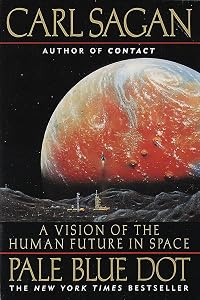



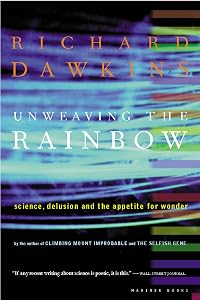
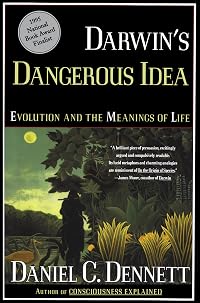
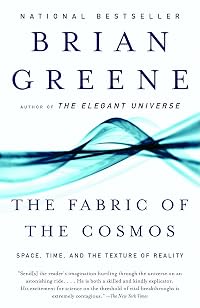
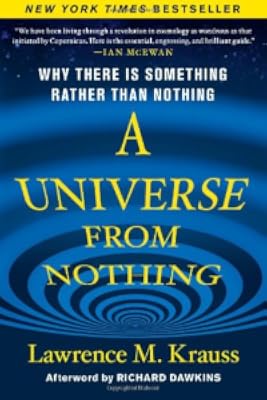

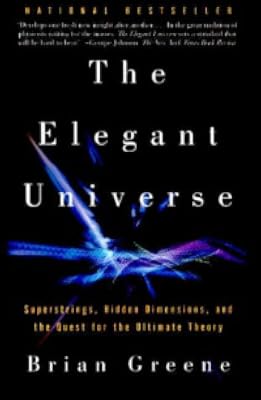

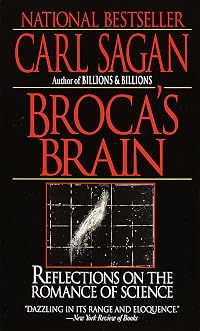

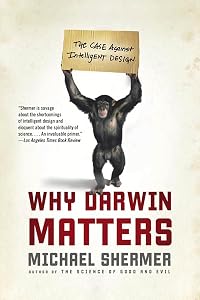
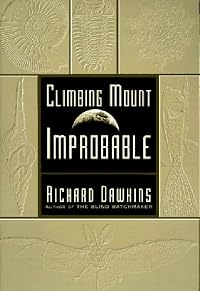
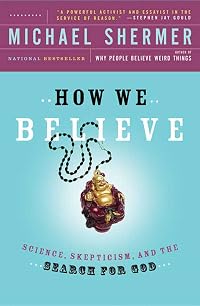
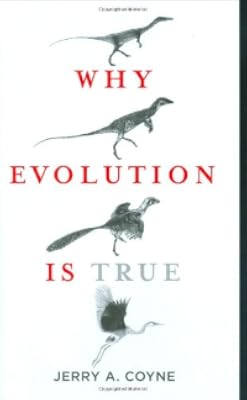

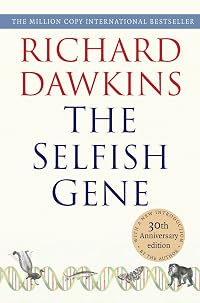







Member Recommendations
Member Reviews
I had been wanting to read this book since it first came out in 2006. First, it took me a while to procure a copy. Then, I convinced myself that I had to read James's The Varieties of Religious Experience first. For whatever reason, nas much as I was interested in James's work, I just could make any headway. (Perhaps it's because the edition I own is a bulky tome, and I just got sick of carting it around.)
But suddenly, this summer, it was time. We'd been watching Cosmos together as a family, and while I found the first episode a little tedious, I've just been rapturously in love with it since then. Additionally, some recent conversations at Impression 5 about the big questions of physics have had me eyeing the science shelves of my show more collection much more seriously when I get home.
So in I dove. This book started out magnificently. Full of the awe at the grandeur of the universe that Sagan was always so enthusiastic about. And the first half contains absolutely gorgeous illustrations. I can hardly imagine anyone not being swept up in Sagan's sense of wonder. Well, anyone not too busy being offended by Sagan's skeptical approach to the claims of the religions of the world. Seriously. I got done with this book thinking I had no business going to church ever again. I'm still recovering.
Anyway, a third of my way into this book, I ran around declaring that this was going to be one of my top ten favorite nonfiction books of all time. Now that I'm finished, I'm not so sure. The problem seems to be a disconnect between what I was hoping for in this book, and what Sagan's intent was in giving these lectures. I eagerly sought out this book to understand better Sagan's spiritual understanding of the universe. To get a glimpse of how his scientific quest sustained and uplifted him. But of course, Sagan's faith? belief? understanding? propelled him further -- to action.
The final chapter focused on the likelihood of the human race exterminating itself before taking the next steps into the stars. Specifically, he focused on the nightmare scenario of nuclear holocaust. Which just felt dated. I know, I know, there are still enough nuclear warheads on this plant to blow us all up several times over, but the sense of urgency seems to have passed. Maybe we're deluding ourselves, but it no longer seems as likely a scenario. It seems much more likely to me, today, that if we are going to destroy ourselves, it will be through climate change/ecosystem collapse -- another concern that was near and dear to Sagan's heart. But the central idea of his conclusion -- that we much unite our religious and scientific efforts in the name of saving ourselves, remains powerful and true.
One of the most delightful features of the book was the excerpts from the transcripts of the Q&A sessions from this lecture series that concludes the book. It was wonderful to read his responses to multiple questioners who tried to back him into various corners -- his answers were always respectful, always assertive, always thoughtful. It did a good deal to pull me out of the funk of the "we're all gonna die" chapter. But still, I am left with the disquieting feeling -- what more could I be doing to protect the future of the human race? show less
But suddenly, this summer, it was time. We'd been watching Cosmos together as a family, and while I found the first episode a little tedious, I've just been rapturously in love with it since then. Additionally, some recent conversations at Impression 5 about the big questions of physics have had me eyeing the science shelves of my show more collection much more seriously when I get home.
So in I dove. This book started out magnificently. Full of the awe at the grandeur of the universe that Sagan was always so enthusiastic about. And the first half contains absolutely gorgeous illustrations. I can hardly imagine anyone not being swept up in Sagan's sense of wonder. Well, anyone not too busy being offended by Sagan's skeptical approach to the claims of the religions of the world. Seriously. I got done with this book thinking I had no business going to church ever again. I'm still recovering.
Anyway, a third of my way into this book, I ran around declaring that this was going to be one of my top ten favorite nonfiction books of all time. Now that I'm finished, I'm not so sure. The problem seems to be a disconnect between what I was hoping for in this book, and what Sagan's intent was in giving these lectures. I eagerly sought out this book to understand better Sagan's spiritual understanding of the universe. To get a glimpse of how his scientific quest sustained and uplifted him. But of course, Sagan's faith? belief? understanding? propelled him further -- to action.
The final chapter focused on the likelihood of the human race exterminating itself before taking the next steps into the stars. Specifically, he focused on the nightmare scenario of nuclear holocaust. Which just felt dated. I know, I know, there are still enough nuclear warheads on this plant to blow us all up several times over, but the sense of urgency seems to have passed. Maybe we're deluding ourselves, but it no longer seems as likely a scenario. It seems much more likely to me, today, that if we are going to destroy ourselves, it will be through climate change/ecosystem collapse -- another concern that was near and dear to Sagan's heart. But the central idea of his conclusion -- that we much unite our religious and scientific efforts in the name of saving ourselves, remains powerful and true.
One of the most delightful features of the book was the excerpts from the transcripts of the Q&A sessions from this lecture series that concludes the book. It was wonderful to read his responses to multiple questioners who tried to back him into various corners -- his answers were always respectful, always assertive, always thoughtful. It did a good deal to pull me out of the funk of the "we're all gonna die" chapter. But still, I am left with the disquieting feeling -- what more could I be doing to protect the future of the human race? show less
A beautiful illustration of Carl Sagan's lifelong quest to promote a spiritual skepticism. Sagan debunks canals on Mars in one chapter, and endorses theologian Paul Tillich in another, and introduces the book with a chapter describing his awe at the universe, using NASA photographs as 20th Century icons to ponder and commune with.
While he does an excellent job dismissing several arguments against evolutionary theory, his goal isn't to dismantle traditional religion; rather it's to share his vision of humanity as one with the stars.
While he does an excellent job dismissing several arguments against evolutionary theory, his goal isn't to dismantle traditional religion; rather it's to share his vision of humanity as one with the stars.
I was taken by Sagan when I read [Cosmos], and I am taken with him in this book, the record of his 1985 Gifford Lectures. Sagan tackles questions of religion and the future of humanity using the mixture of incisive thought and open humility that he does in his other books. His main idea is that religion, like so much human activity, is tainted by a thorough parochialism. We join the religion of our culture, not noticing the thousands of alternative true faiths. For some reason, apparitions of the Virgin Mary only show up in Catholic lands. The Abrahamic faiths progress as if humans are the only creatures in the galaxy of godlike intelligence.
Sagan is an unabashed religious skeptic. He spends one chapter picking apart arguments for God's show more existence. He spends another chapter looking at "extraterrestrial lore" and the mind's ability to fool itself. One alleged "flying saucer" sighting, but a highway patrolman, turned out to be a farmer's wheat silo. The fantastic detail of alien sightings and abductions and the total lack of evidence associated with them form an interesting contrast. Same with early twentieth century amateur astronomer Percival Lowell's belief that he could see canals on Mars - and the total lack of evidence from telescope photos. The human mind is very good at making itself believe whatever it wants. Thought is frail.
Instead of wishful thinking and parochial views on the cosmos, Sagan calls for a scientific approach to life in the broadest sense:
We have Ten Commandments in the West. Why is there no commandment exhorting us to learn? "Thou shalt understand the world. Figure things out." There's nothing like that. And very few religions urge us to enhance our understanding of the natural world.
Reading Sagan and other religious skeptics is good for a believer like me. It's like an enema: painful but makes me examine my beliefs.
What I like about Sagan is that although he is an atheist or agnostic, he recognizes religion's power to change the world. These lectures, given in 1985 at the end of the Cold War (not that he knew that!), are concerned with the possibility of nuclear apocalypse. We forget how vast human history is, how expansive the universe is, and get caught up in petty conflicts that can have eons of repercussions. Sagan, ever the astronomer concerned with the big picture of life, calls us to think about the progress of not American, not Chinese, not Islamic, but human civilization as a whole. Would another, more advanced race be impressed by us? Or would it pity our stupidity, our efforts to play at grand civilization with stone age minds? Were Sagan alive I suspect he would be an activist for the Long Now foundation. As it is he recognizes the powerful ability of religion to change the world for the better. And as a scientific prophet, he calls for that change:
Christianity also says that redemption is possible. So an anti-Christian would be someone who argues to hate your enemy and that redemption is impossible, that bad people remain forever bad. So I ask you, which position is better suited to an age of apocalyptic weapons? What do you do if one side does not profess those views and you claim to be Christian? … You can also ask, which position is uniformly embraced by the nation-states? The answers to those questions are very clear. There is no nation that adopts the Christian position on this issue. Not one. (209)
Amen. show less
Sagan is an unabashed religious skeptic. He spends one chapter picking apart arguments for God's show more existence. He spends another chapter looking at "extraterrestrial lore" and the mind's ability to fool itself. One alleged "flying saucer" sighting, but a highway patrolman, turned out to be a farmer's wheat silo. The fantastic detail of alien sightings and abductions and the total lack of evidence associated with them form an interesting contrast. Same with early twentieth century amateur astronomer Percival Lowell's belief that he could see canals on Mars - and the total lack of evidence from telescope photos. The human mind is very good at making itself believe whatever it wants. Thought is frail.
Instead of wishful thinking and parochial views on the cosmos, Sagan calls for a scientific approach to life in the broadest sense:
We have Ten Commandments in the West. Why is there no commandment exhorting us to learn? "Thou shalt understand the world. Figure things out." There's nothing like that. And very few religions urge us to enhance our understanding of the natural world.
Reading Sagan and other religious skeptics is good for a believer like me. It's like an enema: painful but makes me examine my beliefs.
What I like about Sagan is that although he is an atheist or agnostic, he recognizes religion's power to change the world. These lectures, given in 1985 at the end of the Cold War (not that he knew that!), are concerned with the possibility of nuclear apocalypse. We forget how vast human history is, how expansive the universe is, and get caught up in petty conflicts that can have eons of repercussions. Sagan, ever the astronomer concerned with the big picture of life, calls us to think about the progress of not American, not Chinese, not Islamic, but human civilization as a whole. Would another, more advanced race be impressed by us? Or would it pity our stupidity, our efforts to play at grand civilization with stone age minds? Were Sagan alive I suspect he would be an activist for the Long Now foundation. As it is he recognizes the powerful ability of religion to change the world for the better. And as a scientific prophet, he calls for that change:
Christianity also says that redemption is possible. So an anti-Christian would be someone who argues to hate your enemy and that redemption is impossible, that bad people remain forever bad. So I ask you, which position is better suited to an age of apocalyptic weapons? What do you do if one side does not profess those views and you claim to be Christian? … You can also ask, which position is uniformly embraced by the nation-states? The answers to those questions are very clear. There is no nation that adopts the Christian position on this issue. Not one. (209)
Amen. show less
It's wonderful to have "new" content from Sagan. Though these are his 1985 Gifford lectures, they seem contemporary and relevant. Sagan still has no peer in showing how the exploration of scientific knowledge is a religious pursuit, and that feelings of awe and wonder are not the exclusive property of the religious and superstitious.
The Varieties of Scientific Experience: A Personal View of the Search for God is made up of transcripts of Sagan’s address at the Gifford Lectures on Natural Theology at the University of Glasgow. Among other things, Sagan discusses the possibility of extraterrestrial intelligence, the urgency of protecting the world against nuclear destruction, molecular religious experience, and a number of proofs for the existence of God. Sagan is a scientist, so it is no secret from the start that by the book’s close he will have debunked all of these proofs (that is, for God) soundly; he will not be satisfied with anything less than the empirical evidence that theology obviously does not admit. It is not the debate over God’s existence, show more however, that shines most in this book. What takes the forefront (and is most enjoyable) is Sagan’s knack for speaking about the physical universe and managing to create some spark of something within that material world that can only be categorized as divine, despite everything else. Sagan does not believe in the existence of God, but in some strange, unintentional way he manages to fuse pure spirituality with science and physical existence in such a way that renders it (the universe and all that makes it up) sublime, beautiful, an end in itself. show less
Beautifully written talks given in the 80s about the relationship between science and religion. It was easy to hear Sagan’s voice while reading. A great scientist and a great human being. Shows how one can be skeptical and respectful at the same time.
ეს არის სეიგანის მიერ ედინბურგში ჩატარებული ჯიფორდის 1985 წლის ლექციები, რომელიც სეიგანის მეუღლემ ენ დრიანმა 2006 წელს გამოსცა მისი სიკვდილიდან 10 წლის თავზე.
ლექციების თემები მრავალფეროვანია: მეცნიერება, რელიგია, ღმერთი, სკეპტიციზმი, უხო ცივილიზაციები, პოლიტიკა, სიცოცხლე, ბირთვული show more საშიშროება და ა.შ. თუმცა სეიგანის გამოკვეთილი მესიჯი რომელიც ყველა თემაში ვლინდება არის სკეპტიციზმის და ფხიზელი გონების აუცილებლობა, რომლის გარეშეც თანამედროვე ეპოქაში დიდ გამოწვევებს და საშიშროებებს ვერ გავუმკლავდებით.
როდესაც მეორად ავტომობილს ვყიდულობთ ბუნებრივია საგულდაგულოდ ვამოწმებთ საბურავებს, ძრავს, ავტომობილის საერთო მდგომარეობას, მოტყუებული რომ არ დავრჩეთ, მაშინ რატომ არ უნდა შევამოწმოთ და გავარკვიოთ იმაზე მეტი რასაც მთავრობა და რელიგიური ავტორიტეტები გვეუბნებიან? რატომ ვუჯერებთ მათ გაცილებით ადვილად? განა ჩვენი მომავალი მეტად არ არის დამოკიდებული მათ მოქმედებაზე? ამ ნაწილის რეზიუმედ ჯორჯ კარლინის ციტატა კარგად ჩაჯდებოდა "უთხარით ხალხს რომ არსებობს უჩინარი კაცი რომელმაც შექმნა სამყარო და მათი დიდი უმრავლესობა დაგიჯერებთ. უთხარით მათ რომ საღებავი სველია და ისინი შეეხებიან რათა დარწმუნდნენ"
სეიგანი ჩვეული ინტელექტუალური, სკეპტიკური და მეცნიერული აკურატულობით განიხილავს ისეთ საკითხებს როგორიცაა: ამოუცნობი მფრინავი ობიექტები და უცხო ცივლიზაციის ვიზიტები, ადამიანთა გატაცება და ა.შ. ღმერთის არსებობის "მტკიცებულებები" რელიგიის როლი და ფუნქცია, კაცობრიობა და ბირთვული ომის საფრთხე. საინტერესოა ასვე კითხვებიც ლექციების ბოლოს და სეიგანის პასუხები. show less
ლექციების თემები მრავალფეროვანია: მეცნიერება, რელიგია, ღმერთი, სკეპტიციზმი, უხო ცივილიზაციები, პოლიტიკა, სიცოცხლე, ბირთვული show more საშიშროება და ა.შ. თუმცა სეიგანის გამოკვეთილი მესიჯი რომელიც ყველა თემაში ვლინდება არის სკეპტიციზმის და ფხიზელი გონების აუცილებლობა, რომლის გარეშეც თანამედროვე ეპოქაში დიდ გამოწვევებს და საშიშროებებს ვერ გავუმკლავდებით.
როდესაც მეორად ავტომობილს ვყიდულობთ ბუნებრივია საგულდაგულოდ ვამოწმებთ საბურავებს, ძრავს, ავტომობილის საერთო მდგომარეობას, მოტყუებული რომ არ დავრჩეთ, მაშინ რატომ არ უნდა შევამოწმოთ და გავარკვიოთ იმაზე მეტი რასაც მთავრობა და რელიგიური ავტორიტეტები გვეუბნებიან? რატომ ვუჯერებთ მათ გაცილებით ადვილად? განა ჩვენი მომავალი მეტად არ არის დამოკიდებული მათ მოქმედებაზე? ამ ნაწილის რეზიუმედ ჯორჯ კარლინის ციტატა კარგად ჩაჯდებოდა "უთხარით ხალხს რომ არსებობს უჩინარი კაცი რომელმაც შექმნა სამყარო და მათი დიდი უმრავლესობა დაგიჯერებთ. უთხარით მათ რომ საღებავი სველია და ისინი შეეხებიან რათა დარწმუნდნენ"
სეიგანი ჩვეული ინტელექტუალური, სკეპტიკური და მეცნიერული აკურატულობით განიხილავს ისეთ საკითხებს როგორიცაა: ამოუცნობი მფრინავი ობიექტები და უცხო ცივლიზაციის ვიზიტები, ადამიანთა გატაცება და ა.შ. ღმერთის არსებობის "მტკიცებულებები" რელიგიის როლი და ფუნქცია, კაცობრიობა და ბირთვული ომის საფრთხე. საინტერესოა ასვე კითხვებიც ლექციების ბოლოს და სეიგანის პასუხები. show less
Members
- Recently Added By
Lists

Libros para periodistas de ciencia
25 works; 1 member

Atheism, humanism, freethought, &c. — Best nonfiction books in favour of
167 works; 14 members
Author Information

88+ Works 48,374 Members
A respected planetary scientist best known outside the field for his popularizations of astronomy, Carl Sagan was born in New York City on November 9, 1934. He attended the University of Chicago, where he received a B.A. in 1954, a B.S. in 1955, and a M.S. in 1956 in physics as well as a Ph.D. in 1960 in astronomy and astrophysics. He has several show more early scholarly achievements including the experimental demonstration of the synthesis of the energy-carrying molecule ATP (adenosine triphosphate) in primitive-earth experiments. Another was the proposal that the greenhouse effect explained the high temperature of the surface of Venus. He was also one of the driving forces behind the mission of the U.S. satellite Viking to the surface of Mars. He was part of a team that investigated the effects of nuclear war on the earth's climate - the "nuclear winter" scenario. Sagan's role in developing the "Cosmos" series, one of the most successful series of any kind to be broadcast on the Public Broadcasting System, and his book The Dragons of Eden (1977) won the Pulitzer Prize in 1978. He also wrote the novel Contact, which was made into a movie starring Jodie Foster. He died from pneumonia on December 20, 1996. (Bowker Author Biography) show less
All Editions
Series

Common Knowledge
- Original title
- The Varieties of Scientific Experience: A Personal View of the Search for God
- Original publication date
- 1985: Carl Sagan's Gifford Lectures; 2006: Collection
- First words
- In these lectures I would like, following the wording of the Gifford Trust, to tell you something of my views on what at least used to be called natural theology, which, as I understand it, is everything about the world not s... (show all)upplied by revelation.
- Last words
- (Click to show. Warning: May contain spoilers.)But it is clear, as Einstein said, that if we do not make a change in our way of thinking, all is lost.
- Original language
- English
Classifications
- Genres
- Religion & Spirituality, Nonfiction, General Nonfiction, Science & Nature, Philosophy
- DDC/MDS
- 215 — Religion Philosophy & theory of religion Science and religion
- LCC
- BL183 .S24 — Philosophy, Psychology and Religion Religions. Mythology. Rationalism Religions. Mythology. Rationalism Natural theology General
- BISAC
Statistics
- Members
- 1,751
- Popularity
- 12,595
- Reviews
- 31
- Rating
- (4.27)
- Languages
- 6 — Czech, English, Portuguese, Slovenian, Spanish, Turkish
- Media
- Paper, Audiobook, Ebook
- ISBNs
- 17
- ASINs
- 7