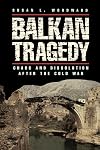
Balkan Tragedy: Chaos and Dissolution After the Cold War
by Susan L. Woodward
82 Members (2.83)
On This Page
Description
Yugoslavia was well positioned at the end of the cold war to make a successful transition to a market economy and westernization. Yet two years later, the country had ceased to exist, and devastating local wars were being waged to create new states. Between the fall of the Berlin Wall in November 1989 and the start of the war in Bosnia-Herzegovina in March 1992, the country moved toward disintegration at astonishing speed. In this book, Susan Woodward explains what happened to Yugoslavia and show more what can be learned from the response of outsiders to its crisis. Woodward's analysis is based on her first-hand experience before the country's collapse and then during the later stages of the Bosnian war as a member of the UN operation sent to monitor cease-fires and provide humanitarian assistance. show lessTags
Recommendations









































Member Reviews
Members
- Recently Added By
Author Information
10+ Works 206 Members
Susan L. Woodward is a Senior Fellow in the Foreign Policy Studies Program at The Brookings Institution.
Classifications
- Genres
- Nonfiction, History, General Nonfiction
- DDC/MDS
- 949.702 — History & geography History of Europe Greece, Albania, Yugoslavia, Serbia, Romania, Bulgaria Former Yugoslavia (Bosnia and Herzegovina ∙ Croatia ∙ Kosovo ∙ Montenegro ∙ Macedonia ∙ Serbia ∙ Slovenia) [formerly also Bulgaria]
- LCC
- DR1313 .W66 — History of Europe, Asia, Africa and Oceania Balkan Peninsula History of Balkan Peninsula Yugoslavia History By period 1918- Yugoslav War, 1991-1995
- BISAC
Statistics
- Members
- 82
- Popularity
- 388,914
- Rating
- (2.83)
- Languages
- English
- Media
- Paper, Ebook
- ISBNs
- 3