On This Page
Description
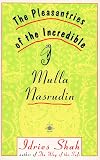
The appeal of Nasrudin is as universal and timeless as the truths he illustrates. His stories are read by children, by scientists and scholars, and by followers of philosophy. Idries Shah assembled this collection of Nasrudin's trials and tribulations from ancient manuscripts and oral literature, from sources in North Africa and Turkey, the Middle East and Central Asia. Many were known to the great Sufi masters, Rumi, Jami, and Attar the chemist.Tags
Recommendations






















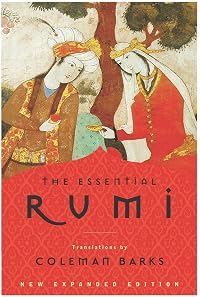

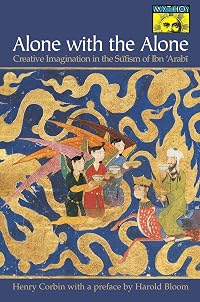


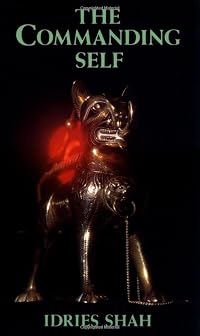
Member Recommendations
Member Reviews
Only a few pages in and I can tell it's going to be a delight. The 'stories' are often only a few lines long, so certainly they can easily be used in all sorts of situations & contexts, as the preface of 1968, partially quoted in the blurb, claims.
I'm particularly charmed by this particular yellowing hardcover that the local university called for me from "Cardas C. Burnett Library/ The Assemblies of God Theological Seminary." There is no indication that it has ever been read, no stamps on the slip, no wear... just cheap paper glued in a plain lightweight hc. It was apparently picked up by someone once, though, as there's a sticker in the last papers, "For further information on this subject please write to The Society for Sufi Studies show more (p.o.,,, box Los Altos...)."
---
Ok done. Front-loaded. Most of these make no sense... maybe they're something like koans? Maybe it helps to grow up in the culture, or to have a mentor or professor share them with one? I dunno. But hey, I got a diversity point for reading something from a tradition not my own, right? ;) show less
I'm particularly charmed by this particular yellowing hardcover that the local university called for me from "Cardas C. Burnett Library/ The Assemblies of God Theological Seminary." There is no indication that it has ever been read, no stamps on the slip, no wear... just cheap paper glued in a plain lightweight hc. It was apparently picked up by someone once, though, as there's a sticker in the last papers, "For further information on this subject please write to The Society for Sufi Studies show more (p.o.,,, box Los Altos...)."
---
Ok done. Front-loaded. Most of these make no sense... maybe they're something like koans? Maybe it helps to grow up in the culture, or to have a mentor or professor share them with one? I dunno. But hey, I got a diversity point for reading something from a tradition not my own, right? ;) show less
Very fun short stories about the foolish Wise Man Nasrudin. One example, he said he could see at night as well as during the day. When someone saw him at night carrying a lantern, they asked him why, if he could see at night. "So you won't run into me," he answered.
If you like Fool stories, that carry hidden kernels of wisdom, this is the book for you.
If you like Fool stories, that carry hidden kernels of wisdom, this is the book for you.
Mulla Nasruddin was famously odd, but one of the wisest men. Beneath his apparent foolishness, there was a keen perception that cut straight to the truth.
Mulla Nasruddin was famously odd, but one of the wisest men. Beneath his apparent foolishness, there was a keen perception that cut straight to the truth.
The foolish-wisdom of Nasrudin, legendary Sufi Mulla of the 13th century:
‘What is the meaning of fate, Mulla?’
‘Assumptions.’
‘In what way?’
‘You assume things are going to go well and they don’t - that you call bad luck. You assume things are going to go badly and they don’t - that you call good luck. You assume that certain things are going to happen or not happen - and you so lack intuition that you don’t know what is going to happen. You assume that the future is unknown.
‘When you are caught out - you call that Fate.’ pg. 20
'Where do we come from and where do we go to, and what is it like?' thundered a wandering dervish.
'I don’t know,' said Nasrudin, 'but it must be pretty terrible.'
A bystander asked him show more why.
'Observation shows me that when we arrive as babies we are crying. And many of us leave crying and reluctantly, too.' pg. 146
The Holy-Fool demonstrates synchronicity:
Nasrudin was penniless, and sat huddled in a blanket while the wind howled outside. ‘At least,’ he thought, ‘the people next door will not smell cooking from my kitchen - so they can’t send round to cadge some food.’
At that the thought of hot, aromatic soup came into his mind, and he savored it mentally for several minutes.
There came a knocking on the door. ‘Mother sent me,’ said the little daughter of his neighbour, ‘to ask whether you had any soup to spare, hot, seasoned soup.’
‘Heaven help us,’ said Nasrudin, ‘the neighbors even smell my thoughts.’ pg. 149 show less
‘What is the meaning of fate, Mulla?’
‘Assumptions.’
‘In what way?’
‘You assume things are going to go well and they don’t - that you call bad luck. You assume things are going to go badly and they don’t - that you call good luck. You assume that certain things are going to happen or not happen - and you so lack intuition that you don’t know what is going to happen. You assume that the future is unknown.
‘When you are caught out - you call that Fate.’ pg. 20
'Where do we come from and where do we go to, and what is it like?' thundered a wandering dervish.
'I don’t know,' said Nasrudin, 'but it must be pretty terrible.'
A bystander asked him show more why.
'Observation shows me that when we arrive as babies we are crying. And many of us leave crying and reluctantly, too.' pg. 146
The Holy-Fool demonstrates synchronicity:
Nasrudin was penniless, and sat huddled in a blanket while the wind howled outside. ‘At least,’ he thought, ‘the people next door will not smell cooking from my kitchen - so they can’t send round to cadge some food.’
At that the thought of hot, aromatic soup came into his mind, and he savored it mentally for several minutes.
There came a knocking on the door. ‘Mother sent me,’ said the little daughter of his neighbour, ‘to ask whether you had any soup to spare, hot, seasoned soup.’
‘Heaven help us,’ said Nasrudin, ‘the neighbors even smell my thoughts.’ pg. 149 show less
LAS OCURRENCIAS DEL INCREIBLE MULA NASRUDIN
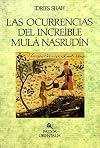
El Mulá Nasrudín (el maestro), figura popular internacional, de origen medieval y de eterno atractivo, es el heroe (o antiheroe) de un repertorio de situaciones que invitan a la hilaridad, concebidas para ilustrar las enseñanzas sufíes. Las ocurrencias del increíble Mulá Nasrudín contiene historias que utilizaron los grandes maestros del sufismo como Rumi, Jami y Attar, y tambien otras que Idries Shah rescató de antiguos manuscritos y de ciclos de literatura y tradición orales de las culturas persa, afgana, turca y árabe. La colección de historias que ofrecemos al lector ha sido ilustrada con una gracia exquisita, no exenta de cierta melancolía, por Richard Williams, el artista, show more pintor e ilustrador de diseños tan conocidos como el de la celebre "pantera rosa". show less
El Mulá Nasrudín (el maestro), figura popular internacional, de origen medieval y de eterno atractivo, es el heroe (o antiheroe) de un repertorio de situaciones que invitan a la hilaridad, concebidas para ilustrar las enseñanzas sufíes. Las ocurrencias del increíble Mulá Nasrudín contiene historias que utilizaron los grandes maestros del sufismo como Rumi, Jami y Attar, y tambien otras que Idries Shah rescató de antiguos manuscritos y de ciclos de literatura y tradición orales de las culturas persa, afgana, turca y árabe. La colección de historias que ofrecemos al lector ha sido ilustrada con una gracia exquisita, no exenta de cierta melancolía, por Richard Williams, el artista, show more pintor e ilustrador de diseños tan conocidos como el de la celebre "pantera rosa". show less
Feb 6, 2025Spanish
LAS OCURRENCIAS DEL INCREIBLE MULÁ NASRUDÍN
El Mulá Nasrudín (el maestro), figura popular
internacional, de origen medieval y de eterno atractivo,
es el héroe (o antihéroe) de un repertorio de situaciones
que invitan a la hilaridad, concebidas para ilustrar
las enseñanzas sufíes.
Nasrudín ha aparecido aquí y allá desempeñando los más
variados papeles: a veces es un sabio, otras un cortesano,
mendigo, médico, juez, maestro o tonto; es múltiple
e indefinible. Cada anécdota encierra un humor fácilmente
disfrutable y una sabiduría que invita a la reflexión.
Nasrudín es conocido en Rusia y en Turquía, en Egipto,
Siria, Asia central, Pakistán y la India. Y sus cuentos
ilustran incluso fenómenos científicos que no pueden show more ser
expresados por el limitado léxico técnico común.
El atractivo de Nasrudín es universal e intemporal.
La colección de historias que ofrecemos al lector ha sido
ilustrada con una gracia exquisita, no exenta de cierta
melancolía, por Richard Williams, el artista, pintor
e ilustrador de diseños tan conocidos como
el de la célebre «pantera rosa».
Las ocurrencias del increible Mulá Nasrudin contiene
historias que utilizaron los grandes maestros del sufismo
como Rumi, Jami y Attar, y también otras que Idries Shah
rescató de antiguos manuscritos y de ciclos de literatura
tradición orales de las culturas persa, afgana, turca y árabe. show less
El Mulá Nasrudín (el maestro), figura popular
internacional, de origen medieval y de eterno atractivo,
es el héroe (o antihéroe) de un repertorio de situaciones
que invitan a la hilaridad, concebidas para ilustrar
las enseñanzas sufíes.
Nasrudín ha aparecido aquí y allá desempeñando los más
variados papeles: a veces es un sabio, otras un cortesano,
mendigo, médico, juez, maestro o tonto; es múltiple
e indefinible. Cada anécdota encierra un humor fácilmente
disfrutable y una sabiduría que invita a la reflexión.
Nasrudín es conocido en Rusia y en Turquía, en Egipto,
Siria, Asia central, Pakistán y la India. Y sus cuentos
ilustran incluso fenómenos científicos que no pueden show more ser
expresados por el limitado léxico técnico común.
El atractivo de Nasrudín es universal e intemporal.
La colección de historias que ofrecemos al lector ha sido
ilustrada con una gracia exquisita, no exenta de cierta
melancolía, por Richard Williams, el artista, pintor
e ilustrador de diseños tan conocidos como
el de la célebre «pantera rosa».
Las ocurrencias del increible Mulá Nasrudin contiene
historias que utilizaron los grandes maestros del sufismo
como Rumi, Jami y Attar, y también otras que Idries Shah
rescató de antiguos manuscritos y de ciclos de literatura
tradición orales de las culturas persa, afgana, turca y árabe. show less
Jun 18, 2018Spanish
Members
- Recently Added By
Lists

1001 Books You Must Read Before You Die
1,448 works; 1,133 members
Author Information

94+ Works 7,034 Members
Idries Shah, whose full name is Nawab-Zaba Sayed Idries Shah el-Hashimi, is Grand Sheikh of the Sufis and the eldest son of the Nawab (the Mohammedan equivalent of Maharajah) of Sardana, near Delhi in India. His family originates from the principality of Paghman in the Hindu Kush, where his ancestors have reigned since 1221, and claims the senior show more descent from Mohammed in Islam. Idries Shah was born at Simla in the Himalayas and lives in London show less
Some Editions
Series

Work Relationships
Common Knowledge
- Canonical title
- The Pleasantries of the Incredible Mullah Nasrudin
- Original title
- The Pleasantries of the Incredible Mullah Nasrudin
- Original publication date
- 1968
- People/Characters
- Nasreddin
Classifications
- Genres
- Religion & Spirituality, Nonfiction, Fiction and Literature
- DDC/MDS
- 398.220956 — Society, government, & culture Customs, etiquette & folklore Folklore & Folktales Folk literature Legends
- LCC
- PN6231 .N27 .S5 — Language and Literature Literature (General) Literature (General) Collections of general literature Wit and humor
- BISAC
Statistics
- Members
- 362
- Popularity
- 87,181
- Reviews
- 9
- Rating
- (3.96)
- Languages
- Dutch, English, French, Spanish
- Media
- Paper, Ebook
- ISBNs
- 20
- ASINs
- 7