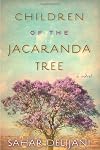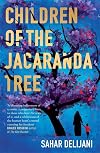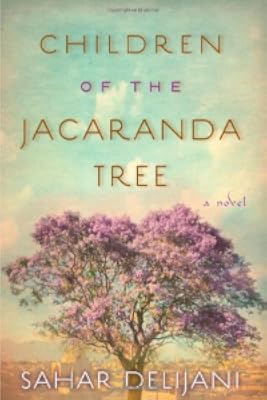
Children of the Jacaranda Tree
by Sahar Delijani
On This Page
Description
"Childen of the Jacaranda Tree is a novel told from alternating perspectives and reveals the intimate side of the Iranian revolution. It centers on Iran's violent summer of 1988 and follows a group of mothers, fathers, children, and lovers as they are affected by the tide of history"--Tags
Recommendations


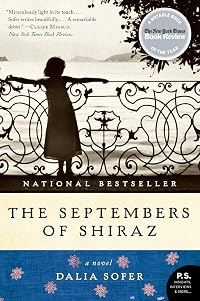
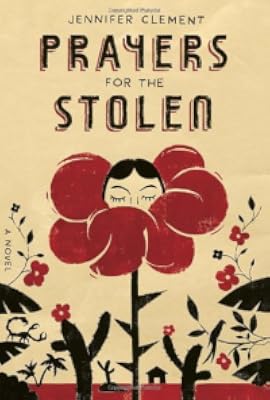

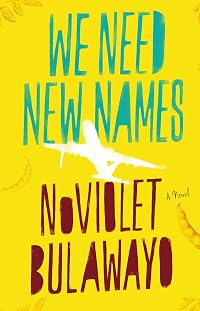
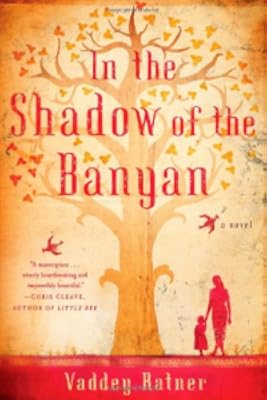


















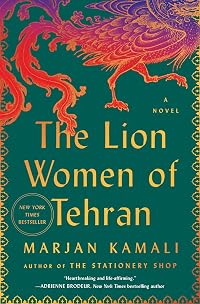
Member Recommendations
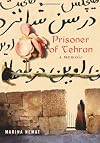
fountainoverflows Nemat's memoir of her time in the notorious Evin prison complements Delijani's novelistic treatment of a similar experience.
Member Reviews
Like one of the main characters in the book, the author was born in Evin, Iran's most notorious prison, and her novel opens with the character Azar on her way to give birth in one of the prison's hospitals. The story of Neda's birth and first few months in her mother's cell are spell-binding, and I couldn't believe it when I turned a page, and Azar's story was over.
The story picks up four years later with Omid, a toddler who is found sucking his fingers in the wreckage of his parents' apartment. They have been arrested, and Leila, his aunt, is now raising him along with his cousins, whose parents were also arrested. Leila's life is on hold indefinitely as she becomes mother to her sisters' children, and a perpetual unmarried child to show more her own parents.
Turn the page and we return to 1983 and Evin Prison, but this time to the story of Amir, a cellmate of one of Leila's brother-in-law's, and his desperate desire to leave something of himself for his daughter, born during his imprisonment. But what? He has nothing; nothing except the pits from the dates they are occasionally given to eat.
The second half of the book is set in the years between 2008 and 2011. Forough, one of Omid's cousins, has just returned to Iran to visit her grandmother Maman Zinat, Leila's mother, after twelve years away. She struggles to find her place in a home that is no longer hers and in a family that was once the only family she knew. Sheida, daughter of Amir, learns through the internet a secret that her mother has kept from her her whole life. In order to learn the truth, she too, returns to Iran and the past her mother tried to keep from her. Donya is visiting Iran in order to find out whether there is anything still between her and Omid. And finally we return to Neda, who is now an adult living in Italy, but who is still caught in the politics of the revolution and those who destroyed her parents' lives.
The novel is a mosaic of people from two generations who are all touched by the Iranian Revolution and the subsequent terror perpetrated by the Revolutionary Guard. The lives of the characters intersect, move apart and reappear, while Evin Prison remains solid and forbidding in the center of it all. I enjoyed the book, but I was frustrated by the abrupt transitions from one person's story to the next. I suppose it is a testament to her writing that the author was able to get me so involved with each character that I wanted that story to continue. For a debut novel, I was impressed, and I look forward to her next work. show less
The story picks up four years later with Omid, a toddler who is found sucking his fingers in the wreckage of his parents' apartment. They have been arrested, and Leila, his aunt, is now raising him along with his cousins, whose parents were also arrested. Leila's life is on hold indefinitely as she becomes mother to her sisters' children, and a perpetual unmarried child to show more her own parents.
Turn the page and we return to 1983 and Evin Prison, but this time to the story of Amir, a cellmate of one of Leila's brother-in-law's, and his desperate desire to leave something of himself for his daughter, born during his imprisonment. But what? He has nothing; nothing except the pits from the dates they are occasionally given to eat.
The second half of the book is set in the years between 2008 and 2011. Forough, one of Omid's cousins, has just returned to Iran to visit her grandmother Maman Zinat, Leila's mother, after twelve years away. She struggles to find her place in a home that is no longer hers and in a family that was once the only family she knew. Sheida, daughter of Amir, learns through the internet a secret that her mother has kept from her her whole life. In order to learn the truth, she too, returns to Iran and the past her mother tried to keep from her. Donya is visiting Iran in order to find out whether there is anything still between her and Omid. And finally we return to Neda, who is now an adult living in Italy, but who is still caught in the politics of the revolution and those who destroyed her parents' lives.
The novel is a mosaic of people from two generations who are all touched by the Iranian Revolution and the subsequent terror perpetrated by the Revolutionary Guard. The lives of the characters intersect, move apart and reappear, while Evin Prison remains solid and forbidding in the center of it all. I enjoyed the book, but I was frustrated by the abrupt transitions from one person's story to the next. I suppose it is a testament to her writing that the author was able to get me so involved with each character that I wanted that story to continue. For a debut novel, I was impressed, and I look forward to her next work. show less
Set in post revolutionary Iran from 1983 to 2011, this novel packs a huge punch. It says it like it is.It is difficult to remain unaffected after reading this novel. I want to quote what to me sums up what Sahar Delijani is getting at. "There were parallel worlds, one in which nothing was hidden, neither the memories nor the family's contempt for the regime;and the other, in which everything was prohibited, voices were hushed, and children inherited alertness against anything that could put the family in danger, carrying their parents' secrets with them, heavy as a sack of rocks that they could never set down. it became part of the way Neda regarded herself and her family:a family of secrets . of resistance, of defeat."
Children of the Jacaranda Tree by Sahar Delijani begins with the birth of Neda, whose mother is a political prisoner in post-revolutionary Iran in 1983, during the Iran-Iraq War, and follows the lives of three generations of Iranians between 1983 and 2011. All three generations are damaged by the leadership of the Islamist government; the first, who watches as their children are beaten, imprisoned, and executed. The second, who worked hard during a revolution with dreams of a better country, who are cast aside, labeled enemies of the State, enemies of Islam, beaten, imprisoned, and too often executed. And the third, the children, left abandoned and sometimes orphaned, as their parents are arrested or killed.
It is the third generation show more that are the children of the jacaranda tree. They were the ones who lived for years in the sad but peaceful and loving home of Maman Zinat. She cared for her grandchildren and others during the long, indeterminate prison sentences; offered shelter security in her home, adorned and seemingly protected by the beautiful jacaranda tree in the courtyard.
The book frequently jumps from the early 1980's to the first decade of the 21st Century as it follows the lives of its characters. It isn't exactly fast paced, but what it lacks in thrills is made up for tenfold in Ms. Delijani's beautiful, descriptive prose. There is an expected sadness in the story, sometimes highlighted by characters with minor roles.
But despite the sadness, the war, the desire not to remember, there is also a hope that lies just under the surface, and it is ever present.
The last chapter is set in Turin, Italy. Neda is an adult dating Reza, an Iranian political refugee because of his activity during the protests of the 2009 elections. At one point, his relationship with Neda is strained because of what she sees as his lack of acknowledgement of her parents involvement in reshaping Iran, their suffering and hardships, and by extension, hers. She learns that his father was a member of the Revolutionary Guard, the people responsible for the suffering of her parents and so many others in Iran. Despite Reza's own political exile, his explaining that his father left the Guard because he disagreed with their actions, and that his father was among the demonstrators badly beaten during the 2009 protests, she struggles to accept Reza knowing what his father had likely been involved in, but knowing that to make any progress means letting go of parts of the past.
My only criticism of Children of the Jacaranda Tree is that it is choppy. It jumped around from the 1980's to 2009-2011; from Tehran to Turin. There were many compelling, well developed characters, but it was difficult to keep track of who was who and how were they related to each other. But that might have been intentional; a small, symbolic way to demonstrate the chaos and uncertainty that is a way of life for the people of Iran. show less
It is the third generation show more that are the children of the jacaranda tree. They were the ones who lived for years in the sad but peaceful and loving home of Maman Zinat. She cared for her grandchildren and others during the long, indeterminate prison sentences; offered shelter security in her home, adorned and seemingly protected by the beautiful jacaranda tree in the courtyard.
The book frequently jumps from the early 1980's to the first decade of the 21st Century as it follows the lives of its characters. It isn't exactly fast paced, but what it lacks in thrills is made up for tenfold in Ms. Delijani's beautiful, descriptive prose. There is an expected sadness in the story, sometimes highlighted by characters with minor roles.
But despite the sadness, the war, the desire not to remember, there is also a hope that lies just under the surface, and it is ever present.
The last chapter is set in Turin, Italy. Neda is an adult dating Reza, an Iranian political refugee because of his activity during the protests of the 2009 elections. At one point, his relationship with Neda is strained because of what she sees as his lack of acknowledgement of her parents involvement in reshaping Iran, their suffering and hardships, and by extension, hers. She learns that his father was a member of the Revolutionary Guard, the people responsible for the suffering of her parents and so many others in Iran. Despite Reza's own political exile, his explaining that his father left the Guard because he disagreed with their actions, and that his father was among the demonstrators badly beaten during the 2009 protests, she struggles to accept Reza knowing what his father had likely been involved in, but knowing that to make any progress means letting go of parts of the past.
My only criticism of Children of the Jacaranda Tree is that it is choppy. It jumped around from the 1980's to 2009-2011; from Tehran to Turin. There were many compelling, well developed characters, but it was difficult to keep track of who was who and how were they related to each other. But that might have been intentional; a small, symbolic way to demonstrate the chaos and uncertainty that is a way of life for the people of Iran. show less
I was unable to continue reading this book. The subject is laudable, but the writing is so overdone that I lost all patience. In the powerful opening scene, we read that "With every turn she was thrashed against the walls." Thrashed? Seriously? If she was flailing about like that in the back of the van, how could Brother and Sister in the front carry on a conversation with seeming equanimity? The van was all one vehicle, no?
The writing abounds with exaggerated language. I began to feel like I was reading a cartoon, which was not at all the intended effect I'm sure. Too many sentences simply made no sense. I pick an example at random: "Omid nodded, dropping his hands, his two fingers safe and wet in his mouth." If he dropped his hands, show more how did his fingers stay in his mouth? Did he bite them off? Did he drop only one hand? Delijani wrote "his hands".
It's too bad, since this is a novel that should be read, and I'm fairly sure that many readers will be put off--not by the terror of the events but by the grotesque use of language. show less
The writing abounds with exaggerated language. I began to feel like I was reading a cartoon, which was not at all the intended effect I'm sure. Too many sentences simply made no sense. I pick an example at random: "Omid nodded, dropping his hands, his two fingers safe and wet in his mouth." If he dropped his hands, show more how did his fingers stay in his mouth? Did he bite them off? Did he drop only one hand? Delijani wrote "his hands".
It's too bad, since this is a novel that should be read, and I'm fairly sure that many readers will be put off--not by the terror of the events but by the grotesque use of language. show less
Many years ago when I finished Reading Lolita in Tehran, I wanted to find someone to talk to about the book and about Iran. Aside from what we have heard on the news about the conflicts in the Middle East for so long, there weren't many people who had any knowledge of what had gone on there. Luckily (or unluckily for her), there was a mom whose little guy was on my little guy's soccer team who told me she and her husband were Persian and had come to this country in the 80s. Voila! Someone to talk to about Iran and the events that so fascinated me. Except she wasn't so interested in talking to me about it. And I didn't understand her reluctance. But after reading more, including Sahar Delijani's debut novel Children of the Jacaranda show more Tree, I can begin to understand why she was so polite but vague to one enthusiastic but ignorant person interested in hearing about an event that changed the lives of so many people, destroying families, making certain beliefs punishable by sharia law, driving people into exile, and altering the landscape of the region forever.
Azar is in labor and about to give birth. She is also a political prisoner in Evin Prison in Tehran in 1983, as is her husband, of whom she has had no news for months. Although it is clear that Azar has been tortured and abused in prison, she cannot focus on anything but the imperative of her body as she strains to bring her baby into the world, not even on the relentless questioning she is forced to endure before she is taken to delivery in hopes that the combination of natural physical pain and ruthless disregard for her situation will cause her to break. Baby Neda is born into the prison, a small ray of light in the cell where Azar and many fellow female dissidents are being held, until the day a guard takes the baby away to live with her grandparents. Azar is just one of the many political dissidents jailed in Evin Prison for their activism inspired by the failure of the promise of the Islamic Revolution and her story is just one of many here.
Ordinary people wanting the best for Iran are arrested and detained, changing not only their lives but the lives of their families. Grandparents and aunts are suddenly raising grandchildren, sacrificing plans and dreams for their loved ones. Wives are widowed with no warning, left with fatherless children. Unexplained executions shatter the lives of the citizenry as religious conservatives offer no quarter to those who do not believe in the exact same Allah that they do. There's a large cast of characters here, prisoners, their estranged families, and their children and each and every one of them suffers as a result of the Revolution. Ranging from 1983 through 2011, the novel examines the shame, the fear, the brutality, and the torture that are the lasting effects of the stringent and unyielding ruling party even for those who become part of the diaspora.
The stories come across as vignettes rather than a unified novel with an overarching and unifying plot because the connections between the characters are sometimes a bit tenuous, requiring the reader to flip back to the front of the book to consult the list of characters again in order to place them. The jumping back and forth in time, often from character to character, can be disconcerting and feels a little choppy but Delijani manages to keep the tension high over the ultimate fates of her characters, emphasizing the arbitrariness of life in Tehran, post-Revolution. The language is poetic and often times beautiful in this tale of three generations forever impacted by prison and the aftermath of dissidence. Delijani's novel, culled from her parents' experiences and her own birth in Evin prison, bears telling as a means of bearing witness to the long reaching wrongs done in the name of extremism. show less
Azar is in labor and about to give birth. She is also a political prisoner in Evin Prison in Tehran in 1983, as is her husband, of whom she has had no news for months. Although it is clear that Azar has been tortured and abused in prison, she cannot focus on anything but the imperative of her body as she strains to bring her baby into the world, not even on the relentless questioning she is forced to endure before she is taken to delivery in hopes that the combination of natural physical pain and ruthless disregard for her situation will cause her to break. Baby Neda is born into the prison, a small ray of light in the cell where Azar and many fellow female dissidents are being held, until the day a guard takes the baby away to live with her grandparents. Azar is just one of the many political dissidents jailed in Evin Prison for their activism inspired by the failure of the promise of the Islamic Revolution and her story is just one of many here.
Ordinary people wanting the best for Iran are arrested and detained, changing not only their lives but the lives of their families. Grandparents and aunts are suddenly raising grandchildren, sacrificing plans and dreams for their loved ones. Wives are widowed with no warning, left with fatherless children. Unexplained executions shatter the lives of the citizenry as religious conservatives offer no quarter to those who do not believe in the exact same Allah that they do. There's a large cast of characters here, prisoners, their estranged families, and their children and each and every one of them suffers as a result of the Revolution. Ranging from 1983 through 2011, the novel examines the shame, the fear, the brutality, and the torture that are the lasting effects of the stringent and unyielding ruling party even for those who become part of the diaspora.
The stories come across as vignettes rather than a unified novel with an overarching and unifying plot because the connections between the characters are sometimes a bit tenuous, requiring the reader to flip back to the front of the book to consult the list of characters again in order to place them. The jumping back and forth in time, often from character to character, can be disconcerting and feels a little choppy but Delijani manages to keep the tension high over the ultimate fates of her characters, emphasizing the arbitrariness of life in Tehran, post-Revolution. The language is poetic and often times beautiful in this tale of three generations forever impacted by prison and the aftermath of dissidence. Delijani's novel, culled from her parents' experiences and her own birth in Evin prison, bears telling as a means of bearing witness to the long reaching wrongs done in the name of extremism. show less
“There are poems that would’ve been much better off written as essays,” Omid said as he stretched his arm out behind her on the back of the seat and placed his warm palm on her shoulder. “If it’s anything that can easily be articulated in an article, then it’s an insult to put the same thoughts and ideas into the language of poetry. It sullies its essence, because poetry is there to say what cannot be said. It is there to speak of the hidden, the secret, the sacred.”
I don't necessarily agree, but it does speak to a problem with Children of the Jacaranda Tree. Towards the end, one of the many lead characters tells her lover all about her family history as a child born in prison to Iranian dissidents, and later realises that show more he didn't want to know - that his own family was on the other side, and that knowing what she and her parents had been through was the last thing he needed. To some extent, I can relate; knowing that this is largely based on Delijani's own experiences (and those of her parents) I can't help but feel like an asshole for sitting here in 200 years of peace and 100 years of democracy and critiquing how another person expresses pain over something I could never imagine. How can I tell a person, as opposed to an author, that I give their life and their country 3 (or 2.5 rounded up) stars? "Yeah, you and your mother went through hell, but you need to make me believe it."
But then, it does present itself as a novel - as poetry, so to speak - and as such, as heartfelt as it is and as admirable as its aim is, it simply falls a bit short. The themes it addresses (the alienation of the emigrant, the forced conflict between generations, how violence and silence poisons everything, the power and insufficiency of love, the panic of a government whose power must lie in policing not only actions but thoughts), fine... but even as she jumps from decade to decade and character to character the author's voice remains the same, the characters become mouthpieces, the prose gets way overwritten... It never becomes a bad novel, it just continuously falls a little bit short of what it seems to want to be. show less
I don't necessarily agree, but it does speak to a problem with Children of the Jacaranda Tree. Towards the end, one of the many lead characters tells her lover all about her family history as a child born in prison to Iranian dissidents, and later realises that show more he didn't want to know - that his own family was on the other side, and that knowing what she and her parents had been through was the last thing he needed. To some extent, I can relate; knowing that this is largely based on Delijani's own experiences (and those of her parents) I can't help but feel like an asshole for sitting here in 200 years of peace and 100 years of democracy and critiquing how another person expresses pain over something I could never imagine. How can I tell a person, as opposed to an author, that I give their life and their country 3 (or 2.5 rounded up) stars? "Yeah, you and your mother went through hell, but you need to make me believe it."
But then, it does present itself as a novel - as poetry, so to speak - and as such, as heartfelt as it is and as admirable as its aim is, it simply falls a bit short. The themes it addresses (the alienation of the emigrant, the forced conflict between generations, how violence and silence poisons everything, the power and insufficiency of love, the panic of a government whose power must lie in policing not only actions but thoughts), fine... but even as she jumps from decade to decade and character to character the author's voice remains the same, the characters become mouthpieces, the prose gets way overwritten... It never becomes a bad novel, it just continuously falls a little bit short of what it seems to want to be. show less
This is the story of several members of an extended family impacted by the Revolution in Iran in the 1980s and, specifically, the Evin prison in Tehran. It provides an honest and poignant view into Iran, "...this country where life overwhelms you, submerges you completely with its unflinching, unpredictable, ruthless reality." With occasional breathtaking passages, the author, who was herself born in Evin prison in 1983, explores the fear associated with political imprisonment and the tidal waves of fear and sorrow that can overtake an entire family when a father or a mother or an aunt is carted away to prison, possibly never to be seen or heard from again. For example: "Life inside the prison walls was no different from existence show more beyond. Everyone carried fear, like a chain, carrying it in the streets, under the familiar shadow of the sad, glorious mountains. And in carrying it, they no longer spoke of it. The fear became intangible, unspeakable. And it ruled over them, invisible and omnipotent."
The novel also explores, rather exquisitely, the relationships between mothers and daughters who have been torn apart by the war, imprisonment, and survival. Two decades later, as one daughter finally, angrily, forces her way through the silence her mother has wrapped around their father/husband's death in Evin prison, she gazes at "...the tears rushing down her mother's face, at her face twisted with pain, with the jagged scars of memories. They terrify Sheida. Those tears. Those words. They crush something inside her like an empty soda can. She wanted to avenge herself. She didn't think of the tsunami breaking her mother's body open."
In this debut novel, we get a peak at Delijani's potential as an author, and it is considerable. Her use of language and her ability to communicate the emotional terrain of terror are both lovely. Her characters, however, never gain that critical third dimension, never become fully realized in the reader's lexicon of characters. Delijani inconsistently vacillates between oversimplified, emotionally flat dialogue and beautiful prose expressing gut-wrenching loss, longing, and terror.
Still, despite its shortcomings, I recommend this book. And I certainly recommend keeping an eye on this author. I predict that we will hear more from her and that her craft will develop into something in which readers can rejoice. show less
The novel also explores, rather exquisitely, the relationships between mothers and daughters who have been torn apart by the war, imprisonment, and survival. Two decades later, as one daughter finally, angrily, forces her way through the silence her mother has wrapped around their father/husband's death in Evin prison, she gazes at "...the tears rushing down her mother's face, at her face twisted with pain, with the jagged scars of memories. They terrify Sheida. Those tears. Those words. They crush something inside her like an empty soda can. She wanted to avenge herself. She didn't think of the tsunami breaking her mother's body open."
In this debut novel, we get a peak at Delijani's potential as an author, and it is considerable. Her use of language and her ability to communicate the emotional terrain of terror are both lovely. Her characters, however, never gain that critical third dimension, never become fully realized in the reader's lexicon of characters. Delijani inconsistently vacillates between oversimplified, emotionally flat dialogue and beautiful prose expressing gut-wrenching loss, longing, and terror.
Still, despite its shortcomings, I recommend this book. And I certainly recommend keeping an eye on this author. I predict that we will hear more from her and that her craft will develop into something in which readers can rejoice. show less
Members
- Recently Added By
Published Reviews
ThingScore 75
Filled with compelling characters and poetic language, this beautiful and poignant novel highlights the unbreakable bond between parent and child, and a people’s passionate dedication to their homeland, despite its many flaws.
added by DorsVenabili
Lists

Top Five Books of 2013
1,562 works; 715 members

Revolutions
72 works; 5 members
Author Information
2 Works 342 Members
Awards and Honors
Awards
Distinctions
Common Knowledge
- Canonical title
- Children of the Jacaranda Tree
- Alternate titles*
- Les jacarandas de Téhéran
- Original publication date
- 2013
- People/Characters
- Neda; Omid; Sheida
- Important places
- Evin Prison, Tehran, Iran
- Important events
- Iranian Revolution (1979)
- Dedication
- to my parents
- First words
- Azar sat on the corrugated iron floor of a van, huddled against the wall.
- Blurbers
- Hosseini, Khaled
*Some information comes from Common Knowledge in other languages. Click "Edit" for more information.
Classifications
Statistics
- Members
- 341
- Popularity
- 92,771
- Reviews
- 42
- Rating
- (3.65)
- Languages
- 11 — Catalan, Danish, Dutch, English, Finnish, French, German, Italian, Portuguese (Portugal), Spanish, Swedish
- Media
- Paper, Audiobook, Ebook
- ISBNs
- 32
- ASINs
- 7