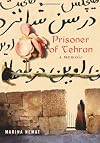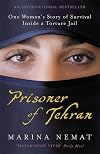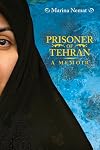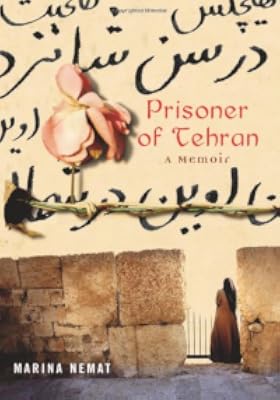
Prisoner of Tehran: A Memoir
by Marina Nemat
On This Page
Description
Nemat tells the heart-pounding story of her life as a young girl in Iran during the early days of Ayatollah Khomeini's brutal Islamic Revolution--arrested, tortured, and sentenced to death for "political crimes."--From publisher description.Tags
Recommendations




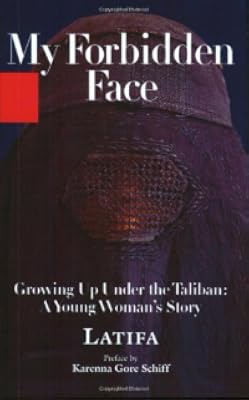

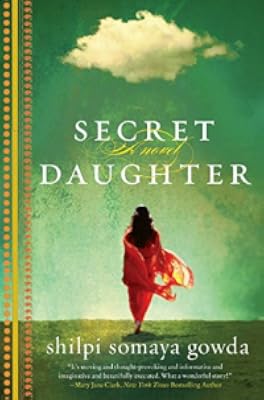
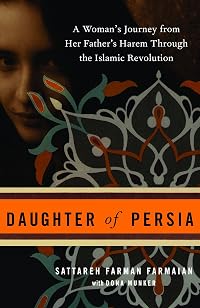


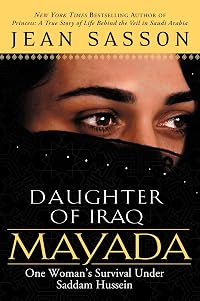


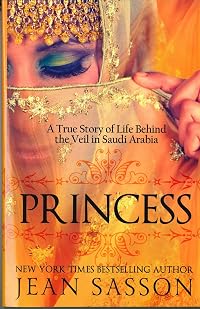
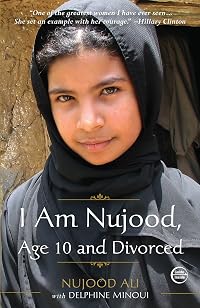
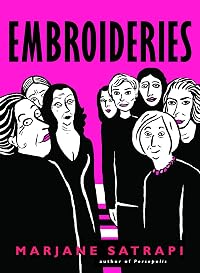
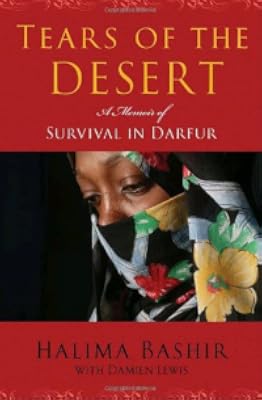
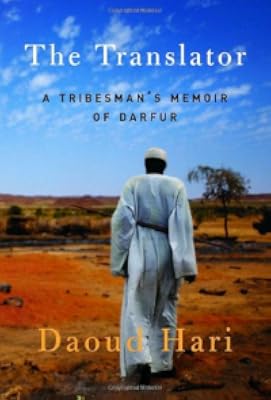
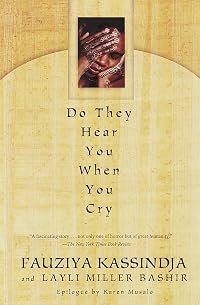
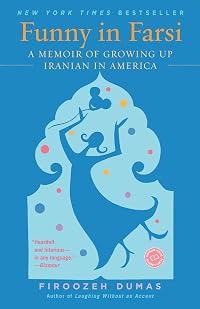



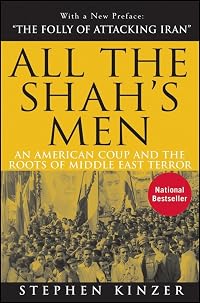
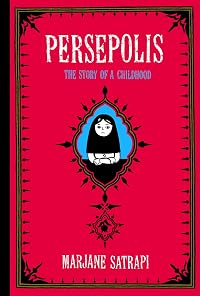
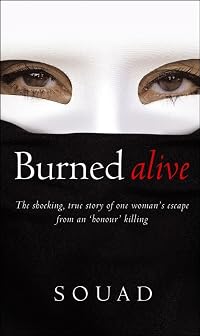

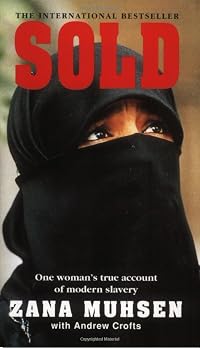

Member Recommendations

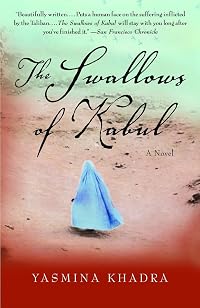
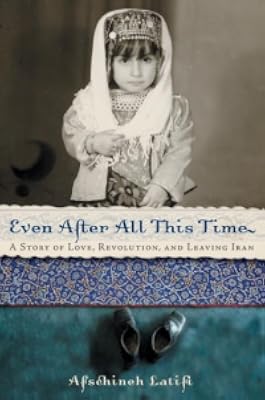
fountainoverflows Nemat's memoir of her time in the notorious Evin prison complements Delijani's novelistic treatment of a similar experience.
Member Reviews
In a truth is stranger than fiction memoir, Marina Nemat writes about how speaking her mind in 1980 Tehran, Iraq got her arrested and sent to the political prison, Evin. All she wanted to do was actually learn calculus in her class, not Islamic doctrine. But speaking up, peacefully protesting and leading others to walk out of class, go her name on a list of troublemakers.
During her 2 years, 2 months and 12 days in prison, she is saved from certain execution by an interrogator who falls in love with her and has enough clout the Ayatollah Khomeini to get her sentence commuted to life in prison. This same interrogator threatens her with the death of her family if she doesn't marry him. Through a serendipitous series of events, she is show more released from prison and builds her life again.
Currently living in Toronto, Canada with her husband (not the interrogator) and children, Nemat wrote this memoir as a way to come to grips with the memories which kept intruding into her life.
Nemat brings to vivid life the horrid life many Iranians lived after Reza Shah Pahlavi was deposed in the revolution in 1979. She also illustrates how suspicion and totalitarianism create violence. This is a worthwhile book, one which gives a graphic view of life in prison and the oddities that made up her life and escape from execution. show less
During her 2 years, 2 months and 12 days in prison, she is saved from certain execution by an interrogator who falls in love with her and has enough clout the Ayatollah Khomeini to get her sentence commuted to life in prison. This same interrogator threatens her with the death of her family if she doesn't marry him. Through a serendipitous series of events, she is show more released from prison and builds her life again.
Currently living in Toronto, Canada with her husband (not the interrogator) and children, Nemat wrote this memoir as a way to come to grips with the memories which kept intruding into her life.
Nemat brings to vivid life the horrid life many Iranians lived after Reza Shah Pahlavi was deposed in the revolution in 1979. She also illustrates how suspicion and totalitarianism create violence. This is a worthwhile book, one which gives a graphic view of life in prison and the oddities that made up her life and escape from execution. show less
I registered a book at BookCrossing.com!
http://www.BookCrossing.com/journal/12549014
I find memoirs by people from other countries interesting, as a rule. I especially like it when I can read two or three books about the same approximate time period from different perspectives, as it gives me a more rounded feeling for the country and the time. So this book interested me. I had read Reading Lolita in Tehran, which took place not long after the main events in this story. Both illuminate what Iran was like in the early days of the Islamic Republic of Iran (the country is still Islamic).
Marina Nemat was arrested at age 16 for activities against the state. She was in high school at the time, opposed to the new Islamic state and vocal about show more her objections. She was in the infamous Evin prison in Tehran for over two years.
Her story reads like a novel. Early on, she is rescued from the firing squad seconds before she would have been dead. Later, her rescuer, an interrogator at the prison, wants her to marry him, threatening harm to her family if she does not. He is assassinated, but lives long enough to ask his family to bring Marina back to her family.
I am not the only one who is skeptical about the details of this story. Several persons who were in Evin Prison around the same time have even written letters to the book publisher, saying she is not telling the whole story and is making some things up. For example, they say that anyone who would be permitted to marry an interrogator would have to be an informant. And they say the rescue from execution is simply not believable.
I would love to hear corroboration from some of the persons who were there, most particularly the family of the interrogator she married. Other prisoners who were in the same rooms with her might also be able to confirm some facts. I have not found this kind of information online, but I'm not saying it isn't there.
I found it a highly readable book with a lot of details about the regime and the prison. Worth reading, but with some skepticism. show less
http://www.BookCrossing.com/journal/12549014
I find memoirs by people from other countries interesting, as a rule. I especially like it when I can read two or three books about the same approximate time period from different perspectives, as it gives me a more rounded feeling for the country and the time. So this book interested me. I had read Reading Lolita in Tehran, which took place not long after the main events in this story. Both illuminate what Iran was like in the early days of the Islamic Republic of Iran (the country is still Islamic).
Marina Nemat was arrested at age 16 for activities against the state. She was in high school at the time, opposed to the new Islamic state and vocal about show more her objections. She was in the infamous Evin prison in Tehran for over two years.
Her story reads like a novel. Early on, she is rescued from the firing squad seconds before she would have been dead. Later, her rescuer, an interrogator at the prison, wants her to marry him, threatening harm to her family if she does not. He is assassinated, but lives long enough to ask his family to bring Marina back to her family.
I am not the only one who is skeptical about the details of this story. Several persons who were in Evin Prison around the same time have even written letters to the book publisher, saying she is not telling the whole story and is making some things up. For example, they say that anyone who would be permitted to marry an interrogator would have to be an informant. And they say the rescue from execution is simply not believable.
I would love to hear corroboration from some of the persons who were there, most particularly the family of the interrogator she married. Other prisoners who were in the same rooms with her might also be able to confirm some facts. I have not found this kind of information online, but I'm not saying it isn't there.
I found it a highly readable book with a lot of details about the regime and the prison. Worth reading, but with some skepticism. show less
Sådan historia! Marina Nemat är en kvinna man ska beundra, hon är modig, god och ärlig, och så har hon skrivit en jätte bra bok om sitt liv under en tid när hon var 16 år och sätts i fängele av den islamiska regimen i Iran. Hon skriver jätte bra, många målande beskrivningar så man ser allt framför sig och känner all den smärta som finns. Jag älskar Fånge i Teheran som trots all ondska även innehåller godhet och kärlek. : Gripande historia, kvinnornas situation i Afganist
I found this to be a fascinating, well-written memoir, and highly recommend it. The author's story is certainly worth telling. Arrested as a political prisoner at age 16, she was sentenced to death for "crimes against the state" after Iran's Islamic Revolution. Marina's life was saved by a guard who fell in love with her; she was then forced to marry him on pain of her family being harmed. Marina's story made me feel grateful to live in a country where such things don't happen. I also found it very impressive that she did not paint everything in shades of black and white, and was even able to show the human, kind side of the guard who threatened her loved ones, married her against her will and raped her.
I would recommend this book for show more anyone interested in the Middle East. I think it would also be good for use in the college or high school classroom. show less
I would recommend this book for show more anyone interested in the Middle East. I think it would also be good for use in the college or high school classroom. show less
Marina Nemat was arrested as a teenager, tortured, forced into marriage and spent over two years in prison. Right from the beginning, you know the story ends well: she has re-married, this time to the man she loves, has two children and emigrates to Canada. After several years here, she and her husband are able to afford a nice home, the children are doing well in school, the neighbours have become friends. That's when he nightmares start. For the first time, Marina feels compelled to talk about what happened to her as a teenager.
Hers is an important story for what it teaches us about life in a totalitarian regime. Grown men torturning children for crimes such as writing a critical article for their school paper, or asking a math show more teacher to please teach math and not political or religious dogma. A world of fear and strong power imbalances. She also gives us a glimpse into how women supported each other in the prison.
I sensed, at times, that she downplayed the horror or fear she was likely feeling. She was a young girl forced to marry and sleep with a prison guard, yet she speaks more of his kindness to her than of her pain in being forced into this situation. There are depths of feeling she hasn't shared, or perhaps has yet to come to terms with herself.
Ms. Nemat says she needed to tell her story; I think we need to hear it and think about what she is saying. show less
Hers is an important story for what it teaches us about life in a totalitarian regime. Grown men torturning children for crimes such as writing a critical article for their school paper, or asking a math show more teacher to please teach math and not political or religious dogma. A world of fear and strong power imbalances. She also gives us a glimpse into how women supported each other in the prison.
I sensed, at times, that she downplayed the horror or fear she was likely feeling. She was a young girl forced to marry and sleep with a prison guard, yet she speaks more of his kindness to her than of her pain in being forced into this situation. There are depths of feeling she hasn't shared, or perhaps has yet to come to terms with herself.
Ms. Nemat says she needed to tell her story; I think we need to hear it and think about what she is saying. show less
Prisoner of Tehran by Canadian author, Marina Nemat is a memoir written in 2007.
A part Russian Christian girl caught up in the Iranian Revolution, she was held as a political prisoner for 2 years in the notorious Evin prison when she was sixteen years old under the regime of the Ayatollah Khomeini.
The author writes a riveting tale of torture, death, forced conversion and marriage. Her tone manages some balance while her emotionally gut wrenching ordeal is revealed.
Her parents are not sympathetic characters: her father is distant and her mother a temperamental woman who only showed her daughter affection sporadically. Thank goodness she had her Russian grandmother to love her during her childhood. Marina's relationships with her aunt, show more her friends and their families provided some comfort to her as well as the family of the husband she is forced to marry.
A real eye opener about the gender and human rights abuses of the Iranian Islamic Revolution, that unfortunately continues to this day. show less
A part Russian Christian girl caught up in the Iranian Revolution, she was held as a political prisoner for 2 years in the notorious Evin prison when she was sixteen years old under the regime of the Ayatollah Khomeini.
The author writes a riveting tale of torture, death, forced conversion and marriage. Her tone manages some balance while her emotionally gut wrenching ordeal is revealed.
Her parents are not sympathetic characters: her father is distant and her mother a temperamental woman who only showed her daughter affection sporadically. Thank goodness she had her Russian grandmother to love her during her childhood. Marina's relationships with her aunt, show more her friends and their families provided some comfort to her as well as the family of the husband she is forced to marry.
A real eye opener about the gender and human rights abuses of the Iranian Islamic Revolution, that unfortunately continues to this day. show less
I truly don't know what to think about this book. I'm in a strange place, because I actually met the author and heard her speak, and what she said was bold, impassioned and horrifying. She spoke well and seemed extremely genuine.
In fact, that's the reason I picked up the book.
Then, I read the book. And I'm not sure if it was the narrative voice she used, the way she phrased things, but overall, I found the book...well, to be honest, I found it a touch self-serving. In several different instances, she relates conversations where others told her she was brave, she was tough, she was beautiful. Maybe they happened, who am I to say they didn't, but even still, it seems a little conceited to toss them all in the story.
Spoilers:
And then show more there's the story. To be honest, if this had been presented as fiction, I would have hated it and torn into it for being far too coincidental. Why? She's imprisoned in a cruel place, but one of the overseers seems to take a shine to her. She's about to die and, with seconds left, she's spared due to this same person's impassioned pleas to the Imam. She's forced to marry the man, and, though he forcibly rapes her, she feels...not love, but at least something for him. She ingratiates herself into his family by relating a dream to her barren sister-in-law who, using a Christian prayer in an Islamic home, finds herself pregnant. Then,just when her husband manages to set things in motion to get her freed, she gets a full reset: he's killed and she loses his baby. Her murdered husband's family carries out his dying wish and gets her released. Her one true love waits for her and marries her, even though that's a crime punishable by death.
End of spoilers.
Again, maybe it all happened, who am I to say it didn't? But it's remarkably neat, isn't it?
Like I said, I don't know what to think about this book. show less
In fact, that's the reason I picked up the book.
Then, I read the book. And I'm not sure if it was the narrative voice she used, the way she phrased things, but overall, I found the book...well, to be honest, I found it a touch self-serving. In several different instances, she relates conversations where others told her she was brave, she was tough, she was beautiful. Maybe they happened, who am I to say they didn't, but even still, it seems a little conceited to toss them all in the story.
Spoilers:
End of spoilers.
Again, maybe it all happened, who am I to say it didn't? But it's remarkably neat, isn't it?
Like I said, I don't know what to think about this book. show less
Members
- Recently Added By
Lists

Women in Islam
120 works; 8 members

UN Watch Heroes
11 works; 1 member

Books Read in 2015
3,299 works; 126 members

CBC's 100 True Stories
100 works; 6 members

KayStJ's to-read list
1,616 works; 11 members

Canada Reads Winners and Nominees
129 works; 9 members

Biographies: Women
112 works; 1 member
Author Information

7+ Works 830 Members
Awards and Honors
Common Knowledge
- Canonical title*
- Prisonnière à Téhéran
- Original publication date
- 2007
- Important places
- Tehran, Iran
- Important events
- Iranian Revolution (1979)
- Epigraph
- And if I pray, the only prayer
That moves my lips for me
Is, "Leave the heart that now I bear,
And give me liberty!"
Yes, as my swift days near their goal,
'Tis all that I implore
In life and death, a chainl... (show all)ess soul,
With courage to endure.
- Emily Bronte - Dedication
- To Andre, Michael, and Thomas;
to all political prisoners ofIran,
especially Sh.F.M., M.D., A.Sh., and K.M.;
and to Zahra Kazemi - First words
- There is an ancient Persian proverb that says: "The sky is the same color wherever you go."
- Last words
- (Click to show. Warning: May contain spoilers.)Zahra had given Iran's political prisoners a name and a face; now it was my turn to give them words.
*Some information comes from Common Knowledge in other languages. Click "Edit" for more information.
Classifications
- Genres
- Biography & Memoir, Nonfiction
- DDC/MDS
- 365.45092 — Society, government, & culture Social problems and social services Punishment Institutions for specific classes of inmates Institutions for political prisoners and related groups of people
- LCC
- DS318.84 .N46 .A3 — History of Europe, Asia, Africa and Oceania Asia History of Asia Iran (Persia) History
- BISAC
Statistics
- Members
- 793
- Popularity
- 35,114
- Reviews
- 33
- Rating
- (4.03)
- Languages
- 11 — Chinese, Danish, Dutch, English, Estonian, French, German, Italian, Portuguese, Spanish, Swedish
- Media
- Paper, Ebook
- ISBNs
- 37
- ASINs
- 12