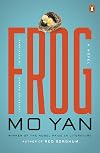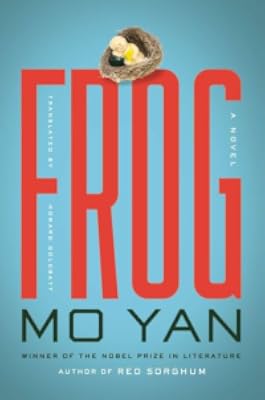
Frog: A Novel
by Mo Yan
On This Page
Description
" The author of Red Sorghum and China's most revered and controversial novelist returns with his first major publication since winning the Nobel Prize. In 2012, the Nobel committee confirmed Mo Yan's position as one of the greatest and most important writers of our time. In his much-anticipated new novel, Mo Yan chronicles the sweeping history of modern China through the lens of the nation's controversial one- child policy. Frog opens with a playwright nicknamed Tadpole who plans to write show more about his aunt. In her youth, Gugu-the beautiful daughter of a famous doctor and staunch Communist-is revered for her skill as a midwife. But when her lover defects, Gugu's own loyalty to the Party is questioned. She decides to prove her allegiance by strictly enforcing the one-child policy, keeping tabs on the number of children in the village, and performing abortions on women as many as eight months pregnant. In sharply personal prose, Mo Yan depicts a world of desperate families, illegal surrogates, forced abortions, and the guilt of those who must enforce the policy. At once illuminating and devastating, it shines a light into the heart of communist China. "-- show lessTags
Recommendations



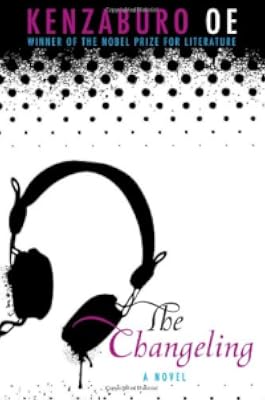
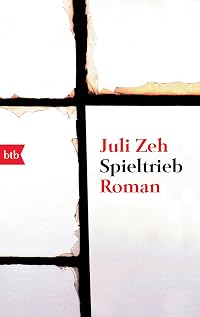
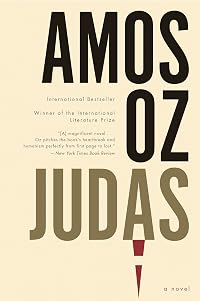
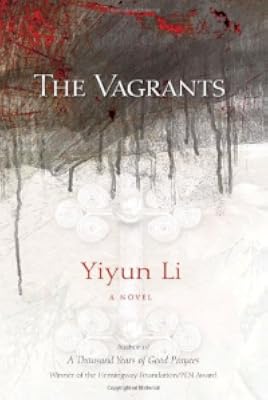



Member Recommendations
Member Reviews
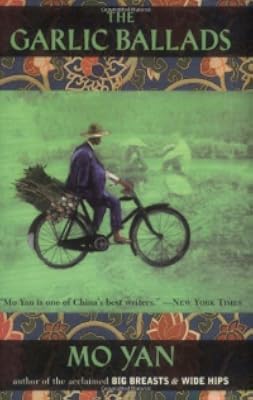
I admittedly went into this with a fair amount of trepidation. I read The Garlic Ballads last year and it was a miserable experience. I'm happy to say that was not the case with Frog. Just like The Garlic Ballads, it has a lot of important things to say, but this time around Mo Yan writes a book that's actually readable, instead of the garbled mess of a book I read a year ago.
Frog focuses on China's Family Planning Policy (or One-Child Policy as it is known in the west), and it is told from perspective of a playwright who grew up in a small town in Gaomi. However, It is his aunt Gugu who takes center stage, as she is an obstetrics nurse. It's interesting to see her evolution. Initially she is a savior of a sort, when many women die show more during childbirth due to arcane practices performed by superstitious, she is a modern science-minded and medically-trained woman who never loses a child or a mother during delivery. Then the One-Child Policy is put into place, and suddenly she is a butcher, forcing late-term abortions without a thought to the safety of the mother. It's a sad story, and it demonstrates the horrific nature of China's attempts at population control. show less
Frog focuses on China's Family Planning Policy (or One-Child Policy as it is known in the west), and it is told from perspective of a playwright who grew up in a small town in Gaomi. However, It is his aunt Gugu who takes center stage, as she is an obstetrics nurse. It's interesting to see her evolution. Initially she is a savior of a sort, when many women die show more during childbirth due to arcane practices performed by superstitious, she is a modern science-minded and medically-trained woman who never loses a child or a mother during delivery. Then the One-Child Policy is put into place, and suddenly she is a butcher, forcing late-term abortions without a thought to the safety of the mother. It's a sad story, and it demonstrates the horrific nature of China's attempts at population control. show less
Frog has Mo Yan readers back in the familiar territory of Northeast Gaomi Township. Wan Zu, also known as Xiaopao, relates his aunt Wan Xin's story through a series of letters to his sensei abroad, a man who had visited the village, met Wan's aunt, and expressed interest in her story.
Mo Yan has said population growth is China's biggest problem. The plight of girls is inextricably tied up in it. Relating Wan Xin's story in this way allows him to cover decades of women's stories in the PRC, for Wan Xin (Gugu) was a midwife. Graduating in 1953, when the Republic was full of hope, Gugu set out at the age of sixteen to bring revolutionary ideas in politics and birthing to the county. No more straddling a pregnant woman's abdomen and pushing; show more now midwives would work in sync with their patients.
Possessing a highly desirable class background, Gugu's career looked limitless until a major setback in love. No matter, she persevered. Imagine the role of a midwife through China's Great Famine, when no children were born in the commune's forty villages for two years. The end of famine in 1962 saw the population boom, so that by 1965 it was proposed "One {child} is good, two is just right, three is too many". Gugu became the Party's local Family Planning proponent and enforcer. Vasectomies for men with three children were decreed, with Gugu performing the procedure. The Cultural Revolution would not be easy for Gugu as the men extracted their revenge.
Throughout the novel, Xiaopao is also relating his own story, and the everyday life of the township. It is here that Mo's humour emerges, balancing the horror that was to come.
In 1978-79 the one child policy was introduced. Families in the township sought potions that would ensure a male child or twins. Nothing Gugu could say would convince them their quest was in vain.
In 1983, when Steven Mosher wrote in Broken Earth of the enforcement of the policy, he was vilified as being overly dramatic. As seen by Mo Yan though, the reality was even darker. Gugu, a true believer, along with her helper Little Lion, carried out the forced terminations creating turmoil across the township.
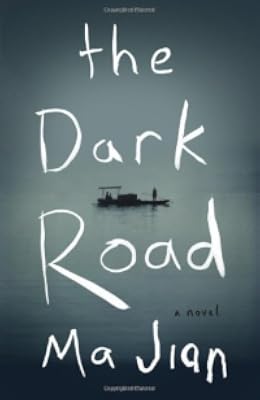
The era of state capitalism and rampant corruption coincided with this policy. A new frog breeding enterprise started in the village. The corruption behind it is a major focus of the storyline. It's no accident that there is the imagery of an awful swamp both here and in Ma Jian's Dark Road. There are no happy endings in either book. Nobody emerges unscathed over the decades. Gugu created her own unique way of coping and atoning to herself for her perfectly legal deeds. Xiaopao attained a certain peace through his writing.
Written before Mo Yan controversially won the Nobel Prize for Literature in 2012, but not appearing in English until after, Frog appears to be the latest of his works in English. It doesn't seem to have the energy of his earlier writing. Perhaps the theme is just too awful. Nevertheless, for those who've been reading him all along, it's a worthwhile addition. show less
Mo Yan has said population growth is China's biggest problem. The plight of girls is inextricably tied up in it. Relating Wan Xin's story in this way allows him to cover decades of women's stories in the PRC, for Wan Xin (Gugu) was a midwife. Graduating in 1953, when the Republic was full of hope, Gugu set out at the age of sixteen to bring revolutionary ideas in politics and birthing to the county. No more straddling a pregnant woman's abdomen and pushing; show more now midwives would work in sync with their patients.
Possessing a highly desirable class background, Gugu's career looked limitless until a major setback in love. No matter, she persevered. Imagine the role of a midwife through China's Great Famine, when no children were born in the commune's forty villages for two years. The end of famine in 1962 saw the population boom, so that by 1965 it was proposed "One {child} is good, two is just right, three is too many". Gugu became the Party's local Family Planning proponent and enforcer. Vasectomies for men with three children were decreed, with Gugu performing the procedure. The Cultural Revolution would not be easy for Gugu as the men extracted their revenge.
Throughout the novel, Xiaopao is also relating his own story, and the everyday life of the township. It is here that Mo's humour emerges, balancing the horror that was to come.
In 1978-79 the one child policy was introduced. Families in the township sought potions that would ensure a male child or twins. Nothing Gugu could say would convince them their quest was in vain.
In 1983, when Steven Mosher wrote in Broken Earth of the enforcement of the policy, he was vilified as being overly dramatic. As seen by Mo Yan though, the reality was even darker. Gugu, a true believer, along with her helper Little Lion, carried out the forced terminations creating turmoil across the township.
The era of state capitalism and rampant corruption coincided with this policy. A new frog breeding enterprise started in the village. The corruption behind it is a major focus of the storyline. It's no accident that there is the imagery of an awful swamp both here and in Ma Jian's Dark Road. There are no happy endings in either book. Nobody emerges unscathed over the decades. Gugu created her own unique way of coping and atoning to herself for her perfectly legal deeds. Xiaopao attained a certain peace through his writing.
Written before Mo Yan controversially won the Nobel Prize for Literature in 2012, but not appearing in English until after, Frog appears to be the latest of his works in English. It doesn't seem to have the energy of his earlier writing. Perhaps the theme is just too awful. Nevertheless, for those who've been reading him all along, it's a worthwhile addition. show less
What a wonderful book.
Set as a series of letters to a 'Sensei', Tadpole tells the tale of his life, mostly in relation to his Aunt Gugu and her role as a midwife and later in the family planning policy.
The letters feel more as if the events are being retold before you, as most are quite long and you often forget it is a letter at all. It is a story of loss, blame, pride and duty, as a fictionalised retelling of the history of China from before the Cultural Revolution to the early 2000s. The intimate nature of the village, Gaomi township, makes you intensely invested in the future of it and its occupants, as we know there is one, or Tadpole wouldnt be reounting it. But the innevitability of a future already set creates a sense of show more impending...something. I felt love for every soul in the book, especially the eccentric Renmei, the loving Wang Gan and the bold love between Chen Bi and Wang Dan.
Mo Yan and the translator write beautifully and accessibly (it was very easy-going). It took a lot of time though because there was so much of it. The whole of Tadpole's life and Gugu's. You need some time to sit with it. The Gaomi township couldnt have felt more tangible. However, there is the question of whether everything Tadpole is presenting us with is true, part of the story he was a child for. But also because of the Play at the end. He is retelling his history in order to write a play, the play is wonderful and seems to play out the next part of the story chronologically from where he left off, however, because its a play, its been fictionalised, he even says so himself. Leaving us to believe what we wish for the end.
All in all, I fell in love with Mo Yan's village and its inhabitants, it is devistating and sharp and sweet, full of the uniqueness of life and you connect in some way with every single soul mentioned. show less
Set as a series of letters to a 'Sensei', Tadpole tells the tale of his life, mostly in relation to his Aunt Gugu and her role as a midwife and later in the family planning policy.
The letters feel more as if the events are being retold before you, as most are quite long and you often forget it is a letter at all. It is a story of loss, blame, pride and duty, as a fictionalised retelling of the history of China from before the Cultural Revolution to the early 2000s. The intimate nature of the village, Gaomi township, makes you intensely invested in the future of it and its occupants, as we know there is one, or Tadpole wouldnt be reounting it. But the innevitability of a future already set creates a sense of show more impending...something. I felt love for every soul in the book, especially the eccentric Renmei, the loving Wang Gan and the bold love between Chen Bi and Wang Dan.
Mo Yan and the translator write beautifully and accessibly (it was very easy-going). It took a lot of time though because there was so much of it. The whole of Tadpole's life and Gugu's. You need some time to sit with it. The Gaomi township couldnt have felt more tangible. However, there is the question of whether everything Tadpole is presenting us with is true, part of the story he was a child for. But also because of the Play at the end. He is retelling his history in order to write a play, the play is wonderful and seems to play out the next part of the story chronologically from where he left off, however, because its a play, its been fictionalised, he even says so himself. Leaving us to believe what we wish for the end.
All in all, I fell in love with Mo Yan's village and its inhabitants, it is devistating and sharp and sweet, full of the uniqueness of life and you connect in some way with every single soul mentioned. show less
A diktatúrában minden felülről jön. Kiötöl valamit a vezér, és az ukáz formájában, mint égi mennykő hullik a nép közibe. Mindazonáltal a vezér messze van, pláne egy olyan tágas országban, mint Kína. Felértékelődik hát a káder szerepe, aki összekötő kapocs az államfő és a lakosság között - rajta múlik minden. Ha ő korrupt, tehetetlen, teszetosza, jobb- vagy baloldali elhajló, akkor a vezéri ötlet törött szárnyú sólyom csupán. A lakosság passzivitása, a hagyományok, a megszokás nagy úr, belefulladhat bármelyik idea. (És gyakran nem is baj, ha belefullad.) De ha a káder tevékeny, szigorú és ravasz, akkor nincs lehetetlen a vezéri akarat előtt.
No most ez tulajdonképpen egy show more káderregény: hőse Wang Szív, a "nénike", a járás hiperaktív szülésznője. Akinek alapesetben az lenne a dolga, hogy szakmányban segítse világra a kínaiak újabb generációit - és alapvetően ezt is teszi. Csakhogy jön egy újabb vezéri ötlet. A kínai vezetés fényes elméjéből ugyanis egyszer csak kipattan a gondolat, hogy jó ugyan, ha Kínában sok a kínai, de az már nem egészséges, ha túl sok. Bevezették tehát az egykézés politikáját, aminek keretében brutálisan szankcionálták a gyermekvállalást. Mégpedig egy olyan országban, ahol a család szentsége mindenek feletti. Mindez természetesen óriási ellenállást váltott ki, amit csak a keménykezű káderek hadával lehetett kezelni. "Nénike" pedig pompásan megfelel ezeknek a kritériumoknak, mert kemény, mint a radiátoron hagyott bejgli, úgyhogy szülésznőből anti-szülésznővé változik, hisz ez a Párt akarata. És ha a Párt azt akarja, hogy hasonulj meg önmagaddal, akkor meghasonulsz. Aztán dolgozd fel, ahogy tudod.
Az európai regényekkel összevetve morzsál ez a szöveg, akár a bejgli. (Igen, már megint a bejgli. Ez egy ilyen karácsonyi motívum.) Mo Yan számos szálat felkap, de nem érzi szükségét, hogy azokat tökéletesen kikerekítse vagy elvarrja, amitől az egész konstrukció sajátosan kaleidoszkóp-szerű lesz. De felettébb sikerült kaleidoszkóp ez, amiből elképesztően sok dolgot tudhatunk meg a kínai vidékről. Látjuk a hagyományt és a fejlődést birokra kelni, látjuk, ahogy átalakul az egész társadalmi struktúra. Amit a makrogazdaság nyelvén Kína GDP-jének robbanásszerű növekedésével írnak le, azt Mo Yan az irodalom eszköztárával teszi megélhetővé, bemutatja a nyerteseket és a veszteseket: a rombolást, ami a teremtés mögött van. show less
No most ez tulajdonképpen egy show more káderregény: hőse Wang Szív, a "nénike", a járás hiperaktív szülésznője. Akinek alapesetben az lenne a dolga, hogy szakmányban segítse világra a kínaiak újabb generációit - és alapvetően ezt is teszi. Csakhogy jön egy újabb vezéri ötlet. A kínai vezetés fényes elméjéből ugyanis egyszer csak kipattan a gondolat, hogy jó ugyan, ha Kínában sok a kínai, de az már nem egészséges, ha túl sok. Bevezették tehát az egykézés politikáját, aminek keretében brutálisan szankcionálták a gyermekvállalást. Mégpedig egy olyan országban, ahol a család szentsége mindenek feletti. Mindez természetesen óriási ellenállást váltott ki, amit csak a keménykezű káderek hadával lehetett kezelni. "Nénike" pedig pompásan megfelel ezeknek a kritériumoknak, mert kemény, mint a radiátoron hagyott bejgli, úgyhogy szülésznőből anti-szülésznővé változik, hisz ez a Párt akarata. És ha a Párt azt akarja, hogy hasonulj meg önmagaddal, akkor meghasonulsz. Aztán dolgozd fel, ahogy tudod.
Az európai regényekkel összevetve morzsál ez a szöveg, akár a bejgli. (Igen, már megint a bejgli. Ez egy ilyen karácsonyi motívum.) Mo Yan számos szálat felkap, de nem érzi szükségét, hogy azokat tökéletesen kikerekítse vagy elvarrja, amitől az egész konstrukció sajátosan kaleidoszkóp-szerű lesz. De felettébb sikerült kaleidoszkóp ez, amiből elképesztően sok dolgot tudhatunk meg a kínai vidékről. Látjuk a hagyományt és a fejlődést birokra kelni, látjuk, ahogy átalakul az egész társadalmi struktúra. Amit a makrogazdaság nyelvén Kína GDP-jének robbanásszerű növekedésével írnak le, azt Mo Yan az irodalom eszköztárával teszi megélhetővé, bemutatja a nyerteseket és a veszteseket: a rombolást, ami a teremtés mögött van. show less
About halfway through this novel I was thinking Mo Yan was creating one of the great characters of literature in Gugu, rural obstetrician during and after the one child per family period in China. As the story moves on, her propagandist possibilities for the betterment of state and party become apparent and are exploited to the fullest and she and the story become much less interesting. Mo Yan, a winner of the Nobel Prize, clearly demonstrates his inventiveness and penetrating insight but this can not lessen the effect or disguise his position as functionary.
Quotes: (pages 150-151) “You can't fool me. I know you're exploiting your public office for personal gain...plotting revenge against me...it's your niece with the illegal show more pregnancy, so how can you pull down my tree...
Not just your tree, Gugu said. When it's down, we're going pull down your gate arch, and then your house. Crying out here won't do you any good. You should go see Wang Jinshan. Gugu took the bullhorn from Little Lion and directed it at the crowd. All you neighbors of Wang Jinshan, listen carefully. In accordance with special regulations issued by the commune famly-planning committee, since Wang Jinshan is shielding his daughter, who is maintaining an illegal pregnancy in defiance of the government, and insulting authorized workers, we will now pull down the houses of his neighbors on all sides. You can go to Wang Jinshan to recoup your losses. If ou do not want your houses to be destroyed, now is the time to persuade him to have his daughter come out.”
(page 171) “My heart was heavy after reading your response. Your expression of sympathy has touched me deeply. You cried when you read the part where Renmei died; writing it had the same affect on me, I did not blame Gugu, she did nothing wrong. Even though she's expressed remorse more frequently in recent years, saying she had blood on her hands, that's history, and history is all about effects, not what caused them. One gazes upon China's Great Wall or the Egyptian pyramids without a thought to the blanched bones buried beneath these magnificent edifices. Over the past two decades China has resolved the problem of its population explosion by draconian measures, not only for the sake of the county's development, but as a contribution to humanity. When all is said and done, we live together on this tiny planet, with its finite resources. Once they're gone, they're not coming back, and seen from this perspective, Westerners' critiques of China's family-planning policies are unfair.” show less
Quotes: (pages 150-151) “You can't fool me. I know you're exploiting your public office for personal gain...plotting revenge against me...it's your niece with the illegal show more pregnancy, so how can you pull down my tree...
Not just your tree, Gugu said. When it's down, we're going pull down your gate arch, and then your house. Crying out here won't do you any good. You should go see Wang Jinshan. Gugu took the bullhorn from Little Lion and directed it at the crowd. All you neighbors of Wang Jinshan, listen carefully. In accordance with special regulations issued by the commune famly-planning committee, since Wang Jinshan is shielding his daughter, who is maintaining an illegal pregnancy in defiance of the government, and insulting authorized workers, we will now pull down the houses of his neighbors on all sides. You can go to Wang Jinshan to recoup your losses. If ou do not want your houses to be destroyed, now is the time to persuade him to have his daughter come out.”
(page 171) “My heart was heavy after reading your response. Your expression of sympathy has touched me deeply. You cried when you read the part where Renmei died; writing it had the same affect on me, I did not blame Gugu, she did nothing wrong. Even though she's expressed remorse more frequently in recent years, saying she had blood on her hands, that's history, and history is all about effects, not what caused them. One gazes upon China's Great Wall or the Egyptian pyramids without a thought to the blanched bones buried beneath these magnificent edifices. Over the past two decades China has resolved the problem of its population explosion by draconian measures, not only for the sake of the county's development, but as a contribution to humanity. When all is said and done, we live together on this tiny planet, with its finite resources. Once they're gone, they're not coming back, and seen from this perspective, Westerners' critiques of China's family-planning policies are unfair.” show less
Frogs, babies and family planning, 9 April 2015
This review is from: Frog (Hardcover)
A powerful work, bringing to life the ramifications of China's 'One Child Policy'; when Gugu, a modern, no-nonsense midwife in a rural township, finds her life in tatters - both emotionally and politically - after her pilot lover absconds - she devotes herself to her work. Only now, the priority is to enforce China's family planning laws. Narrated by her nephew, we follow this apparently cold, hard woman, and her devoted assistant, Little Lion, as they pursue the 'illegally pregnant' ...
The words for baby and frog are the same in Chinese; the nephew's nickname is 'Tadpole' and there are many references to frogs throughout the text. The years roll by and show more a modern and more capitalist regime succeeds the old, a world where anything is possible if you pay. And a local entrepreneur opens a bullfrog-breeding farm, which offers a whole different side to baby-making....
After giving up on Mo Yan's 'Red Sorghum', I found this quite a compulsive read. show less
This review is from: Frog (Hardcover)
A powerful work, bringing to life the ramifications of China's 'One Child Policy'; when Gugu, a modern, no-nonsense midwife in a rural township, finds her life in tatters - both emotionally and politically - after her pilot lover absconds - she devotes herself to her work. Only now, the priority is to enforce China's family planning laws. Narrated by her nephew, we follow this apparently cold, hard woman, and her devoted assistant, Little Lion, as they pursue the 'illegally pregnant' ...
The words for baby and frog are the same in Chinese; the nephew's nickname is 'Tadpole' and there are many references to frogs throughout the text. The years roll by and show more a modern and more capitalist regime succeeds the old, a world where anything is possible if you pay. And a local entrepreneur opens a bullfrog-breeding farm, which offers a whole different side to baby-making....
After giving up on Mo Yan's 'Red Sorghum', I found this quite a compulsive read. show less
The narrator in Chinese Nobel laureate Mo Yan's most recent novel to be translated into English is named “Tadpole,” and he wishes to write a play about his aunt, Gugu. In Frog (Viking Adult, $27.95), Gugu, who is 70 when the story begins, survives the Japanese occupation, trains as a midwife, becomes a member of the Communist Party, suffers through the great famine, is jilted by a fiancé who defects—and endangers her position in so doing. She later embraces the “one-child” policy, and is transformed from the much-honored midwife to the hated government abortion provider. As Yan portrays the suffering of the people, there is also a—perhaps too subtle for some—criticism of the state that is the source of so much of the show more suffering. More than anything, Frog complicates things for Mo Yan; he's neither completely a “party hack,” nor is he a harsh critic of the state.
Review in Sacramento News & Review: http://www.newsreview.com/sacramento/ambivalent-amphibian/content?oid=16210661 show less
Review in Sacramento News & Review: http://www.newsreview.com/sacramento/ambivalent-amphibian/content?oid=16210661 show less
Members
- Recently Added By
Published Reviews
ThingScore 75
Nobel literature laureate Mo Yan, one of the most popular and prolific authors in China, is possibly still best known overseas for his 1987 novel Red Sorghum, and even then mostly for the lavish film of the book which launched the careers of director Zhang Yimou and actress Gong Li.
Nobel winners may subsequently see their even their marginalia reach publication in multiple languages, and their show more shopping lists become the subject of academic theses. But while Frog first appeared in Chinese three years before Mr. Mo’s 2012 win, its recent arrival in English is no mere exploitation of prize-enhanced international marketability. The novel is a full-length major work with big ideas, and it deals with a highly sensitive topic.
Mo Yan (“no words” or “don’t speak”) is the pen name of Guan Moye, and Frog is set in his favourite location, a fictionalised version of his birthplace in rural Shandong Province. The narrator’s Aunt Gugu, politically perfect daughter of a communist doctor who died in World War Two, trains as her area's first modern midwife, earns respect and admiration for her no-nonsense delivery skills, and is glamorously affianced to a fighter pilot.
He defects to Taiwan, taking his plane and all her political capital with him and as a result she suffers persecution and physical abuse during the Cultural Revolution for her inadvertent connection with the Communist Party’s enemies. Yet her faith in the Party never wavers. She becomes a tough enforcer of its authority, and in particular of its one child policy.
China’s successful modern literature is rarely short on blood, bile, and sudden death, featuring the whiff of the public toilet, the blare of the truck horn, and the brilliance of blood in the gutter after unexpected violence. Mo Yan also gives the reader no quarter. Young mothers die undergoing last-minute abortions at Gugu’s hands, serial fathers are rounded up for compulsory vasectomies, and the neighbours of recalcitrant repeat parents are threatened with the destruction of their property unless they join in persuading heavily pregnant women out of hiding.
---
But as critics both inside and outside China point out, Mr. Mo is now much closer to the government. He holds the post of Vice President of the officially approved Chinese Writers Association and has spoken out publicly in favour of censorship. In 2012 he contributed his own calligraphy to a commemorative edition of Mao’s 1942 Yan’an Talks on Literature and Art, which promoted the Leninist line that authors should write in the language of the working class and solely to promote the aims of the revolution. There are few documents more reviled by Chinese artists, especially at a time when current President Xi Jinping is reviving the same approach.
---
The book is no easy read. But regardless of his politics, admirers of Mr. Mo’s earlier literary offspring are likely to be equally joyful he brought this one to term. show less
Nobel winners may subsequently see their even their marginalia reach publication in multiple languages, and their show more shopping lists become the subject of academic theses. But while Frog first appeared in Chinese three years before Mr. Mo’s 2012 win, its recent arrival in English is no mere exploitation of prize-enhanced international marketability. The novel is a full-length major work with big ideas, and it deals with a highly sensitive topic.
Mo Yan (“no words” or “don’t speak”) is the pen name of Guan Moye, and Frog is set in his favourite location, a fictionalised version of his birthplace in rural Shandong Province. The narrator’s Aunt Gugu, politically perfect daughter of a communist doctor who died in World War Two, trains as her area's first modern midwife, earns respect and admiration for her no-nonsense delivery skills, and is glamorously affianced to a fighter pilot.
He defects to Taiwan, taking his plane and all her political capital with him and as a result she suffers persecution and physical abuse during the Cultural Revolution for her inadvertent connection with the Communist Party’s enemies. Yet her faith in the Party never wavers. She becomes a tough enforcer of its authority, and in particular of its one child policy.
China’s successful modern literature is rarely short on blood, bile, and sudden death, featuring the whiff of the public toilet, the blare of the truck horn, and the brilliance of blood in the gutter after unexpected violence. Mo Yan also gives the reader no quarter. Young mothers die undergoing last-minute abortions at Gugu’s hands, serial fathers are rounded up for compulsory vasectomies, and the neighbours of recalcitrant repeat parents are threatened with the destruction of their property unless they join in persuading heavily pregnant women out of hiding.
---
But as critics both inside and outside China point out, Mr. Mo is now much closer to the government. He holds the post of Vice President of the officially approved Chinese Writers Association and has spoken out publicly in favour of censorship. In 2012 he contributed his own calligraphy to a commemorative edition of Mao’s 1942 Yan’an Talks on Literature and Art, which promoted the Leninist line that authors should write in the language of the working class and solely to promote the aims of the revolution. There are few documents more reviled by Chinese artists, especially at a time when current President Xi Jinping is reviving the same approach.
---
The book is no easy read. But regardless of his politics, admirers of Mr. Mo’s earlier literary offspring are likely to be equally joyful he brought this one to term. show less
added by peternh
Lists

Best Fiction Set in China
43 works; 27 members

Books Read in 2015
3,299 works; 126 members

CHINESE FICTION (in translation)
33 works; 1 member
Author Information

123+ Works 4,931 Members
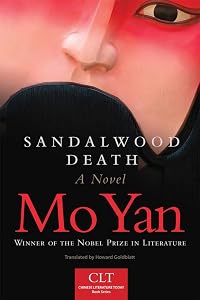
Mo Yan is the pseudonym of Guan Moye, who was born in Gaomi, Shandong Province, China on March 5, 1955. He became a teenager during the Cultural Revolution, leaving school to work first on a farm and then in a cottonseed oil factory. He started writing while he was serving in the People's Liberation Army. His first short story was published in show more 1981. His works include Life and Death Are Wearing Me Out, Red Sorghum, The Garlic Ballads, Big Breasts and Wide Hips, The Republic of Wine, and Sandalwood Death. He received the 2012 Nobel Prize in Literature. (Bowker Author Biography) show less
Awards and Honors
Common Knowledge
- Canonical title*
- Лягушки
- Original title
- 蛙
- Original publication date
- 2009
- People/Characters
- Gugu; Tadpole; Little Lion
- Important places*
- Gaomi, China
- First words*
- Zeer geachte heer Yoshihito Sugitani, het is bijna een maand geleden dat we afscheid namen, maar ik zie de dagen die ik samen met u in mijn geboortestreek doorbracht nog duidelijk voor me.
- Original language
- Chinese
*Some information comes from Common Knowledge in other languages. Click "Edit" for more information.
Classifications
- Genres
- General Fiction, Fiction and Literature
- DDC/MDS
- 895.13 — Literature & rhetoric Literatures of other languages Literatures of East and Southeast Asia Chinese Chinese fiction
- LCC
- PL2886 .W32713 — Language and Literature Languages and literatures of Eastern Asia, Africa, Oceania Languages of Eastern Asia, Africa, Oceania Chinese language and literature Chinese literature Individual authors and works
- BISAC
Statistics
- Members
- 392
- Popularity
- 79,771
- Reviews
- 25
- Rating
- (3.54)
- Languages
- 10 — Chinese, Dutch, English, French, German, Italian, Japanese, Russian, Spanish, Swedish
- Media
- Paper, Audiobook, Ebook
- ISBNs
- 39
- ASINs
- 10