
Instructions for a Heatwave
by Maggie O'Farrell
On This Page
Description
When a recently retired family patriarch clears out his bank account and disappears during a sweltering summer in 1976, his three children converge on their mother's home for the first time in years and track clues to an ancestral village in Ireland, where they uncover illuminating family secrets.Tags
Recommendations























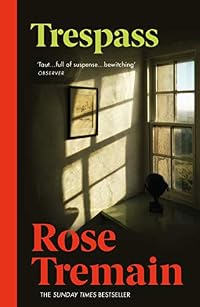

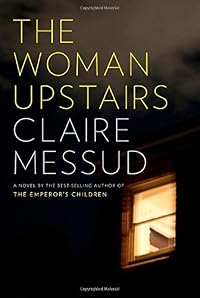
Member Recommendations
Ciruelo An unassuming and quiet man in retirement suddenly leaves his home. Long held secrets are slowed revealed.




Member Reviews
In the summer of 1976, England is in the middle of a heatwave that has resulted in drought and water restrictions. Robert Riordan, recently retired, goes out to buy a newspaper and doesn’t return. Gretta, his wife, contacts their three adult children who return to their childhood home. As they try to support their mother and figure out where their father went, they revisit and air resentments and grievances, and reveal secrets.
It is not only Robert that needs to be found. Each of the siblings needs to find him/herself. Michael Francis, the only son, works unhappily as a teacher while his marriage seems to be disintegrating. Monica, who has never wanted children, is married to an older man with two difficult daughters. Aoife, living show more in New York, struggles as a photographer’s assistant because she is dyslexic, though she has managed to hide her illiteracy from everyone. Monica and Aoife have not spoken in years because of a misunderstanding.
What I found unsettling is the lack of urgency over Robert’s disappearance. No one ever expresses real fear at his vanishing. Wouldn’t someone worry that he was in danger, especially because he has always been so dependable and his behaviour so predictable? His disappearance is obviously a catalyst for the unplanned family reunion and once all are together, their relationships take precedence and what has happened to Robert becomes a secondary concern.
It occurred to me that Robert may have just wanted a reprieve from Gretta. She is loud and voluble and a drama queen. A hypochondriac and devoutly religious, she is difficult and demanding. For the quiet Robert, living with her must not have been easy. It turns out, however, that Robert has a lot of secrets which his family slowly uncover.
O’Farrell excels at characterization. Each family member is complicated and flawed, in other words, very realistic. Each is haunted by his/her upbringing and deserving of empathy; at the same time, the reader will often be frustrated by their behaviour. Once reunited, they fall back into old patterns of bickering rather than communicating.
The use of the heatwave is very effective: “a heatwave will act upon people. It lays them bare, it wears down their guard. They start behaving not unusually but unguardedly. They act not so much out of character but deep within it.” The rising temperatures parallel the increasing family tension. The drought parallels the characters’ feelings of thirst, feelings that they are not being given access to the types of lives they want.
The theme is that family ties may bruise as much as they bind, but it is important to forgive, regardless of the transgressions. Robert’s attempts to forgive inadvertently lead his children to acts of forgiveness.
This family drama has useful instructions for all of us, regardless of the weather.
Note: Please check out my reader's blog (https://schatjesshelves.blogspot.com/) and follow me on Twitter (@DCYakabuski). show less
It is not only Robert that needs to be found. Each of the siblings needs to find him/herself. Michael Francis, the only son, works unhappily as a teacher while his marriage seems to be disintegrating. Monica, who has never wanted children, is married to an older man with two difficult daughters. Aoife, living show more in New York, struggles as a photographer’s assistant because she is dyslexic, though she has managed to hide her illiteracy from everyone. Monica and Aoife have not spoken in years because of a misunderstanding.
What I found unsettling is the lack of urgency over Robert’s disappearance. No one ever expresses real fear at his vanishing. Wouldn’t someone worry that he was in danger, especially because he has always been so dependable and his behaviour so predictable? His disappearance is obviously a catalyst for the unplanned family reunion and once all are together, their relationships take precedence and what has happened to Robert becomes a secondary concern.
It occurred to me that Robert may have just wanted a reprieve from Gretta. She is loud and voluble and a drama queen. A hypochondriac and devoutly religious, she is difficult and demanding. For the quiet Robert, living with her must not have been easy. It turns out, however, that Robert has a lot of secrets which his family slowly uncover.
O’Farrell excels at characterization. Each family member is complicated and flawed, in other words, very realistic. Each is haunted by his/her upbringing and deserving of empathy; at the same time, the reader will often be frustrated by their behaviour. Once reunited, they fall back into old patterns of bickering rather than communicating.
The use of the heatwave is very effective: “a heatwave will act upon people. It lays them bare, it wears down their guard. They start behaving not unusually but unguardedly. They act not so much out of character but deep within it.” The rising temperatures parallel the increasing family tension. The drought parallels the characters’ feelings of thirst, feelings that they are not being given access to the types of lives they want.
The theme is that family ties may bruise as much as they bind, but it is important to forgive, regardless of the transgressions. Robert’s attempts to forgive inadvertently lead his children to acts of forgiveness.
This family drama has useful instructions for all of us, regardless of the weather.
Note: Please check out my reader's blog (https://schatjesshelves.blogspot.com/) and follow me on Twitter (@DCYakabuski). show less
The Riordan family, Irish immigrants living in London, experience a crisis during a heat wave in 1976 when the father, Robert, goes out for his daily newspaper and disappears without a trace. The family of grown children gather around Gretta Riordan in response. Robert recently retired from his job in a bank and had shown no signs suggesting abandoning them. The children seem fairly typical. MichaelFrancis is a high school history teacher; he and wife Claire have two young children. Monica, recently divorced, has moved to Gloustershire with Peter and stepchildren Jessica and Flo. The youngest, Aoife, moved to New York and appears estranged from the rest. She returns to help with the crisis.
Far from typical, the children have deep show more secrets and severe dysfunctions. MichaelFrancis's ambitions to acquire a Ph.d and become a university professor in America were thwarted when his fiance becomes pregnant. Claire had to drop out of college and is frustrated by failing to complete her education. Monica had a pregnancy disaster (it is hinted was self-induced) and subsequently her husband Joe left her. Aoife, who is described as behaviorally impossible as an infant and girl, keeps something secret from everyone -- she is severely dyslexic and nearly totally unable to read. MichaelFrancis and Claire's marriage is crumbling; she has decided to embark on study at an Open University Her dramatic new life changes worry him. Further, he is guilt-ridden about a one-time dalliance he had with a teacher colleague that she is aware of. Monica is bitterly estranged from Aoife who, she thinks, told Joe about her purposeful miscarriage causing him to leave her. Monica also creuelly blames Aoife's disruptive childhood as the cause for Gretta's instability (she is a heavy user of mood altering prescriptions). Monica is disenchanted in her new marriage, particularly dealing with the hostile stepchildren. Aoife is scraping by in New York. She has become an unpaid photographer's assistant who has been covering up her complete neglect of her administrative duties due to her disability. Aoife has met Gabe, a draft dodger, who she falls in love with. Gabe expressed his love for her in writing which she did not comprehend and now that relationship is fading.
Gretta is deeply tied to Catholic values, but she reveals a startling part of her history that shocks her children. Robert's brother, Frankie, was said to have been killed during the "Troubles", but Gretta confesses that Frankie ran off with Robert's bride, Sadie, who later disappeared. The children uncover years-long payments to a convent near their Irish village where Frankie, now an invalid, may be living. Gretta tells the children that because Robert was married to Sadie, a union that was never dissolved, he and Gretta could not get married. The children are outraged that their ultra -Catholic mother has been lying and their births were illegitimate.
The family believes that Robert may have gone to Ireland to visit Frankie. They embark on a trip to their cottage home in the west of Ireland where Gretta finds Frankie in the last days of his life at the convent. The carthesis of all these stunning revelations causes the family to reconcile their differences. Monica sees that Aoife could not have revealed her aborted pregnancy. She determines that her marriage to Peter just will not work. MichaelFrancis and Claire reach the brink of separating, but realize that this should not be so. Aoife reveals to Gabe that the reason she seemed to reject him was due to her problems with reading. She will return to New York to be with him. At the conclusion, Robert is seen walking on the path toward their cottage.
The writing, as with O'Farrell's previous work, is exquisite. Now, after having read "Hamnet", "The Marriage Portrait" and this terrific novel I must add Maggie O'Farrell to my list of favorite writers. show less
Far from typical, the children have deep show more secrets and severe dysfunctions. MichaelFrancis's ambitions to acquire a Ph.d and become a university professor in America were thwarted when his fiance becomes pregnant. Claire had to drop out of college and is frustrated by failing to complete her education. Monica had a pregnancy disaster (it is hinted was self-induced) and subsequently her husband Joe left her. Aoife, who is described as behaviorally impossible as an infant and girl, keeps something secret from everyone -- she is severely dyslexic and nearly totally unable to read. MichaelFrancis and Claire's marriage is crumbling; she has decided to embark on study at an Open University Her dramatic new life changes worry him. Further, he is guilt-ridden about a one-time dalliance he had with a teacher colleague that she is aware of. Monica is bitterly estranged from Aoife who, she thinks, told Joe about her purposeful miscarriage causing him to leave her. Monica also creuelly blames Aoife's disruptive childhood as the cause for Gretta's instability (she is a heavy user of mood altering prescriptions). Monica is disenchanted in her new marriage, particularly dealing with the hostile stepchildren. Aoife is scraping by in New York. She has become an unpaid photographer's assistant who has been covering up her complete neglect of her administrative duties due to her disability. Aoife has met Gabe, a draft dodger, who she falls in love with. Gabe expressed his love for her in writing which she did not comprehend and now that relationship is fading.
Gretta is deeply tied to Catholic values, but she reveals a startling part of her history that shocks her children. Robert's brother, Frankie, was said to have been killed during the "Troubles", but Gretta confesses that Frankie ran off with Robert's bride, Sadie, who later disappeared. The children uncover years-long payments to a convent near their Irish village where Frankie, now an invalid, may be living. Gretta tells the children that because Robert was married to Sadie, a union that was never dissolved, he and Gretta could not get married. The children are outraged that their ultra -Catholic mother has been lying and their births were illegitimate.
The family believes that Robert may have gone to Ireland to visit Frankie. They embark on a trip to their cottage home in the west of Ireland where Gretta finds Frankie in the last days of his life at the convent. The carthesis of all these stunning revelations causes the family to reconcile their differences. Monica sees that Aoife could not have revealed her aborted pregnancy. She determines that her marriage to Peter just will not work. MichaelFrancis and Claire reach the brink of separating, but realize that this should not be so. Aoife reveals to Gabe that the reason she seemed to reject him was due to her problems with reading. She will return to New York to be with him. At the conclusion, Robert is seen walking on the path toward their cottage.
The writing, as with O'Farrell's previous work, is exquisite. Now, after having read "Hamnet", "The Marriage Portrait" and this terrific novel I must add Maggie O'Farrell to my list of favorite writers. show less
Instructions for a Heatwave is about the Riordan family, a family of Irish descent living in London during the heatwave of 1976. One morning, husband and father Robert disappears, leaving his wife Gretta frantic with worry. Her three children return when they hear the news: Michael Francis from nearby in London, Monica from the English countryside, and Aoife from New York City.
Each family member has secrets that complicate their relationships with each other; all of these secrets come to light by the end of the story, but the real genius is not in the plotting but in the characters themselves. Maggie O'Farrell has created five characters so real, so wholly alive, that readers can't help but be immersed in their lives and believe in show more their perspectives.
Though I intended to read this book in print, the audiobook was available first. The narrator was so good I listened to the whole thing while waiting for the print book to arrive. It's a male narrator, but he does the female characters - Gretta, Monica, and Aoife - very well. His English and Irish accents are excellent (at least, to my ear), American accent less so.
Quotes:
She makes a small, scornful noise that means, As if I would, and he feels a rush of how much he's missed her and how much he loves that she's the one person in his family who will always keep a secret, who will be true to her word, and how much of a relief it is to have her here... (126)
Odd that your life can contain such significant trip wires to your future and, even while you wander through them, you have no idea. (181)
Why is it that twenty-four hours in the company of your family is capable of reducing you to a teenager? Is this retrogression cumulative? Will she continue to lose a decade a day? (207)
*
Re-read August 2019
Careful was the word she used. Monica was careful with herself. She had learned to blank out what she didn't like to see; there was a trick she had perfected, a slight narrowing of the eyes so that the lashes rendered the scene soft, furred at the edges, an ability to slide her pupils sideways should anything untoward come her way. (63-64)
Strange weather brings out strange behavior...[People] act not so much out of character but deep within it. (115-116)
It turns Monica's mind inside out with disbelief. (260) show less
Each family member has secrets that complicate their relationships with each other; all of these secrets come to light by the end of the story, but the real genius is not in the plotting but in the characters themselves. Maggie O'Farrell has created five characters so real, so wholly alive, that readers can't help but be immersed in their lives and believe in show more their perspectives.
Though I intended to read this book in print, the audiobook was available first. The narrator was so good I listened to the whole thing while waiting for the print book to arrive. It's a male narrator, but he does the female characters - Gretta, Monica, and Aoife - very well. His English and Irish accents are excellent (at least, to my ear), American accent less so.
Quotes:
She makes a small, scornful noise that means, As if I would, and he feels a rush of how much he's missed her and how much he loves that she's the one person in his family who will always keep a secret, who will be true to her word, and how much of a relief it is to have her here... (126)
Odd that your life can contain such significant trip wires to your future and, even while you wander through them, you have no idea. (181)
Why is it that twenty-four hours in the company of your family is capable of reducing you to a teenager? Is this retrogression cumulative? Will she continue to lose a decade a day? (207)
*
Re-read August 2019
Careful was the word she used. Monica was careful with herself. She had learned to blank out what she didn't like to see; there was a trick she had perfected, a slight narrowing of the eyes so that the lashes rendered the scene soft, furred at the edges, an ability to slide her pupils sideways should anything untoward come her way. (63-64)
Strange weather brings out strange behavior...[People] act not so much out of character but deep within it. (115-116)
It turns Monica's mind inside out with disbelief. (260) show less
There is something about a heat wave that compels people to act differently. It is as if the energy expended while trying to keep cool breaks down barriers that people build to hide secrets or to ignore the truth. The Riordan family experiences this phenomenon firsthand when their father disappears one morning without a trace. Brought back together for the first time in years, each is forced to reevaluate his or her life as the truth behind each makes itself as clear. Maggie O’Farrell’s latest, Instructions for a Heatwave, explores family dynamics, the ties that bind, and the ties that disconnect us from each other.
Each of the Riordan children has their issues. Michael hates his job. Monica is living in a house she does not like and show more must deal with stepchildren who refuse to give her a chance. However, it is Aoife who tugs on a reader’s heart strings. There is no doubt as to her intelligence. That such a talented girl remains illiterate seems unfathomable and tragic, especially to modern readers for whom help with dyslexia is the norm. Compared to her struggles, Michael’s and Monica’s issues seem mundane and due more to a lack of communication rather than anything profound.
Gretta provides some much-needed comic relief but like all clowns, there is something inherently sad about it. The differences between her perspective of herself and her children’s perspective of her is startling, amusing, and somewhat depressing. The fact that her children fail to see her as a normal adult like them should not surprise any parent, but it does not take the sting out of the fact that they all consider her fairly ridiculous and embarrassing with her exuberant and outgoing personality.
Instructions for a Heatwave works well specifically because of the time period in which the story is set. Irish Catholics in 1976 were still abundant and profoundly religious. There was a stigma to children out of wedlock that does not exist today, nor were there the social services to help someone struggling in school. These each play key roles in the unfolding of the story, as they drive each character’s actions and set up later conflict. Understanding these historical viewpoints is essential to being able to understand and accept certain reactions to events in the story.
Fans of Ms. O’Farrell will find her latest novel to be as equally strong in character, content, and exploration of the meaning of family as in her earlier works. Instructions for a Heatwave is a fascinating study of family as well as the secrets we keep from our loved ones. Each member of the Riordan family has perfectly legitimate reasons for keeping such secrets, but it isn’t until confronted with the blistering heat and their missing father where they finally scrutinize those reasons and decide to stop hiding behind them. This character-heavy novel will equally amuse and sadden readers with its spot-on depiction of sibling jealousy and unnecessary lack of communication. show less
Each of the Riordan children has their issues. Michael hates his job. Monica is living in a house she does not like and show more must deal with stepchildren who refuse to give her a chance. However, it is Aoife who tugs on a reader’s heart strings. There is no doubt as to her intelligence. That such a talented girl remains illiterate seems unfathomable and tragic, especially to modern readers for whom help with dyslexia is the norm. Compared to her struggles, Michael’s and Monica’s issues seem mundane and due more to a lack of communication rather than anything profound.
Gretta provides some much-needed comic relief but like all clowns, there is something inherently sad about it. The differences between her perspective of herself and her children’s perspective of her is startling, amusing, and somewhat depressing. The fact that her children fail to see her as a normal adult like them should not surprise any parent, but it does not take the sting out of the fact that they all consider her fairly ridiculous and embarrassing with her exuberant and outgoing personality.
Instructions for a Heatwave works well specifically because of the time period in which the story is set. Irish Catholics in 1976 were still abundant and profoundly religious. There was a stigma to children out of wedlock that does not exist today, nor were there the social services to help someone struggling in school. These each play key roles in the unfolding of the story, as they drive each character’s actions and set up later conflict. Understanding these historical viewpoints is essential to being able to understand and accept certain reactions to events in the story.
Fans of Ms. O’Farrell will find her latest novel to be as equally strong in character, content, and exploration of the meaning of family as in her earlier works. Instructions for a Heatwave is a fascinating study of family as well as the secrets we keep from our loved ones. Each member of the Riordan family has perfectly legitimate reasons for keeping such secrets, but it isn’t until confronted with the blistering heat and their missing father where they finally scrutinize those reasons and decide to stop hiding behind them. This character-heavy novel will equally amuse and sadden readers with its spot-on depiction of sibling jealousy and unnecessary lack of communication. show less
There are a lot of ways in which this novel is a candidate for the 'Did Not Finish' pile - too slow, too many alternating points of view/flashbacks - but also a host of reasons to persevere, namely the characters. The story itself, set during the long, hot summer of 1976, wanders all over the place before finishing on a rather inconclusive note, but the Riordan family are so wonderfully fleshed out (if a little 'quirky') that I stayed for the company.
'Mammy' Riordan, or Gretta, finds her life thrown into chaos one morning when recently retired husband Robert suddenly walks out of the house and disappears. Her three children, Michael Francis, Monica and Aoife (I really struggled with that name!), abandon their respective lives to come show more home and form a disunited front while searching for their father. Cue three extended chapters full of marital discord and buried secrets while slowing getting to the truth of where and why Robert has gone - if that is ever successfully established!
I don't know, the narrative shouldn't work - and doesn't for a lot of people, judging by a lot of reviews - yet Maggie O'Farrell's writing is so layered and almost cluttered with detail and poignant observation that I found myself lost in the meandering story. Gretta reminds me of my grandmother in a lot of ways, both good and bad, and Aoife's (Ee-fa's) own longstanding struggle was so unexpected for the time and place of the novel that I kept wondering when she would be 'found out'. And I could almost feel the suffocating effects of the heatwave, even in coldest November!
Recommended for those who read for the characters and the atmosphere, rather than the hectic pace of the plot! show less
'Mammy' Riordan, or Gretta, finds her life thrown into chaos one morning when recently retired husband Robert suddenly walks out of the house and disappears. Her three children, Michael Francis, Monica and Aoife (I really struggled with that name!), abandon their respective lives to come show more home and form a disunited front while searching for their father. Cue three extended chapters full of marital discord and buried secrets while slowing getting to the truth of where and why Robert has gone - if that is ever successfully established!
I don't know, the narrative shouldn't work - and doesn't for a lot of people, judging by a lot of reviews - yet Maggie O'Farrell's writing is so layered and almost cluttered with detail and poignant observation that I found myself lost in the meandering story. Gretta reminds me of my grandmother in a lot of ways, both good and bad, and Aoife's (Ee-fa's) own longstanding struggle was so unexpected for the time and place of the novel that I kept wondering when she would be 'found out'. And I could almost feel the suffocating effects of the heatwave, even in coldest November!
Recommended for those who read for the characters and the atmosphere, rather than the hectic pace of the plot! show less
This is great character-based fiction, at its centre a family whose members are all experiencing some sort of turmoil in their personal lives, some at war with each other. It is 1976, and during the memorable heatwave, father goes missing and the rest of the family is forced to come together and sort out their differences.
I couldn’t initially see the point of setting it in 1976 and kept forgetting it wasn’t happening in the present day. Reading it, I experienced a series of jolts. Someone pinches a book from the library. Why don’t all the alarms go off? Oh yes...it’s 1976. Seven people fit into a standard family car – a four year old sits on someone’s knee and her slightly older brother is left to ‘bump around’ on top of show more the luggage in the boot. Someone arrest these people! Oh hang on....it’s 1976. And why is that child never wearing any clothes? Oh. Right. It’s 1976. It’s very hot.
Only when I read the author’s afterword did I understand the point of the heatwave thing, and it all made sense. Because of course people do daft things in the middle of a heatwave. That afterword was a great piece of writing – the author hits the nail on the head about the way the summer of ‘76 looms large in childhood memories, particularly for those people (and I consider myself lucky to be among that number) who were small children at the time, the way it made the seventies seem like one long summer day.
But back with the story – I wanted it to be longer. It ends earlier than the reader expects or wants – and the family members’ individual stories were so compelling that I wanted to hear more about them. There was a slight feeling of disappointment as the novel trundled towards its final stages and it was clear that some of the sub-plots would not be revisited. I applaud the author’s lightness of touch, however, not to mention her great skill at sketching compelling characters. I will definitely have to check out some of her other books. show less
I couldn’t initially see the point of setting it in 1976 and kept forgetting it wasn’t happening in the present day. Reading it, I experienced a series of jolts. Someone pinches a book from the library. Why don’t all the alarms go off? Oh yes...it’s 1976. Seven people fit into a standard family car – a four year old sits on someone’s knee and her slightly older brother is left to ‘bump around’ on top of show more the luggage in the boot. Someone arrest these people! Oh hang on....it’s 1976. And why is that child never wearing any clothes? Oh. Right. It’s 1976. It’s very hot.
Only when I read the author’s afterword did I understand the point of the heatwave thing, and it all made sense. Because of course people do daft things in the middle of a heatwave. That afterword was a great piece of writing – the author hits the nail on the head about the way the summer of ‘76 looms large in childhood memories, particularly for those people (and I consider myself lucky to be among that number) who were small children at the time, the way it made the seventies seem like one long summer day.
But back with the story – I wanted it to be longer. It ends earlier than the reader expects or wants – and the family members’ individual stories were so compelling that I wanted to hear more about them. There was a slight feeling of disappointment as the novel trundled towards its final stages and it was clear that some of the sub-plots would not be revisited. I applaud the author’s lightness of touch, however, not to mention her great skill at sketching compelling characters. I will definitely have to check out some of her other books. show less
In Maggie O’Farrell’s suspenseful sixth novel, we are transported back to London in July 1976 during a heatwave. Irish immigrant and recent retiree Robert Riordan has disappeared while on a simple morning errand to buy a newspaper. His wife Gretta claims to have no idea where he has gone. The three Riordan children, Michael Francis, Monica and Aoife, despite their own personal issues and the baggage of long-standing sibling rivalries, answer their mother’s call and return home to help her cope, to try to get to the bottom of what has happened, and, as it turns out, to repair their broken relationships and exorcise ghosts from the past. With seven novels, a memoir, and several awards to her credit, O’Farrell knows the importance show more of endowing her characters with complex back-stories and rich emotional histories. Michael Francis, a teacher, is contending with the emotional disarray of a man who, having accepted that his failing marriage is his fault, discovers he is helpless to do anything about it. Monica, who has married a man much older than herself who has a family from a previous marriage, is finding the struggle to negotiate her way into the role of stepmother humbling and all-consuming. And trouble-child Aoife‘s life in New York, where she has gone to distance herself from her family’s criticisms and a chequered past, and where she works as a photographer’s assistant, is a constant struggle to function and support herself while masking a humiliating personal secret. Gretta has a disconcerting story of her own to tell, and, as the action proceeds, the entire Riordan clan make startling disclosures and painful admissions, about themselves and about their feelings for each other. Gretta, whom we begin to suspect early in the book knows more than she’s letting on, lets loose with a series of shocking revelations that result in a family road trip and the eventual unraveling of the mystery surrounding Robert’s disappearance. O’Farrell’s exploration of the complicated history of Robert and Gretta and their three children is by and large convincing, though at some point the reader might wonder how many secrets one family can reasonably conceal and still make a show that all is well. Robert himself, along with his motives, remains shadowy, and the heatwave motif wavers in and out of focus. But in the end Instructions for a Heatwave does succeed, and that success is due primarily to O’Farrell’s ability to engage our sympathies for all her characters. Those Riordans may be a messy, muddled, contrary lot with a habit of fudging the truth and nursing more than their fair share of grievances, but when we say goodbye to them, we do so with reluctance. show less
Members
- Recently Added By
Lists

Top Five Books of 2013
1,562 works; 715 members

Top Five Books of 2020
982 works; 348 members
Author Information

24+ Works 20,611 Members
Maggie O'Farrell is the author of several novels including After You'd Gone, My Lover's Lover, The Vanishing Act of Esme Lennox, Instructions for a Heatwave, and This Must Be the Place. She received a Somerset Maugham Award for The Distance Between Us and the 2010 Costa Novel Award for The Hand That First Held Mine. (Bowker Author Biography)
Some Editions
Awards and Honors
Awards
Distinctions
Notable Lists
Common Knowledge
- Canonical title*
- En cas de forte chaleur
- Original title
- Instructions for a Heatwave
- Original publication date
- 2013
- People/Characters
- Gretta, mother; Robert, father; Monica, eldest daughter; Michael Francis, son; Aoife, youngest daughter
- Important places
- London, England, UK; Highbury, London, England, UK; Gloucestershire, England, UK; New York, New York, USA; Omey Island, Galway, Ireland; Stoke Newington, London, England, UK
- Important events
- 1976 UK heat wave
- Dedication
- For S and I and J
and B, of course - First words
- The heat, the heat.
- Quotations
- Gretta sits herself down at the table. Robert has arranged everythg she needs: a plate, a knife, a bowl with a spoon, a pat of butter, a jar of jam. It is in such small acts of kindness that people know they are loved. (p. 6)
Conversations with his mother can be confusing meanders through a forest of meaning in which nobody has a name and characters drop in and out without warning. (p. 38)
She had that washed, tremulous feeling you get after a bout of crying. Like a London street after the cleaners had been down it; dark, wetted, cleansed. (p. 70)
Strange weather brings out strange behaviour. As a Bunsen burner applied to a crucible will bring about an exchange of electrons, the division of some compounds and the unification of others, so a heatwave will act upon peop... (show all)le. It lays them bare, it wears down their guard. They start behaving not unusually but unguardedly. They act not so much out of character but deep within it. (p. 119-120)
Silence, thick as fog, rolls in from the landing. Gretta feels that she could put out her hand and touch its cold form. (p. 201) - Last words
- (Click to show. Warning: May contain spoilers.)'It is,' she says.
*Some information comes from Common Knowledge in other languages. Click "Edit" for more information.
Classifications
Statistics
- Members
- 1,245
- Popularity
- 19,660
- Reviews
- 75
- Rating
- (3.72)
- Languages
- 8 — Dutch, English, Finnish, French, German, Italian, Spanish, Swedish
- Media
- Paper, Audiobook, Ebook
- ISBNs
- 41
- ASINs
- 13