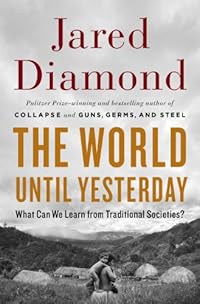
The World Until Yesterday: What Can We Learn from Traditional Societies?
by Jared Diamond
On This Page
Description
Diamond reveals how tribal societies offer an extraordinary window into how our ancestors lived for millions of years -- until virtually yesterday, in evolutionary terms -- and provide unique, often overlooked insights into human nature.Tags
Recommendations

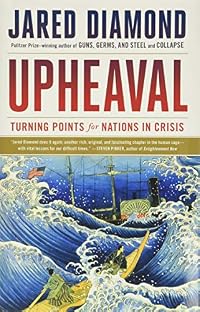
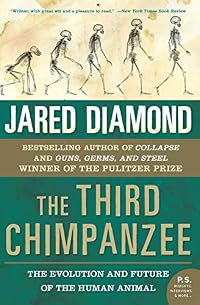

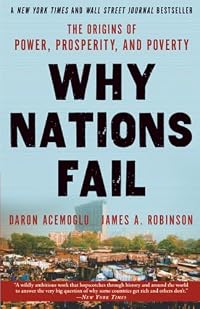
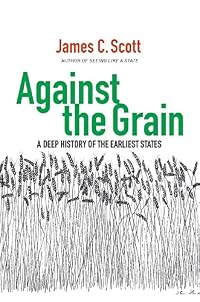


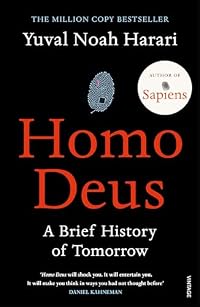

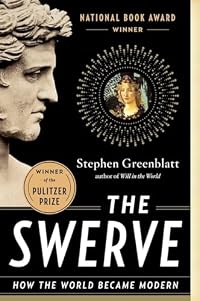





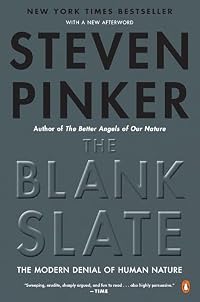
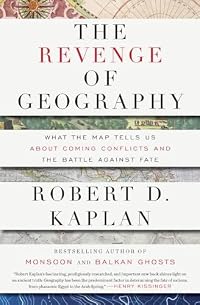
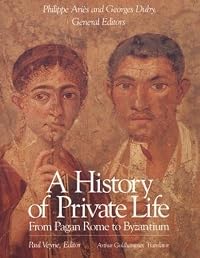
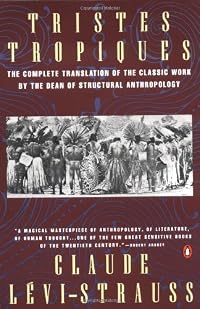

Member Recommendations
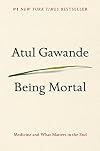
jigarpatel While only tenuously linked to a single section in The World Until Yesterday, it's remarkable to contrast Gawande's Being Mortal with Diamond's analysis. In particular, the importance of accessing the utility of the elderly is demonstrated as important by Diamond on the basis of historic knowledge transmittal, and by Gawande on the basis of what the elderly themselves may desire.
Member Reviews
Diamondova nejznámější kniha Osudy lidských společností mě ve své době celkem bavila, ovšem po několika letech od přečtení si z ní nevybavím mnoho. Může to být mimo jiné i proto, že se v ní Diamond rozmáchl poněkud doširoka a jeho nejznámější dílo tak nemělo zřetelný cíl. To však v žádném případě nelze prohlásit o Světu, který skončil včera.
Vždy zpozorním, když narazím na někoho, kdo své celoživotní zkušenosti v určitém oboru či oblasti dovede přehledně shrnout do uceleného díla. Diamond, který strávil značnou část života mezi domorodými národy Nového Zélandu, mezi tyto lidi zdá se patří, a ve Světě, který skončil včera se zamýšlí, co dělají tradiční show more společnosti jinak než soudobá západní civilizace, a hlavně co se od nich můžeme naučit. Dokazuje, že mnoho.
Na celospolečenské rovině se nachází pár zajímavých poznatků ohledně vnímání území, přístupu k „sousedům“ a vedení válek. Kupodivu právě zde se moderní přístup ukazuje jako lepší pro zachování bezpečí jedinců. Pokud trávíte dny obavami z teroristických útoků, s nimiž s téměř stoprocentní jistotou nikdy nepřijdete do styku, jak byste si asi připadali v tradičních společenstvích, v nichž značná část populace umírá v mezikmenových bojích?
Zajímavější je však část knihy zaměřená na chování jednotlivců, protože právě zde najdeme užitečné ponaučtení. Proč například mají tradiční společnosti (a vlastně i západní do docela nedávné doby) v úctě staré lidi? Protože jejich věk je důkazem, že vědí, jak přežít. V době, v níž většině lidí nehrozí útok jaguára, se sice může zdát, že dožít se starého věku není žádná věda, ovšem i tak je jistě mnohé, co bychom se od svých rodičů a prarodičů mohli naučit. Stejně tak v otázce výchovy dětí se náš přístup liší. Zatímco v západní společnosti je zvykem děti od rodičů uměle odtrhávat, abychom zabránili růstu mamánků a papánků, v tradičních společnostech je o děti staráno s úzkostlivou péčí, dokud o ni sami stojí. Diamond dokazuje, že dříve či později se děti dobrovolně osamostatní a dospějí v sebevědomější jedince.
Diamond se věnuje i cizím jazykům, které tradiční národy běžně ovládají, ovšem pro důkazy o prospěšnosti jejich znalosti musí sahat k moderním výzkumům. Neméně zajímavá je i kapitola o výživě. Diamond se v ní zaměřuje hlavně na přebytek cukrů a soli v moderní stravě a přesvědčivě argumentuje s pomocí statistických dat o jejich škodlivosti.
Svět, který skončil včera, je sice místy trošku těžkopádné čtení, může však čtenáři přinést řadu užitečných „rad do života“. Zatímco normálně bych byl k podobnému tématu skeptický, Diamond s využitím svých zkušeností opravdu přináší řadu hodnotných návrhů. show less
Vždy zpozorním, když narazím na někoho, kdo své celoživotní zkušenosti v určitém oboru či oblasti dovede přehledně shrnout do uceleného díla. Diamond, který strávil značnou část života mezi domorodými národy Nového Zélandu, mezi tyto lidi zdá se patří, a ve Světě, který skončil včera se zamýšlí, co dělají tradiční show more společnosti jinak než soudobá západní civilizace, a hlavně co se od nich můžeme naučit. Dokazuje, že mnoho.
Na celospolečenské rovině se nachází pár zajímavých poznatků ohledně vnímání území, přístupu k „sousedům“ a vedení válek. Kupodivu právě zde se moderní přístup ukazuje jako lepší pro zachování bezpečí jedinců. Pokud trávíte dny obavami z teroristických útoků, s nimiž s téměř stoprocentní jistotou nikdy nepřijdete do styku, jak byste si asi připadali v tradičních společenstvích, v nichž značná část populace umírá v mezikmenových bojích?
Zajímavější je však část knihy zaměřená na chování jednotlivců, protože právě zde najdeme užitečné ponaučtení. Proč například mají tradiční společnosti (a vlastně i západní do docela nedávné doby) v úctě staré lidi? Protože jejich věk je důkazem, že vědí, jak přežít. V době, v níž většině lidí nehrozí útok jaguára, se sice může zdát, že dožít se starého věku není žádná věda, ovšem i tak je jistě mnohé, co bychom se od svých rodičů a prarodičů mohli naučit. Stejně tak v otázce výchovy dětí se náš přístup liší. Zatímco v západní společnosti je zvykem děti od rodičů uměle odtrhávat, abychom zabránili růstu mamánků a papánků, v tradičních společnostech je o děti staráno s úzkostlivou péčí, dokud o ni sami stojí. Diamond dokazuje, že dříve či později se děti dobrovolně osamostatní a dospějí v sebevědomější jedince.
Diamond se věnuje i cizím jazykům, které tradiční národy běžně ovládají, ovšem pro důkazy o prospěšnosti jejich znalosti musí sahat k moderním výzkumům. Neméně zajímavá je i kapitola o výživě. Diamond se v ní zaměřuje hlavně na přebytek cukrů a soli v moderní stravě a přesvědčivě argumentuje s pomocí statistických dat o jejich škodlivosti.
Svět, který skončil včera, je sice místy trošku těžkopádné čtení, může však čtenáři přinést řadu užitečných „rad do života“. Zatímco normálně bych byl k podobnému tématu skeptický, Diamond s využitím svých zkušeností opravdu přináší řadu hodnotných návrhů. show less
Diamond makes interesting connections between his book research on other cultures and his experience among New Guinea and Australian tribal peoples. Some of his suggestions about the virtues of these cultures are valuable, although he is weak on proposals to implement such changes in the West. He does avoid the myth of primitive paradise, although he may go too far the other direction in suggesting that pre-state peoples all lived in constant fear of attack by any stranger. Reviews by practicing anthropologists are relatively harsh, pointing out that every culture has had the same amount of time to 'evolve' and that anthropologists do not regard pre-literate peoples as any kind of time capsule of earlier human life.
I confess that I didn't get very far into this book at all, so maybe my review is unfair. However, there were so many major methodological problems at the beginning of the book that I was afraid to read on - I wasn't willing to trust any of Diamond's conclusions, because he is so cavalier with his evidence.
My problem is that he treats "traditional societies" as a single homogeneous thing. He acknowledges at the beginning that he is oversimplifying his terminology, but "oversimplify" doesn't begin to describe it. He only briefly touches on the fact that gathering reliable information about "traditional societies" is extremely problematic. For pre-modern traditional societies, we have to rely on archaeological evidence, which can only show more tell us so much and can be extremely difficult to interpret, especially depending on the quality of the archaeological dig. For traditional societies who have come into contact with modern societies, the evidence is even more difficult to interpret - the very act of gathering the evidence taints it, because it requires interacting with these people. Diamond briefly mentions these facts, then goes on to totally ignore them. He will make a statement about traditional societies, and then he will provide 5 examples, but these examples are all from different time periods and different parts of the world. It is very problematic to make generalizations based on such disparate evidence, but Diamond doesn't seem to mind at all. When he gives examples, he never discusses how certain we can be about the statements he is making, or what evidence he bases these statements on. I fear that he is cherry-picking the examples that back up his points and ignoring examples that do not.
So that's why I didn't read much of this book - Diamond's use (or misuse) of evidence made me distrust any conclusions he might make. show less
My problem is that he treats "traditional societies" as a single homogeneous thing. He acknowledges at the beginning that he is oversimplifying his terminology, but "oversimplify" doesn't begin to describe it. He only briefly touches on the fact that gathering reliable information about "traditional societies" is extremely problematic. For pre-modern traditional societies, we have to rely on archaeological evidence, which can only show more tell us so much and can be extremely difficult to interpret, especially depending on the quality of the archaeological dig. For traditional societies who have come into contact with modern societies, the evidence is even more difficult to interpret - the very act of gathering the evidence taints it, because it requires interacting with these people. Diamond briefly mentions these facts, then goes on to totally ignore them. He will make a statement about traditional societies, and then he will provide 5 examples, but these examples are all from different time periods and different parts of the world. It is very problematic to make generalizations based on such disparate evidence, but Diamond doesn't seem to mind at all. When he gives examples, he never discusses how certain we can be about the statements he is making, or what evidence he bases these statements on. I fear that he is cherry-picking the examples that back up his points and ignoring examples that do not.
So that's why I didn't read much of this book - Diamond's use (or misuse) of evidence made me distrust any conclusions he might make. show less
‘The World Until Yesterday’ is an impressive synthesis of Diamond’s experiences and research into traditional modes of life, especially those practised in New Guinea. It is a measured, thoughtful, and well-structured book, highly readable and thought-provoking. Diamond begins by making a point that often bothers me - the perceived universality of conclusions from research on WEIRD (Western, educated, industrial, rich, and democratic) societies. This is especially irritating in psychology and behavioural economics, in which experiments on conveniently available students are treated as representative of all humanity’s behaviour. Surely not. This book aims to explain a range of experiments in living undertaken by people subsisting show more in small groups around the world, providing insight into how our ancestors lived and how urbanisation and industrialisation impact on societies.
The scope of the book is thus very wide, but Diamond is careful to avoid undue generalisation and to support his statements with what quantitative and qualitative evidence is available. I was especially interested by the chapter about war, which explained how a cycle of revenge may take over when there is no higher state authority to prevent it. Conversely, I found the chapter on religion a little disappointing, as it discussed the reasons for religion to exist without giving many details of how religious practises differ across traditional societies. I suppose that topic in itself merits a huge pile of books. The chapter on languages intrigued me considerably. The density of linguistic variation within New Guinea is such that people living in traditional societies there speak five to ten different languages, some as many as fifteen! The majority of these and other traditional languages are at risk of dying out, however, as the hegemony of the nine most popular (Mandarin, Spanish, English, etc) advances. The book explains why this loss would be a significant one, as well as recounting the advantages of being multilingual. This was preaching to the choir as far as I’m concerned, but I gather in America it is much rarer to be taught additional languages at school or indeed at home. Indeed, it seems that being bilingual is discouraged in the US on grounds of cultural assimilation. That seems tragic to me, as studying other languages is fascinating and very useful.
As well as promoting linguistic variety, the book draws other lessons from the ways of life followed by hunter gatherers and other traditional societies. Diamond repeatedly cautions against romanticising such societies, as the fact is that their lifestyles are dangerous and subsistence-level, involving life expectancies below those in the developed world. (On the other hand, it is also noted that the shift from hunter gatherer to agricultural modes of life in past millennia involved a fall in average life expectancy, as did the initial rapid urbanisation of the Industrial Revolution. Factory workers in 19th century British cities had shockingly low life expectancies and appalling levels of infant mortality.) Nonetheless, Diamond demonstrates that there are lessons to be taken from traditional ways of life, which if nothing else demonstrate a diversity that is generally ignored in the West. Approaches to child-rearing, looking after the elderly, and health are covered, as is attitude to risk. To my mind, though, the former three areas of discussion were rather lacking the obvious explanation for problematic Western practises: neoliberal capitalism. The suggestions that Diamond makes for better child-rearing, for example, mainly involve spending less money on and more time with infants. In terms of health, the non-communicable diseases he recounts are all diseases of (relative) affluence, part of a lifestyle heavily advertised in the West involving processed food, alcohol, cigarettes, and car dependence.
The discussion of risk assessment is striking as Diamond comments that inaccurate estimations of risk in the Western world appear influenced by the media, whereas traditional societies estimate risks from their own experience and constant discussion with their peers. Thus in the Western world we have inflated fears of big disasters like nuclear meltdowns, whilst taking a relaxed attitude to the exponentially higher daily risk of car accidents. Awareness of this does not necessarily lend itself to obvious methods for improving realism about risks, but is interesting nonetheless. Overall, I enjoyed this book and found its conclusions convincing, albeit a little naive. It’s all very well to place responsibility on individuals to eat more healthily and avoid diabetes, but that ignores structural problems with the sugar-peddling global food industry. Still, the aim of the book is not to provide fixes for Western problems so much as reflect on life in traditional societies. I certainly feel more well-informed on that front for reading it. show less
The scope of the book is thus very wide, but Diamond is careful to avoid undue generalisation and to support his statements with what quantitative and qualitative evidence is available. I was especially interested by the chapter about war, which explained how a cycle of revenge may take over when there is no higher state authority to prevent it. Conversely, I found the chapter on religion a little disappointing, as it discussed the reasons for religion to exist without giving many details of how religious practises differ across traditional societies. I suppose that topic in itself merits a huge pile of books. The chapter on languages intrigued me considerably. The density of linguistic variation within New Guinea is such that people living in traditional societies there speak five to ten different languages, some as many as fifteen! The majority of these and other traditional languages are at risk of dying out, however, as the hegemony of the nine most popular (Mandarin, Spanish, English, etc) advances. The book explains why this loss would be a significant one, as well as recounting the advantages of being multilingual. This was preaching to the choir as far as I’m concerned, but I gather in America it is much rarer to be taught additional languages at school or indeed at home. Indeed, it seems that being bilingual is discouraged in the US on grounds of cultural assimilation. That seems tragic to me, as studying other languages is fascinating and very useful.
As well as promoting linguistic variety, the book draws other lessons from the ways of life followed by hunter gatherers and other traditional societies. Diamond repeatedly cautions against romanticising such societies, as the fact is that their lifestyles are dangerous and subsistence-level, involving life expectancies below those in the developed world. (On the other hand, it is also noted that the shift from hunter gatherer to agricultural modes of life in past millennia involved a fall in average life expectancy, as did the initial rapid urbanisation of the Industrial Revolution. Factory workers in 19th century British cities had shockingly low life expectancies and appalling levels of infant mortality.) Nonetheless, Diamond demonstrates that there are lessons to be taken from traditional ways of life, which if nothing else demonstrate a diversity that is generally ignored in the West. Approaches to child-rearing, looking after the elderly, and health are covered, as is attitude to risk. To my mind, though, the former three areas of discussion were rather lacking the obvious explanation for problematic Western practises: neoliberal capitalism. The suggestions that Diamond makes for better child-rearing, for example, mainly involve spending less money on and more time with infants. In terms of health, the non-communicable diseases he recounts are all diseases of (relative) affluence, part of a lifestyle heavily advertised in the West involving processed food, alcohol, cigarettes, and car dependence.
The discussion of risk assessment is striking as Diamond comments that inaccurate estimations of risk in the Western world appear influenced by the media, whereas traditional societies estimate risks from their own experience and constant discussion with their peers. Thus in the Western world we have inflated fears of big disasters like nuclear meltdowns, whilst taking a relaxed attitude to the exponentially higher daily risk of car accidents. Awareness of this does not necessarily lend itself to obvious methods for improving realism about risks, but is interesting nonetheless. Overall, I enjoyed this book and found its conclusions convincing, albeit a little naive. It’s all very well to place responsibility on individuals to eat more healthily and avoid diabetes, but that ignores structural problems with the sugar-peddling global food industry. Still, the aim of the book is not to provide fixes for Western problems so much as reflect on life in traditional societies. I certainly feel more well-informed on that front for reading it. show less
Ez a könyv két, nem is olyan könnyen elválasztható részből áll. Az egyik egy már-már spektrumtévés* közérthetőséggel papírra vetett áttekintés a hagyományos (vagyis államiság előtti) társadalmak életéről. Ez helyenként kifejezetten tanulságos, gondolatébresztő szöveg, aminek elvitathatatlan érdeme, hogy Diamond, bár nem rejti véka alá e közösségek iránti rokonszenvét, de nála ez az érzés korántsem elvakult. A hagyományos társadalmak avatott ismerőjeként egyértelműen leszögezi, hogy bár sok szempontból érdemes tanulni elődeinktől, de azért a modern államok úgy általában lényegesen jobb életminőséget képesek biztosítani. Világos, hogy egyes új-guineai törzsek show more varázslatos státuszt biztosítanak a saját nagyszüleiknek, és ez lényegesen szívmelengetőbb verzió annál, mint amikor az USA-ban a nyugdíjasokat szimplán bepöccintik egy szociális otthonba. Ugyanakkor más új-guineai törzsek meg hagyják éhen halni az aggastyánokat, amikor már nem veszik hasznukat – tehát összességében a nyugati modell inkább a pozitív véglet felé konvergál. Másfelől beszélhetünk itt harmonikus társadalmi viszonyokról az amazóniai indiánok társas kapcsolataiban (ahogy Diamond is teszi), de közben érdemes észben tartanunk, hogy amíg a hagyományos társadalmakban az erőszakos elhalálozások aránya az összes elhalálozáshoz képest minimum 3-7 % (virtusosabb etnikumok esetében akár 50 % fölött is lehet), addig a ún. civilizált államokban ez lényegesen kevesebb: még a XX. századi Németország esetében is csupán 0,16 %. Szóval szerzőnk a dicséretben mértéktartó és objektív, ami felüdülés ahhoz képest, ahogy egyes tradicionalisták elképzelik a hagyományos társadalmakat: egy rész nagymama emlékei, egy rész kereszténység előtti, egy rész kereszténység utáni archaikus katyvasz, mindez meghintve Matula bácsival. Így kapunk egy olyan képzeletbeli közösséget, amiben őseink a barantaedzések szünetében rovásírásos széljegyzeteket írnak az apokrif Jézus-evangéliumok homofóban családbarát passzusaihoz**.
A könyv másik része pedig valamiféle életmód, egészség rovat – Diamond az első szálban foglaltakból kiindulva tanácsokat fogalmaz meg boldog-boldogtalannak, hogy miben is kéne tanulnunk a hagyományos társadalmaktól. A könyv első felében az első rész még jobbára felülírta e másodikat, de ahogy haladtam előre, tudósunkban egyre inkább megizmosodott a népművelő, ezzel párhuzamosan pedig én magam egyre ingerültebb lettem. Az író ugyanis mindenkinek, de tényleg mindenkinek tanácsot ad: befektetési bankároknak, gyakorló szülőknek, jogászoknak, meg egyáltalán, mindenkinek, aki eszik. De olyanokat ám, amiket én csak egy homályos-tól a kínos-ig terjedő skálán tudnék elhelyezni. Például: „Pereskedők, ne pereskedjetek! Beszéljétek meg inkább! Ti meg ott! Ne egyetek cukrot, mert cukorbetegek lesztek!” Tényleg? Hogy ez még senkinek nem jutott eszébe! Sokáig vártam a slusszpoént, mert nem akartam elhinni, hogy egy olyan nívós szakember (evolúciós biológus), mint Diamond, ilyen komolytalan oravecznóriságokat akar nekem tudományos szövegként eladni… De úgy néz ki, igen. Az utolsó fejezeteket én konkrétan a mellébeszélés non plus ultrájaként éltem meg.
Azért nem érték nélküli könyv ez, ezt persze le kell szögezni. Egyszerűen az Összeomlás írójától elképesztően nagy csalódás – ezt a csalódást bizonyára még erősíti is az, hogy ez a mű, ahogy telnek az oldalak, annál gyengébb. Ha ez fordítva lenne, kellemesebb szájízzel fejeztem volna be. Én készséggel elhiszem, hogy Jared Diamond majdnem mindenhez ért, de nem ártana, ha Jared Diamond ezt nem hinné el magáról.
* Hogy ez a jelző pozitív, vagy sem, azt mindenki ossza be magának. Mindenesetre ahogy haladtam a könyvben, én egyre kevésbé tudtam tolerálni, hogy Diamond a legalapvetőbb evidenciánál is szükségét érezte, hogy másfél-két oldalon keresztül sorolja a maga megvilágító erejű példáit. Amik helyenként szórakoztatóak voltak – csak jórészt feleslegesek.
** Ami szintúgy egy ordas általánosítás, nyilván. Akit esetleg zavar, az legalább tudja, milyen érzés, amikor óvatosan liberális értékrendemet azonosítják a marxizmussal, az anarchiával meg az egalitarizmussal, és úgy próbálják visszatömködni a torkomba. show less
A könyv másik része pedig valamiféle életmód, egészség rovat – Diamond az első szálban foglaltakból kiindulva tanácsokat fogalmaz meg boldog-boldogtalannak, hogy miben is kéne tanulnunk a hagyományos társadalmaktól. A könyv első felében az első rész még jobbára felülírta e másodikat, de ahogy haladtam előre, tudósunkban egyre inkább megizmosodott a népművelő, ezzel párhuzamosan pedig én magam egyre ingerültebb lettem. Az író ugyanis mindenkinek, de tényleg mindenkinek tanácsot ad: befektetési bankároknak, gyakorló szülőknek, jogászoknak, meg egyáltalán, mindenkinek, aki eszik. De olyanokat ám, amiket én csak egy homályos-tól a kínos-ig terjedő skálán tudnék elhelyezni. Például: „Pereskedők, ne pereskedjetek! Beszéljétek meg inkább! Ti meg ott! Ne egyetek cukrot, mert cukorbetegek lesztek!” Tényleg? Hogy ez még senkinek nem jutott eszébe! Sokáig vártam a slusszpoént, mert nem akartam elhinni, hogy egy olyan nívós szakember (evolúciós biológus), mint Diamond, ilyen komolytalan oravecznóriságokat akar nekem tudományos szövegként eladni… De úgy néz ki, igen. Az utolsó fejezeteket én konkrétan a mellébeszélés non plus ultrájaként éltem meg.
Azért nem érték nélküli könyv ez, ezt persze le kell szögezni. Egyszerűen az Összeomlás írójától elképesztően nagy csalódás – ezt a csalódást bizonyára még erősíti is az, hogy ez a mű, ahogy telnek az oldalak, annál gyengébb. Ha ez fordítva lenne, kellemesebb szájízzel fejeztem volna be. Én készséggel elhiszem, hogy Jared Diamond majdnem mindenhez ért, de nem ártana, ha Jared Diamond ezt nem hinné el magáról.
* Hogy ez a jelző pozitív, vagy sem, azt mindenki ossza be magának. Mindenesetre ahogy haladtam a könyvben, én egyre kevésbé tudtam tolerálni, hogy Diamond a legalapvetőbb evidenciánál is szükségét érezte, hogy másfél-két oldalon keresztül sorolja a maga megvilágító erejű példáit. Amik helyenként szórakoztatóak voltak – csak jórészt feleslegesek.
** Ami szintúgy egy ordas általánosítás, nyilván. Akit esetleg zavar, az legalább tudja, milyen érzés, amikor óvatosan liberális értékrendemet azonosítják a marxizmussal, az anarchiával meg az egalitarizmussal, és úgy próbálják visszatömködni a torkomba. show less
Unlike Diamond's other and better known works, The World Until Yesterday is a practical study of how we, today, in the 21st century, can learn from traditional societies. Diamond begins by describing the range of traditional social structures. Rather dull theory, but useful to understand how traditional societies evolved and to what extent we can "pick and choose" practices which we can incorporate today.
The most interesting chapters revolve around approaches to child-rearing; treatment of the elderly (cf Gawande's Being Mortal); and maladaptation of Homo sapiens to first world diets. Also interesting are anecdotes on conflict resolution; a chapter promoting multilingualism; tribal approaches to risk management (cf Kahneman's Thinking, show more Fast and Slow); and a theory behind the evolution of religion.
Of course, given this is Diamond, there's a strong environmental angle à la Collapse, as well as overlap with The Third Chimpanzee. I personally value the focus on what we can learn, in particular the pointed criticism of first world countries promoting individual achievement above the success of societies as a whole. Unquantifiable mental well-being is as important as economic success, a fact the West is only just beginning to appreciate.
My only criticism is that while Diamond covers a wide range of topics, his examples are very select and targeted at a specific audience. There is a definite American slant, so solutions to conflict resolution are contrasted with the "blame & litigate" culture of the US. Possibly due to his own ignorance, South Asian societies are barely mentioned: I expected at least a mention of Sanskrit in the chapter describing how languages originate and disappear.
Overall, highly recommended. show less
The most interesting chapters revolve around approaches to child-rearing; treatment of the elderly (cf Gawande's Being Mortal); and maladaptation of Homo sapiens to first world diets. Also interesting are anecdotes on conflict resolution; a chapter promoting multilingualism; tribal approaches to risk management (cf Kahneman's Thinking, show more Fast and Slow); and a theory behind the evolution of religion.
Of course, given this is Diamond, there's a strong environmental angle à la Collapse, as well as overlap with The Third Chimpanzee. I personally value the focus on what we can learn, in particular the pointed criticism of first world countries promoting individual achievement above the success of societies as a whole. Unquantifiable mental well-being is as important as economic success, a fact the West is only just beginning to appreciate.
My only criticism is that while Diamond covers a wide range of topics, his examples are very select and targeted at a specific audience. There is a definite American slant, so solutions to conflict resolution are contrasted with the "blame & litigate" culture of the US. Possibly due to his own ignorance, South Asian societies are barely mentioned: I expected at least a mention of Sanskrit in the chapter describing how languages originate and disappear.
Overall, highly recommended. show less
The latest from the superb Jared Diamond is an overview of the differences between modern society and the way humanity has lived for most of its history - as small, tribal groups. He uses examples of research into the various pre-modern tribes still extant, or recently so, including his own work of fifty years in New Guinea.
This is in no way a rosy-eyed critique of modern society, yearning for some mythic past where everything was better; Diamond is too smart and too good a scientist for that. Even when he does hold examples of where tribal peoples have a better system that modern America (his home, so the example he most often uses for the modern world, of course), he gives a wonderfully balanced view. For example, on treatment of the show more elderly he initially compares the way many tribes value their elders as sources of wisdom with the increasing practice of shuffling American seniors off to care homes with occasional visits, but points out that many 'primitive' societies have been far worse - exposing or banishing or killing members of the tribe when they cost more resources than they produce (a requirement of survival in harsh conditions such as desert or Arctic tundra, without modern technology) - and also that the practice of 'care homes' has arisen due to pressures that are particular to out societies.
As always, Diamond writes with an engaging, fluid clarity. The BBC reading was only five quarter-hour readings, so will have just skimmed the surface of his 500-odd page book and came across as not so much an abridgement as a taster. I think I'll have to put an order in at the library to get the full story. show less
This is in no way a rosy-eyed critique of modern society, yearning for some mythic past where everything was better; Diamond is too smart and too good a scientist for that. Even when he does hold examples of where tribal peoples have a better system that modern America (his home, so the example he most often uses for the modern world, of course), he gives a wonderfully balanced view. For example, on treatment of the show more elderly he initially compares the way many tribes value their elders as sources of wisdom with the increasing practice of shuffling American seniors off to care homes with occasional visits, but points out that many 'primitive' societies have been far worse - exposing or banishing or killing members of the tribe when they cost more resources than they produce (a requirement of survival in harsh conditions such as desert or Arctic tundra, without modern technology) - and also that the practice of 'care homes' has arisen due to pressures that are particular to out societies.
As always, Diamond writes with an engaging, fluid clarity. The BBC reading was only five quarter-hour readings, so will have just skimmed the surface of his 500-odd page book and came across as not so much an abridgement as a taster. I think I'll have to put an order in at the library to get the full story. show less
Members
- Recently Added By
Published Reviews
ThingScore 55
added by DrRitz
While he never takes on his critics directly, Diamond’s book could be viewed as a showcase for the author’s sincere admiration of traditional peoples and the way they see the world. Instead of taking on the whole world, Diamond takes on this other world as his own. And the book’s value depends on the question of whether taking on another’s world is really possible.
Unlike some critics, I take Diamond at his word: I believe that he does want to show traditional lives in their complex reality, to demonstrate what they have to teach us without unduly idealizing them. He wants us to see people who live careful, attentive lives in a world of want and uncertainty, people who know how to love their children without reading books on how to do so. He wants to show more show us the dangers of war, and the bittersweet comforts of industrialization. Above all, he wants to show us how he has been changed by the life he has led. In the end, however, his scientist’s eye plays him foul. Diamond’s stories give one a clear understanding of the exact physical locations of the objects he describes, but leave the culture and emotion of Papua New Guineans unexamined. His description of the lives of traditional people accurately describes their digestion and gestation, but not their thoughts and feelings. And in the end, despite his attempts to be nuanced, his portrayal of the life of traditional people is straight out of Hobbes: nasty, brutish, short, and escapable only by submitting to the authority of a sovereign. show less
added by keristars
Lists

Dishonourable Mentions of 2013
189 works; 62 members

Books in the Bibliography of The Dawn of Everything by Graeber & Wengrow
478 works; 2 members

The Five Books That Represent Us
390 works; 147 members
Author Information

Jared Mason Diamond is a physiologist, ecologist, and the author of several popular science books. Born in Boston in 1937, Diamond earned his B.A. at Harvard and his Ph.D. from Cambridge. A distinguished teacher and researcher, Diamond is well-known for the columns he contributes to the widely read magazines Natural History and Discover. Diamond's show more book The Third Chimpanzee: The Evolution and Future of the Human Animal was heralded for its accessibility and for its blending of science and social science. The interdisciplinary Guns, Germs and Steel--Diamond's examination of the relationship between scientific technology and economic disparity--won the 1997 Pulitzer Prize. Diamond has won a McArthur Foundation Fellowship in addition to several smaller awards for his science and writing. (Bowker Author Biography) show less
All Editions
Some Editions
Awards and Honors
Series
Belongs to Publisher Series
Common Knowledge
- Canonical title
- The World Until Yesterday: What Can We Learn from Traditional Societies?
- Original title
- The World Until Yesterday : What Can We Learn from Traditional Societies?
- Original publication date
- 2012-12-31 (1e édition originale américaine, Viking, New York) (1e édition originale américaine, Viking, New York); 2013-09-30 (1e traduction et édition française, NRF essais, Gallimard) (1e traduction et édition française, NRF essais, Gallimard); 2015-01-08 (Réédition française, Folio essais, N° 599, Gallimard) (Réédition française, Folio essais, N° 599, Gallimard)
- Important places
- Papua New Guinea
- Dedication
- To
Meg Taylor,
in appreciation for decades
of your friendship,
and of sharing your insights into our two worlds - First words
- Prologue
At the Airport
An airport scene
“Why study traditional societies?”
States
Types of traditional societies
“Approaches, causes, and sources”
A small book about a big subject
Plan ... (show all)of the book
An airport scene
April 30, 2006, 7:00 A.M. I’m in an airport’s check-in hall, gripping my baggage cart while being jostled by a crowd of other people also checking in for that morning’s first flights.
Eine Szene am Flughafen.
30. April 2006, sieben Uhr morgens. - Original language*
- Anglais (Etats-Unis) (Etats-Unis)
*Some information comes from Common Knowledge in other languages. Click "Edit" for more information.
Classifications
- Genres
- Anthropology, General Nonfiction, History, Nonfiction, Science & Nature
- DDC/MDS
- 305.89 — Society, government, & culture Social sciences, sociology & anthropology Social group - Age, Gender, Ethnicity Ethnic and national groups Other ethnic and national groups
- LCC
- DU744.35 .D32 .D53 — History of Europe, Asia, Africa and Oceania Oceania (South Seas) History of Oceania (South Seas) Smaller island groups New Guinea
- BISAC
Statistics
- Members
- 2,365
- Popularity
- 8,264
- Reviews
- 51
- Rating
- (3.64)
- Languages
- 14 — Chinese, Czech, Dutch, English, Finnish, French, German, Hungarian, Italian, Japanese, Norwegian (Bokmål), Portuguese, Spanish, Turkish
- Media
- Paper, Audiobook, Ebook
- ISBNs
- 44
- UPCs
- 1
- ASINs
- 19