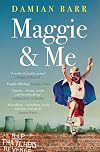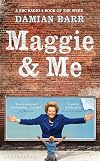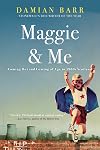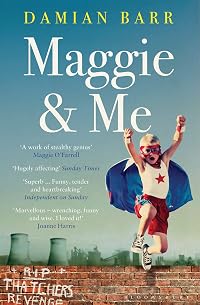
Maggie & Me
by Damian Barr
On This Page
Description
It's 12 October 1984. An IRA bomb blows apart the Grand Hotel in Brighton. Miraculously, Margaret Thatcher survives. In small-town Scotland, eight-year-old Damian Barr watches in horror as his mum rips her wedding ring off and packs their bags. He knows he, too, must survive.Damian, his sister and his Catholic mum move in with her sinister new boyfriend while his Protestant dad shacks up with the glamorous Mary the Canary. Divided by sectarian suspicion, the community is held together by show more the sprawling Ravenscraig Steelworks. But darkness threatens as Maggie takes hold: she snatches school milk, smashes the unions and makes greed good. Following Maggie's advice, Damian works hard and plans his escape. He discovers that stories can save your life and - in spite of violence, strikes, AIDS and Clause 28 - manages to fall in love dancing to Madonna in Glasgow's only gay club.
Maggie & Me is a touching and darkly witty memoir about surviving Thatcher's Britain; a story of growing up gay in a straight world and coming out the other side in spite of, and maybe because of, the iron lady.
. show less
Tags
Recommendations




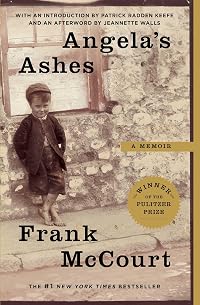
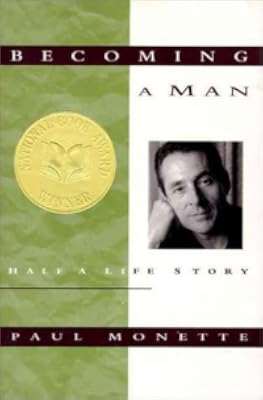
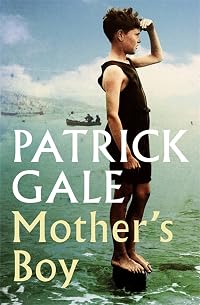

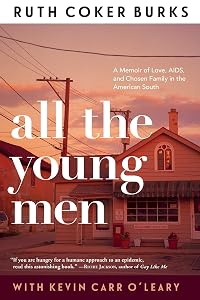


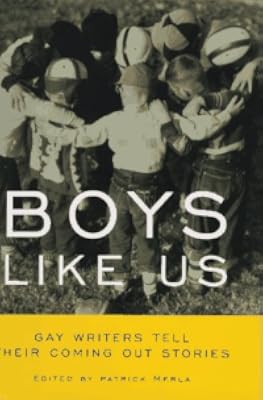
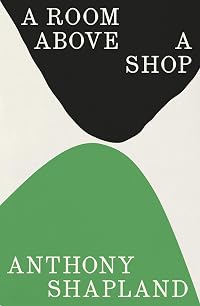
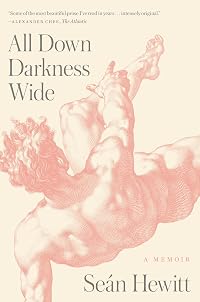


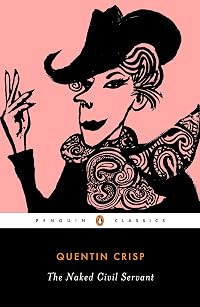






Member Recommendations
Member Reviews
This is a weird book. It’s a very entertaining comic story about a working-class boy growing up and coming to terms with his queerness in a homophobic society. It’s also a detailed picture of physical and sexual abuse within a highly dysfunctional family. And it seems to justify the social and political scene that Damian, the author, recognizes and struggles painfully to overcome.
Damian, now a journalist, knows how to tell a story and fill it with enough detail so that a reader can visualize the scene and see a real person in it. This part is great. I’m always curious to learn about what actual life is like for other people, especially for working-class people, and setting the story in a steelmaking town outside of Glasgow gives show more it a unique specificity. (Who knew that you’d enjoy two sunsets as the molten steel was poured at the end of the day?)
The fact that Damian knows he is growing up gay makes it especially interesting for me. His exploration of queer sexuality with his school mates, his fear of AIDS at age 12, his overachieving in academics while underachieving in physical activity, these tell a story about growing up gay that many of us can identify with. His many lusts and his friendship with Mark, followed by his betrayal, is poignant.
This is offset by the grim life he leads after his parents divorce and he has to live with his feckless mom and her cruelly abusive boyfriends. Everyone in his extended family except his dad is on the dole and spends their money on drink, leaving Damian often cold and hungry. Author Damian shows these for the horrors that they are, and makes them readable by lightening up the stories with humour. In one extended scene, he decides to strangle his mom’s boyfriend and wraps a cord around his neck when the man is asleep drunk. But the elastic cord stretches when Damian tightens it. The boyfriend pulls it off and sleepily tells Damian to go back to bed.
In the background, while Damian is growing up, Maggie Thatcher is shutting down unprofitable industries, like Scottish steel, cutting social services, and making it illegal for school teachers or councillors to “promote” homosexuality. Growing Damian absorbs a hatred for Maggie from everyone around him, and he can also see how Thatcherite policies harm his family and his own personal life. Author Damian inserts a quote from Thatcher at the start of each chapter, although the connection to the events of the story were obscure at best. Young Damian’s life was hell, and it would have been with or without Thatcher. In the final chapter, 33-year-old Damian revisits his home town and reflects on his life. He bluntly lists half a page of Thatcherite policies that blighted his youth, his family and his community.
But then he makes an extraordinary backflip, calling Maggie his “other mother.” “You saved my life. You were different, like me and you had to fight to be yourself… you made a hero of the individual, a cult of the achiever and I did my homework to impress you.… You hated where I was from and I did too, so you made it OK for me to run away and never look back. You offered me certainty, however grim, when I had none at home. You threw me an escape ladder. You made it possible – but not probable – for me to be the man I am now.”
This is weird. Author Damian is perhaps trying to be realistic in acknowledging that Thatcher forced him to overcome very bad circumstances by working hard and striving for something better. But Thatcher created many of the conditions that he had to overcome, even accepting that the dismal social and economic issues existed before her government. Giving her credit and calling her “mother” would seem simply provocative, except that Damian writes this chapter as if he believes it. But having come this far with him, we know he is intelligent, analytical and a keen observer. It undermines the rest of the book to end on this note of uncritical sentimentality. It leaves the book in the camp of social conservatives who say, Yes, Maggie was tough, but she brought Britain into a new era of wealth and influence. I don’t think that’s what Damian believes, so why does he end a moving story on that sour note? show less
Damian, now a journalist, knows how to tell a story and fill it with enough detail so that a reader can visualize the scene and see a real person in it. This part is great. I’m always curious to learn about what actual life is like for other people, especially for working-class people, and setting the story in a steelmaking town outside of Glasgow gives show more it a unique specificity. (Who knew that you’d enjoy two sunsets as the molten steel was poured at the end of the day?)
The fact that Damian knows he is growing up gay makes it especially interesting for me. His exploration of queer sexuality with his school mates, his fear of AIDS at age 12, his overachieving in academics while underachieving in physical activity, these tell a story about growing up gay that many of us can identify with. His many lusts and his friendship with Mark, followed by his betrayal, is poignant.
This is offset by the grim life he leads after his parents divorce and he has to live with his feckless mom and her cruelly abusive boyfriends. Everyone in his extended family except his dad is on the dole and spends their money on drink, leaving Damian often cold and hungry. Author Damian shows these for the horrors that they are, and makes them readable by lightening up the stories with humour. In one extended scene, he decides to strangle his mom’s boyfriend and wraps a cord around his neck when the man is asleep drunk. But the elastic cord stretches when Damian tightens it. The boyfriend pulls it off and sleepily tells Damian to go back to bed.
In the background, while Damian is growing up, Maggie Thatcher is shutting down unprofitable industries, like Scottish steel, cutting social services, and making it illegal for school teachers or councillors to “promote” homosexuality. Growing Damian absorbs a hatred for Maggie from everyone around him, and he can also see how Thatcherite policies harm his family and his own personal life. Author Damian inserts a quote from Thatcher at the start of each chapter, although the connection to the events of the story were obscure at best. Young Damian’s life was hell, and it would have been with or without Thatcher. In the final chapter, 33-year-old Damian revisits his home town and reflects on his life. He bluntly lists half a page of Thatcherite policies that blighted his youth, his family and his community.
But then he makes an extraordinary backflip, calling Maggie his “other mother.” “You saved my life. You were different, like me and you had to fight to be yourself… you made a hero of the individual, a cult of the achiever and I did my homework to impress you.… You hated where I was from and I did too, so you made it OK for me to run away and never look back. You offered me certainty, however grim, when I had none at home. You threw me an escape ladder. You made it possible – but not probable – for me to be the man I am now.”
This is weird. Author Damian is perhaps trying to be realistic in acknowledging that Thatcher forced him to overcome very bad circumstances by working hard and striving for something better. But Thatcher created many of the conditions that he had to overcome, even accepting that the dismal social and economic issues existed before her government. Giving her credit and calling her “mother” would seem simply provocative, except that Damian writes this chapter as if he believes it. But having come this far with him, we know he is intelligent, analytical and a keen observer. It undermines the rest of the book to end on this note of uncritical sentimentality. It leaves the book in the camp of social conservatives who say, Yes, Maggie was tough, but she brought Britain into a new era of wealth and influence. I don’t think that’s what Damian believes, so why does he end a moving story on that sour note? show less
It's hard to summarize this memoir of a gay boy who growis up in a brutal, abusive, proverty stricken-- & deindustrializing at Maggie's beheast-- environment in Glasgow, so I will just copy some of the jacket blurbs "A brilliant laugh-out-loud and profoundly moving eighties memoir" "a work of stealthy genius". For sure. It is an often dark story told equally often with brilliant humour which I guess is how one survives.
Beautifully written in plain but evocative language. It contains so many things to think about and discuss that I wish I belonged to a book club.
Beautifully written in plain but evocative language. It contains so many things to think about and discuss that I wish I belonged to a book club.
Heard this writer speak at the Sydney Writers Festival and couldn't wait to read his book. I am filled with admiration for the way he has made a success of his life in spite of a really cruel and underprivileged childhood in Glasgow during the Thatcher years. His story is told with humour and honesty and I thoroughly enjoyed it.
nonfiction/memoirs. The whole time I kept trying to read with an Irish accent (forgetting that he was actually in Scotland), but still enjoyed this.
Thoroughly enjoyed i t
A brilliant book by this great young chap who's destined for great things.
Ratings
Members
- Recently Added By
Lists

Best Autobiographies and Memoirs
370 works; 67 members

Books Read in 2020
4,379 works; 124 members
Author Information
6+ Works 318 Members
Some Editions
Awards and Honors
Common Knowledge
- Original publication date
- 2013
- People/Characters
- Damian Barr; Margaret Thatcher
- Important events
- Brighton Hotel Bombing (1984)
- Original language
- English
Classifications
- Genres
- Biography & Memoir, Nonfiction, LGBTQ+, General Nonfiction, History
- DDC/MDS
- 941.10858092 — History & geography History of Europe British Isles Scotland
- LCC
- HQ75.8 .B37 .A3 — Social sciences The family. Marriage, Women and Sexuality The Family. Marriage. Women Sexual life Homosexuality. Lesbianism
- BISAC
Statistics
- Members
- 117
- Popularity
- 279,013
- Reviews
- 6
- Rating
- (3.91)
- Languages
- English
- Media
- Paper, Audiobook, Ebook
- ISBNs
- 12
- ASINs
- 3