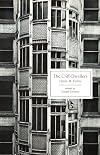
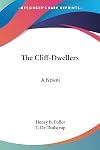
The Cliff-Dwellers
by Henry Blake Fuller
On This Page
Description
The Cliff-Dwellerswas the first American realist novel to use the rapidly developing city of Chicago as its setting. Henry Blake Fuller's depiction of social climbing and human depravity among the "cliff-dwelling" residents and workers in the new Chicago skyscrapers shocked readers of the time, and influenced many American writers that followed. With its frenetic pace and many interrelated stories, it remains a compelling document of Chicago's social history, as well as a searing indictment show more of modern American life at the close of the nineteenth century. The extensive appendices to this edition include Fuller's literary criticism and his correspondence about the novel, reviews, and visual and historical materials on turn-of-the-century Chicago and literary realism. show lessTags
Recommendations



























Member Reviews
This starts out very slow, but picks up after the middle of the book, where everything falls to pieces for the characters.
Taking place in Chicago at the end of the 19th century, it's about the lives of a handful of people who are ready to"clean up" capitalistic-wise. There're suckers to be had, so why not take them. They all do business in a"gigantic" (14-story) skyscraper called The Clifton.
I would have given this 2.5 stars, but I just love this type of storyline: where rich people claw their way over each other, even fooking over their own family members, to make money. And then they reap what they sowed. Hahaha. Does my heart good.
Here's a quote from an especially loathsome character; the owner of the bank at the base of the show more Clifton. One of his daughters is smitten with a gigolo-type singer in the choir of her church (he is actually paid for this), because he "sings like an angel." She tells her father she "will marry him." Her father forbids it, and when she goes ahead and marries the no-good bum, and ends up beaten, and abandoned, and pregnant, he refuses to even look at her. His other daughter, who is a living saint, implores him to help her:
P.122-3:
"The wretch had struck his daughter - a brutal, hateful thing as regarded his daughter or any daughter or any other woman; but his daughter had defied him, overridden him, and the man whom she had chosen for a master was now the instrument of her punishment. The accounts appeared to balance. However, figures do lie, and his own agitation indicated that the x of human emotion had not been completely eliminated from his problem.
He cleared his throat. 'she has made her bed, Abbie,' he said in a husky tone, 'and now she must lie on it.'
Hateful, hateful thing to do to your own child. But I had experience with this From my own mother.
The language is very old-fashioned and at times, laborious. This author had a big verbal lexicon. show less
Taking place in Chicago at the end of the 19th century, it's about the lives of a handful of people who are ready to"clean up" capitalistic-wise. There're suckers to be had, so why not take them. They all do business in a"gigantic" (14-story) skyscraper called The Clifton.
I would have given this 2.5 stars, but I just love this type of storyline: where rich people claw their way over each other, even fooking over their own family members, to make money. And then they reap what they sowed. Hahaha. Does my heart good.
Here's a quote from an especially loathsome character; the owner of the bank at the base of the show more Clifton. One of his daughters is smitten with a gigolo-type singer in the choir of her church (he is actually paid for this), because he "sings like an angel." She tells her father she "will marry him." Her father forbids it, and when she goes ahead and marries the no-good bum, and ends up beaten, and abandoned, and pregnant, he refuses to even look at her. His other daughter, who is a living saint, implores him to help her:
P.122-3:
"The wretch had struck his daughter - a brutal, hateful thing as regarded his daughter or any daughter or any other woman; but his daughter had defied him, overridden him, and the man whom she had chosen for a master was now the instrument of her punishment. The accounts appeared to balance. However, figures do lie, and his own agitation indicated that the x of human emotion had not been completely eliminated from his problem.
He cleared his throat. 'she has made her bed, Abbie,' he said in a husky tone, 'and now she must lie on it.'
Hateful, hateful thing to do to your own child. But I had experience with this From my own mother.
The language is very old-fashioned and at times, laborious. This author had a big verbal lexicon. show less
Ratings
Members
- Recently Added By
Lists

Fiction (Mostly) in Selective Bibliography of American Literature 1775-1900
431 works; 3 members
Author Information

17+ Works 264 Members
Awards and Honors
Common Knowledge
- Original publication date
- 1893
- Important places
- Chicago, Illinois, USA
Classifications
- Genres
- Fiction and Literature, General Fiction, Historical Fiction
- DDC/MDS
- 813.4 — Literature & rhetoric American literature in English American fiction in English Later 19th Century 1861-1900
- LCC
- PS1727 .C55 — Language and Literature American literature American literature Individual authors 19th century
- BISAC
Statistics
- Members
- 39
- Popularity
- 748,548
- Reviews
- 1
- Rating
- (2.33)
- Languages
- English
- Media
- Paper, Ebook
- ISBNs
- 8
- ASINs
- 3