
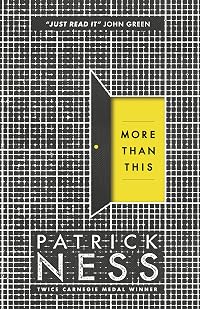
More Than This
by Patrick Ness
On This Page
Description
From two-time Carnegie Medal winner Patrick Ness comes an enthralling and provocative new novel chronicling the life—or perhaps afterlife—of a teen trapped in a crumbling, abandoned world. A boy named Seth drowns, desperate and alone in his final moments, losing his life as the pounding sea claims him. But then he wakes. He is naked, thirsty, starving. But alive. How is that possible? He remembers dying, his bones breaking, his skull dashed upon the rocks. So how is he here? And where is show more this place? It looks like the suburban English town where he lived as a child, before an unthinkable tragedy happened and his family moved to America. But the neighborhood around his old house is overgrown, covered in dust, and completely abandoned. What's going on? And why is it that whenever he closes his eyes, he falls prey to vivid, agonizing memories that seem more real than the world around him? Seth begins a search for answers, hoping that he might not be alone, that this might not be the hell he fears it to be, that there might be more than just this. . . .. show less
Tags
Recommendations



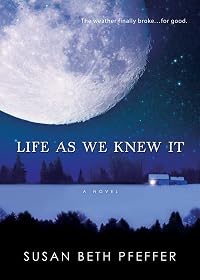
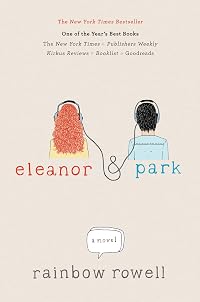
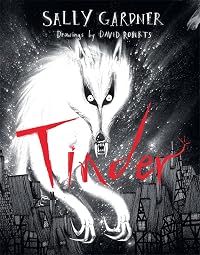
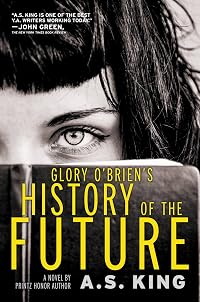
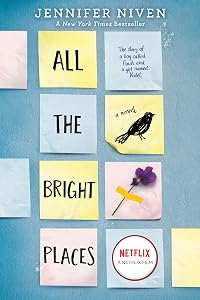
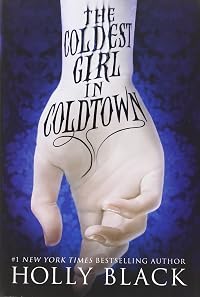
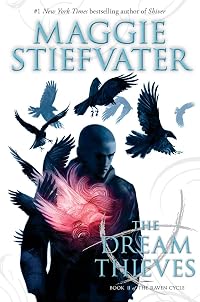
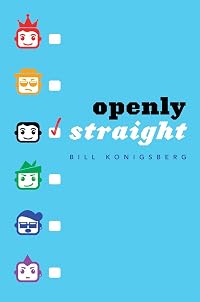

Member Recommendations
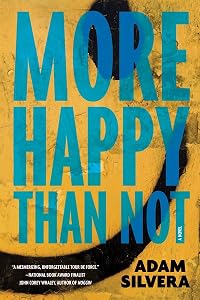
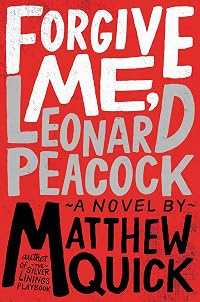
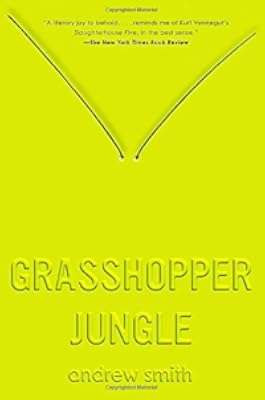
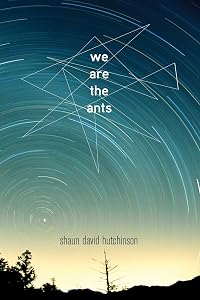
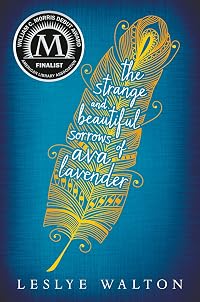
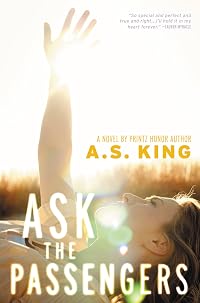
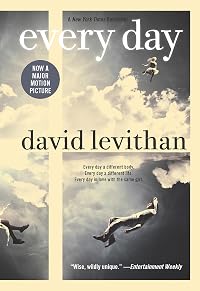
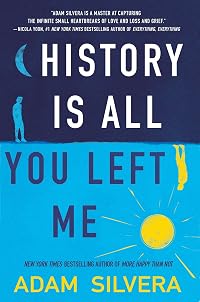
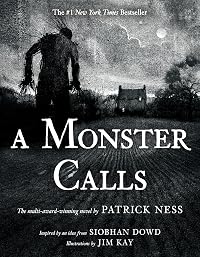
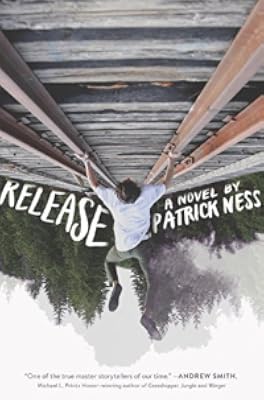
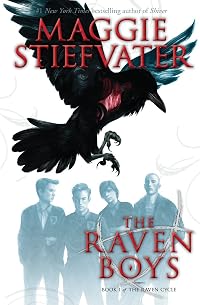
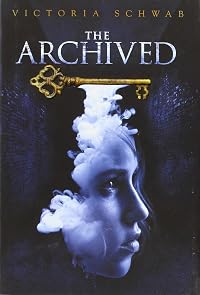
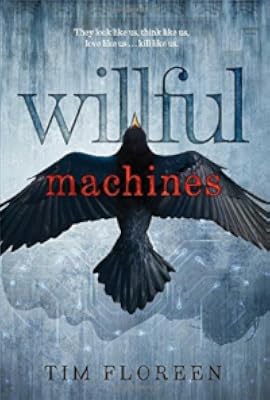
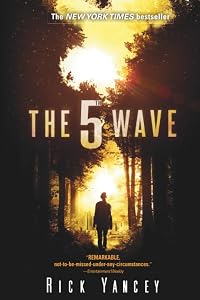
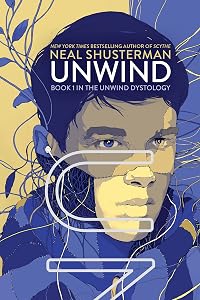
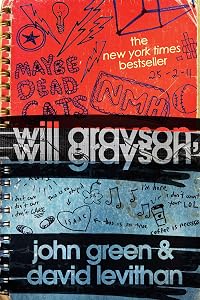
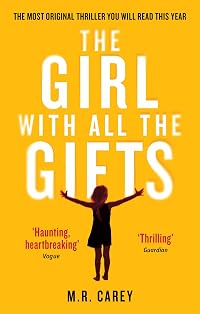
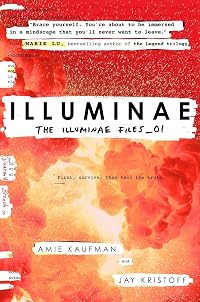
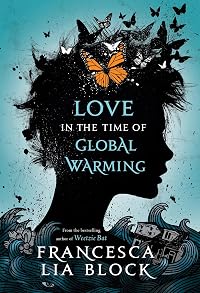
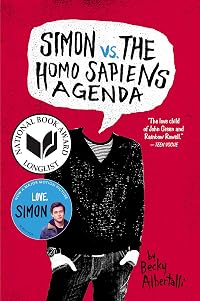
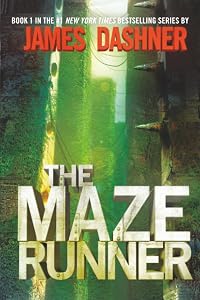
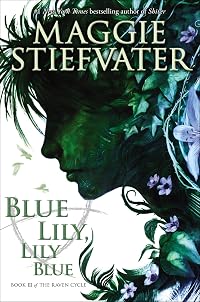
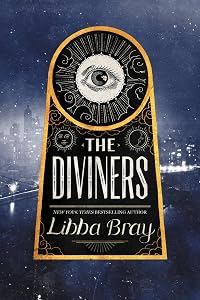
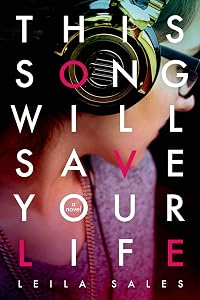
bluepiano The books are well-written ones set in a near-future; beyond that they have in common a story that entails or at least allows for confusion between memory, reality, and wishful thinking, and neither gives explanations that would resolve that confusion.
Member Reviews
'Here is the boy, drowning' begins the new novel by Patrick Ness, and the boy who is to be the hero of the novel does indeed drown. Or perhaps it would be more correct to say he is killed instead by the massive injuries he recieves as the waves smash him into the rocks just as he is about to drown anyway. Either way by the end of the first chapter he is well and truly dead.
So it's surprising to find that by the middle of the second chapter the boy (Seth) wakes up to find himself lying on a concrete path leading to the front door of a house. And seemingly not dead at all, which he is as surprised about as the reader. And he is not in the coastal Californian town where he has spent his teenage years, he is in a street that is clearly show more English, and outside the house that he has not seen since he was eight years old when his parents emigrated. But it's not a happy homecoming: there are clearly memories buried in that house which are best left undisturbed, something to do with his brother which he can't remember clearly. And the England in which he finds himself is very different to the one he remembers: empty of people and clearly abandoned, and with everything just left. Even the climate has changed. So is this his own personal hell or something else entirely?
This was an enjoyable an thought provoking read: one of those where you're never entirely sure if you know what is going on. There was one point where I thought 'Oh no, it's (insert name of well known film) all over again, but it didn't turn out quite like that. So recommended. show less
So it's surprising to find that by the middle of the second chapter the boy (Seth) wakes up to find himself lying on a concrete path leading to the front door of a house. And seemingly not dead at all, which he is as surprised about as the reader. And he is not in the coastal Californian town where he has spent his teenage years, he is in a street that is clearly show more English, and outside the house that he has not seen since he was eight years old when his parents emigrated. But it's not a happy homecoming: there are clearly memories buried in that house which are best left undisturbed, something to do with his brother which he can't remember clearly. And the England in which he finds himself is very different to the one he remembers: empty of people and clearly abandoned, and with everything just left. Even the climate has changed. So is this his own personal hell or something else entirely?
This was an enjoyable an thought provoking read: one of those where you're never entirely sure if you know what is going on. There was one point where I thought 'Oh no, it's (insert name of well known film) all over again, but it didn't turn out quite like that. So recommended. show less
I'm crying as I write this. Suicide trigger warning for the actual review, and book triggers to follow.
As someone who has been in some pretty dark places myself, I feel as though this book is a personal letter to people fighting depression, suicidal thoughts, or any kind of hardship disguised as a YA fiction novel. Patrick Ness doesn't communicate this through blatant dialogue or some preaching speech tacked on at the very end, but he lets you know by making you experience Seth's journey. Understanding how Seth's attitude changes from only focusing on how hard life seemed for him to realizing, "I wanted so badly for there to be more. I ached for there to be more than my crappy little life. And there was more. I just couldn't see show more it."
That's exactly what it's like and how it feels.
It's beautiful that Patrick Ness included characters like Seth, Regine, and Tomasz (and even Seth's parents), who were each fighting something different in their own ways.
Okay, I'll start the actual review, I guess. I should begin by saying this book is intensely triggering, but the characters talk about these experiences (because what's triggering is mostly in flashback scenes) and how they have affected them. I can't begin to explain how important that is. These things aren't thrown in for dramatic effect or for shock value. They mean something. However, it's better to be safe than triggered, so here's the list:
-suicide
-domestic abuse
-homophobia
-fat shaming
Now that I've gotten that out of the way, if I were to describe this book in one sentence, it would be: wait, I wasn't expecting THAT. Everything is twists and surprises, but it doesn't get exhausting. It feels like this entire book was almost an experiment. Every time I finally felt comfortable with the pacing or the concepts or the world, the entire novel would shift on me, and I didn't know where I was anymore. It wasn't annoying or too confusing to continue; it was exciting and something I've never experienced before.
Patrick Ness was a genius to write this in three parts, because each part seems almost like a completely different genre of book. The first part is like a post-apocalyptic story. Until the last page or so, Seth is the only character. Sure, there are other characters interacting with him in flashback scenes, but he's the only character in the "present." He dies, wakes up in an unfamiliar place, and tries to live in it and figure it out. It's almost like the game Amnesia: the Dark Descent (shh, allow me this bit here), where the protag is bumbling around, confused and frightened, reliving these painful memories, and then suddenly the the monster shows up. And it's the worst experience ever because he's been alone the entire time leading up to that point.
The second part is more like a sci fi novel, and I don't want to delve too much into this one, because I don't want to spoil it for anybody. What I will say is that it's like a sci fi novel you think you're familiar with, but Patrick Ness keeps you from being too comfortable. He always will. Don't try to think you've got things figured out. He'll just laugh at you, I'm sure.
The third part is more similar to the second than the first, but it seems more like a coming-of-age novel than anything with Seth's growth and the way he accepts his situation.
And that ending! As I said, don't try to think you've got things figured out! There isn't a definitive "ending" here, but it didn't annoy me as much as most open endings do. The whole book is open for each reader's personal interpretation, and I think that's beautiful, because I think this book in general is very personal. It also allows people to supply their own ending, depending on who they are and what they've learned/needed from the book.
A major reason this book is so dang successful in connecting with readers is the characters, I think. Because each of them have their own major obstacles to overcome and pasts to accept, SO many people who feel unrepresented or who don't feel included in real life can relate to these main characters (who are minorities or deal with experiences that people in similar situations can connect with). The protagonist, Seth, is gay; Regine is a heavy black girl who openly and vocally challenges black stereotypes; Tomasz is a Polish immigrant who speaks broken English and deals with prejudices of his own. And this is all just surface stuff, who they are goes so much deeper, and it's heartbreaking how these characters can relate to so many different people. I'm trying not to project too much of my own experiences on this . . . I'm trying. Continuing on . . .
These characters become literallythe oddest trio. It's evident in how they interact with each other, too, but that of course makes for the most interesting interactions. I honestly believe these three are the most beautiful and wonderful characters I've read in a long time. They make the book work--the book is literally shaped by them (and Tomasz is a shining beacon of light when everything goes dark. I will love him forever!).
Anyway, read this book. Read it. show less
As someone who has been in some pretty dark places myself, I feel as though this book is a personal letter to people fighting depression, suicidal thoughts, or any kind of hardship disguised as a YA fiction novel. Patrick Ness doesn't communicate this through blatant dialogue or some preaching speech tacked on at the very end, but he lets you know by making you experience Seth's journey. Understanding how Seth's attitude changes from only focusing on how hard life seemed for him to realizing, "I wanted so badly for there to be more. I ached for there to be more than my crappy little life. And there was more. I just couldn't see show more it."
That's exactly what it's like and how it feels.
It's beautiful that Patrick Ness included characters like Seth, Regine, and Tomasz (and even Seth's parents), who were each fighting something different in their own ways.
Okay, I'll start the actual review, I guess. I should begin by saying this book is intensely triggering, but the characters talk about these experiences (because what's triggering is mostly in flashback scenes) and how they have affected them. I can't begin to explain how important that is. These things aren't thrown in for dramatic effect or for shock value. They mean something. However, it's better to be safe than triggered, so here's the list:
-suicide
-domestic abuse
-homophobia
-fat shaming
Now that I've gotten that out of the way, if I were to describe this book in one sentence, it would be: wait, I wasn't expecting THAT. Everything is twists and surprises, but it doesn't get exhausting. It feels like this entire book was almost an experiment. Every time I finally felt comfortable with the pacing or the concepts or the world, the entire novel would shift on me, and I didn't know where I was anymore. It wasn't annoying or too confusing to continue; it was exciting and something I've never experienced before.
Patrick Ness was a genius to write this in three parts, because each part seems almost like a completely different genre of book. The first part is like a post-apocalyptic story. Until the last page or so, Seth is the only character. Sure, there are other characters interacting with him in flashback scenes, but he's the only character in the "present." He dies, wakes up in an unfamiliar place, and tries to live in it and figure it out. It's almost like the game Amnesia: the Dark Descent (shh, allow me this bit here), where the protag is bumbling around, confused and frightened, reliving these painful memories, and then suddenly the the monster shows up. And it's the worst experience ever because he's been alone the entire time leading up to that point.
The second part is more like a sci fi novel, and I don't want to delve too much into this one, because I don't want to spoil it for anybody. What I will say is that it's like a sci fi novel you think you're familiar with, but Patrick Ness keeps you from being too comfortable. He always will. Don't try to think you've got things figured out. He'll just laugh at you, I'm sure.
The third part is more similar to the second than the first, but it seems more like a coming-of-age novel than anything with Seth's growth and the way he accepts his situation.
And that ending! As I said, don't try to think you've got things figured out! There isn't a definitive "ending" here, but it didn't annoy me as much as most open endings do. The whole book is open for each reader's personal interpretation, and I think that's beautiful, because I think this book in general is very personal. It also allows people to supply their own ending, depending on who they are and what they've learned/needed from the book.
A major reason this book is so dang successful in connecting with readers is the characters, I think. Because each of them have their own major obstacles to overcome and pasts to accept, SO many people who feel unrepresented or who don't feel included in real life can relate to these main characters (who are minorities or deal with experiences that people in similar situations can connect with). The protagonist, Seth, is gay; Regine is a heavy black girl who openly and vocally challenges black stereotypes; Tomasz is a Polish immigrant who speaks broken English and deals with prejudices of his own. And this is all just surface stuff, who they are goes so much deeper, and it's heartbreaking how these characters can relate to so many different people. I'm trying not to project too much of my own experiences on this . . . I'm trying. Continuing on . . .
These characters become literallythe oddest trio. It's evident in how they interact with each other, too, but that of course makes for the most interesting interactions. I honestly believe these three are the most beautiful and wonderful characters I've read in a long time. They make the book work--the book is literally shaped by them (and Tomasz is a shining beacon of light when everything goes dark. I will love him forever!).
Anyway, read this book. Read it. show less
This is no ordinary book. The really cool cover that has a tiny door in it led me to hope that might be the case, and then my dreams came true. As the book opens, the main character Seth drowns. Then he wakes up, in what seems to be his childhood home in England, but the whole neighborhood is deserted. Or is it? You can’t take anything at face value in this book. If you look back at my review (in Best of 2013: Fiction) of The Arrivals by Melissa Marr that has a somewhat similar plot, you’ll see that I questioned whether whether true conceptual originality is even possible. Well, this novel shows that it is, perversely because it plays with the tropes that we’re all so accustomed to. Is any of the stuff that happens to Seth even show more really happening? If that sounds annoying, well, it is. When I finished the book, I felt frustrated, because even though the story was delivering the true nature of reality (as follows: you have no idea what’s real), I expect a book to have a certain novelistic sense of closure and explanation because it’s not real life, it’s a book. But then I kept on thinking about this book for a long time so I decided that it was a very profound reading experience where a little bit of frustration was okay. Similar to the experience I had with The Magic Mountain by Thomas Mann except that this book is quick and fun and easy to read and has a lot of action and also queer content. show less
Well. This was quite interesting.
There's a lot I could say about this book, but I almost feel that even giving you a brief plot summary would spoil things that are so much better if you find them out the way Patrick Ness intended.
First off, the writing was gorgeous. If I read a book with a completely crazy plot that made no sense, but the author wrote like this, I would have to give it at least three stars. Because... Wow. Seth's- the protagonist- thoughts mesh perfectly with the narration, and even though it's told in third person, it's so personal it's almost like Seth and the narrator are one anyway. The world-building was really nice, and I got a feel for what the setting was very quickly. The secondary characters are lovable and show more funny and utterly human, in that they have quirks, and make mistakes, sometimes royally f*#% up. It was so realistic: Seth was a perfect main character, wise but curious, Regine was tough and gruff but deeply kind, and Tomasz was just the best little Polish kid with a big heart and a messy hairdo. Even the people from Seth's life- Gudmund, Monica, H, Seth's parents- react to loss and adversity like any real people would. Some shut down, some dwell on tragedy, some try to make it all right, some just move on. And I think that on the deepest level, past the plot and the setting and the story elements, that's what this book is about: moving on. Making mistakes, but also knowing when to fight for those you love.
The only reason I didn't give this 5 stars (I wish I could give it 4.5) is because I'm ridiculously stingy with my 5-star ratings. The reason I do this is because when I do find a book that's 5-star worthy, it will actually mean something. But More Than This has definitely pushed me to get onto reading the praised Chaos Walking series by Ness, which has been sitting on my to-read shelf for far too long.
Overall, this is a powerful, beautifully-written story with charming characters and a unique plot line. (Not to mention a ridiculously cool cover!) It's definitely worth a read in the near future, even if you have to buy it from Barnes & Noble like I did. (It takes a lot for me to buy a book new!) show less
There's a lot I could say about this book, but I almost feel that even giving you a brief plot summary would spoil things that are so much better if you find them out the way Patrick Ness intended.
First off, the writing was gorgeous. If I read a book with a completely crazy plot that made no sense, but the author wrote like this, I would have to give it at least three stars. Because... Wow. Seth's- the protagonist- thoughts mesh perfectly with the narration, and even though it's told in third person, it's so personal it's almost like Seth and the narrator are one anyway. The world-building was really nice, and I got a feel for what the setting was very quickly. The secondary characters are lovable and show more funny and utterly human, in that they have quirks, and make mistakes, sometimes royally f*#% up. It was so realistic: Seth was a perfect main character, wise but curious, Regine was tough and gruff but deeply kind, and Tomasz was just the best little Polish kid with a big heart and a messy hairdo. Even the people from Seth's life- Gudmund, Monica, H, Seth's parents- react to loss and adversity like any real people would. Some shut down, some dwell on tragedy, some try to make it all right, some just move on. And I think that on the deepest level, past the plot and the setting and the story elements, that's what this book is about: moving on. Making mistakes, but also knowing when to fight for those you love.
The only reason I didn't give this 5 stars (I wish I could give it 4.5) is because I'm ridiculously stingy with my 5-star ratings. The reason I do this is because when I do find a book that's 5-star worthy, it will actually mean something. But More Than This has definitely pushed me to get onto reading the praised Chaos Walking series by Ness, which has been sitting on my to-read shelf for far too long.
Overall, this is a powerful, beautifully-written story with charming characters and a unique plot line. (Not to mention a ridiculously cool cover!) It's definitely worth a read in the near future, even if you have to buy it from Barnes & Noble like I did. (It takes a lot for me to buy a book new!) show less
Some might say that reading two novels about dying teenage boys in one week is somewhat excessive. The two were very different, though! While [b:The Last Leaves Falling|20743633|The Last Leaves Falling|Fox Benwell|https://images.gr-assets.com/books/1409161674s/20743633.jpg|40074501] is a quiet examination of friendship and other bonds, 'More Than This' is more plot driven and toys with being existential. It begins with the death by drowning of Seth, whereupon he wakes up somewhere else with no idea what has happened. Saying more would spoil the plot, which keeps up an impressive degree of tension throughout. The writing styling is very simple, at times verging on perfunctory, but the central conceit is well sustained. Although I foresaw show more one of the twists, I remained thoroughly invested throughout. The combination of highly readable style and tense plot made this a swift read, yet it was interesting too. Behind the plot machinations dwell some thoughtful questions about perception and ego. I liked this philosophical angle and found it the most memorable thing about the novel. The diversity of the characters was also refreshing.
One thing I wonder when reading Young Adult novels like this, though, is how different (or how similar) they would be if told from the point of view of an adult. Putting things very vaguely to avoid spoilers, in this book an adult narrator would have had a degree of agency and responsibility for the situation that Seth did not have. Exploring the dilemmas created by that could have have been very interesting. I don’t mind teenage narrators, they just sometimes make me ponder how differently the same person might react to the same events ten years later. Teenagers never get the chance to accumulate the wisdom of experience, such as it is. show less
One thing I wonder when reading Young Adult novels like this, though, is how different (or how similar) they would be if told from the point of view of an adult. Putting things very vaguely to avoid spoilers, in this book an adult narrator would have had a degree of agency and responsibility for the situation that Seth did not have. Exploring the dilemmas created by that could have have been very interesting. I don’t mind teenage narrators, they just sometimes make me ponder how differently the same person might react to the same events ten years later. Teenagers never get the chance to accumulate the wisdom of experience, such as it is. show less
The one thing about all of Patrick Ness’ novels is that his characters are alive in ways not usually seen in characters in books. More Than This and the main character Seth are perfect examples of this. His loneliness and isolation is the reader’s. His doubts and his endearing habit of considering everything a movie plot is exactly the same suspicions held by the reader. Because of this tendency to create some of the most vibrant emotions on the written page, the reader becomes an active participant in the story. However, Mr. Ness does not stop there. He further enmeshes a reader through the active learning process. As Seth remembers key details, like his name and his death, the reader learns about them as well. A reader and the show more main character become cognizant at the same time. It is a brilliant method of creating empathy and breathing life into what could easily be a one-dimensional character.
Another theme Mr. Ness likes to use in his novels is the idea of perception versus reality. In More Than This, Seth – and the reader – is left pondering just that. Everything he thought he understood about the world, including the permanence of death, is undone in the moment he wakes up and recognizes his surroundings. What he knows and what he sees often lead to very different answers with the truth buried only so far as one is willing to dig. The questions Mr. Ness raises about perception versus reality are timely, especially as people spend more of their time interacting online versus in person. Mr. Ness provides no easy answers, but as is the case in all of his novels, More Than This is about the process of finding answers more than the answers themselves.
More Than This may be labeled as a young adult novel, but to limit the novel to one particular generation is to miss the point of the story. Seth is indeed young and therefore the right demographic for young adult novels, but it is his experiences and growth that finally allow him to gain the answers he desperately seeks. He must let go of his child-like faith in black and white and embrace the shades of gray that make up most an adult’s life. Young adult readers can and will appreciate Seth’s determination to survive, while adult readers can and will appreciate Seth’s search for more, for his unwillingness to accept his fate, and for his determination not just to survive but to seek answers and thrive. More importantly, his characters never feel young. The angsty, self-obsessed teenagers at the heart of most young adult novels would never be allowed to survive in Mr. Ness’ worlds. As such, his characters may be young in years but wise with experience and need, making them characters that stand up well under scrutiny and with appeal to a wide variety of readers.
At what point does virtual reality become reality? If you perceive something, does it therefore exist? Such philosophical questions are normal for fans familiar with Mr. Ness’ work. He packs a lot of introspective material into a genre typically seen as lighter fare for younger readers. More Than This makes no apology for forcing readers to think deep thoughts and take leaps of faith to upon reaching the ending. In fact, given its ambiguous ending, Mr. Ness embraces contemplative reading of the type that can only help prepare readers for future real-life ambiguities of any kind.
More Than This solidifies Mr. Ness’ place as a stellar writer regardless of genre or category into which his works are placed. His characters are three-dimensional and alive, and his worlds are vibrant and evocative. Sam is an easy character to like, given his loneliness and his confusion that mirrors a reader’s own. Yet, it is in his asking of the tough questions – about life, happiness, and reality – wherein the story hits its stride. No longer a coming-of-age story, it is a philosophical treat buried under suspense and action that allows for greater crossover appeal, making More Than This a story which truly will be a unique experience for every reader and upon every re-read. show less
Another theme Mr. Ness likes to use in his novels is the idea of perception versus reality. In More Than This, Seth – and the reader – is left pondering just that. Everything he thought he understood about the world, including the permanence of death, is undone in the moment he wakes up and recognizes his surroundings. What he knows and what he sees often lead to very different answers with the truth buried only so far as one is willing to dig. The questions Mr. Ness raises about perception versus reality are timely, especially as people spend more of their time interacting online versus in person. Mr. Ness provides no easy answers, but as is the case in all of his novels, More Than This is about the process of finding answers more than the answers themselves.
More Than This may be labeled as a young adult novel, but to limit the novel to one particular generation is to miss the point of the story. Seth is indeed young and therefore the right demographic for young adult novels, but it is his experiences and growth that finally allow him to gain the answers he desperately seeks. He must let go of his child-like faith in black and white and embrace the shades of gray that make up most an adult’s life. Young adult readers can and will appreciate Seth’s determination to survive, while adult readers can and will appreciate Seth’s search for more, for his unwillingness to accept his fate, and for his determination not just to survive but to seek answers and thrive. More importantly, his characters never feel young. The angsty, self-obsessed teenagers at the heart of most young adult novels would never be allowed to survive in Mr. Ness’ worlds. As such, his characters may be young in years but wise with experience and need, making them characters that stand up well under scrutiny and with appeal to a wide variety of readers.
At what point does virtual reality become reality? If you perceive something, does it therefore exist? Such philosophical questions are normal for fans familiar with Mr. Ness’ work. He packs a lot of introspective material into a genre typically seen as lighter fare for younger readers. More Than This makes no apology for forcing readers to think deep thoughts and take leaps of faith to upon reaching the ending. In fact, given its ambiguous ending, Mr. Ness embraces contemplative reading of the type that can only help prepare readers for future real-life ambiguities of any kind.
More Than This solidifies Mr. Ness’ place as a stellar writer regardless of genre or category into which his works are placed. His characters are three-dimensional and alive, and his worlds are vibrant and evocative. Sam is an easy character to like, given his loneliness and his confusion that mirrors a reader’s own. Yet, it is in his asking of the tough questions – about life, happiness, and reality – wherein the story hits its stride. No longer a coming-of-age story, it is a philosophical treat buried under suspense and action that allows for greater crossover appeal, making More Than This a story which truly will be a unique experience for every reader and upon every re-read. show less
The twists and turns of the plot line kept me on guessing! I still had questions at the end of the book, but it really turned into a meditation about what it means to be alive and finding meaning in one's life.
Seth dies at the beginning of the book and soon after it is clear that it was his decision to end his life. When he awakes back in England in his childhood home, he's convinced that he is in a personal version of hell. But the burned out city and appearance of others brings that all into question.
Seth's life then and now is revealed in a series of dreams and flashbacks. The book is dark, compelling, and thoughtful and one that doesn't have any easy answers.
Seth dies at the beginning of the book and soon after it is clear that it was his decision to end his life. When he awakes back in England in his childhood home, he's convinced that he is in a personal version of hell. But the burned out city and appearance of others brings that all into question.
Seth's life then and now is revealed in a series of dreams and flashbacks. The book is dark, compelling, and thoughtful and one that doesn't have any easy answers.
Members
- Recently Added By
Lists

LGBTQ+ Speculative Fiction
820 works; 51 members

LGBTQIA Horror
172 works; 7 members

Kindle Action/Adventure - Junior and Teenage Re-Read
247 works; 1 member
Author Information

44+ Works 29,594 Members
Patrick Ness was born on October 17, 1971 near Fort Belvoir, Virginia. He studied English Literature and is a graduate of the University of Southern California. He was a corporate writer before moving to London in 1999. He taught creative writing at Oxford University and is a literary critic and reviewer for the Guardian and other major show more newspapers. He is the author of eight novels including The Rest of Us Just Live Here and a short story collection entitled Topics About Which I Know Nothing. His young adult novels include the Chaos Walking trilogy, More Than This, and Monsters of Men, which won the Carnegie Medal. A Monster Calls won the Kate Greenaway Medal for illustration, the Carnegie Medal, and was made into a movie and released in October 2016. (Bowker Author Biography) show less
Awards and Honors
Awards
Distinctions
Common Knowledge
- Canonical title
- More Than This
- Original publication date
- 2013-09-10
- Epigraph
- You ask a question in the mirror.
Alas, no answer could be clearer.
--Aimee Mann
Nothing fades as fast as the future,
Nothing clings like the past.
--Peter Gabriel - Dedication
- For Phil Rodak
- First words
- Here is the boy, drowning.
- Last words
- (Click to show. Warning: May contain spoilers.)And he says, "I'm ready."
- Canonical DDC/MDS
- 813.6
- Canonical LCC
- PZ7.N43843
Classifications
- Genres
- Teen, Fiction and Literature, LGBTQ+, Young Adult, Science Fiction
- DDC/MDS
- 813.6 — Literature & rhetoric American literature in English American fiction in English 2000-
- LCC
- PZ7 .N43843 — Language and Literature Fiction and juvenile belles lettres Fiction and juvenile belles lettres Juvenile belles lettres
- BISAC
Statistics
- Members
- 2,064
- Popularity
- 10,024
- Reviews
- 89
- Rating
- (3.85)
- Languages
- 6 — Chinese, English, French, German, Italian, Portuguese
- Media
- Paper, Audiobook, Ebook
- ISBNs
- 38
- ASINs
- 9