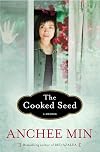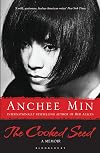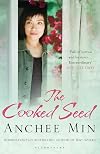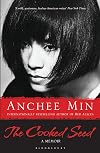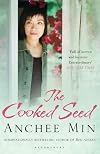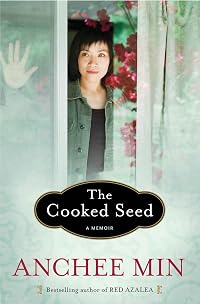
The Cooked Seed: A Memoir
by Anchee Min
On This Page
Description
In 1994, Anchee Min made her literary debut with a memoir of growing up in China during the violent trauma of the Cultural Revolution. Red Azalea became an international bestseller and propelled her career as a successful, critically acclaimed author. Twenty years later, Min returns to the story of her own life to give us the next chapter, an immigrant story that takes her from the shocking deprivations of her homeland to the sudden bounty of the promised land of America, without language, show more money, or a clear path.It is a hard and lonely road. She teaches herself English by watching Sesame Street, keeps herself afloat working five jobs at once, lives in unheated rooms, suffers rape, collapses from exhaustion, marries poorly and divorces. But she also gives birth to her daughter, Lauryann, who will inspire her and finally root her in her new country. Min's eventual successes-her writing career, a daughter at Stanford, a second husband she loves-are remarkable, but it is her struggle throughout toward genuine selfhood that elevates this dramatic, classic immigrant story to something powerfully universal.
. show less
Tags
Recommendations
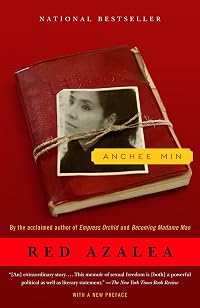
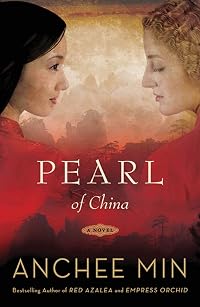
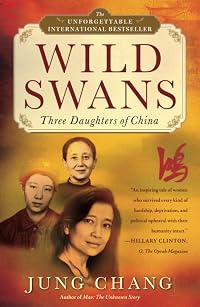
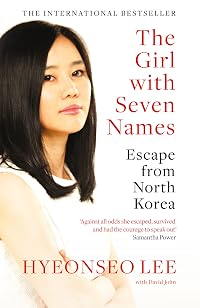
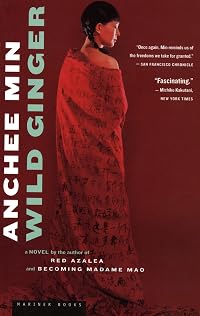
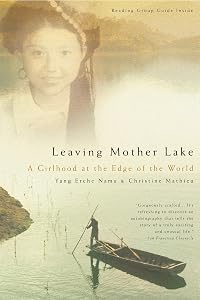
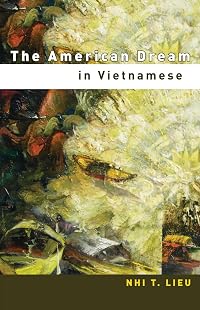
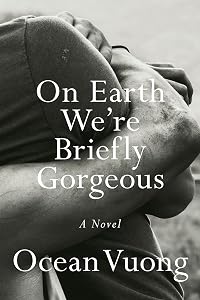
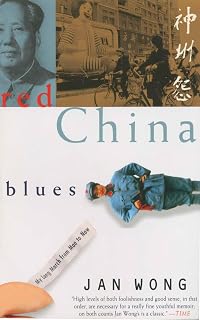
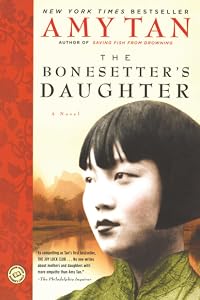

Member Recommendations
RidgewayGirl Min's first book; a memoir of her life during China's Cultural Revolution.
Member Reviews
I received a copy of this book as part of Goodreads giveaway. Anchee Min doesn't spend an inordinate amount of time describing the earliest part of her life - but enough to show how little life was valued and how the government oppressed the people in the service of the Party. It is simply amazing that she survived the poverty and extremes of the labor camp.
As she emigrated to the US at age 27, life didn't get easier - she didn't speak the language, was unskilled and was poor. Despite being a nation of immigrants, we are not particularly welcoming of new waves of people. But she was not without resources: her enormous drive and focus. She learned something from every setback experienced and continued to move forward. When she realized show more her art was her writing, she truly began her journey to hone her craft.
Her writing style is a bit spare and unsentimental. She spares no one without being unnecessarily harsh whether its a family member, ex-husband or government. She criticizes the failures of Chinese Communism and the naivete of American Communists who wouldn't listen to her story after asking her opinion. She recognizes the strengths and pitfalls of America's liberties, consumerism and over-indulgent parenting.
I found it fascinating to read her analysis of her own loneliness and homesickness for a homeland which, in many ways, had given her very little and taken a great deal. I'm happy for her success.
Thank you China for giving us Anchee Min. I look forward to reading her other books. show less
As she emigrated to the US at age 27, life didn't get easier - she didn't speak the language, was unskilled and was poor. Despite being a nation of immigrants, we are not particularly welcoming of new waves of people. But she was not without resources: her enormous drive and focus. She learned something from every setback experienced and continued to move forward. When she realized show more her art was her writing, she truly began her journey to hone her craft.
Her writing style is a bit spare and unsentimental. She spares no one without being unnecessarily harsh whether its a family member, ex-husband or government. She criticizes the failures of Chinese Communism and the naivete of American Communists who wouldn't listen to her story after asking her opinion. She recognizes the strengths and pitfalls of America's liberties, consumerism and over-indulgent parenting.
I found it fascinating to read her analysis of her own loneliness and homesickness for a homeland which, in many ways, had given her very little and taken a great deal. I'm happy for her success.
Thank you China for giving us Anchee Min. I look forward to reading her other books. show less
I was considered a “cooked seed” -- no chance to sprout.
That was Anchee (in Chinese, An-Qi) Min, left in the wake of China's Cultural Revolution to be a twentysomething with no potential.
I knew I wanted to read this memoir when I saw the author on CSPAN2/BookTV, in a segment from Chicago’s Printers Row Lit Fest where she talked about her incredibly uphill climb as a Chinese immigrant to Chicago during the 1980s (and later, near Los Angeles). Her words were inspiring, but it was her face in one moment that captured me -- as she recalled embarking on one particular goal, her gaze softened and moved from the audience toward the open air space above, as though to re-envision the goal. But her eyes didn’t rise to the height of Mt. show more Everest as would have been deserved; they settled middle-height. A woman who viewed an impossible challenge as a moderate one? -- this was a woman I wanted to know more about.
And I got it in this memoir, where Min relates her struggles to learn English; to scrape together an education, a living and a family; to stay ahead of deportation back to China; literally to stay alive. And to sprout.
Lying awake at night, I asked myself the question, “Who are you, Anchee Min?” If I ever had a chance to learn what it meant to “stay positive,” it was now. I did not yet know the American I was becoming, but I was sure that I was no longer the same An-Qi from China. {…} I could be crushed, but I would not be conquered. And that, I concluded, was who I truly was. Who I would be.
This is one determined woman. There is intensely hard work, deplorable living conditions, desolation from the scams that catch her. And finally joy with her successes, particularly when she begins to write. The memoir reads like a literary marathon -- fast and practical and straightforward, which seems like Min herself -- though to me it slowed a bit when she got to easier times. Her passages about Chinese culture and the Cultural Revolution make me eager to read her prior memoir, Red Azalea, and I wager there’ll be no waning tension in those years.
(Review based on an advance reading copy provided by the publisher.) show less
That was Anchee (in Chinese, An-Qi) Min, left in the wake of China's Cultural Revolution to be a twentysomething with no potential.
I knew I wanted to read this memoir when I saw the author on CSPAN2/BookTV, in a segment from Chicago’s Printers Row Lit Fest where she talked about her incredibly uphill climb as a Chinese immigrant to Chicago during the 1980s (and later, near Los Angeles). Her words were inspiring, but it was her face in one moment that captured me -- as she recalled embarking on one particular goal, her gaze softened and moved from the audience toward the open air space above, as though to re-envision the goal. But her eyes didn’t rise to the height of Mt. show more Everest as would have been deserved; they settled middle-height. A woman who viewed an impossible challenge as a moderate one? -- this was a woman I wanted to know more about.
And I got it in this memoir, where Min relates her struggles to learn English; to scrape together an education, a living and a family; to stay ahead of deportation back to China; literally to stay alive. And to sprout.
Lying awake at night, I asked myself the question, “Who are you, Anchee Min?” If I ever had a chance to learn what it meant to “stay positive,” it was now. I did not yet know the American I was becoming, but I was sure that I was no longer the same An-Qi from China. {…} I could be crushed, but I would not be conquered. And that, I concluded, was who I truly was. Who I would be.
This is one determined woman. There is intensely hard work, deplorable living conditions, desolation from the scams that catch her. And finally joy with her successes, particularly when she begins to write. The memoir reads like a literary marathon -- fast and practical and straightforward, which seems like Min herself -- though to me it slowed a bit when she got to easier times. Her passages about Chinese culture and the Cultural Revolution make me eager to read her prior memoir, Red Azalea, and I wager there’ll be no waning tension in those years.
(Review based on an advance reading copy provided by the publisher.) show less
Having read The Cooked Seed a couple of times and feeling like I want my five hours back, I realize that I want certain things from a book. I want the heroine to be likeable. I want her to have a dream. I want her actions to make some type of sense.
Anchee is extremely judgmental. She criticizes: anyone in art school that actually wants to be an artist, anyone with rich parents, people who do small loads of laundry, welfare recipients, faculty that think they deserve better pay, attempted suicides (but not her – only if they’re American), her mother, her tenants, Mao, parents who give their kids music lessons, birthday parties, raincoats, etc., etc., on and on ad nauseam. Her wide-ranging contempt is not the expression of a refined show more sensibility. She’s just kind of bitchy.
Her deepest contempt is reserved for her ex, Qigu. He doesn’t seem like such a bad guy – shiftless, passive-aggressive, but not evil. Her behavior throughout their relationship is difficult to comprehend. Though he tells her that he doesn’t want kids, she deliberately gets pregnant by him. Anchee becomes convinced that he is a bad influence on their daughter, Lauryann, because he sleeps late, watches TV, and laughs when Lauryann doesn’t want to do math. So Anchee kidnaps their child and moves to California, effectively depriving Qigu of a relationship with his daughter. Then, she faults him for spoiling Lauryann on the rare occasion that he is able to see her. I ended up sympathizing with Qigu.
I suppose you could say that Anchee’s dream was to become an American. But she doesn’t seem to like America much, she just disliked China more. She went to college to become an artist, but not because she loves art, it’s just that the Art Institute of Chicago was the only place that would accept her. She wants to be loved, but wastes years with a man that doesn’t love her because she’s worried that her prince will never come. For many pages, I wondered, what does she care about? Do I need to care about someone who doesn’t care about anything?
After a child insults her because she’s Chinese, she decides that her goal is to “introduce China and its people to Americans” through her books. And here’s where the book becomes interesting. For a few pages, she describes the catharsis of writing about her past, and her passion is electrifying. But all too soon we’re back to her mundane day-to-day existence.
The rapturous reviews on the book’s back cover give me pause. There are people that my sister loves that I hate. And a memoir is basically a person telling you about themselves. My dislike is, I think, personal. The author is just someone I wouldn’t get along with. But I wouldn’t tell my sister not to read The Cooked Seed. She might like it. You might, too. show less
Anchee is extremely judgmental. She criticizes: anyone in art school that actually wants to be an artist, anyone with rich parents, people who do small loads of laundry, welfare recipients, faculty that think they deserve better pay, attempted suicides (but not her – only if they’re American), her mother, her tenants, Mao, parents who give their kids music lessons, birthday parties, raincoats, etc., etc., on and on ad nauseam. Her wide-ranging contempt is not the expression of a refined show more sensibility. She’s just kind of bitchy.
Her deepest contempt is reserved for her ex, Qigu. He doesn’t seem like such a bad guy – shiftless, passive-aggressive, but not evil. Her behavior throughout their relationship is difficult to comprehend. Though he tells her that he doesn’t want kids, she deliberately gets pregnant by him. Anchee becomes convinced that he is a bad influence on their daughter, Lauryann, because he sleeps late, watches TV, and laughs when Lauryann doesn’t want to do math. So Anchee kidnaps their child and moves to California, effectively depriving Qigu of a relationship with his daughter. Then, she faults him for spoiling Lauryann on the rare occasion that he is able to see her. I ended up sympathizing with Qigu.
I suppose you could say that Anchee’s dream was to become an American. But she doesn’t seem to like America much, she just disliked China more. She went to college to become an artist, but not because she loves art, it’s just that the Art Institute of Chicago was the only place that would accept her. She wants to be loved, but wastes years with a man that doesn’t love her because she’s worried that her prince will never come. For many pages, I wondered, what does she care about? Do I need to care about someone who doesn’t care about anything?
After a child insults her because she’s Chinese, she decides that her goal is to “introduce China and its people to Americans” through her books. And here’s where the book becomes interesting. For a few pages, she describes the catharsis of writing about her past, and her passion is electrifying. But all too soon we’re back to her mundane day-to-day existence.
The rapturous reviews on the book’s back cover give me pause. There are people that my sister loves that I hate. And a memoir is basically a person telling you about themselves. My dislike is, I think, personal. The author is just someone I wouldn’t get along with. But I wouldn’t tell my sister not to read The Cooked Seed. She might like it. You might, too. show less
(NetGalley e-ARC) After reading Min’s Red Azalea I was glad to see she’s written a biographic of her life. Cooked Seed is an apt title for this story, as that was how she viewed herself and her life in Mao’s China. Like a cooked seed she was unable to sprout. Determination despite her inability to speak English got her a student’s visa to the US. Determination was what she needed as she learned to navigate through Chicago and eventually California. As an American reading the book, I wanted to say “Don’t do that!” as she bounced from one challenge to another. But the adeptness of Min’s writing shows the challenges immigrants have to face. I would have given up long before Min found love and success in her writing. Her show more experiences show what many of us take for granted is a luxury to people in other parts of the world. show less
Having enjoyed Min's first memoir, I looked forward to reading The Cooked Seed, which picks up roughly where Red Azalea left off. That book detailed Min's sometimes up but mostly down fortunes in Communist China: she had been plucked from oblivion in a labor camp to play the role of the proletarian heroine in a film to be made by Madame Mao's company, but the cultural sweep that followed Mao's death and his wife's execution left Min among China's living dead. She was "a cooked seed"--one that would never sprout, never amount to anything; she would merely dry up and be blown away. Her only hope was escape to America.
The Cooked Seed opens with Min's struggle to learn (or fake) enough English to get accepted into an American university and show more get a visa. But once here, more troubles ensued. Finding work was essential, but her limited English (a barrier to her studies) and the lack of a permanent work visa left her with few opportunities, and she soon found herself working five low-paying jobs just to get by. Even so, Min never lost sight of the fact that at least there were opportunities and choices, and she never lost faith in her belief that hard work would eventually bring rewards. In the years that followed, she experienced many hardships and disappointments: homesickness, loneliness, exhaustion, serious illness, rape, extreme poverty, racial intolerance, a bad marriage followed by divorce, and more. But eventually, she found her voice and began to write. And Lauryann, the child she had so desperately longed for, gave her a future worth living for.
About twelve years ago, I had the opportunity to host Anchee Min and her daughter when she was invited to speak on campus. As she describes in the book her pride in Lauryann's dancing (she had won many competitions for both ballet and folk dancing), I recalled how her talk ended with a little performance in which Lauryann took part. The love between mother and daughter was apparent; but I would not have guessed that this confident little girl (who was then about ten years old) would be going home to help install drywall and repair plumbing in the small, rundown apartment building they owned. Min explains that she needed to teach Lauryann to be independent and to know the value of hard work. Years later, it would be Lauryann who pushed her mother to "dig deeper" into her feelings about her past and to write this book as a means of helping other women who feel trapped in similar situations. "She was my repayment to America," Min writes.
Today, life means getting to know myself more, staying in touch with myself, making improvements upon myself, and, most of all, enjoying myself. The cooked seed sprouted. My root generated, deepened, and spread. I blossomed, thrived, and grew into a big tree.
The Cooked Seed is a moving and inspiring portrait of a woman who embodies the concepts of perseverance, determination, and resourcefulness in the face of great obstacles. Highly recommended. show less
The Cooked Seed opens with Min's struggle to learn (or fake) enough English to get accepted into an American university and show more get a visa. But once here, more troubles ensued. Finding work was essential, but her limited English (a barrier to her studies) and the lack of a permanent work visa left her with few opportunities, and she soon found herself working five low-paying jobs just to get by. Even so, Min never lost sight of the fact that at least there were opportunities and choices, and she never lost faith in her belief that hard work would eventually bring rewards. In the years that followed, she experienced many hardships and disappointments: homesickness, loneliness, exhaustion, serious illness, rape, extreme poverty, racial intolerance, a bad marriage followed by divorce, and more. But eventually, she found her voice and began to write. And Lauryann, the child she had so desperately longed for, gave her a future worth living for.
About twelve years ago, I had the opportunity to host Anchee Min and her daughter when she was invited to speak on campus. As she describes in the book her pride in Lauryann's dancing (she had won many competitions for both ballet and folk dancing), I recalled how her talk ended with a little performance in which Lauryann took part. The love between mother and daughter was apparent; but I would not have guessed that this confident little girl (who was then about ten years old) would be going home to help install drywall and repair plumbing in the small, rundown apartment building they owned. Min explains that she needed to teach Lauryann to be independent and to know the value of hard work. Years later, it would be Lauryann who pushed her mother to "dig deeper" into her feelings about her past and to write this book as a means of helping other women who feel trapped in similar situations. "She was my repayment to America," Min writes.
Today, life means getting to know myself more, staying in touch with myself, making improvements upon myself, and, most of all, enjoying myself. The cooked seed sprouted. My root generated, deepened, and spread. I blossomed, thrived, and grew into a big tree.
The Cooked Seed is a moving and inspiring portrait of a woman who embodies the concepts of perseverance, determination, and resourcefulness in the face of great obstacles. Highly recommended. show less
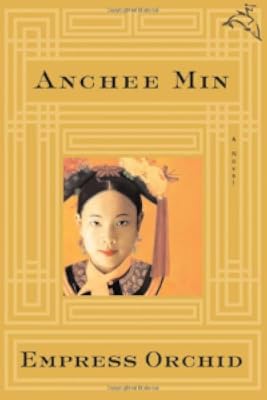
I was first introduced to Anchee Min in the summer of 2010, when I read [b:Empress Orchid|139254|Empress Orchid (Empress Orchid, #1)|Anchee Min|https://images.gr-assets.com/books/1442864153s/139254.jpg|936155] and [b:The Last Empress|47305|The Last Empress (Empress Orchid, #2)|Anchee Min|https://images.gr-assets.com/books/1433552246s/47305.jpg|3011152]; I remember reading late into the night, unable to put the books down. I rediscovered Min in early 2012 when I was living in New Orleans. I devoured five more of her books. Again, I remember hungrily reading her novels and breathtaking memoir in a matter of days.
Six years later, I came across Min's second memoir. I was ecstatic at this find and looked forward to reading the book more show more than I have anticipated reading a book in a long time.
The first half of The Cooked Seed contains Min's heartbreaking account of her unlikely immigration the United States and her struggle to learn English in a very short amount of time to claim her place at the Art of Institute of Chicago. I flew through the first half of this memoir with the absorption I recall from my first taste of her books, and I was not disappointed. However, my attitude quickly changed when I reached the second half of the book, Min's narrative of raising her daughter and meeting her second husband. Although Min does attempt to explain her parenting philosophy, with a nod to her Chinese heritage and her immigrant mindset, I was horrified at how she raised her daughter. Min's rambling tale of how she met her husband and the lengthy illustration of his personality was incredibly boring. These chapters were in desperate need of an editor.
My favorite part of this book was the inside of the hardcover backing, which featured a collage of pictures from this period in Min's life. After finishing the book last night, I am hesitant to recommend the book, but overall, I do believe that readers of Min's earlier work should read her memoir for a complete portrait of this remarkable woman. show less
Six years later, I came across Min's second memoir. I was ecstatic at this find and looked forward to reading the book more show more than I have anticipated reading a book in a long time.
The first half of The Cooked Seed contains Min's heartbreaking account of her unlikely immigration the United States and her struggle to learn English in a very short amount of time to claim her place at the Art of Institute of Chicago. I flew through the first half of this memoir with the absorption I recall from my first taste of her books, and I was not disappointed. However, my attitude quickly changed when I reached the second half of the book, Min's narrative of raising her daughter and meeting her second husband. Although Min does attempt to explain her parenting philosophy, with a nod to her Chinese heritage and her immigrant mindset, I was horrified at how she raised her daughter. Min's rambling tale of how she met her husband and the lengthy illustration of his personality was incredibly boring. These chapters were in desperate need of an editor.
My favorite part of this book was the inside of the hardcover backing, which featured a collage of pictures from this period in Min's life. After finishing the book last night, I am hesitant to recommend the book, but overall, I do believe that readers of Min's earlier work should read her memoir for a complete portrait of this remarkable woman. show less
Anchee Min's life as an immigrant student in America.
Having read and enjoyed Empress Orchid and Pearl of China (both 4 stars), I was looking forward to reading The Cooked Seed, before Anchee Min comes to our literary festival in March. Unfortunately her memoir didn't involve me in the same way that her historical fiction had.
Although I hadn't read the first installment, Red Azalia, this wasn't a problem as Ms Min's life in China was covered in the first 10% of The Cooked Seed. I think her early life would have been a more interesting read than her life as a struggling immigrant student in America, whose main worry was obtaining the Green Card and the right to remain in the country. While I can sympathise with her concerns, it didn't show more make for very exciting reading.
When Anchee Min arrived in America in 1984, she spoke no English. Her first 6 months were spent attending English classes to raise her knowledge of the language to a level where she could study. She scraped a living together by working five jobs at the same time and carried her Chinese/English dictionary everywhere. Her determination to succeed was amazing.
She made a number of mistakes - got conned out of her savings and then invested in a run-down tenement block with standing tenants, which involved a constant run of repairs and renewals. She made a lot of bad choices, including marrying a man who she didn't really love.
I don't know if it was the way the book seemed to turn into a series of anecdotes that left me underwhelmed, but the first half was definitely more interesting than the second and although I didn't struggle to finish, my interest had definitely waned.
I definitely plan to read Red Azalia at some time, however. show less
Having read and enjoyed Empress Orchid and Pearl of China (both 4 stars), I was looking forward to reading The Cooked Seed, before Anchee Min comes to our literary festival in March. Unfortunately her memoir didn't involve me in the same way that her historical fiction had.
Although I hadn't read the first installment, Red Azalia, this wasn't a problem as Ms Min's life in China was covered in the first 10% of The Cooked Seed. I think her early life would have been a more interesting read than her life as a struggling immigrant student in America, whose main worry was obtaining the Green Card and the right to remain in the country. While I can sympathise with her concerns, it didn't show more make for very exciting reading.
When Anchee Min arrived in America in 1984, she spoke no English. Her first 6 months were spent attending English classes to raise her knowledge of the language to a level where she could study. She scraped a living together by working five jobs at the same time and carried her Chinese/English dictionary everywhere. Her determination to succeed was amazing.
She made a number of mistakes - got conned out of her savings and then invested in a run-down tenement block with standing tenants, which involved a constant run of repairs and renewals. She made a lot of bad choices, including marrying a man who she didn't really love.
I don't know if it was the way the book seemed to turn into a series of anecdotes that left me underwhelmed, but the first half was definitely more interesting than the second and although I didn't struggle to finish, my interest had definitely waned.
I definitely plan to read Red Azalia at some time, however. show less
Members
- Recently Added By
Author Information

17+ Works 7,712 Members
Anchee Min was born in Shanghai in 1957. At seventeen she was sent to a labor collective, where after a number of years a talent scout recruited her for Madame Mao's Shanghai Film Studio. Her highly acclaimed memoir, "Red Azalea," was named a New York Times Notable Book and was an international bestseller, with rights sold in twenty countries. Min show more lives in California with her husband and daughter. She will be featured at the Ubud Writers and Readers Festival 2015 program. (Publisher Provided) show less
Awards and Honors
Distinctions
Common Knowledge
- People/Characters
- Anchee Min
- Original language
- English US
Classifications
- Genres
- Biography & Memoir, Fiction and Literature, Literature Studies and Criticism
- DDC/MDS
- 813.54 — Literature & rhetoric American literature in English American fiction in English 1900-1999 1945-1999
- LCC
- PS3563 .I4614 .A3 — Language and Literature American literature American literature Individual authors 1961-
- BISAC
Statistics
- Members
- 240
- Popularity
- 135,778
- Reviews
- 16
- Rating
- (3.65)
- Languages
- English, Spanish
- Media
- Paper, Audiobook, Ebook
- ISBNs
- 16
- ASINs
- 4