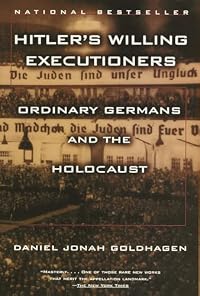
Hitler's Willing Executioners: Ordinary Germans and the Holocaust
by Daniel Jonah Goldhagen
On This Page
Description
Daniel Jonah Goldhagen has revisited a question that history has come to treat as settled, and his researchers have led him to the inescapable conclusion that none of the established answers holds true. That question is: "How could the Holocaust happen?" His own response is a new exploration of those who carried out the Holocaust and of German society and its ingrained anti-semitism - and it demands a fundamental revision of our thinking about the years 1933-1945. Drawing principally on show more materials either unexplored or neglected by previous scholars, Goldhagen marshals new, disquieting, primary evidence - including extensive testimony from the actual perpetrators themselves - to show that many beliefs about the killers are fallacies: They were not primarily SS men or Nazi Party members, but perfectly ordinary Germans from all walks of life, men (and women) who brutalized and murdered Jews both willingly and zealously. And they did so, moreover, not because they were coerced (for, as he shows irrefutably, so many were informed by their own commanders that they could refuse to kill without fear of retribution) ... not because they slavishly followed orders (a view seemingly supported by Stanley Milgram's famous Yale "obedience experiment") ... not because of any tremendous social, psychological, or peer pressure to conform to the behaviour of their comrades (for no such evidence exists) ... and not for any reasons associated with Hannah Arendt's disputed notion of the "banality of evil." They acted as they did because of a widespread, profound, unquestioned, and virulent antisemitism that led them to regard the Jews as a demonic enemy whose extermination was not only necessary but also just. Again and again, it is the killers' own words that give us a portrait, both shocking and immediate, of their world: the organization of their daily lives, how they did what they did, their reactions to it, even their recreations in the killings fields, which included everything from sports and entertainment to the hobby of taking snapshots of their deeds and victims - to be freely exchanged and collected among themselves - leaving a devastating record of self-indictment that the author reproduces here. All of Goldhagen's documentary evidence is set within a fresh analysis of the phenomenon of German antisemitism itself, which revises many conventional views. He shows that it was already deep-rooted and pervasive in German society before Hitler came to power, and that there was a widely shared view that the Jews ought to be eliminated in some way from German society. When Hitler, ultimately, chose mass extermination as the only "final solution," he was thus easily able to enlist vast numbers of Germans to carry it out. show lessTags
Recommendations




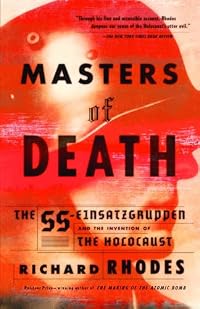
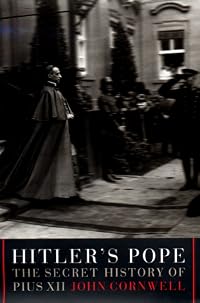
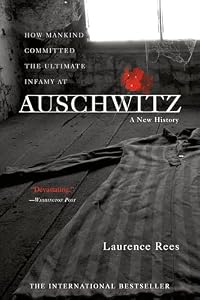
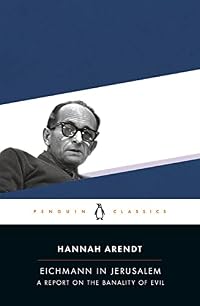






Member Recommendations


Member Reviews
Ez talán a legbrutálisabb szakkönyv, amit valaha olvastam – ehhez képest a Schindler listája csak játszódás kölökbárányokkal zöldellő mezőkön. De brutalitása nem öncél, hanem eszköz, amivel Goldhagen saját állításait bizonyítja – ezzel, a népirtás gyakorlatának ábrázolásával, és a gyilkosok közelképeivel teremti meg azt a „kognitív keretet”, ami szerinte az egész holokauszt kulcsa. A kötet elvitathatatlan érdeme, hogy igen kellemetlen kérdéseket tol az arcunkba – olyasmiket, amelyektől el szokás fordítani a pillantásunkat. Szerinte a népirtás nem egy szűk réteg által elkövetett cselekménysorozat, amihez a többség legfeljebb tudatlanul asszisztált, hanem egy show more antiszemitizmustól teljesen átitatott társadalom közös bűne. Nem véletlen, hogy a kötet jelentős részében nem az SS-szel, hanem a rendőrzászlóaljakkal foglalkozik – ezeket az egységeket ugyanis nem nácikkal, hanem a társadalom legszélesebb rétegéből válogatva töltötték fel, nem vizsgálva a belépők pártállását, következésképpen tagjaik között meglepően kevés politikailag elkötelezett személyt találunk. (Sőt: a Hamburg környékéről toborzott egység tagjai között számosan szociáldemokrata múlttal rendelkeztek.) Emellett ezek az egységek jellemzően az idősebb korosztályból verbuválódtak – vagyis nem a Hitler-rezsim oktatási viszonyai között szocializálódtak. Visszafogottabban vettek hát részt a népirtásban? Goldhagen bőséges adatokat szolgáltat arra, hogy nem. Ugyanolyan embertelenül viselkedtek, mint az SS*.
Goldhagen azt a mítoszt is cáfolni igyekszik, hogy a gyilkosságok egy automatizált, parancsalapú rendszer gépies, de a maga perverz módján racionális működése során történtek volna. Nem, az elkövetők az esetek jelentős részében indokolatlan szadizmussal öltek, nem pusztán eliminálni akarták a zsidóságot, hanem létében megalázni, és rendszeresen túlteljesítették a normát. Elvetettek minden gazdasági észszerűséget: még ha a munkaerőhiány miatt akadozott is a német termelés, vonakodtak a zsidókra mint munkaerőre tekinteni**. Az irracionalitás leglátványosabb példái pedig talán a halálmenetek (amikkel Goldhagen szintén sokat foglalkozik), amelyek során egy már elvesztett háborúban ide-oda masíroztatták értelem nélkül a foglyokat olyan németek, akik pontosan tudták, hogy hamarosan el kell számolniuk a tetteikkel – mégis alig mutattak könyörületet. Mindezt úgy, hogy ekkor Himmler már konkrétan parancsba adta, hogy kíméljék a zsidókat (a szövetségesek nyugati felével való egyezkedés aranyfedezetének szánta őket) – de speciel ezt a parancsot a legtöbben hajlandóak voltak figyelmen kívül hagyni.
Ezekben a kérdésekben Goldhagen bőségesen megadatolt és meggyőző, ugyanakkor más állításaiban tág tere van a cáfolatnak. Egyrészt itt van az, hogy a népirtás alanyai szerinte csak a zsidók lehettek, akik semmi mással nem behelyettesíthetőek. No most tény, hogy amíg az eutanáziaprogrammal kapcsolatban léteztek (sikeres!) tiltakozások, és a sztrájk fogalma sem volt ismeretlen a Harmadik Birodalomban, addig a holokauszt ellen intenzív tömegmegmozdulást nem ismerünk – jellemző, hogy még a Stauffenberg-féle összeesküvők többségének is legfeljebb a megvalósítással, nem magával az antiszemitizmussal volt problémája. Az is igaz, hogy az antiszemitizmus az összes idegengyűlölet közül a legkomplexebb jelenség (Európában legalábbis), ami a kereszténység bizonyos ágaiban is erős gyökeret vert – szóval ez legalábbis védhető álláspont. Ugyanakkor erősen leszűkíti azt a kört, amiben a kötet tanulsággal bír – én a magam részéről meggyőzőbbnek tartom Snyder megközelítését, aki a hangsúlyt inkább arra helyezi, hogy a gyilkos az gyilkos: az elkövető mentális állapota a kulcs, nem az áldozat hovatartozása***. Az viszont már egyértelműen ellenérzéseket kelt bennem, hogy Goldhagen az elkövetők körét is leszűkíti azzal, hogy a holokauszt feltételei szerinte kizárólag Németországban alakulhattak ki – hiába taglalja hosszasan, milyen történelmi specifikumai vannak a német antiszemitizmusnak, egy tényből (hogy a németek fejéből pattant ki az ötlet) visszakövetkeztetve gyűjti össze a bizonyítékokat, amik őt támasztják alá. És ez így logikailag elég problémásnak tűnik. Megemlít ugyan érintőlegesen más elkövetőket (elsősorban a hiwiket), de nem foglalkozik velük – holott az ő puszta létük elbizonytalaníthatná saját állításával szemben.
Összegzés: fontos, provokatív könyv, aminek súlya háttérbe szorítja amúgy nagyon is számottevő hiányosságait, illetve hajlamát az önismétlésre. A holokauszt, és egyáltalán: az emberi gonoszság iránt érdeklődőknek erősen ajánlott olvasmány – olyan szegletekbe világít be a témával kapcsolatban, ahol eleddig vaksötét volt. Jó lett volna, ha egy igazán jó fordító magyarítja. (Bocs, Bokor Pál, de Luther Márton mint "Martin Luther king" - sic!!! -, a Saar-vidék pedig mint Szárvidék... hát... viccnek is rossz.)
* Jegyezzük meg, mert fontos: a rendőrzászlóaljak tagjainak volt választási lehetőségük. Azoknak, akik kérvényezték áthelyezésüket, vagy nem kívántak részt venni a kivégzésekben, semmilyen bántódásuk nem esett. És mégis – legfeljebb néhányan választották ezt az utat.
** A munkatáborok rendszerének ugyanis – mint Goldhagen meggyőzően bizonyítja – valójában semmi köze nem volt a munkához, a bennük végzett teljesen improduktív feladatok csak a rabok megalázásának eszközei voltak.
*** "Az Einsatzgruppék több ezer tagja és több tízezer olyan német között, akik zsidókat öltek, egyetlen elkövetőről sem tudunk, aki vállalta, hogy zsidókat öl, viszont azt nem, hogy belorusz civilekkel vagy szovjet hadifoglyokkal végezzen. Mint ahogy olyanok sem voltak, akik vállalták belorusz civilek vagy szovjet hadifoglyok vagy cigányok megölését, de zsidókét nem. Akik embert öltek, azok embert öltek." (Timothy Snyder: Fekete föld) Amúgy is Snyder témába vágó könyvét jóval kiforrottabb alkotásnak érzem, mint ezt. show less
Goldhagen azt a mítoszt is cáfolni igyekszik, hogy a gyilkosságok egy automatizált, parancsalapú rendszer gépies, de a maga perverz módján racionális működése során történtek volna. Nem, az elkövetők az esetek jelentős részében indokolatlan szadizmussal öltek, nem pusztán eliminálni akarták a zsidóságot, hanem létében megalázni, és rendszeresen túlteljesítették a normát. Elvetettek minden gazdasági észszerűséget: még ha a munkaerőhiány miatt akadozott is a német termelés, vonakodtak a zsidókra mint munkaerőre tekinteni**. Az irracionalitás leglátványosabb példái pedig talán a halálmenetek (amikkel Goldhagen szintén sokat foglalkozik), amelyek során egy már elvesztett háborúban ide-oda masíroztatták értelem nélkül a foglyokat olyan németek, akik pontosan tudták, hogy hamarosan el kell számolniuk a tetteikkel – mégis alig mutattak könyörületet. Mindezt úgy, hogy ekkor Himmler már konkrétan parancsba adta, hogy kíméljék a zsidókat (a szövetségesek nyugati felével való egyezkedés aranyfedezetének szánta őket) – de speciel ezt a parancsot a legtöbben hajlandóak voltak figyelmen kívül hagyni.
Ezekben a kérdésekben Goldhagen bőségesen megadatolt és meggyőző, ugyanakkor más állításaiban tág tere van a cáfolatnak. Egyrészt itt van az, hogy a népirtás alanyai szerinte csak a zsidók lehettek, akik semmi mással nem behelyettesíthetőek. No most tény, hogy amíg az eutanáziaprogrammal kapcsolatban léteztek (sikeres!) tiltakozások, és a sztrájk fogalma sem volt ismeretlen a Harmadik Birodalomban, addig a holokauszt ellen intenzív tömegmegmozdulást nem ismerünk – jellemző, hogy még a Stauffenberg-féle összeesküvők többségének is legfeljebb a megvalósítással, nem magával az antiszemitizmussal volt problémája. Az is igaz, hogy az antiszemitizmus az összes idegengyűlölet közül a legkomplexebb jelenség (Európában legalábbis), ami a kereszténység bizonyos ágaiban is erős gyökeret vert – szóval ez legalábbis védhető álláspont. Ugyanakkor erősen leszűkíti azt a kört, amiben a kötet tanulsággal bír – én a magam részéről meggyőzőbbnek tartom Snyder megközelítését, aki a hangsúlyt inkább arra helyezi, hogy a gyilkos az gyilkos: az elkövető mentális állapota a kulcs, nem az áldozat hovatartozása***. Az viszont már egyértelműen ellenérzéseket kelt bennem, hogy Goldhagen az elkövetők körét is leszűkíti azzal, hogy a holokauszt feltételei szerinte kizárólag Németországban alakulhattak ki – hiába taglalja hosszasan, milyen történelmi specifikumai vannak a német antiszemitizmusnak, egy tényből (hogy a németek fejéből pattant ki az ötlet) visszakövetkeztetve gyűjti össze a bizonyítékokat, amik őt támasztják alá. És ez így logikailag elég problémásnak tűnik. Megemlít ugyan érintőlegesen más elkövetőket (elsősorban a hiwiket), de nem foglalkozik velük – holott az ő puszta létük elbizonytalaníthatná saját állításával szemben.
Összegzés: fontos, provokatív könyv, aminek súlya háttérbe szorítja amúgy nagyon is számottevő hiányosságait, illetve hajlamát az önismétlésre. A holokauszt, és egyáltalán: az emberi gonoszság iránt érdeklődőknek erősen ajánlott olvasmány – olyan szegletekbe világít be a témával kapcsolatban, ahol eleddig vaksötét volt. Jó lett volna, ha egy igazán jó fordító magyarítja. (Bocs, Bokor Pál, de Luther Márton mint "Martin Luther king" - sic!!! -, a Saar-vidék pedig mint Szárvidék... hát... viccnek is rossz.)
* Jegyezzük meg, mert fontos: a rendőrzászlóaljak tagjainak volt választási lehetőségük. Azoknak, akik kérvényezték áthelyezésüket, vagy nem kívántak részt venni a kivégzésekben, semmilyen bántódásuk nem esett. És mégis – legfeljebb néhányan választották ezt az utat.
** A munkatáborok rendszerének ugyanis – mint Goldhagen meggyőzően bizonyítja – valójában semmi köze nem volt a munkához, a bennük végzett teljesen improduktív feladatok csak a rabok megalázásának eszközei voltak.
*** "Az Einsatzgruppék több ezer tagja és több tízezer olyan német között, akik zsidókat öltek, egyetlen elkövetőről sem tudunk, aki vállalta, hogy zsidókat öl, viszont azt nem, hogy belorusz civilekkel vagy szovjet hadifoglyokkal végezzen. Mint ahogy olyanok sem voltak, akik vállalták belorusz civilek vagy szovjet hadifoglyok vagy cigányok megölését, de zsidókét nem. Akik embert öltek, azok embert öltek." (Timothy Snyder: Fekete föld) Amúgy is Snyder témába vágó könyvét jóval kiforrottabb alkotásnak érzem, mint ezt. show less
Goldhagen's vilification of other scholars, in both the text and throughout the footnotes, made me question the integrity of his work. I subsequently read some compelling criticism of both the author and the book, and cannot recommend it. I think he has assembled a well-researched and vividly written history, but his academic and professional prejudices make me unable to trust it.
The problem is that Goldhagen makes a caricature of the thesis he is drawing his ideas from that is, the Sonderwerg -the idea according to which Nazism could have only occurred in Germany due to very particular historical circumstances coupled, most importantly, with a whole frame of mind where demonological anti-Semitism and biological racism went hand in hand with the idea of the Volk relying on the notions of race and blood.
Let's get this straight right now: not only to take extreme and isolated cases and events during a war on the eastern front (the behaviours of the Police Battalion) so as to illustrate the attitude of a whole nation of civilians in Germany is bad enough but, to be unreliable when it comes to acknowledged facts show more (for instance, the brutal discipline that was maintained within the army and that, the author purposefully denies or minimizes) so as to serve an already very controversial argument is even worst. Academically, I must admit it's quite bad.
However, having said that, I still recommend such a book as it clearly shows that, there's no such thing as benign racism or xenophobia. Indeed, even stupid clichés can, cleverly exploited ideologically, serve more destructive enterprises.
An annoying read for all its simplistic arguments but, none-the-less necessary. show less
Let's get this straight right now: not only to take extreme and isolated cases and events during a war on the eastern front (the behaviours of the Police Battalion) so as to illustrate the attitude of a whole nation of civilians in Germany is bad enough but, to be unreliable when it comes to acknowledged facts show more (for instance, the brutal discipline that was maintained within the army and that, the author purposefully denies or minimizes) so as to serve an already very controversial argument is even worst. Academically, I must admit it's quite bad.
However, having said that, I still recommend such a book as it clearly shows that, there's no such thing as benign racism or xenophobia. Indeed, even stupid clichés can, cleverly exploited ideologically, serve more destructive enterprises.
An annoying read for all its simplistic arguments but, none-the-less necessary. show less
I like that Goldhagen delineates his thesis and methodology clearly in the opening chapters. I have read other reviews here that I believe are negative because they feel that Goldhagen draws with too broad a brush. In fact, one reviewer asked why, if Goldhagen's thesis is correct, there haven't been hundreds of Holocausts. Well, there have been hundreds of pogroms throughout Europe. I'm not saying that the other reviewers are wrong. It is interesting that Goldhagen seems to have hit a nerve in many readers. That in itself is probably worth recommending this book. I recommend it on its merits. When it came down to it in Europe in the 30s and 40s, Jews were sacrificed willingly by hundreds of thousands of non-Jews while millions of other show more non-Jews either cheered or looked away.
I will quote from a letter from Goldhagen in response to criticism: "Whatever it might mean to “indict an entire culture,” the assertion that I do it is wrong. All I do is conclude that German culture before and during the Nazi period was broadly and deeply anti-Semitic. In principle, that is as legitimate as is reporting that the culture of the white antebellum South was broadly and deeply racist against blacks."
I agree with Goldhagen and I feel that some critics are expecting too much for Goldhagen to be "evenhanded" on the issue. It is not Goldhagen's responsibility to find out and report on the few Germans who vigorously resisted the Nazis. It is also not Goldhagen's responsibility to write at length about non-Germans who persecuted Jews. show less
I will quote from a letter from Goldhagen in response to criticism: "Whatever it might mean to “indict an entire culture,” the assertion that I do it is wrong. All I do is conclude that German culture before and during the Nazi period was broadly and deeply anti-Semitic. In principle, that is as legitimate as is reporting that the culture of the white antebellum South was broadly and deeply racist against blacks."
I agree with Goldhagen and I feel that some critics are expecting too much for Goldhagen to be "evenhanded" on the issue. It is not Goldhagen's responsibility to find out and report on the few Germans who vigorously resisted the Nazis. It is also not Goldhagen's responsibility to write at length about non-Germans who persecuted Jews. show less
I'm not in the slightest surprised that "Hitler's Willing Executioners" is a controversial book; Any theory that blames the German people (and friends) for the evil done in their name rather than that chap Hitler and his mates will lead to the odd argument.
Goldhagen makes some interesting points supporting his thesis; basically Germans have a long history of hating Jews and the coming of the Nazis allowed the average German more opportunity to act upon their hatred of Jews. The fact that, for example, newly appointed Nazi officials had to tell Weimer appointed judges to refrain passing judgements so prejudiced against Jewish people as they were outside the law, is eye-opening.
Reading other reviews of "Hitler's Willing Executioners" show more here shows that there are doubts about Goldhagen's thesis but these reviewers are doubtless more intelligent than me, so take my thoughts with a grain of salt. show less
Goldhagen makes some interesting points supporting his thesis; basically Germans have a long history of hating Jews and the coming of the Nazis allowed the average German more opportunity to act upon their hatred of Jews. The fact that, for example, newly appointed Nazi officials had to tell Weimer appointed judges to refrain passing judgements so prejudiced against Jewish people as they were outside the law, is eye-opening.
Reading other reviews of "Hitler's Willing Executioners" show more here shows that there are doubts about Goldhagen's thesis but these reviewers are doubtless more intelligent than me, so take my thoughts with a grain of salt. show less
It's very easy to see the scholarly bones of this book, the old "Tell them what you're going to tell them, tell them, then tell them what you've told them." It's meticulously documented, and seems to be thoroughly researched. Clearly, from the GR reviews alone, the content is a great deal more conservative than the style.
As painstakingly researched and scholarly as this book is, I am disinclined to believe the author's assertions about the German people as a whole. As a former English major (ha, first time my degree has had a practical use!), I'm certainly aware of the vast amount of anti-Semitism in European literature through the nineteenth century. However, that seems to me to argue more against Goldhagen's conclusions than show more otherwise.
Granted that all of Europe (and to a large extent, the US) was anti-Semitic, why were there not hundreds of Holocausts?
On an emotional level, although my German ancestors arrived in the US at the turn of the twentieth century, as the bearer of a German surname, I do not want to believe Goldhagen's assertions on an emotional level as well.
I think that my next step is going to be reading
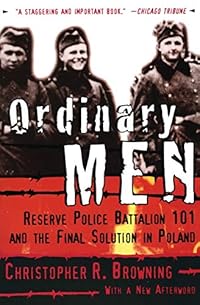
[b:Ordinary Men: Reserve Police Battalion 101 and the Final Solution in Poland|647492|Ordinary Men Reserve Police Battalion 101 and the Final Solution in Poland|Christopher R. Browning|http://photo.goodreads.com/books/1176725021s/647492.jpg|633637] to get the other side, and take it from there.
For me, this was the book equivalent of the movies Amistad, Saving Private Ryan and Schindler's List--it gave me a lot to think about, I'm glad I read it, but I don't ever want to repeat this particular experience. show less
As painstakingly researched and scholarly as this book is, I am disinclined to believe the author's assertions about the German people as a whole. As a former English major (ha, first time my degree has had a practical use!), I'm certainly aware of the vast amount of anti-Semitism in European literature through the nineteenth century. However, that seems to me to argue more against Goldhagen's conclusions than show more otherwise.
Granted that all of Europe (and to a large extent, the US) was anti-Semitic, why were there not hundreds of Holocausts?
On an emotional level, although my German ancestors arrived in the US at the turn of the twentieth century, as the bearer of a German surname, I do not want to believe Goldhagen's assertions on an emotional level as well.
I think that my next step is going to be reading
[b:Ordinary Men: Reserve Police Battalion 101 and the Final Solution in Poland|647492|Ordinary Men Reserve Police Battalion 101 and the Final Solution in Poland|Christopher R. Browning|http://photo.goodreads.com/books/1176725021s/647492.jpg|633637] to get the other side, and take it from there.
For me, this was the book equivalent of the movies Amistad, Saving Private Ryan and Schindler's List--it gave me a lot to think about, I'm glad I read it, but I don't ever want to repeat this particular experience. show less
There's really nothing like a book that condemns an entire nation--no real exceptions--as murdering anti-Semites. Goldhagen's book is an important contribution to the field of holocaust studies, not because it is so correct but because it demonstrates so clearly the limits of using the holocaust to glorify some and vilify others.
Members
- Recently Added By
Lists

Holocaust
100 works; 13 members

r/AskHistorians' Recommended Books
1,068 works; 17 members

THE WAR ROOM
813 works; 24 members

Totalitarianism and Democratic Erosion: Essential Readings
45 works; 1 member

Books About World War II
102 works; 28 members

Books about World War II
241 works; 22 members
Author Information

5+ Works 3,325 Members
Worse Than War is the basis for a major documentary film with Daniel Jonah Goldhagen, produced by JTN Productions and 13/WNET for PBS.
Some Editions
Awards and Honors
Series
Belongs to Publisher Series
Common Knowledge
- Canonical title*
- I volenterosi carnefici di Hitler. I tedeschi comuni e l'olocausto
- Original title
- Hitler's willing executioners : ordinary Germans and the holocaust
- Alternate titles*
- I tedeschi comuni e l'olocausto
- Original publication date
- 1996
- People/Characters
- Adolf Hitler; Wolfgang Hoffmann
- Important places
- Berlin, Germany; Germany; Poland (German occupied); Auschwitz concentration camp, Oświęcim, Lesser Poland, Poland; Auschwitz II-Birkenau concentration and extermination camp, Oświęcim, Lesser Poland, Poland; Helmbrechts concentration camp, Hof, Bavaria, Germany (show all 12); Austria; Bełżec extermination camp, Bełżec, Lublin, Poland; Józefów, Lublin, Poland (Józefów Massacre); Majdanek concentration camp, Lublin, Lublin, Poland; USSR (Soviet Union); Russia
- Important events
- Holocaust
- Dedication*
- A Erich Goldaghen, mio padre e maestro
- First words*
- Quando si pensa all' antisemitismo tedesco, si tende a partire da alcuni importanti e sottaciuti presupposi riguardo ai tedeschi prima e nel corso del nazismo, che andrebbero analizzati e rivisti.
- Last words*
- (Click to show. Warning: May contain spoilers.)L' universo dei campi rivela l'essenza della Germania votata al nazismo non meno di quanto non rivelino le vicende dei singoli esecutori sulla disponibilità al massacro e alla barbarie dei tedeschi comuni, quando si trattava di salvare la Germania e il suo Volk dalla minaccia assoluta : Der Jude.
- Original language
- English
*Some information comes from Common Knowledge in other languages. Click "Edit" for more information.
Classifications
- Genres
- History, Nonfiction, General Nonfiction
- DDC/MDS
- 940.5318 — History & geography History of Europe History of Europe 1918- World War II, 1939-1945 Social, political, economic history; Holocaust Holocaust
- LCC
- D804.3 .G648 — History of Europe, Asia, Africa and Oceania History (General) World War II (1939-1945)
- BISAC
Statistics
- Members
- 2,801
- Popularity
- 6,469
- Reviews
- 31
- Rating
- (3.52)
- Languages
- 8 — Czech, Dutch, English, French, German, Italian, Portuguese, Spanish
- Media
- Paper, Audiobook, Ebook
- ISBNs
- 31
- ASINs
- 22