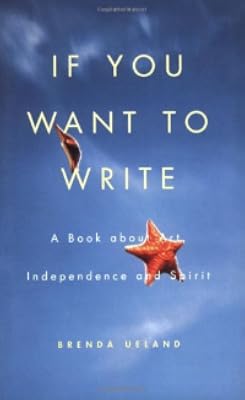
If You Want to Write
by Brenda Ueland
On This Page
Description
Much more than a tract about writing, this is a wise and witty call for imagination in all areas of life. It will appeal to everyone who's ever dreamed of creating something.Tags
Recommendations
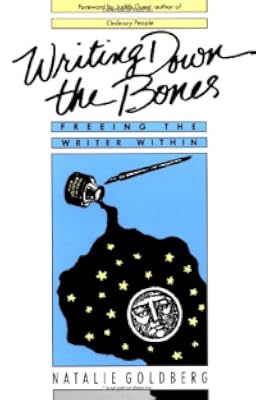
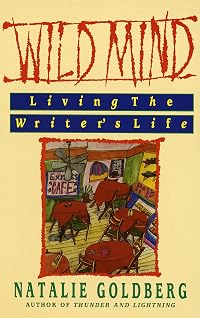
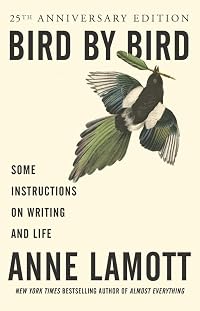
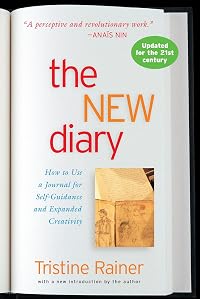
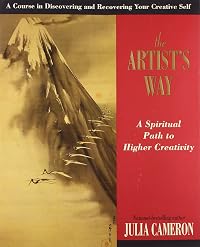
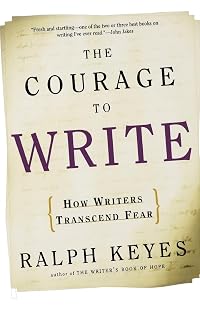
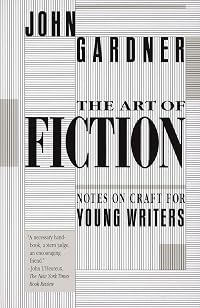
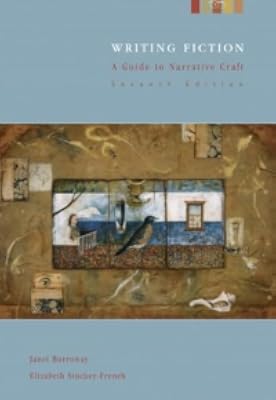
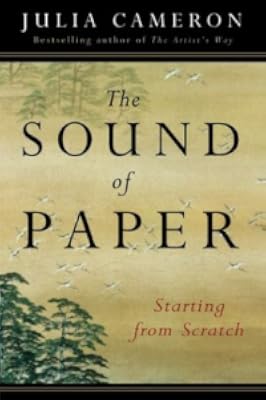
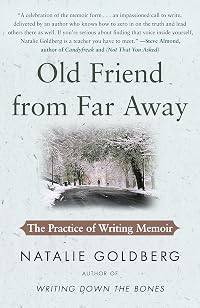
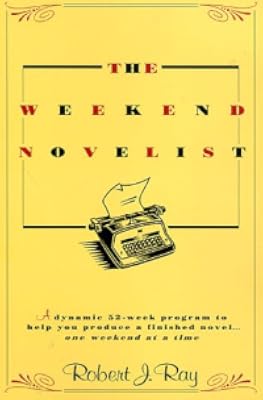
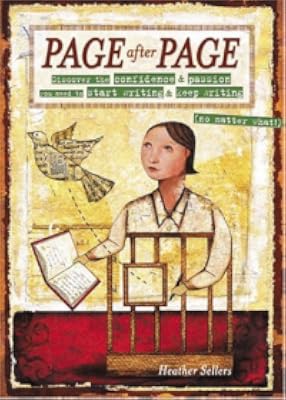
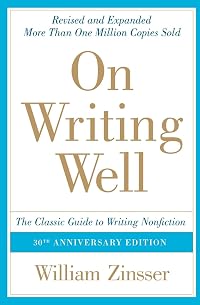
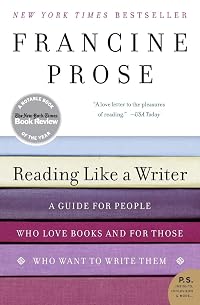
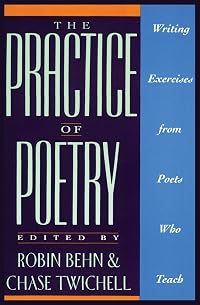
Member Recommendations
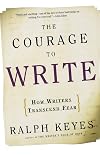
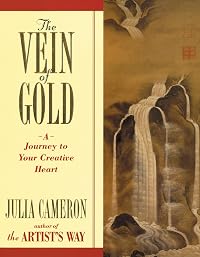
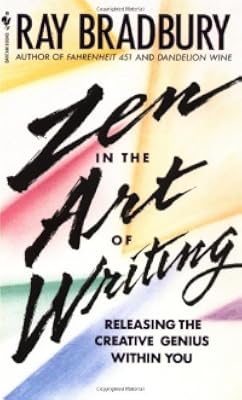
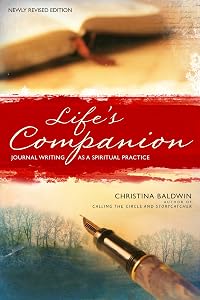
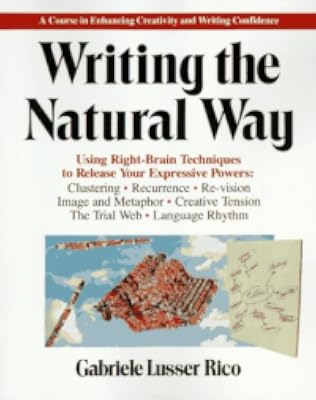
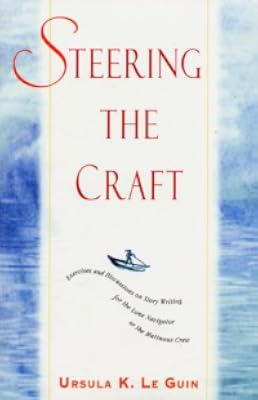
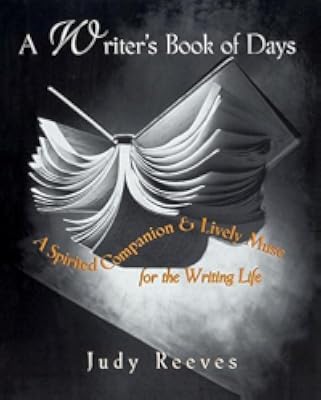
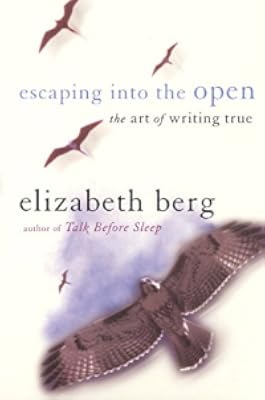
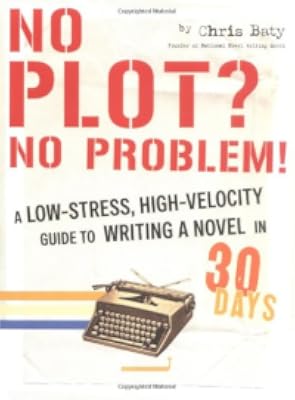
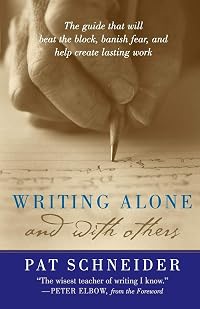
alexmuninn Courage to Write has a very similar message to Ueland's book (indeed, Keyes quotes If You Want to Write) but it was written in 1995 rather than 1938, so Courage to Write lacks the disturbing and dated racism of If You Want to Write.
Member Reviews
Ueland, who taught creative writing for years and years, believes that anyone can become a writer, that we are all unique and all have stories to tell. The main message of this slim book is to turn off your inner critic, shut out all the critical voices in your life (teachers, parents, spouses, friends), and just write. You can apply her principles to any creative endeavour, not just writing -- her advice will also help painters, musicians, anyone creating, actually. She says the most important thing is to be truthful to yourself and don't try to please others with your creative project. A gabillion copies If You Want to Write have been sold, and readers have loved and praised this book for 80 years. Carl Sandburg said it is "the best show more book ever written about how to write."
Who can disagree with all that? It's the good part.
BTW, Carl Sandburg and her were friends, so make out of that what you will.
Now for my real opinion. For such a short book (179p), it's surprisingly repetitive. Ueland explains how she is one of those writers who hates the outline, which is fine . . . but if you're not going to outline, you really need to focus on the edit. She rambles along and uses footnotes on almost every page. The info in the footnotes could have easily been edited in to the text, or just discarded, as it added little. There were pages of her quoting William Blake, and Van Gogh, and she talks about "the Russians" a lot. By a lot, I mean way too much idolizing, not so much detail.
Here is an example of a typical passage that had me rolling my eyes: "Great art, said Tolstoi, is when a great man who has the highest life-conception of his time tells what he feels. (Tolstoi himself was one of those although he did not know it.) Then the infection is universal. Everybody understands it and at once.*
* I think Blake meant this same thing too, when he called Jesus and artist."
That just makes me scream for so many reasons. Even if one think that's an amazing thought (which it's not), it can be said so very much better.
Throughout the book she says "I hope to talk about that later," and I didn't keep track, but I don't think she ever did. I was convinced she didn't, in fact, when I got to the "outlines are a nightmare" section.
Here's another tidbit of wisdom from Dame Ueland: "Tolstoi, Ibsen, Blake, Goethe, Thomas Mann and all great men, known or unknown, famous or obscure,--they are great men in the first place and so they cannot say anything that is not important, not a single word. Their writing, their art is merely a by-product, a cast-off creation of a great personality."
Oh, please.
I soldiered on, looking for the good bits amongst all her noise, but after a while, I realized that I had an image of this woman lecturing me with a pointed finger. It was rather uncomfortable, yet on I went. I noticed that she seemed pretty impressed with herself and all the fabulous advice she was sharing with little me, and then it struck me that the finger-wagging professor and morphed into Lady Catherine De Burgh. (shudder!)
Recommended for: Yes, many have found If You Want to Write inspiring. But her advice is not unique, and is better said elsewhere. If you are looking for an inspirational book about writing or creating, I suggest Bird by Bird (Anne Lamott), Negotiating with the Dead (Margaret Atwood) or even On Writing (Stephen King).
Why I Read This Now: I like to buy books about writing more than read them. Thought I'd plow through the stack this year. Picked this one first because Ursula Le Guin (I think) recommended that it was the only writing book anyone needed. She was wrong.
Rating: one cranky tin star. show less
Who can disagree with all that? It's the good part.
BTW, Carl Sandburg and her were friends, so make out of that what you will.
Now for my real opinion. For such a short book (179p), it's surprisingly repetitive. Ueland explains how she is one of those writers who hates the outline, which is fine . . . but if you're not going to outline, you really need to focus on the edit. She rambles along and uses footnotes on almost every page. The info in the footnotes could have easily been edited in to the text, or just discarded, as it added little. There were pages of her quoting William Blake, and Van Gogh, and she talks about "the Russians" a lot. By a lot, I mean way too much idolizing, not so much detail.
Here is an example of a typical passage that had me rolling my eyes: "Great art, said Tolstoi, is when a great man who has the highest life-conception of his time tells what he feels. (Tolstoi himself was one of those although he did not know it.) Then the infection is universal. Everybody understands it and at once.*
* I think Blake meant this same thing too, when he called Jesus and artist."
That just makes me scream for so many reasons. Even if one think that's an amazing thought (which it's not), it can be said so very much better.
Throughout the book she says "I hope to talk about that later," and I didn't keep track, but I don't think she ever did. I was convinced she didn't, in fact, when I got to the "outlines are a nightmare" section.
Here's another tidbit of wisdom from Dame Ueland: "Tolstoi, Ibsen, Blake, Goethe, Thomas Mann and all great men, known or unknown, famous or obscure,--they are great men in the first place and so they cannot say anything that is not important, not a single word. Their writing, their art is merely a by-product, a cast-off creation of a great personality."
Oh, please.
I soldiered on, looking for the good bits amongst all her noise, but after a while, I realized that I had an image of this woman lecturing me with a pointed finger. It was rather uncomfortable, yet on I went. I noticed that she seemed pretty impressed with herself and all the fabulous advice she was sharing with little me, and then it struck me that the finger-wagging professor and morphed into Lady Catherine De Burgh. (shudder!)
Recommended for: Yes, many have found If You Want to Write inspiring. But her advice is not unique, and is better said elsewhere. If you are looking for an inspirational book about writing or creating, I suggest Bird by Bird (Anne Lamott), Negotiating with the Dead (Margaret Atwood) or even On Writing (Stephen King).
Why I Read This Now: I like to buy books about writing more than read them. Thought I'd plow through the stack this year. Picked this one first because Ursula Le Guin (I think) recommended that it was the only writing book anyone needed. She was wrong.
Rating: one cranky tin star. show less
It doesn't really matter when I finished or when I began reading this book. What matters, is that it is a journey into a woman's heart and in that journey, it's also, if you are listening carefully a path to your own heart. For in any good writing, there must be the heart.
This book is not so much about writing as it is about how we are imposed certain rules and norms by society and Brenda Ueland honestly lets her dismay for those be aired. She doesn't care about what you think and tells us, if we wish to write well, not to worry about how it sounds. I relate perfectly to sentences that are so overly poetic, so overly worded and dramatised that their meaning is lost. Some times they have their place, some times not.
I have kept this book show more for years and recommended it to friends who didn't seem to like it as much as I did. I think one of the things you have to be prepared to do with this book, especially if you are already a writer or a journalist for many years as I was when I first picked it up, is to let your armour down. To stop telling wanting to write what you think others want to hear, wanting their acceptance.
Just write from the heart and live from the heart. That is the message of this book and that is why it is worthwhile a read. show less
This book is not so much about writing as it is about how we are imposed certain rules and norms by society and Brenda Ueland honestly lets her dismay for those be aired. She doesn't care about what you think and tells us, if we wish to write well, not to worry about how it sounds. I relate perfectly to sentences that are so overly poetic, so overly worded and dramatised that their meaning is lost. Some times they have their place, some times not.
I have kept this book show more for years and recommended it to friends who didn't seem to like it as much as I did. I think one of the things you have to be prepared to do with this book, especially if you are already a writer or a journalist for many years as I was when I first picked it up, is to let your armour down. To stop telling wanting to write what you think others want to hear, wanting their acceptance.
Just write from the heart and live from the heart. That is the message of this book and that is why it is worthwhile a read. show less
This lady talks a lot of sense. What I really got out of it is her point that being creative is natural and easier than not being creative. When I let busyness get in the way I am getting in my own way.
I found this book inspiring and it put me back on the right track.
Although its about writing her wisdom can be applied to any creative endeavor.
I found this book inspiring and it put me back on the right track.
Although its about writing her wisdom can be applied to any creative endeavor.
This book started out as pretty much exactly what I needed to hear: forget what everybody else says and just write honestly. Friendly and direct and a bit quaint. And the first three quarters or so continued to be great. After that point, however, the hero-worship started to get old. I don't think Tolstoy, Chekov, and Blake are quite as infallible as Ueland clearly does. That aside, the rest of the book is charming and encouraging.
“If You Want To Write” by Brenda Ueland is a masterpiece. It is one of those books a reader should read slowly.
This book can liberate you from many issues that block your progress. The title of the book is masterful. It invites you to wonder what comes next. The title invites you to enter a world in which she invites your imagination and creativity to run wild in boundless joy.
My recommendation is for a reader to restrict himself, or herself, to only one chapter a day. I also recommend that you keep a pencil with you, so you don’t forget to underline those phrases and sentences that resonate with you.
Then, after a year, read the book again and measure how far along the road you have travelled.
This book can liberate you from many issues that block your progress. The title of the book is masterful. It invites you to wonder what comes next. The title invites you to enter a world in which she invites your imagination and creativity to run wild in boundless joy.
My recommendation is for a reader to restrict himself, or herself, to only one chapter a day. I also recommend that you keep a pencil with you, so you don’t forget to underline those phrases and sentences that resonate with you.
Then, after a year, read the book again and measure how far along the road you have travelled.
This book has won many fans in the eighty years since it first appeared. I’m three chapters in, and after skimming ahead I see there is little prospect of an increase in the ratio of substance to verbiage, so I’m bailing on it.
The subtitle hints at the author’s style: This is a “Book About Art, Independence, and Spirit.” In other words, it’s about the romantic style, an expression of individual personality. “Everybody is talented, original, and has something to say,” as she says in the title of her first chapter. Her motto is “be Bold, be Free, be Truthful” (yes, she capitalizes these terms).
The models she holds up include Blake, Tolstoi, and other “great Ones of the Divine Imagination.”
I will grant her this: she show more presaged what has come to be known as the ten thousand hours of dedicated practice: “If you will write as many words as Kreisler has practiced trills I prophesy that you will win the Nobel Prize in ten years. But here is an important thing: you must practice not perfunctorily, but with all your intelligence and love, as Kreisler does” (p. 9).
While I’ve decided this book is not for me, the author encouraged thousands over many decades in her writing classes. She can be stern, but she’s also encouraging. Always encouraging. So this book might be helpful to you, it might even change your life. That would be fine with me. show less
The subtitle hints at the author’s style: This is a “Book About Art, Independence, and Spirit.” In other words, it’s about the romantic style, an expression of individual personality. “Everybody is talented, original, and has something to say,” as she says in the title of her first chapter. Her motto is “be Bold, be Free, be Truthful” (yes, she capitalizes these terms).
The models she holds up include Blake, Tolstoi, and other “great Ones of the Divine Imagination.”
I will grant her this: she show more presaged what has come to be known as the ten thousand hours of dedicated practice: “If you will write as many words as Kreisler has practiced trills I prophesy that you will win the Nobel Prize in ten years. But here is an important thing: you must practice not perfunctorily, but with all your intelligence and love, as Kreisler does” (p. 9).
While I’ve decided this book is not for me, the author encouraged thousands over many decades in her writing classes. She can be stern, but she’s also encouraging. Always encouraging. So this book might be helpful to you, it might even change your life. That would be fine with me. show less
This is a book that all writers – professional and amateurs – should keep and revisit every once in a while. Ueland is like a really supportive and generous friend who coaches you in finding the writer within you and letting go of the fears and insecurities that are holding you back. Like the other books on writing, it is not just about writing but being an authentic and creative person. At the heart of the book is the simple edict: A writer must write. It doesn’t get any simpler (or harder) than that!
Members
- Recently Added By
Published Reviews
added by lemontwist
Lists

Craft Books
41 works; 1 member

The Great Courses: How to Write Best-Selling Fiction
36 works; 2 members
Author Information

10+ Works 2,322 Members
In her 93 remarkable years, Brenda Ueland published six million words. She said she had two rules she followed absolutely: to tell the truth, and not to do anything she didn't want to do. Her integrity shines throughout If You Want to Write, her best-selling classic on the process of writing that has already inspired thousands to find their own show more creative center. Carl Sandburg called this book "The best book ever written about how to write." Yet Ueland reminds us that "Whenever I say 'writing' in this book, I also mean anything that you love and want to do or to make." Ueland's writing and her teaching are made compelling by her feisty spirit of independence and joy. show less
Awards and Honors
Notable Lists
Common Knowledge
- Canonical title
- If You Want to Write
- Alternate titles
- If You Want to Write: A Book about Art, Independence and Spirit
- Original publication date
- 1938
- First words
- I have been writing a long time and have learned some things, not only from my own long hard work, but from a writing class I had for three years.
- Last words
- (Click to show. Warning: May contain spoilers.)And if it has given you the impulse to write one small story, then I am pleased.
Classifications
- Genre
- Nonfiction
- DDC/MDS
- 808.02 — Literature & rhetoric Literature, rhetoric & criticism Rhetoric and collections of literary texts from more than two literatures Rhetoric and anthologies Authorship techniques, plagiarism, editorial techniques
- LCC
- PN147 .U4 — Language and Literature Literature (General) Literature (General) Authorship
- BISAC
Statistics
- Members
- 2,196
- Popularity
- 9,263
- Reviews
- 48
- Rating
- (4.09)
- Languages
- English, German
- Media
- Paper, Audiobook, Ebook
- ISBNs
- 30
- ASINs
- 29