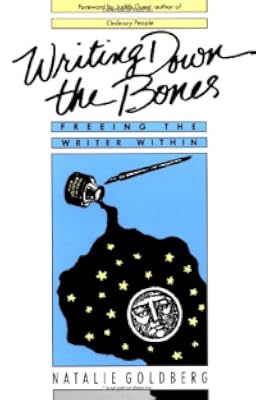
Writing Down the Bones: Freeing the Writer Within
by Natalie Goldberg
On This Page
Description
Experience a modern classic on writing as you've never heard it before. With nearly one million copies of Writing Down the Bones in print, Natalie Goldberg has helped change the way writing is practiced in homes, schools, and workshops across America. Through her heartfelt personal reflections and her ingenious Zen-based exercises, Goldberg makes writing available to you as a tool for personal expression, self-exploration, and healing. In this enhanced reading of her seminal work, Goldberg show more offers new commentary about the creative, spiritual, and practical dimensions of writing. Join her as she looks back on her life, sharing the story of how her meditation studies with Zen master Katagiri Roshi inspired her to develop practices for "writing down the bones": the essential, awakened speech of the mind. Here is a treasury of tested ideas, suggestions, and exercises that help new writers get started, and seasoned writers keep going. Includes an exclusive interview with the author available nowhere else. show lessTags
Recommendations
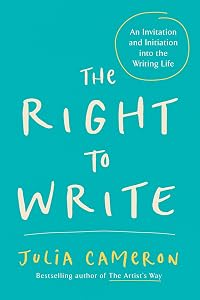
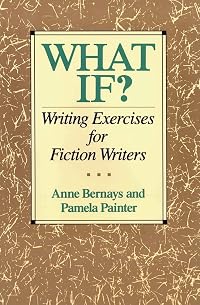
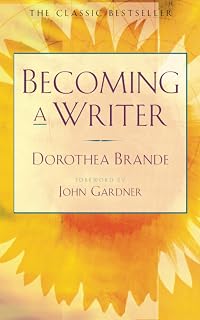
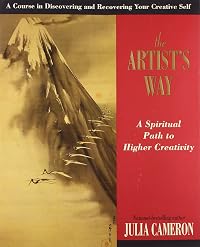
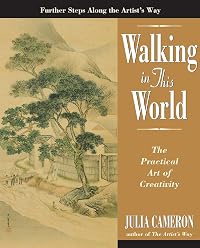
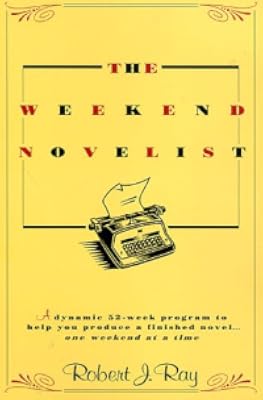
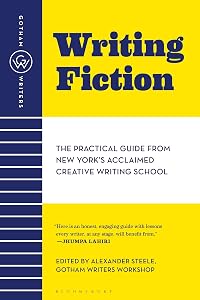
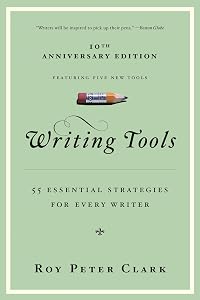

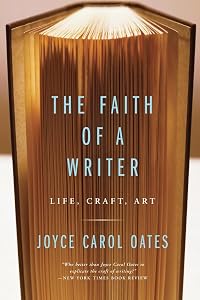
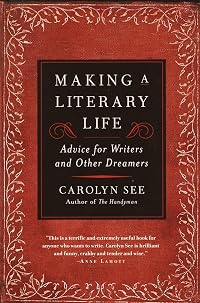
Member Recommendations
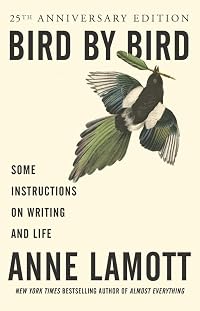
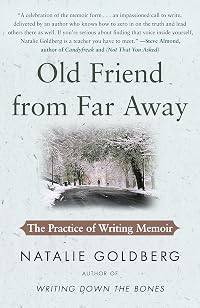
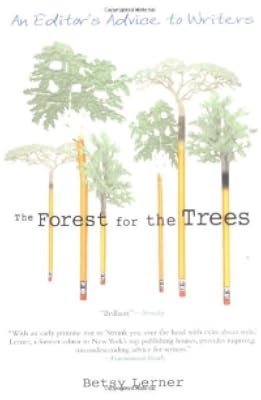
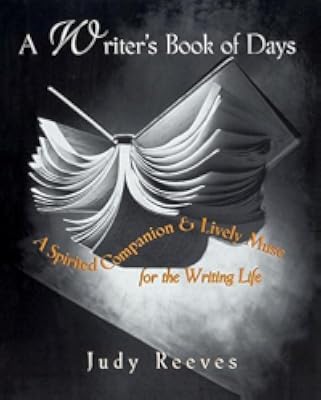
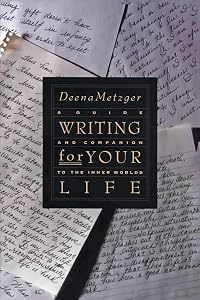
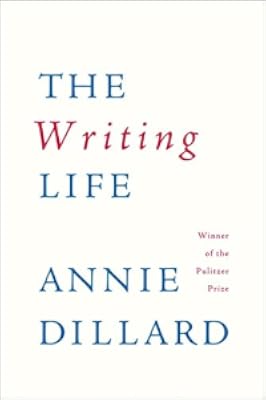
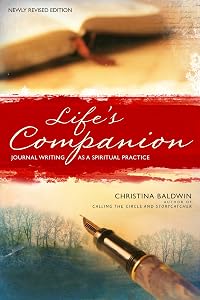
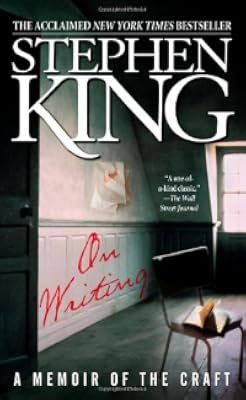
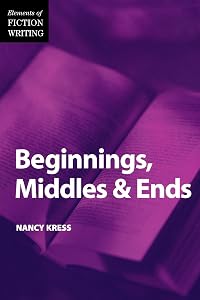
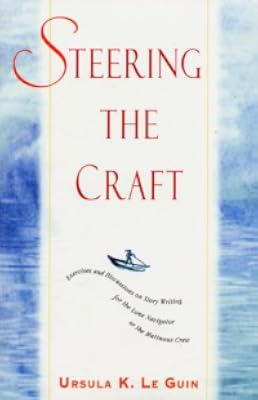
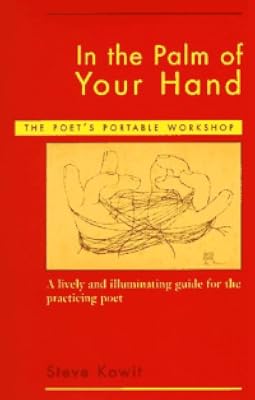
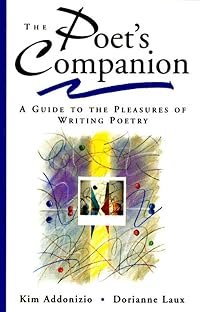
sturlington Goldberg is a practicing Buddhist. Her book references this one, and both are structured in a similar way and focus on the concept of practice.
Member Reviews
Writing Down the Bones is writing advice disguised as a Zen manual, or possibly the other way around. Goldberg's project as a writing instructor is to unleash your voice as an author. To do this, you have to get yourself into a particular kind of mindspace where you're as close to the universe as possible, and then let the words bubble up. The rules of language, syntax, grammar, spelling, your inner editor, are all obstacles in finding your voice. Make writing your practice, practice daily (but not in a chore-like obligatory way), and the hot words will come. And once you have some hot words, the step is to cut away everything but, to leave only the powerful truth.
There are some things I like. Goldberg's argument is radically show more democratic, anyone can be a writer, even to the point of outsider art. Writing should be a healing process, away from the torment of writer's block.
My caveats are that the book consists of short anecdotal sections, and only about half of them really hit for me. There's a lot of redundancy and things falling short. The second caveat is that Goldberg's advice is really tilted towards certain kinds of writing; poems, memoirs, auto-biographical short stories. More heavily crafted or plotted forms may require more structure than Zen. But she's essentially right on two key points, writer's have to write, and good voice can make up for many flaws. show less
There are some things I like. Goldberg's argument is radically show more democratic, anyone can be a writer, even to the point of outsider art. Writing should be a healing process, away from the torment of writer's block.
My caveats are that the book consists of short anecdotal sections, and only about half of them really hit for me. There's a lot of redundancy and things falling short. The second caveat is that Goldberg's advice is really tilted towards certain kinds of writing; poems, memoirs, auto-biographical short stories. More heavily crafted or plotted forms may require more structure than Zen. But she's essentially right on two key points, writer's have to write, and good voice can make up for many flaws. show less
What does Zen Buddhism have to do with writing? Natalie Goldberg asked the same question of her roshi (Zen Master). She had gravitated toward Zen mediation for self-discovery and to process the things in her life that were at loose ends. But she had a difficult time with meditation. The rosit suggested that she use writing as a Zen practice. The world opened up for Goldberg in a surprising way with the suggestion.
[Writing Down the Bones] is part prompt book, part philosophy, and part journal. Goldberg uses two to four pages to tackle a topic that would be important to a writer – like detail or syntax or topic. Then, she launches into an encouraging and instructive meditation on the topic. Her advice is common sense and not at all show more yogic, if you’re worried that you don’t want to have to grab a mat and light a candle. It’s writing and life that she wants to expose in each reader’s soul.
Among the most helpful sections were those on learning how to develop confidence and trust in the writing ability. Every writer, almost by definition, is plagued with self-doubt, but she preaches to embrace the practice of writing with regard only for what you express and what you learn about yourself in the process. Like David Morrell did, in [Lessons from a Lifetime of Writing: A Novelist Looks at His Craft], she sees writing as a doorway to self-understanding and discovery – you only have to engage the practice.
I can’t recommend this book highly enough for anyone who is already writing or who wants to write. I gifted a copy to a writing friend this Christmas, in hopes that it would mean as much to him as it has to me. Sometimes I read a few pages as a way to get in the right mindset to write. Sometimes the section I read spoke directly to the doubts I was having that very minute. [Writing Down the Bones] is an invaluable resource.
Bottom Line: The writing life, and life in general, through a Zen Buddhist lens.
5 bones!!!!!
A favorite for the year!!!!! show less
[Writing Down the Bones] is part prompt book, part philosophy, and part journal. Goldberg uses two to four pages to tackle a topic that would be important to a writer – like detail or syntax or topic. Then, she launches into an encouraging and instructive meditation on the topic. Her advice is common sense and not at all show more yogic, if you’re worried that you don’t want to have to grab a mat and light a candle. It’s writing and life that she wants to expose in each reader’s soul.
Among the most helpful sections were those on learning how to develop confidence and trust in the writing ability. Every writer, almost by definition, is plagued with self-doubt, but she preaches to embrace the practice of writing with regard only for what you express and what you learn about yourself in the process. Like David Morrell did, in [Lessons from a Lifetime of Writing: A Novelist Looks at His Craft], she sees writing as a doorway to self-understanding and discovery – you only have to engage the practice.
I can’t recommend this book highly enough for anyone who is already writing or who wants to write. I gifted a copy to a writing friend this Christmas, in hopes that it would mean as much to him as it has to me. Sometimes I read a few pages as a way to get in the right mindset to write. Sometimes the section I read spoke directly to the doubts I was having that very minute. [Writing Down the Bones] is an invaluable resource.
Bottom Line: The writing life, and life in general, through a Zen Buddhist lens.
5 bones!!!!!
A favorite for the year!!!!! show less
I don’t know if every writer is insecure, but this one is, and sometimes needs an encouraging prod to keep going. That is Natalie Goldberg’s great strength. I kept this book close while working on a project recently, and whenever I felt the urge to take a break for “just one” hand of solitaire, I picked Goldberg’s book up instead and read one of its short chapters (the fact that there are sixty of them in 170 pages gives you an idea of how short).
There are many small details in the book that remain with me, for instance, the image of the compost heap that we draw on as we write. Two of the main takeaways seem, on the surface, contrary. One is Goldberg’s recommendation to dive into the loneliness that is part of every show more writer’s existence. To observe it, to describe it.
The other is the degree to which writing is a communal activity. Goldberg talks of having a writing partner, making a date to sit in a cafe and write. Or of writing workshops that meet weekly for eight weeks. The routine she uses is to have participants write for short, set times, then read aloud. What makes Goldberg’s workshops different from writing courses I’ve taken is that no one comment on the texts after they are read aloud. Not even an “I know what you mean.” The desire to react after hearing the texts read then flows as energy into the next writing segment.
This is not the only good book on writing. It doesn’t offer much insight into how to transform your outpourings from self-expression into texts that others will enjoy reading. But you can’t publish a polished text until you’ve written something. This book will help you do that. Let Goldberg sit beside you, hold your free hand, and get your other hand, the one that holds your pen, get moving. show less
There are many small details in the book that remain with me, for instance, the image of the compost heap that we draw on as we write. Two of the main takeaways seem, on the surface, contrary. One is Goldberg’s recommendation to dive into the loneliness that is part of every show more writer’s existence. To observe it, to describe it.
The other is the degree to which writing is a communal activity. Goldberg talks of having a writing partner, making a date to sit in a cafe and write. Or of writing workshops that meet weekly for eight weeks. The routine she uses is to have participants write for short, set times, then read aloud. What makes Goldberg’s workshops different from writing courses I’ve taken is that no one comment on the texts after they are read aloud. Not even an “I know what you mean.” The desire to react after hearing the texts read then flows as energy into the next writing segment.
This is not the only good book on writing. It doesn’t offer much insight into how to transform your outpourings from self-expression into texts that others will enjoy reading. But you can’t publish a polished text until you’ve written something. This book will help you do that. Let Goldberg sit beside you, hold your free hand, and get your other hand, the one that holds your pen, get moving. show less
Dear Natalie,
Thanks for writing this book. Nowadays I have dreams about the sagging wooden cottage I was living in some 20+ years ago, the period in which I first read your book, dreams in which the ‘possums and ‘coons and snakes living underneath it crawl up and take it over. In those days I slept on the floor, worked in an Indy bookstore, helped out with local progressive politics and AIDS activism, ran and cycled long distances, and if I had needed to I would have found a few other intense activities to keep me from doing what I needed to do, which was to finish my dissertation. Your writing was clunky but humble and cheerful. It reminded me of the local food coop, where food was more expensive and tasted worse than the grocery show more store products, at least if you fed a steady sugar addiction as I did, but was tirelessly wholesome. I opted for the A&P, sorry Natalie, for cheap sugary peanut butter and breakfast cereal. But for writing, yeah, for writing I had developed a taste in the bookstore for the good stuff. The problem was (no surprise here), it was hard and I often stumbled. Natalie, your unusual combination of mysticism and common sense appealed to me even when I cringed sometimes at your own writing, particularly as “self indulgence” is a major crime for academic writers. But I learned to sit through the squirmy feeling and stay with you, and in doing that I learned also not to flinch prematurely from my own efforts. The dissertation got written. It was not poetry, Natalie, not that great a read at all, but it got written. Thanks for that.
Sincerely,
A humbled reader show less
Thanks for writing this book. Nowadays I have dreams about the sagging wooden cottage I was living in some 20+ years ago, the period in which I first read your book, dreams in which the ‘possums and ‘coons and snakes living underneath it crawl up and take it over. In those days I slept on the floor, worked in an Indy bookstore, helped out with local progressive politics and AIDS activism, ran and cycled long distances, and if I had needed to I would have found a few other intense activities to keep me from doing what I needed to do, which was to finish my dissertation. Your writing was clunky but humble and cheerful. It reminded me of the local food coop, where food was more expensive and tasted worse than the grocery show more store products, at least if you fed a steady sugar addiction as I did, but was tirelessly wholesome. I opted for the A&P, sorry Natalie, for cheap sugary peanut butter and breakfast cereal. But for writing, yeah, for writing I had developed a taste in the bookstore for the good stuff. The problem was (no surprise here), it was hard and I often stumbled. Natalie, your unusual combination of mysticism and common sense appealed to me even when I cringed sometimes at your own writing, particularly as “self indulgence” is a major crime for academic writers. But I learned to sit through the squirmy feeling and stay with you, and in doing that I learned also not to flinch prematurely from my own efforts. The dissertation got written. It was not poetry, Natalie, not that great a read at all, but it got written. Thanks for that.
Sincerely,
A humbled reader show less
Natalie Goldberg’s guide for writers seeks to free authors to engage their own minds in writing. Using Zen Buddhism as a template, she describes the practice of writing as similar to meditation in that an author engages her/his own mind. She seeks to free writers from a persistent “inner critic” who chatters doubts, hangups, and insecurities. She labels this the “monkey mind” in contrast to a “creative mind.” As she does in writing seminars, she even proscribes a set duration of writing each day, much like one would engage in prayer or meditation.
Goldberg herself comes from a non-practicing Jewish background. She had no strong educational awards to fall back on but became inspired in the feminist movement to do something show more noteworthy. She eventually gained a Buddhist mentor whose influence is all over this book and her life. She even re-engaged with Judaic spiritual rhythms.
She speaks in very earthy tones with strong metaphors, which increases reader engagement with the book. This audiobook contains the original text of her book along with interviews about each chapter done over a decade later. Goldberg is sometimes surprised at her confidence and at other times, critiques her younger self. This added dynamic makes the audiobook even more interesting.
Obviously, this book is intended primarily for authors and writing professionals. However, anyone who wants a more transparent relationship with the writing process, whether in business emails or even with computer code (my trade), can benefit from Goldberg’s advice. She simply cautions writers to tone down their self-criticism and actually get down to the process of honest writing. Most readers will engage better with what the author finds most meaningful and relatable. Self-actualization is a key part of the process. This perspective can engage with better writing and better living in 2023 as well as it originally did in the 1980s. show less
Goldberg herself comes from a non-practicing Jewish background. She had no strong educational awards to fall back on but became inspired in the feminist movement to do something show more noteworthy. She eventually gained a Buddhist mentor whose influence is all over this book and her life. She even re-engaged with Judaic spiritual rhythms.
She speaks in very earthy tones with strong metaphors, which increases reader engagement with the book. This audiobook contains the original text of her book along with interviews about each chapter done over a decade later. Goldberg is sometimes surprised at her confidence and at other times, critiques her younger self. This added dynamic makes the audiobook even more interesting.
Obviously, this book is intended primarily for authors and writing professionals. However, anyone who wants a more transparent relationship with the writing process, whether in business emails or even with computer code (my trade), can benefit from Goldberg’s advice. She simply cautions writers to tone down their self-criticism and actually get down to the process of honest writing. Most readers will engage better with what the author finds most meaningful and relatable. Self-actualization is a key part of the process. This perspective can engage with better writing and better living in 2023 as well as it originally did in the 1980s. show less
I cannot believe that I didn't love this book when I was in college. It's filled with gem after gem after gem. I guess it's just a case of the right book at the right time.
Goldberg gives writing encouragement and prompts from a Zen buddhist perspective. The idea of writing as meditation really struck me, as well as the idea that the value of writing is in the act of writing and not in the story/poem/novel in which it results.
I checked this one out from the library, but it's going on my list of books to buy. I can see picking this one up and reading a chapter or two every time I need a little encouragement.
Goldberg gives writing encouragement and prompts from a Zen buddhist perspective. The idea of writing as meditation really struck me, as well as the idea that the value of writing is in the act of writing and not in the story/poem/novel in which it results.
I checked this one out from the library, but it's going on my list of books to buy. I can see picking this one up and reading a chapter or two every time I need a little encouragement.
I read this for the second time as I prepared for my first experience as facilitator for a writing class. In the process, I became aware that no better guide for a new writing group exists. Her advice is timeless. At each turn of a page I was reminded why this little volume has never been out of print since its 1986 publication. With frequent reference to her experiences as a student of Zen, Goldberg writes a little about her process as a writer and a teacher of writing and a lot about creative exercises to awaken the muse. She compares the daily practice of writing to the daily practice of running, something that you do whether you feel like it or not. If you practice as Goldberg instructs, you will, over time, develop your own writing show more rituals. In the meantime, Goldberg's instruction and exercises will grease the wheels, clear the cogs, and seduce the imagination to yield its naked creativity. show less
Members
- Recently Added By
Lists

Classics you know you should have read but probably haven't
421 works; 407 members

Writing
10 works; 4 members

Craft Books
41 works; 1 member

Blue Pyramid 1,276 Best Books of All Time
1,248 works; 32 members

Books Read in 2011
684 works; 19 members

2021
26 works; 1 member

Books recommended by Calgary Public Library staff
1,588 works; 4 members
Author Information

42+ Works 10,904 Members
Natalie Goldberg is the author of fourteen books. She has led workshops and retreats for forty years nationally and internationally. She has also painted for as long as I she has written. She lives in northern New Mexico. For more information, please visit www.nataliegoldberg.com.
Series
Belongs to Publisher Series
Common Knowledge
- Canonical title*
- Schreiben in Cafés
- Original title
- Writing Down the Bones: Freeing the Writer Within
- Alternate titles*
- Der Weg des Schreibens
- Original publication date
- 1986-10-15
- Dedication
- For all my students past, present, and future and for Kate Green and Barbara Schmitz.
May we all meet in heaven cafe writing for eternity. - First words
- Foreword:
Some years ago, while cleaning out my grandmother's attic, I came across this motto encased in an old oak picture frame: Do Your Work As Well As You Can and Be Kind.
Introduction:
I was a goody-two-shoes all through school. - Quotations
- This is why it is good to remember: if you want to get high, don’t drink whiskey; read Shakespeare, Tennyson, Keats, Neruda, Hopkins, Millay, Whitman, aloud and let your body sing.
- Last words
- (Click to show. Warning: May contain spoilers.)And though we would rather be in the high hills of Tibet than at our desks in Newark, New Jersey, and though death is howling at our backs and life is roaring at our faces, we can just begin to write, simply begin to write what we have to say.
(Click to show. Warning: May contain spoilers.)Epilogue:
I tell myself, "Natalie, this book is done. You will write another one." - Canonical DDC/MDS
- 808.02
- Canonical LCC
- PN145
*Some information comes from Common Knowledge in other languages. Click "Edit" for more information.
Classifications
- Genre
- Nonfiction
- DDC/MDS
- 808.02 — Literature & rhetoric Literature, rhetoric & criticism Rhetoric and collections of literary texts from more than two literatures Rhetoric and anthologies Authorship techniques, plagiarism, editorial techniques
- LCC
- PN145 — Language and Literature Literature (General) Literature (General) Authorship
- BISAC
Statistics
- Members
- 6,053
- Popularity
- 2,114
- Reviews
- 83
- Rating
- (4.05)
- Languages
- 9 — Chinese, Danish, Dutch, English, Finnish, German, Italian, Spanish, Swedish
- Media
- Paper, Audiobook, Ebook
- ISBNs
- 35
- UPCs
- 1
- ASINs
- 25