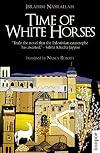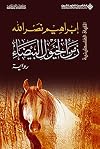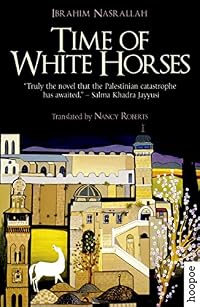
Time of White Horses
by Ibrahim Nasrallah
On This Page
Description
Shortlisted for the International Prize for Arabic Fiction Spanning the collapse of Ottoman rule and the British Mandate in Palestine, this is the story of three generations of a defiant family from the Palestinian village of Hadiya before 1948.Through the lives of Mahmud, elder of Hadiya, his son Khaled, and Khaled's grandson Naji, we enter the life of a tribe whose fate is decided by one colonizer after another. Khaled's remarkable white mare, Hamama, and her descendants feel and share the show more family's struggles and as a siege grips Hadiya, it falls to Khaled to save his people from a descending tyranny. show lessTags
Recommendations

















Member Reviews
زمن الخيول البيضاء.. لا أعرف –والله– كيف لي أن أوفِيَ زمناً كهذه حقَه في مراجعة !ـ
كيف تختصر ملحمة - كهذه- يؤرخ فيها كاتبٌ مبدعٌ لآلام أمةٍ بأكملها !ـ
من العنوان إلى آخر حرفٍ في الرواية قمةُ التشويق و الألم الروائى ..ـ
زمن الخيول البيضاء.. نسبةُ هذا الزمان للخيل يهمس لك بصفاته ! .. زمانٌ صفته الشجاعة و الأصالة و الجمال كصفات الخيل .. ناصع البياض كلونها .. زمانٌ حرٌ أصيلٌ مثلها !ـ
الخيل بناتُ "الريح" .. تعرفُ ابنَ show more الأرضِ من قسماتهِ التي تشبهُ "ترابها" و تتنكر للدهماء و الخونة و المنافقين من بني "البشر" !ـ
عمر الرواية و مكانُها
مائة عامٍ و يزيد هو عمر هذا الزمن .. ثلاثة أجيالٍ لعائلة فلسطينية واحدة من قرية " الهادية" .. هذه القرية التي تخيلها الكاتب ، و ما هي في الحقيقة إلا ربوع فلسطين كلها !ـ
ترجمَ كاتبنا المبدع ملحمته الروائية الرائعة بأسلوب شاعري جذاب ، تشعر معه أنه لم يترك حتى أدق التفاصيل و الموروثات و العادات الشعبية .. زرع -بصمود الأجيال الثلاثة و جهادهم و حياتهم- الأملَ في القلوب من جديد مع قدرٍ لا يقل عنه من الألم !
من خلال عائلة الحاج "محمود" و بخاصة ابنه "خالد" .. كانت فصول الرواية الثلاث ( الريح – التراب – البشر )الممتدة عبر قرن من الزمان في مقاومة البطش العثماني، و من بعده الإحتلال الإنجليزي، إلى جهادهم ضد كلاب الأرض من الصهاينة على أرض فلسطين !
الباب الأول – الريح : ريح انجليزية محتلة تقتلع جذور الخلافة العثمانية الضعيفة المستبدة من فلسطين
هنا تبدأ الرواية .. صوت الريح يتصاعد مؤذنا بنهاية الخلافة العثمانية النى ضعفت .. و ياللعجب فبالرغم من ضعفها استبدت ،أو قل مع استبدادها ضعُفت ..! كان يجب أن يُحْكِم آخر سلاطين الخلافة غلقَ الأبواب و النوافذ حتى لا تذهب مع ثورة ريح الانجليز المجرمين !
هنا ترى كيف أننا كنّا السبب منذ البدء في ضياع الأرض .. بفساد حكامنا و كثرة الظلم ( من جمع للضرائب بطرق تعسفية – و بطش الأعوان بشكل لا يقبله أي أحد – حروب خاسرة ..إلخ من مظاهر الاستبداد) .. كان لابد لريح الانجليز أن تقتلع جذور الخلافة من أراضي المسلمين ؛ فسلاطين الخلافة هم من مهدوا لها الطريق .. ثم لتعطى الوعد المشئوم لكلاب الصهاينة ليلوثوا بنجاساتهم طهر أراضينا .. النتائج دائما هي محصلة للمقدمات والأسباب !
الهادية هي موطن الرواية.. يرسم لنا الكاتب فيها الروح الفلسطينية ، و يأخذ بأيدينا لنرى عن قرب ملامح أهل فلسطين و عاداتهم و تقاليدهم .. الهادية هي كل فلسطين حقيقةً .. بلادٌ في حجم القلب ، لاشئ فيها بعيد و لا شئ فيها غريب !
الخيول هنا بارزة جدا منذ البداية .. أرى فيها رمزية القيم العليا و الأصيلة التي تسكن روح أرض فلسطين و أهلها .. عجيبة هي الخيل في هذه الرواية .. تراها تبكي، و تضحك، بل وتعشق، وتأخذ مكانة لا تضاهيها مكانة عند أصحابها تصل لتقبيل أقدامها !
الباب الثاني – التراب : بداية احتلال الانجليز لتراب فلسطين و وعدهم المشئوم لكلاب الصهاينة
التراب .. كلمة قد تأتي بها في سياق المدح أو للذم !
فمع الاحتلال الإنجليزي لفلسطين بدأت المعركة على " التراب " .. تراب فلسطين !
هنا ألصقوا رؤوسنا و أنوفنا بـ " التراب " .. نستحق ما نحن فيه من الذلة .. فما هو إلا صُنع أيدينا
ظهور الخونة و المنافقين ( كالزعامات الكاذبة ) الذين باعوا الأرض و استرخصوا " تراب " الأوطان ... زمن العدوان على الأوطان و الثورات دائما يفضح المنافقين و العملاء ، يُظهر لك وجه عدوك جلياً لا تخطئه !
أبواب الريح التى فُتحت في آخر عهد العثمانيين ، ها هي تثير " التراب " في الوجوه ..لكن .. يجب ألا ننكسر .. قد ننتصر مرة أو ننهزم مرة .. يجب ألا ننكسر .. فالأمل باقٍ ..فبرجال كـ "خالد" و من معه بدأت المقاومة و لدفاع عن " تراب " الوطن في وجه المغتصب .. في وجه من أعطى وعداً للكلاب أن تلوث الأرض بنجاسة لا بمحوها حتى أن تحثو عليها " تراب " الأرض جميعا !
و علينا ألا نبكي على من استُشهد فدموعنا –والله- تلوث جراحَه ، بل يجب علينا أن نسير على دربه .. فبهذا ننتصر !
هذا ما تعلمته من مشهد موت البطل " خالد" في هذا الباب الذي أثّر قيّ كثيراً .. فقد تذكرت أنه في الباب السابق"الريح" أُطلق عليه النار و ظننت أنه مات .. فاجئتني عودته و مشهد قبره المفتوح تُزهر عليه زهرةً ..!
فلا شك أن موت الأبطال يبكينا و لكن يجب ألا يكسرنا ، فدماؤه ما هي إلا بداية جديدة لنا ، و لا يعني موتُه أبدا نهاية القصة .. فإذا مات البطل سيُزهر من صلبه و صلب غيره زهور أبطال كُثر سائرين على نفس الدرب ! ..
على قدر الألم الذي شعرت به في هذا الباب و الدموع التى سكبتها ، على قدر ما زُرع في داخلي أمل كبير يتجدد بأننا سننتصر فنحن لا ننكسر !
الباب الثالث – البشر: زمن العصابات اليهودية و المستوطنات و النكبة
هنا تُسكب العبرات !
العصابات اليهودية تعتدى و تقتل و تدمر .. لا يفرقون بين البشر و الشجر و الحجر .. يدعمه كلاب الإنجليز و الطابور الخامس في بلادنا !
المقاومة تشتد .. لكن الخيانة أعظم في بلادنا
عمليات التهجير الإجبار ي و الطرد ... شلالات الدموع في العيون التى لم تتوقف حتى يومنا
سمية تنشد في عتمة عربة التهجير من الأوطان :
عمي يا أبو الفانوس
نوّر لي ها العتمة
خوفي الطريق يطول يابا
و يطول معك همّي .. و يطول معاك همّي
لكننا -إليها- بوعد الله مهما طال الزمن عائدون!
.
.
.
إذا كنت تشعر بخبو شعلة الحزن في قلبك على بلادنا المحتلة و تشعر بإلف مأساة فلسطين – من كثرة الألم الذي أفقدنا الإحساس – فأنا ادعوك لقراءة هذه الرواية التى توقظ الألم و الأمل معاً في قلبك من جديد !
show less
The Palestinian heritage.
This impressive work tells the fascinating story of the life of a village from the turn of the twentieth century until the incoming Jews of 1948 absorb the land and the villagers become refugees. Although fiction, the narrative is based on fact, interspersed with italicised quotes from people who survived those turbulent times. It is also an interesting mix of narrative and mythology.
We mainly follow the fortunes of a family living in the village of Hadiya (meaning Peaceful), headed by Hajj Mahmud, and succeeded by his son Khalid. Khalid rescues a striking white mare, al-Hamama, which eventually becomes his and which he is totally obsessed by.
The life of such a village is poetically described, with many show more anecdotes of village life. Marriages, births, deaths, and the growing of crops, all take place at a leisurely pace, until life is turned upside down by the threat of war and defense of the land.
My lowly rating of only three stars is based on my actual enjoyment of reading the book, which I found rather tedious and long-winded. However, writing this, three months after finishing the book, I realise that it has left a lasting impression on me, of how the Zionists infiltrated Palestinian lands, insidiously squeezing out the native Palestinians.
The author, born to Palestinian parents in Jordan in 1954, grew up in a refugee camp there and is uniquely placed to narrate this story. The translation, by Nancy Roberts, was smooth and lucid. A difficult book to read but well worth the effort. show less
This impressive work tells the fascinating story of the life of a village from the turn of the twentieth century until the incoming Jews of 1948 absorb the land and the villagers become refugees. Although fiction, the narrative is based on fact, interspersed with italicised quotes from people who survived those turbulent times. It is also an interesting mix of narrative and mythology.
We mainly follow the fortunes of a family living in the village of Hadiya (meaning Peaceful), headed by Hajj Mahmud, and succeeded by his son Khalid. Khalid rescues a striking white mare, al-Hamama, which eventually becomes his and which he is totally obsessed by.
The life of such a village is poetically described, with many show more anecdotes of village life. Marriages, births, deaths, and the growing of crops, all take place at a leisurely pace, until life is turned upside down by the threat of war and defense of the land.
My lowly rating of only three stars is based on my actual enjoyment of reading the book, which I found rather tedious and long-winded. However, writing this, three months after finishing the book, I realise that it has left a lasting impression on me, of how the Zionists infiltrated Palestinian lands, insidiously squeezing out the native Palestinians.
The author, born to Palestinian parents in Jordan in 1954, grew up in a refugee camp there and is uniquely placed to narrate this story. The translation, by Nancy Roberts, was smooth and lucid. A difficult book to read but well worth the effort. show less
I have learned so much so what it must have been like for the Palestinians during the decades of occupation under the Ottoman Empire, British Rule, and Zionist settlers. It is definitely one sided; not an unbiased novel. But I was fully engaged, and shown a perspective that I have not otherwise ever encountered.
Ratings
Members
- Recently Added By
Lists

Middle East Fiction
179 works; 15 members
Author Information

34+ Works 246 Members
Some Editions
Awards and Honors
Awards
Notable Lists
Common Knowledge
Classifications
- Genres
- Fiction and Literature, General Fiction, Historical Fiction
- DDC/MDS
- 892.736 — Literature & rhetoric Literatures of other languages Afro-Asiatic literatures Arabic (Egypt, Lebanon, Palestine, Saudi Arabia, Sudan) Arabic fiction 1945–2000
- LCC
- PJ7852 .A688 .Z3513 — Language and Literature Oriental languages and literatures Oriental philology and literature Arabic Arabic literature Individual authors or works
- BISAC
Statistics
- Members
- 90
- Popularity
- 354,722
- Reviews
- 3
- Rating
- (4.30)
- Languages
- Arabic, English
- Media
- Paper, Ebook
- ISBNs
- 5
- ASINs
- 3