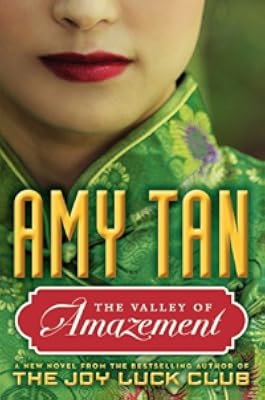
The Valley of Amazement
by Amy Tan
On This Page
Description
Violet Minturn, a half-Chinese/half-American courtesan who deals in seduction and illusion in Shanghai, struggles to find her place in the world, while her mother, Lucia, tries to make sense of the choices she has made and the men who have shaped her.Tags
Recommendations
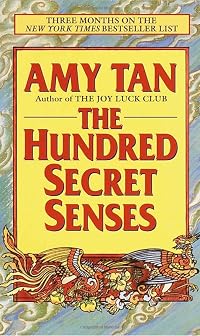

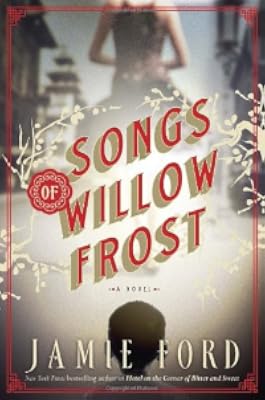
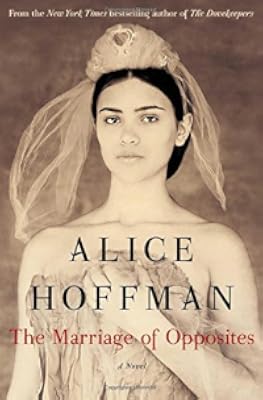
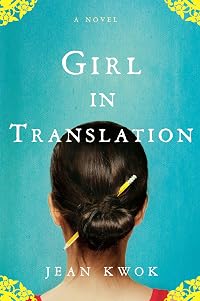

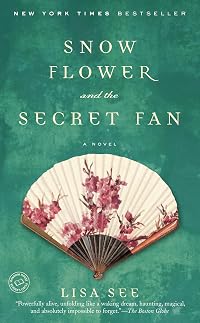

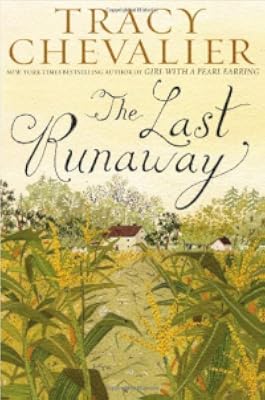
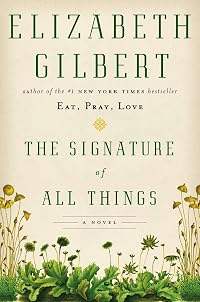
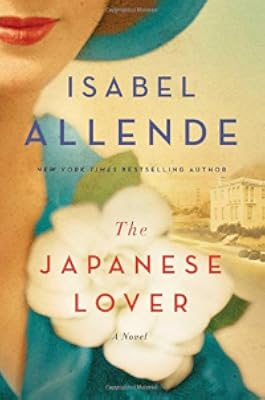


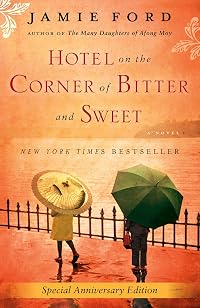
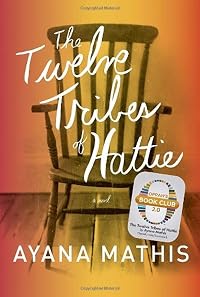
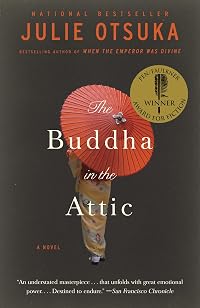
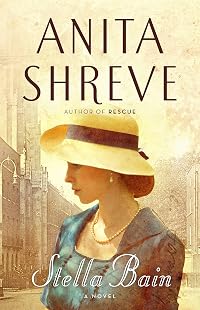
Member Recommendations
Member Reviews
The Valley of Amazement by Amy Tan tantalizes all the senses as it immerses one into a world both one wants to inhabit and one wants to run away from. Tan creates characters that are at once likable and unlikable. The Valley of Amazement explores the intricate complexity that makes up human beings. Tan had me cheering for a character one minute and wishing ill on the character the next and then back to cheering even while sometimes feeling guilty about my own reactions. I read The Valley of Amazement slowly, a little bit at a time, taking in what I could and sometimes avoiding what I knew instinctively was coming even while hoping it wasn't. Tan kept me engrossed in the story even at times when I didn't like where it was going. or when show more one character or the other made decisions that made no sense, at least to me. Every night when I picked up The Valley of Amazement I felt transported to a time, place, and experience that would never be my own yet I felt a connection in the way that reminded me the world is filled with people whose experiences I can only witness and that there are those who can only witness my life experiences. show less
I am a big Amy Tan fan, but this book was just way too dark for me. It's a well-told story, but it's also a story filled with relentless bad luck and depressing episodes.
I think the subject matter was very interesting, and the ending was very well set up for a sequel. I'd love to continue this story and get a bit of happiness out of it. I know that the lives of sex workers are not always happy, but, like I said, the darkness in this book was just relentless and not my cup of tea.
I think the subject matter was very interesting, and the ending was very well set up for a sequel. I'd love to continue this story and get a bit of happiness out of it. I know that the lives of sex workers are not always happy, but, like I said, the darkness in this book was just relentless and not my cup of tea.
Although I love Amy Tan's writing, and this novel is a fast-paced read, it's about 200 pages too long. It needed a strong editorial hand to shape it. The sprawling narrative form reminded me a bit of Stephen King's novels that go on and on and on. There is at least one entire episode of Violet's life that could be easily excised from the novel.
Set in late 19th c. San Francisco and early 20th c. Shanghai, the novel primarily focuses on Violet Minturn, the daughter of Lucia Minturn and a Chinese artist, Lu Shin, whom Lucia has followed to Shanghai. Rejected by his family, Lucia, in partnership with a Chinese woman, Golden Dove, set up a series of bars culminating in a first-class courtesan house/ gentlemen's club where Western and Asian show more businessmen mingled to set up mutually beneficial business deals. When the Ching dynasty was overturned, and Shanghai became dangerous for Westerners, Lucia decided to return to San Francisco. Swindled and tricked by a lover, she was separated from Violet, then 14, who was kidnapped and sold as a "virgin courtesan." In her training to be a first-class courtesan, we learn much about that particular society and how Shanghai culture was adapting to the 20th c. Despite my formal reservations about the novel, I enjoyed it, and I'm sure others who like Amy Tan and are interested in the era and in troubled mother-daughter relationships will also enjoy it. It's just not my favorite of her works. show less
Set in late 19th c. San Francisco and early 20th c. Shanghai, the novel primarily focuses on Violet Minturn, the daughter of Lucia Minturn and a Chinese artist, Lu Shin, whom Lucia has followed to Shanghai. Rejected by his family, Lucia, in partnership with a Chinese woman, Golden Dove, set up a series of bars culminating in a first-class courtesan house/ gentlemen's club where Western and Asian show more businessmen mingled to set up mutually beneficial business deals. When the Ching dynasty was overturned, and Shanghai became dangerous for Westerners, Lucia decided to return to San Francisco. Swindled and tricked by a lover, she was separated from Violet, then 14, who was kidnapped and sold as a "virgin courtesan." In her training to be a first-class courtesan, we learn much about that particular society and how Shanghai culture was adapting to the 20th c. Despite my formal reservations about the novel, I enjoyed it, and I'm sure others who like Amy Tan and are interested in the era and in troubled mother-daughter relationships will also enjoy it. It's just not my favorite of her works. show less
Enjoyable enough but the plot and structure didn't quite work for me. The book was broken into three parts, the first and longest from the daughter's point of view, the second from the mother's point of view, and the third from the daughter's point of view again. I didn't find the change in point of views to be successful because the mother's "voice" was not very different from that of her daughter. Additionally, the mother's section spanned far more years than the daughter's but was half as long, so it seemed rushed and expository. Finally, in that the mother's and daughter's life experiences were quite similar, the plot seems too contrived to be plausible. It was also implausible that the women (courtesans) who all had so much show more difficulty in their lives with so few choices should all marry well in the end./ show less
I loved The Joy Luck Club| and The Kitchen God's Wife and was very excited to find this book at a library sale.
Since I always seem to start out with the negatives, I want to say that there was a lot here that I loved. As with the other two books of Tan's that I've read, there's a fantastic cast of well-structured characters, some of them almost mythical in their story lines (like Madam Li and Perpetual). The world building is beautifully thorough as well: though I know next to nothing about early-twentieth-century Shanghai, I felt as though I could clearly envision the worlds that Lulu and Violent walked through. (Granted, my few childhood years in Singapore probably give me more of a leg up in the mind's eye than most people get.)
Part show more of what I loved about the previous two Amy Tan novels I've read was the interaction between different generations of women from different cultures. The cover copy of this book promised "two women's intertwined fates" and "spanning more than forty years and two continents", but we only had Violet's point of view for the first 432 pages! An occasional side trip for a story from a secondary character's perspective did help keep from bogging down--Magic Gourd's whole chapter, "Etiquette for Beauties of the Boudoir," was a definite highlight. I was a bit sad that after over 500 pages, we didn't get this kind of dedication to Flora's story--just a few pages of monologue that didn't feel as real as anyone else's.
My chief complaint, though, was how bleak the book was overall. Children with good lives hated their parents. Day-to-day life, which might have offered chance for everyday humor or simple pleasures, was skipped over quickly. We didn't learn much about how Violet adjusted to her fate, what her lessons were like, how she felt about taking different men as lovers.
I almost gave up around the middle, but I held out for the things I loved in Tan's other writing--and sure enough, they appeared. At Violet's bleakest moment, she forges a new bond and finally makes a desperate plan to escape--something I'd been waiting for since the beginning. Her experience with other women, her coming into her own, her finally starting to reach out to others made the rest of the upper-side-of-average book worth it.
From an editorial standpoint, I do wish we could have had more of the Minturn women interwoven with the others. I'm heavily biased toward the structure of The Joy Luck Club--it was one of the first books I read that wasn't a straight-to-the-end narrative. While I don't think the suspense would have held as neatly with Lulu's story appearing sooner, I do think it would help resolve some of the disconnect between the love she expresses for her daughter in her section and the great dearth of it that Violet reports. Surely some of Lulu's gestures would have come across even the most petulant child's self-centeredness? And why would Lulu give her daughter amber, the symbol of her hatred for her own mother?
I'm glad I got to read Amy Tan's latest book, and I look forward to chipping away at her previous novels as well...but I'll be leaving this book at the office for someone else to enjoy rather than keeping it in my hoard. show less
Since I always seem to start out with the negatives, I want to say that there was a lot here that I loved. As with the other two books of Tan's that I've read, there's a fantastic cast of well-structured characters, some of them almost mythical in their story lines (like Madam Li and Perpetual). The world building is beautifully thorough as well: though I know next to nothing about early-twentieth-century Shanghai, I felt as though I could clearly envision the worlds that Lulu and Violent walked through. (Granted, my few childhood years in Singapore probably give me more of a leg up in the mind's eye than most people get.)
Part show more of what I loved about the previous two Amy Tan novels I've read was the interaction between different generations of women from different cultures. The cover copy of this book promised "two women's intertwined fates" and "spanning more than forty years and two continents", but we only had Violet's point of view for the first 432 pages! An occasional side trip for a story from a secondary character's perspective did help keep from bogging down--Magic Gourd's whole chapter, "Etiquette for Beauties of the Boudoir," was a definite highlight. I was a bit sad that after over 500 pages, we didn't get this kind of dedication to Flora's story--just a few pages of monologue that didn't feel as real as anyone else's.
My chief complaint, though, was how bleak the book was overall. Children with good lives hated their parents. Day-to-day life, which might have offered chance for everyday humor or simple pleasures, was skipped over quickly. We didn't learn much about how Violet adjusted to her fate, what her lessons were like, how she felt about taking different men as lovers.
I almost gave up around the middle, but I held out for the things I loved in Tan's other writing--and sure enough, they appeared. At Violet's bleakest moment, she forges a new bond and finally makes a desperate plan to escape--something I'd been waiting for since the beginning. Her experience with other women, her coming into her own, her finally starting to reach out to others made the rest of the upper-side-of-average book worth it.
From an editorial standpoint, I do wish we could have had more of the Minturn women interwoven with the others. I'm heavily biased toward the structure of The Joy Luck Club--it was one of the first books I read that wasn't a straight-to-the-end narrative. While I don't think the suspense would have held as neatly with Lulu's story appearing sooner, I do think it would help resolve some of the disconnect between the love she expresses for her daughter in her section and the great dearth of it that Violet reports. Surely some of Lulu's gestures would have come across even the most petulant child's self-centeredness? And why would Lulu give her daughter amber, the symbol of her hatred for her own mother?
I'm glad I got to read Amy Tan's latest book, and I look forward to chipping away at her previous novels as well...but I'll be leaving this book at the office for someone else to enjoy rather than keeping it in my hoard. show less
This novel is a tiny bit pat, as Ms Tan's novels can be, but The Valley of Amazement is still a grand tale of female agency and endurance of tragic circumstances in early twentieth Shanghai and, in part, San Francisco. TW: rape, kidnapping, male Machiavellian chicanery.
With her first novel in eight years, Amy Tan returns to the theme that she does so well: mothers and daughters. Spanning four generations and two continents, The Valley of Amazement tells us the story of Lucia (Lulu), her daughter Violet, Violet’s daughter Flora, and Magic Gourd, the courtesan who stood in as surrogate mother to Violet after her mother left her in Shanghai.
Conflicts with her mother and father lead Lulu to become sexually active at a young age and at a time when this was not permissible to women. When she falls in love with a visiting Chinese artist, she runs away from home and follows him to Shanghai. But she ends up having to make her own way, with Violet a toddler and her infant son kidnapped by the artist’s show more family. With few paths open to a woman in China at the time, Lulu chooses to establish a courtesan house, which becomes renowned for accepting both Western and Chinese clients and for providing business advice. She becomes wealthy, but doesn’t realize what growing up in a brothel, however high class, is doing to her daughter, who feels the business- and her missing brother- mean more to Lulu than Violet does, just as Lulu had felt her mother’s passion for science mean more to her than Lulu did.
The story is written from more than one point of view; Violet, Magic Gourd, and Lulu all take a turn speaking. All have hard lives; the men in their lives are, for the most part, uncaring as to the needs of the women, treating them as objects that will be dealt with only when convenient- or even keeping them as outright slaves. Taking place in the dawn of the 20th century, the story is set against the political and social changes that took place in China.
I loved this book and couldn’t put it down. The details of the lives of these women made them come alive; what they wore, what they were expected to do, how they felt. I have to admit I had a hard time liking Violet at first; she comes off as a spoiled brat in some ways, but when you figure that she was being left on her own so much of the time, with only her cat as a friend, it’s hard to expect her to be otherwise. And she very quickly learned how hard life could be later. I was disappointed in ‘Saving Fish From Drowning’ but I’m very happy to see that Tan has returned with a great story. show less
Conflicts with her mother and father lead Lulu to become sexually active at a young age and at a time when this was not permissible to women. When she falls in love with a visiting Chinese artist, she runs away from home and follows him to Shanghai. But she ends up having to make her own way, with Violet a toddler and her infant son kidnapped by the artist’s show more family. With few paths open to a woman in China at the time, Lulu chooses to establish a courtesan house, which becomes renowned for accepting both Western and Chinese clients and for providing business advice. She becomes wealthy, but doesn’t realize what growing up in a brothel, however high class, is doing to her daughter, who feels the business- and her missing brother- mean more to Lulu than Violet does, just as Lulu had felt her mother’s passion for science mean more to her than Lulu did.
The story is written from more than one point of view; Violet, Magic Gourd, and Lulu all take a turn speaking. All have hard lives; the men in their lives are, for the most part, uncaring as to the needs of the women, treating them as objects that will be dealt with only when convenient- or even keeping them as outright slaves. Taking place in the dawn of the 20th century, the story is set against the political and social changes that took place in China.
I loved this book and couldn’t put it down. The details of the lives of these women made them come alive; what they wore, what they were expected to do, how they felt. I have to admit I had a hard time liking Violet at first; she comes off as a spoiled brat in some ways, but when you figure that she was being left on her own so much of the time, with only her cat as a friend, it’s hard to expect her to be otherwise. And she very quickly learned how hard life could be later. I was disappointed in ‘Saving Fish From Drowning’ but I’m very happy to see that Tan has returned with a great story. show less
Members
- Recently Added By
Published Reviews
ThingScore 88
In her first novel since 2005’s Saving Fish from Drowning, Tan again explores the complex relationships between mothers and daughters, control and submission, tradition and new beginnings. Jumping from bustling Shanghai to an isolated village in rural China to San Francisco at the turn of the 19th century, the epic story follows three generations of women pulled apart by outside forces. The show more main focus is Violet, once a virgin courtesan in one of the most reputable houses in Shanghai, who faces a series of crippling setbacks: the death of her first husband from Spanish influenza, a second marriage to an abusive scam artist, and the abduction of her infant daughter, Flora. In a series of flashbacks toward the book’s end, Violet’s American mother, Lulu, is revealed to have suffered a similar and equally disturbing fate two decades earlier. The choice to cram the truth behind Lulu’s sexually promiscuous adolescence in San Francisco, her life as a madam in Shanghai, and Violet’s reunion with a grown Flora into the last 150 pages makes the story unnecessarily confusing. Nonetheless, Tan’s mastery of the lavish world of courtesans and Chinese customs continues to transport. show less
added by shieldwolf
In her first novel in eight years, Amy Tan (Saving Fish From Drowning; The Joy Luck Club) spins a tale that propels us into the lives of three generations of women on both sides of the Pacific. At its vortex is half-Chinese and half-American Violet, an infinitely charismatic Shanghai courtesan who despite her material prosperity and professional success struggles with her identity, her past, show more and the possibility of real love. Tan's portrait of Violet's dominant, yet emotionally wounded mother Lucia possesses a poignancy that threads the novel together into a piece show less
added by shieldwolf
Lists

Top Five Books of 2013
1,562 works; 721 members

Asia
178 works; 7 members

Books Read in 2018
4,360 works; 110 members

Asian American Literature
46 works; 6 members
Author Information

40+ Works 53,642 Members
Some Editions
Awards and Honors
Awards
Distinctions
Notable Lists
Common Knowledge
- Canonical title
- The Valley of Amazement
- Original title
- The Valley of Amazement
- Original publication date
- 2013-11-15
- People/Characters
- Violet Minturn; Lucretia Minturn; Lu Shing
- Important places
- Shanghai, China
- Epigraph*
- Quicksand years that whirl me I know not whither,
Your schemes, politics, fail, lines give away, substances mock and elude me,
Only the theme I sing, the great and strong-possess'd soul, eludes not,
One's-self, must ... (show all)never give way - that is the final substance - that out of all is sure,
Out of politics, triumphs, battles, life, what at last finally remains?
When shows break up what but One's-Self is sure?
Walt Whitman, "Quicksand Years" - Dedication*
- For Kathi Kamen Goldmark abd Zheng Cao, kindred spirits
- First words*
- When I was seven, I knew exactly who I was: a thoroughly American girl in race, mannerism and speech, whose mother, Lulu Minturn, was the only white woman who owned a first-class courtesan house in Shanghai.
- Last words*
- (Click to show. Warning: May contain spoilers.)From that window, I would be able to see all the way across to a city at the end of the sea, to a dock by the Huangpu River, where I was standing with Magic Gourd, Edward, Loyalty, Mother and Little Flora, waving to the girl in the sailor dress as the ship receded, waving until it disappeared.
- Original language
- English (USA) (USA)
- Canonical DDC/MDS
- 813.54
- Canonical LCC
- PS3570.A48
*Some information comes from Common Knowledge in other languages. Click "Edit" for more information.
Classifications
Statistics
- Members
- 2,221
- Popularity
- 9,104
- Reviews
- 97
- Rating
- (3.53)
- Languages
- 11 — Catalan, Czech, Dutch, English, Finnish, French, German, Italian, Portuguese, Romanian, Spanish
- Media
- Paper, Audiobook, Ebook
- ISBNs
- 57
- ASINs
- 14