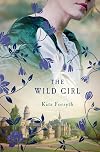
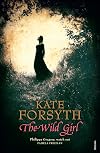
The Wild Girl
by Kate Forsyth
On This Page
Description
"Dortchen Wild lives in the small German kingdom of Hesse-Cassel in the early 19th century. She finds herself irresistibly drawn to the boy next door, the handsome but very poor fairy tale scholar Wilhelm Grimm. It is a time of tyranny and terror: Napoleon Bonaparte wants to conquer all of Europe, and Hesse-Cassel is one of the first kingdoms to fall. Forced to live under oppressive French rule, Wilhelm and his brothers quietly rebel by preserving old half-forgotten tales that had once been show more told by the firesides of houses grand and small over the land. As Dortchen tells Wilhelm some of the most powerful and compelling stories in what will one day become his and Jacob's famous fairy tale collection, their love blossoms"--Amazon.com. show lessTags
Recommendations









Member Recommendations
by Yarrow
Member Reviews
While I knew of the famous Grimm fairy tales and had a hazy knowledge that they had been collected by a pair of brothers in the 19th century, I knew little else before this novel. Told from the perspective of Dortchen Wild, a young woman who lives near the Grimms and falls in love with Wilhelm, this book grew on me as a the story progressed. Dortchen is a compelling character, abused by her father and yet determined to find happiness, her life unfolds like a dark fairy tale of its own. I also appreciated the author's portrayal of the Napoleonic Wars from the perspective of ordinary people in Germany, who often suffer from frequent invasion, military recruitment, and famine as the political winds shift. Overall, this book makes for a show more compelling read and anyone interested in the history behind the Grimm fairy tales may enjoy this fictional take on the famed literary work. show less
Dortchen Wild fell in love with Wilhelm Grimm at first sight when she was twelve. Living next door to the Grimms for many years, she finds occasional respite from her harsh home life in the warmth provided by her best friend Lotte Grimm and the Grimm family. As Wilhelm and Jakob begin to collect old German folk tales with the hopes of publishing, Dortchen happily contributes as it gives her precious time with Wilhelm. But as the Napoleonic war descend on their community, Dortchen faces cruelties that threaten to forever alter her relationship with Wilhelm.
Kate Forsyth has created a beautiful historical novel with a fascinating and sympathetic central character. Building on the actual facts of Dortchen Wild and Wilhelm Grimm's lives, show more Forsyth weaves a tale that encompasses both the familiar stories that the Grimm Brothers compiled, the realities of the Napoleonic wars in Europe, and the more familiar realities of growing up that never alter, no matter the era. While there are moments of darkness, as is fitting of any Grimm tale, the novel is ultimately a reminder about the power of stories to alter our lives. show less
Kate Forsyth has created a beautiful historical novel with a fascinating and sympathetic central character. Building on the actual facts of Dortchen Wild and Wilhelm Grimm's lives, show more Forsyth weaves a tale that encompasses both the familiar stories that the Grimm Brothers compiled, the realities of the Napoleonic wars in Europe, and the more familiar realities of growing up that never alter, no matter the era. While there are moments of darkness, as is fitting of any Grimm tale, the novel is ultimately a reminder about the power of stories to alter our lives. show less
The Wild Girl is a stunning tale of passion, love and war where history and imagination intertwine to create a wonderfully rich portrait of a woman whose contribution to the legend of the Grimm Brothers is finally acknowledged.
Dortchen Wild lives in the small kingdom of Hessen-Cassel in Germany in the early 1800′s, as Napoleon Bonaparte marches across Europe. One of five daughters of an apothecary, her only relief from her father’s tyranny comes from the rare occasions she can escape his attention and her friendship with her next door neighbour, Lotte Grimm. As the war intensifies, Lotte’s older brothers Jakob and Williem return home. With a single glance, twelve year old Dortchen falls in the love with the scholarly Williem but show more he barely notices her and she can only worship him from afar. As war rages and Cassel is plunged into economic ruin, the Grimm brothers hope to reverse their fortunes by publishing a book of collected fairytales. It’s not until Dortchen shyly offers to contribute that Williem realises Dortchen has grown up, but her father forbids any courtship between the desperately poor neighbour boy and his daughter. While the lovers endure years of enforced separation due to abuse, war and poverty Dortchen never stops hoping for her own happily ever after.
Kate Forsyth uses historical record as the anchor for a story that she then develops with informed imagination. The Napoleonic War and it’s social effects grounds the tale in time and place while her fictional narrative winds in and out of what is known about the Grimm brothers, the origins of their fairytale collection and Dortchen. I don’t doubt that Forsyth’s research, using primary sources such Williem’s diaries amongst others, is impeccable but I most admire how she creates a plausible, seamless narrative melding fact with fiction. The author’s intuitive grasp of behaviour and motive ensures her characters, their environment and their lives feel authentic.
In the tradition of the original Grimm’s fairytales, Dortchen’s childhood is beset by darkness. Her mother was a weak woman addicted to Laudanum and subservient to her husband. Dortchen’s father, pious and strict during her childhood, devolved into a drunken, abusive tyrant in her adolescence, illustrated in several harrowing scenes. The war and resulting economic deprivations is hard on the family and though three of the sisters are eventually able to escape, Dortchen is forced to remain at home and care for her ailing parents. It is saddening to see Dortchen withdraw into herself in self defense, her spirit eroded by her fading hopes for escape from her father. The spark is only revived when she steals a moment or two with Williem. Her relationship with him is fraught with angst, drama and passion, their love is challenged repeatedly and a happy ending is never guaranteed.
The fairytale’s appear in the narrative not just as stories passed between the characters but also with some relationships to the plot. Dortchen often hopes that Williem will recognise her pain in the tales that she tells, though his scholarly focus seems to make him somewhat oblivious to the subtleties. They also reflect the political and social instability of times with tales of greedy kings and an abandoned, unfed children, despite their origin being from other times and places. The fairytales themselves are both versions of familiar stories like Cinderella and Snow White as well as less well known tales like that of a singing bone that identifies a murderer.
Really I could go on, The Wild Child is remarkable. A tale of triumph over adversity, an epic historical romance, a fascinating glimpse into the history of storytelling – it is all those things and more. One of my favourite reads for the year, I recommend it wholeheartedly. show less
Dortchen Wild lives in the small kingdom of Hessen-Cassel in Germany in the early 1800′s, as Napoleon Bonaparte marches across Europe. One of five daughters of an apothecary, her only relief from her father’s tyranny comes from the rare occasions she can escape his attention and her friendship with her next door neighbour, Lotte Grimm. As the war intensifies, Lotte’s older brothers Jakob and Williem return home. With a single glance, twelve year old Dortchen falls in the love with the scholarly Williem but show more he barely notices her and she can only worship him from afar. As war rages and Cassel is plunged into economic ruin, the Grimm brothers hope to reverse their fortunes by publishing a book of collected fairytales. It’s not until Dortchen shyly offers to contribute that Williem realises Dortchen has grown up, but her father forbids any courtship between the desperately poor neighbour boy and his daughter. While the lovers endure years of enforced separation due to abuse, war and poverty Dortchen never stops hoping for her own happily ever after.
Kate Forsyth uses historical record as the anchor for a story that she then develops with informed imagination. The Napoleonic War and it’s social effects grounds the tale in time and place while her fictional narrative winds in and out of what is known about the Grimm brothers, the origins of their fairytale collection and Dortchen. I don’t doubt that Forsyth’s research, using primary sources such Williem’s diaries amongst others, is impeccable but I most admire how she creates a plausible, seamless narrative melding fact with fiction. The author’s intuitive grasp of behaviour and motive ensures her characters, their environment and their lives feel authentic.
In the tradition of the original Grimm’s fairytales, Dortchen’s childhood is beset by darkness. Her mother was a weak woman addicted to Laudanum and subservient to her husband. Dortchen’s father, pious and strict during her childhood, devolved into a drunken, abusive tyrant in her adolescence, illustrated in several harrowing scenes. The war and resulting economic deprivations is hard on the family and though three of the sisters are eventually able to escape, Dortchen is forced to remain at home and care for her ailing parents. It is saddening to see Dortchen withdraw into herself in self defense, her spirit eroded by her fading hopes for escape from her father. The spark is only revived when she steals a moment or two with Williem. Her relationship with him is fraught with angst, drama and passion, their love is challenged repeatedly and a happy ending is never guaranteed.
The fairytale’s appear in the narrative not just as stories passed between the characters but also with some relationships to the plot. Dortchen often hopes that Williem will recognise her pain in the tales that she tells, though his scholarly focus seems to make him somewhat oblivious to the subtleties. They also reflect the political and social instability of times with tales of greedy kings and an abandoned, unfed children, despite their origin being from other times and places. The fairytales themselves are both versions of familiar stories like Cinderella and Snow White as well as less well known tales like that of a singing bone that identifies a murderer.
Really I could go on, The Wild Child is remarkable. A tale of triumph over adversity, an epic historical romance, a fascinating glimpse into the history of storytelling – it is all those things and more. One of my favourite reads for the year, I recommend it wholeheartedly. show less
I begged for a review copy of this novel knowing nothing about but that it was Kate Forsyth's newest. Forsyth wrote one of my 2013 top ten reads, Bitter Greens, and I will basically read anything she writes. My blind devotion was well rewarded with this one!
Set in the early 19th century, this novel follows Dortchen Wild, neighbor of the Grimm brothers -- yes, those Grimm brothers. One of a handful of daughters of a cruel apothecary, Dortchen has had feelings for Wilhelm Grimm, but a relationship between them seems impossible: Wilhelm is poor and seems more interested in her older sister, and her father is ruthlessly controlling of her and her time. Still, Dortchen maintains contact with the Grimm family, eventually becoming a crucial show more source for Wilhelm and Jakob as they assemble their volumes of German folk tales.
Although I expected this novel to be more about the fairy tales -- perhaps even some retellings of Grimm's most well known stories -- this is actually a novel about how the stories were gathered, and most importantly, who told the stories to Wilhelm and Jakob.
In her opening note, Forsyth points out that the Grimm brothers were collecting their tales as young men at the same time of Byron and Austen -- not musty old men from the Dark Ages, as many (like me!) might imagine. Even more, the interest in gathering these stories came out of a desire to preserve rural German culture in the face of Napoleon's relentless conquest and rule. It was this political background that made this story most fascinating and illuminating, and the narrative is flavored by the terror of occupation and the cruel realities of war.
Dortchen and Wilhelm's relationship is slow to grow, made more complicated by some terrible abuse Dortchen suffers. Here is where Forsyth's skill shows, for she makes the tribulations suffered by Dortchen both grimly realistic and reminiscent of the trials of a fairy tale heroine, mythical and mundane in equal part. I didn't know whether to wallow in the unfairness of life or hope for magic beans to liberate her, but I needn't have worried as Dortchen is an immensely capable heroine. Her story left me teary and a bit breathless.
Fairy tale retellings are very trendy, and I appreciate this "behind the scenes" kind of story that makes those familiar stories richer and more intriguing. Those who like a knockout heroine who doesn't wait to be rescued will love this one as Dortchen has neither a Prince Charming nor Fairy Godmother to rescue her. This is a nice brick of a novel that reads very quickly and is wildly engrossing -- the kind of historical fiction that will send you down Wiki rabbit holes and stick in your mind for quite a while. show less
Set in the early 19th century, this novel follows Dortchen Wild, neighbor of the Grimm brothers -- yes, those Grimm brothers. One of a handful of daughters of a cruel apothecary, Dortchen has had feelings for Wilhelm Grimm, but a relationship between them seems impossible: Wilhelm is poor and seems more interested in her older sister, and her father is ruthlessly controlling of her and her time. Still, Dortchen maintains contact with the Grimm family, eventually becoming a crucial show more source for Wilhelm and Jakob as they assemble their volumes of German folk tales.
Although I expected this novel to be more about the fairy tales -- perhaps even some retellings of Grimm's most well known stories -- this is actually a novel about how the stories were gathered, and most importantly, who told the stories to Wilhelm and Jakob.
In her opening note, Forsyth points out that the Grimm brothers were collecting their tales as young men at the same time of Byron and Austen -- not musty old men from the Dark Ages, as many (like me!) might imagine. Even more, the interest in gathering these stories came out of a desire to preserve rural German culture in the face of Napoleon's relentless conquest and rule. It was this political background that made this story most fascinating and illuminating, and the narrative is flavored by the terror of occupation and the cruel realities of war.
Dortchen and Wilhelm's relationship is slow to grow, made more complicated by some terrible abuse Dortchen suffers. Here is where Forsyth's skill shows, for she makes the tribulations suffered by Dortchen both grimly realistic and reminiscent of the trials of a fairy tale heroine, mythical and mundane in equal part. I didn't know whether to wallow in the unfairness of life or hope for magic beans to liberate her, but I needn't have worried as Dortchen is an immensely capable heroine. Her story left me teary and a bit breathless.
Fairy tale retellings are very trendy, and I appreciate this "behind the scenes" kind of story that makes those familiar stories richer and more intriguing. Those who like a knockout heroine who doesn't wait to be rescued will love this one as Dortchen has neither a Prince Charming nor Fairy Godmother to rescue her. This is a nice brick of a novel that reads very quickly and is wildly engrossing -- the kind of historical fiction that will send you down Wiki rabbit holes and stick in your mind for quite a while. show less
I loved THE WILD GIRL! Simply loved it. Though she didn’t realise it the pressure was on for author Kate Forsyth because after recently reading Bitter Greens I had high very expectations. Expectations that were not only met but exceeded! When I first laid eyes on the book I was a bit overwhelmed, after all it is over 500 pages, it was huge. Then I opened the book and read “…Dortchen Wild fell in love with Wilhelm Grimm the first time she saw him…” and I was hooked, size and time had no meaning as I was immersed in the unfolding story. I was brought up on the Grimm Brothers tales, loved them, but if I thought of the Grimm brothers at all it was as dour old men who looked like my grandfather and liked to scare children with show more stories. I also never thought about where the tales came from, I just presumed the creepy Grimms had made them up. However, Kate Forsyth has showed the Grimms to be passionate young men with a desire to record the oral traditional stories of their country before they disappeared into the mire of war, as borders changed and hundreds and thousands died across Europe.
THE WILD GIRL is a blend of historical fact and plausible fiction, and like all good fairy tales there is a truly horrible character, the baddie if you will, and Dortchen, our goodie, has some terrible things happen to her that she needs to overcome before her prince will come. Well Wilhelm anyway. Forsyth says in her afterword that there are a lot of blanks in the historical facts behind the prolonged courtship of Dortchen and Wilhelm and she filled the blanks in by reading between the lines of evidence given. Although there is no historical evidence for the events that happen in Dortchen’s personal life, the plot that Forsyth has come up with, although dire, is very feasible indeed.
THE WILD GIRL must not be missed; it is a powerful story about storytelling, about love in the harshest of conditions, overcoming adversity. It is also about the cruelty of war, the cruelty by those who should protect you, deprivation and obedience to parents no matter what. It is a strong story and the abuse is handled delicately and with compassion. The pages just flew by; I did not get bogged down once. I have to confess to once or twice logging onto the Internet to find some of the locations mentioned in the book. The historical facts of Napoleon’s advance, then retreat, through Europe are as fascinating as they are horrifying in the atrocities and stupidity of some of the military decisions. My favourite parts were the about social history of people, it was interesting to read how they changed the way they dressed and spoke to accommodate the current ruler of the day. I loved the herb lore and a look into the pharmacy available at the time. Also how the flowers and herbs were put to other uses, more superstitious in nature, to help people achieved their desires.
Rating: A – Excellent. I could not put it down. show less
THE WILD GIRL is a blend of historical fact and plausible fiction, and like all good fairy tales there is a truly horrible character, the baddie if you will, and Dortchen, our goodie, has some terrible things happen to her that she needs to overcome before her prince will come. Well Wilhelm anyway. Forsyth says in her afterword that there are a lot of blanks in the historical facts behind the prolonged courtship of Dortchen and Wilhelm and she filled the blanks in by reading between the lines of evidence given. Although there is no historical evidence for the events that happen in Dortchen’s personal life, the plot that Forsyth has come up with, although dire, is very feasible indeed.
THE WILD GIRL must not be missed; it is a powerful story about storytelling, about love in the harshest of conditions, overcoming adversity. It is also about the cruelty of war, the cruelty by those who should protect you, deprivation and obedience to parents no matter what. It is a strong story and the abuse is handled delicately and with compassion. The pages just flew by; I did not get bogged down once. I have to confess to once or twice logging onto the Internet to find some of the locations mentioned in the book. The historical facts of Napoleon’s advance, then retreat, through Europe are as fascinating as they are horrifying in the atrocities and stupidity of some of the military decisions. My favourite parts were the about social history of people, it was interesting to read how they changed the way they dressed and spoke to accommodate the current ruler of the day. I loved the herb lore and a look into the pharmacy available at the time. Also how the flowers and herbs were put to other uses, more superstitious in nature, to help people achieved their desires.
Rating: A – Excellent. I could not put it down. show less
I enjoyed this. Basically, the book is about the romance between Wilhelm Grimm (yes, the fairy tale one) and Henriette Dorotea "Dortchen" Wild who became his wife. Not much is known about her except that she was the daughter of an apothecary who was their neighbour in Cassel during the Napoleonic Wars.
Dortchen was the "wild" daughter of the family - and her tyrannical father does his best to break her spirit, disapproving of any connection with the poverty-stricken Grimm family. However, Dortchen and her sisters get round his rules (not without consequences) and Dortchen is one of Grimm's storytellers, contributing several stories to the book of fairy tales. Starting out fairly light-hearted, as Dortchen's sisters get married and move show more out, the story gets darker in tone culminating in Herr Wild sexually abusing his daughter after his son is conscripted into the Russian invasion and he dismisses the family servant who is protecting Dortchen from his attentions.
Eventually, her brother returns (the only young man from Cassel to do so), and Dortchen's life becomes easier. Then her parents die, and Dortchen becomes the foster mother to her deceased sister's children. Slowly she learns to trust men again and the book ends with her agreeing to marry Wilhelm Grimm.
Very much fictionalised, the sexual abuse is inferred from reading the original version of the story of 'All-Fur'. The more modern tellings tend to be based on a later version, which Grimm made more palatable. It's an instructive read; the hardships endured by the two middle-class families during and after the Napoleonic Wars were not uncommon even up to fairly recent times.
Recommended. show less
Dortchen was the "wild" daughter of the family - and her tyrannical father does his best to break her spirit, disapproving of any connection with the poverty-stricken Grimm family. However, Dortchen and her sisters get round his rules (not without consequences) and Dortchen is one of Grimm's storytellers, contributing several stories to the book of fairy tales. Starting out fairly light-hearted, as Dortchen's sisters get married and move show more out, the story gets darker in tone culminating in Herr Wild sexually abusing his daughter after his son is conscripted into the Russian invasion and he dismisses the family servant who is protecting Dortchen from his attentions.
Eventually, her brother returns (the only young man from Cassel to do so), and Dortchen's life becomes easier. Then her parents die, and Dortchen becomes the foster mother to her deceased sister's children. Slowly she learns to trust men again and the book ends with her agreeing to marry Wilhelm Grimm.
Very much fictionalised, the sexual abuse is inferred from reading the original version of the story of 'All-Fur'. The more modern tellings tend to be based on a later version, which Grimm made more palatable. It's an instructive read; the hardships endured by the two middle-class families during and after the Napoleonic Wars were not uncommon even up to fairly recent times.
Recommended. show less
Though Bitter Greens had three heroines suffering, The Wild Girl is three times more brutal to read.
Most people (of European descent) know of the folktale collection compiled by the Brothers Grimm, but few know about the women who told them the tales. One of these storytellers was Dortchen Wild. Second youngest of the Wild family, neighbors to the Grimms, Dortchen was an empathetic girl will a skill for herbalism and a long-running crush on Wilhelm Grimm. Against the backdrop of the Napoléonic Wars their collaboration and eventual romance unfolds, the darkness all around matched only by the darkness in Dortchen’s own home.
One of the things I loved about Bitter Greens, apart from the fairy-tale and deeply-researched historical fiction show more aspects, was how complex the writing was. Three stories intertwined like the strands that form a braid, echoing each other and moving the narrative forward. The writing in The Wild Girl is no less rich but, because the scope of the novel is so much smaller, at times it feels as though there is not enough story to justify the novel’s nearly five-hundred pages. The A-plot is ostensibly the romance between Wilhelm and Dortchen, but it is often swamped by the brutal realities of Dortchen’s day-to-day life. Where the arcs of Bitter Greens‘ three heroines called back to each other, in The Wild Girl it is the stories told by Dortchen that call back to her own life. Many fairy-tale themes crop up in the two-decade-long tale of her romance with Wilhelm: sisters going to a ball while one stays home to do chores, magic rhymes, and the transformative power of a really awesome dress.
Some of the themes of The Wild Girl struck so close to home that I have to admit they tempered my enjoyment of the story. Dortchen’s experience as a civilian during a war that seems like it will never end, with her country first being invaded and then used to supply soldiers for the conquerors to invade other countries, hit a little too close to home for this American. While many would argue that America is the Napoléonic France of our situation, from a civilian standpoint my country was violently attacked when I was in high school and we’ve been at war with multiple countries ever since. I am married to a Marine who began his service right after 9/11, I have taught preschool and cared for infants on military bases, half of my friends enlisted straight after high school, and I have been groped in airports in the name of “safety” more times than I can bear to think about. My youngest brother currently has plans to enlist. In 2008 we were promised an end to this war and it hasn’t materialized yet, so I related to the climate of worry though my struggle has not yet grown so dire as Dortchen’s.
The other major plot of the novel is Dortchen’s relationship with her extremely strict father. As the war worsens and he becomes more stressed and worried, he devolves into outright abuse of his daughters. I will only say that the descriptions of this abuse are realistic to the point of triggering, if you have a past in any way similar. In her author’s note Forsyth mentions the plotting of these passages giving her nightmares. I do appreciate her commitment to leaning in when writing about the uglier aspects of life. I have always loved fairy tales because they are just as dark as life can be. Sometimes darker.
There is much to love about The Wild Girl, even if my personal experience prevented me from embracing it as fully as I did Bitter Greens. Germany (specifically Hesse-Kassel, here) is a beautiful, sweet country done justice by Forsyth’s realistic tale of romance between a dreamy writer and an apothecary’s daughter. It may be a bit long-winded, but it’s an easy trap to fall into for lovers of history and literature alike (and an author sticking to a historical timeline.) People who enjoy Austen or Little Women will like the early passages with Dortchen and her siblings, fairy-tale lovers will be rewarded throughout. show less
Most people (of European descent) know of the folktale collection compiled by the Brothers Grimm, but few know about the women who told them the tales. One of these storytellers was Dortchen Wild. Second youngest of the Wild family, neighbors to the Grimms, Dortchen was an empathetic girl will a skill for herbalism and a long-running crush on Wilhelm Grimm. Against the backdrop of the Napoléonic Wars their collaboration and eventual romance unfolds, the darkness all around matched only by the darkness in Dortchen’s own home.
One of the things I loved about Bitter Greens, apart from the fairy-tale and deeply-researched historical fiction show more aspects, was how complex the writing was. Three stories intertwined like the strands that form a braid, echoing each other and moving the narrative forward. The writing in The Wild Girl is no less rich but, because the scope of the novel is so much smaller, at times it feels as though there is not enough story to justify the novel’s nearly five-hundred pages. The A-plot is ostensibly the romance between Wilhelm and Dortchen, but it is often swamped by the brutal realities of Dortchen’s day-to-day life. Where the arcs of Bitter Greens‘ three heroines called back to each other, in The Wild Girl it is the stories told by Dortchen that call back to her own life. Many fairy-tale themes crop up in the two-decade-long tale of her romance with Wilhelm: sisters going to a ball while one stays home to do chores, magic rhymes, and the transformative power of a really awesome dress.
Some of the themes of The Wild Girl struck so close to home that I have to admit they tempered my enjoyment of the story. Dortchen’s experience as a civilian during a war that seems like it will never end, with her country first being invaded and then used to supply soldiers for the conquerors to invade other countries, hit a little too close to home for this American. While many would argue that America is the Napoléonic France of our situation, from a civilian standpoint my country was violently attacked when I was in high school and we’ve been at war with multiple countries ever since. I am married to a Marine who began his service right after 9/11, I have taught preschool and cared for infants on military bases, half of my friends enlisted straight after high school, and I have been groped in airports in the name of “safety” more times than I can bear to think about. My youngest brother currently has plans to enlist. In 2008 we were promised an end to this war and it hasn’t materialized yet, so I related to the climate of worry though my struggle has not yet grown so dire as Dortchen’s.
The other major plot of the novel is Dortchen’s relationship with her extremely strict father. As the war worsens and he becomes more stressed and worried, he devolves into outright abuse of his daughters. I will only say that the descriptions of this abuse are realistic to the point of triggering, if you have a past in any way similar. In her author’s note Forsyth mentions the plotting of these passages giving her nightmares. I do appreciate her commitment to leaning in when writing about the uglier aspects of life. I have always loved fairy tales because they are just as dark as life can be. Sometimes darker.
There is much to love about The Wild Girl, even if my personal experience prevented me from embracing it as fully as I did Bitter Greens. Germany (specifically Hesse-Kassel, here) is a beautiful, sweet country done justice by Forsyth’s realistic tale of romance between a dreamy writer and an apothecary’s daughter. It may be a bit long-winded, but it’s an easy trap to fall into for lovers of history and literature alike (and an author sticking to a historical timeline.) People who enjoy Austen or Little Women will like the early passages with Dortchen and her siblings, fairy-tale lovers will be rewarded throughout. show less
Members
- Recently Added By
Lists

Best Family Stories
241 works; 22 members

Female Protagonist
1,056 works; 57 members

Books Set in Germany
74 works; 12 members

History novels (not too romancey)
37 works; 5 members

Historical Romance
12 works; 6 members

Global Reads: Books Set in Western Europe
186 works; 10 members

Interesting books
9 works; 2 members
Author Information

64+ Works 9,564 Members
She is an Australian author who is well known for her historical novel Bitter Greens, which won the Historical Fiction category on the American Literary Association 2015 Reading List. She is the author of several children's books including The Gypsy Crown, The Puzzle Ring, The Starthorn Tree, The Wildkin's Curse, The Starkin Crown, and Dragon show more Gold. She has also published two heroic fantasy series, The Witches of Eileanan and Rhiannon's Ride, the poetry collection Radiance, and the novel Full Fathom Five under her maiden name, Kate Humphrey. Her more recent books include Vasilisa the Wise and Tales of Other Brave Young Women, and The Silver Well, which won the 2017 Aurealis Award for the best Australian collection. (Bowker Author Biography) show less
Common Knowledge
- Canonical title
- The Wild Girl
- Original publication date
- 2013-03-18
- People/Characters
- Dortchen Wild; Wilhelm Grimm; Jakob Grimm
- Important places
- Hanau, Landgraviate of Hesse-Cassel; Hanau, Hesse, Germany; Hesse, Germany; Germany; Hanau, Electorate of Hesse; Hanau, Kingdom of Westphalia
- Important events
- The Napoleonic Wars; The Invasion of Hanover (1803)
- Dedication
- For my darling husband, Greg, the Amen of my Universe
- First words
- 'Wild by name and wild by nature,' Dortchen's father used to say of her.
Classifications
- Genres
- Fiction and Literature, General Fiction, Historical Fiction, Romance, Fantasy
- DDC/MDS
- 823.914 — Literature & rhetoric English & Old English literatures English fiction 1900- 1901-1999 1945-1999
- LCC
- PR9619.3 .F59 .W55 — Language and Literature English English Literature English literature: Provincial, local, etc.
- BISAC
Statistics
- Members
- 308
- Popularity
- 103,799
- Reviews
- 22
- Rating
- (4.04)
- Languages
- English
- Media
- Paper, Audiobook, Ebook
- ISBNs
- 19
- ASINs
- 4