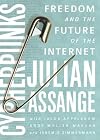
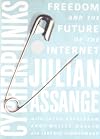
Cypherpunks: Freedom and the Future of the Internet
by Julian Assange, Jacob Appelbaum (Author), Andy Müller-Maguhn (Author), Jérémie Zimmermann (Author)
On This Page
Description
Cypherpunks are activists who advocate the widespread use of strong cryptography (writing in code) as a route to progressive change. Julian Assange, the editor-in-chief of and visionary behind WikiLeaks, has been a leading voice in the cypherpunk movement since its inception in the 1980s. Now, in what is sure to be a wave-making new book, Assange brings together a small group of cutting-edge thinkers and activists from the front line of the battle for cyber-space to discuss whether show more electronic communications will emancipate or enslave us. Among the topics addressed are: Do Facebook and Google constitute "the greatest surveillance machine that ever existed," perpetually tracking our location, our contacts and our lives? Far from being victims of that surveillance, are most of us willing collaborators? Are there legitimate forms of surveillance, for instance in relation to the "Four Horsemen of the Infopocalypse" (money laundering, drugs, terrorism and pornography)? And do we have the ability, through conscious action and technological savvy, to resist this tide and secure a world where freedom is something which the Internet helps bring about? The harassment of WikiLeaks and other Internet activists, together with attempts to introduce anti-file sharing legislation such as SOPA and ACTA, indicate that the politics of the Internet have reached a crossroads. In one direction lies a future that guarantees, in the watchwords of the cypherpunks, "privacy for the weak and transparency for the powerful"; in the other lies an Internet that allows government and large corporations to discover ever more about internet users while hiding their own activities. Assange and his co-discussants unpick the complex issues surrounding this crucial choice with clarity and engaging enthusiasm. show lessTags
Recommendations











Member Reviews
This book is a conversation between Julian Assange, Jacob Appelbaum, Andy Müller-Maguhn and Jeremie Zimmermann. If you know these people, you know what to expect: A discussion about the internet, freedom, censorship and surveillance. And that is exactly what you will get.
For me, that's fine. I know that Jacob and Julian are very good with such discussions, and Andy and Jeremie are quite good at this kind of thing as well, as it turns out. There are no revolutionary new ideas here, but it serves as a short summary of the problems of the world and the internet, as seen by these people.
I picked this book up on sale for $1, which it is definitely worth. I am not sure how much more I would be willing to pay for it, though, simply because I show more basically already knew pretty much everything they are talking about. If you, however, are looking for an introduction into the world view of these people, by all means, give it a read. show less
For me, that's fine. I know that Jacob and Julian are very good with such discussions, and Andy and Jeremie are quite good at this kind of thing as well, as it turns out. There are no revolutionary new ideas here, but it serves as a short summary of the problems of the world and the internet, as seen by these people.
I picked this book up on sale for $1, which it is definitely worth. I am not sure how much more I would be willing to pay for it, though, simply because I show more basically already knew pretty much everything they are talking about. If you, however, are looking for an introduction into the world view of these people, by all means, give it a read. show less
Certainly an eye-opening narration about the reach and penetration of state surveillance systems in our lives. Although it has now been four years and most of the information about such actions has now become public because of the Snowden revelations, the book still discusses some really good points as to why and how the governments use such systems to control and manipulate citizens. The notion of having one's own private space without being monitored has almost vanished (or is swiftly reaching that stage). One must fend for themselves and gain the proper knowledge to defend against the violation of even basic human rights.
The end-notes of the book were really helpful in some cases. Still, there were some topics in the conversation show more where some background information might be helpful. It is not a literary piece of art work but a transcript of a discussion amongst four technocrats. Still a recommended read for anyone who is exploring this side of the technology. show less
The end-notes of the book were really helpful in some cases. Still, there were some topics in the conversation show more where some background information might be helpful. It is not a literary piece of art work but a transcript of a discussion amongst four technocrats. Still a recommended read for anyone who is exploring this side of the technology. show less
It wasn't a view that one should simply complain about the burgeoning surveillance state and so on, but that we can, in fact, must build the tools of a new democracy.
Plagiarism has been the flashpoint on GR this weekend. I thought about the controversy when copyright law is called into question throughout Cypherpunks. Sharing and privacy not only maintain autonomy, so the book goes, but each further civilization. It is difficult to argue with that. That said, this discussion was all a bit "meh" for me. Lord knows I hate that judgment but it sticks to me. There is total lack of rigor in this book. Points are made and then begins a retreat into glib rejoinders and cliché. It is important to recall that this occurred before the Snowden show more revelations. I will likely explore some secondary sources now. show less
Plagiarism has been the flashpoint on GR this weekend. I thought about the controversy when copyright law is called into question throughout Cypherpunks. Sharing and privacy not only maintain autonomy, so the book goes, but each further civilization. It is difficult to argue with that. That said, this discussion was all a bit "meh" for me. Lord knows I hate that judgment but it sticks to me. There is total lack of rigor in this book. Points are made and then begins a retreat into glib rejoinders and cliché. It is important to recall that this occurred before the Snowden show more revelations. I will likely explore some secondary sources now. show less
I had high hopes for this book after reading an excellent and entertaining review by Assange of "The new digital age" by Eric Schmidt (Google) and Jared Cohen (worked for Condoleeza Rice, Hillary Clinton, Google). In the review, titled "The banality of 'Don't be evil'", he discussed the threats to privacy posed by the worrisome entanglement of the security industry and 'new/social media'.
Cyperpunks is formed as a conversation between Assange and his copatriots Jakob Appelbaum and Andy Muller-Maguhn and picks up on the same theme, but also the promise that cryptography may hold as a defence against the erosion of privacy (the title is a wordplay on this). Some of the stuff about cryptography was new to me and very interesting, however I show more often lost attention throughout the book due to its talkative style. I ended up a bit disappointed, but the topic is one of our age's most important, and it is always good to hear what those that are in the middle of the issues have to say. show less
Cyperpunks is formed as a conversation between Assange and his copatriots Jakob Appelbaum and Andy Muller-Maguhn and picks up on the same theme, but also the promise that cryptography may hold as a defence against the erosion of privacy (the title is a wordplay on this). Some of the stuff about cryptography was new to me and very interesting, however I show more often lost attention throughout the book due to its talkative style. I ended up a bit disappointed, but the topic is one of our age's most important, and it is always good to hear what those that are in the middle of the issues have to say. show less
Topically, a little disorganized, but the ideas are very important.
Fazlasıyla önemli ve değerli bulduğum bir kitap. Hakkında daha detaylı bir eleştiriyi http://ahmetasabanci.com/sifrepunk-cypherpunk-cagimizin-el-kitabi-adayim/ adresinde yazdım.
Jeder, der heute unter Klarnamen bereitwillig allen möglichen Plattformen Auskunft gibt, sollte sich die wesentlichen Aussagen dieses Buches vergegenwärtigen. Keine 10 Millionen kostet heute ein totale Überwachung der Bevölkerung eines Millionenstaates, für Potentaten ein gefundenes Werkzeug, aufrüstbar mit Drohnen und sonstigen Feinheiten der lückenlosen Abdeckung aller Gedanken, Wünsche und Bewegungen von Zielpersonen. Heute überwachen Werksspionage-Teams längst ihre potentiellen Kunden oder Auftraggeber, Konkurrenten und missliebige Politiker.
Wer diese interessanten Interviewkapitel liest:
Verfolgung von Wikileaks
Mehr Kommunikation, mehr Überwachung
Die Militarisierung des Cyberspace
Mit den Gesetzen des Menschen gegen totale show more Überwachung
Privatwirtschaftliche Spionage
Mit den Gesetzen der Physik gegen totale Überwachung
Internet und Politik
Internet und Wirtschaft
Zensur
Privatsphäre den Schwachen, Transparenzpflicht den Mächtigen
Ratten in der Oper
...dem laufen die Augen über ob einer Entwicklung, die jedem zu denken geben muss, und zwar in Richtung Teilnahme und aktive Gestaltung.
Ich kenne einen Mitarbeiter einer großen Mobilnetzfirma, der selbst niemals ein Handy besessen hat. Dazu passt die Aussage von J. Assange: „Ein Handy ist ein Peilsender, mit dem man auch telefonieren kann.“ Demokratie heute bedeutet: mit allen Daten geladen und diese sind weitgehend entsichert, d.h. Dritten zugänglich. Tatsächlich sind wir auf dem Weg zu einer globalen und totalitären Überwachungsgesellschaft. Das einzige Mittel dagegen ist die Krytografie, d.h. die sichere Verschlüsselung von Daten. Diese Technik ist heute vor allem bei Konzernen, also globalen Großstaaten im Einsatz, die sich gegen die Spionage von außen wehren.
Niemand kann die weitere Entwicklung voraussagen, das Internet und seine Möglichkeiten bieten immer neue Überraschungen. Welche es sein könnten, steht in diesem Buch, von drei wirklichen Spezialisten aufgeschlüsselt. Dabei glaube ich an die Möglichkeit bzw. die Strategie von wikileaks, so viel als möglich öffentlich zu machen als Lösung aus einer übermächtigen Umklammerung aus Macht und Unfreiheit. Dieser Prozess ist hoffentlich unumkehrbar, hat er doch seit dem Buchdruck, den uns bekannten klassischen Medien bis hin zum Internet zu immer neuen gemeinsamen Gedanken aller Menschen geführt, die sich heute über diesen Weg schneller solidarisieren und etwas vom anderen erfahren können, unabhängig davon, wieviel autoritäre Staaten davon wieder beschneiden wollen.
Ob es wirklich so sein wird oder eher das düstere Szenario dieses Buches wahr wird. Jeder sollte die erschreckenden Einsichten dieses Buches kennen. Es ist meines Erachtens ebenso wichtig wie es relevant gewesen wäre, dass wir alle vor dem Bau einer Atombombe/AKW uns über die Atomspaltung unterhalten hätten müssen. show less
Wer diese interessanten Interviewkapitel liest:
Verfolgung von Wikileaks
Mehr Kommunikation, mehr Überwachung
Die Militarisierung des Cyberspace
Mit den Gesetzen des Menschen gegen totale show more Überwachung
Privatwirtschaftliche Spionage
Mit den Gesetzen der Physik gegen totale Überwachung
Internet und Politik
Internet und Wirtschaft
Zensur
Privatsphäre den Schwachen, Transparenzpflicht den Mächtigen
Ratten in der Oper
...dem laufen die Augen über ob einer Entwicklung, die jedem zu denken geben muss, und zwar in Richtung Teilnahme und aktive Gestaltung.
Ich kenne einen Mitarbeiter einer großen Mobilnetzfirma, der selbst niemals ein Handy besessen hat. Dazu passt die Aussage von J. Assange: „Ein Handy ist ein Peilsender, mit dem man auch telefonieren kann.“ Demokratie heute bedeutet: mit allen Daten geladen und diese sind weitgehend entsichert, d.h. Dritten zugänglich. Tatsächlich sind wir auf dem Weg zu einer globalen und totalitären Überwachungsgesellschaft. Das einzige Mittel dagegen ist die Krytografie, d.h. die sichere Verschlüsselung von Daten. Diese Technik ist heute vor allem bei Konzernen, also globalen Großstaaten im Einsatz, die sich gegen die Spionage von außen wehren.
Niemand kann die weitere Entwicklung voraussagen, das Internet und seine Möglichkeiten bieten immer neue Überraschungen. Welche es sein könnten, steht in diesem Buch, von drei wirklichen Spezialisten aufgeschlüsselt. Dabei glaube ich an die Möglichkeit bzw. die Strategie von wikileaks, so viel als möglich öffentlich zu machen als Lösung aus einer übermächtigen Umklammerung aus Macht und Unfreiheit. Dieser Prozess ist hoffentlich unumkehrbar, hat er doch seit dem Buchdruck, den uns bekannten klassischen Medien bis hin zum Internet zu immer neuen gemeinsamen Gedanken aller Menschen geführt, die sich heute über diesen Weg schneller solidarisieren und etwas vom anderen erfahren können, unabhängig davon, wieviel autoritäre Staaten davon wieder beschneiden wollen.
Ob es wirklich so sein wird oder eher das düstere Szenario dieses Buches wahr wird. Jeder sollte die erschreckenden Einsichten dieses Buches kennen. Es ist meines Erachtens ebenso wichtig wie es relevant gewesen wäre, dass wir alle vor dem Bau einer Atombombe/AKW uns über die Atomspaltung unterhalten hätten müssen. show less
Mar 13, 2023German
Members
- Recently Added By
Published Reviews
ThingScore 50
added by private library
Lists

Top Five Books of 2013
1,562 works; 721 members
Author Information

14+ Works 694 Members
Common Knowledge
- Canonical title
- Cypherpunks: Freedom and the Future of the Internet
- Original title
- Cypherpunks: Freedom and the Future of the Internet
- Original publication date
- 2012-11
- People/Characters
- Assange, Julian; Appelbaum, Jacob; Müller-Maguhn, Andy; Zimmermann, Jérémie
- First words
- This book is not a manifesto. There is not time for that. This book is a warning.
- Last words
- (Click to show. Warning: May contain spoilers.)So it will only be a high-tech rebel elite that is free, these clever rats running around the opera house.
Classifications
- Genres
- Technology, Nonfiction, General Nonfiction, Politics and Government
- DDC/MDS
- 303.483 — Society, government, & culture Social sciences, sociology & anthropology Social processes Social change Causes of change Development of science and technology
- LCC
- HM851 .A87 — Social sciences Sociology (General) Sociology Social change
- BISAC
Statistics
- Members
- 256
- Popularity
- 126,336
- Reviews
- 11
- Rating
- (3.60)
- Languages
- 6 — English, French, German, Italian, Portuguese, Spanish
- Media
- Paper, Audiobook, Ebook
- ISBNs
- 20
- ASINs
- 9