On This Page
Description
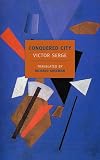
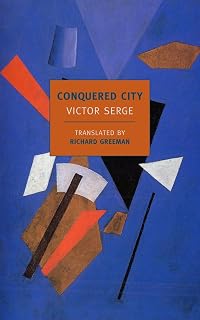
"1919-1920- St. Petersburg, city of the czars, has fallen to the revolution. Camped out in the splendid palaces of the former regime, the new masters of the city seek to cement their control, even as the counter-revolutionary White Army musters its forces. Conquered City, Victor Serge's toughest and most unrelenting narrative, is structured like a detective story, one in which the new political regime seeks to track down and eliminate its enemies the spies, speculators, and traitors hidden show more among the exhausted mass of common people. Conquered City is about terror- the Red Terror and the White Terror. But mainly about the Red, about the Communists who have dared to pick up the weapons of power police, guns, jails, spies, treachery in the gamble that by wielding them with purity, in a righteous cause, they can put an end to the need for terror, perhaps forever. And yet those who wield these weapons know that they are doomed. Conquered City is their tragedy and testament." show lessTags
Recommendations
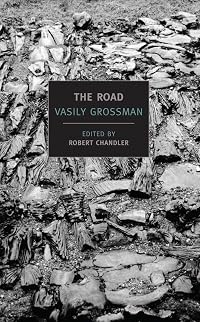

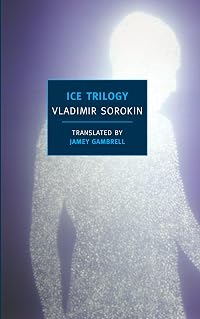

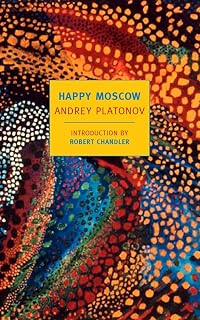
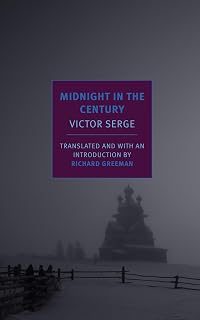

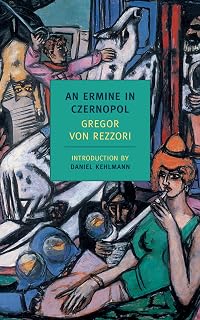
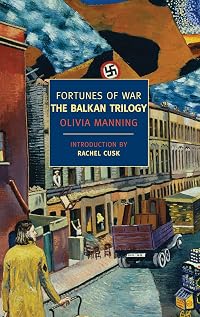
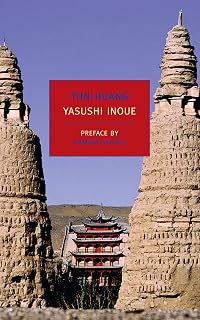
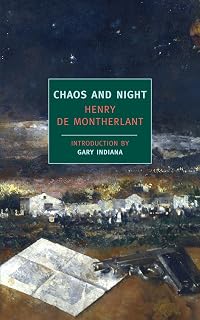



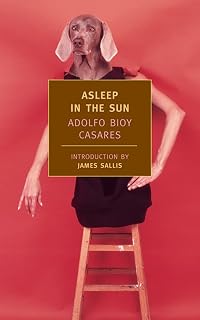
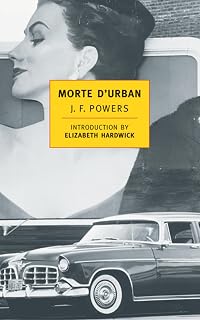


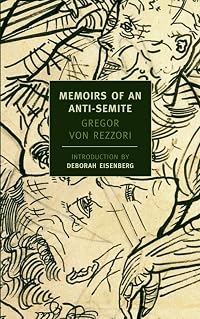
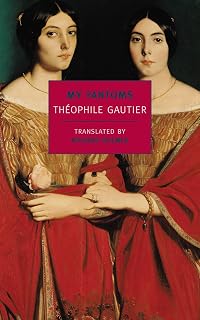
Member Recommendations
Member Reviews
"All this beauty was perhaps the sign of our death. Not a single chimney was smoking. The city was thus dying. And, like shipwrecked men on a raft devouring each other, we were about to fight among ourselves, workers against workers, revolutionaries against revolutionaries."
Serge here writes on the besieged city of St. Petersburg, or Leningrad, or Petrograd. Although there is technically a main plot line, his approach to it is more episodic, a portrait of the city as much as it is of the characters themselves. We see the huddled factory workers, the soldiers, the spies, the smugglers, the naive, the rump parliament.
The novel is a story of when the rhetoric of revolution meets the hard brutality of war. Serge already sees the germs of show more what would destroy his revolution - the 'necessity' of violent purges, the rise of the secret police, the suspicion and destruction of outsiders. And all of this was written before Stalin.
I'll let the book speak for itself. Here's another quote.
"We have conquered everything and everything has slipped out of our grasp. We have conquered bread, and there is famine. We have declared peace to a war-weary world, and war has moved into every house. We have proclaimed the liberation of men, and we need prisons, an "iron" discipline �EÂÂE yes, to pour our human weakness into brazen molds in order to accomplish what is perhaps beyond our strength ÂEÂÂE and we are the bringers of dictatorship. We have proclaimed fraternity, but it is "ernity and death" in reality. We have founded the Republic of Labor, and the factories are dying, grass is growing in their yards. We wanted to give according to his strength and each to receive according to his needs; and here we are, privileged in the middle of generalized misery, since we are less hungry than others!"ssex show less
Serge here writes on the besieged city of St. Petersburg, or Leningrad, or Petrograd. Although there is technically a main plot line, his approach to it is more episodic, a portrait of the city as much as it is of the characters themselves. We see the huddled factory workers, the soldiers, the spies, the smugglers, the naive, the rump parliament.
The novel is a story of when the rhetoric of revolution meets the hard brutality of war. Serge already sees the germs of show more what would destroy his revolution - the 'necessity' of violent purges, the rise of the secret police, the suspicion and destruction of outsiders. And all of this was written before Stalin.
I'll let the book speak for itself. Here's another quote.
"We have conquered everything and everything has slipped out of our grasp. We have conquered bread, and there is famine. We have declared peace to a war-weary world, and war has moved into every house. We have proclaimed the liberation of men, and we need prisons, an "iron" discipline �EÂÂE yes, to pour our human weakness into brazen molds in order to accomplish what is perhaps beyond our strength ÂEÂÂE and we are the bringers of dictatorship. We have proclaimed fraternity, but it is "ernity and death" in reality. We have founded the Republic of Labor, and the factories are dying, grass is growing in their yards. We wanted to give according to his strength and each to receive according to his needs; and here we are, privileged in the middle of generalized misery, since we are less hungry than others!"ssex show less
The conquered city is Leningrad in 1919-1920, ruled by the Communists (Reds), but threatened on all sides by the White Russian army and its western supporters, the "Green" fighters gathering in the forests, hunger, lack of fuel for heating or cooking and, perhaps most of all, by exhaustion from years of fighting. Against the backdrop of Leningrad itself, founded as St. Petersburg by Peter the Great as Russia's window to the west, and its glorious imperial buildings and natural setting, Serge presents interlocking vignettes of the population of the hard-pressed city: the hungry, frustrated, railway plant workers threatening to strike; the enthusiastic and dedicated converts to the communist cause; the cold and hard-working "Special show more Commission;" the spies, plotters, and informers; the criminals and prostitutes; the soldiers near and far; the remains of the intelligentsia, and more. In terse prose mixed with the language of official proclamations, Serge, a committed socialist who had to flee Stalin's Soviet Union, vividly depicts the philosophical and actual conflicts of the time, the hypocrisies and betrayals, the pressure to conform, and the struggle for individuality and meaning. Of the the three novels by Serge I've read, this is certainly the most intense. show less
Ratings
Members
- Recently Added By
Lists

20th Century Literature
1,161 works; 55 members

Books about Russia and the former USSR
67 works; 12 members

Fiction Set During a Revolution
55 works; 24 members
Author Information

83+ Works 3,550 Members
Victor Serge (1890-1947), best known as a novelist, was an active participant in the anarchist movement before becoming a committed Bolshevik once he reached Russia in 1939. An eloquent critic of tyranny no matter its form, Serge was a leading member of the Left Opposition in its struggle against Joseph Stalin, a cause that ultimately resulted in show more his exile from Russia. Ian Birchall is an independent writer and translator. His translations from the French include the writings of Victor Serge and Alfred Rosmer. He is on the editorial board of Revolutionary History and is a long-standing member of the British Socialist Workers Party. show less
Some Editions
Series

Belongs to Publisher Series
Common Knowledge
- Canonical title
- Conquered City
- Original title
- Ville conquise
- Original publication date
- 1932
- Important places
- Leningrad, USSR
Classifications
- Genres
- General Fiction, Fiction and Literature, Historical Fiction
- DDC/MDS
- 843.912 — Literature & rhetoric French Literature French fiction 1900- 20th Century 1900-1945
- LCC
- PQ2637 .E49 .V513 — Language and Literature French, Italian, Spanish and Portuguese literatures French literature Modern literature 1900-1960
- BISAC
Statistics
- Members
- 272
- Popularity
- 119,041
- Reviews
- 3
- Rating
- (3.82)
- Languages
- 6 — Dutch, English, French, German, Italian, Spanish
- Media
- Paper
- ISBNs
- 12